
Precision Sliders & Lifters — Micron-Stable Mold Components
XUXIANG delivers sliders and lifters held to +/-0.001 mm tolerance, backed by ISO 9001:2015 certification, ZEISS CMM validation and 24-hour quotes for electronics, automotive and medical tooling programs.
Featured Slider & Lifter Solutions
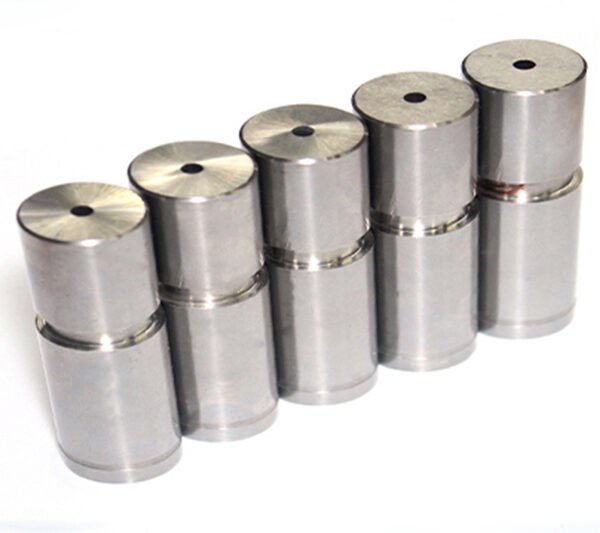
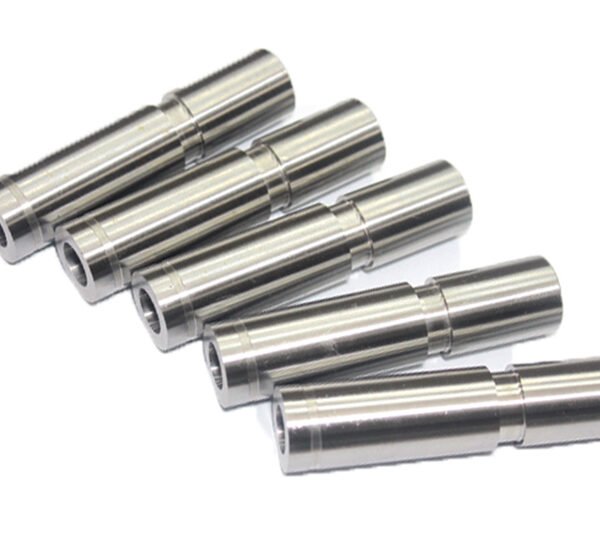
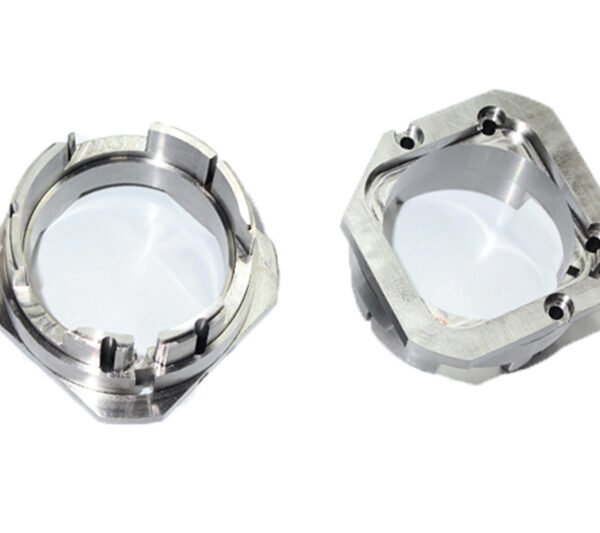
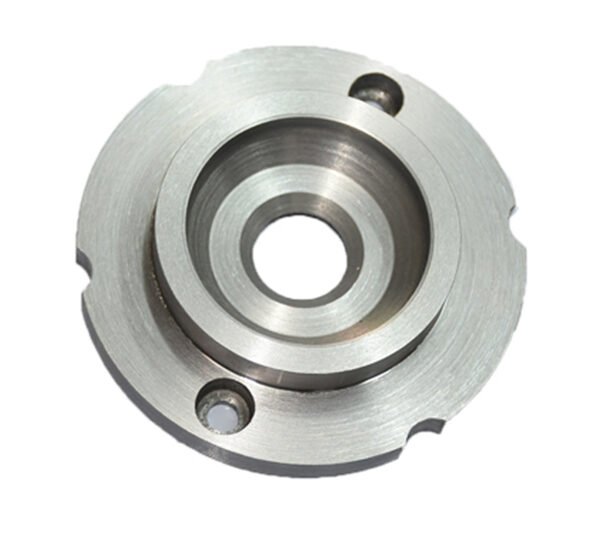
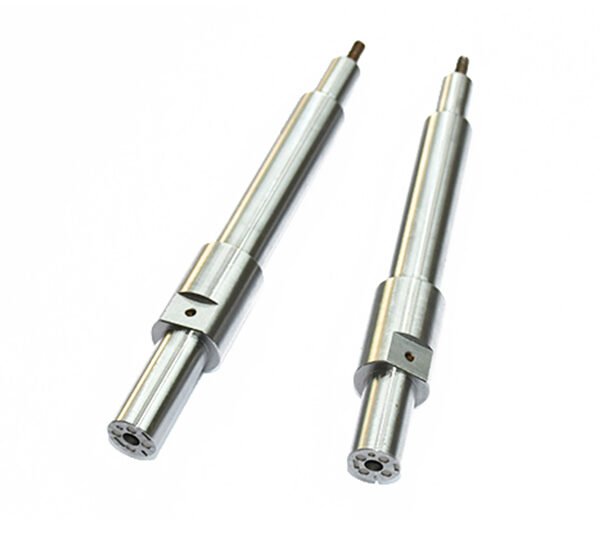
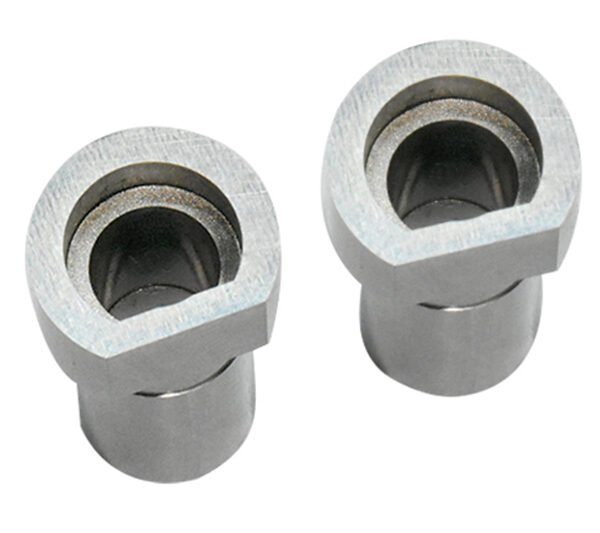
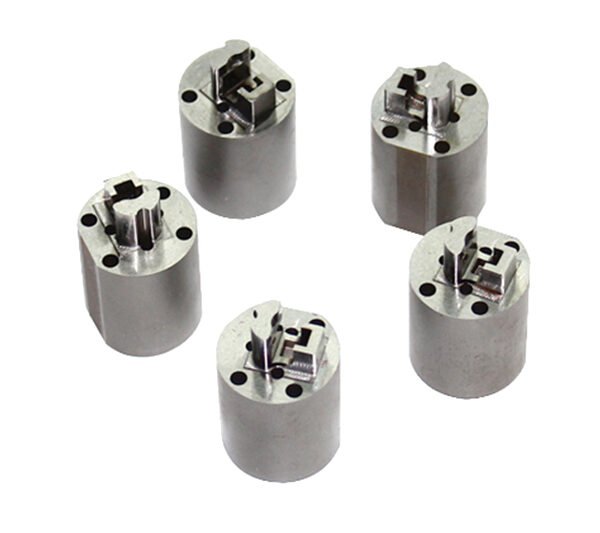
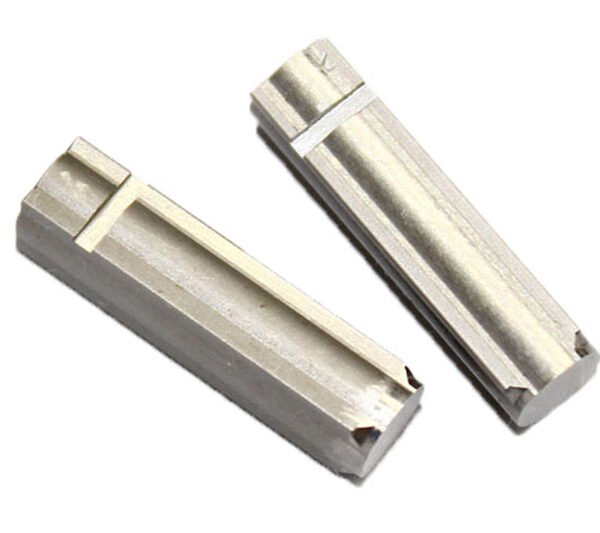
Slider & Lifter Gallery
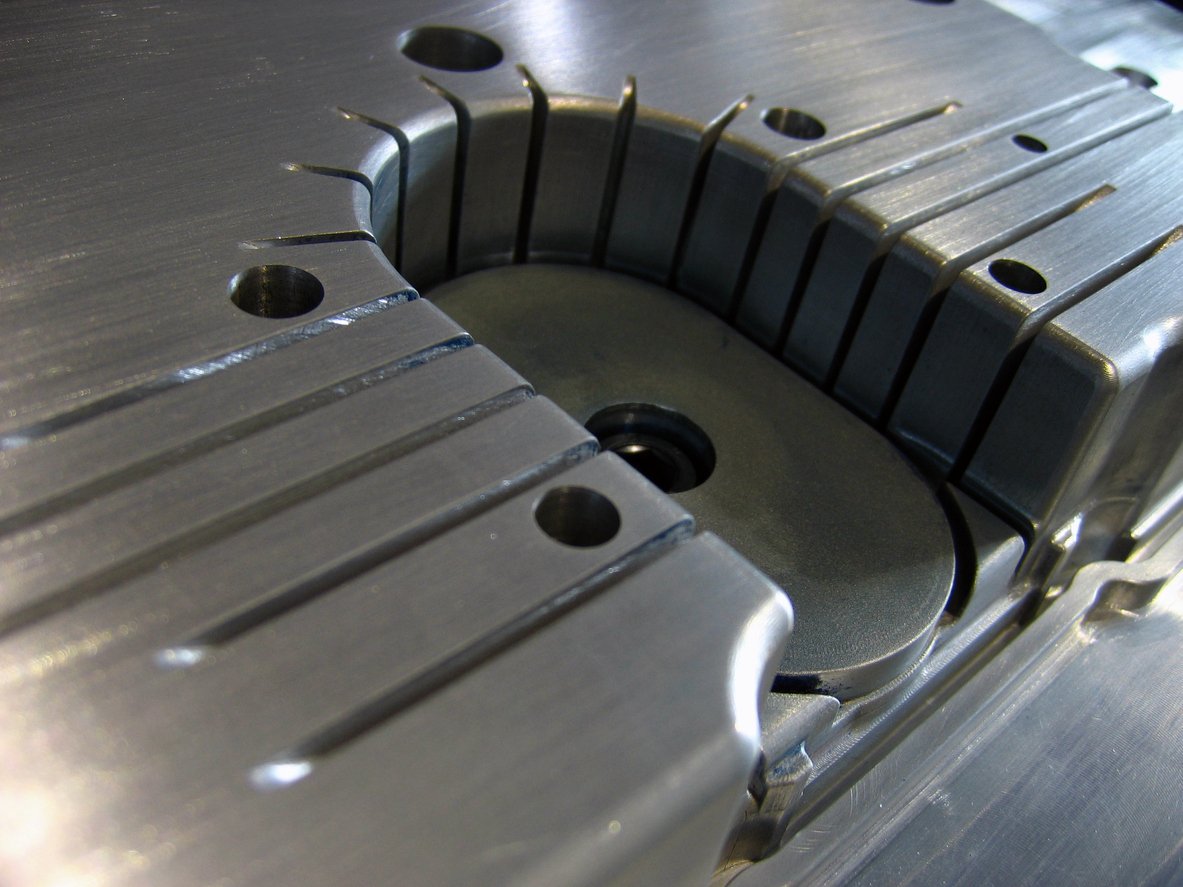
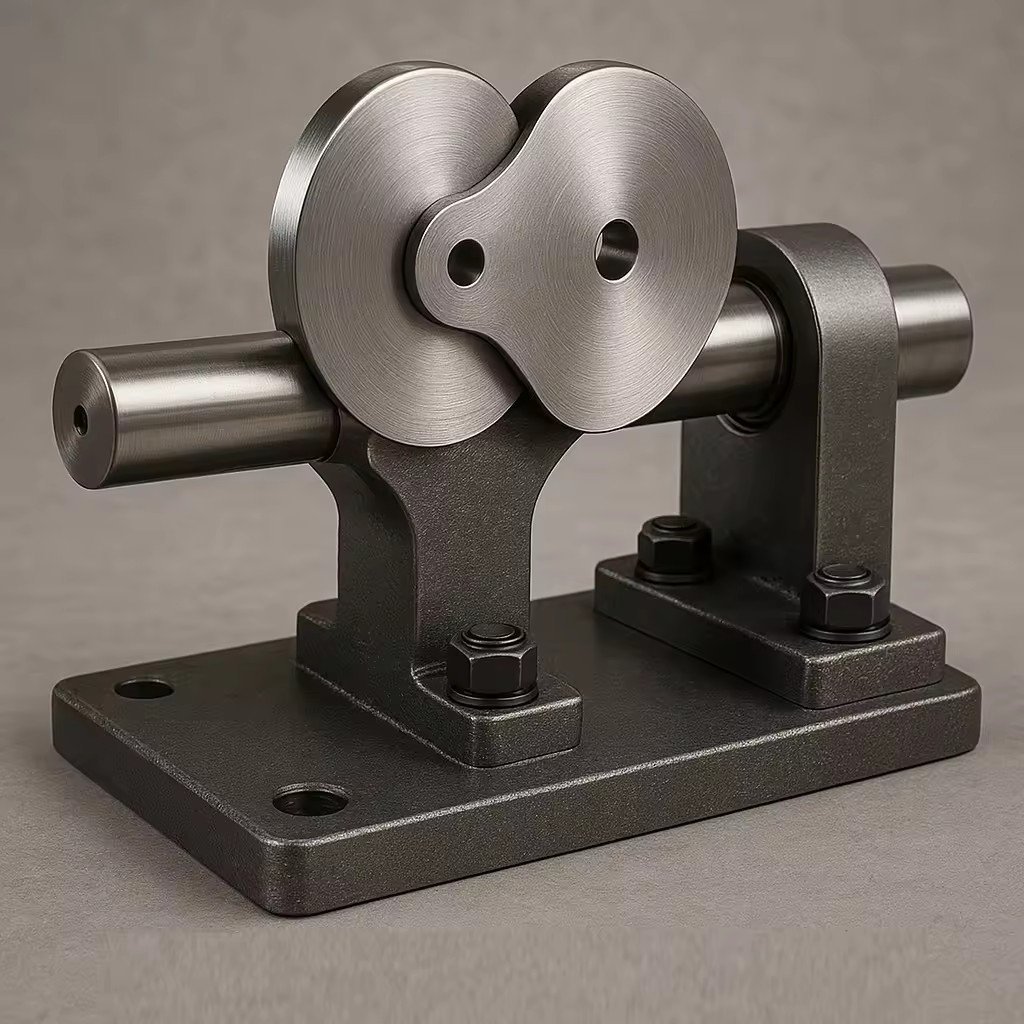
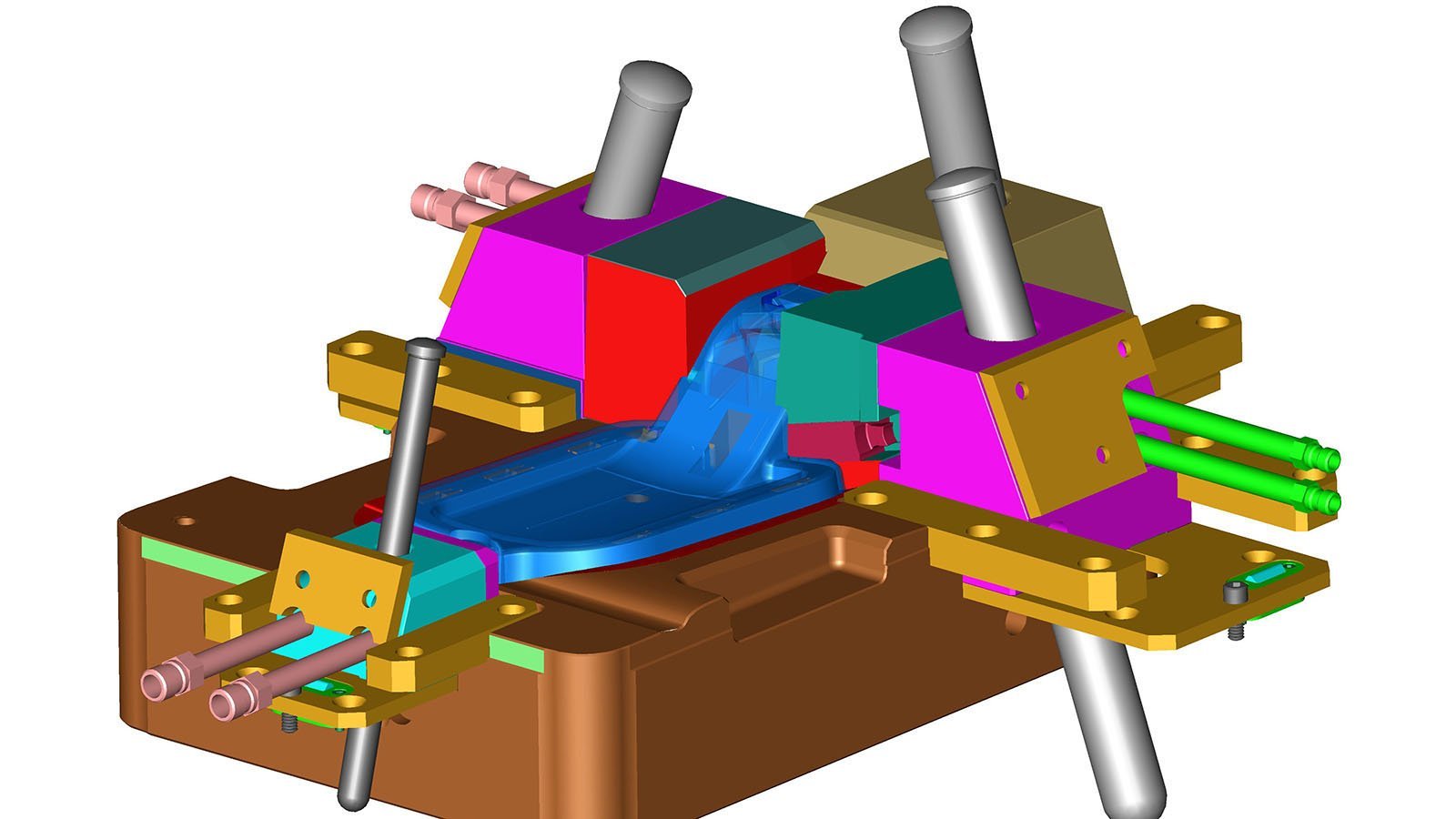
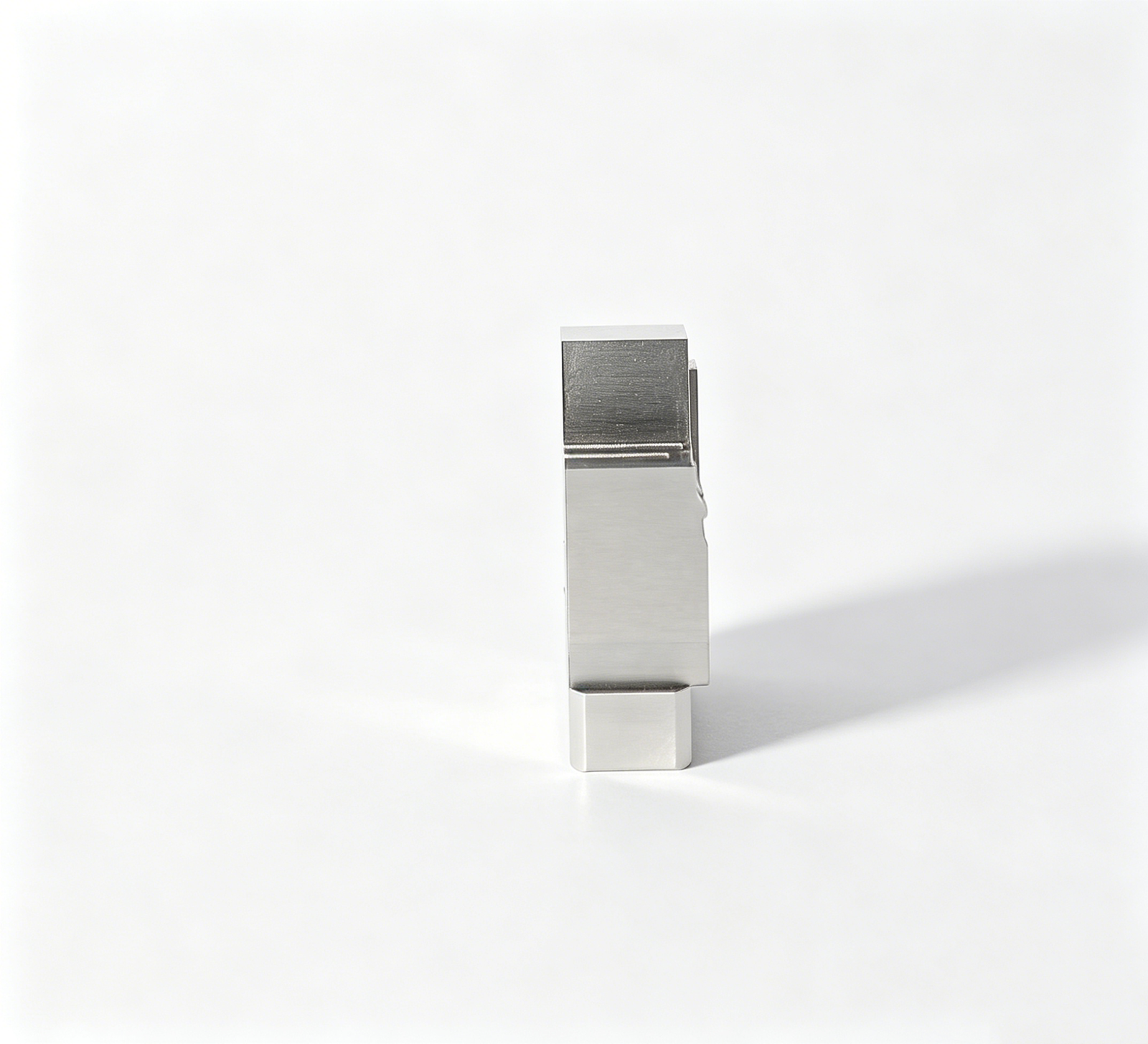

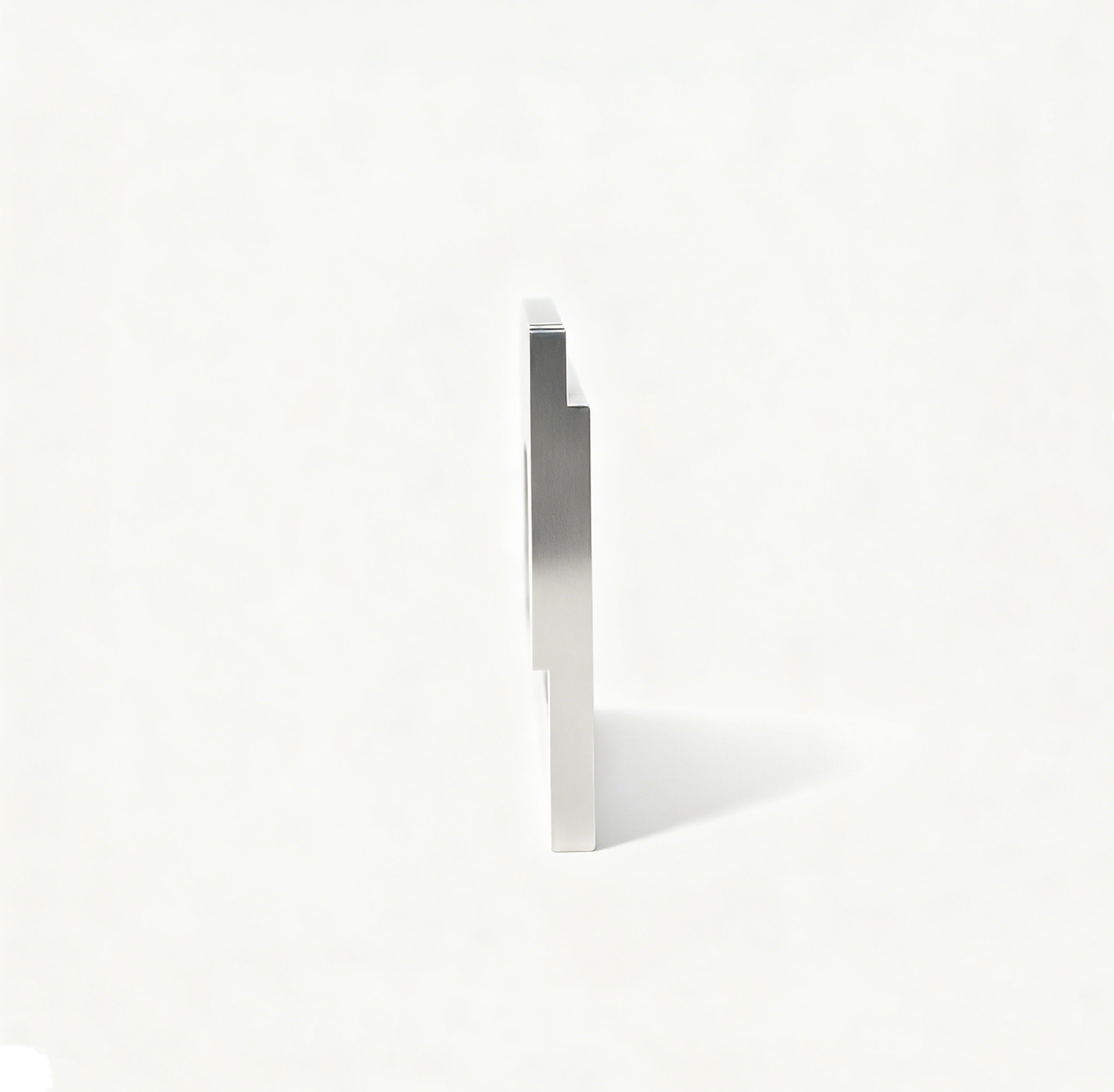
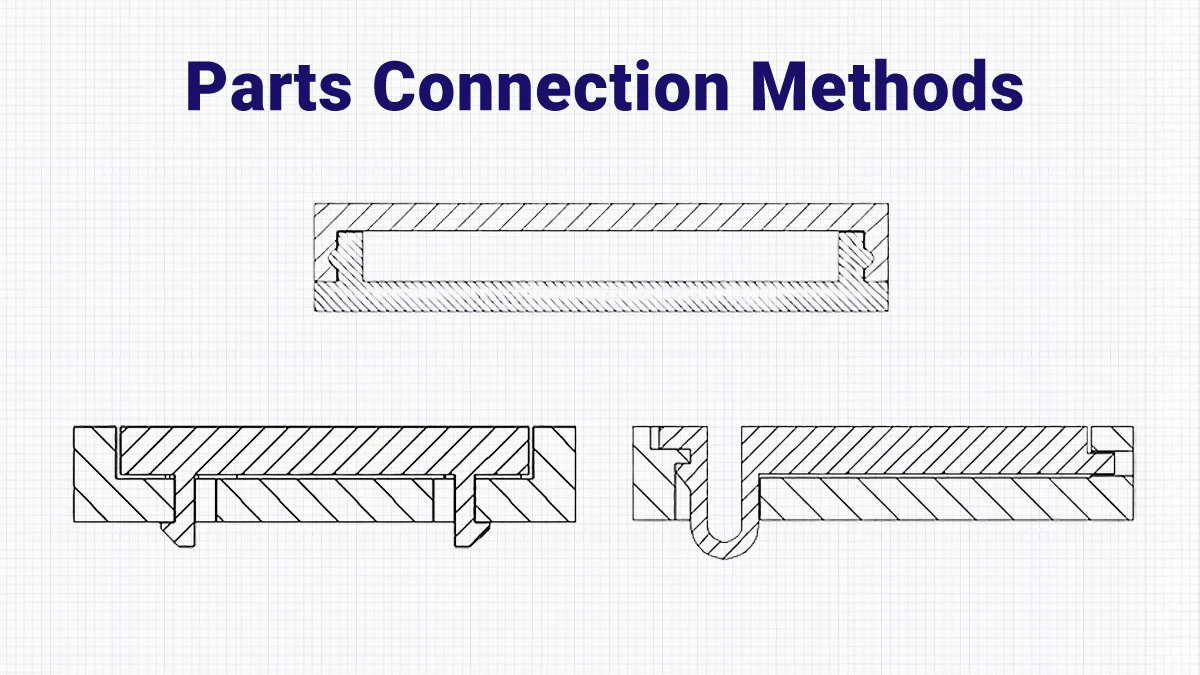
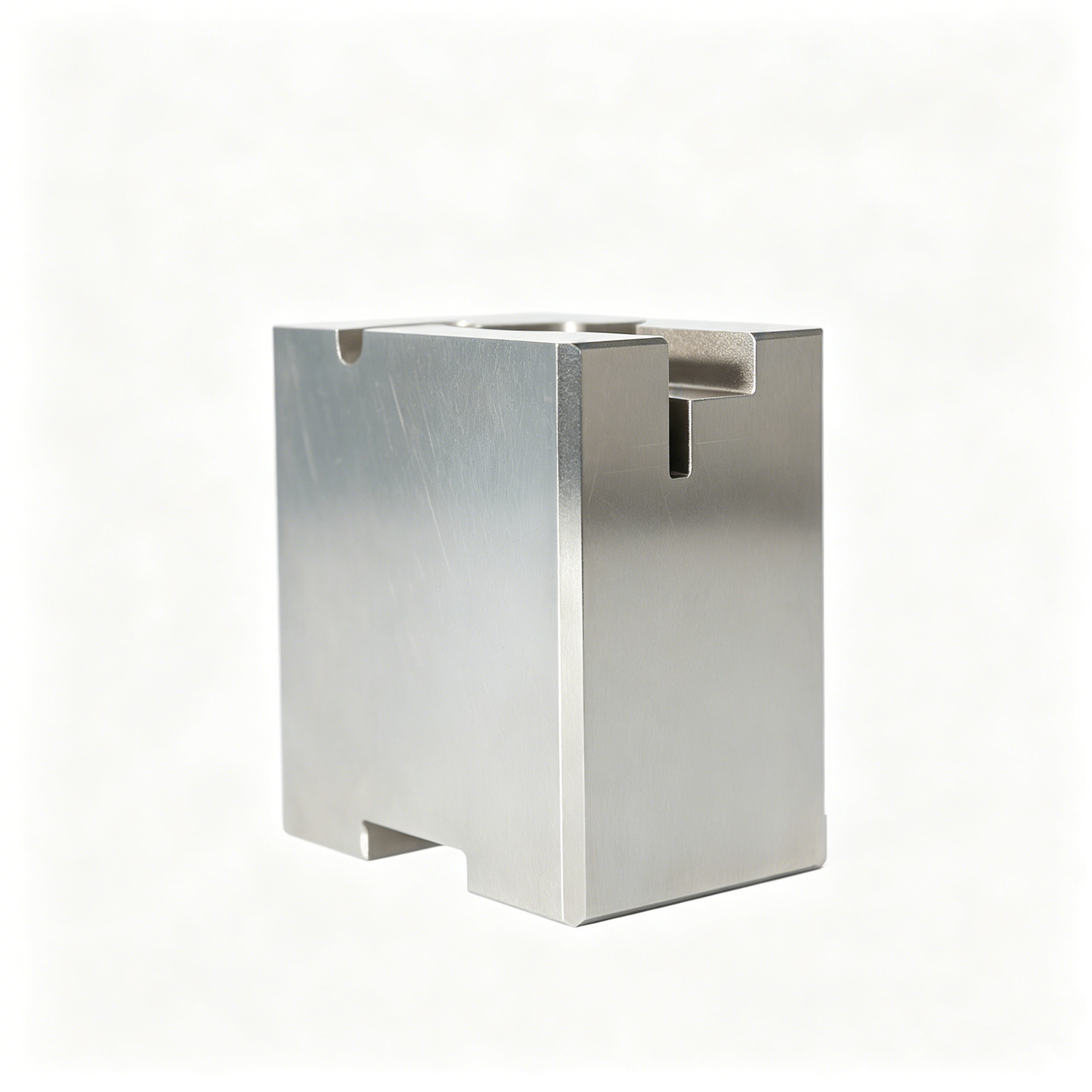
Six Precision Advantages of XUXIANG Slider Manufacturing
+/-0.001 mm Machining Precision
Sodick slow-wire EDM and Fanuc CNC machining hold micron-stable tolerances on every slider core, lifter and insert — verified on ZEISS MICURA CMM.
Mirror-Grade EDM Surface Finish
Mitsubishi mirror EDM delivers Ra 0.1um finishes on slider contact surfaces, eliminating post-polishing and reducing friction in high-cycle production molds.
ZEISS CMM Validation Every Part
Every slider is measured to 0.7um resolution on our ZEISS MICURA CMM; full FAI reports and material certificates ship with your order.
24-Hour Quote Turnaround
Upload your CAD files and receive a detailed quote within 24 hours, with DFM feedback from our 10+ engineering experts before production begins.
3–7 Day Sample Production
Prototype sliders and first articles ship in 3–7 days; mass production completes in 15–25 days — roughly 30% faster than industry average.
Dual-Factory Capacity Since 2025
Dongguan micro-machining center plus Quanzhou volume facility deliver +200% capacity expansion, ensuring on-time delivery even for large-scale tooling programs.
Slider & Lifter Solutions by Application
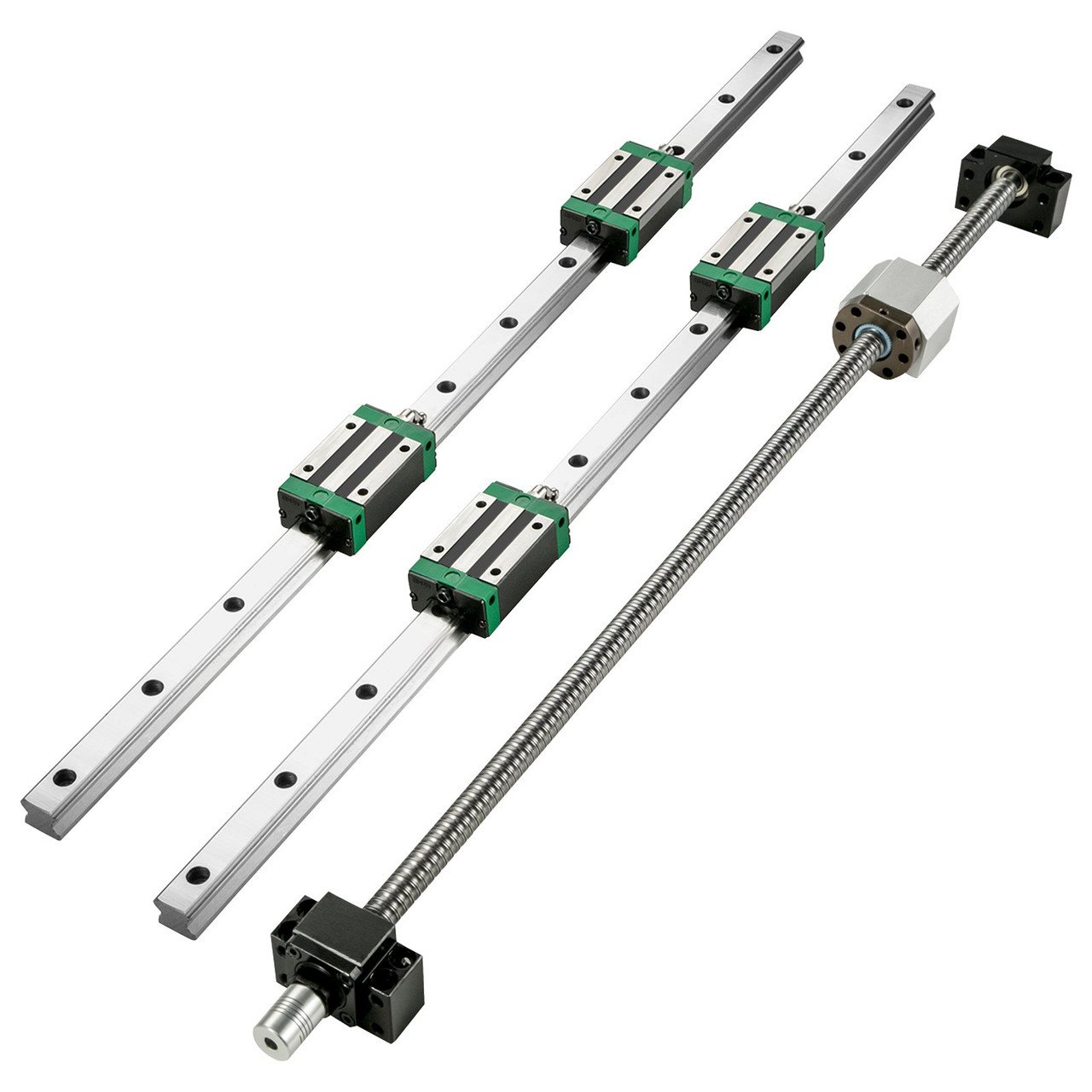
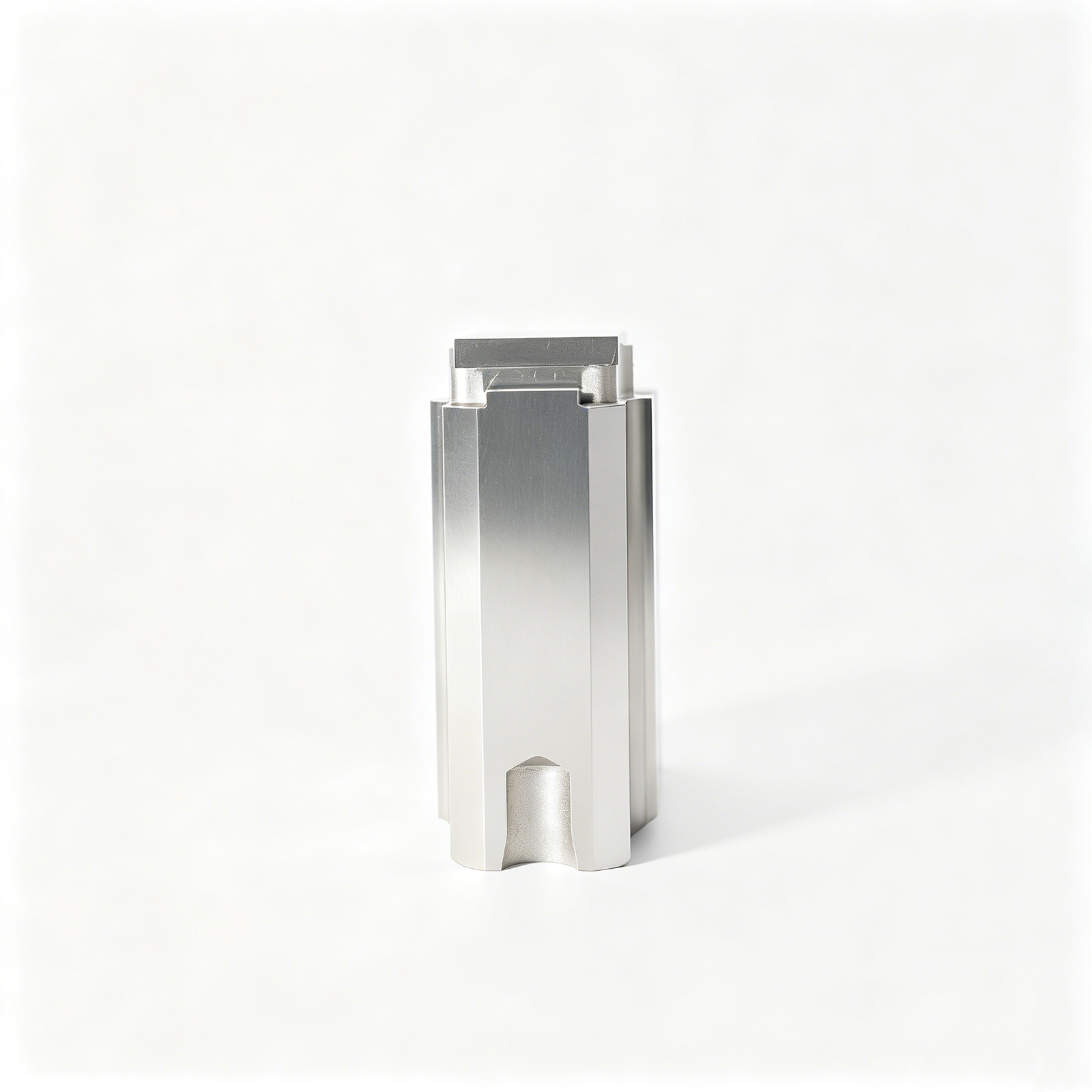
Linear Slider Blocks
Linear slider blocks machined to +/-0.002 mm positioning tolerance on Sodick slow-wire EDM and Fanuc CNC, designed for straight-line core-pull in multi-cavity electronics and connector molds. ZEISS MICURA CMM verification ensures parallelism and flatness across the full travel path, eliminating binding and flash defects in high-cycle production.
Get a Quote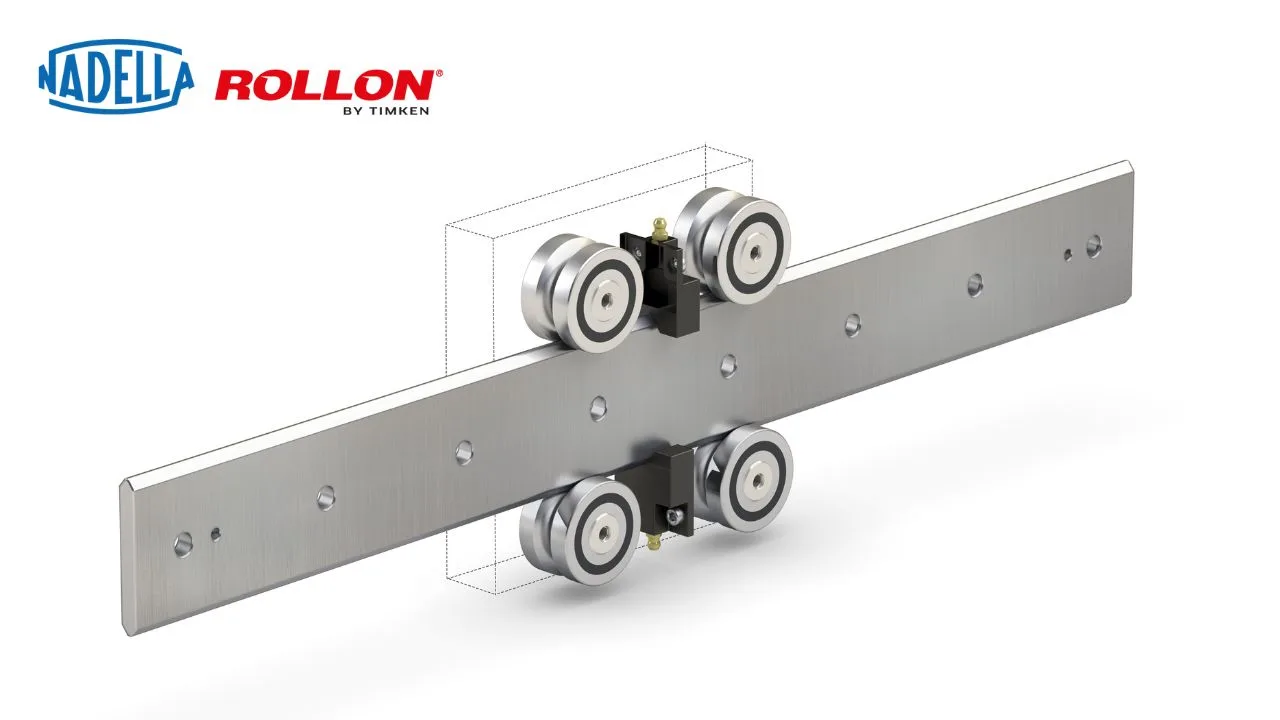
Precision Guide Sliders
Precision guide sliders with mirror-grade Ra 0.1 µm EDM finish and hardened wear surfaces, engineered for tight clearance fits in automotive sensor housings and medical-device tooling. DFM review by 10+ experts optimizes guide geometry and surface treatment to extend tool life beyond 500,000 cycles while holding dimensional stability.
Get a Quote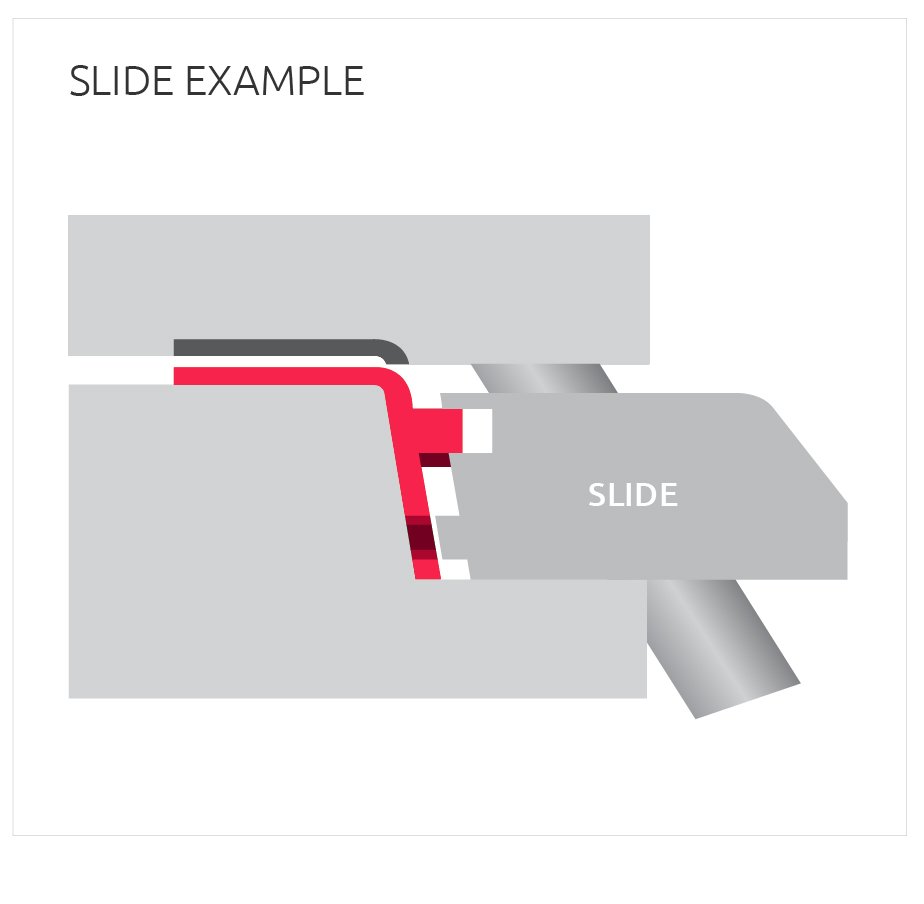
Mold Slider Components
Mold slider components including gibs, wedges, heel blocks and locking mechanisms, CNC-machined and ground to +/-0.003 mm class tolerance. Full material certificates and FAI documentation accompany every set, ensuring interchangeability across your global mold base standards and simplifying spare-part inventory management for OEM/ODM programs.
Get a Quote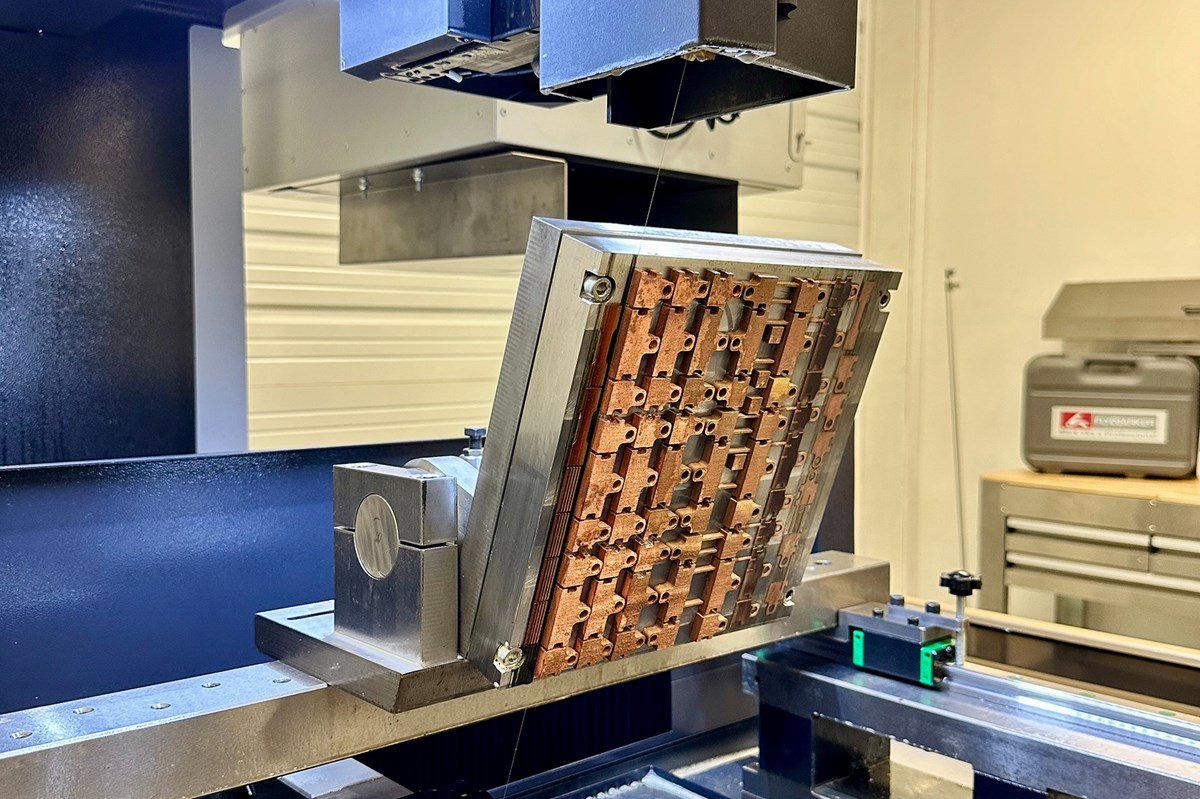
EDM Slider Inserts
EDM slider inserts with complex cavity profiles, micro-ribs and undercut features down to R 0.015 mm corner radii, produced on Mitsubishi mirror EDM and Sodick sinker systems. Ideal for 5G micro-connector tooling and thin-wall mobile housings where conventional machining cannot reach, validated by Nikon toolmaker’s microscope to confirm edge sharpness and surface integrity.
Get a Quote
Miniature Slider Assemblies
Miniature slider assemblies for compact mold layouts in wearables, hearing aids and board-to-board connector tooling, with overall dimensions under 20 mm and travel strokes as tight as 2–5 mm. Precision grinding and wire EDM deliver repeatable +/-0.001 mm accuracy on critical mating surfaces, preventing misalignment in high-density cavity arrays.
Get a Quote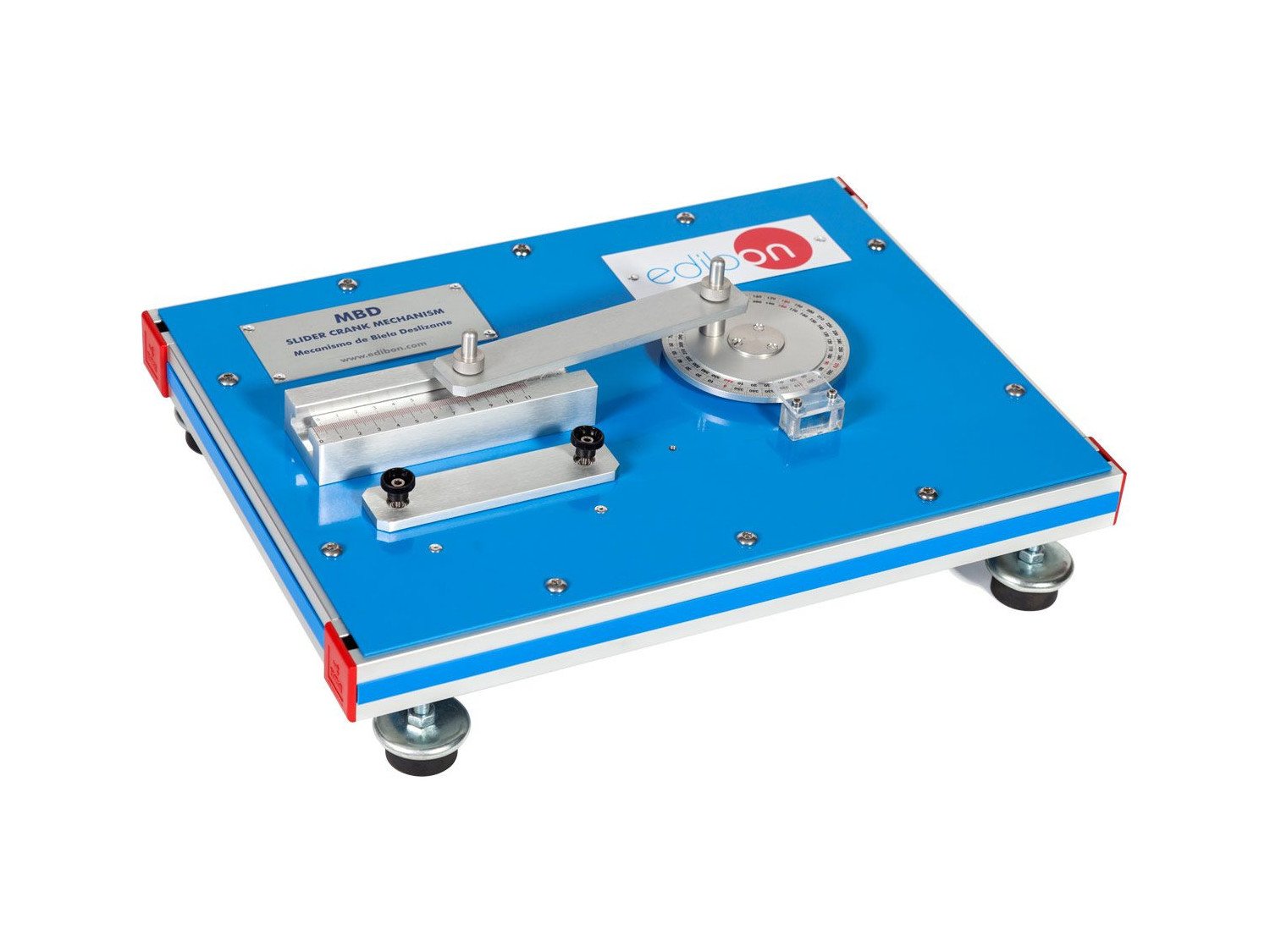
Custom Slider Mechanisms
Custom slider mechanisms tailored to your CAD design—whether cam-actuated, hydraulic-core or multi-axis lifter systems—with full DFM engineering support to optimize parting-line geometry, ejection timing and wear-plate placement. From prototype to mass production, ZEISS metrology and five-step QC ensure your custom solution performs reliably across the product lifecycle.
Get a Quote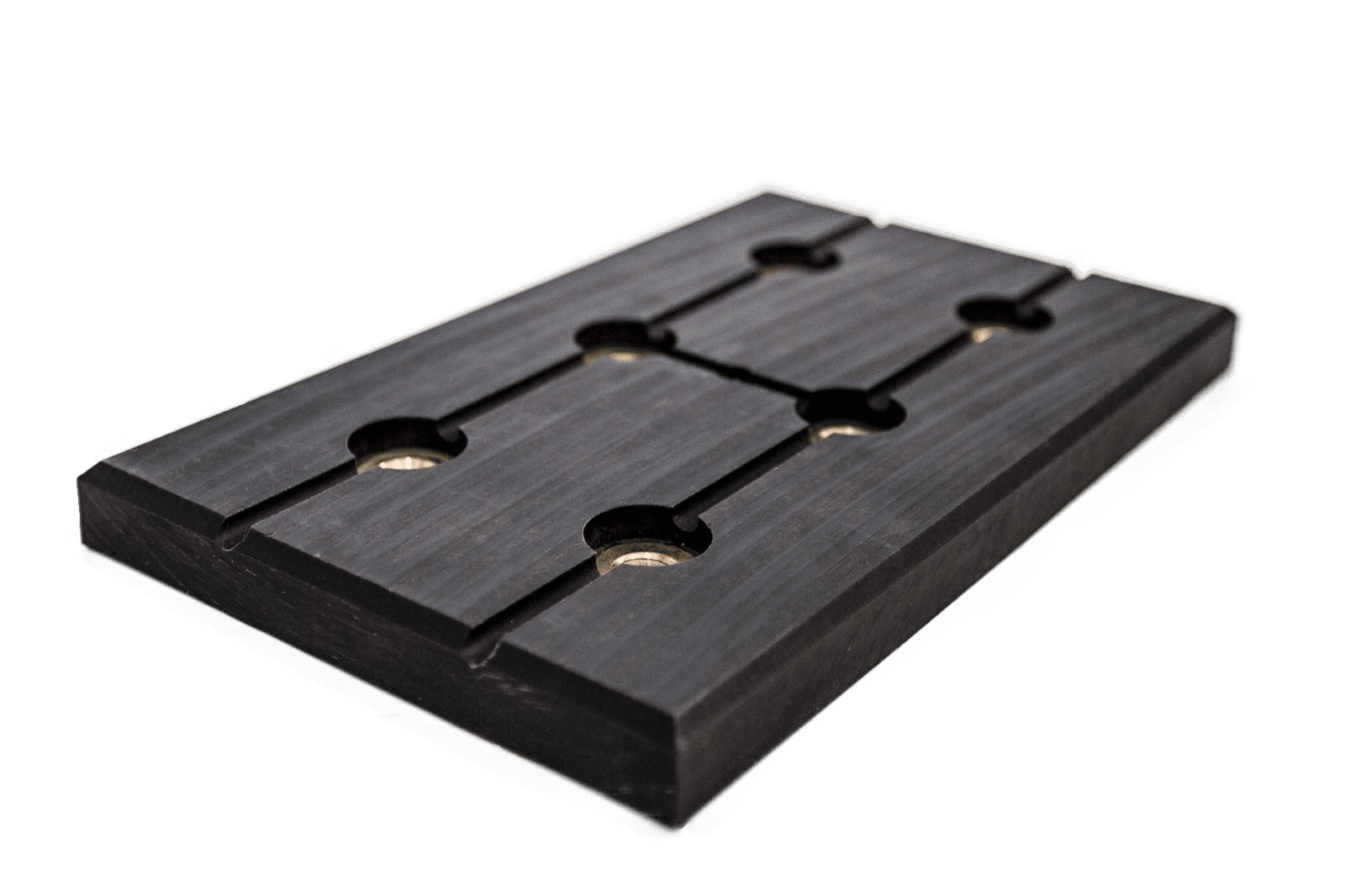
Slider Wear Plates
Slider wear plates in tool steel or beryllium copper, precision-ground to Ra 0.2–0.4 µm and heat-treated for hardness stability, protecting high-friction contact zones in automotive interior molds and industrial-automation fixtures. Replaceable design reduces downtime and refurbishment cost, with 3–7 day sample lead times to validate fit before volume orders.
Get a Quote
Angled Slider Lifters
Angled slider lifters with compound cam angles and undercut-release paths, CNC-milled and slow-wire cut to maintain +/-0.002 mm positioning across the angle transition. Essential for complex automotive trim, ADAS sensor bezels and NEV battery-pack housings where straight pulls cannot clear geometry, backed by full CMM angle and profile reports.
Get a Quote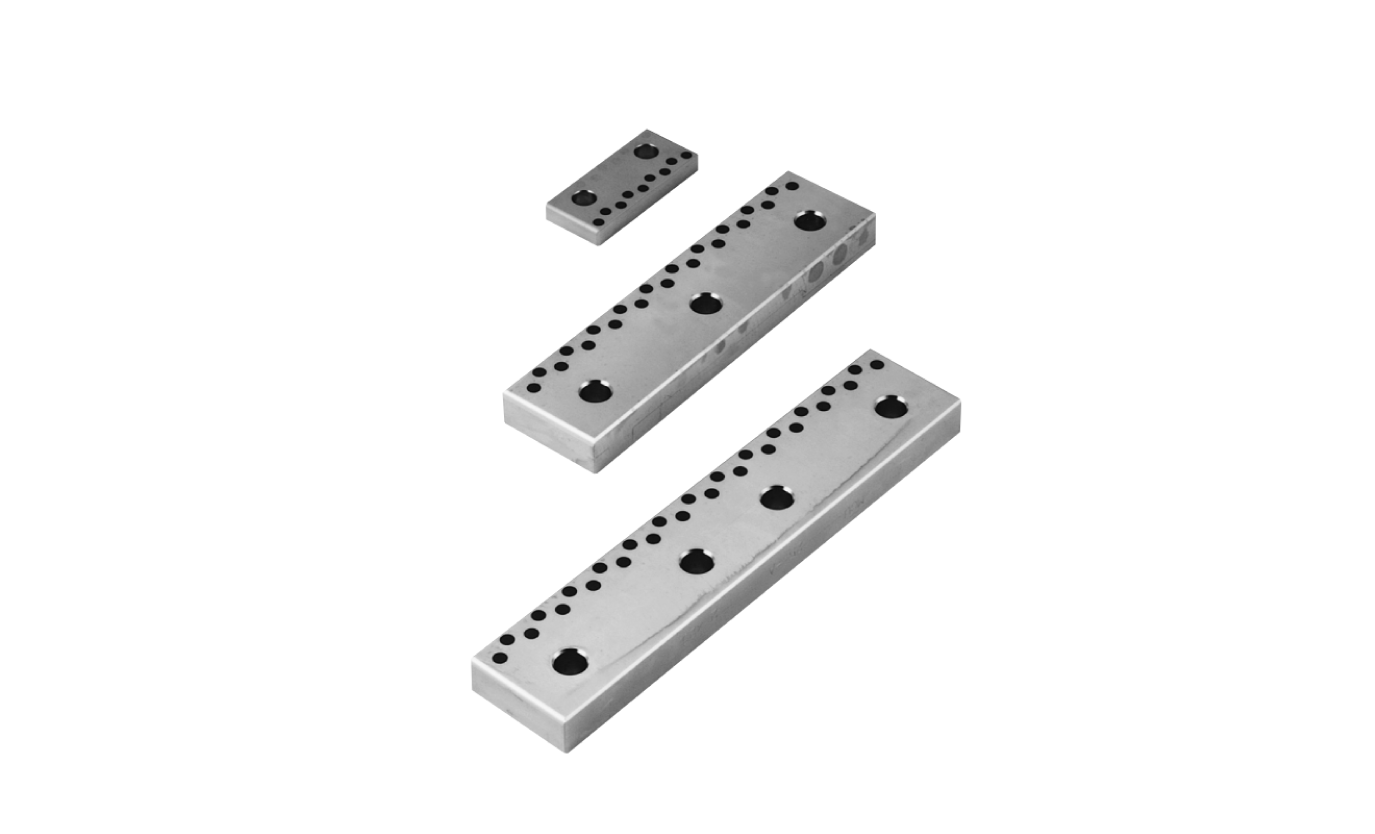
Slider Gib Plates
Slider gib plates machined to precise thickness and surface finish, ensuring smooth, wobble-free travel and uniform clamping force distribution across the slider body. Supplied with matching wear-resistant coatings or surface treatments as specified, and validated through in-process tolerance monitoring to prevent premature wear and mold downtime in high-volume production.
Get a QuoteMaterials & Specifications for Slider Components



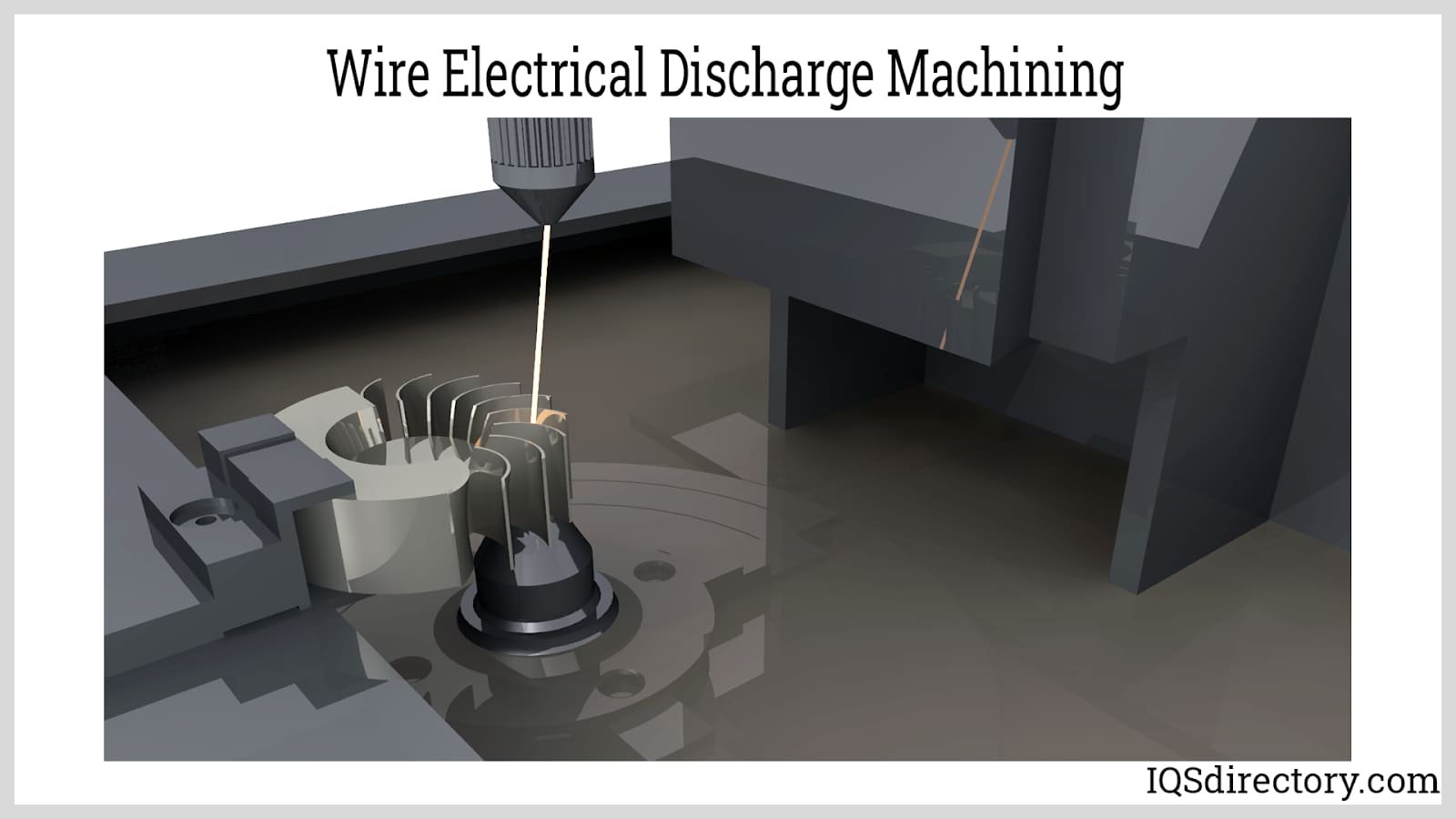
Slider Manufacturing Processes
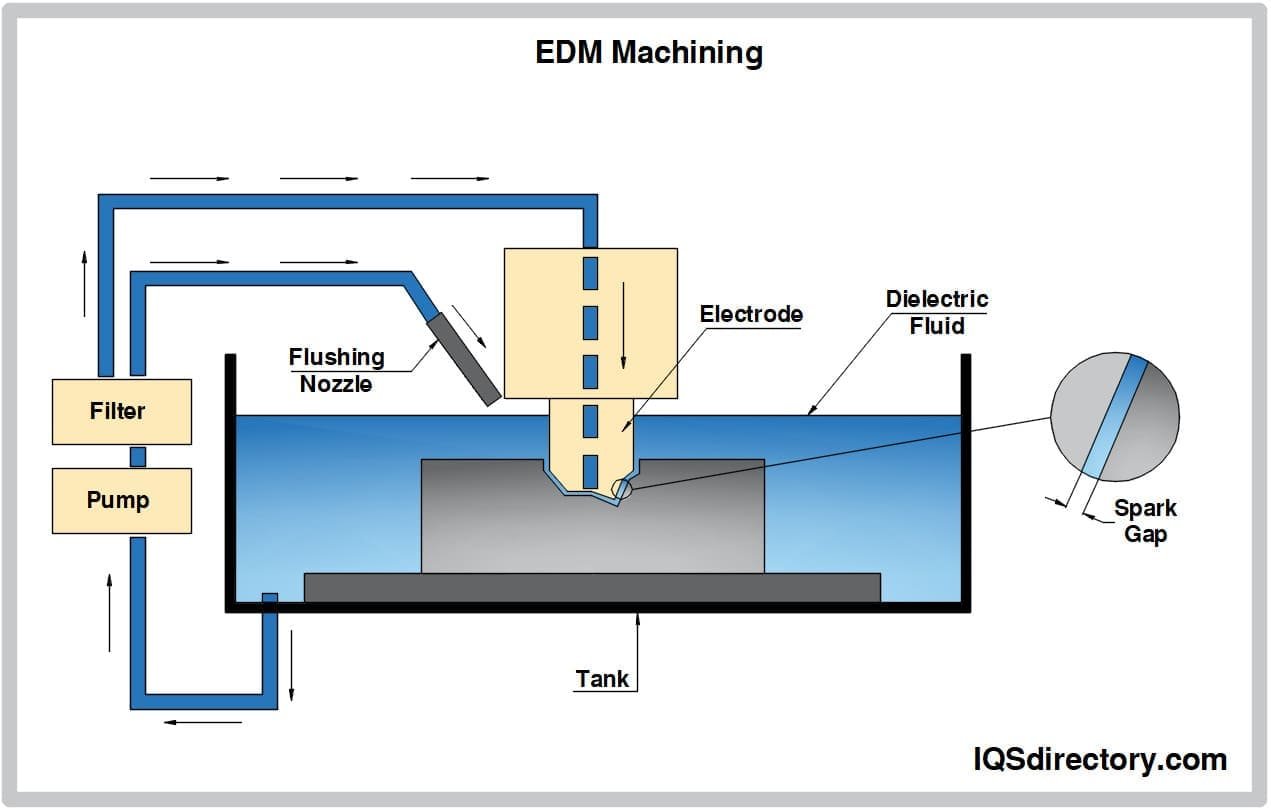
Sinker EDM
Sodick and Charmilles sinker EDM machines produce intricate slider cavities, undercuts and angled features with mirror-grade Ra 0.1 µm surface finishes, ensuring smooth part release and extended tool life in high-volume production.
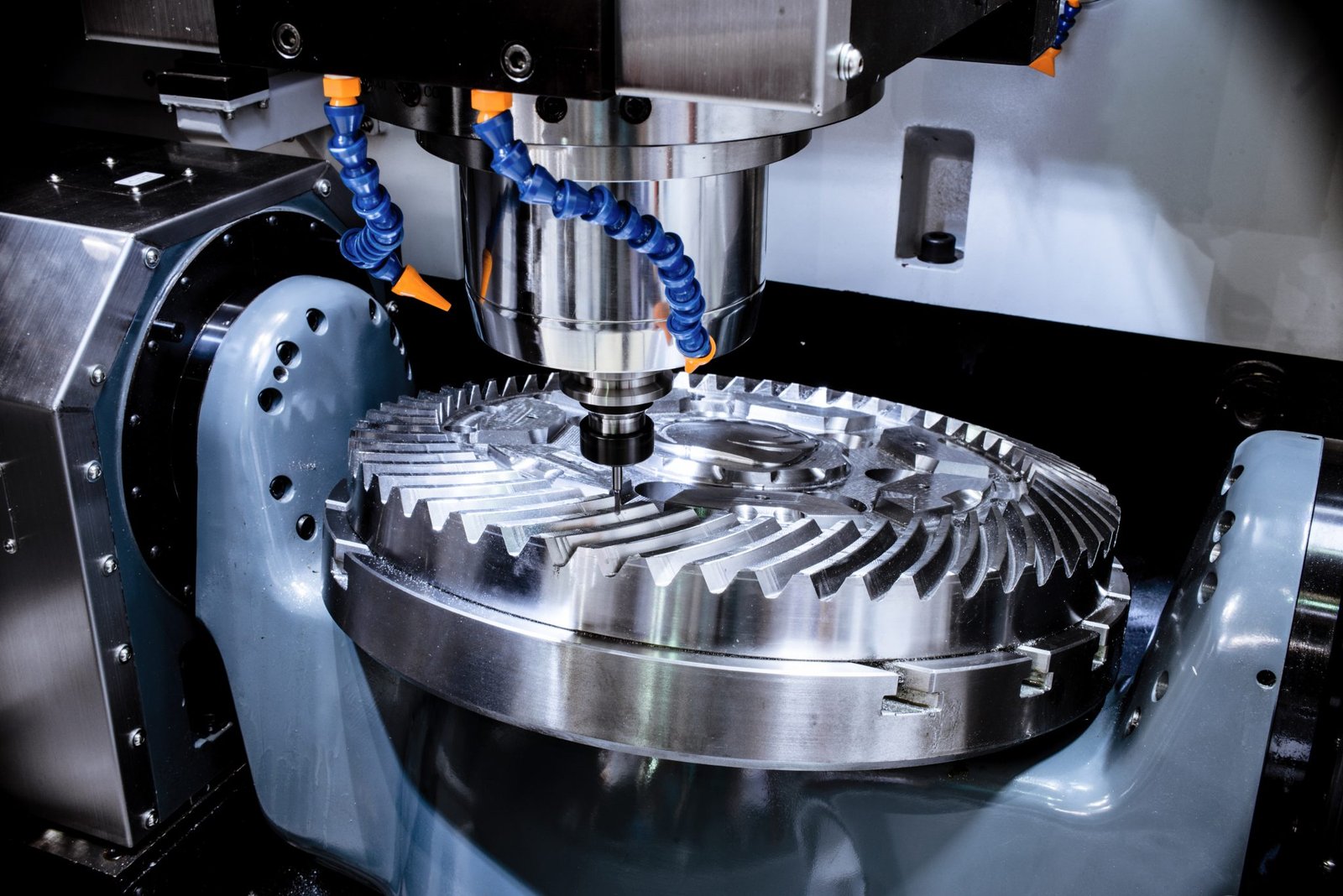

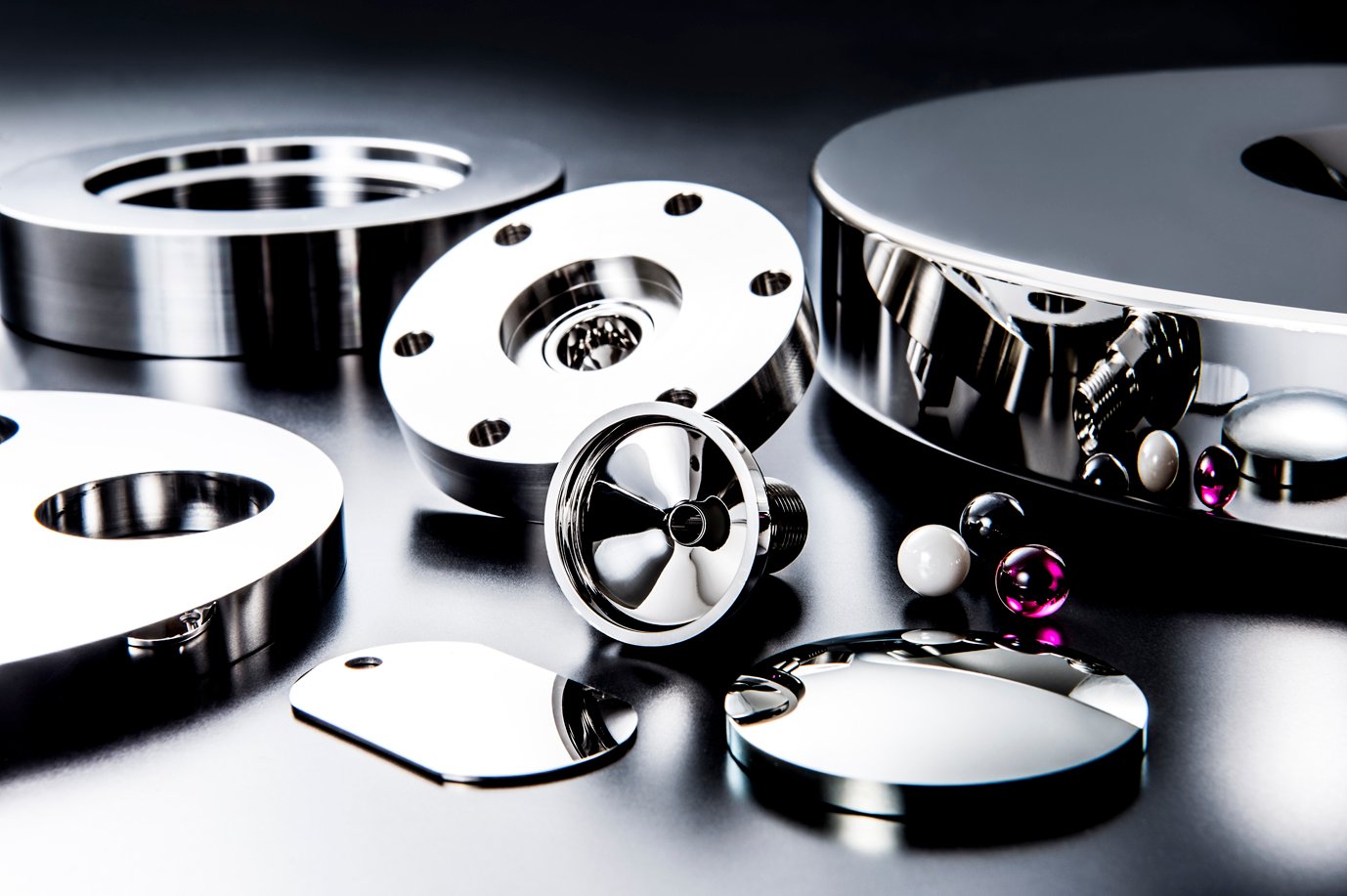
Mirror Polishing
Mitsubishi mirror EDM and manual polishing techniques achieve Ra 0.1 µm mirror finishes on slider core surfaces, eliminating drag marks, reducing ejection force and enhancing cosmetic quality for high-gloss electronics and automotive parts.
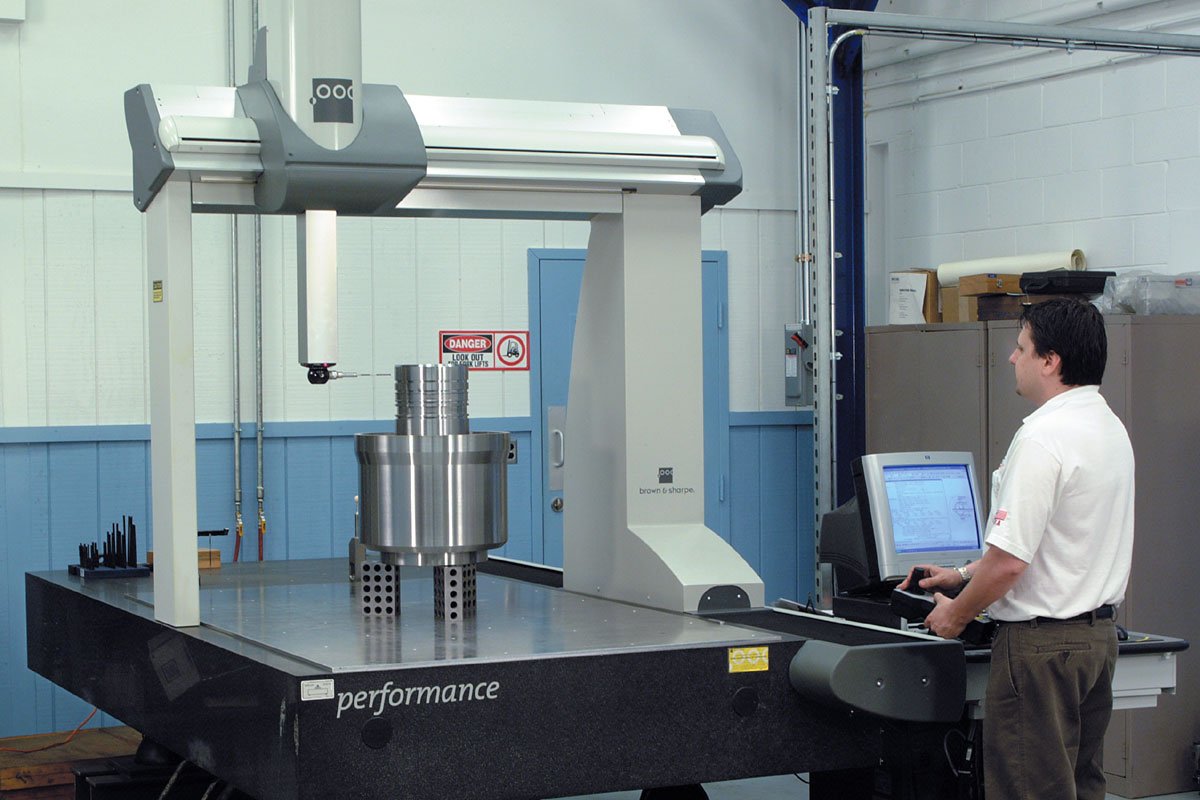
CMM Inspection
ZEISS MICURA coordinate measuring machine validates every critical slider dimension to 0.7 µm resolution, with Nikon toolmaker’s microscopes verifying edge radii and surface integrity; full FAI reports and material certificates accompany every shipment.
Slider Accessories & Add-On Services
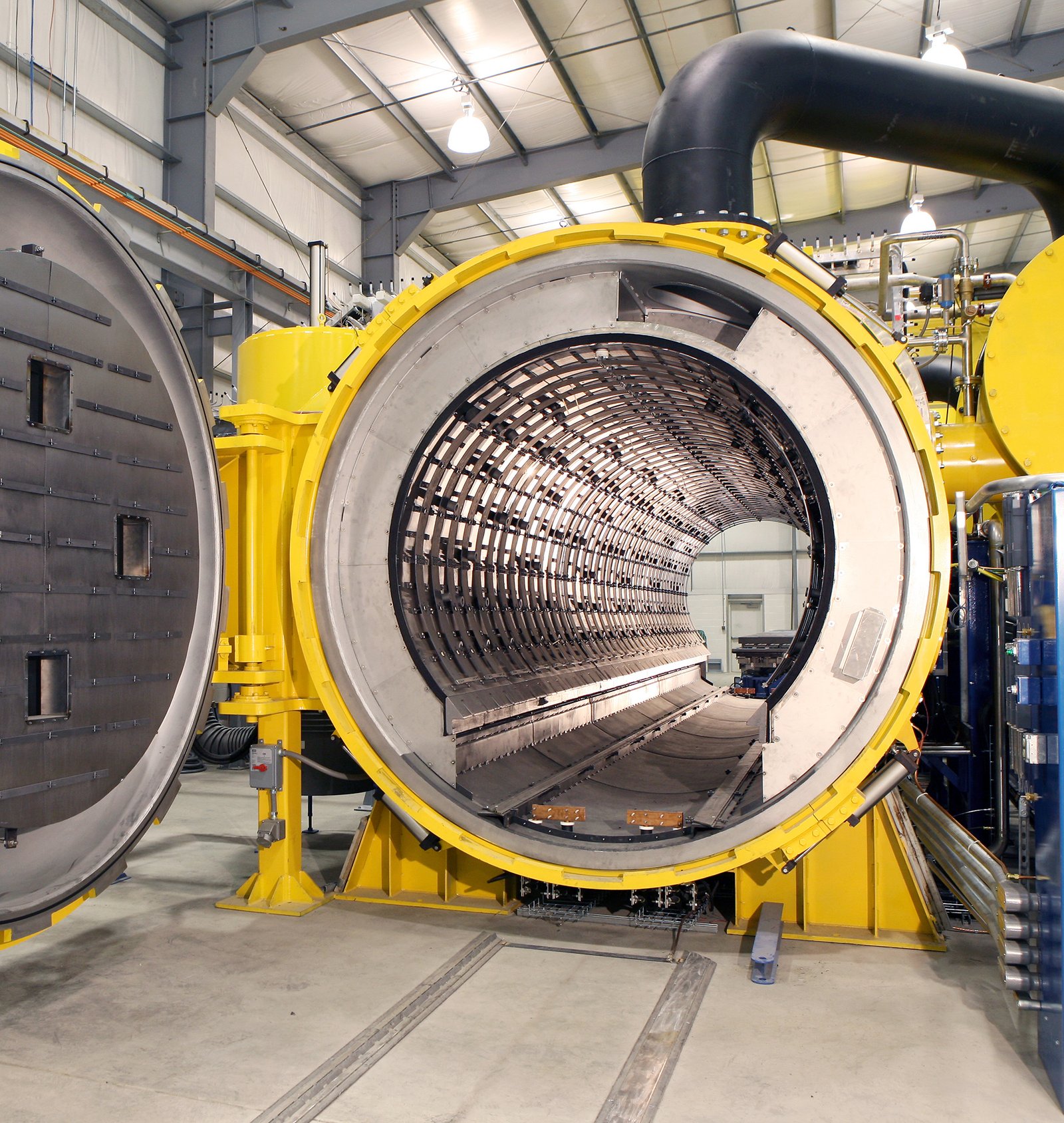
Vacuum Heat Treatment
HRC 48–62 hardening for slider wear surfaces and guide rails. Performed in controlled-atmosphere furnaces to prevent oxidation, ensuring dimensional stability within +/-0.002 mm and extended service life in high-cycle injection-molding applications.
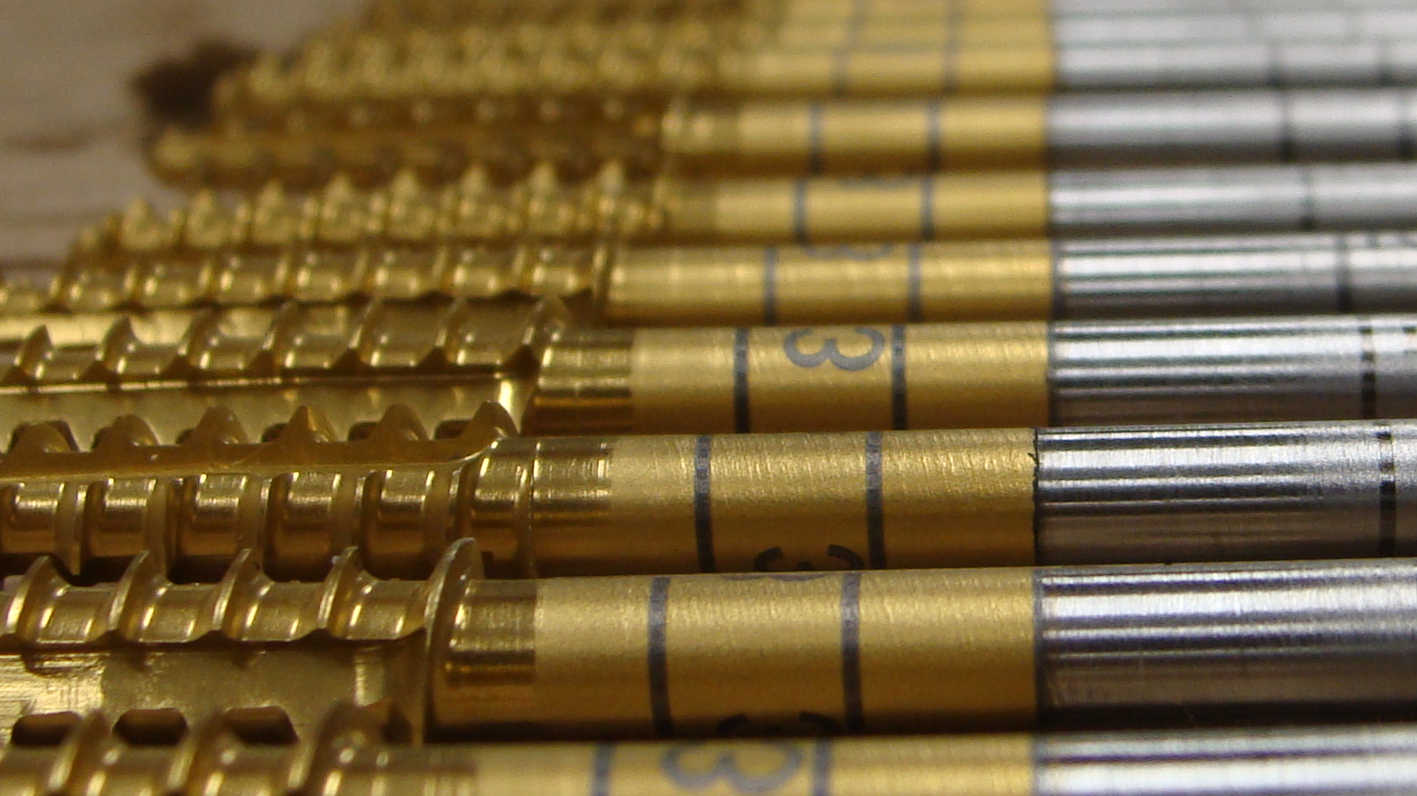
PVD & Nitriding Coatings
Titanium-nitride (TiN) or nitriding surface treatment for sliders operating in abrasive or corrosive environments. Reduces friction, prevents galling and extends component lifespan by 3–5× in automotive, medical and 5G connector tooling.
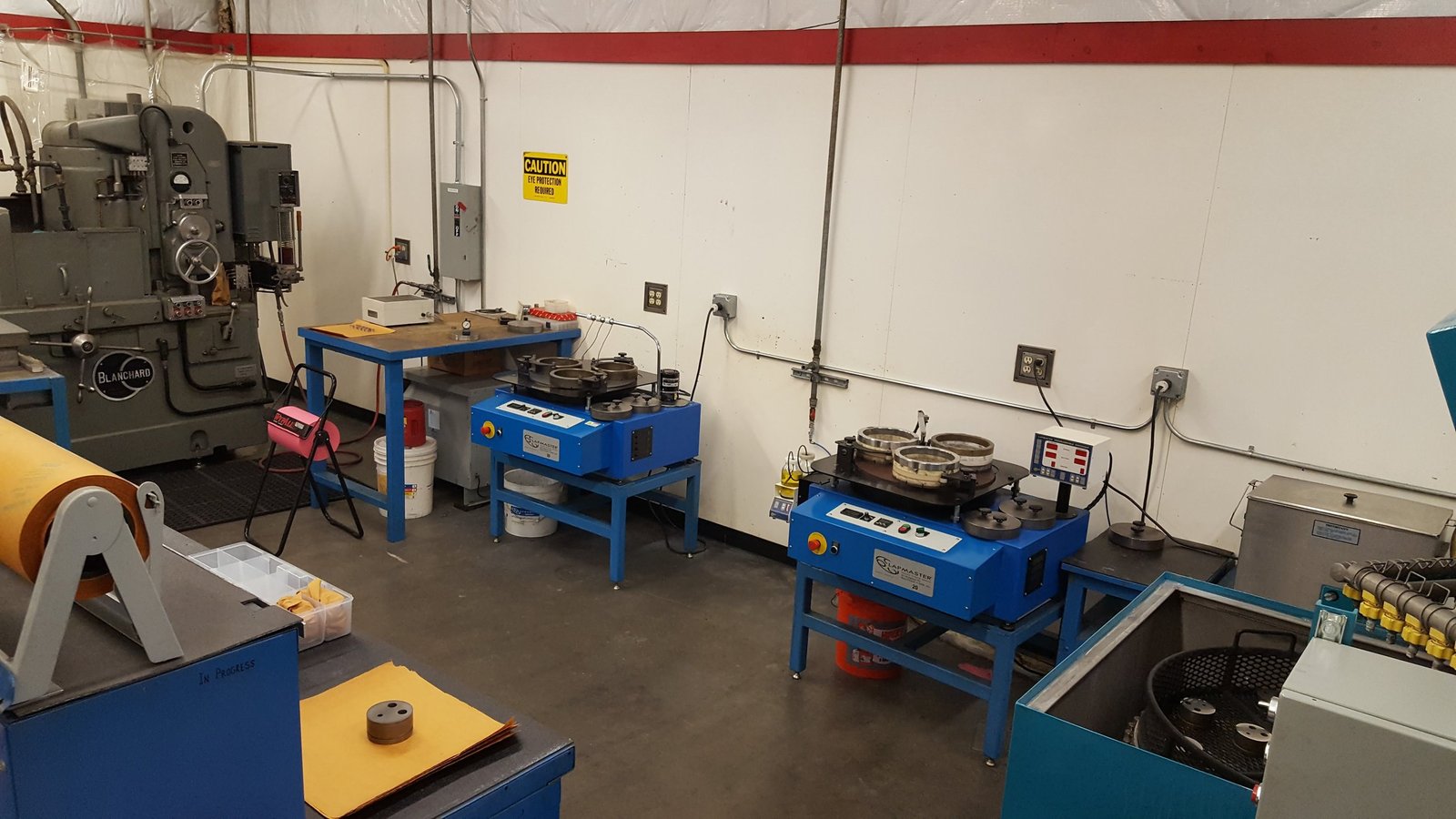


Full FAI Documentation
First-article inspection report with ZEISS CMM data, material certificates, surface-roughness readings and dimensional validation for every critical feature. Meets PPAP, AS9102 and ISO 13485 traceability requirements for automotive, aerospace and medical OEMs.
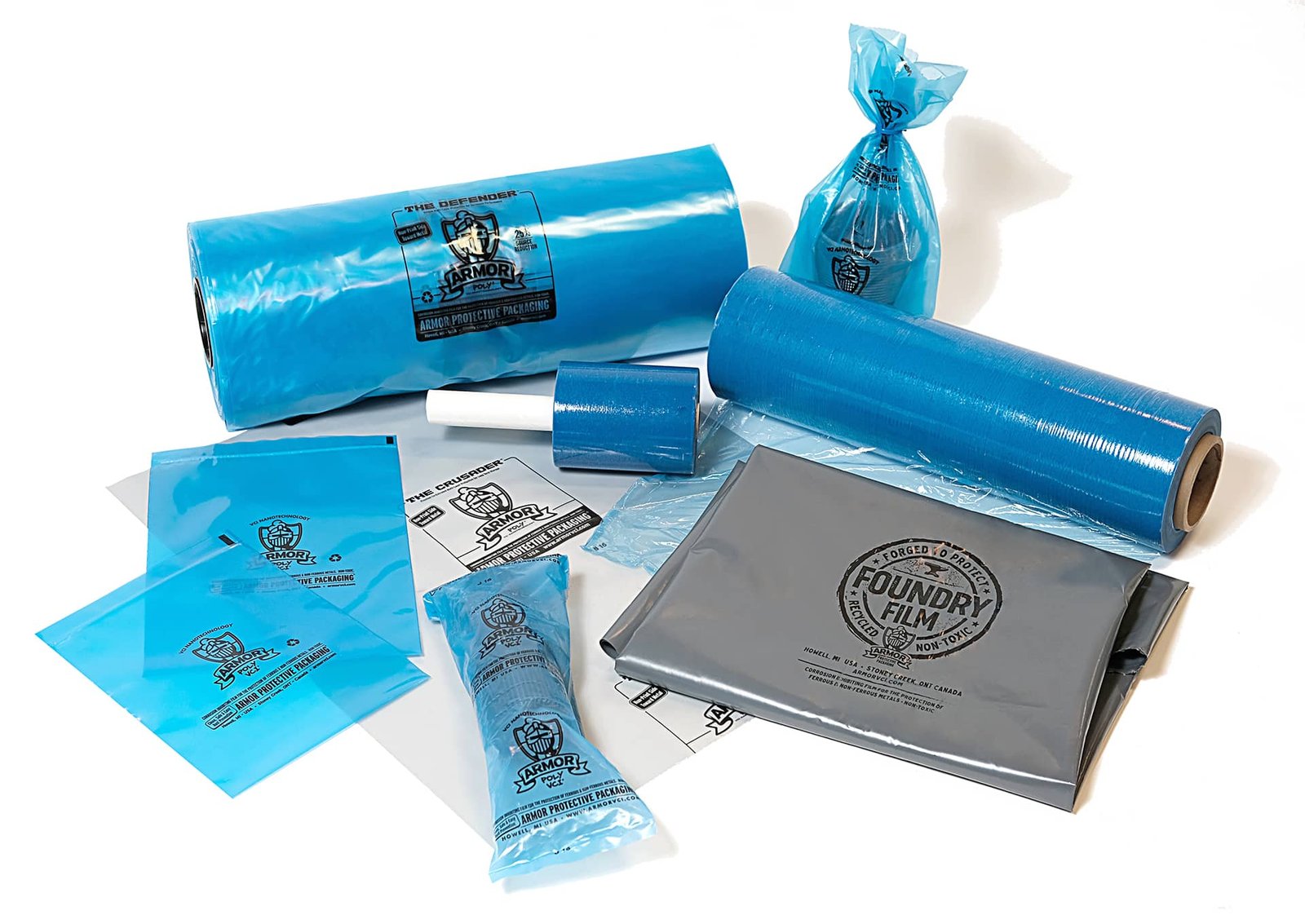
Anti-Corrosion Packaging
VCI foam-lined cases with individual compartments, desiccant packs and laser-etched part labels. Protects sliders during international shipping, prevents rust and cross-contamination, and simplifies inventory management for multi-project procurement teams.
About XUXIANG — 16 Years of Precision Slider Innovation
Founded in 2010 in Chang’an, Dongguan, XUXIANG began as a specialist mold-core machining shop and has evolved into a dual-factory precision manufacturing group. Today we operate 2,000 m² of R&D and micro-machining capacity in Dongguan plus 1,400 m² of volume production in Quanzhou, serving electronics, 5G/telecom, automotive & NEV, industrial-automation and medical-device OEMs worldwide.
Our engineering philosophy is zero-tolerance culture: every slider, lifter and core insert is validated through a five-step QC flow anchored by ZEISS MICURA CMM metrology (0.7 µm resolution), Sodick and Seibu slow-wire EDM, and Mitsubishi mirror EDM. A team of 10+ DFM experts reviews every project before machining begins, ensuring dimensional stability, surface integrity and fit at +/-0.001 mm.
ISO 9001:2015 governs every process, from material spectral analysis to final FAI documentation. With our 2025 Quanzhou expansion we’ve increased annual output by 200% and cut lead times roughly 30% below industry average — delivering samples in 3–7 days, production runs in 15–25 days, and quotes within 24 hours.
Core Slider Capabilities — Precision & Performance
Micron-Stable Slider Tolerance Control
Every slider is machined to +/-0.001 mm maximum deviation and validated with ZEISS MICURA CMM metrology measuring to 0.7um resolution. Sodick slow-wire EDM holds +/-0.002 mm class positioning, ensuring zero-clearance fit and repeatable cycle life across millions of mold closures.
- Maximum machining accuracy: +/-0.001 mm on all critical dimensions
- ZEISS MICURA CMM verification to 0.7um; Nikon toolmaker's microscope cross-check
- Sodick & Seibu slow-wire EDM: +/-0.002 mm positioning for wear surfaces
- Full FAI dimensional report + material certificate with every shipment
Mirror-Grade EDM Surface Finishes
Mitsubishi mirror EDM and Sodick sinker systems deliver Ra 0.1um surface integrity on slider contact faces, eliminating micro-scoring and friction wear. Charmilles EDM backup ensures consistent mirror finish across high-volume orders, critical for automotive and medical-device mold longevity.
- Ra 0.1um mirror-grade finish on all slider wear and sealing surfaces
- Mitsubishi mirror EDM + Sodick sinker EDM for repeatable surface quality
- Zero hand-polishing required; automated process ensures batch consistency
- Reduces cycle friction by ~40% vs. standard ground sliders

Conformal Cooling & Thermal Management
DFM engineering from 10+ mold-design experts integrates conformal cooling channels into slider bodies, cutting cycle time by 15–30% and preventing hot-spot warpage. CNC and EDM workflows support complex internal geometries that conventional drilling cannot achieve.
- Conformal cooling channels designed into slider cores for faster heat extraction
- DFM review identifies thermal bottlenecks before first cut
- Fanuc CNC + Sodick EDM enable 3D cooling paths impossible with standard drilling
- Typical cycle-time reduction: 15–30% in high-cavity automotive and electronics molds
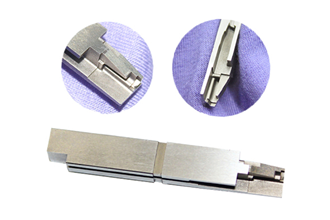
Rapid Slider Prototyping & Iteration
Sample sliders ship in 3–7 days with full dimensional validation. Beijing Jingdiao high-precision CNC accelerates electrode fabrication, while dual-factory capacity in Dongguan and Quanzhou supports parallel prototype and production runs, de-risking new-product launches and tool-trial schedules.
- Sample lead time: 3–7 days with ZEISS CMM validation report
- Beijing Jingdiao CNC for rapid electrode machining; cuts setup time by ~50%
- Dual factories enable prototype in Dongguan, mass production in Quanzhou
- 24-hour quote turnaround; engineering feedback within 48 hours of file upload
XUXIANG vs. Standard Mold Suppliers — Slider Precision Comparison
When slider tolerances, surface finish and delivery reliability directly impact your mold performance and production uptime, the difference between precision-grade tooling and commodity components becomes measurable. Here’s how XUXIANG’s slider manufacturing compares to typical mold suppliers.
← 左右滑动查看 →
Slider Production Workflow — From Design to Delivery
Six precision-controlled phases ensure every slider meets +/-0.001 mm tolerances and eliminates costly rework before shipment.
Design Review & DFM
10+ engineering experts analyze CAD geometry, draft angles, wear surfaces and undercut clearances to optimize slider function and prevent tolerance drift.
Precision CNC Machining
Fanuc CNC and Beijing Jingdiao high-precision centers rough and semi-finish slider bodies, rails and wedge angles to +/-0.002 mm positioning accuracy.
Slow-Wire EDM & Finishing
Sodick and Seibu slow-wire EDM cut wear-resistant profiles and complex geometries; Mitsubishi mirror EDM polishes contact surfaces to Ra 0.1 µm mirror finish.
Precision Grinding & Heat Treatment
Dawn grinding centers true mating surfaces and guide rails; heat-treatment cycles stabilize hardness and dimensional integrity for high-cycle durability.
Multi-Step QC & Metrology
ZEISS MICURA CMM verifies critical dimensions to 0.7 µm resolution; Nikon toolmaker’s microscopes inspect edge radii, surface integrity and fit clearances.
FAI Documentation & Shipment
Full First Article Inspection report, material certificates and dimensional data accompany every slider order; 3–7 days samples, 15–25 days mass production.
How to Order Precision Slider Components from XUXIANG
Five simple steps from CAD submission to FAI-validated delivery — with quotes returned in 24 hours and DFM engineering support at every stage.
Submit Your CAD & Requirements
Upload 2D/3D files, material specs and tolerance requirements via the quote form. Our engineering team reviews every submission for manufacturability within one business day.
Receive Your 24-Hour Quote
Get a detailed quotation with lead time, DFM feedback from 10+ experts, and material recommendations — backed by +/-0.001 mm machining capability and ISO 9001:2015 process control.
Approve Sample & Validation
First-article samples ship in 3–7 days with full CMM inspection reports from ZEISS MICURA and Nikon microscopy. Revisions are fast-tracked until you sign off on fit and finish.
Launch Mass Production
Approved parts enter our dual-factory workflow using Sodick slow-wire EDM, Fanuc CNC and mirror-grade finishing. Typical production runs complete in 15–25 days with in-process tolerance monitoring.
Receive FAI & Delivery
Every shipment includes first-article inspection documentation, material certificates and dimensional reports. Parts are validated to your print, packaged for safe transit and delivered on schedule.
Certifications & Quality Standards for Precision Sliders



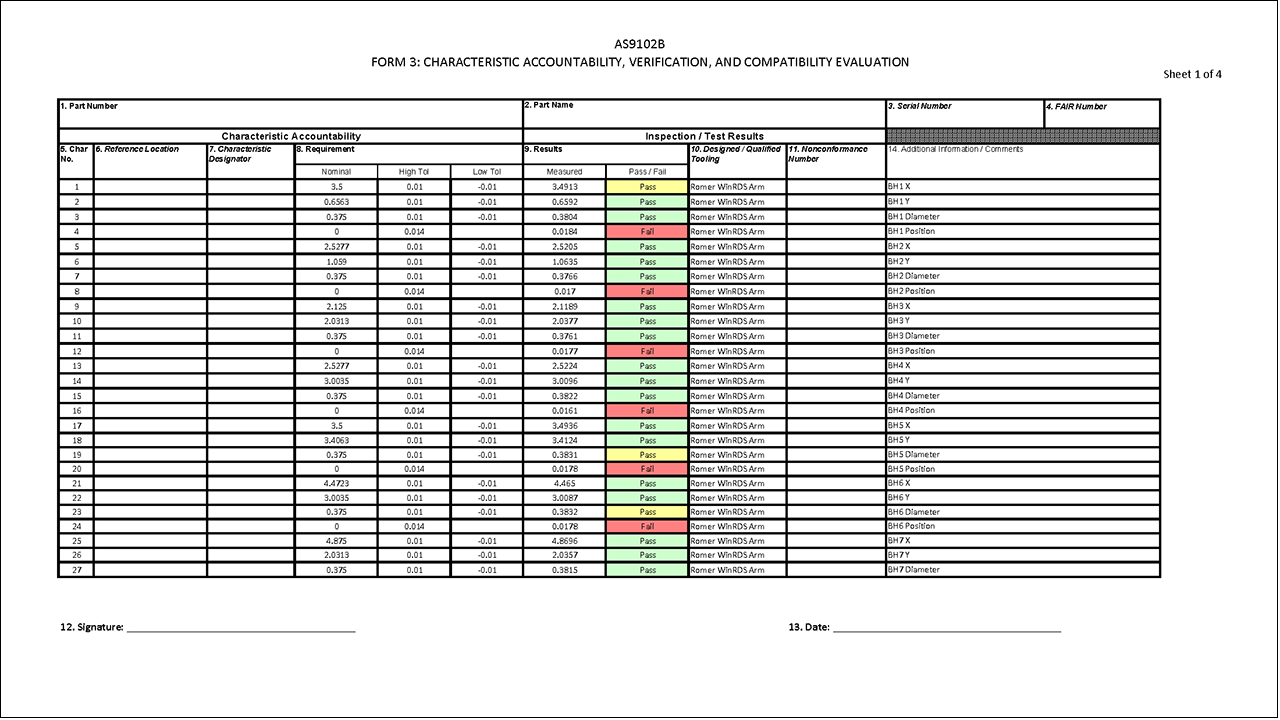
Customer Success Stories — Slider Solutions in Action
XUXIANG delivered 48 high-precision sliders for our automotive sensor housing mold with +/-0.002 mm positional accuracy — zero rework, 18-day turnaround, and full FAI documentation. Their ZEISS inspection reports gave our quality team complete confidence.
We switched to XUXIANG for micro-connector slider inserts after repeated tolerance failures elsewhere. Their mirror-EDM sliders hold Ra 0.12 µm finish and have cut our mold maintenance cycles by 40%. The DFM support caught three critical issues before production.
For our medical device enclosure tooling, XUXIANG machined 12 complex sliders with conformal cooling channels to +/-0.0015 mm — delivered in 22 days with material certs and CMM data. Their Sodick slow-wire capability is unmatched in this price range.
The Precision Buyer’s Guide to Mold Sliders for High-Performance Tooling
What is the minimum order quantity for precision sliders?
How long does it take to receive slider samples?
What are the lead times for bulk slider production?
Do you charge for slider sampling, and is the cost refundable?
What payment terms does XUXIANG offer for slider orders?
How does XUXIANG protect my slider design and intellectual property?
Which materials are recommended for high-wear slider applications?
Can you guarantee +/-0.001 mm tolerance on complex slider geometries?
What shipping options are available, and who handles customs clearance?
The Complete Buyer’s Guide to Precision Mold Sliders for Tooling Excellence
Navigate the critical specifications, material choices, and supplier capabilities that separate micron-stable slider components from costly production failures. Learn the decision framework, quality benchmarks, and common pitfalls that procurement managers and mold designers must master when sourcing precision sliders.
1. What Is a Mold Slider and Why Precision Matters
A mold slider is a moving steel component inside an injection mold that retracts during mold opening to release molded parts with undercuts, side holes, threads or complex lateral features that cannot be ejected along the main parting line. Sliders travel perpendicular or angled to the mold-opening direction, guided by wear plates and actuated by angled pins or hydraulic cylinders, enabling geometries impossible with fixed cores.
Micron-level tolerances — XUXIANG’s maximum machining accuracy of +/-0.001 mm — are critical because even 5–10 µm dimensional drift between slider and cavity walls causes flash, parting-line mismatch and part rejection in high-density micro-connector tooling, automotive ADAS sensor housings and medical-device enclosures where seal integrity and assembly clearances are non-negotiable. Positioning errors beyond +/-0.002 mm accelerate wear plate galling, misalign locking faces and risk catastrophic tool damage during high-speed cycling.
In 5G terminal and board-to-board connector molds running 8–16 cavity layouts, a single out-of-tolerance slider can scrap an entire shot and halt production lines processing thousands of cycles per day.
2. Evolution of Slider Technology in Precision Mold Making
Before the mid-1990s, most mold sliders were manually fitted, ground to approximate tolerances of +/-0.05 mm, then hand-lapped to achieve acceptable slide clearances. This labor-intensive process made repeatability difficult and limited production scalability for high-volume electronics and medical-device tooling.
The introduction of multi-axis CNC machining centers and sinker EDM in the late 1990s enabled shops to hold +/-0.01 mm on complex slider profiles, while CAD/CAM integration — particularly Mastercam and Cimatron software — allowed direct translation of 3D part geometry into tool paths. By the early 2000s, wear-resistant coatings such as TiN and TiCN became standard on high-cycle sliders, extending service life from roughly 100,000 shots to over 500,000 in abrasive-fill applications.
Today’s slider technology is driven by miniaturization: 5G micro-connectors and implantable medical housings demand +/-0.002 mm positional accuracy, mirror EDM finishes to Ra 0.1 µm, and metrology validation on CMM platforms like ZEISS MICURA. XUXIANG’s investment in Sodick slow-wire EDM and Beijing Jingdiao electrode CNC reflects this shift toward micron-stable, heat-treated precision components that meet ISO 9001:2015 process control and full FAI traceability.
3. Types of Precision Sliders for Injection Molds
Sliders are classified by actuation method, geometry and application domain. Each axis defines tolerance, cycle-time and tooling-cost trade-offs that directly impact part complexity and production economics.
Actuation Method

Angle-pin sliders use a cam pin riding in an angled slot to convert mold-opening motion into lateral travel; they dominate micro-connector tooling where cycle times under 15 seconds and +/-0.002 mm positioning are critical. Hydraulic sliders offer independent control for deep undercuts in automotive lamp housings but add 3–5 seconds per cycle. Rack-and-pinion variants suit compound-angle medical enclosures requiring synchronized multi-axis motion and +/-0.003 mm repeatability.
Geometry
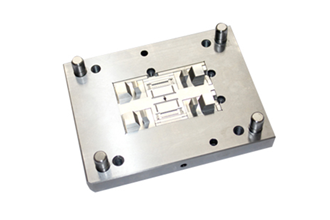
Straight sliders handle simple side-action cores; curved sliders negotiate radial undercuts in cylindrical housings. Compound-angle designs — combining horizontal and vertical travel — enable 5G RF-connector shells with internal snap features, demanding ZEISS CMM validation to hold spatial tolerance within +/-0.001 mm across six degrees of freedom.
Application-Specific Variants
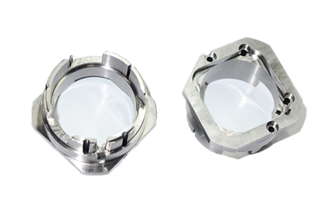
Micro-connector sliders for board-to-board and FPC tooling require mirror EDM finishes (Ra ≤ 0.1 µm) and corner radii R ≤ 0.015 mm. Automotive lamp-housing sliders prioritize wear resistance over 500,000 cycles. Medical-enclosure sliders demand full FAI documentation, material certificates and biocompatibility traceability under ISO 9001:2015 workflows.
4. Slider Materials and Heat Treatment for Durability
Material choice and heat treatment define slider life in high-cycle production. XUXIANG validates every slider substrate through spectral analysis before machining, ensuring hardness, wear and corrosion properties match the mold’s duty cycle and part geometry.
| Material | Hardness (HRC) | Wear Resistance | Corrosion Resistance | Best Use Case |
|---|---|---|---|---|
| H13 | 48–52 | High | Moderate | Automotive, electronics |
| S136 | 50–54 | High | Excellent | Medical, optical |
| NAK80 | 37–43 | Moderate | Good | Cosmetic, mirror finish |
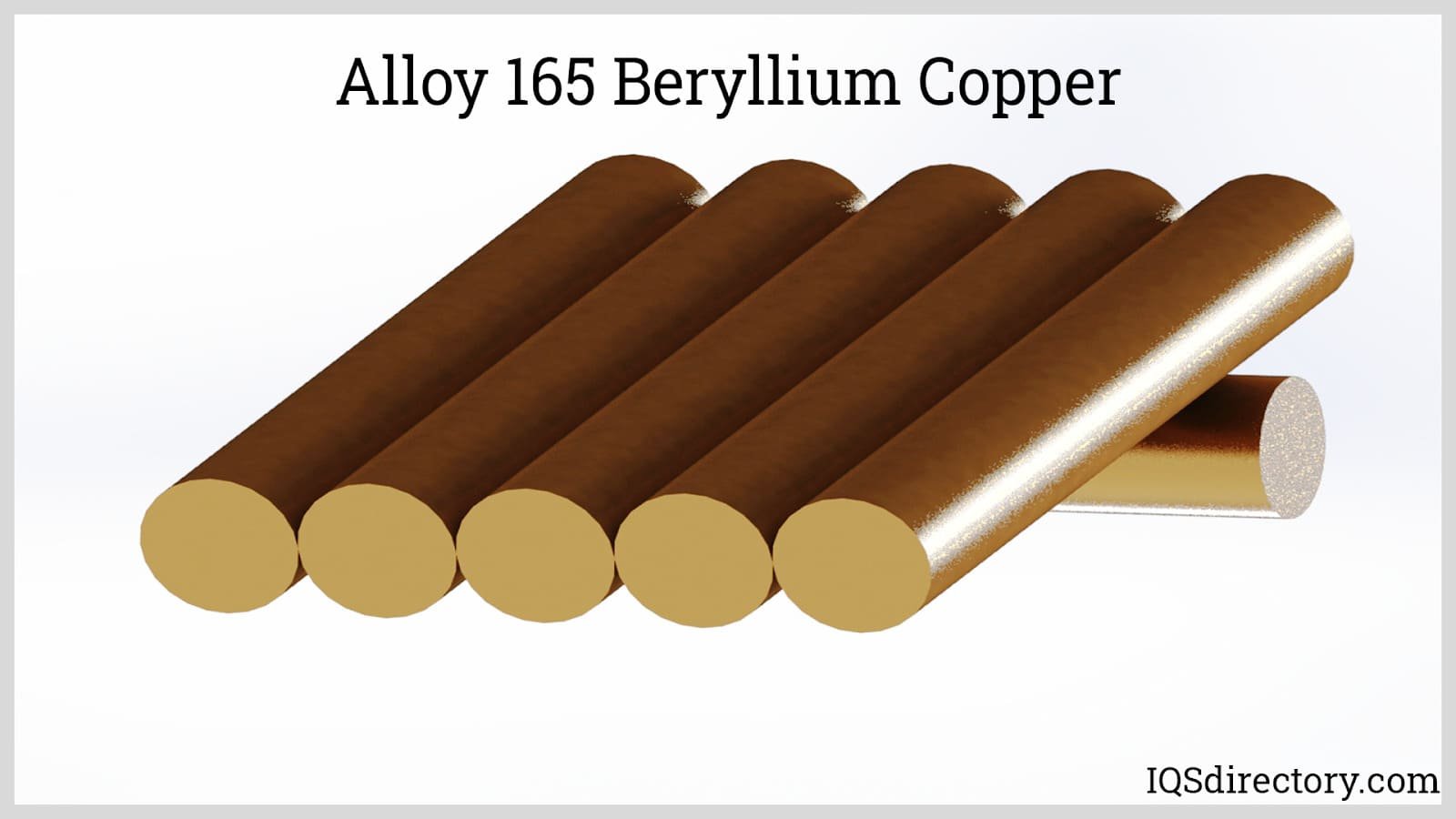
| Beryllium Copper | 35–42 | Moderate | Excellent | Micro-connector, rapid cycle |
| D2 / A2 | 58–62 | Very High | Moderate | Abrasive resins |
Common Slider Materials and Properties
H13 tool steel delivers 48–52 HRC after through-hardening, balancing toughness and wear for general-purpose sliders in automotive and electronics molds. S136 stainless reaches 50–54 HRC with superior corrosion resistance, ideal for medical and optical applications. NAK80 pre-hardened steel (37–43 HRC) offers excellent machinability and mirror polishing for cosmetic parts.
Beryllium copper alloys provide high thermal conductivity and non-magnetic properties at 35–42 HRC, suited to rapid-cycle micro-connector tooling. Tool steels like D2 and A2 extend wear life in abrasive-resin environments, typically hardened to 58–62 HRC.
Heat Treatment and Dimensional Stability
Through-hardening raises core hardness uniformly, minimizing distortion when stress-relieved correctly; XUXIANG tempers sliders twice to relieve residual stress and hold +/-0.002 mm positioning. Nitriding forms a diffusion-hardened surface layer (700–1100 HV) without dimensional growth, extending cycle life by 40–60% in high-wear applications while preserving tight tolerances.
5. Surface Treatments and Coatings for Slider Performance
Surface treatments and coatings are critical for slider longevity, reducing friction coefficients by 40–70% and preventing galling in high-cycle or abrasive-resin applications. XUXIANG applies mirror-grade polishing to Ra 0.1 µm and offers TiN, TiCN, DLC and nitriding finishes tailored to resin chemistry and production volume.
TiN and TiCN Coatings for General Production
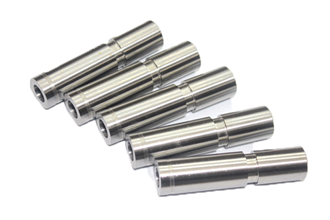
Titanium nitride (TiN) at 2–4 µm thickness raises surface hardness to ~2,300 HV, ideal for unfilled and low-glass resins up to 500,000 cycles. TiCN adds carbon for improved toughness, extending service to 1 million cycles in 10–20% glass-filled PA and PBT.
Both coatings cost approximately 15–25% of the slider base price and reduce maintenance intervals by roughly 40%.
DLC and Nitriding for Abrasive Resins
Diamond-like carbon (DLC) at 1–3 µm delivers friction coefficients below 0.1 and hardness to 3,000 HV, essential for 30–50% glass-filled compounds and ceramic-loaded resins. Gas nitriding penetrates 0.2–0.5 mm, offering wear resistance without delamination risk.
DLC adds 30–50% to treatment cost but can triple tool life in abrasive applications, yielding payback within 200,000–300,000 cycles.
Mirror Polishing and Coating Selection
XUXIANG polishes slider wear surfaces to Ra 0.1–0.2 µm before coating, minimizing particle adhesion and resin drag. Standard resins require polishing plus TiN; glass-filled above 20% benefits from TiCN or DLC; ultra-abrasive or high-temperature resins justify nitriding or DLC.
Selection hinges on resin type, annual cycle count and acceptable maintenance frequency—consult XUXIANG’s engineering team with resin data sheets for coating recommendations.
6. Critical Quality Elements in Slider Manufacturing
Five measurable parameters separate production-ready sliders from tolerance failures. Each checkpoint directly affects mold cycling, part repeatability and tooling lifespan, and all must pass before shipment.
Flatness and Parallelism Tolerances
ISO 2768-mH specifies +/-0.05 mm for general machining; precision sliders demand +/-0.005 mm or tighter to prevent flash and parting-line mismatch. XUXIANG’s ZEISS MICURA CMM verifies flatness to 0.7 µm, ensuring parallel wear surfaces that distribute clamping force evenly and eliminate micro-steps that cause polymer leakage.
Surface Finish and Dimensional Accuracy
Mirror-grade Ra ≤ 0.2 µm on sliding faces reduces friction and galling; DIN 1530 Part 1 recommends Ra 0.4 µm for standard tooling, but micro-connector and optical applications require Ra 0.1 µm. XUXIANG’s Sodick slow-wire EDM and Dawn grinding centers achieve +/-0.001 mm positional accuracy, validated by Nikon toolmaker’s microscope inspection at final QC.
Wear-Block Fit and Actuation-Angle Precision
Clearance between slider and wear block must stay within 0.01–0.02 mm to prevent binding or play; tighter fits cause seizure, looser fits allow deflection. Actuation-angle tolerances of +/-0.05° ensure cam-pin engagement timing; XUXIANG’s five-step QC flow includes FAI documentation of angle, fit and material certificates before every shipment.
7. How to Choose a Precision Slider Manufacturer
Selecting a slider supplier requires evaluating machining precision, quality infrastructure and industry credentials. A rigorous checklist separates capable partners from high-risk vendors.
Machining and Finishing Capabilities
Confirm the shop operates 5-axis CNC, slow-wire EDM (Sodick, Charmilles, Seibu class) and precision grinding centers. XUXIANG holds +/-0.002 mm on wire work and corner radii ≤ R0.015 mm.
Ask whether heat treatment, nitriding and PVD coating are performed in-house or outsourced; in-house control shortens lead times and ensures traceability.
Inspection Protocols and Material Traceability
Request CMM brand and resolution: ZEISS MICURA at 0.7 µm resolution validates micron-level tolerances. Verify five-step QC — spectral analysis, in-process monitoring, CMM verification, surface integrity and FAI documentation.
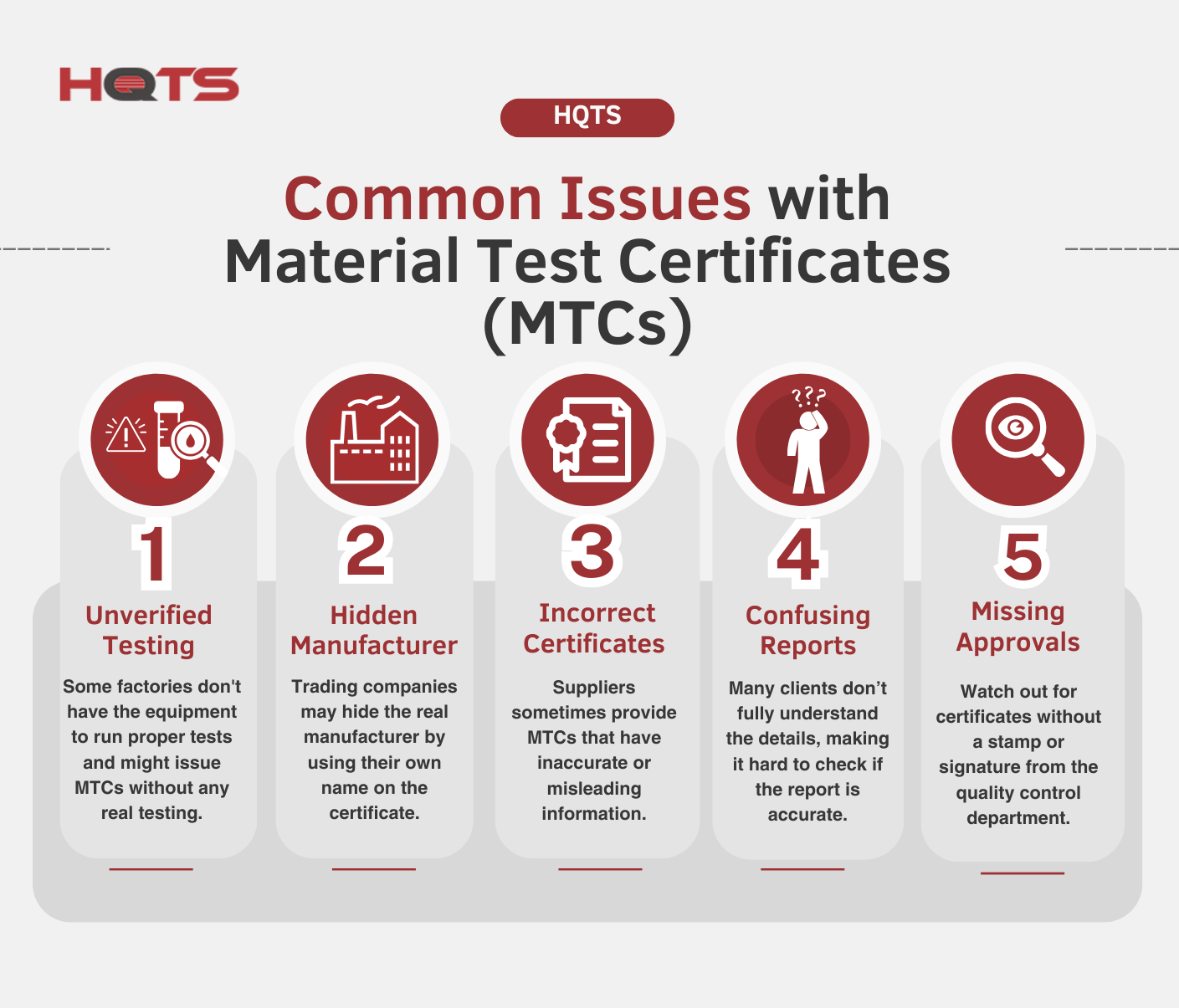
Material certificates and heat-treat reports must accompany every batch to meet automotive and medical traceability standards.
Certifications and Industry Experience
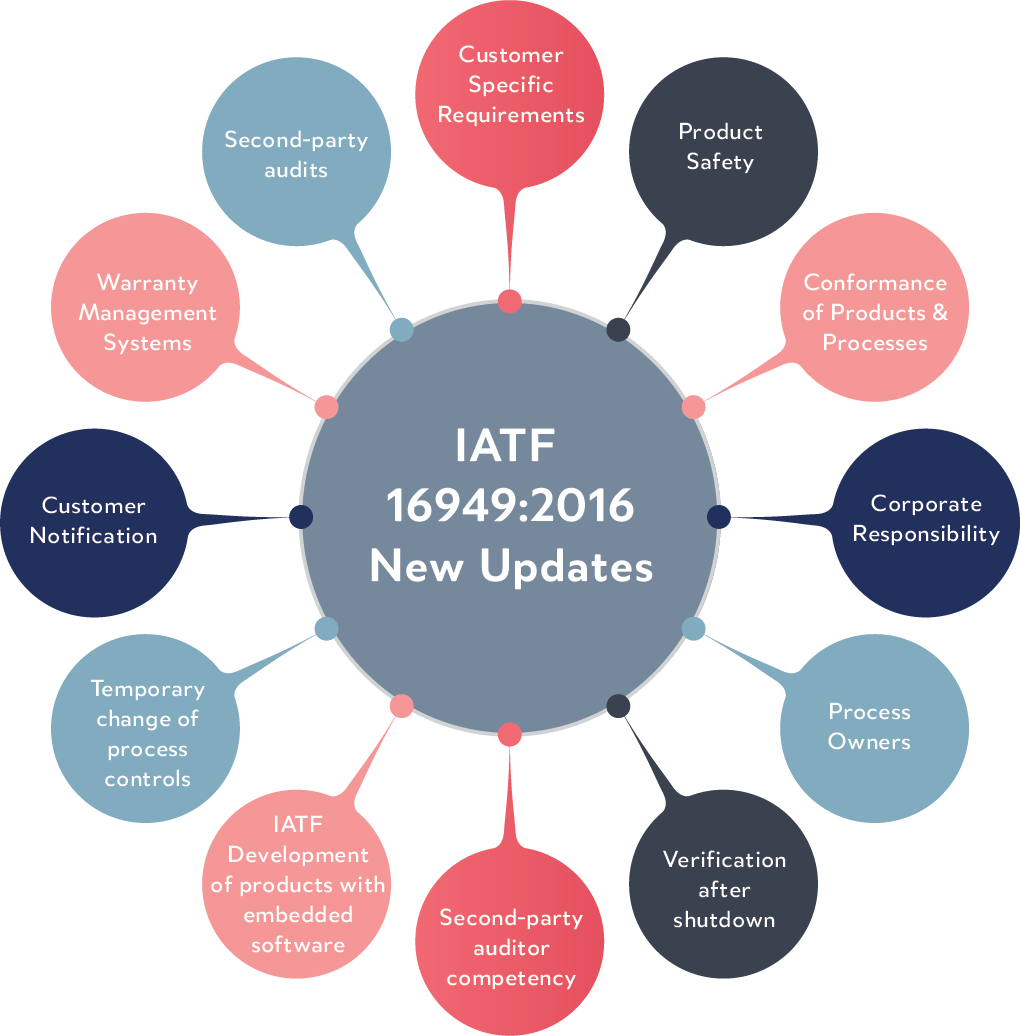
ISO 9001:2015 is baseline; IATF 16949 is essential for automotive and NEV programs. Confirm case studies in your sector — 5G micro-connector tooling, ADAS sensor housings or medical-device inserts — to ensure the supplier understands your tolerance and surface-finish requirements.
8. Common Mistakes When Sourcing Mold Sliders
Even experienced buyers make sourcing errors that cascade into mold failures, scrap runs and unplanned downtime. Five pitfalls account for the majority of slider-related quality escapes and delivery disputes.
Specifying Tolerances Looser Than Application Needs
Requesting +/-0.01 mm on a micro-connector slider that demands +/-0.002 mm invites flash, misalignment and high reject rates. Suppliers quote to your print; if tolerance bands are vague, machining processes default to cost-optimized rougher methods.
Define functional zones explicitly: core-contact faces to +/-0.002 mm, non-critical mounting bosses to +/-0.01 mm. XUXIANG’s DFM team flags under-specified tolerances during pre-production review, preventing costly rework.
Ignoring Heat-Treatment Documentation
Accepting sliders without hardness-test reports or furnace-cycle logs risks premature wear. Inadequate tempering leaves brittle surfaces; incomplete through-hardening causes core softness and deformation under injection pressure.
Require material certificates, Rockwell readings at multiple depths and time-temperature curves. XUXIANG provides spectral analysis and hardness maps for every heat-treated component as standard FAI deliverables.
Choosing Suppliers Without CMM Capability
Relying on manual micrometers or optical comparators cannot verify complex 3D geometries, angular tolerances or true-position callouts. Measurement uncertainty often exceeds the specified tolerance band.
Insist on ZEISS, Mitutoyo or equivalent CMM validation with GD&T reporting. XUXIANG’s ZEISS MICURA (0.7 µm resolution) and Nikon toolmaker’s microscopes deliver traceable, ISO-compliant dimensional reports for every slider.
Underestimating Lead Times for Custom Geometries
Complex undercuts, conformal cooling channels and multi-axis EDM features require electrode fabrication, multiple setups and extended spark cycles. Rushing these steps compromises surface finish and dimensional stability.
Allow 15–25 days for intricate sliders; communicate tooling deadlines early. XUXIANG’s dual-factory capacity and Sodick/Charmilles EDM cells deliver ~30% faster than industry norms without sacrificing precision.
Neglecting Wear-Block Material Compatibility
Pairing hardened-steel sliders with soft aluminum wear blocks accelerates galling and particulate contamination. Mismatched thermal expansion coefficients cause binding at elevated mold temperatures.
Specify bronze, oil-impregnated steel or polymer composites matched to slider hardness and cycle temperature. XUXIANG recommends wear-block materials during design review to ensure long-term reliability.
9. Steps to Integrate Custom Sliders into Your Mold Design
Integrating custom sliders into a mold design requires a structured workflow that aligns CAD geometry, material specifications, and inspection milestones between toolmaker and supplier. XUXIANG’s engineering-led process typically spans 14–21 days from RFQ to first-article delivery, with defined collaboration checkpoints to eliminate tolerance stack-up errors and fit issues before production.
CAD File Preparation and Tolerance Stack-Up Analysis
Submit 3D CAD (STEP, IGES or Parasolid) with slider envelope, parting-line geometry and undercut clearances fully defined. XUXIANG’s DFM team reviews tolerance chains within 24 hours, flagging interference zones, draft angles below 1° and corner radii tighter than R 0.015 mm.
Tolerance stack-up analysis confirms that slider travel, locking-face flatness (+/-0.003 mm) and core-insert fit (+/-0.005 mm) remain within the +/-0.001 mm system budget, preventing cumulative error at assembly.
Material and Coating Selection
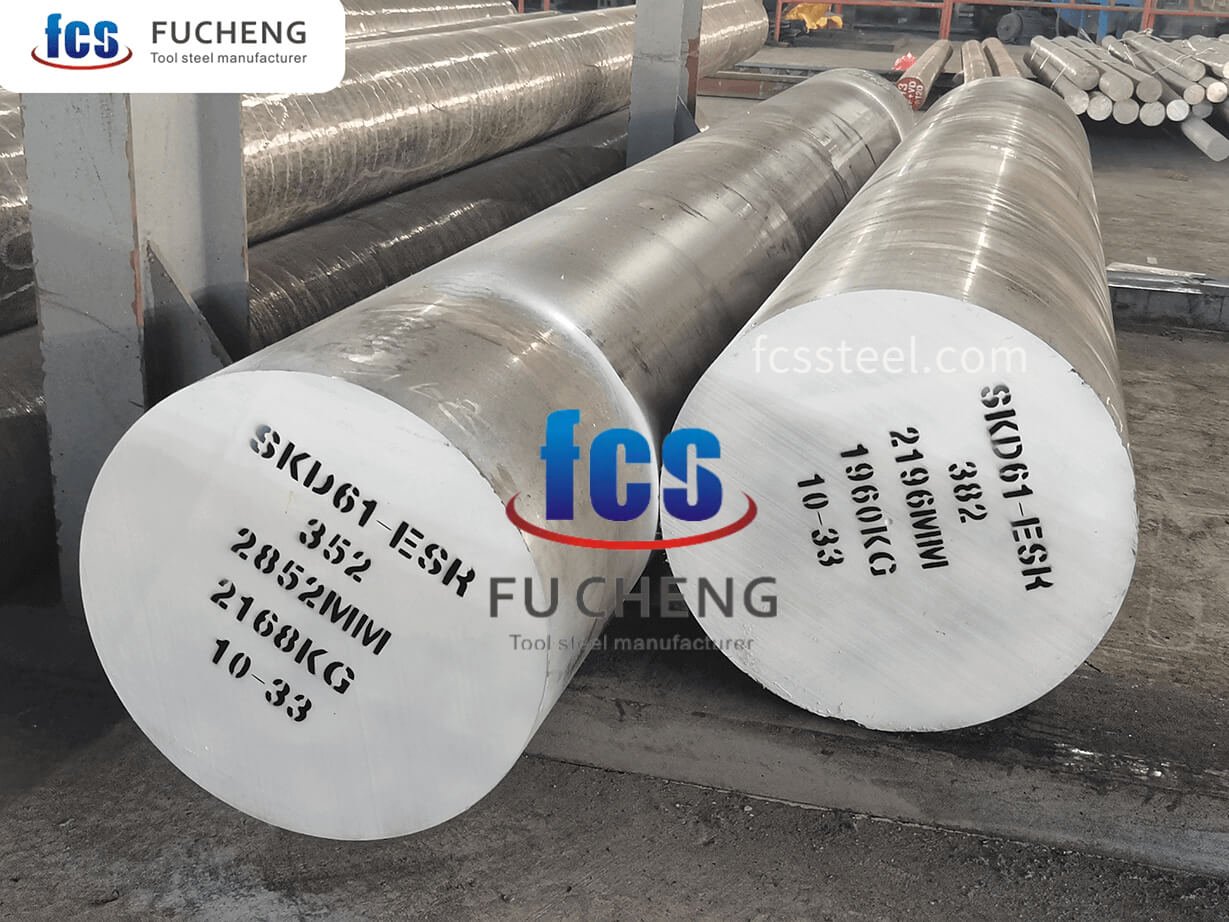
Specify base steel (NAK80, S136, SKD61 or custom alloy), target hardness (HRC 48–58 post-treatment) and surface coating (TiN, TiCN, CrN or DLC) in the RFQ. XUXIANG provides material certificates with spectral analysis and recommends coatings based on cycle count, resin abrasivity and ejection force.
Final coating thickness (1.5–3.5 µm) is validated by cross-section microscopy to ensure dimensional stability and wear resistance over the tool’s service life.
RFQ, Sample Approval and Lead-Time Milestones
Typical lead time: 3 days for quotation, 7–10 days for electrode and roughing, 3–5 days for finish EDM and grinding, 1–2 days for ZEISS CMM validation. First-article samples ship with full-dimensional FAI reports, material certificates and surface-roughness data (Ra ≤ 0.1 µm for mirror finishes).
Approval gates include pre-production DFM sign-off, in-process tolerance checks at 50% and 90% completion, and final CMM report review before shipment, ensuring zero-rework integration at the mold builder’s facility.
10. Slider Pricing and Cost Factors
Slider unit cost is driven by five measurable factors: base material (H13 vs. SKD61 vs. NAK80 typically adds 15–25% per grade step), machining complexity (3-axis vs. 5-axis CNC and tolerance class — +/-0.005 mm standard vs. +/-0.001 mm precision can double cycle time), heat treatment and coating (nitriding or TiN adds USD 8–15 per part), inspection rigor (ZEISS CMM validation with full FAI documentation vs. basic caliper check), and order volume.
XUXIANG quotes prototype sliders (1 pc) with full DFM review, ZEISS MICURA CMM report and material certificate; setup cost amortizes quickly above 10 pieces. Standard MOQ is 1 piece for sampling, with volume discounts starting at 10 units and scaling at 50+ and 100+ tiers.
Lead time compresses with quantity: prototype sliders ship in 5–7 days, 10-piece orders in 7–10 days, and 50+ production runs in 10–14 days, roughly 30% faster than industry average. All tiers include DFM feedback, in-process tolerance monitoring and material traceability; CMM reports and coatings are standard above 10 pieces.
| Quantity Tier | Unit Price Range (USD) | Setup Cost | Lead Time | Included Services |
|---|---|---|---|---|
| 1 pc (Prototype) | $120–$280 | $50–$80 | 5–7 days | DFM, material cert, CMM report |
| 10 pcs | $80–$180 | $50–$80 | 7–10 days | DFM, CMM, coating, FAI docs |
| 50+ pcs | $50–$120 | Amortized | 10–14 days | DFM, CMM, coating, FAI, volume discount |
| 100+ pcs | $35–$90 | Waived | 12–16 days | Full QC suite, priority scheduling |
Ready to Source Precision Sliders? Get Your Quote in 24 Hours
Upload your drawing, share your tolerance requirements, and receive a detailed quote with DFM feedback from our engineering team within one business day.