
Precision Spring Mold Components — +/-0.001 mm Tolerance, 24-Hour Quotes
ISO 9001:2015 certified spring components machined on Sodick EDM and Fanuc CNC, validated by ZEISS CMM metrology, with full FAI reports and DFM engineering support from day one.
Featured Spring & Mold Components
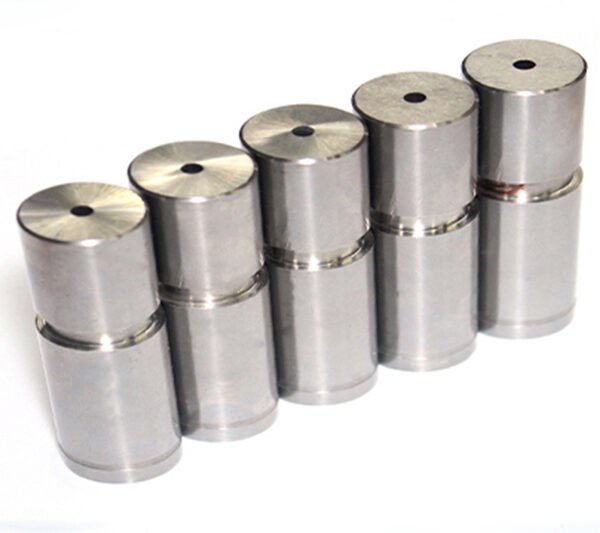
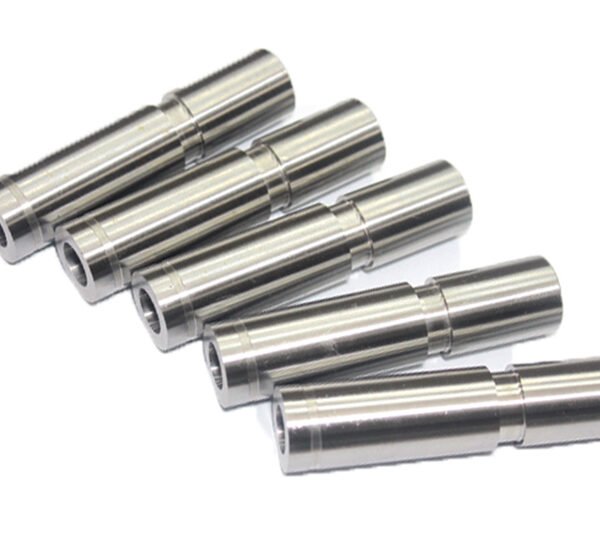
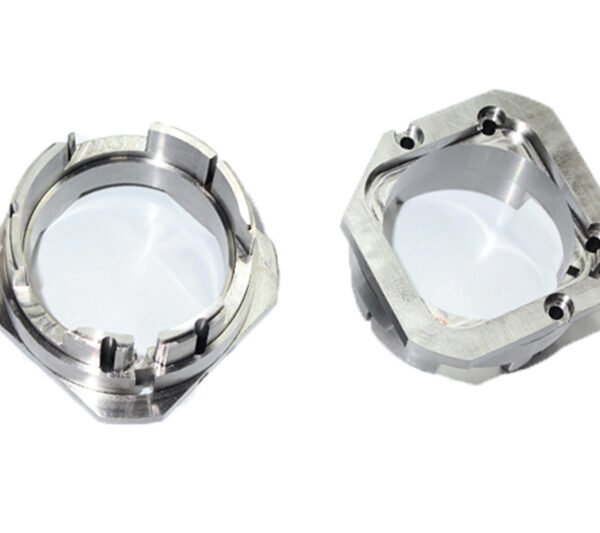
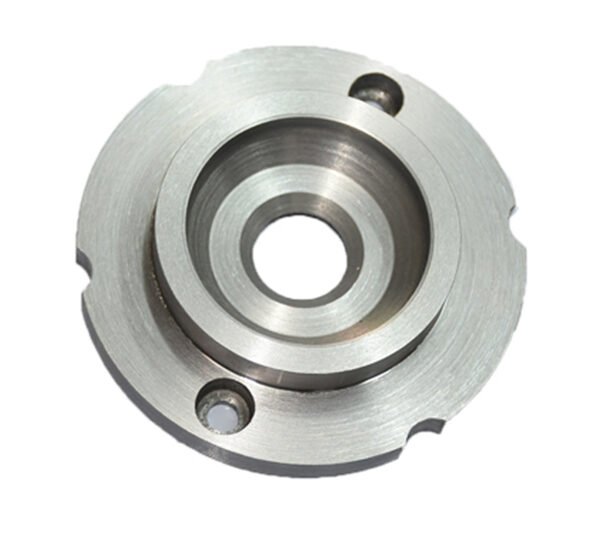
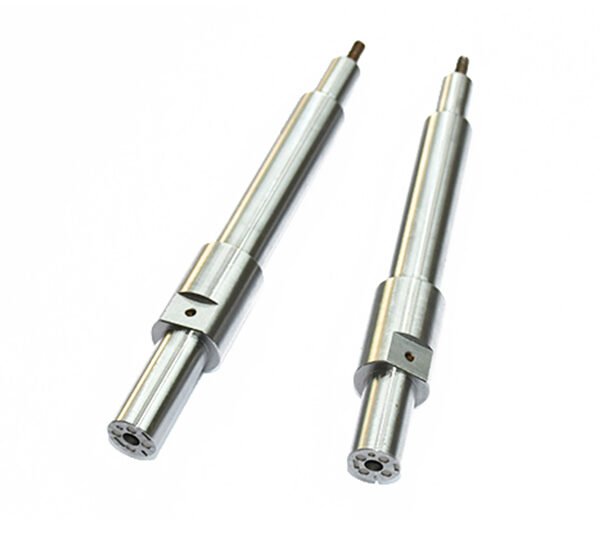
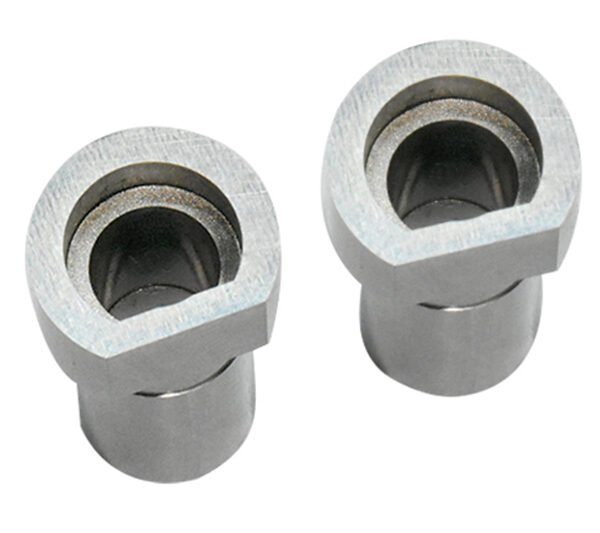
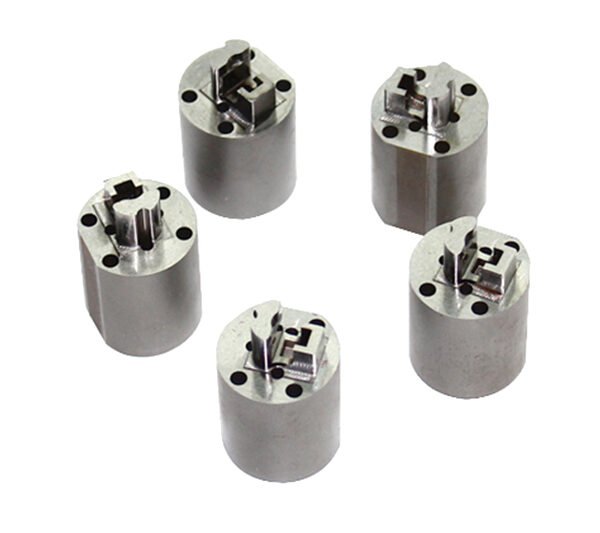
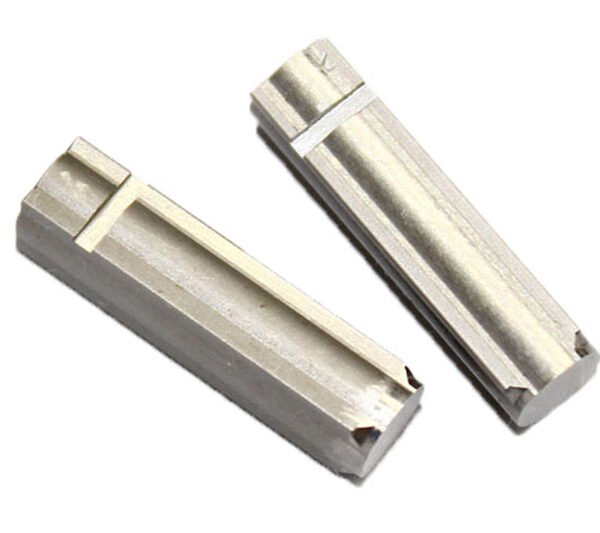
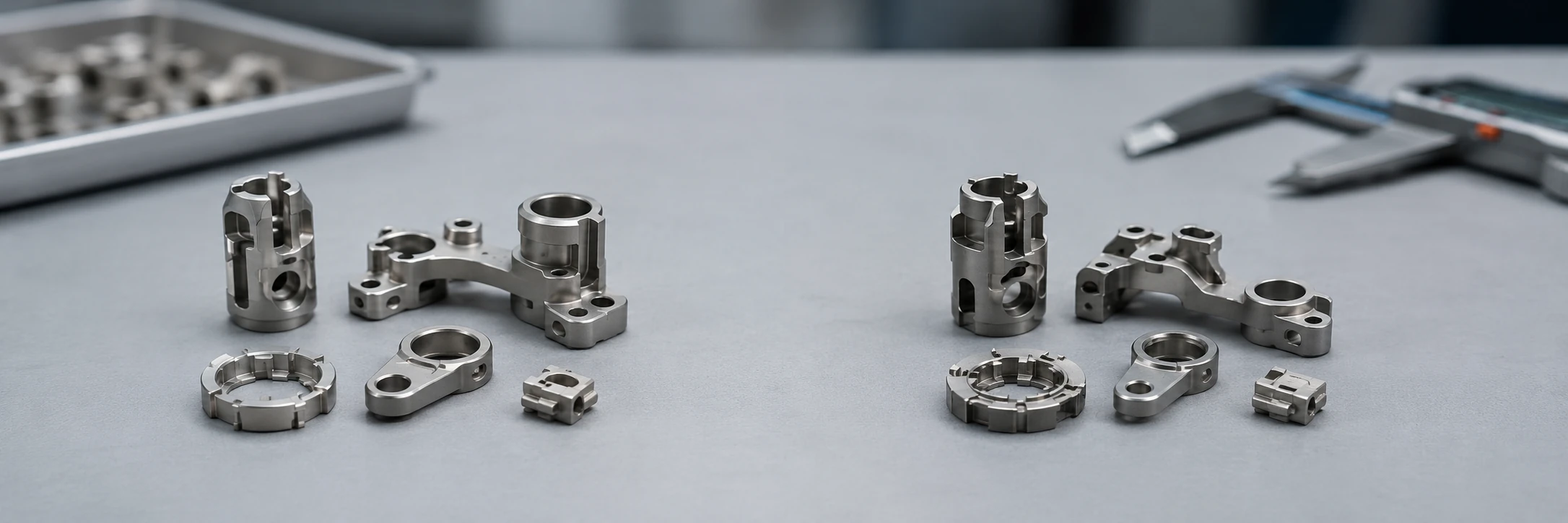
Spring Component & Mold Tooling Gallery
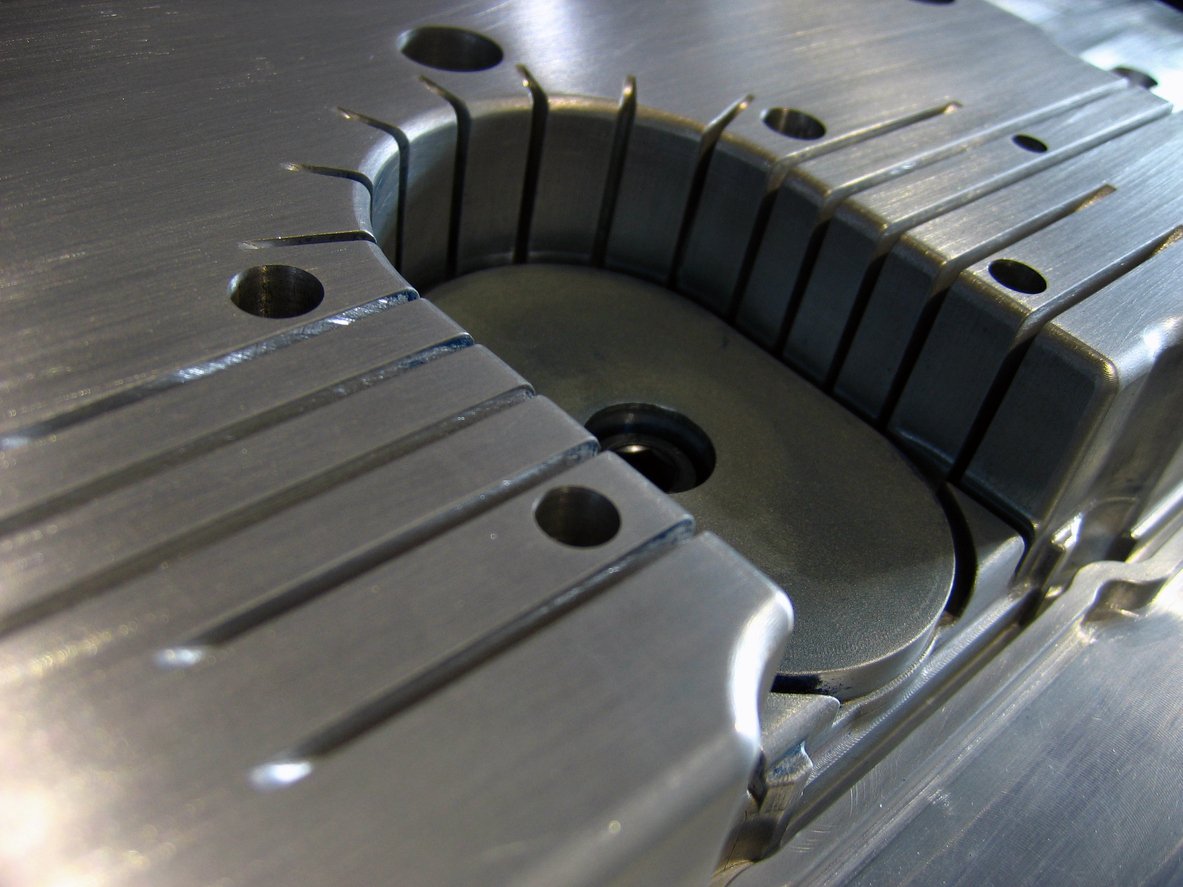
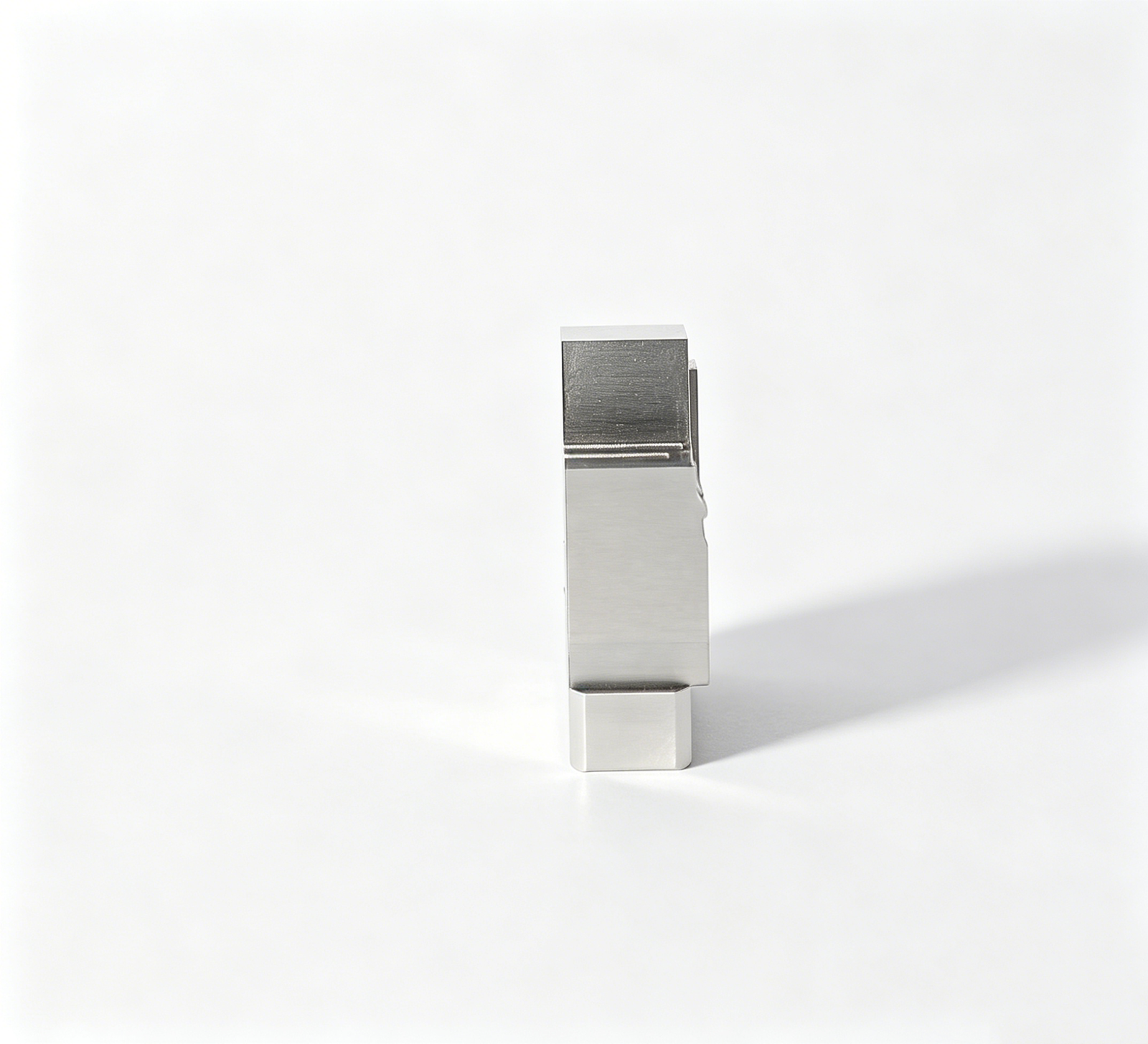

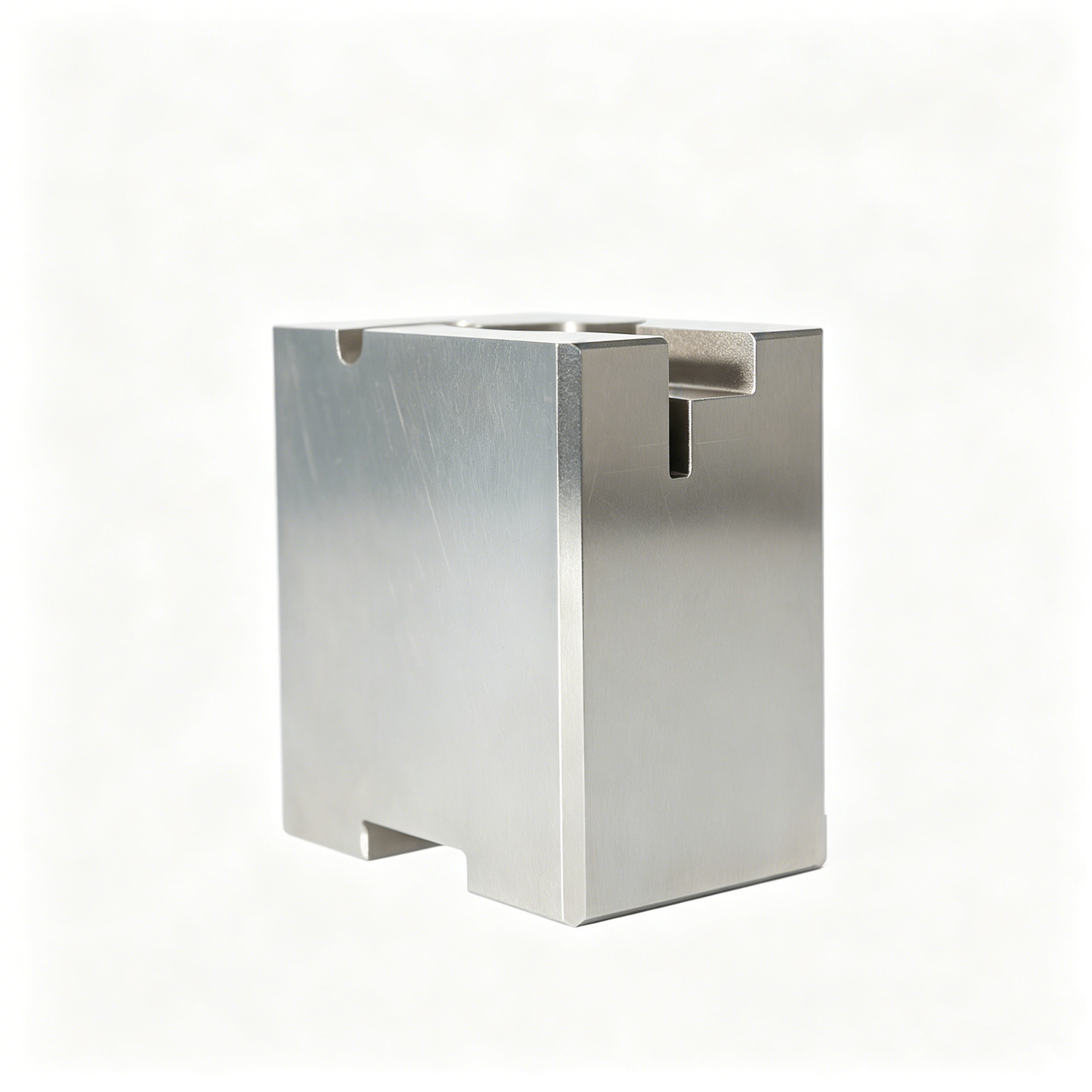
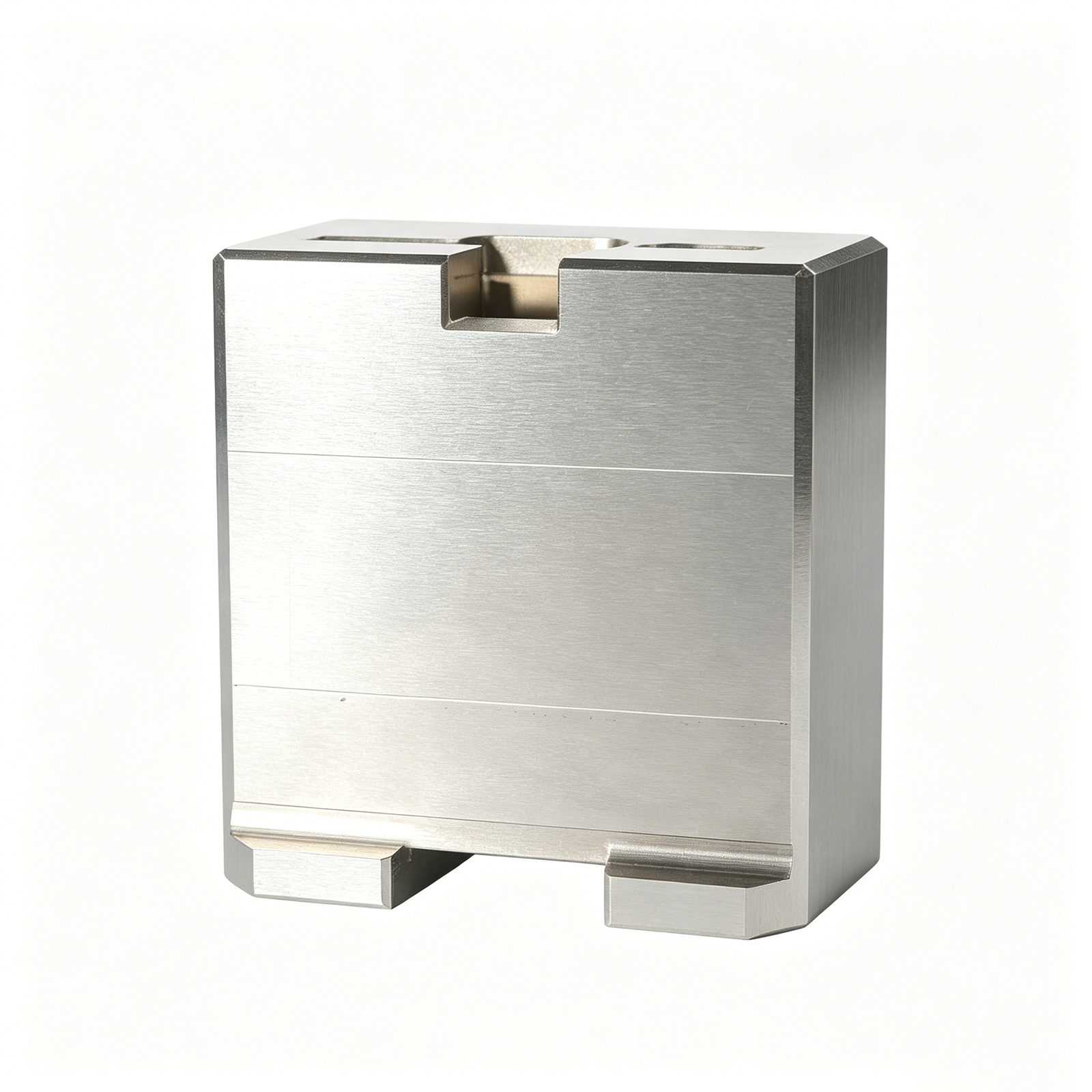
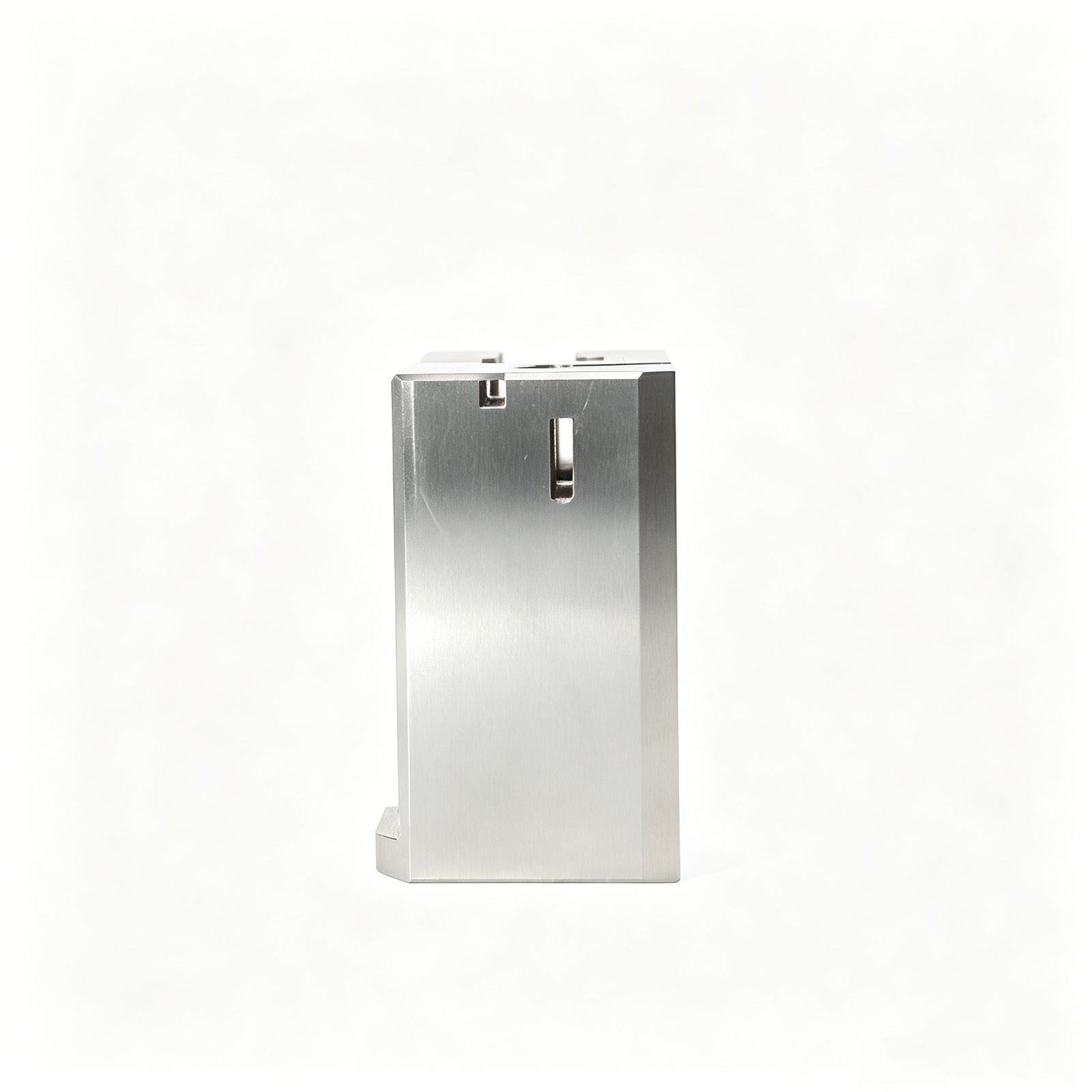
Why XUXIANG Spring Components Stand Out
+/-0.001 mm Micron Precision
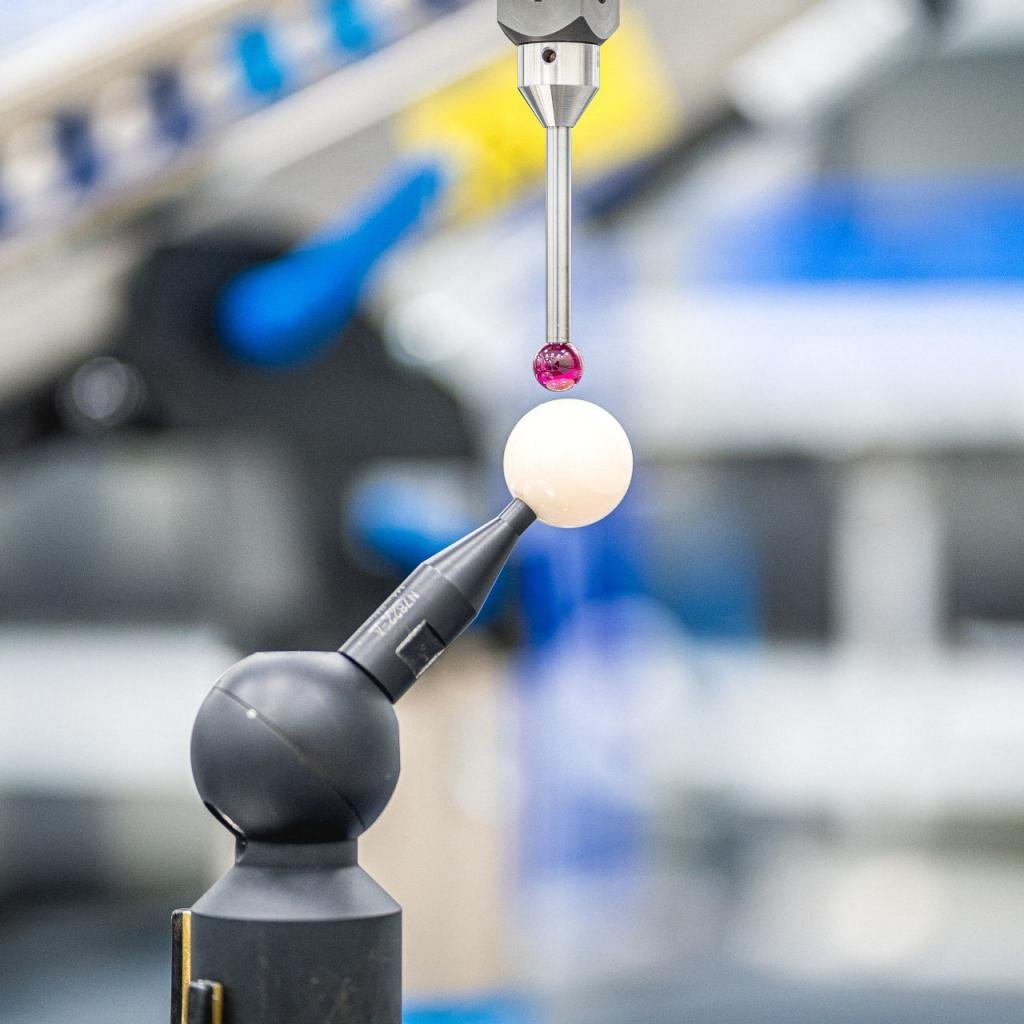
Maximum machining accuracy of +/-0.001 mm on spring mold components, validated with ZEISS MICURA CMM measuring to 0.7um resolution.
Japanese & German Equipment
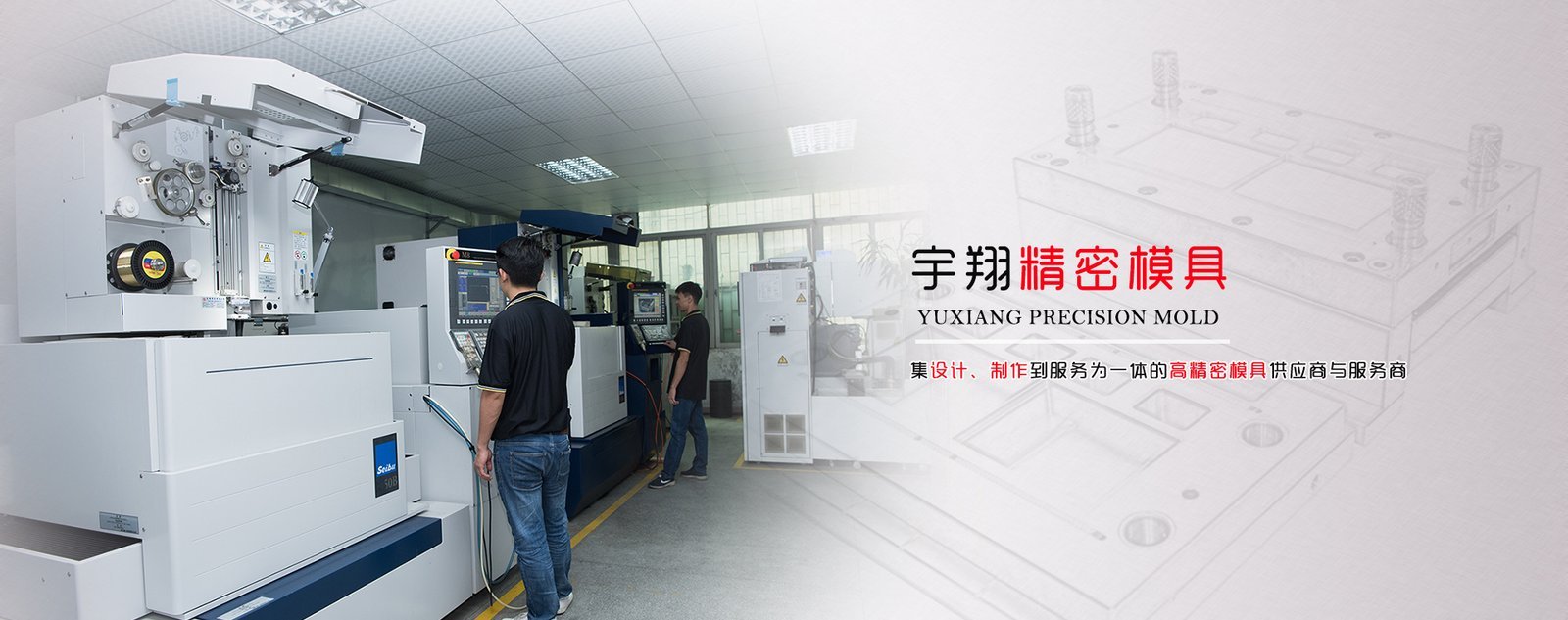
Sodick slow-wire EDM, Mitsubishi mirror EDM, Fanuc CNC and Dawn grinding centers — over CNY 8 million invested in proven tooling.
ISO 9001:2015 Quality System
Every spring component passes five-step QC flow: material spectral analysis, in-process monitoring, CMM verification, surface checks and FAI documentation.
DFM Engineering Support
10+ precision-mold experts review your spring tooling design before production, flagging tolerance risks and recommending cost-effective manufacturing alternatives.
3–7 Day Sample Turnaround
Fast-track prototyping for spring mold cores and inserts, with 24-hour quoting and 15–25 day mass production — roughly 30% faster than industry average.
Dual-Factory 200% Capacity Expansion
Dongguan R&D hub plus new Quanzhou volume facility: 3,400 m² total, doubling output to meet tight deadlines without sacrificing micron-stable tolerances.
Precision Spring & Component Categories
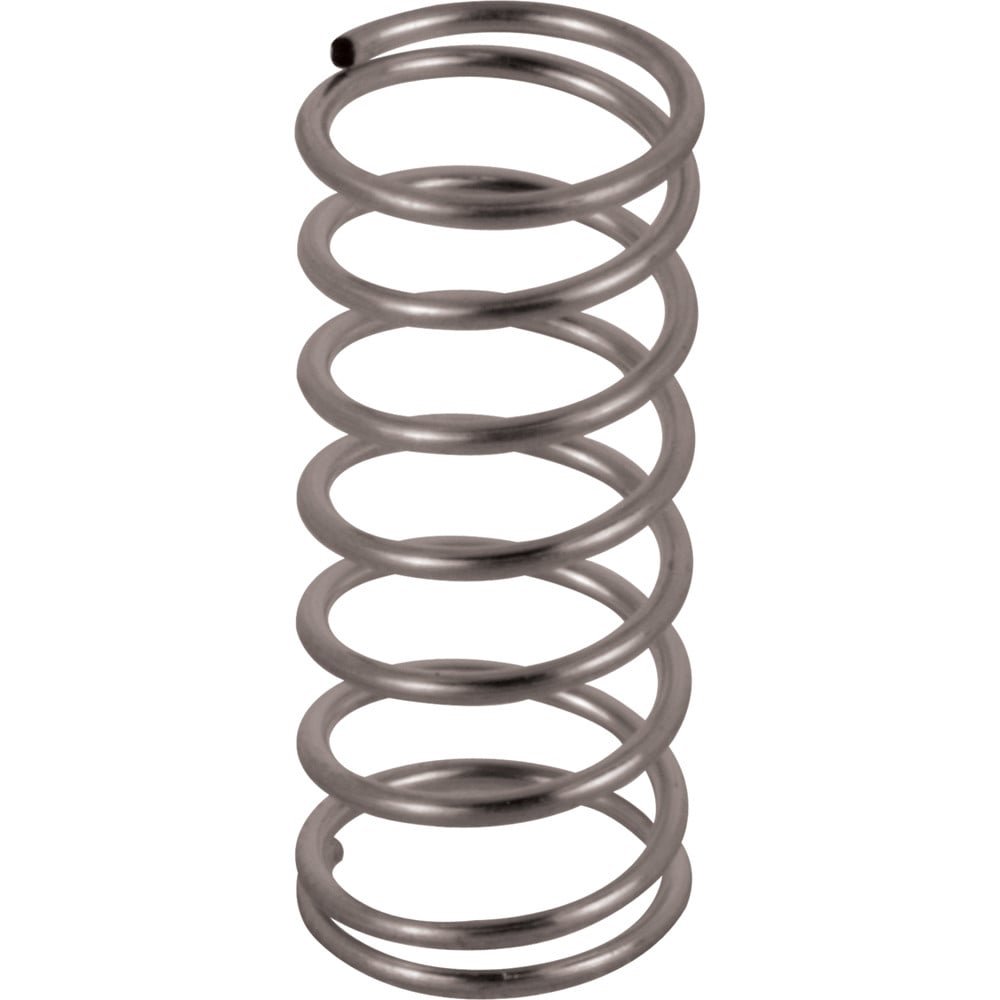
Compression Springs
Compression springs engineered for plastic injection molds, automotive sensors and industrial automation assemblies. Wire diameters 0.2–6.0 mm, free length tolerance +/-0.05 mm, heat-treated alloy steel or stainless steel. DFM review confirms load rates, solid height and cycle life before production. Material certificates and dimensional FAI reports included.
Get a Quote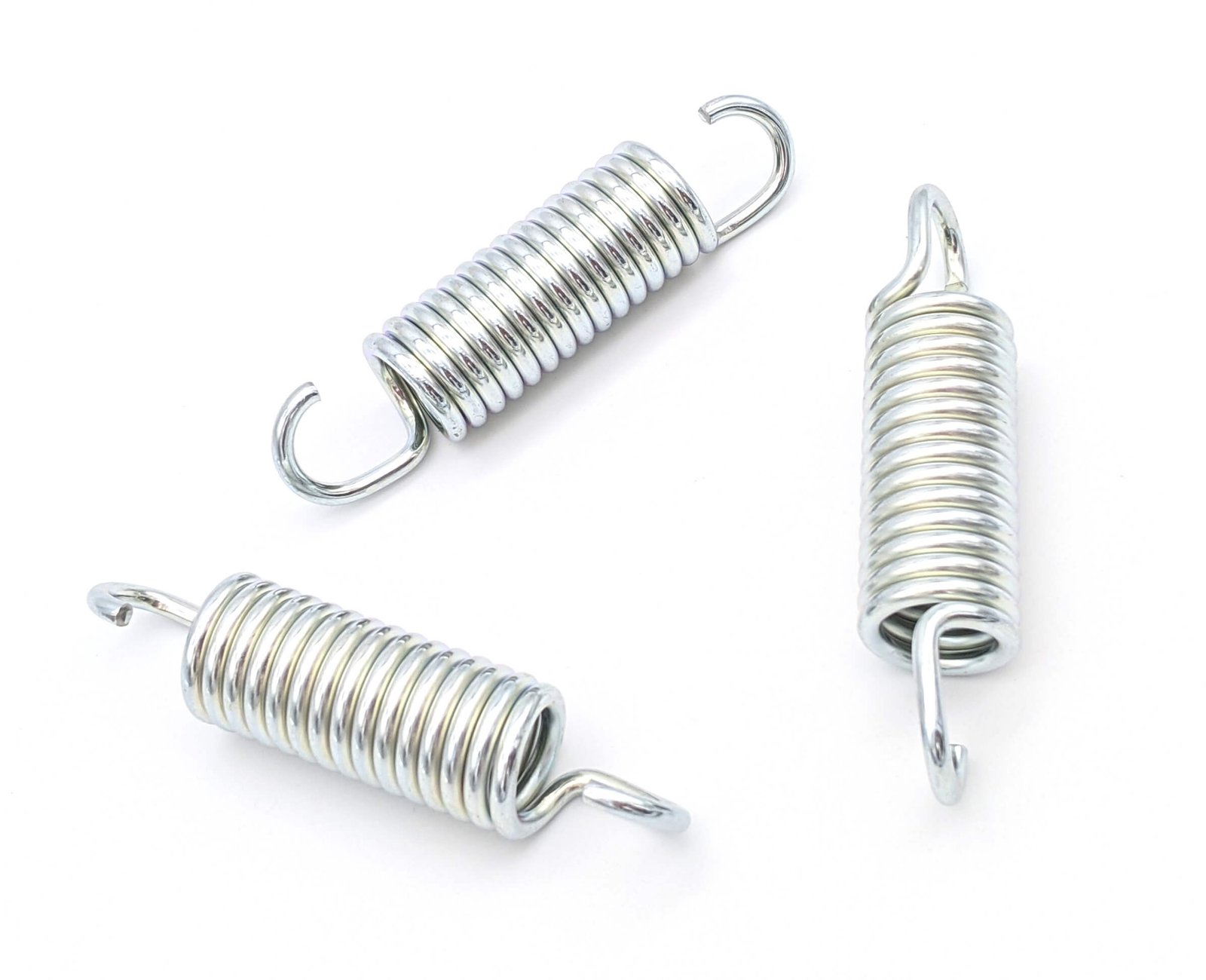
Extension Springs
Extension springs for ejector systems, connector housings and medical-device actuation mechanisms. Initial tension calibrated to +/-5%, loop and hook geometries machined or formed to print. Stainless steel 304/316 or music wire, passivated and stress-relieved. ZEISS CMM verification of critical hook dimensions and coil pitch uniformity.
Get a Quote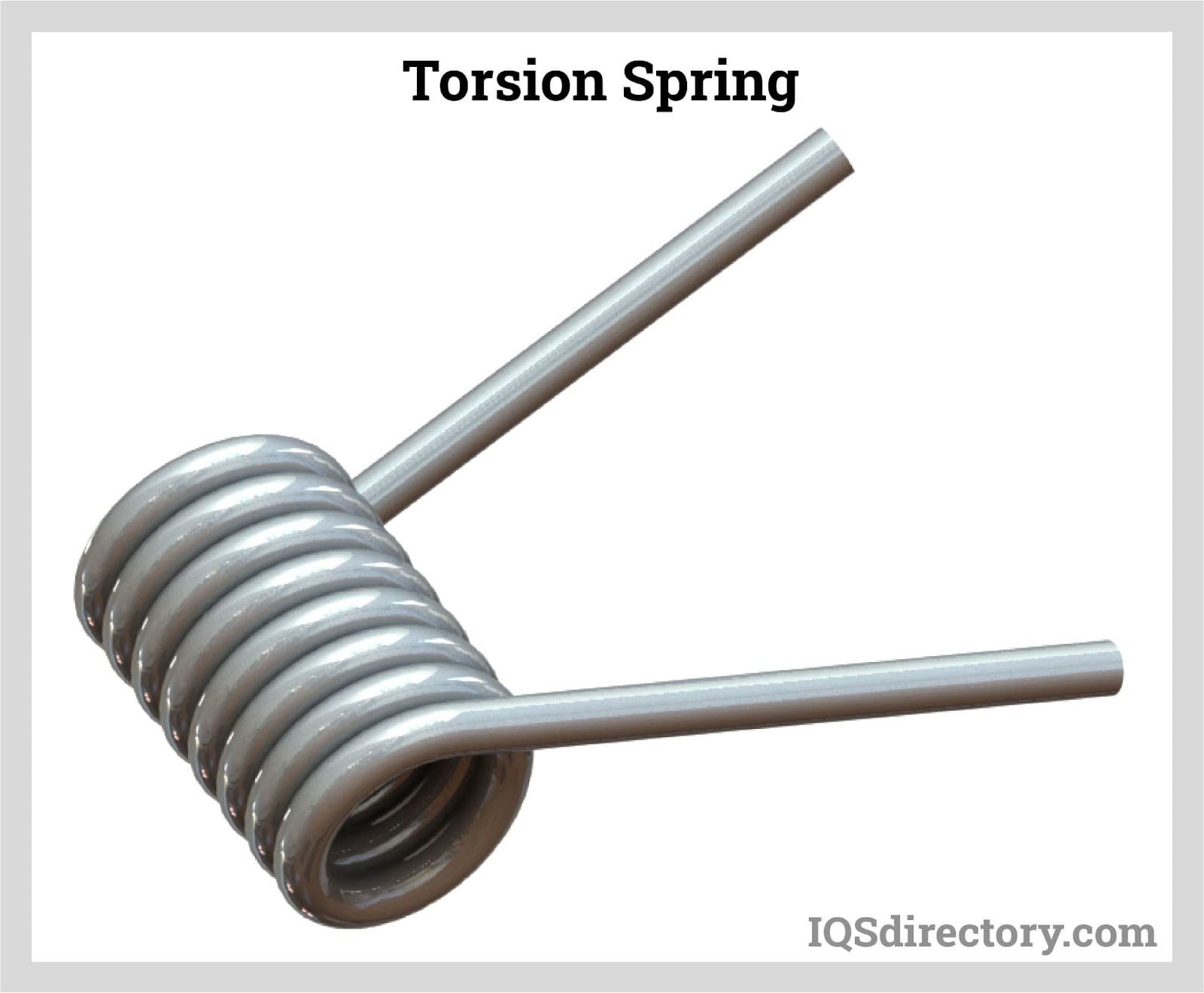
Torsion Springs
Torsion springs designed for hinge mechanisms, rotary actuators and mold core-pull assemblies. Torque tolerance +/-8%, leg angle and orientation held to +/-2°. Material: carbon spring steel, stainless steel or beryllium copper. In-process load testing and Nikon microscope inspection of leg-to-coil transitions to prevent fatigue failure.
Get a Quote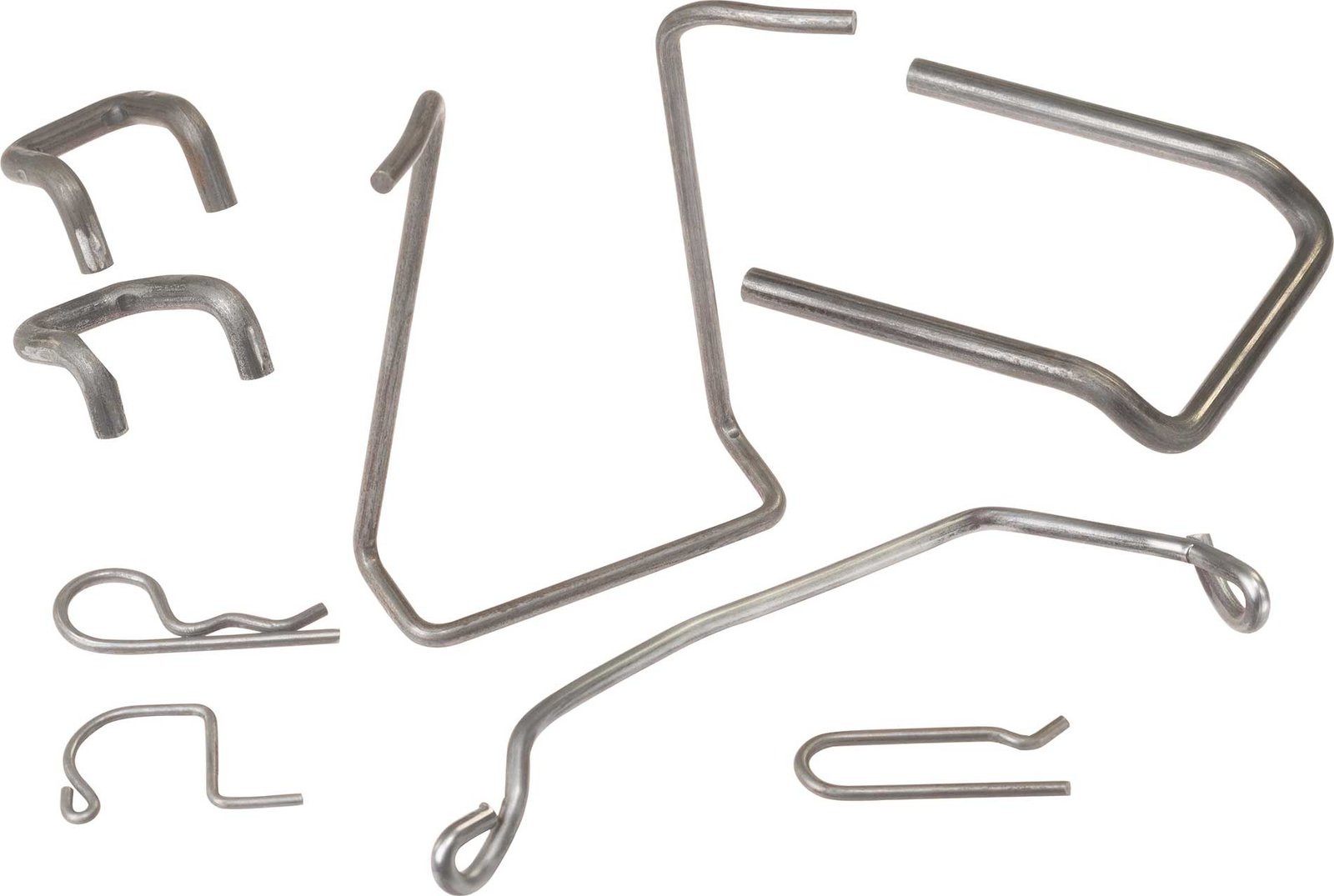
Wire Form Springs
Wire form springs and bent-wire components for battery contacts, grounding clips, retention springs and custom ejector pins. Wire diameter 0.15–3.0 mm, bend radius R >= 1.5× wire diameter, positional tolerance +/-0.1 mm on critical features. CNC wire-forming or EDM finishing, with full traceability and material spectral analysis.
Get a Quote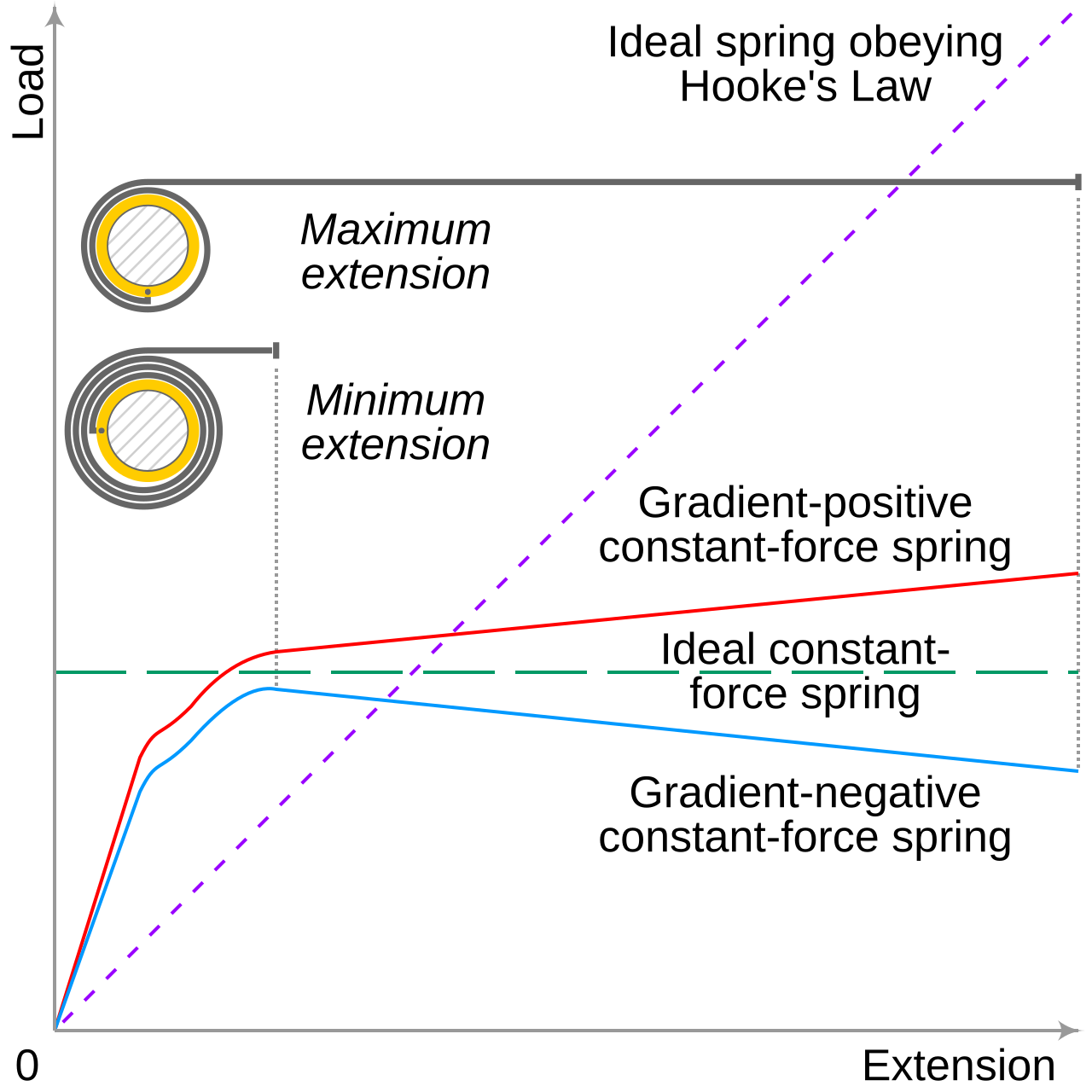
Constant Force Springs
Constant force springs for cable retractors, counterbalance mechanisms and linear-motion applications in medical and automation equipment. Uniform force output over extension range, stainless steel strip 0.05–0.5 mm thick. Coil diameter and force gradient validated on tensile test bench; surface finish Ra <= 0.4 µm to minimize friction.
Get a Quote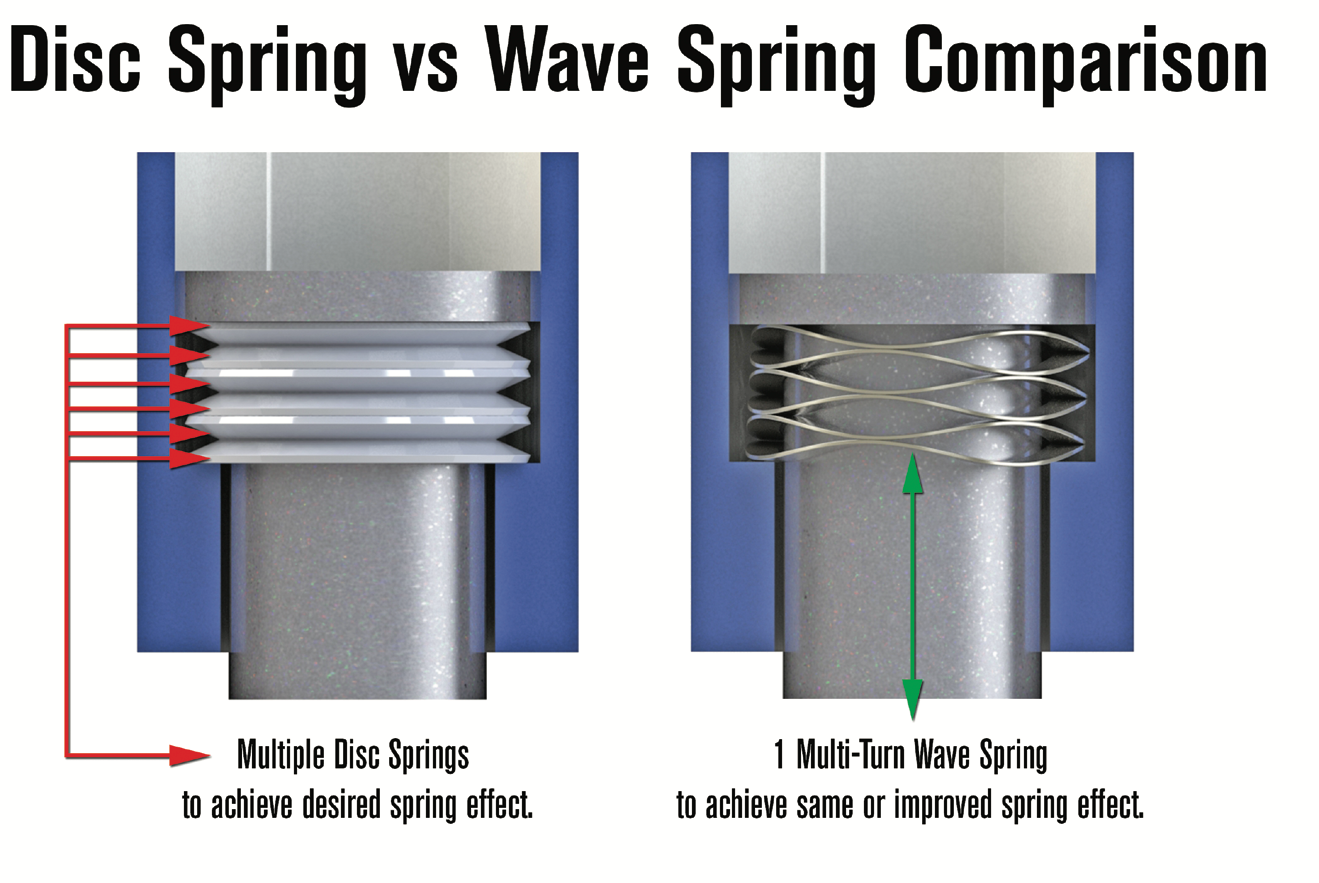
Disc Springs
Disc springs (Belleville washers) for high-load, low-deflection applications: mold clamping stacks, preload assemblies and vibration damping in automotive and industrial systems. Material: spring steel 50CrV4 or stainless 17-7PH, heat-treated to HRC 44–51. Load-deflection curves certified; flatness and cone angle measured on CMM to DIN 2092 / ISO 19690.
Get a Quote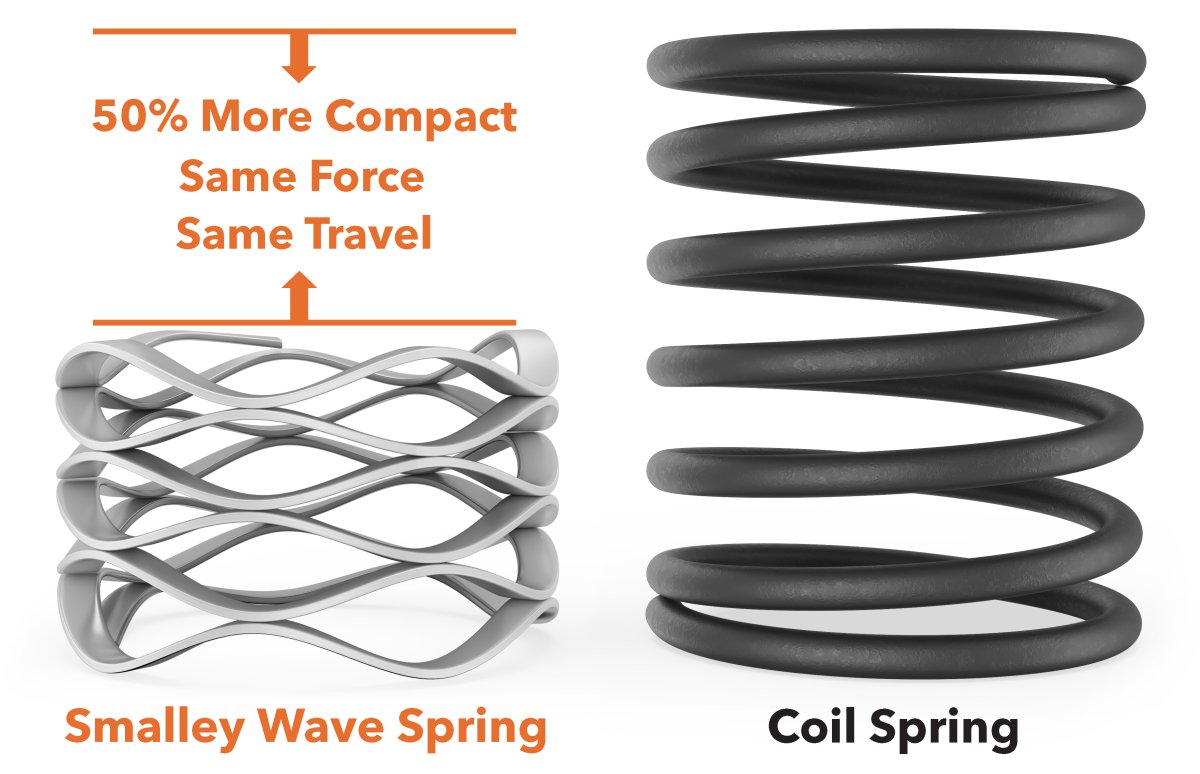
Wave Springs
Wave springs for axial space-constrained assemblies in micro-connectors, sensor housings and compact actuators. Single-turn or multi-turn configurations, OD 3–50 mm, wave height tolerance +/-0.02 mm. Stainless steel or carbon steel, deburred and stress-relieved. Load testing at three deflection points; full dimensional report with ZEISS MICURA CMM data.
Get a Quote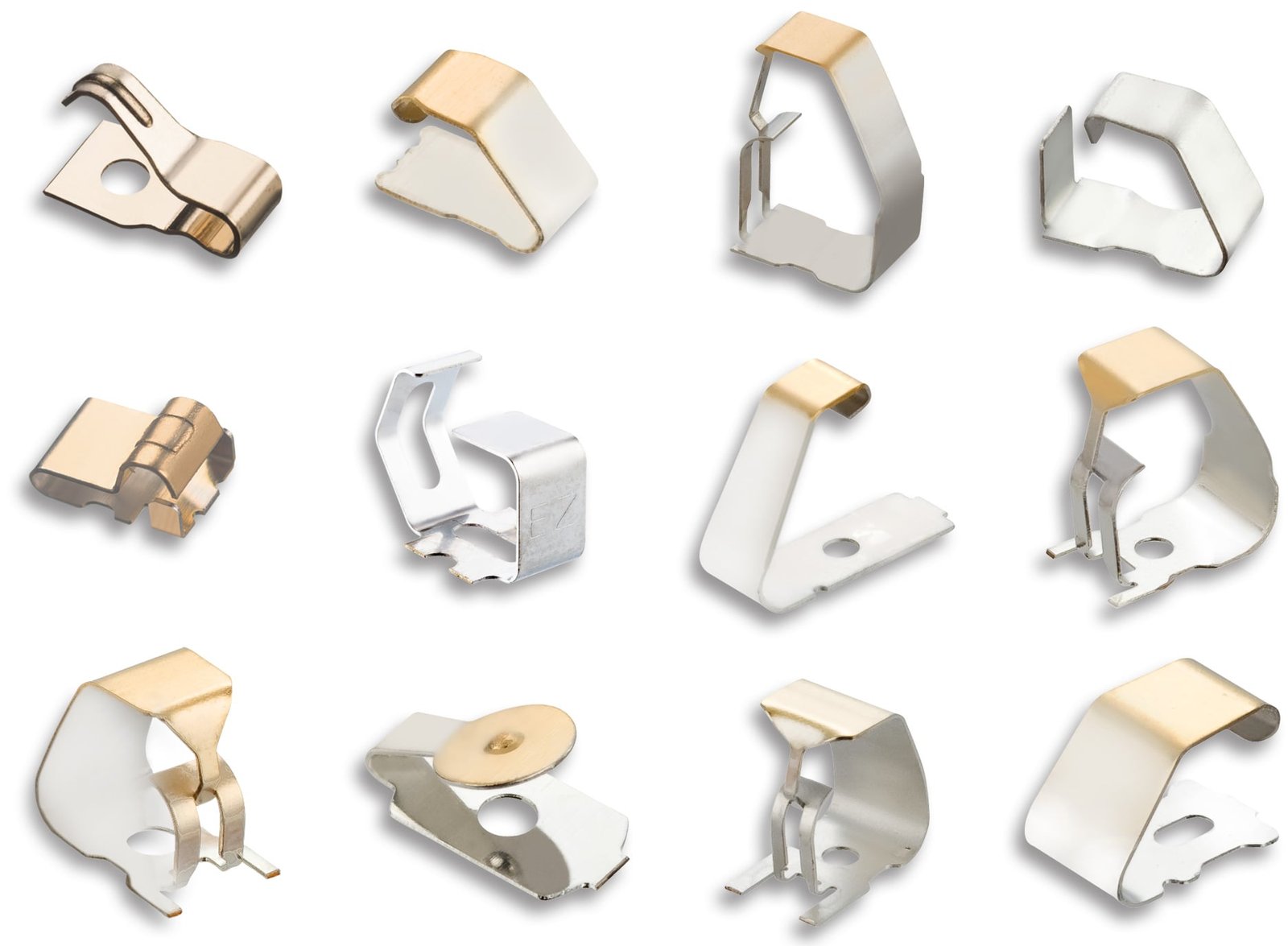
Spring Contacts
Spring contacts and stamped terminals for PCB connectors, battery interconnects, 5G RF modules and board-to-board applications. Beryllium copper, phosphor bronze or stainless steel, plated (gold, tin, nickel) to customer spec. Contact-force repeatability +/-10%, geometry held to +/-0.03 mm. High-speed stamping or wire EDM, with 100% visual and electrical-resistance inspection.
Get a Quote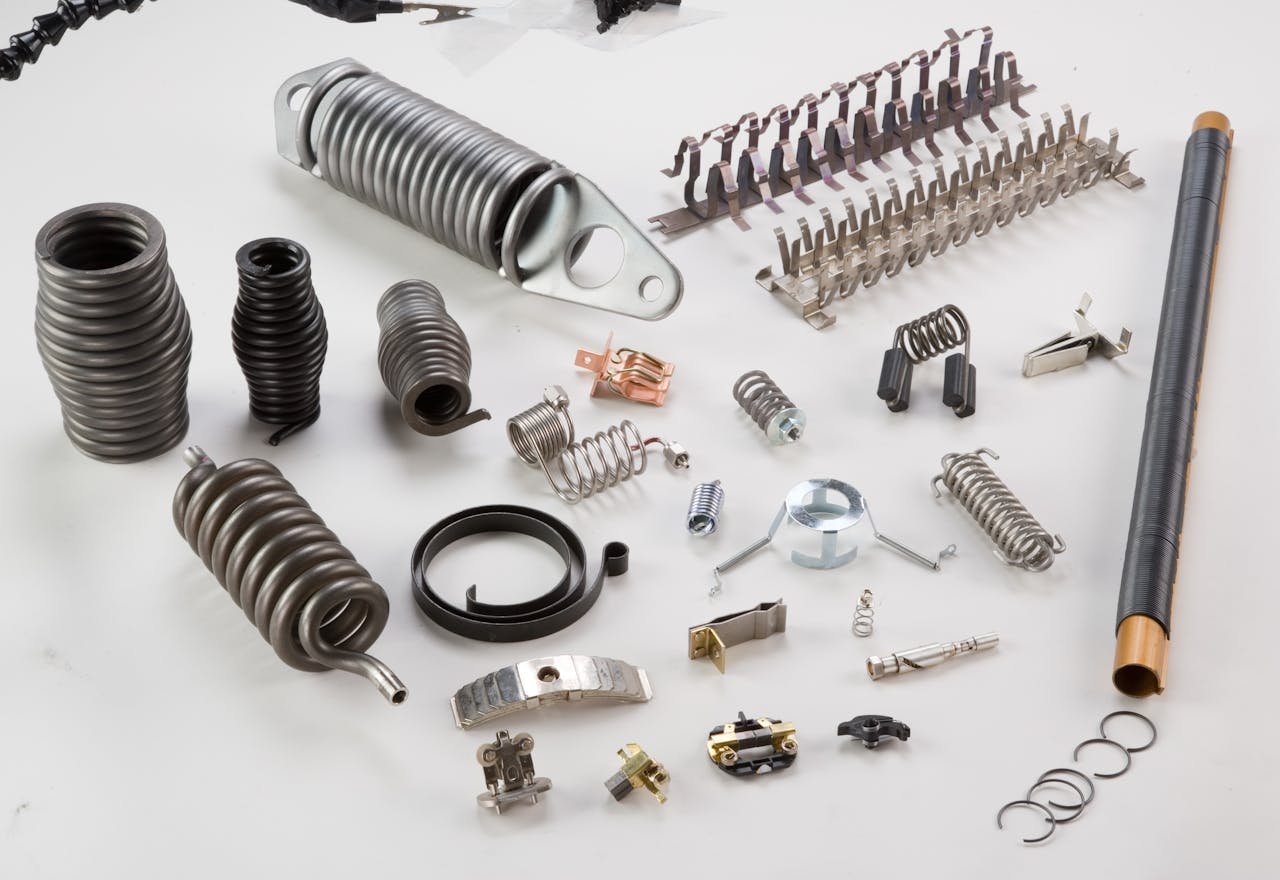
Custom Spring Assemblies
Custom spring assemblies combining springs, pins, bushings and housings into ready-to-install sub-assemblies for injection molds, automotive sensors and medical devices. Design collaboration with 10+ engineering experts, prototype in 3–7 days, full FAI documentation. Assembled under ISO 9001:2015 controls, with functional load testing and serialized traceability for critical applications.
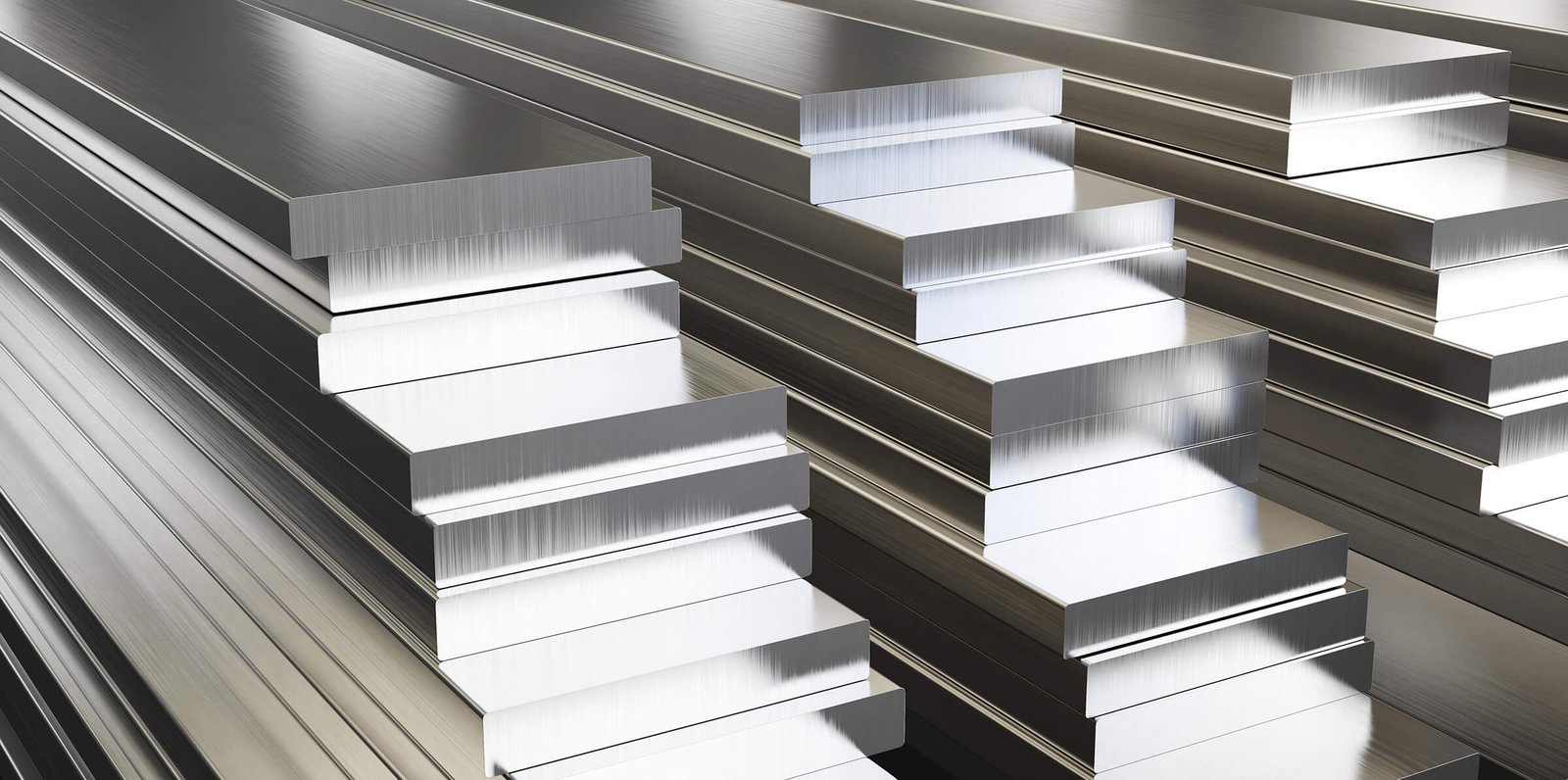
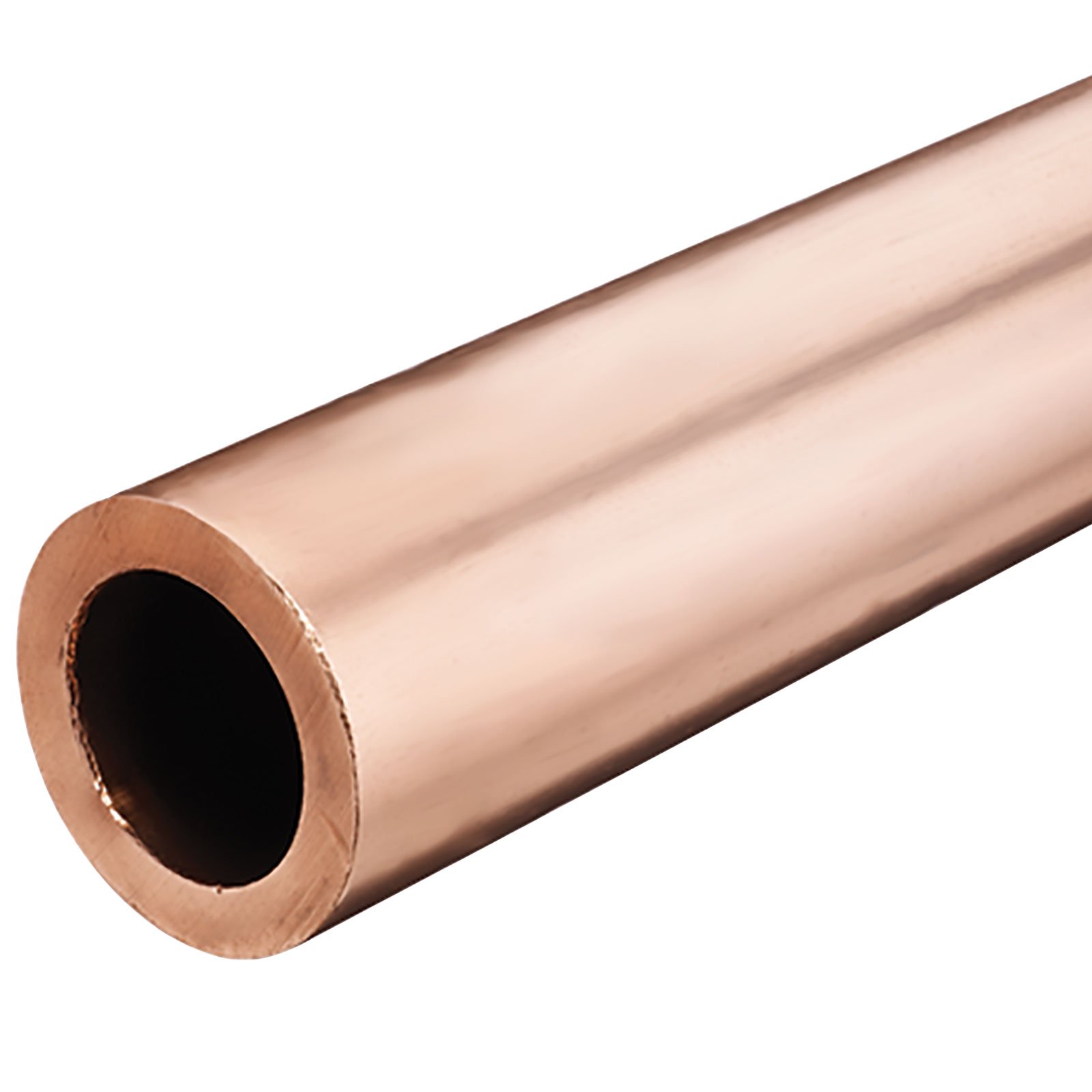
Get a QuoteMaterials We Machine for Spring and Mold Components
Precision Processes for Spring Mold Components
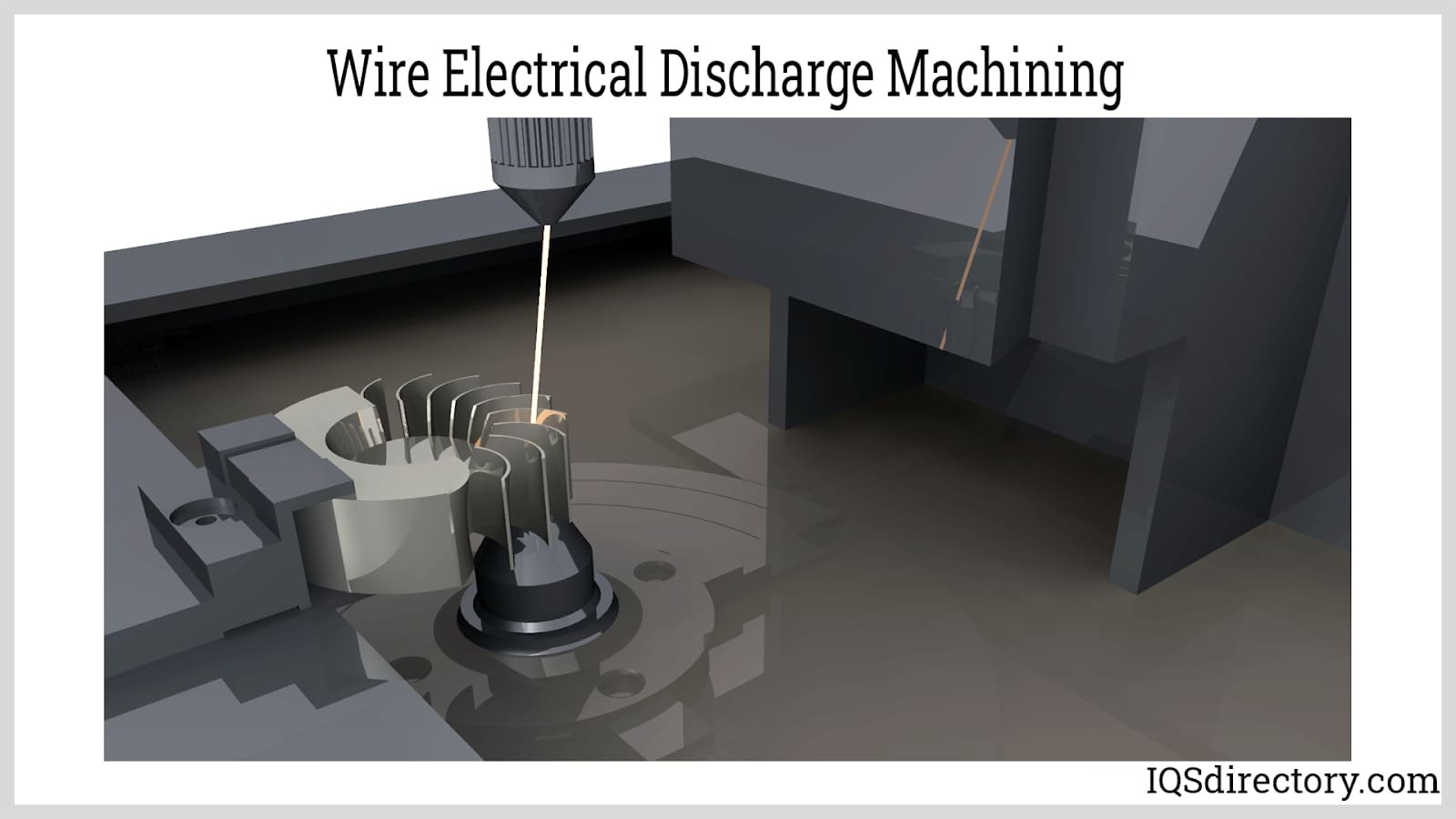
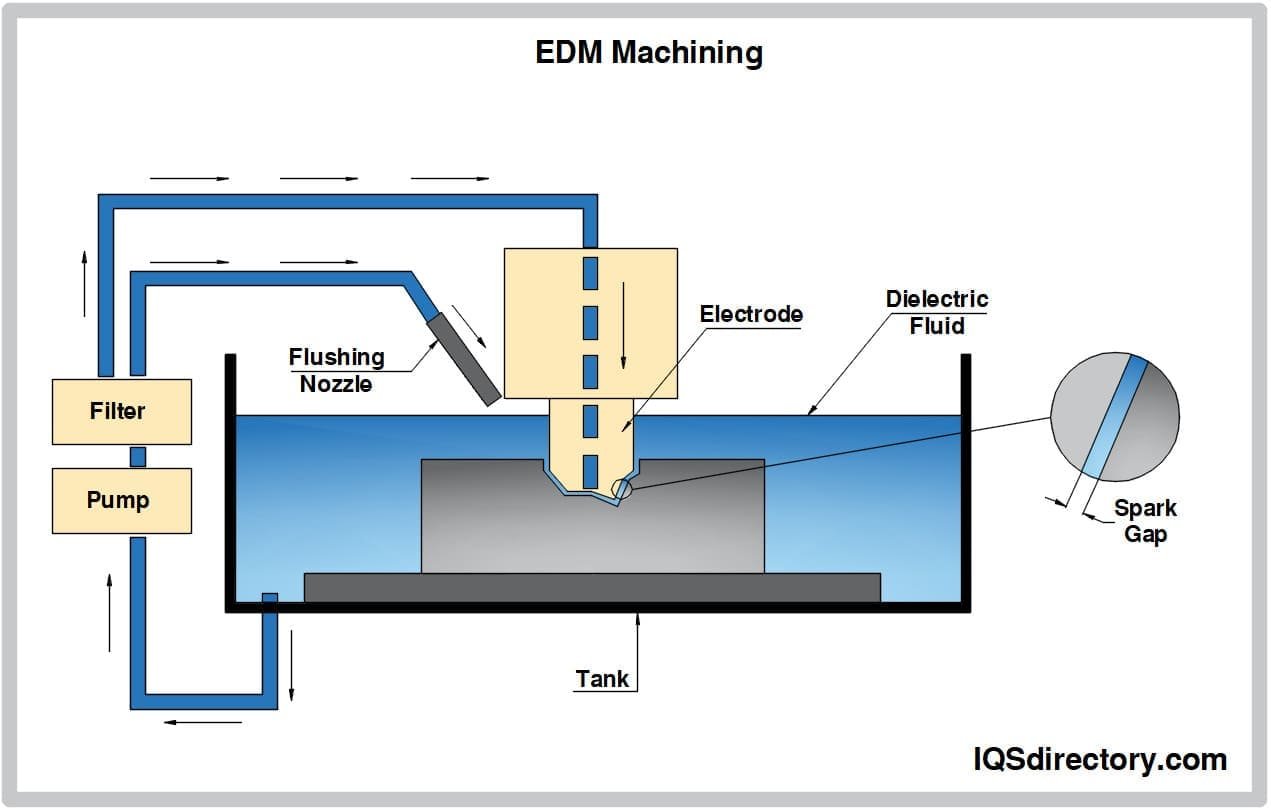
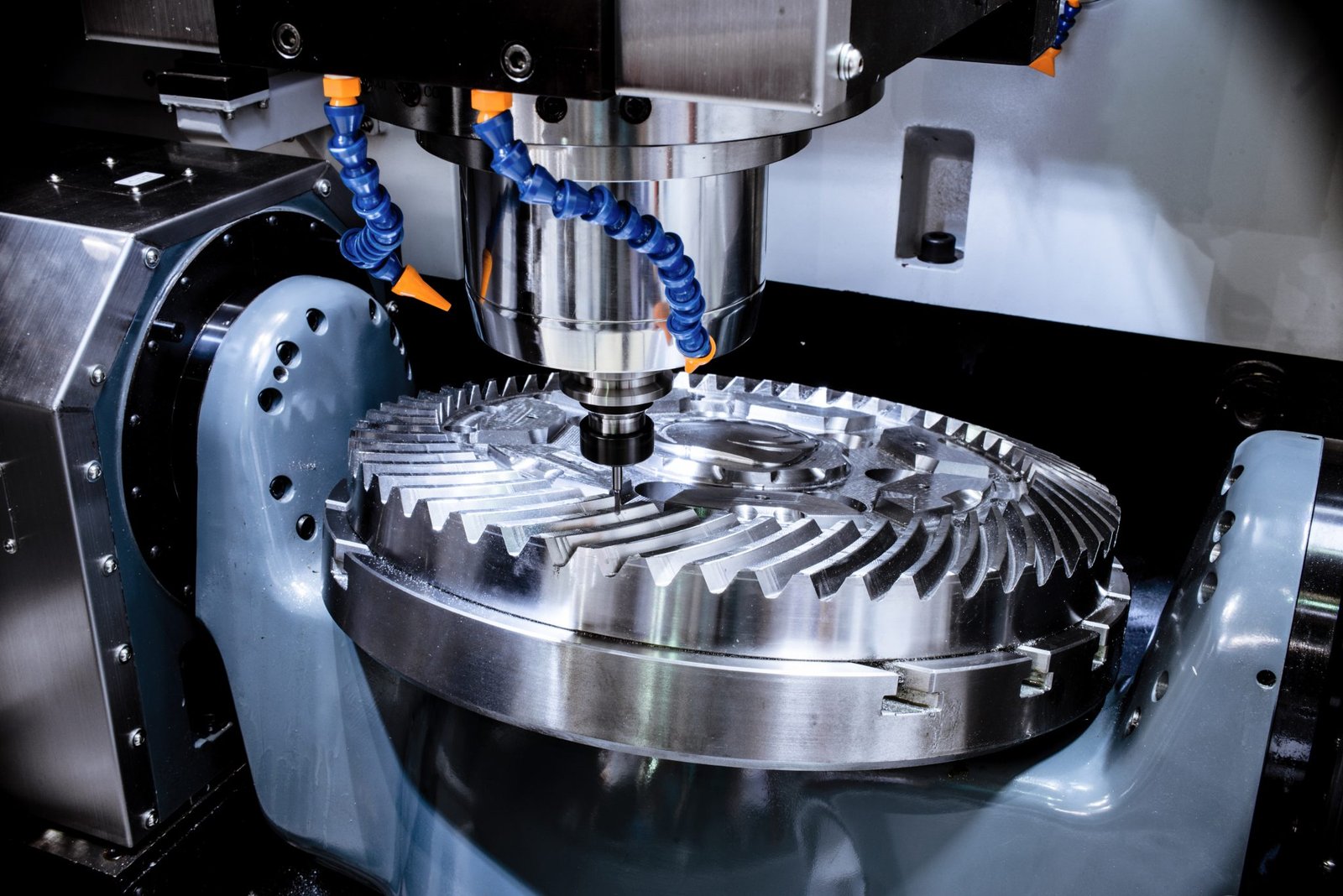
Sinker EDM
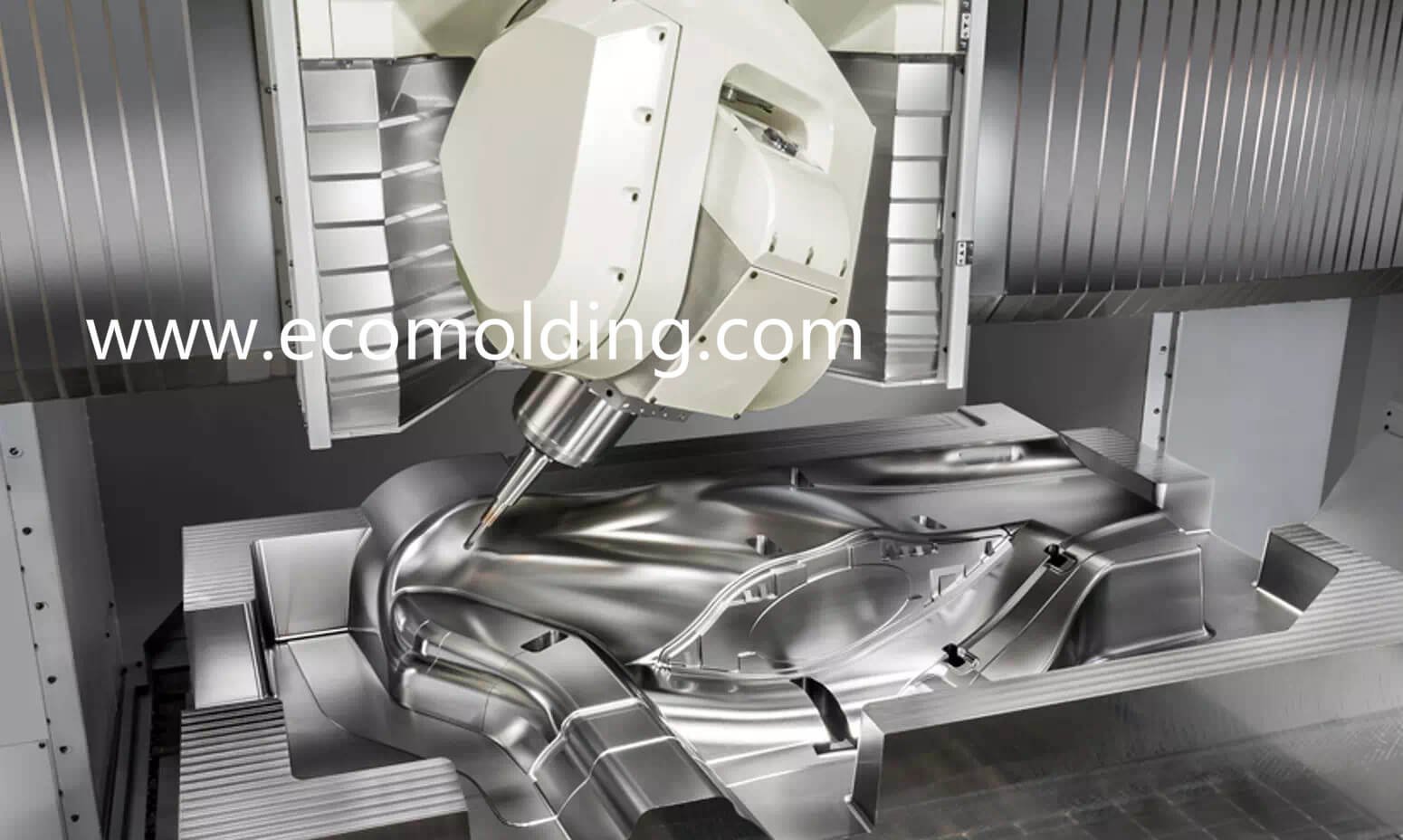
Sodick and Charmilles sinker EDM produces deep ribs, pockets and spring-seat recesses with +/-0.003 mm tolerance. Specify this process for vertical cavities, undercuts and electrode-formed details in hardened tool steel.
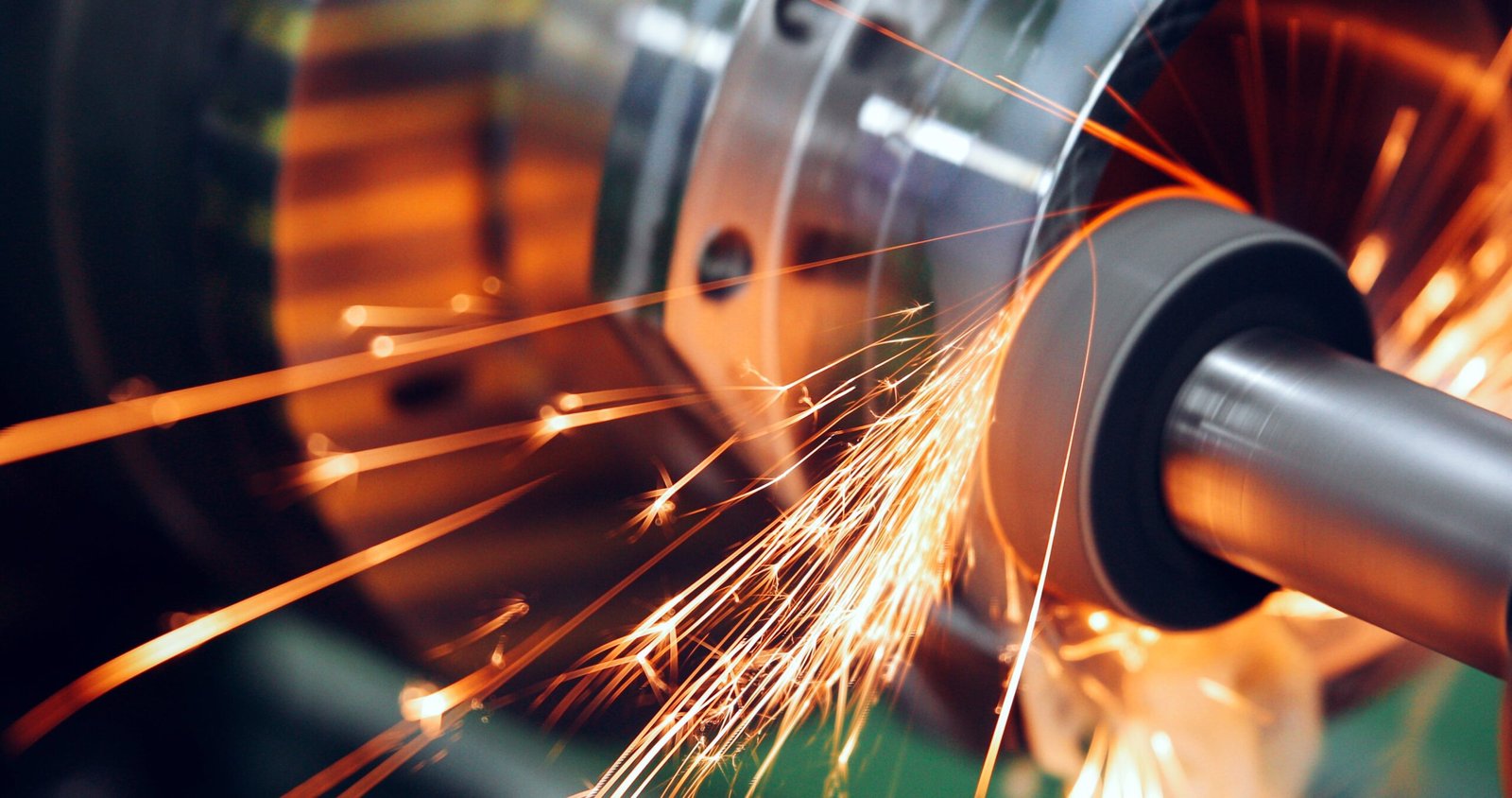

Mirror Finishing
Mitsubishi mirror EDM polishes spring cavity surfaces to Ra 0.1 μm, eliminating ejection marks and enabling Class-A cosmetic parts. Recommended for visible spring components in consumer electronics, automotive interiors and medical housings.
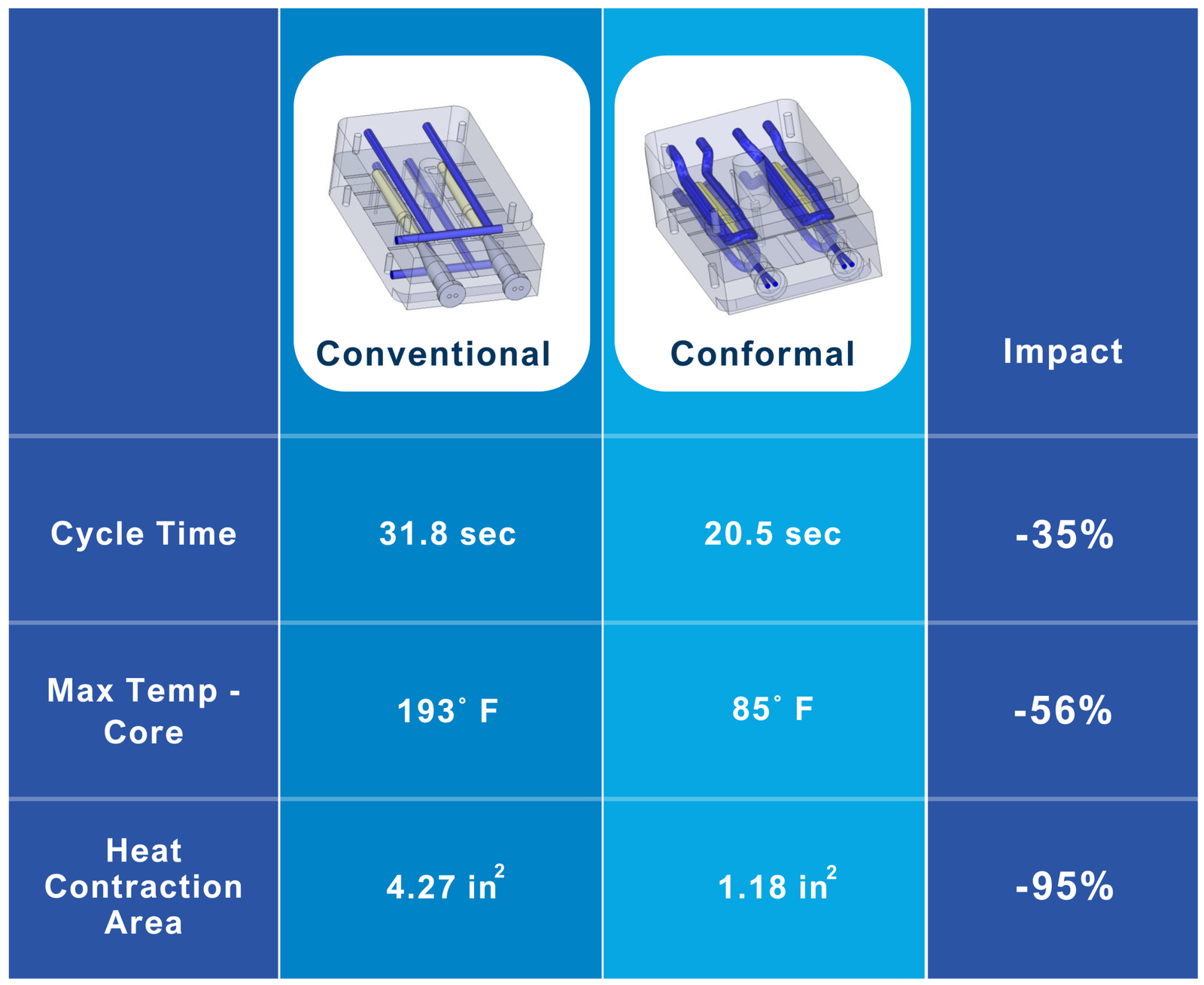
Conformal Cooling
CNC-drilled conformal cooling channels follow spring contours to reduce cycle time by 20–35% and minimize warpage. Optimizes heat extraction in high-volume spring production for automotive, connector and industrial-automation molds.
Finishing & Assembly Options for Spring Components
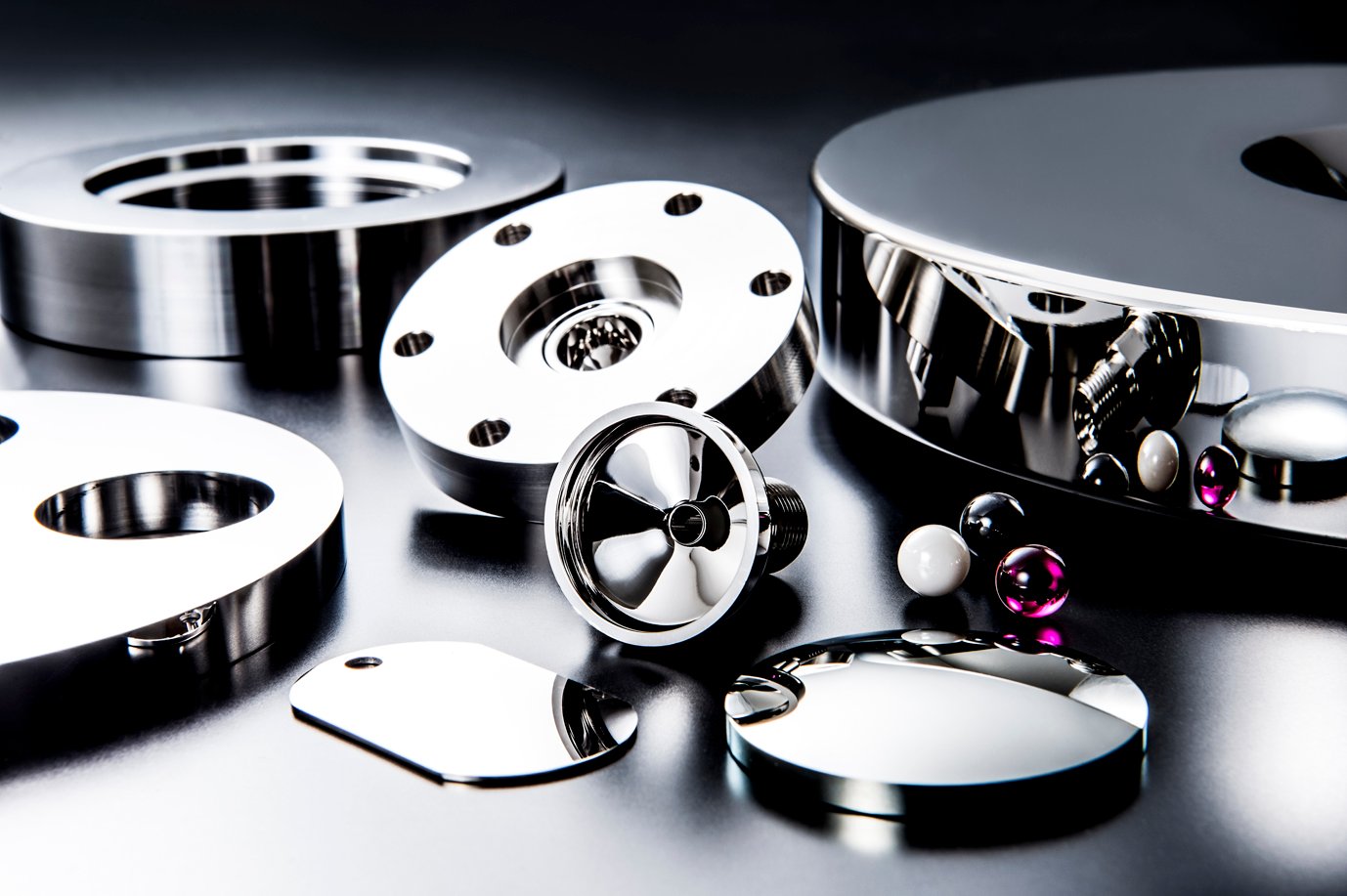
Mirror Polishing
Achieve Ra 0.1 μm surface finish on spring mold cores and inserts. Essential for high-gloss cosmetic parts, micro-connector housings and friction-sensitive sliding mechanisms in automotive and consumer electronics applications.

Electroplating & Coating
Hard chrome, nickel, TiN and PVD coatings applied to extend tool life, prevent corrosion and reduce friction. Ideal for high-cycle spring tooling, automotive sensor housings and medical-device mold components exposed to harsh environments.
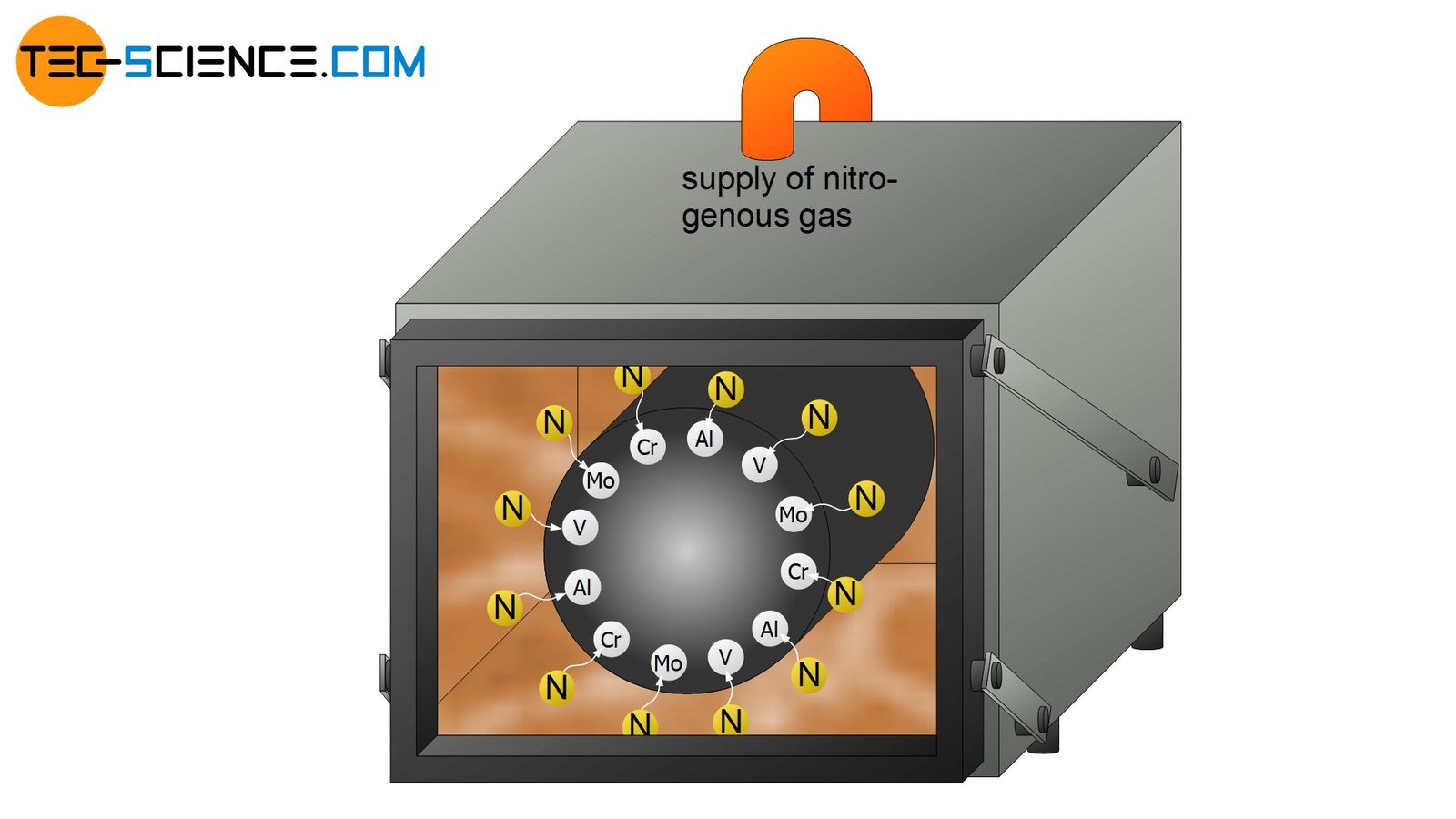
Nitriding & Heat Treatment
Gas nitriding and vacuum hardening boost surface hardness to HRC 58–62, improving wear resistance for spring-loaded ejector pins, lifters and high-duty mold inserts in NEV and industrial-automation tooling programs.
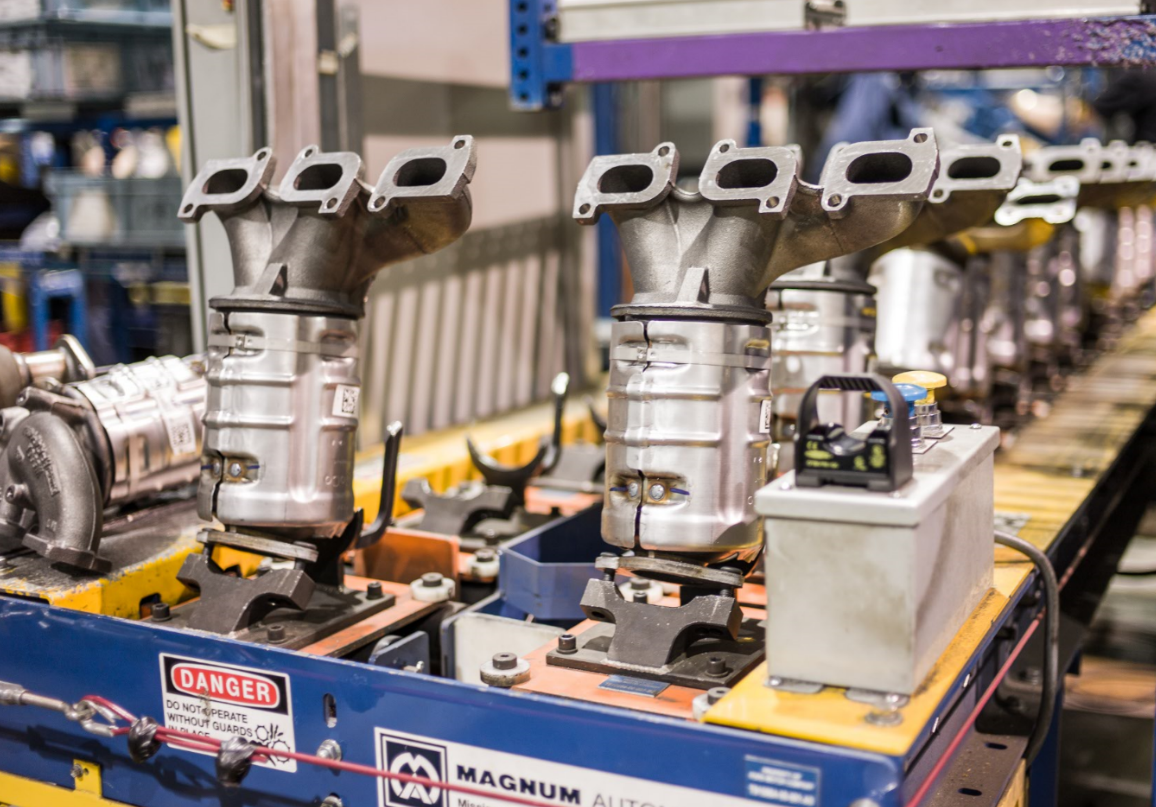
Sub-Assembly & Kitting
Pre-assembled spring sets, fitted pins, matched inserts and complete mold modules delivered ready to install. Reduces your lead time, eliminates fit-up errors and simplifies inventory management for multi-cavity and connector tooling projects.
Laser Marking & Identification
Permanent part numbers, date codes and traceability marks laser-etched onto spring components and mold inserts. Meets automotive PPAP, medical-device UDI and ISO 9001 documentation requirements without compromising dimensional integrity.
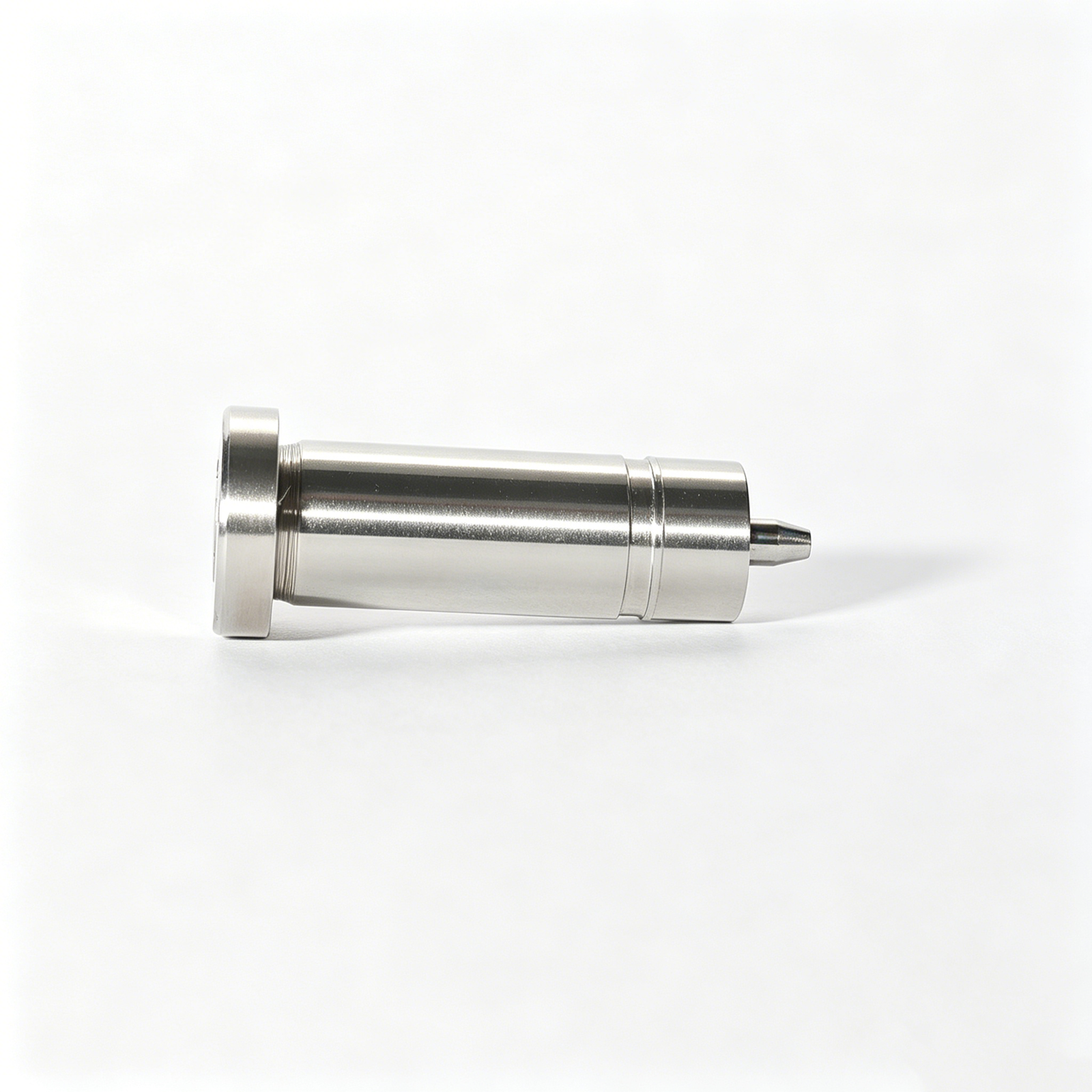
About XUXIANG — 16 Years of Spring & Mold Precision
Founded in 2010 in Chang’an, Dongguan, XUXIANG has spent 16 years bridging the gap between complex CAD designs and high-performance spring mold components. From a specialist mold-core machining shop, we’ve evolved into a dual-factory manufacturing group serving electronics, 5G/telecom, automotive and NEV, industrial automation, and medical-device supply chains worldwide.
Our 2,000 m² Dongguan headquarters houses R&D and micro-machining operations, while a 1,400 m² Quanzhou expansion—launched in 2025—adds volume production capacity, lifting annual output by 200%. Over CNY 8 million invested in Sodick slow-wire EDM, Mitsubishi mirror EDM, Fanuc CNC and ZEISS MICURA CMM metrology ensures every spring component ships at +/-0.001 mm machining precision and Ra 0.1um mirror-grade finishes.
ISO 9001:2015 certified and backed by a five-step QC flow with full FAI documentation, XUXIANG delivers DFM engineering support from 10+ experts, 24-hour quotes, and lead times 30% faster than industry average—combining micron-stable spring tooling precision with the dependable scale OEM and ODM procurement teams demand.
Core Capabilities: Micron-Stable Spring & Mold Precision
+/-0.001 mm Machining & ZEISS CMM Validation
Every spring mold component is machined to a maximum deviation of +/-0.001 mm and verified on our ZEISS MICURA CMM with 0.7 µm resolution. Nikon toolmaker’s microscopes (V-12B/MM-400 class) cross-check critical dimensions, ensuring micron-stable repeatability across production runs.
- ZEISS MICURA CMM measuring to 0.7 µm resolution
- Nikon V-12B & MM-400 toolmaker's microscopes for dimensional cross-checks
- Full FAI documentation with material certificates included
- +/-0.002 mm positioning on Sodick & Seibu slow-wire EDM
Mirror-Grade EDM Finishes Down to Ra 0.1 µm
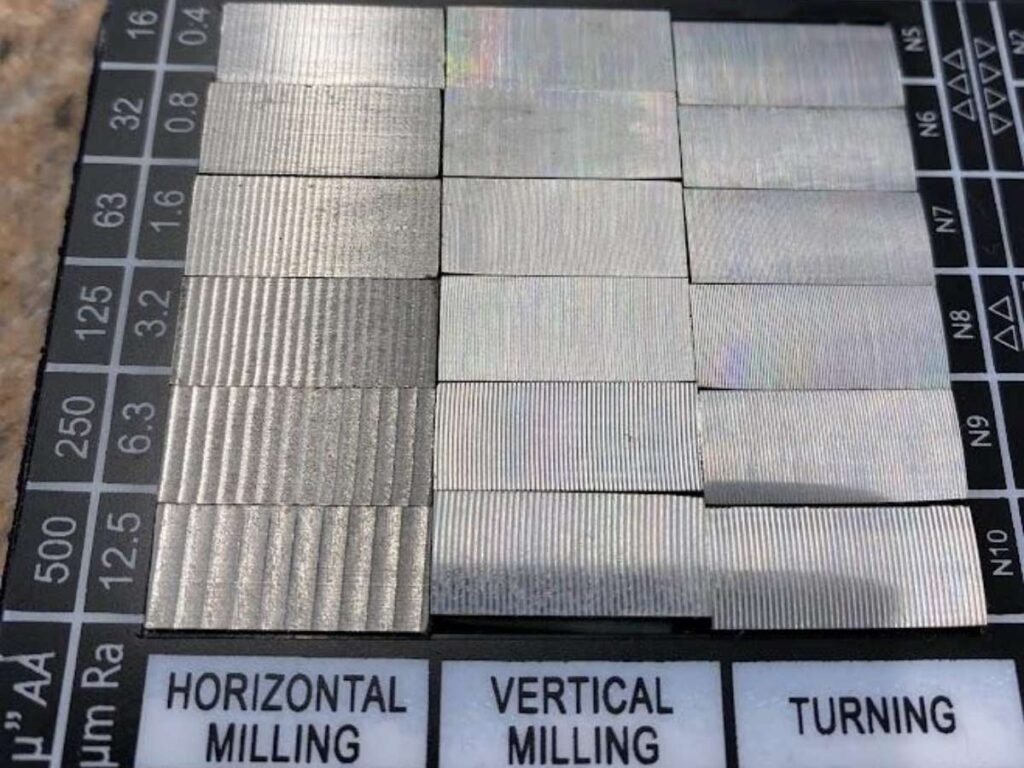
Sodick and Mitsubishi mirror EDM deliver Ra 0.1 µm surface finishes on spring cores, ejector pins and micro-connector tooling. Charmilles sinker EDM handles complex cavity geometries with +/-0.003 mm accuracy, eliminating secondary polishing and reducing lead times by up to 30 percent.
- Ra 0.1 µm mirror-grade surface finish capability
- Sodick & Seibu slow-wire EDM for ultra-fine detail work
- Mitsubishi mirror EDM for optical-quality mold surfaces
- Corner radii down to R ≤ 0.015 mm on spring inserts
DFM Engineering Support from 10+ Experts
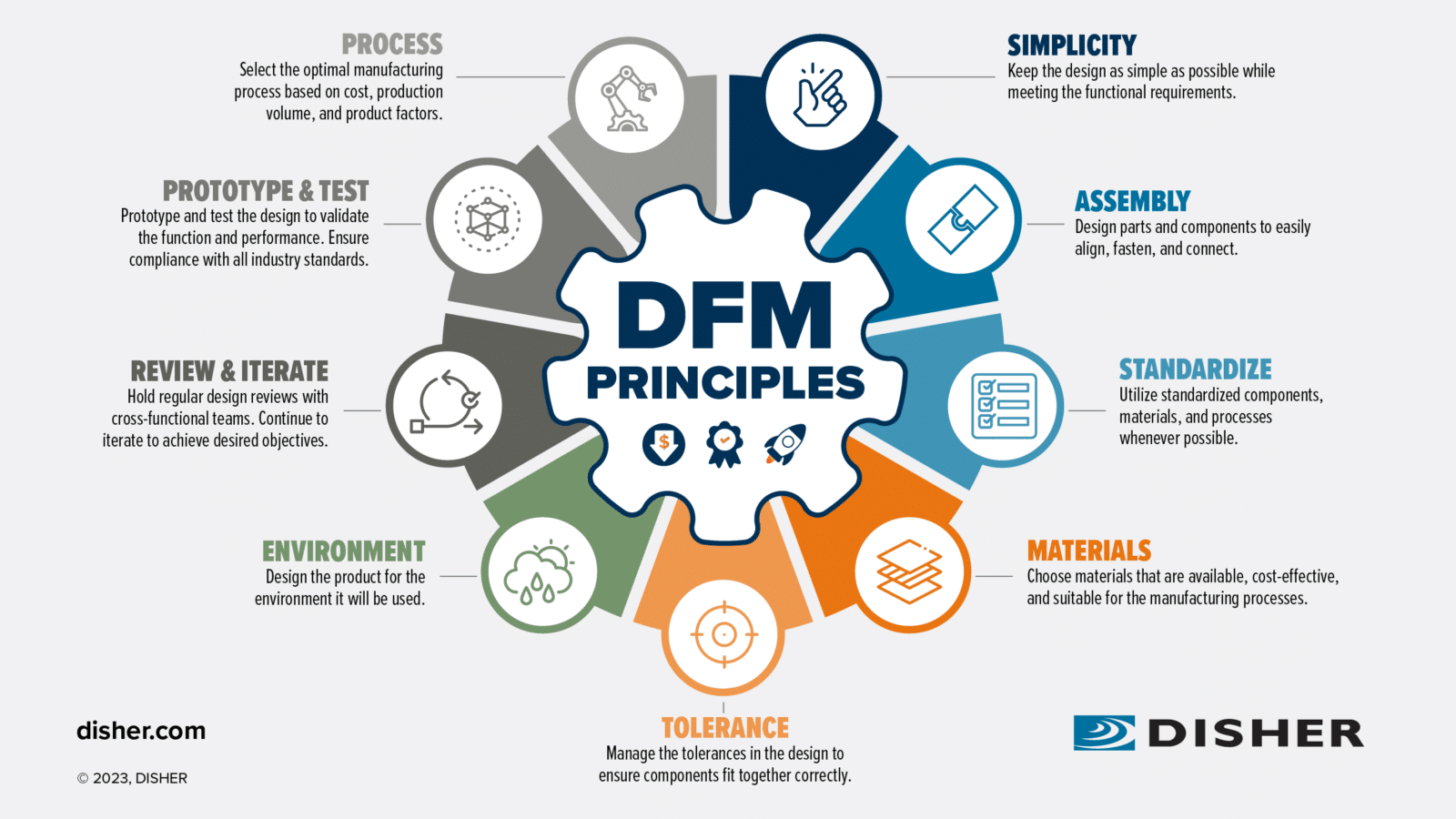
Before production begins, our team of 10+ mold-design and machining engineers reviews every spring component drawing for manufacturability, tolerance stack-up and cost optimization. You receive actionable DFM feedback within 24 hours, preventing costly rework and accelerating time-to-market.
- 10+ engineers with 16 years of precision mold experience
- DFM feedback delivered within 24 hours of drawing submission
- Tolerance stack-up analysis and cost-reduction recommendations
- Full CAD/CAM support for Solidworks, UG NX and CATIA files
Dual-Factory Speed & 200% Expanded Capacity
Our Dongguan facility (2,000 m²) handles R&D and micro-machining, while the new Quanzhou plant (1,400 m²) scales volume production. Together they deliver samples in 3–7 days and mass production in 15–25 days—roughly 30 percent faster than industry norms—with +200 percent capacity since 2025.
- Dongguan: 2,000 m² R&D + micro-machining center
- Quanzhou: 1,400 m² volume-production facility (2025 expansion)
- +200% capacity increase for spring and mold tooling
- 3–7 days for samples; 15–25 days for mass production
XUXIANG vs. Typical Spring & Mold Suppliers
Evidence-based differentiation for procurement managers evaluating precision spring mold component vendors — concrete tolerances, named equipment and verifiable quality systems.
← 左右滑动查看 →
Our Spring Mold Component Manufacturing Process
From DFM engineering review to validated shipment, every spring mold component follows a systematic six-step workflow designed to eliminate tolerance failures and delivery delays.
Design Review & DFM
Our 10+ engineering experts analyze your CAD files, identify tolerance risks and recommend optimizations before machining begins to ensure manufacturability at +/-0.001 mm.
Material Sourcing & Spectral Check
We source certified raw materials and perform spectral analysis to verify composition, ensuring every spring mold component meets mechanical and dimensional stability requirements.
Precision Machining & EDM
Parts are machined on Fanuc CNC, Sodick slow-wire EDM and precision grinding centers, holding +/-0.002 mm wire positioning and Ra 0.1 µm mirror finishes.
In-Process Tolerance Monitoring
Critical dimensions are checked at every operation using Nikon toolmaker’s microscopes and coordinate gauges to catch drift before it becomes a non-conformance.
CMM Validation & FAI
Finished spring mold components are measured on our ZEISS MICURA CMM to 0.7 µm resolution, and a full FAI report with material certificates is prepared.
Packing & Expedited Shipping
Parts are anti-corrosion treated, individually protected and shipped with full traceability documentation, typically 30 percent faster than industry average lead times.
How to Partner With XUXIANG for Spring Components
From CAD upload to mass production, our five-step process delivers precision spring mold components with full transparency and predictable lead times.
Submit Your CAD & Requirements
Upload your 2D/3D CAD files, technical drawings or tech pack through our portal or email. Include material specs, tolerance targets and volume requirements.
Receive DFM & Quote Within 24 Hours
Our 10+ engineering experts review manufacturability, flag tolerance risks and return a detailed quote with recommended tooling paths and lead-time estimates within one business day.
Approve Sample Tooling & Production
Review our DFM feedback, finalize specifications and approve the sample order. We program CNC and EDM paths and prepare ZEISS CMM inspection protocols.
Validate First Articles (3–7 Days)
We machine sample spring components, conduct full FAI with ZEISS MICURA CMM verification and ship with material certificates and dimensional reports for your approval.
Scale to Mass Production (15–25 Days)
Upon sample sign-off, we execute bulk production under ISO 9001:2015 process control, with in-process monitoring and final inspection before shipment—delivered roughly 30% faster than industry average.
Spring Component Quality & Industry Certifications





What Our Customers Say About XUXIANG Spring Mold Components
We switched to XUXIANG for spring-loaded ejector pins in our automotive sensor molds. Tolerance held at +/-0.002 mm across 12,000 cycles, zero premature failures. Lead time dropped from 28 days to 18 — exactly what our production schedule needed.
Their spring plunger inserts for our 5G connector tooling delivered Ra 0.12 µm mirror finish and perfect repeatability. DFM caught a critical interference issue before we cut steel. First article passed CMM validation without revision — saved us three weeks and $4,800.
We needed 240 spring-actuated core pins for a medical-device mold family. XUXIANG’s ZEISS CMM reports showed 100% conformance to +/-0.0015 mm on critical diameters. Quote in 22 hours, samples in 5 days, full order delivered in 19 days. Dependable precision and lead-time performance.
Spring & Mold Component FAQ
What is the minimum order quantity for spring mold components?
How quickly can I receive a quote for custom spring components?
What is the typical sample lead time for spring mold parts?
What payment terms does XUXIANG offer for spring component orders?
How do you handle shipping and customs for international spring orders?
How is my intellectual property protected when I send spring design files?
Can you guarantee +/-0.001 mm tolerance on all spring mold components?
Where do you source materials for spring and mold components?
What happens if a spring component fails in production after delivery?
The Complete Buyer’s Guide to Spring Mold Components for Precision Tooling
Navigate the critical decisions in sourcing spring mold components with confidence. This guide delivers a proven framework for evaluating suppliers, understanding material trade-offs, specifying tolerances, and avoiding costly mistakes that compromise mold performance and production uptime.
1. What Are Spring Mold Components and Why They Matter
Spring mold components — compression springs, gas springs, return springs and ejector springs — are mechanical actuators embedded in injection and die-casting tooling to deliver controlled ejection force, reliable part release and precise core retraction. Compression springs push ejector pins to separate molded parts from cavity surfaces; return springs retract slides and lifters after each cycle; gas springs provide constant force over long strokes in deep-draw or undercut geometries.
Micron-level precision is non-negotiable because a +/-0.01 mm variance in spring free length or wire diameter shifts ejection timing, causing flash, short shots or ejector marks on Class A surfaces. In high-volume production — 500,000+ cycles per year — fatigue resistance determines whether a mold runs 24/7 or stops for unplanned maintenance every 10,000 shots.
Springs solve a fundamental mold-design problem: they convert stored elastic energy into repeatable mechanical motion, ensuring every part ejects cleanly without operator intervention. Without precision springs, even a +/-0.001 mm core will fail to cycle consistently.
2. Evolution of Spring Technology in Mold Manufacturing
Basic coil springs dominated mold ejection systems through the 1980s, but cycle-time pressures and multi-cavity complexity exposed their fatigue limits and dimensional drift. By the early 1990s nitrogen gas springs entered production tooling, delivering constant force over stroke and reducing part marks, while ISO 10243 (1995) standardized dimensional interfaces for interchangeable spring cartridges across global supply chains.
Surface treatment advances in the 2000s — vacuum nitriding, shot peening and phosphate coatings — extended service life beyond 5 million cycles and improved corrosion resistance in humid molding environments. Progressive die springs with color-coded load ratings and modular cartridge designs became standard in high-precision automotive and connector tooling, where +/-0.002 mm positioning tolerances demand predictable spring behavior under thermal cycling.
Today’s high-cycle fatigue-tested variants combine alloy steel metallurgy (chrome-silicon, chrome-vanadium) with surface integrity validation to maintain preload within +/-3% over 10 million operations. XUXIANG’s metrology lab verifies spring dimensional stability to +/-0.001 mm using ZEISS CMM inspection, ensuring ejector-pin alignment and cycle-to-cycle repeatability in micro-connector and automotive sensor tooling programs.
3. Types of Spring Mold Components
Mold spring components fall into five functional families, each engineered for distinct load profiles, cycle rates and installation constraints. Selection hinges on force delivery, envelope geometry and expected service life—typically 500,000 to 2,000,000 cycles depending on type and duty.
Compression Coil and Die Springs
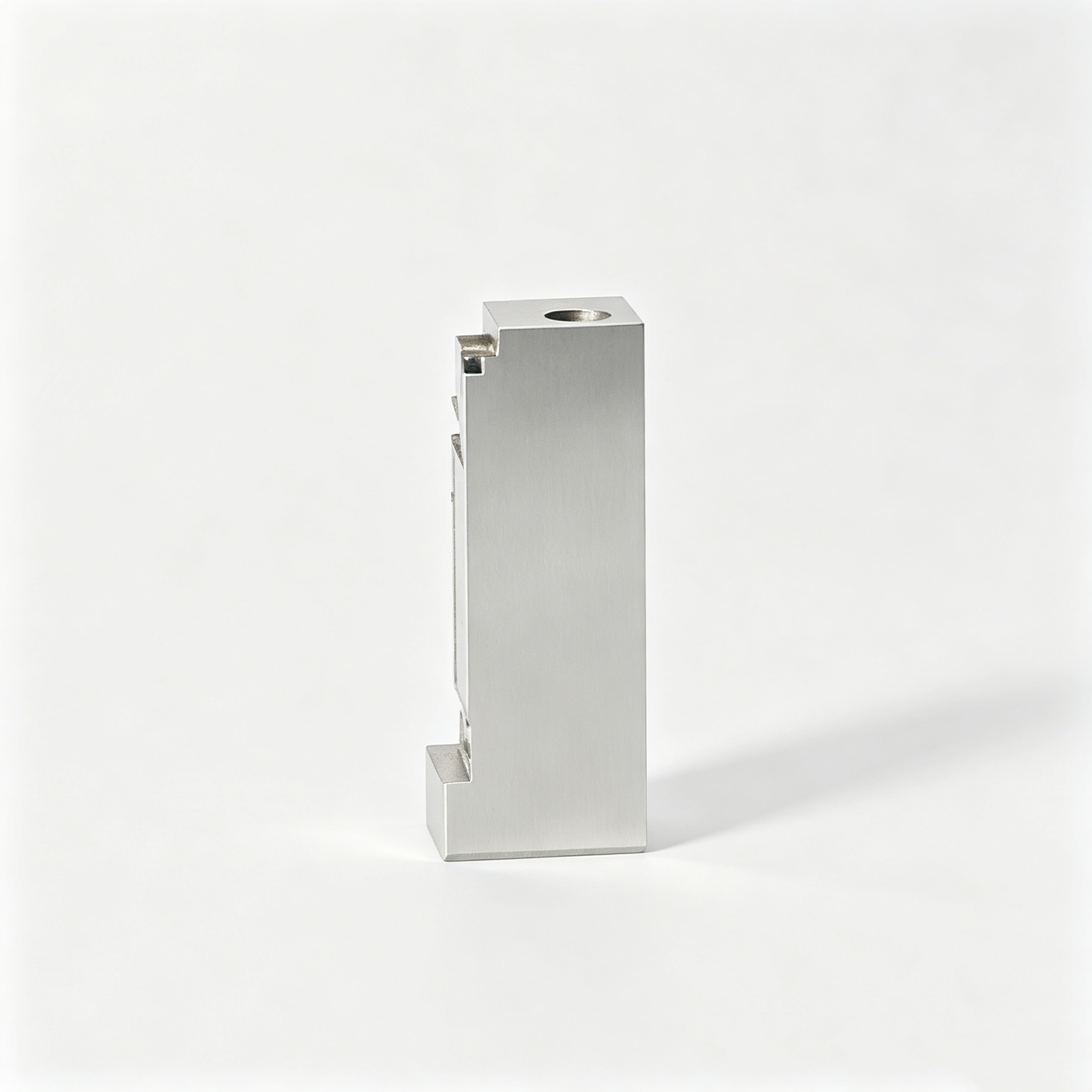
Coil springs — helical wire wound to ISO 10243 or DIN 9861 — dominate ejector-plate and stripper-plate return duties. Die springs deliver 50–5,000 N force ranges, with color-coded load bands (light/medium/heavy/extra-heavy) and rated cycle lives exceeding 1,000,000 strokes when operated below 80% solid height.
Gas Springs (Nitrogen-Charged Cylinders)
Nitrogen-filled cylinders provide constant force across 70–80% of stroke, ideal for heavy cores, lifters and slides weighing 5–200 kg. Standard catalog units span 200–10,000 N; custom strokes to 500 mm are common. Expect 500,000–1,000,000 cycles at rated pressure, with seals as the primary wear point.
Ejector Pin Return Springs
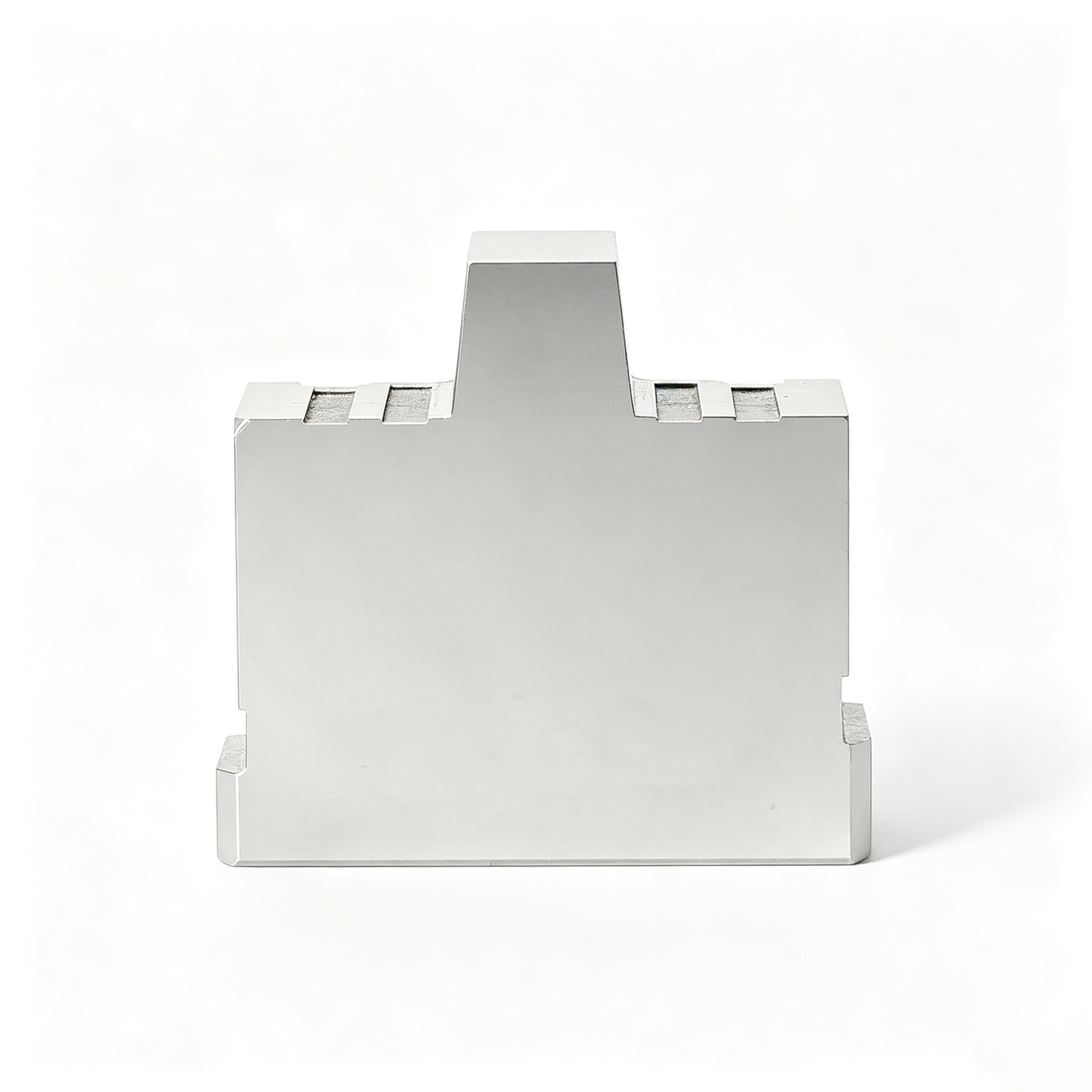
Small-diameter compression springs (wire Ø 0.3–2.0 mm) fit beneath individual ejector pins, ensuring positive retraction without plate-level mechanisms. Typical force: 5–80 N. Cycle life reaches 2,000,000 strokes in clean, lubricated environments; contamination and side-loading are leading failure modes.
Specialty Springs: Conical and Barrel
Conical (tapered) and barrel (bulged) profiles nest to solid height shorter than equivalent cylindrical coils, saving Z-axis space in compact molds. Used in micro-connector tooling and miniature medical-device molds where envelope is critical. Force curves are progressive; cycle life mirrors ISO die springs when properly preloaded.
4. Materials and Metallurgy for Spring Performance
Material selection determines fatigue life, dimensional stability and environmental resistance in spring mold components. Chrome-silicon, chrome-vanadium, stainless steel and beryllium copper address distinct performance envelopes, each validated through hardness (HRC 48–52 typical), tensile strength and thermal range testing.
| Material | Hardness (HRC) | Max Cycles | Best Use Case |
|---|---|---|---|
| Chrome-Silicon Steel | 50–54 | >10⁷ | High-volume automotive, connector tooling |
| Chrome-Vanadium Steel | 48–52 | ~5×10⁶ | General-purpose, industrial automation |
| Stainless Steel (300 series) | 40–45 | ~3×10⁶ | Corrosive environments, medical molds |
| Beryllium Copper | 38–42 (HRC) | ~10⁶ | Non-magnetic, RF/EDM applications |
Alloy Families and Performance Profiles
Chrome-silicon steel delivers high fatigue resistance — often exceeding 10⁷ cycles — making it the default for high-volume automotive and connector tooling. Chrome-vanadium offers cost-performance balance at slightly lower cycle counts, suitable for industrial automation and general-purpose molds.
Stainless steel (301, 304, 316 series) resists corrosive coolants and medical sterilization cycles, critical for medical-device and food-contact molds. Beryllium copper combines non-magnetic properties with high electrical conductivity, ideal for RF connector tooling and high-speed EDM electrodes where magnetic interference must be eliminated.
Why Material Certificates Matter
Aerospace and medical mold buyers require full traceability: mill certificates, spectral analysis reports and heat-treatment records. XUXIANG performs incoming spectral verification on every alloy batch and archives certificates alongside CMM FAI data, ensuring compliance with AS9100 and ISO 13485 upstream audits.
5. Customization Options for Spring Mold Components
Spring mold components are rarely catalog items; most production tooling demands custom geometry, load curves and surface engineering to match cycle time, ejection force and service life. XUXIANG’s engineering team translates DFM feedback into machined-to-order springs with dimensional tolerances down to +/-0.01 mm and validated load curves.
| Treatment | Primary Benefit | Cost Impact |
|---|---|---|
| Nitriding | Surface hardness HV 600–900, wear resistance | +15–25 % |
| Zinc plating | Corrosion protection, humid environments | +8–12 % |
| Shot peening | Fatigue life +20–30 %, high-cycle duty | +10–18 % |
| Laser marking | Traceability, part/date codes | +2–5 % |
Dimensional and Load Customization
Outer diameter, inner diameter, free length and wire diameter are specified to fit mold pockets and achieve target deflection. Spring rate (N/mm) and initial force (N) are calculated from material modulus, coil count and wire cross-section, then validated on load-test benches.
XUXIANG machines wire diameters from 0.3 mm to 6 mm and free lengths up to 300 mm, holding OD and ID within +/-0.01 mm to ensure consistent assembly and ejection force across multi-cavity tools.
Surface Treatments for Wear and Fatigue
Nitriding hardens the surface to HV 600–900, extending wear life in high-cycle applications. Zinc plating (5–15 µm) provides corrosion resistance in humid or coastal environments. Shot peening compresses surface layers, raising fatigue strength by 20–30 % for springs operating near yield stress.
Laser marking adds part numbers or date codes for traceability without compromising spring geometry or load performance.
End-Grinding and Parallelism
Closed-and-ground ends ensure both coil faces sit flat and parallel, eliminating side load and uneven compression. XUXIANG grinds end faces to within 0.02 mm parallelism, critical for multi-spring ejector plates and high-precision core return systems where tilt causes misalignment and premature wear.
6. Key Quality Indicators for Spring Mold Components
Validating spring mold components requires more than visual inspection. Buyers must demand documented proof across five critical checkpoints — dimensional accuracy, mechanical performance, geometry, surface integrity and material traceability — to ensure components survive rated loads and multi-million-cycle production runs.
Dimensional Tolerance and CMM Verification
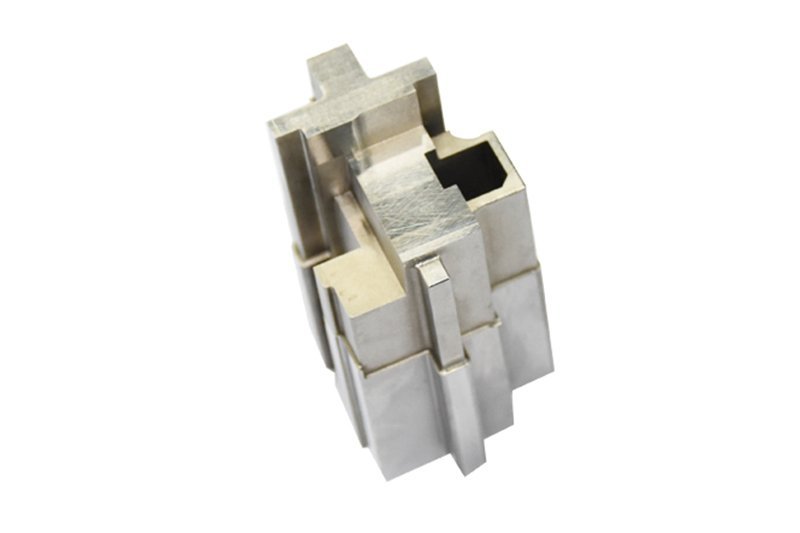
Critical dimensions — wire diameter, free length, coil pitch — must hold ±0.001 mm on precision springs. XUXIANG validates every batch with ZEISS MICURA CMM (0.7 µm resolution) and issues full measurement reports.
CMM data confirms not only nominal dimensions but also position tolerance and coil concentricity. Reject any supplier unwilling to provide traceable CMM certificates with serial-numbered part correlation.
Load-Deflection Curve Consistency
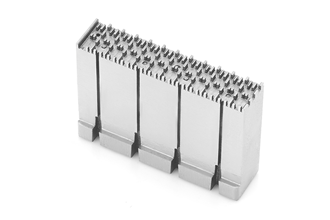
A spring’s rate (N/mm) must remain within ±3% across production lots. Request load-deflection test data at three points: free height, working height and solid height.
Inconsistent curves signal material variance or heat-treat drift. XUXIANG’s five-step QC includes in-process spring-rate sampling to catch deviation before shipment.
Parallelism and Surface Finish
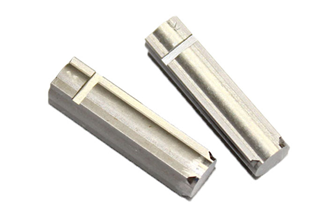
End-face parallelism under 0.01 mm prevents cocking and uneven load distribution in the mold. Precision grinding is mandatory; turned or cut ends rarely meet spec.
Surface finish ≤ Ra 0.8 µm reduces stress risers and extends fatigue life. XUXIANG’s mirror-grade EDM (Ra 0.1 µm) and grinding centers deliver repeatable end-face geometry.
Fatigue Testing and Material Certificates
Demand fatigue test reports showing minimum cycle count at rated deflection — typically 1–10 million cycles for mold springs. Material certificates must include spectral analysis confirming alloy composition (e.g., SUS304, 65Mn).
XUXIANG provides full FAI documentation: material certs, CMM reports and load-test data as baseline traceability for every order.
7. How to Choose a Spring Mold Component Manufacturer
Selecting a spring mold component partner demands scrutiny beyond catalog pricing. The right manufacturer delivers certified quality systems, in-house metallurgical control and metrology infrastructure that guarantees micron-stable performance across production runs.
Certification and Quality Infrastructure
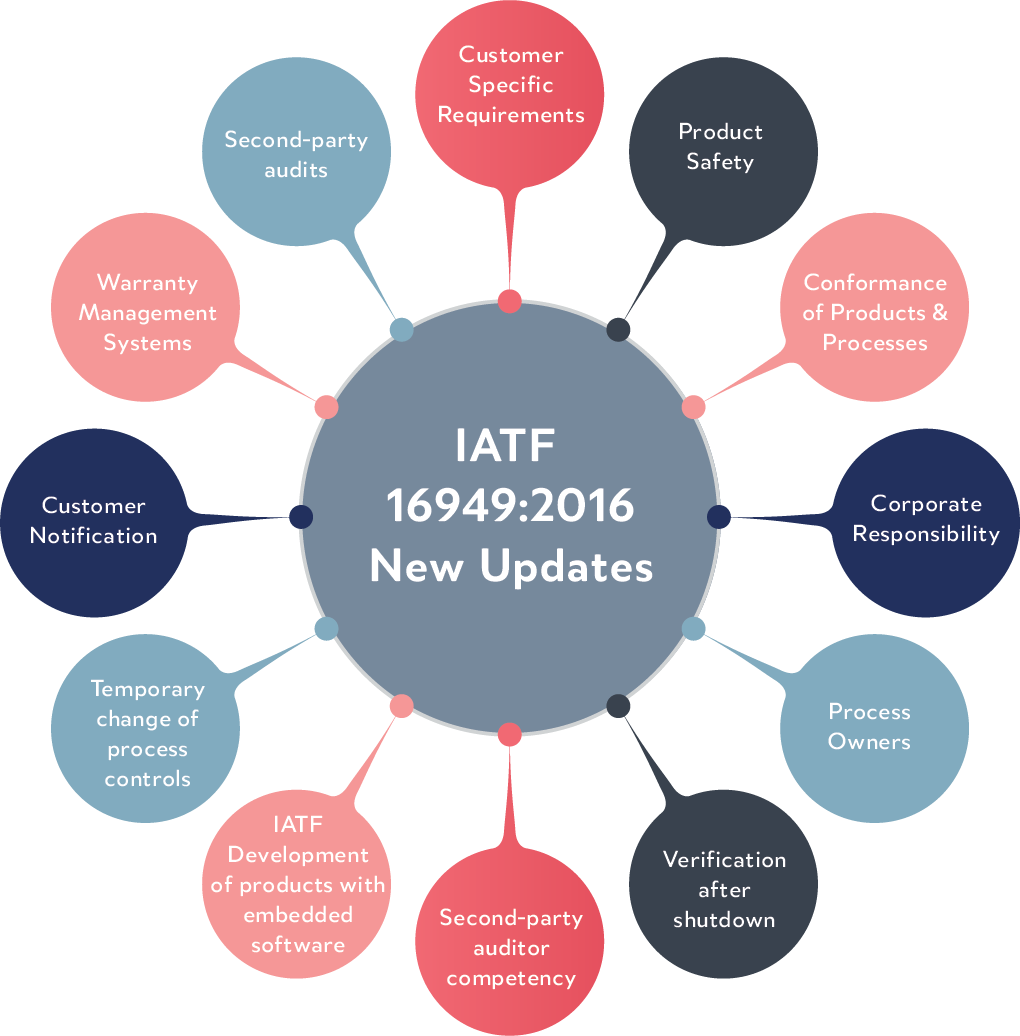
ISO 9001:2015 is the baseline; IATF 16949 matters for automotive and NEV supply chains. Verify that the shop operates a calibrated CMM — ZEISS MICURA or Mitutoyo class — capable of sub-micron resolution. XUXIANG’s ZEISS MICURA measures to 0.7 µm, backed by Nikon toolmaker’s microscopes for surface validation.
Request FAI documentation and material certificates for every spring lot. Traceability prevents batch mixing and supports failure analysis when field issues arise.
In-House Heat Treatment and Grinding
Outsourced heat treatment adds lead time and variability. Manufacturers with captive furnaces and precision grinding centers — such as Dawn or Okamoto class — maintain tighter hardness bands (±1 HRC) and surface finishes below Ra 0.4 µm.
XUXIANG integrates grinding and EDM under one roof, eliminating handoff delays and ensuring spring seats and guide pins meet +/-0.002 mm positional tolerances.
Lead-Time Flexibility and Technical Support
Confirm whether the supplier stocks standard spring profiles or requires full custom tooling. Lead times for stock items typically run 3–5 days; custom designs may span 2–4 weeks depending on heat-treat cycles.
Look for engineering teams that offer load-calculation support, FEA simulation and DFM feedback before production. XUXIANG’s 10+ engineering experts review every design to flag interference, buckling risk and fatigue-life concerns upfront.
Industry References and Co-Design Capability
Request case studies or references in your vertical — 5G connector tooling, automotive sensor housings or medical-device molds. Sector-specific experience accelerates troubleshooting and ensures compliance with industry tolerances.
Partners who engage in co-design — iterating spring geometry, material selection and surface treatments alongside your CAD team — reduce prototype cycles and improve first-article yield, a hallmark of XUXIANG’s engineering-led approach.
8. Common Mistakes Buyers Make When Sourcing Springs
Procurement decisions made without engineering validation lead to mold downtime, ejection defects and unplanned replacement cycles. Three categories of sourcing errors — specification gaps, supplier-verification shortcuts and cost-first thinking — account for the majority of spring-related production failures.
Incomplete Load Specifications and Temperature Drift
Specifying force at room temperature (20 °C) without accounting for thermal expansion or modulus drop at 80–120 °C mold-operating range causes 15–25 % load variance. Springs rated for 500 N at 20 °C may deliver only 425 N at 100 °C, resulting in incomplete ejection or part sticking.
Request load–temperature curves from suppliers and validate with thermal-cycling tests. XUXIANG documents force retention across the customer’s full operating window, ensuring ejector pins maintain consistent stroke energy through every cycle.
Accepting Springs Without Material Certificates or Fatigue Data
Material certificates (spectral analysis, hardness HRC) and cycle-life test reports confirm alloy composition and fatigue resistance. Springs without certs may use lower-grade wire, failing after 50,000 cycles instead of the specified 500,000, triggering emergency downtime and expedited re-orders.
XUXIANG provides spectral-analysis reports and HRC hardness data with every spring batch, backed by ZEISS MICURA CMM validation to +/-0.7 µm, ensuring traceability and predictable service life.
Overlooking End-Face Parallelism and Metrology Capability
End-face non-parallelism > 0.02 mm causes uneven load distribution, tilting ejector pins and creating witness marks or part warpage. Buyers who skip parallelism inspection or choose suppliers without CMM capability inherit this risk.
XUXIANG grinds spring ends to ≤ 0.01 mm parallelism and verifies with ZEISS CMM and Nikon toolmaker’s microscopes, eliminating ejection tilt and ensuring uniform force across multi-cavity molds.
9. Steps to Integrate Spring Components into Your Mold Design
Successful spring integration requires tight coordination between mold designer, toolmaker and component supplier. A structured workflow — from force calculation through production validation — prevents tolerance creep, premature fatigue and costly rework during mass production.
Calculate Required Force and Stroke
Begin with ejection load analysis: part weight, draft angle, surface area and cycle time define the minimum spring force. Add a 20–30% safety margin for wear and temperature variation.
Stroke must exceed maximum ejection distance plus 10–15% compression reserve. XUXIANG’s engineering team validates these calculations during DFM review to prevent under-specification.
Select Spring Type and Material
Match spring geometry to pocket constraints: coil springs for deep bores, disc springs for high load in short stroke, gas springs for large parts. Material choice — chrome-silicon, stainless 17-7PH or nitrogen-alloyed steel — depends on cycle temperature and corrosion exposure.
Request supplier load-curve data and fatigue ratings at operating temperature to confirm compatibility.
Prototype and Validate in Mold Trials
Install springs in a trial mold and run 500–1,000 cycles under production conditions. Measure ejection consistency, part release force and spring deflection with dial indicators.
XUXIANG’s five-step QC flow includes in-process tolerance monitoring and ZEISS CMM verification to detect early drift before full production.
Establish Reorder Protocols
Define replacement intervals based on validated cycle life — typically 500,000–2,000,000 shots for precision coil springs. Stock critical spares on-site and agree lead times with your supplier.
ISO 9001:2015 traceability ensures every reorder matches original material certificates and dimensional tolerances.
10. Pricing and Cost Structure for Spring Mold Components
Spring mold component pricing hinges on five cost drivers: material grade (spring steel, stainless steel, beryllium copper), custom versus standard dimensions, surface treatment (nitriding, shot-peening, coating), order quantity and lead time. Standard catalog springs in chrome-silicon or music wire start at lower per-piece costs, while custom-dimensioned springs engineered to +/-0.001 mm tolerances carry tooling amortization across the first 500–1,000 pieces.
Quantity breaks typically occur at 10, 100 and 1,000 pieces; unit costs drop 40–60% from prototype to production tiers. Custom springs require one-time tooling investment of USD 200–800, amortized over the order; for molds cycling 500,000+ shots, premium fatigue-tested variants reduce downtime costs by 15–25%, delivering ROI within two production runs.
Lead time trades directly against price: expedited 5-day orders carry 30–50% premiums, while standard 15–20 day windows align with normal pricing. Surface treatments add 10–20% but extend service life two- to threefold in high-temperature or corrosive environments.
| Quantity Tier | Unit Price Range (USD) | Typical Lead Time |
|---|---|---|
| 10 pcs (prototype) | $8.00–$15.00 | 5–7 days |
| 100 pcs (pilot) | $3.50–$6.50 | 10–12 days |
| 1,000 pcs (production) | $1.20–$2.80 | 15–20 days |
| 5,000+ pcs (volume) | $0.60–$1.50 | 20–25 days |
Ready to Source Precision Spring Components? Get a Quote Today
XUXIANG delivers spring mold components held to +/-0.001 mm, backed by ISO 9001:2015 quality, ZEISS CMM validation, and 24-hour quote turnaround. Submit your technical drawings now.