
ABS Appliance Component Molds Manufacture — Micron-Stable Precision Tooling
ISO 9001:2015 certified ABS appliance component molds manufacture with +/-0.001 mm machining accuracy, ZEISS CMM validation, and 24-hour quotes — engineered for electronics, automotive and industrial OEMs worldwide.
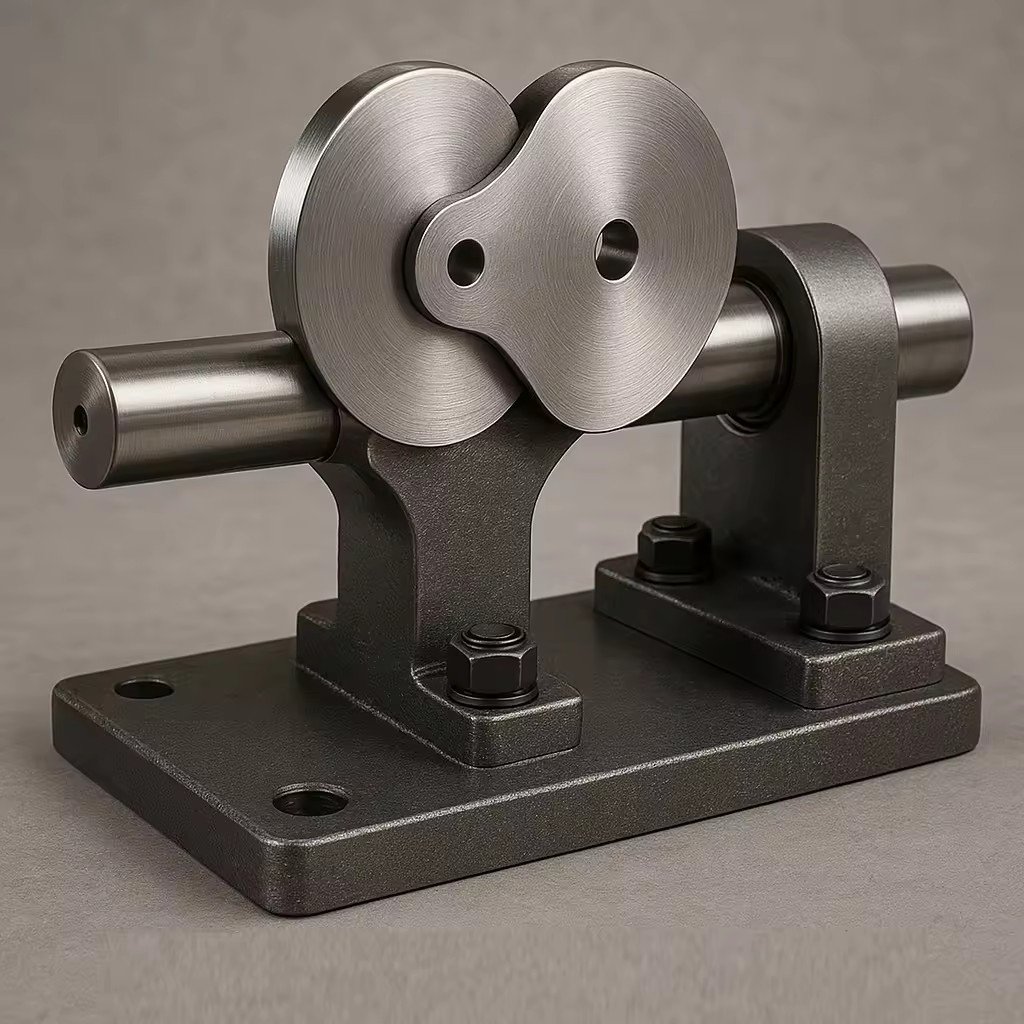
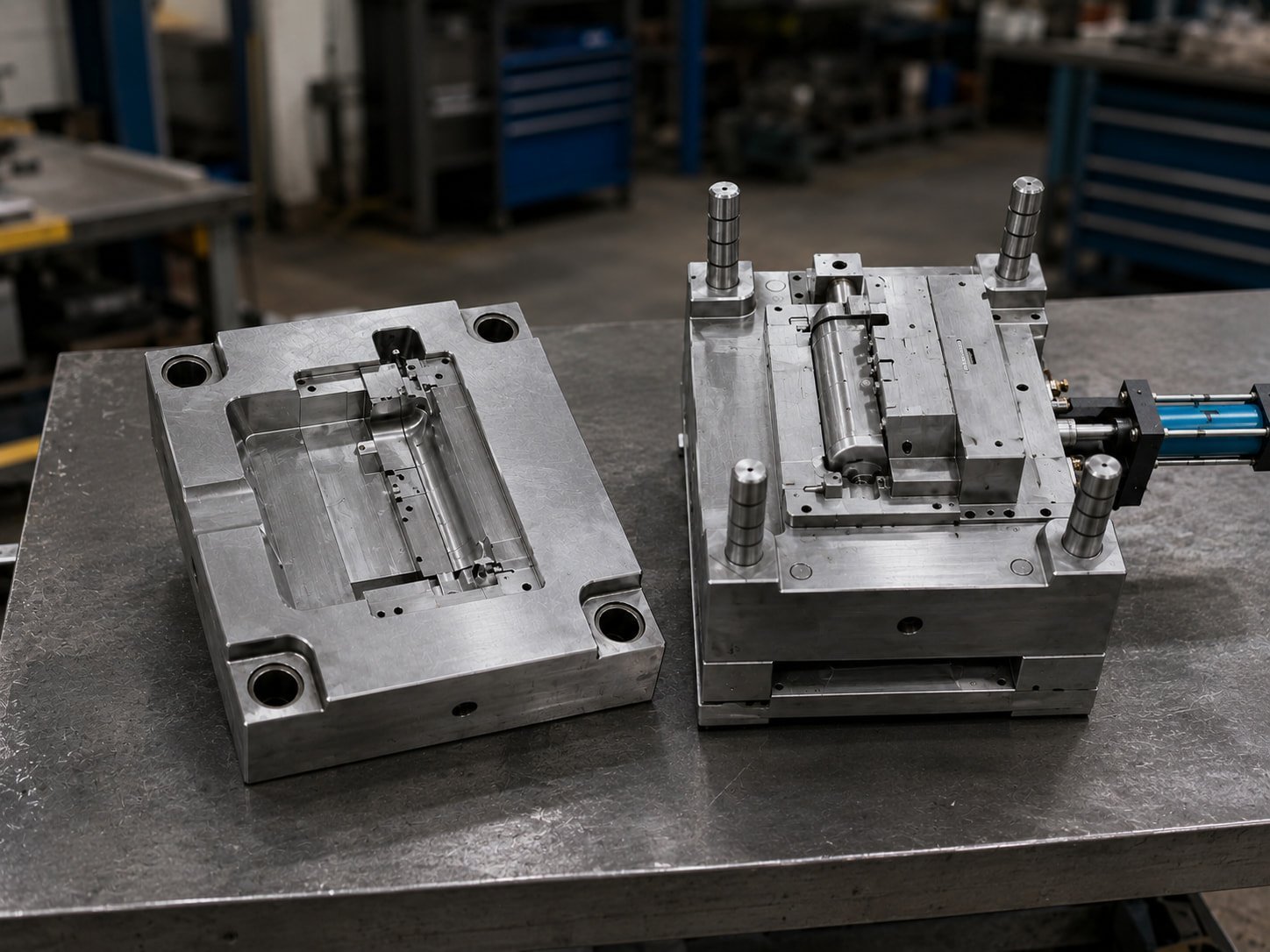
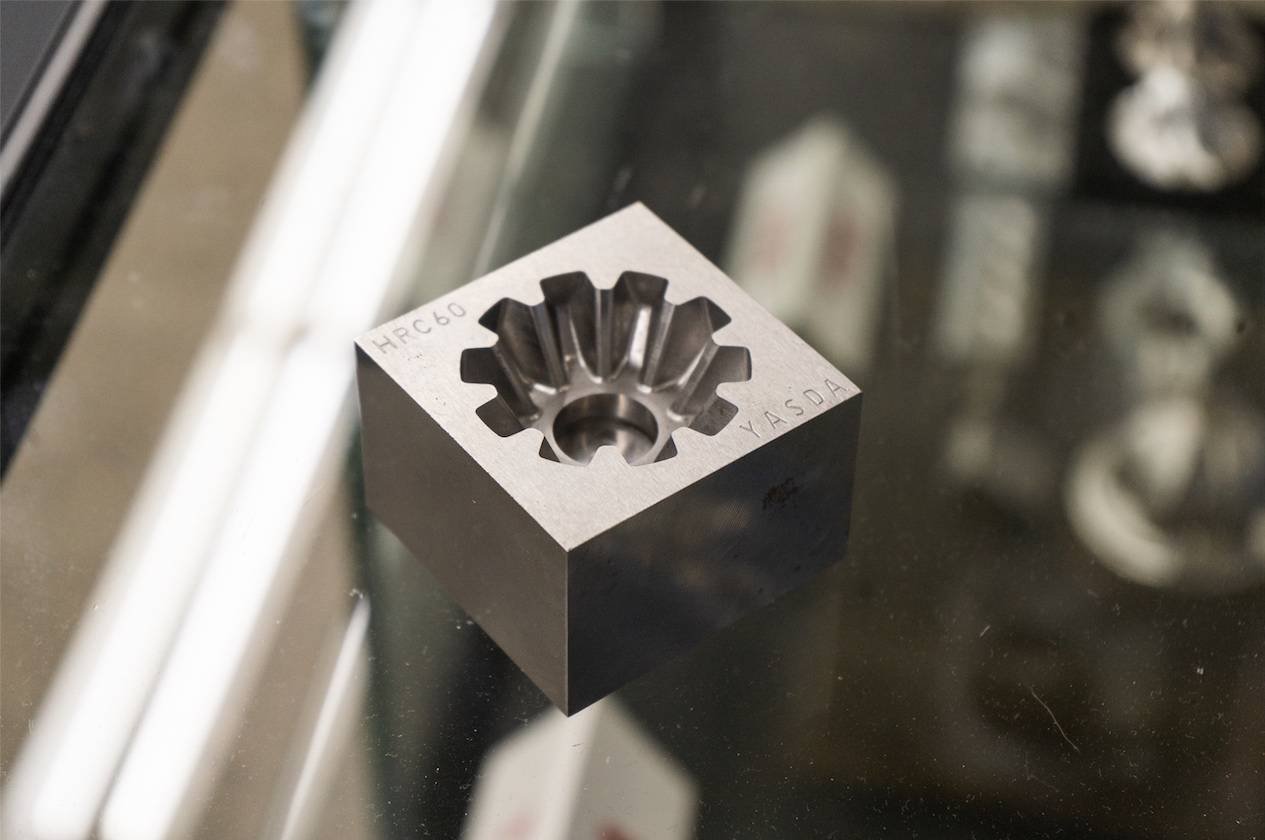
Precision Mold Components & Tooling Gallery
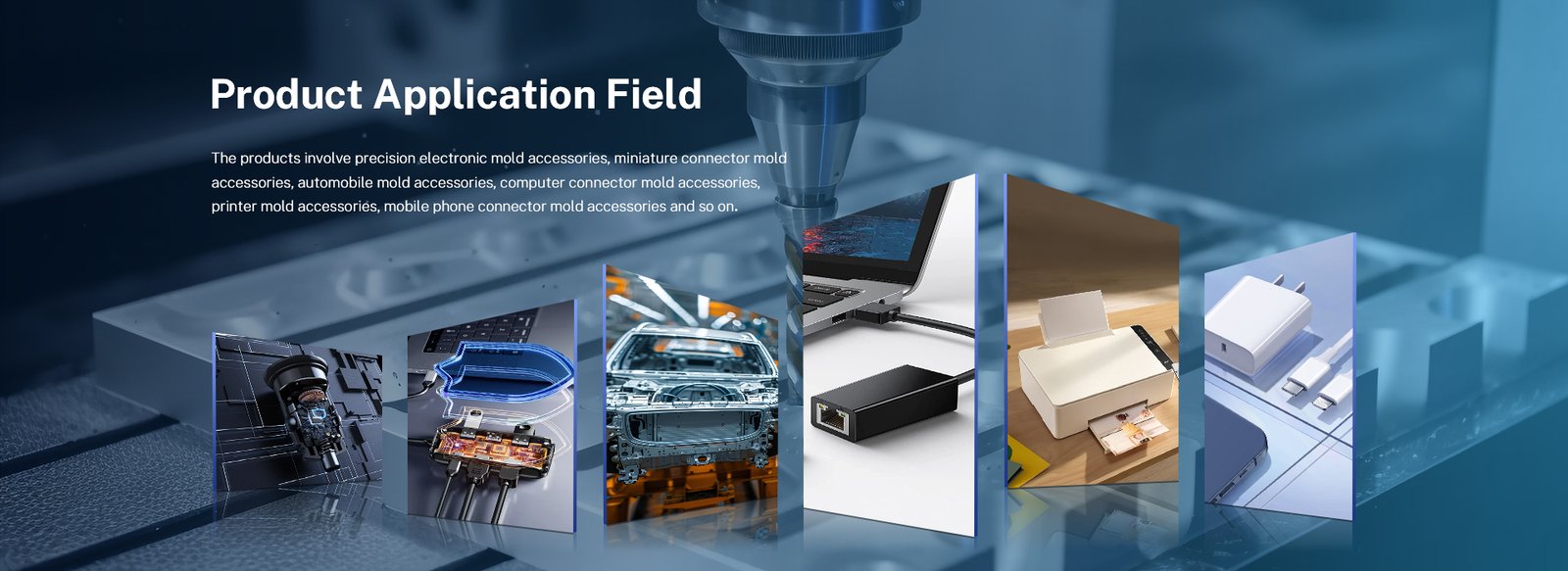

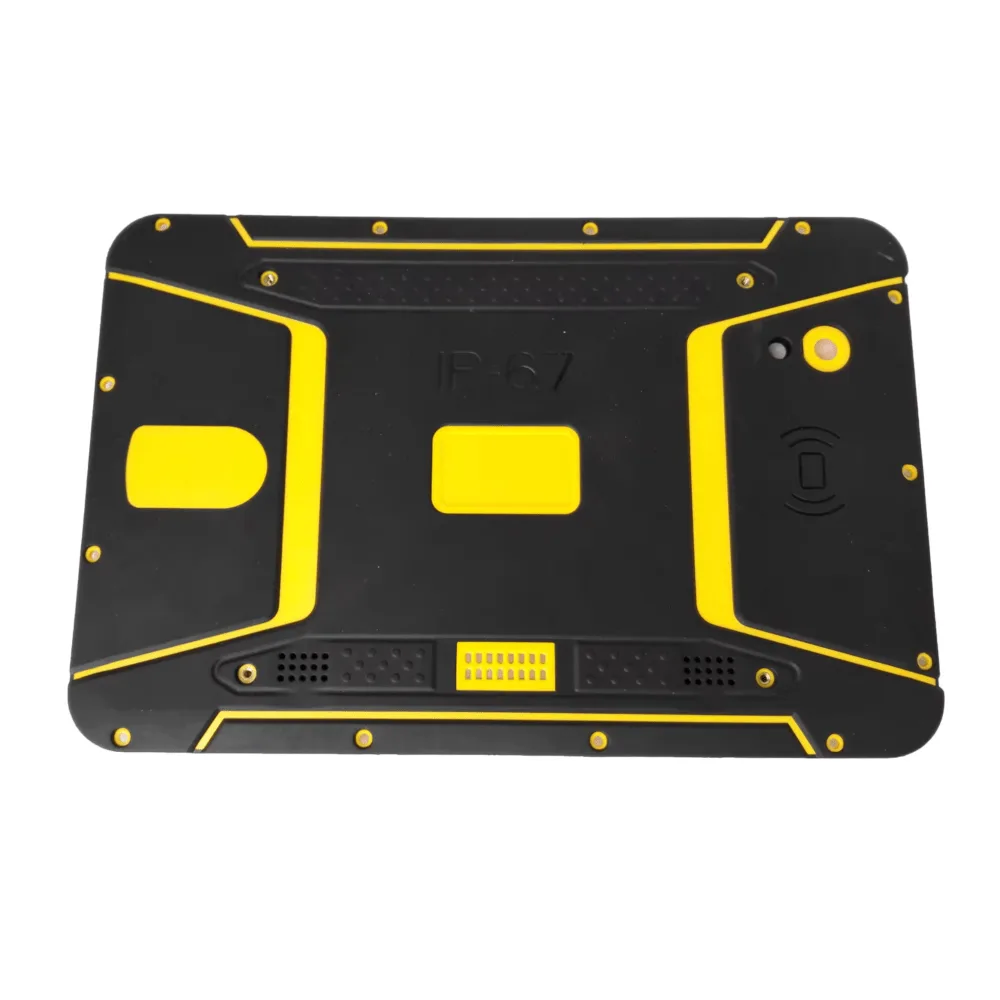
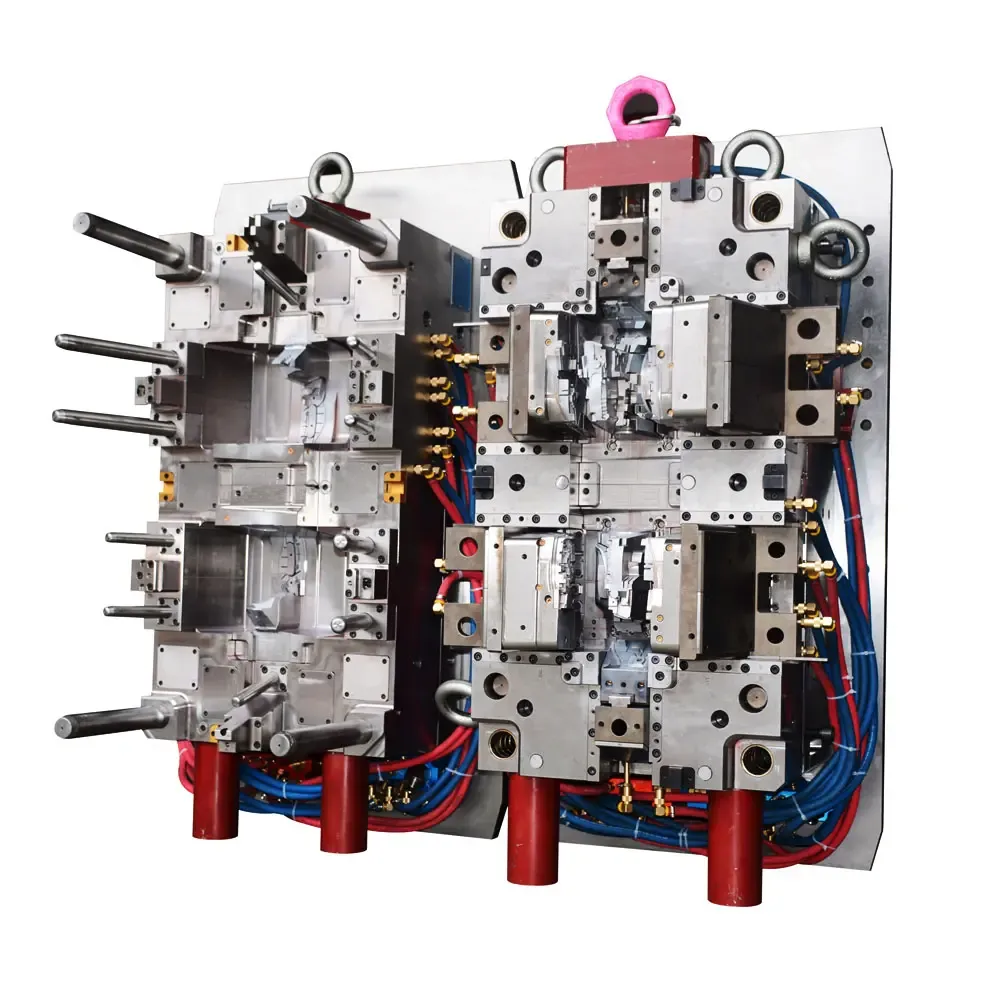
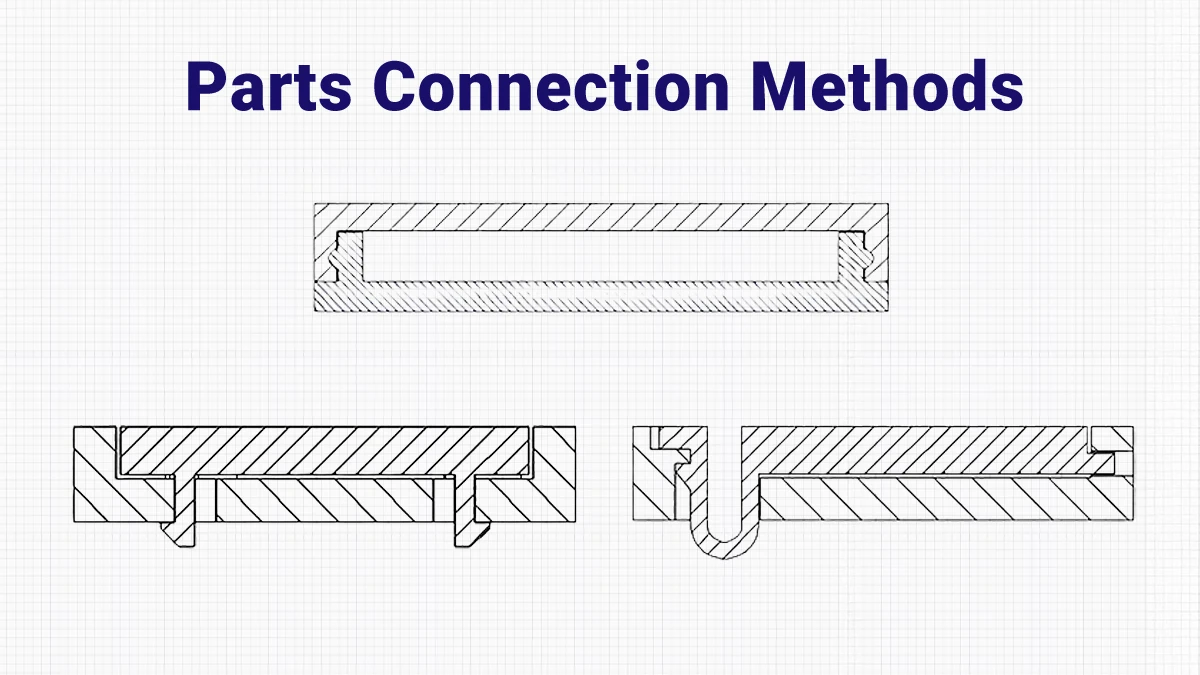
Why XUXIANG Leads in ABS Appliance Component Molds Manufacture
+/-0.001 mm Machining Precision
Micron-stable tolerance on every mold component, verified by ZEISS MICURA CMM measuring to 0.7 µm for absolute dimensional control.
Mirror-Grade EDM Finishes
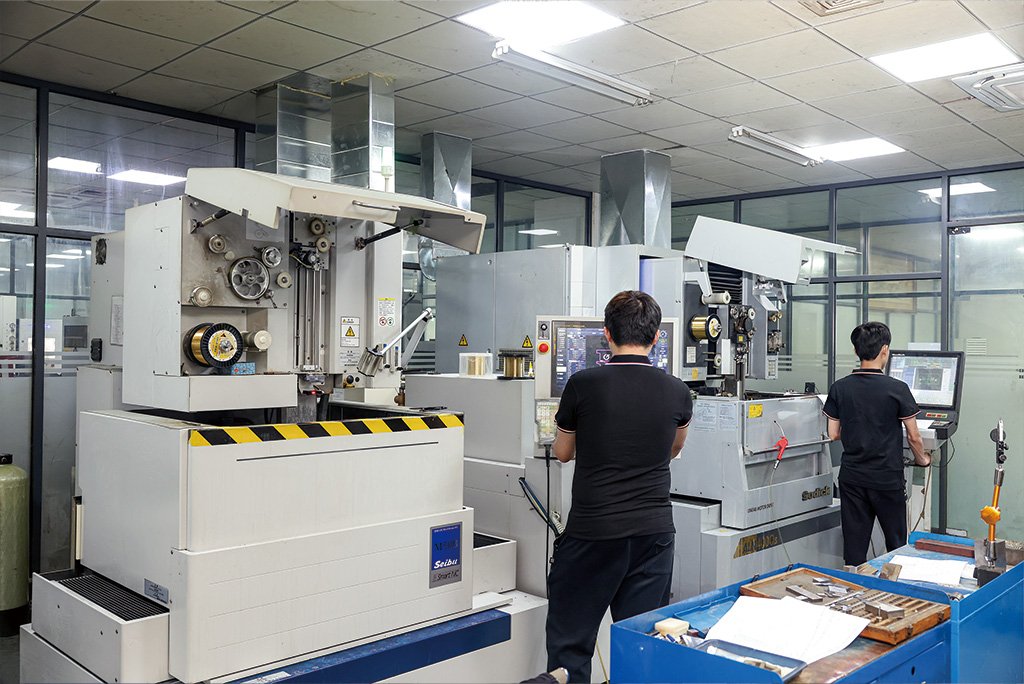
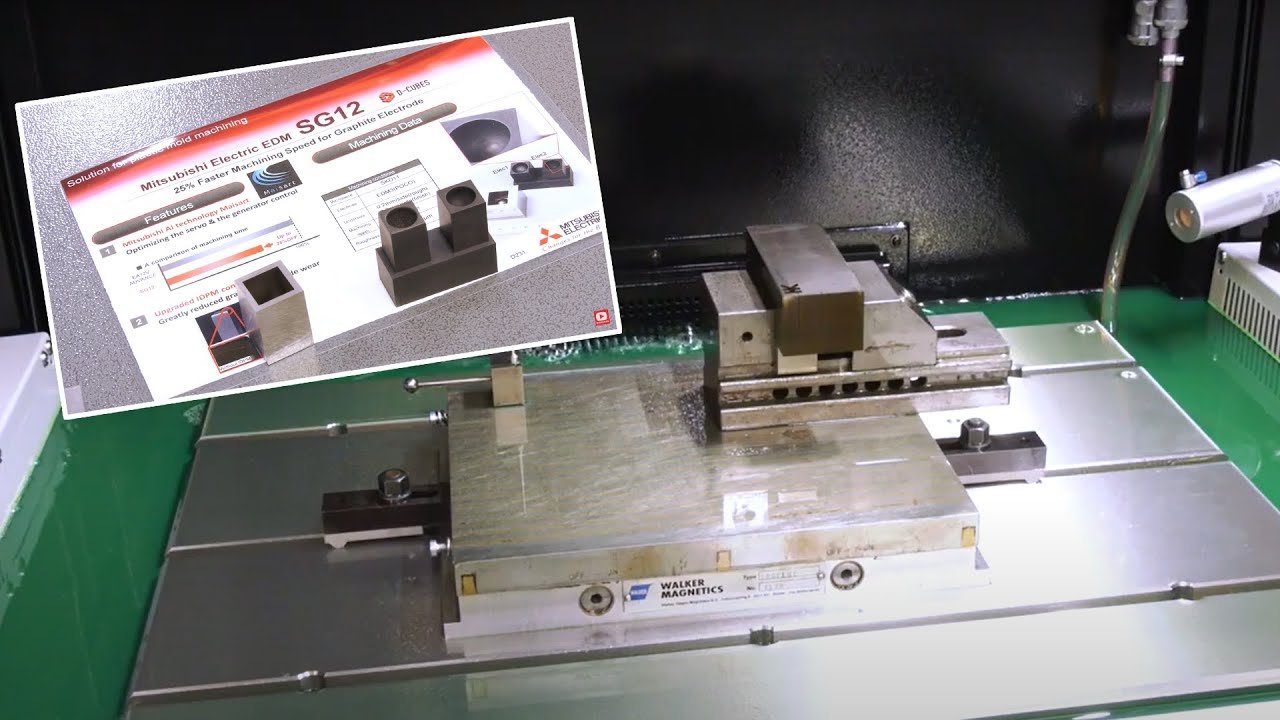
Ra 0.1 µm surface finish via Sodick slow-wire and Mitsubishi mirror EDM, eliminating hand-polishing and accelerating tooling delivery.
24-Hour Quote Turnaround
Engineering-backed quotes returned within one business day, with full DFM feedback from 10+ precision-mold experts before production starts.
Dual-Factory Capacity Expansion
Dongguan R&D hub plus Quanzhou volume facility — +200% output since 2025, delivering samples in 3–7 days and production in 15–25 days.
Full DFM Engineering Support
Pre-production design-for-manufacturability analysis prevents tolerance failure, optimizes tool life, and reduces costly rework before first article.
ISO 9001:2015 Quality System
Five-step QC flow with spectral analysis, in-process monitoring, CMM verification, surface checks, and complete FAI documentation every shipment.
ABS Appliance Component Molds & Precision Tooling Solutions
Micron-stable cores, inserts and mechanisms engineered to eliminate tolerance drift, surface defects and cycle-time loss in high-volume injection molding.
Injection Mold Cores
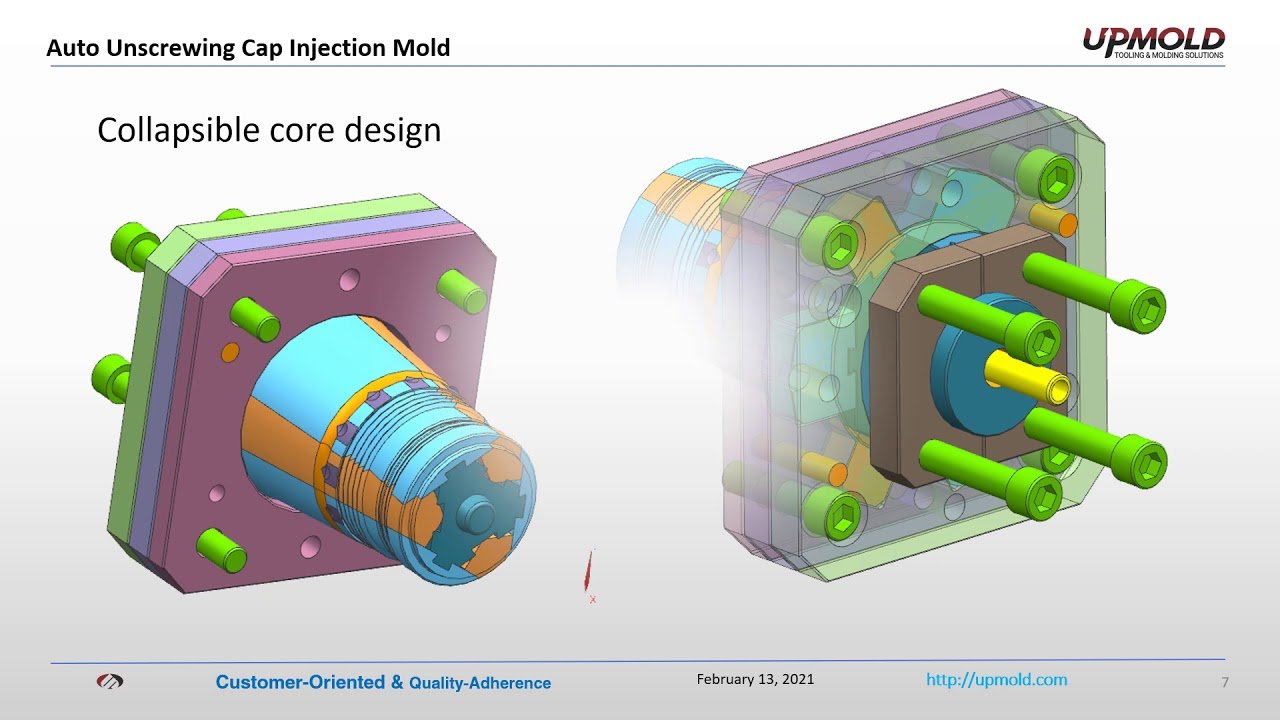
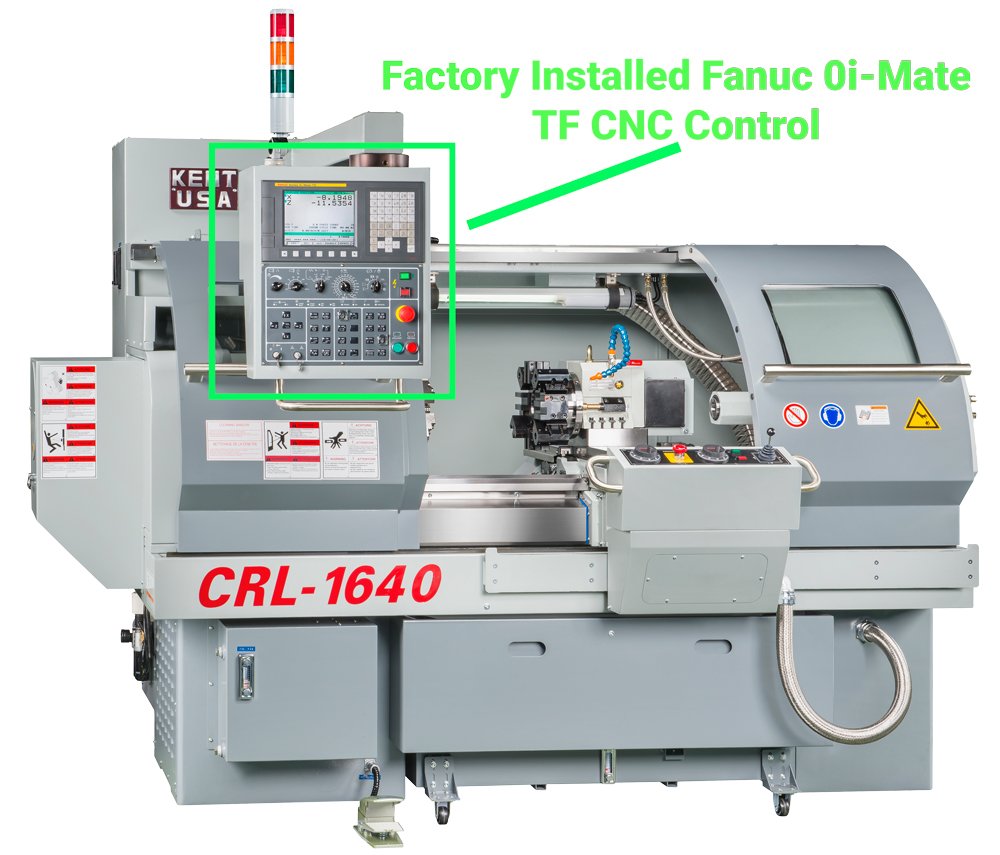
High-precision cores machined to +/-0.001 mm on Sodick slow-wire EDM and Fanuc CNC, with mirror-grade Ra 0.1um finishes. Validated by ZEISS MICURA CMM to prevent flash, sink marks and dimensional creep across multi-million-shot production runs in electronics, automotive and consumer-appliance molds.
Request Quote
Cavity Inserts
Multi-cavity inserts held to +/-0.002 mm positional accuracy, engineered for uniform fill, balanced cooling and zero parting-line mismatch. DFM-reviewed by 10+ experts to optimize gate placement, venting and ejection—critical for thin-wall housings, connector shells and complex cosmetic parts.
Request Quote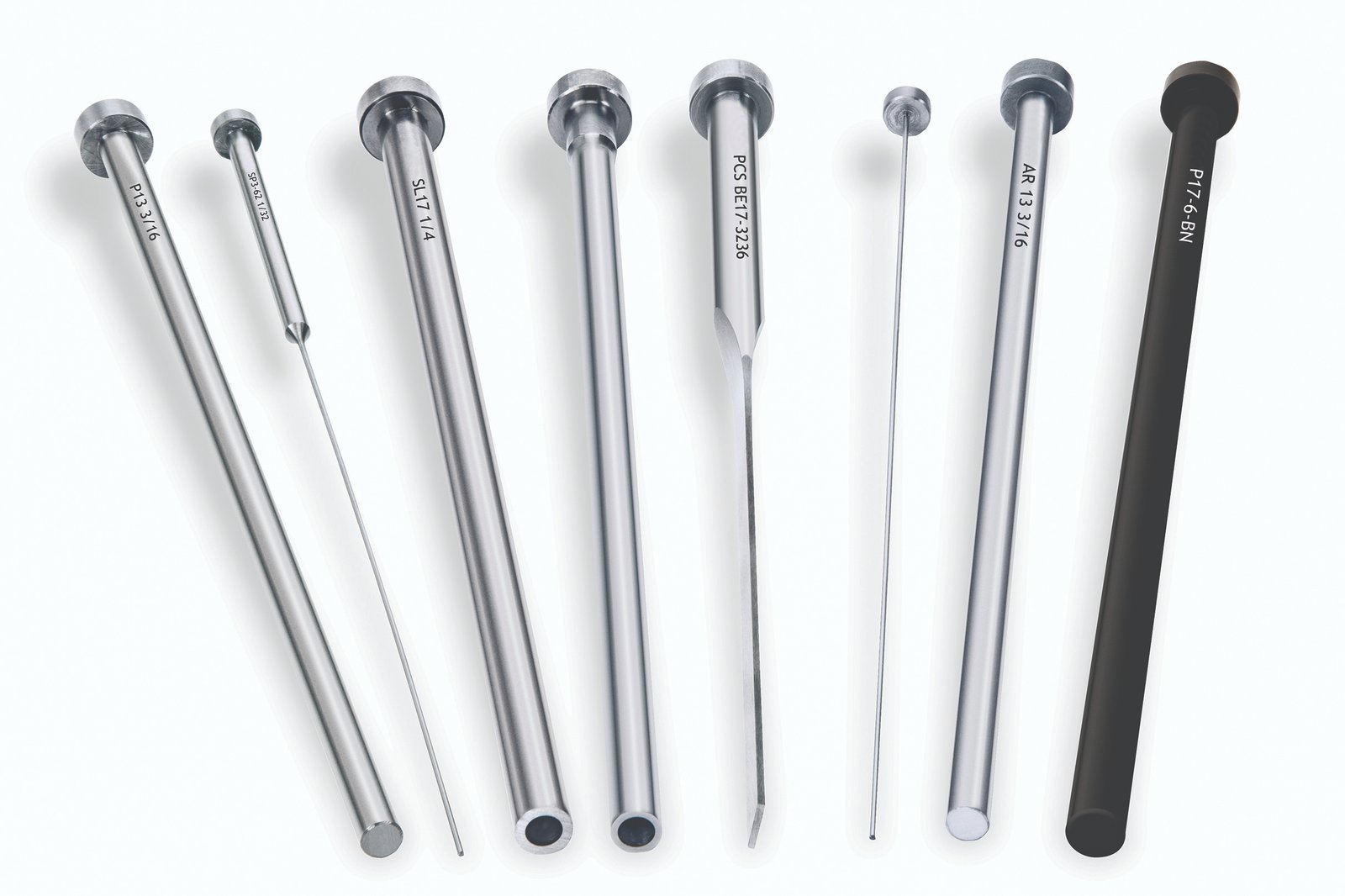
Ejector Pins
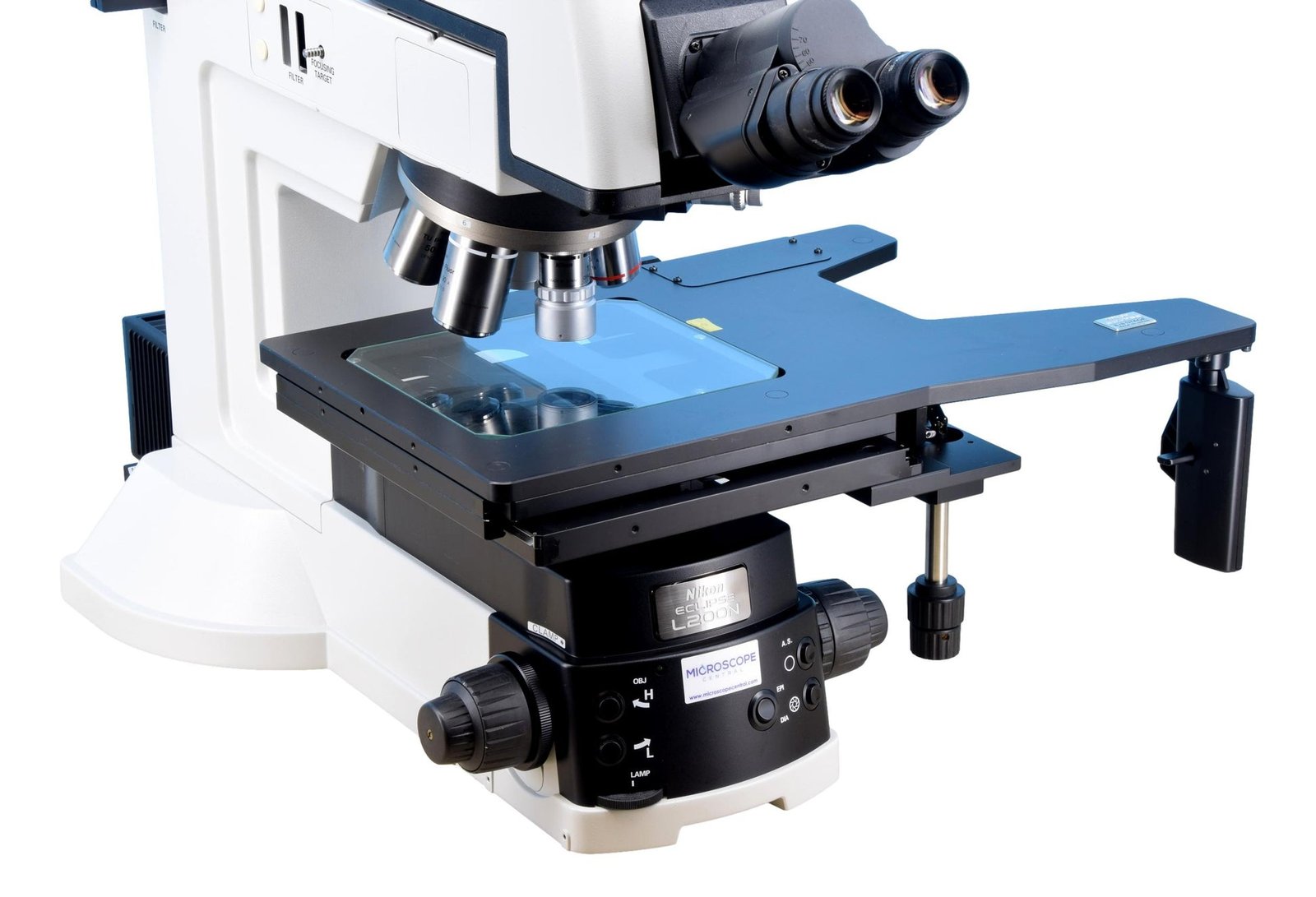
Ground-hardened ejector pins manufactured from SKD61, SKH51 or custom alloy to customer spec, with straightness tolerance ≤0.005 mm and surface finish Ra ≤0.2um. Precision-ground on Dawn centers, inspected under Nikon toolmaker’s microscopes to ensure zero scoring, sticking or premature wear in high-cycle automated cells.
Request Quote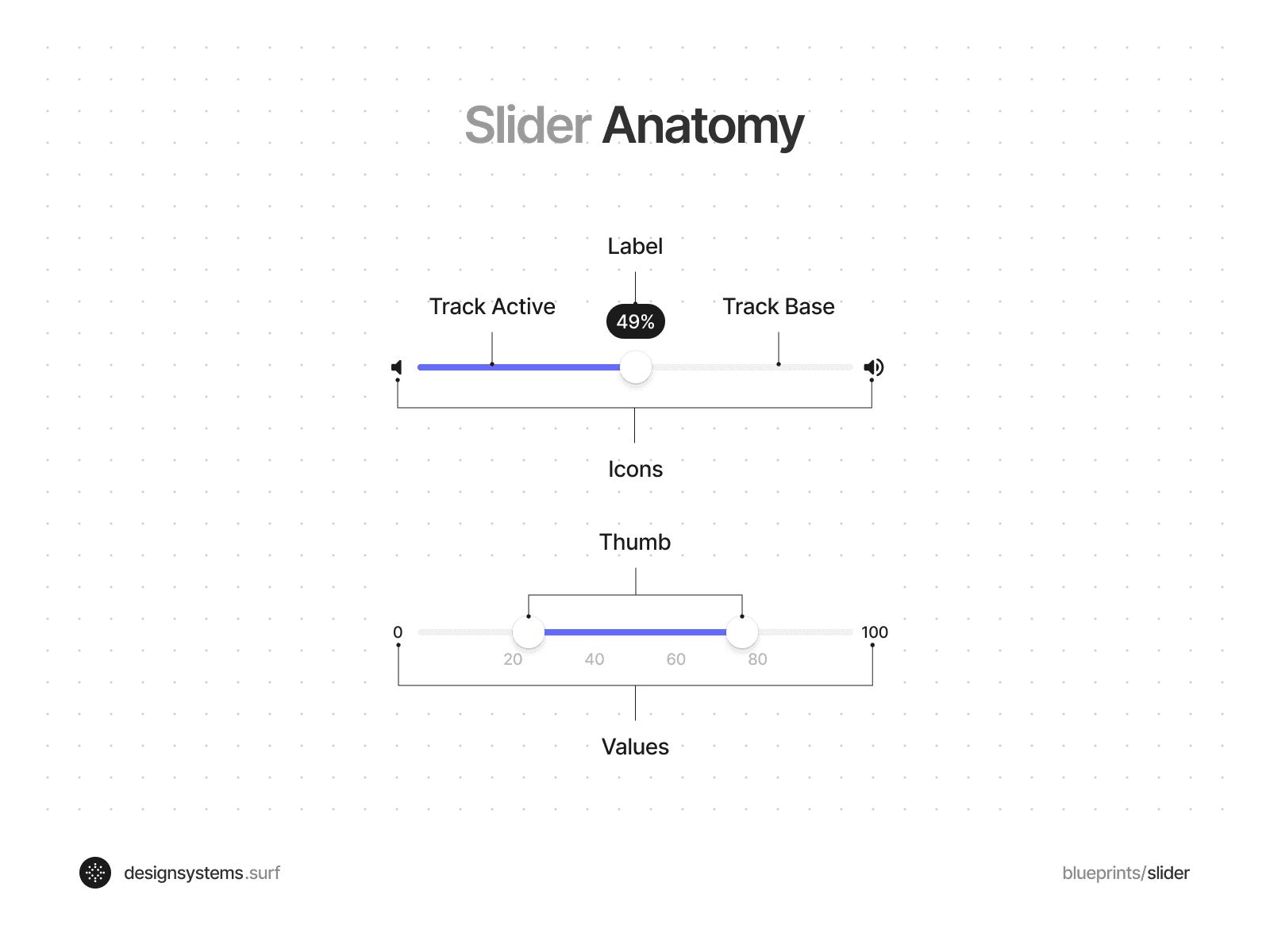
Slider Components
Slider assemblies machined to +/-0.003 mm with wear-resistant coatings, designed to handle complex undercuts and side actions without binding or misalignment. Full kinematic DFM analysis ensures reliable actuation, minimal maintenance and consistent part quality in automotive interior, connector and medical-device tooling.
Request Quote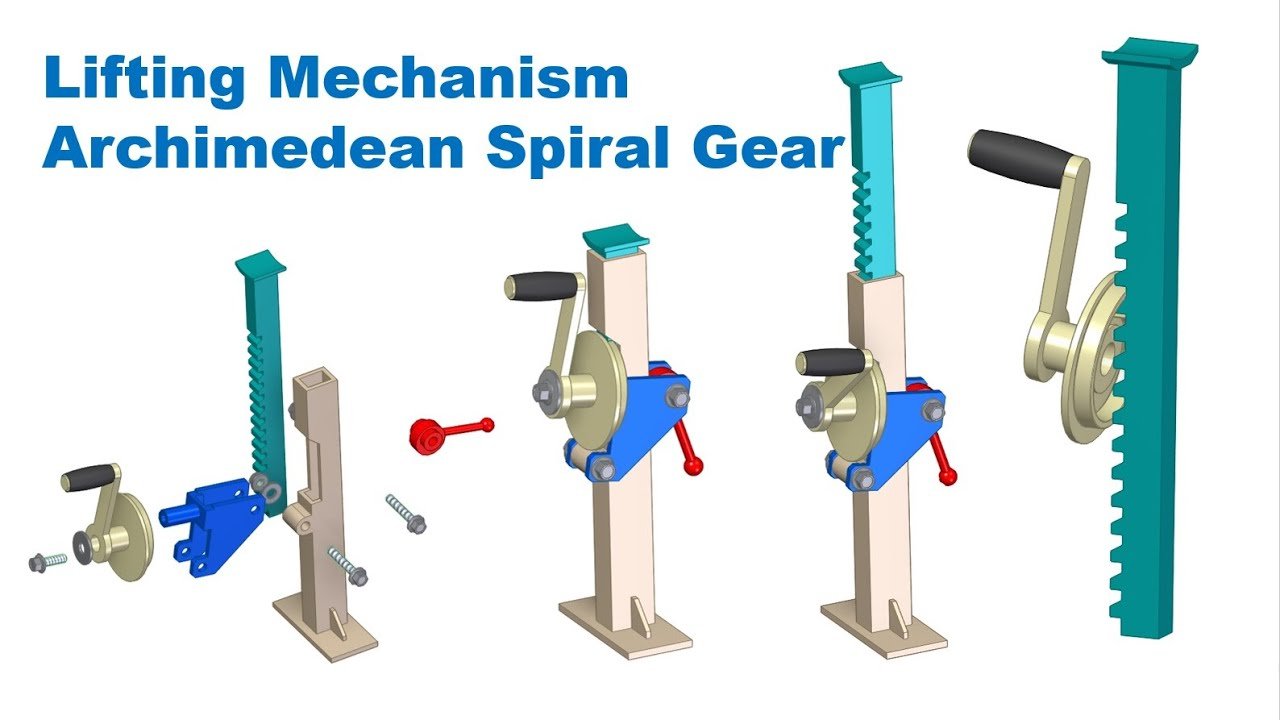
Lifter Mechanisms
Lifter mechanisms precision-ground and EDM-finished to enable steep draft angles and intricate core pulls. Engineered with +/-0.002 mm cam-track accuracy and validated through motion simulation, preventing ejection marks, part deformation and downtime in high-value molds for 5G modules, sensor housings and enclosures.
Request Quote
Gate Inserts
Gate inserts optimized for hot-runner and cold-runner systems, machined to micron-level concentricity and surface finish Ra ≤0.15um. Material options include H13, beryllium copper and custom hardened steel, selected to minimize gate vestige, reduce sprue waste and maintain shot-to-shot consistency in precision molding.
Request Quote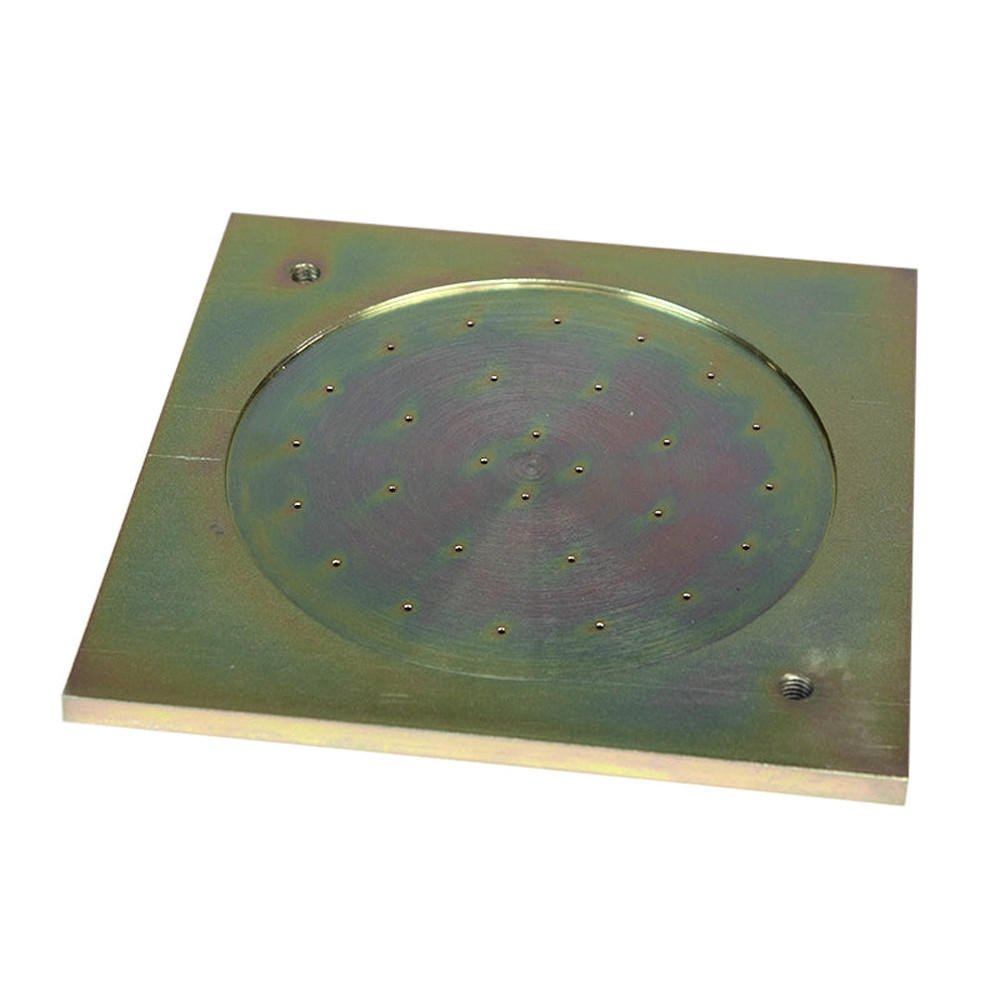
Mold Base Plates
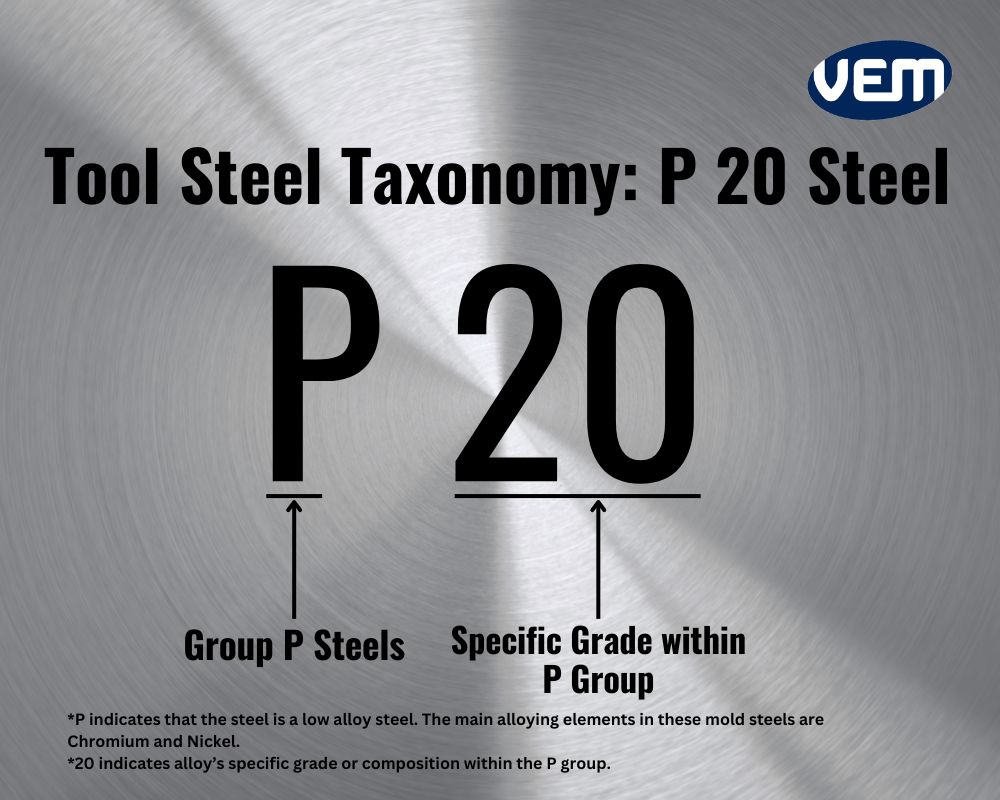
Mold base plates fabricated from pre-hardened P20, NAK80 or custom steel, CNC-machined and surface-ground to flatness ≤0.01 mm across the full envelope. Drilled, tapped and doweled to ISO or HASCO standards, ensuring perfect stack alignment, thermal stability and long-term dimensional integrity under production tonnage.
Request Quote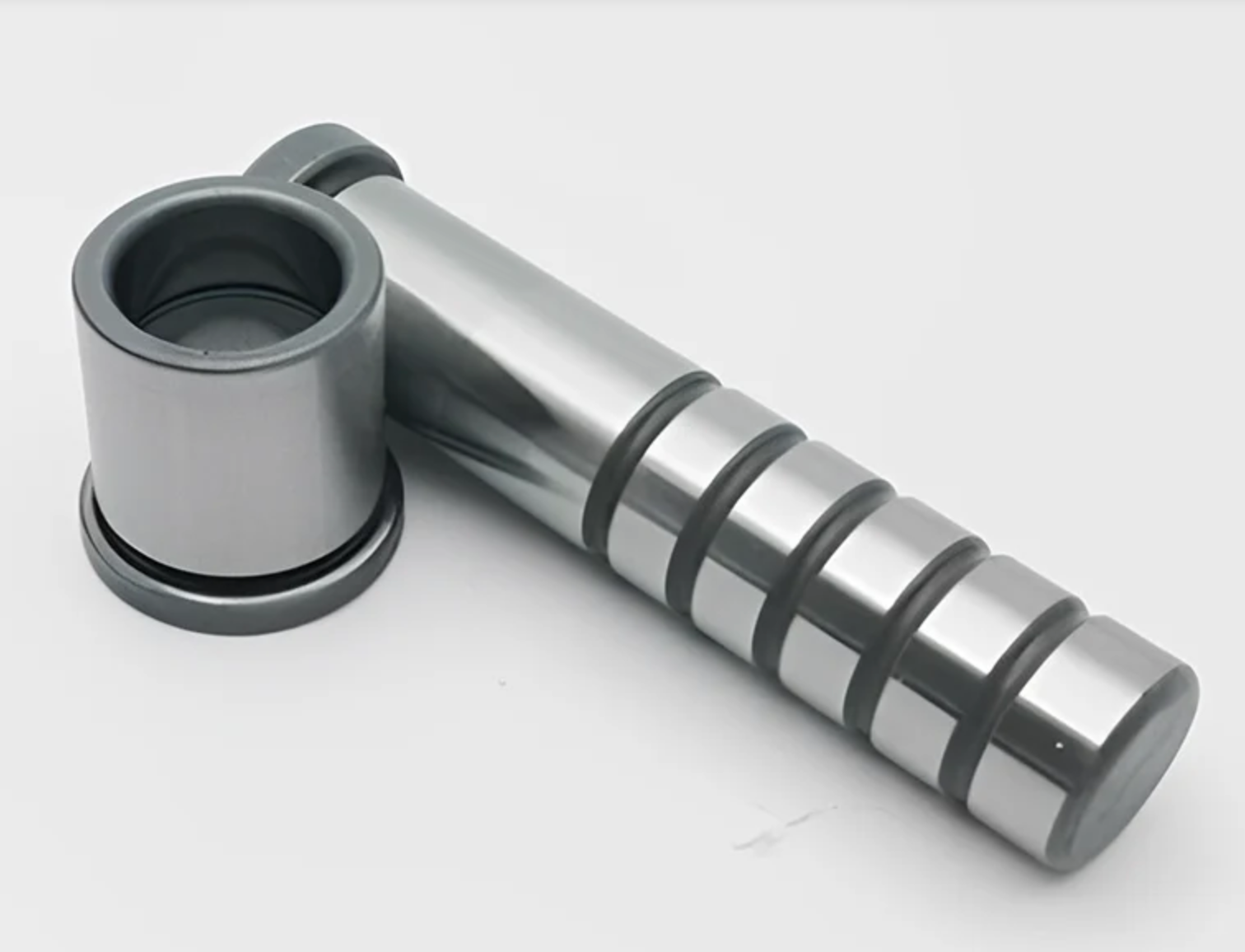
Guide Pin Bushings
Guide pin and bushing sets manufactured to IT6 tolerance class, with clearance fit optimized for zero play and smooth platen travel. Ground from SUJ2 bearing steel or bronze alloy, hardness-tested and CMM-verified to prevent mold misalignment, core shift and premature wear in high-speed injection and compression tooling.
Request Quote
Cooling Channel Blocks
Conformal cooling channel blocks designed via thermal simulation and machined using 5-axis CNC or additive hybrid methods. Held to +/-0.005 mm channel-diameter tolerance and leak-tested to 10 bar, delivering 20–40 percent cycle-time reduction, uniform part crystallinity and elimination of hot spots in thick-wall or optical-grade molding.
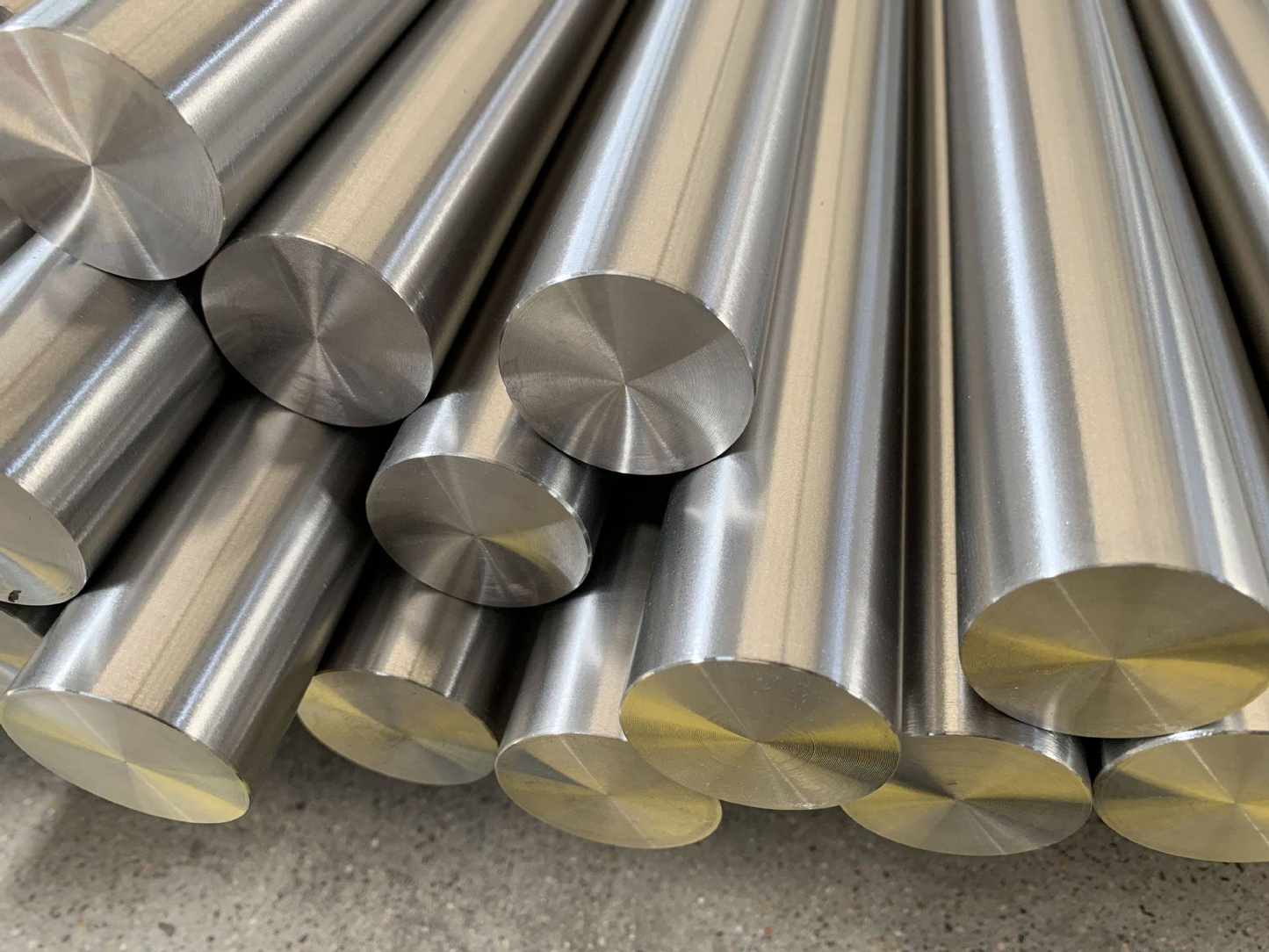
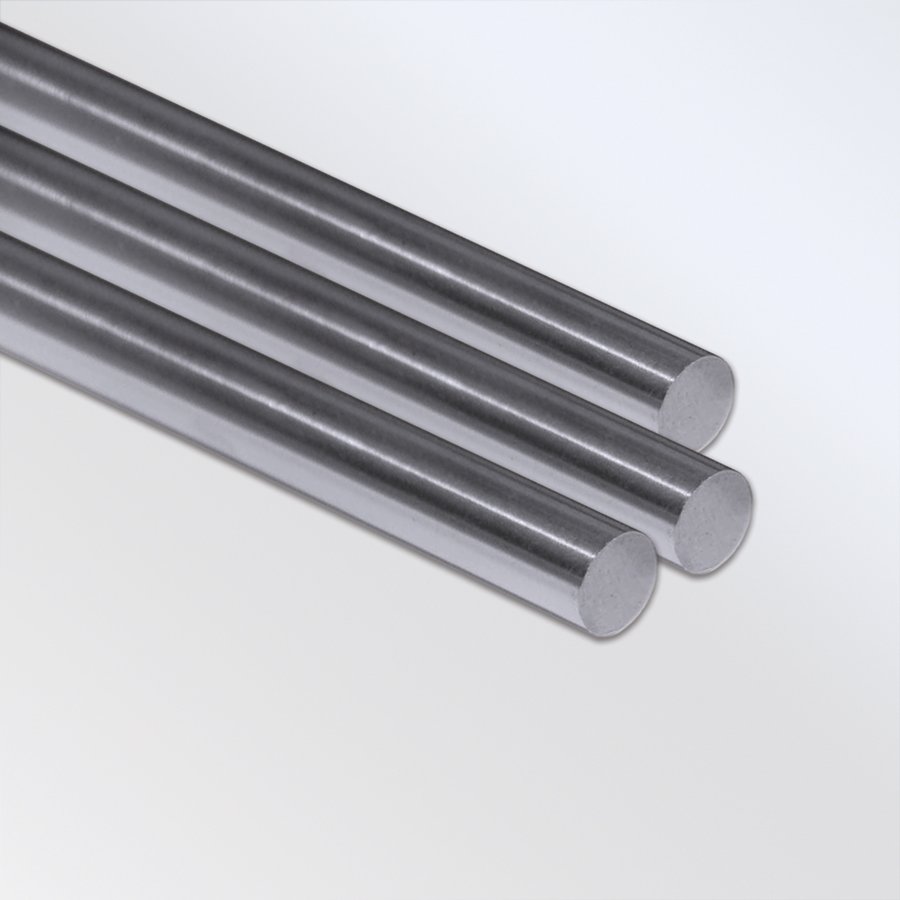
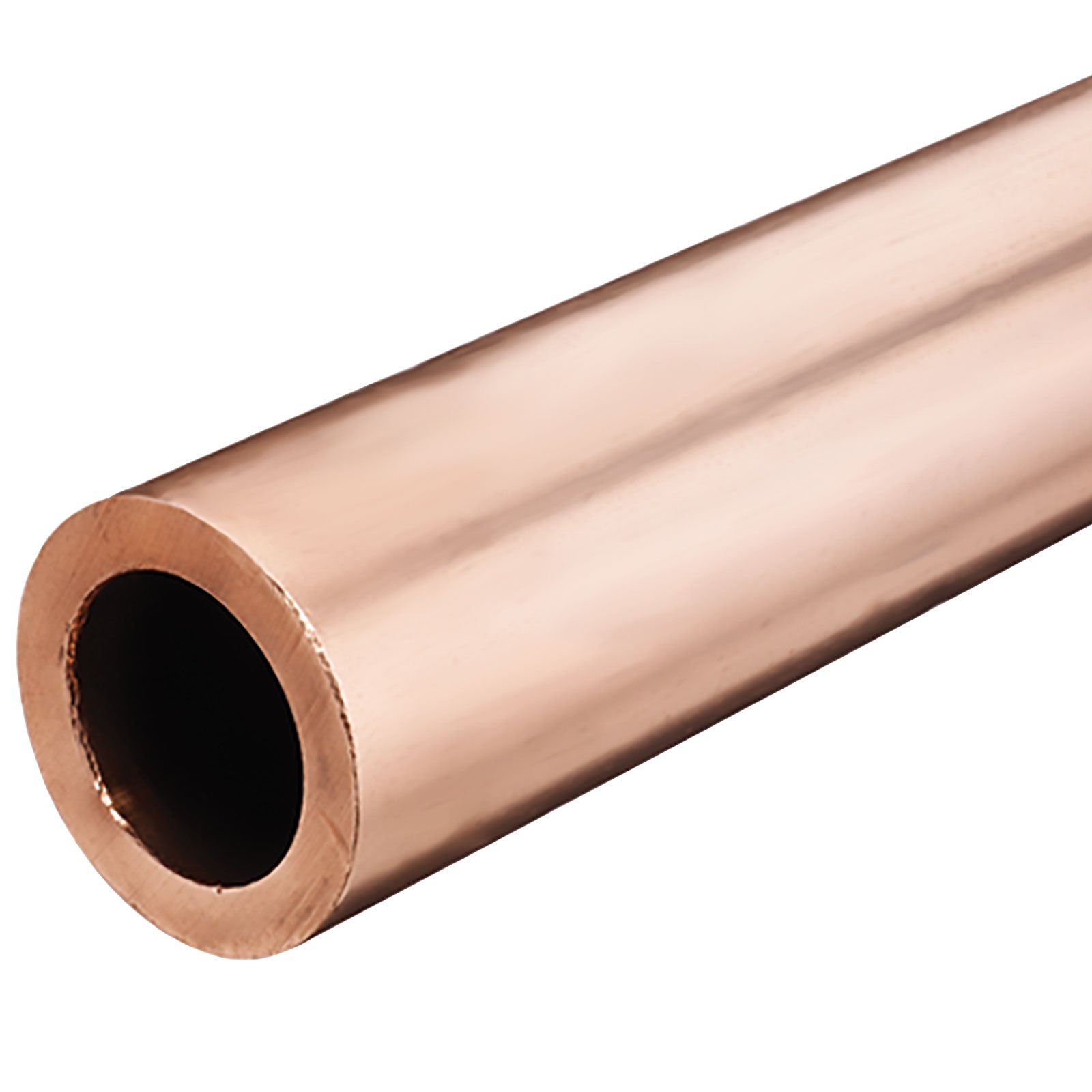
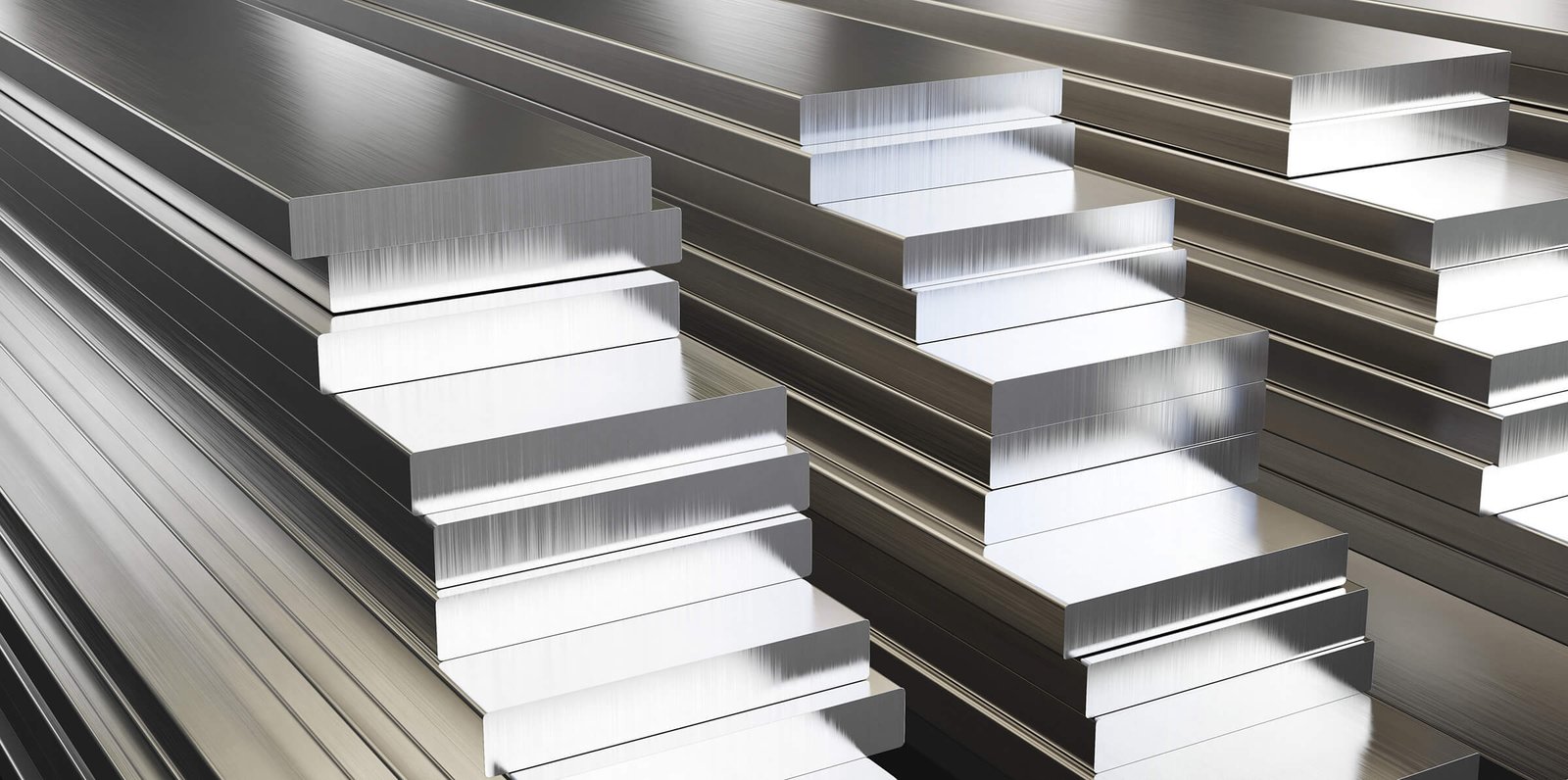
Request QuoteMaterials & Alloys for ABS Appliance Component Molds Manufacture
Precision Processes Behind ABS Appliance Component Molds Manufacture
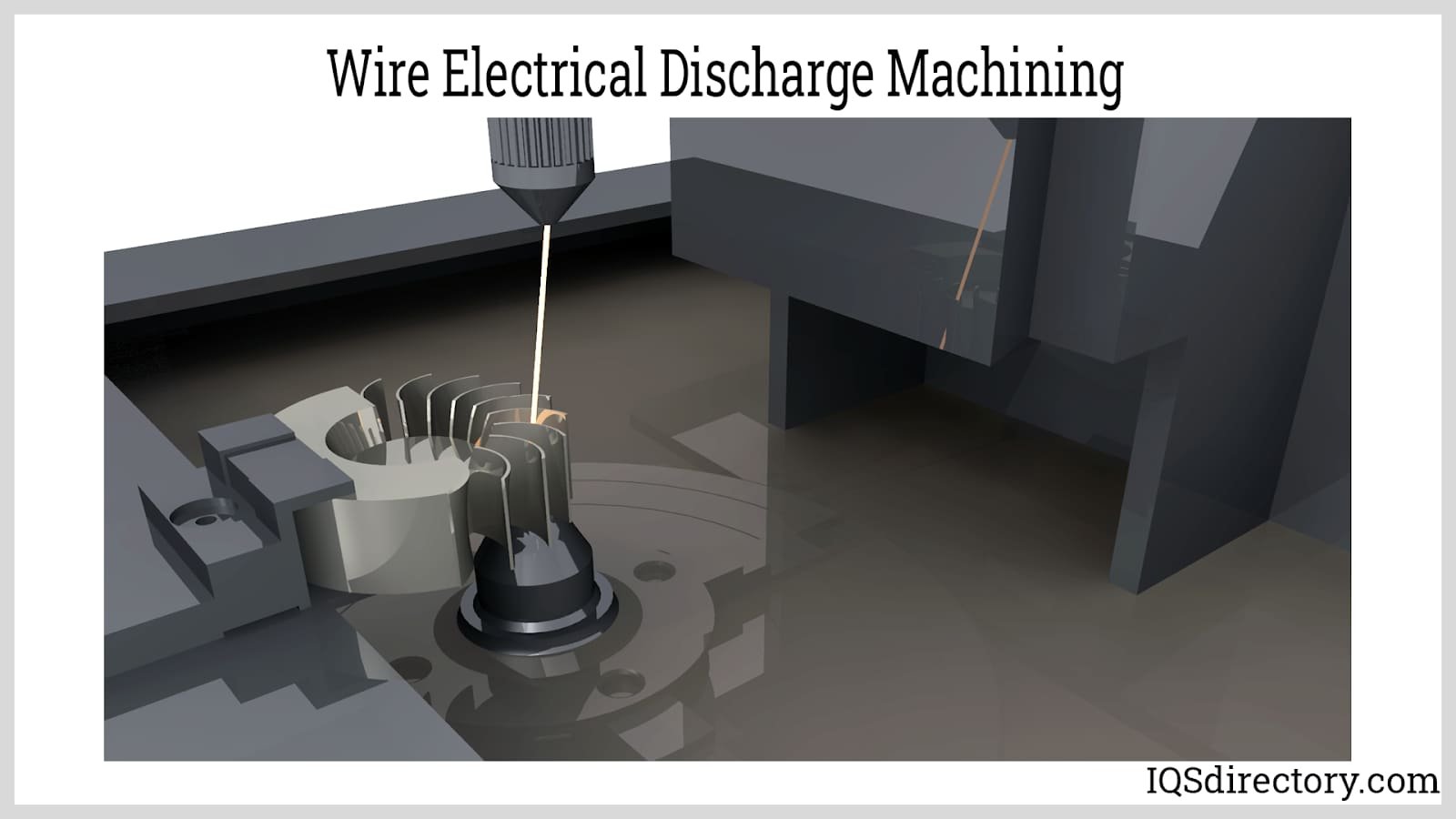
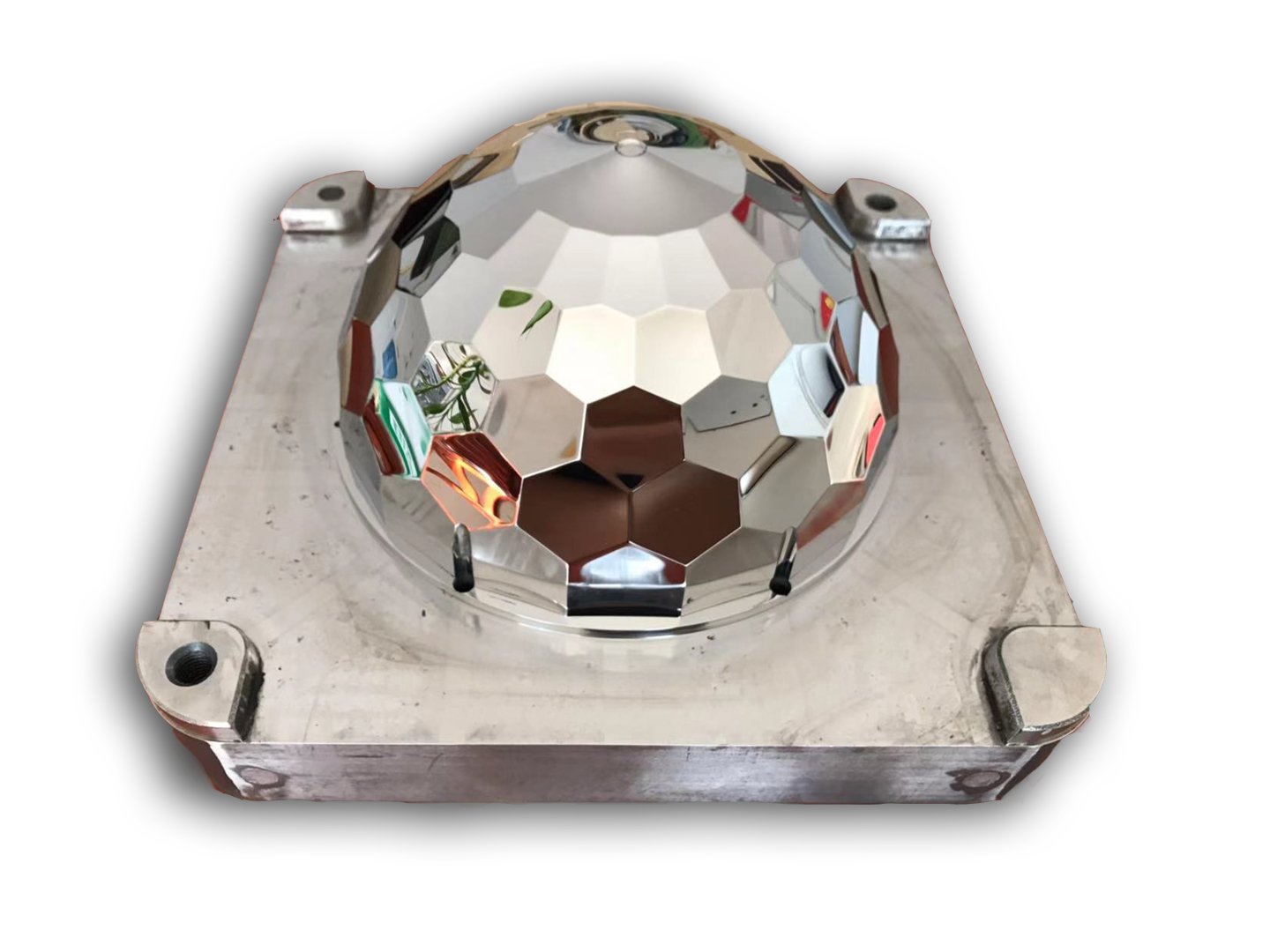
Mirror EDM
Mitsubishi mirror-grade sinker EDM produces Ra 0.1 µm surfaces on deep ribs, conformal cooling channels and complex 3D cavity contours. Achieves +/-0.003 mm tolerance on electrode-formed features, eliminating hand-polishing and ensuring consistent cavity replication across multi-impression tooling.
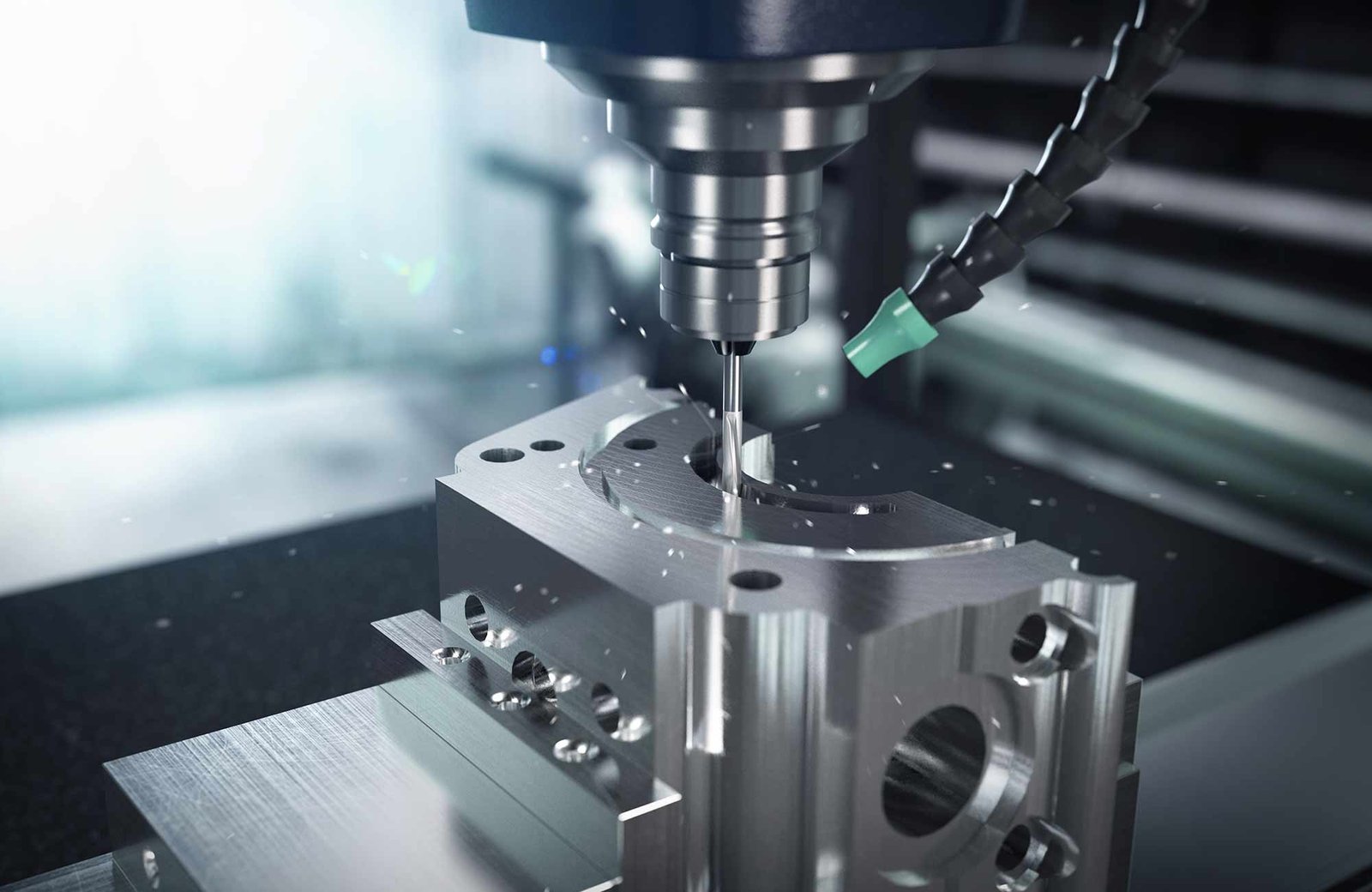

Electrode Fabrication
In-house electrode design and CNC machining on Beijing Jingdiao systems guarantees dimensional consistency between CAD model and EDM burn. Copper and graphite electrodes are held to +/-0.005 mm, enabling predictable spark gaps and repeatable cavity geometry in multi-cavity ABS molds.
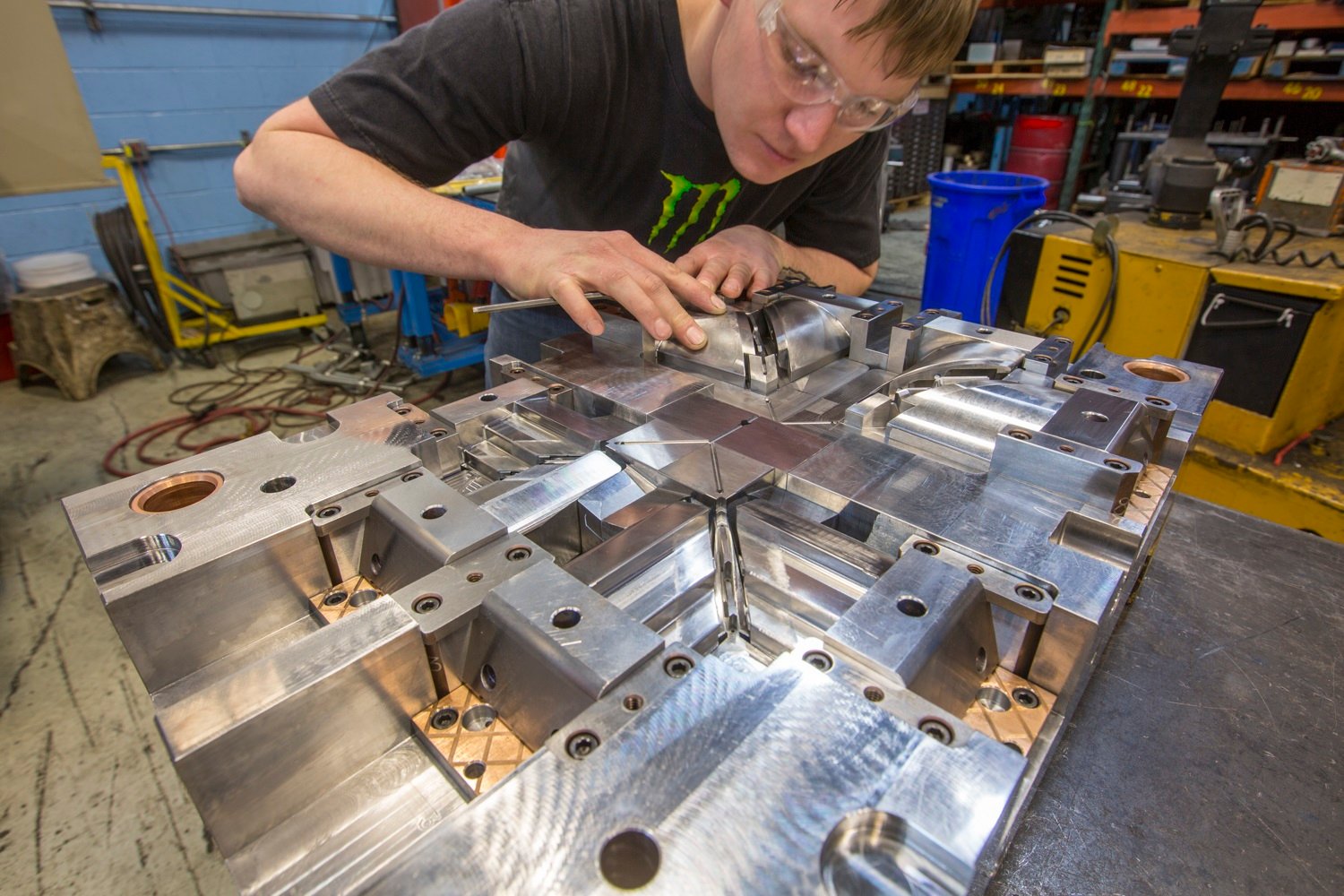
Finishing & Assembly Services for ABS Appliance Component Molds Manufacture

Mirror-Grade Polishing
Ra 0.1 µm mirror EDM surface finish applied to mold cavities and cores, eliminating draft marks and micro-scratches. Essential for cosmetic appliance housings, transparent lens components, and high-gloss ABS parts that demand zero visual defects.
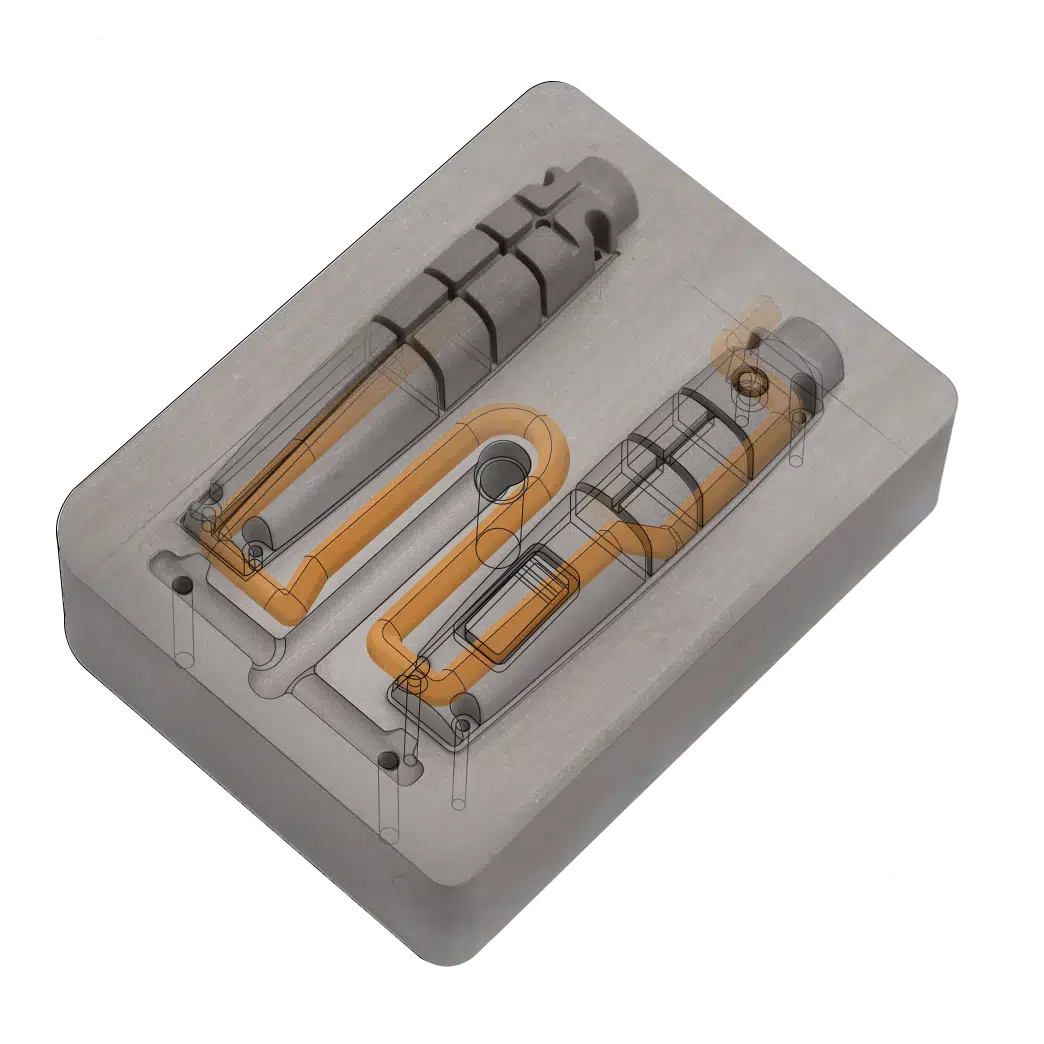
Conformal Cooling Integration
Precision-milled or 3D-printed conformal cooling channels routed within mold cores to match part geometry. Reduces cycle time by 15–30%, minimizes warpage in thick-wall ABS sections, and ensures uniform temperature distribution across multi-cavity layouts.
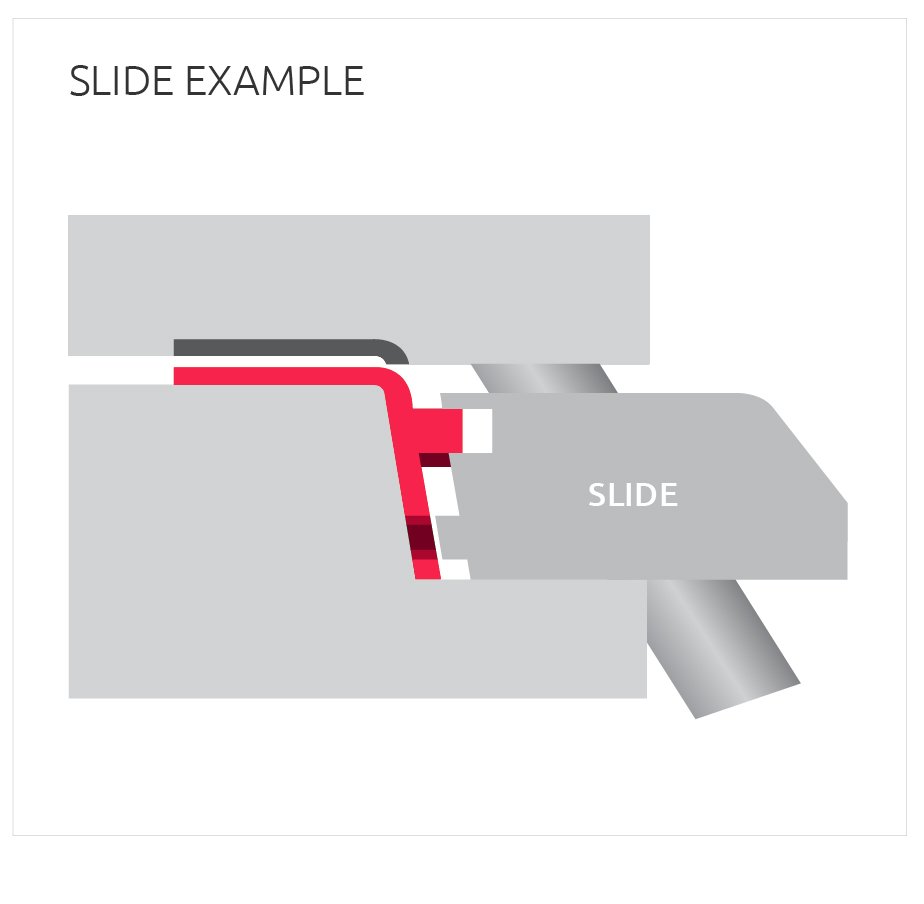
Lifter & Slider Assembly
Complete mechanical assembly and fit-validation of side-action lifters, angled sliders, and undercut mechanisms. Ensures smooth ejection of complex appliance features — handles, vents, snap-fit bosses — with zero binding or wear after 500k+ cycles.
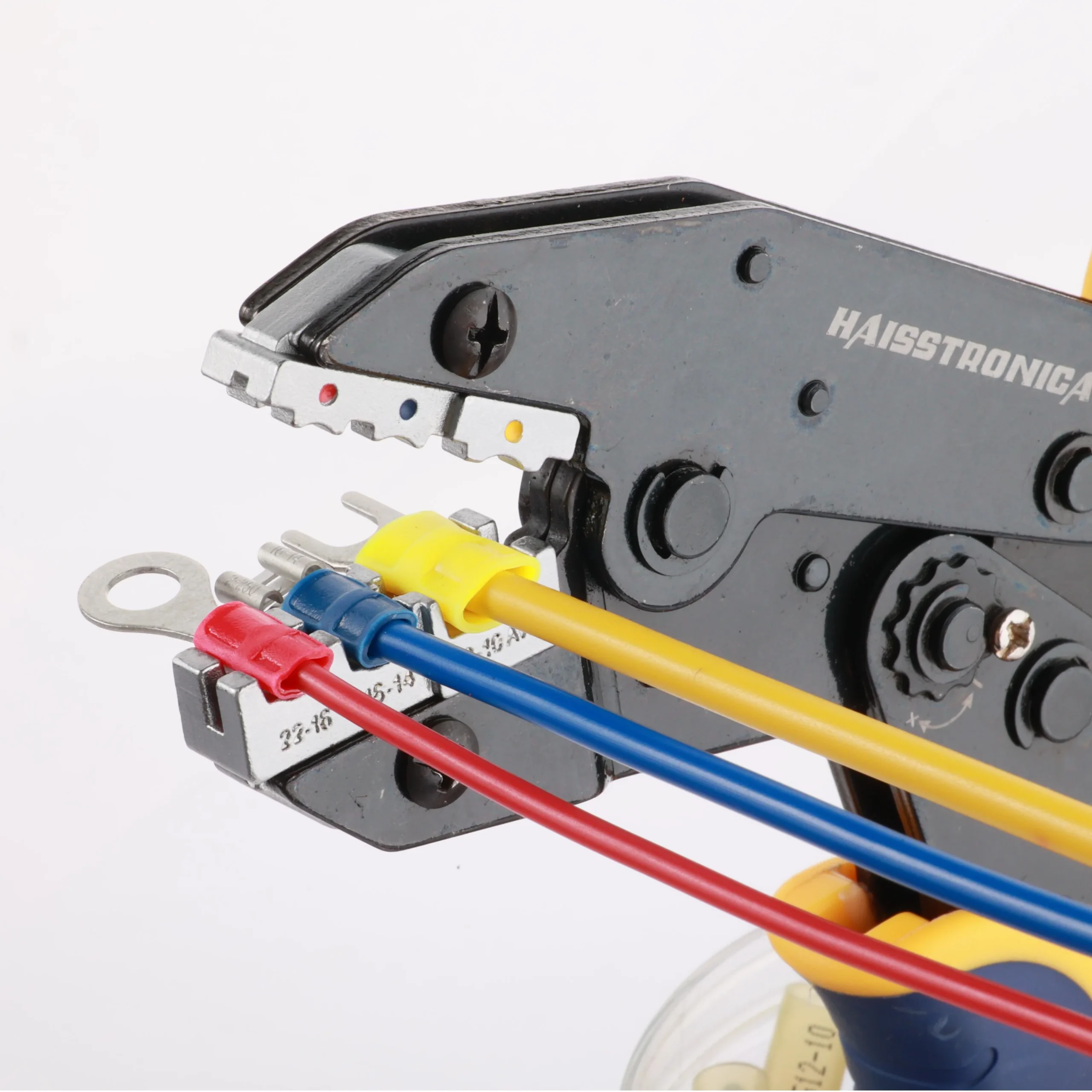
Connector Terminal Insertion
Precision insertion and alignment of metal terminal pins, sockets, and contact assemblies into micro-connector mold tooling. Held to +/-0.002 mm positional tolerance, critical for 5G modules, appliance control boards, and high-density interconnect applications.
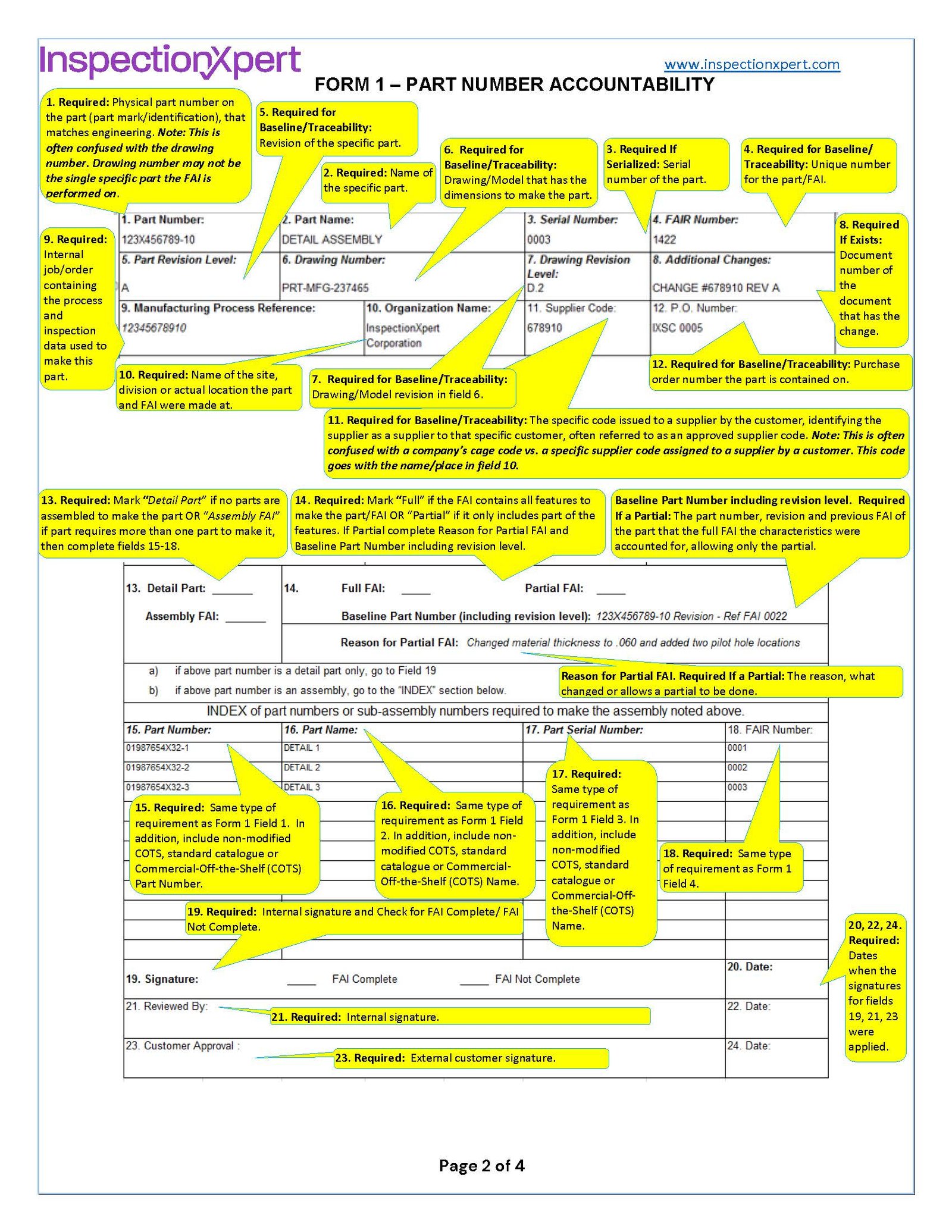
FAI Documentation Package
Full First Article Inspection report with ZEISS MICURA CMM dimensional data, Nikon microscope imagery, surface-finish readings, and material spectral analysis. Delivered with every mold shipment to satisfy ISO, PPAP, and OEM audit requirements without delay.
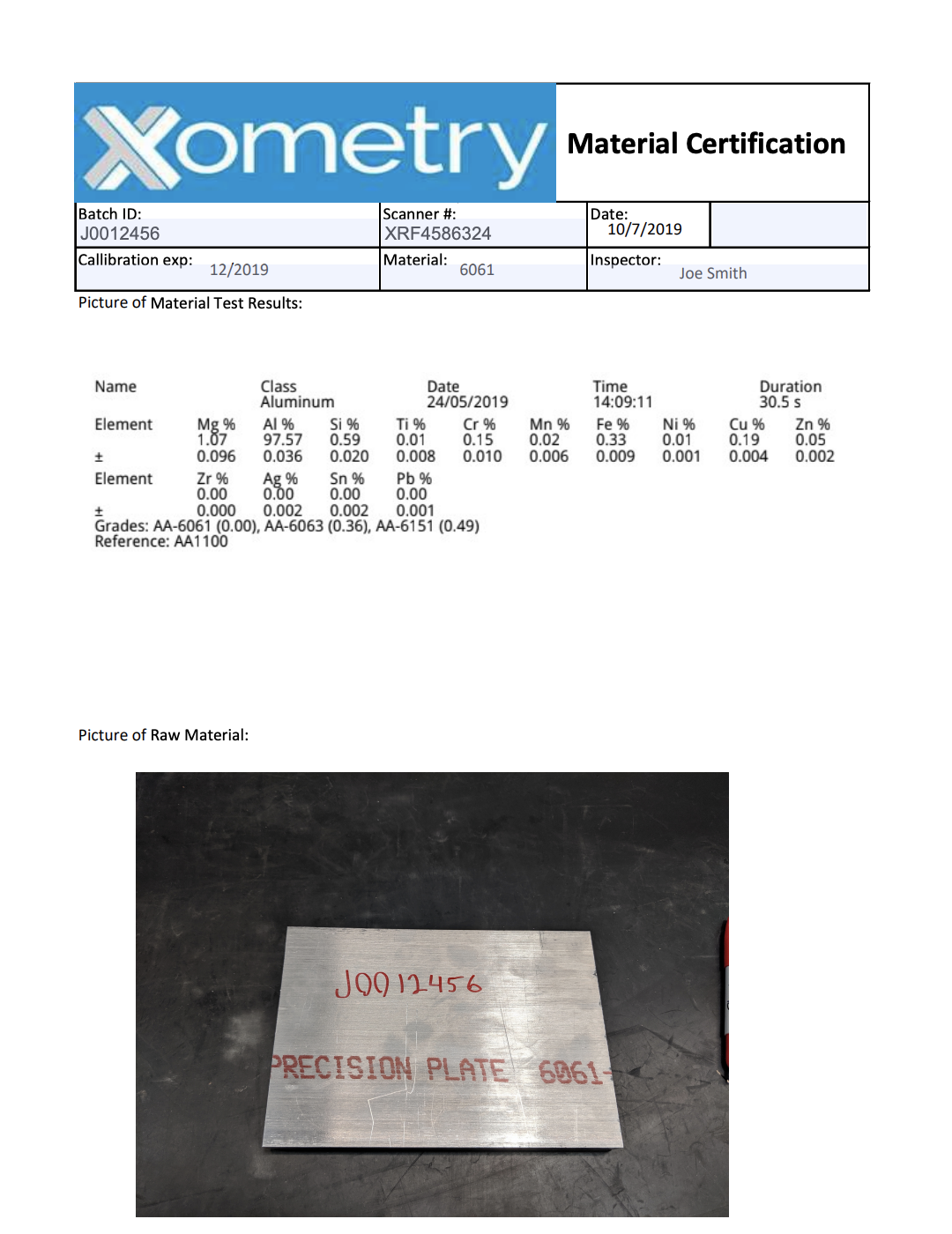
Material Certification
Mill certificates and third-party material test reports for every steel grade — NAK80, S136, H13, P20 — confirming chemistry, hardness (HRC), and traceability. Ensures mold longevity, corrosion resistance, and compliance with RoHS and REACH standards for global appliance markets.
About XUXIANG: 16 Years ABS Appliance Component Molds Manufacture
Founded in 2010 in Dongguan’s Chang’an manufacturing hub, XUXIANG has spent 16 years evolving from a specialist mold-core machining shop into a dual-factory precision manufacturing group. Our mission is to bridge the gap between complex CAD designs and high-performance physical parts, serving electronics, 5G/telecom, automotive and NEV, industrial automation, and medical-device customers worldwide with ABS appliance component molds manufacture and precision tooling solutions.
Today XUXIANG operates two ISO 9001:2015 facilities: a 2,000 m² Dongguan R&D and micro-machining center, plus a 1,400 m² Quanzhou volume-production plant launched in 2025, together delivering over 200 percent capacity growth. We’ve invested more than CNY 8 million in Japanese, Swiss, and German equipment—Sodick and Seibu slow-wire EDM, Mitsubishi mirror EDM, Fanuc CNC, and a ZEISS MICURA CMM measuring to 0.7 µm—ensuring every mold component meets +/-0.001 mm machining precision and Ra 0.1 µm mirror-grade surface finish.
What sets XUXIANG apart is micron-stable precision backed by engineering rigor. Every project receives DFM feedback from 10+ experts, five-step QC validation with full FAI documentation, and lead times roughly 30 percent faster than industry average. We don’t just manufacture molds; we deliver dependable quality, responsive service, and transparent pricing that reward long-term partnerships.
Micron-Stable ABS Appliance Component Molds Manufacture
Metrology-Validated Precision to +/-0.001 mm
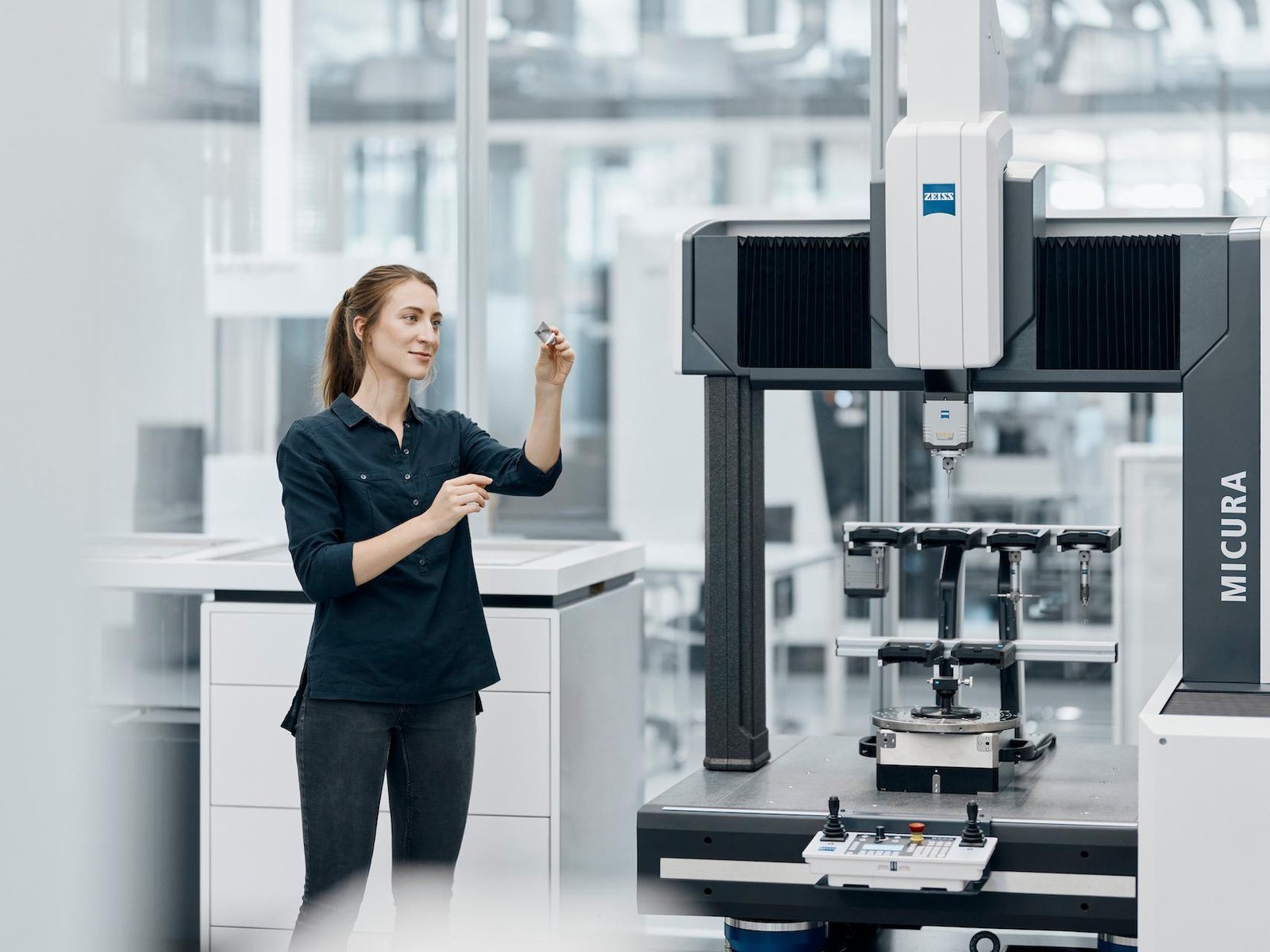
Every ABS appliance component mold passes through our ZEISS MICURA CMM lab with 0.7um resolution and Nikon toolmaker’s microscopes (V-12B/MM-400 class), ensuring micron-stable dimensions that eliminate fit issues and reduce field failures across high-volume production runs.
- ZEISS MICURA CMM with 0.7um measurement accuracy for full 3D validation
- Nikon V-12B and MM-400 class toolmaker's microscopes for micro-feature inspection
- Five-step QC flow: material spectral analysis, in-process monitoring, CMM verification, surface integrity and FAI documentation
- Full dimensional reports and material certificates shipped with every order
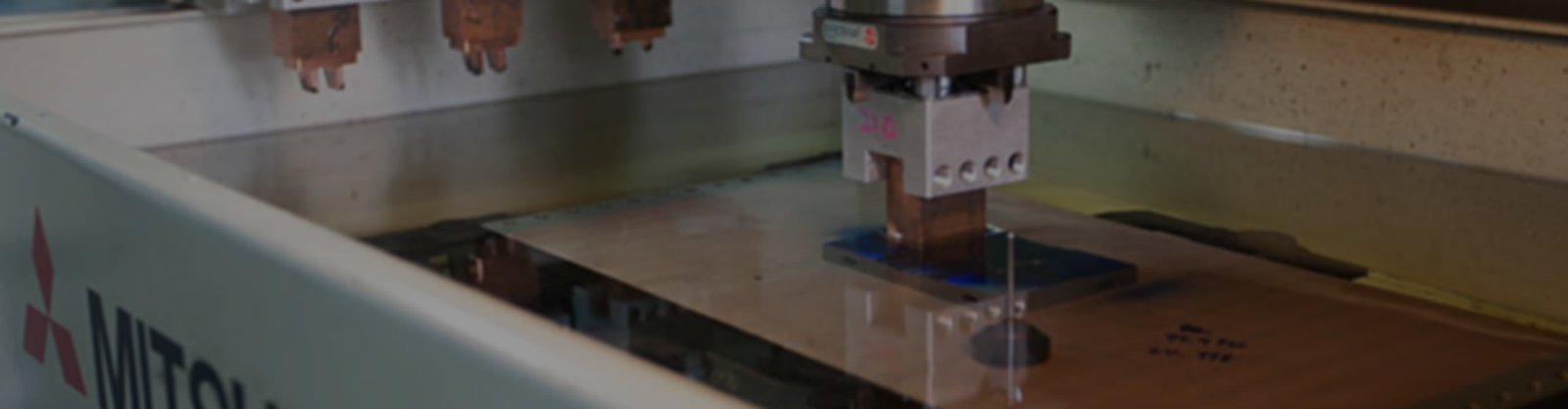
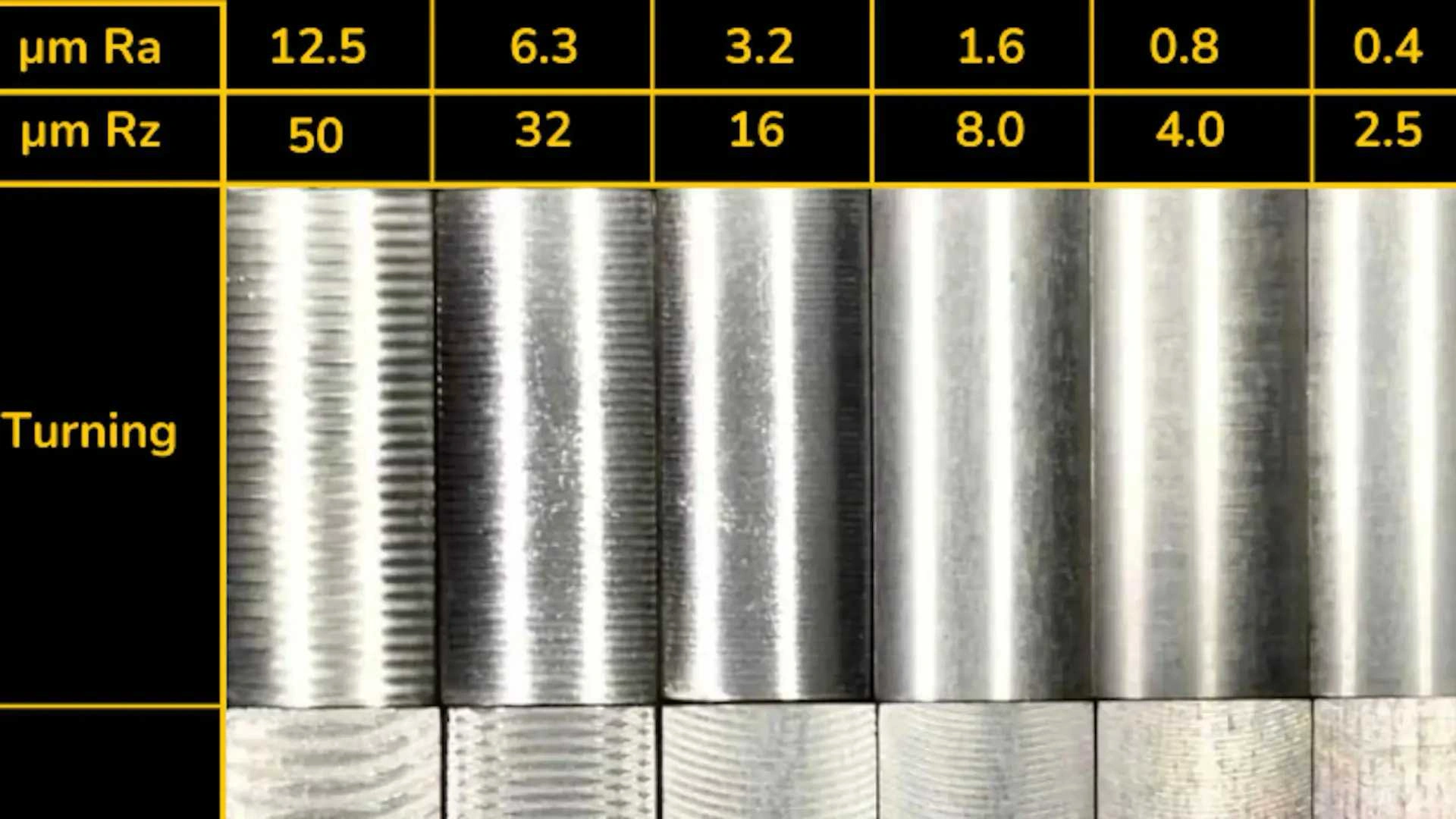
Mirror-Grade EDM Surface Finishing
Sodick and Seibu slow-wire EDM systems deliver +/-0.002 mm positioning accuracy, while Mitsubishi mirror EDM achieves Ra 0.1um finishes on complex ABS appliance cores—eliminating secondary polishing, reducing cycle time and ensuring Class-A cosmetic surfaces straight from the machine.
- Sodick & Seibu slow-wire EDM: +/-0.002 mm positioning, corner radii down to R ≤ 0.015 mm
- Mitsubishi mirror EDM: Ra 0.1um surface finish for Class-A cosmetic requirements
- Charmilles sinker EDM for deep-cavity and intricate rib geometries
- Beijing Jingdiao high-precision CNC for electrode fabrication to +/-0.001 mm
DFM Engineering Support from Day One
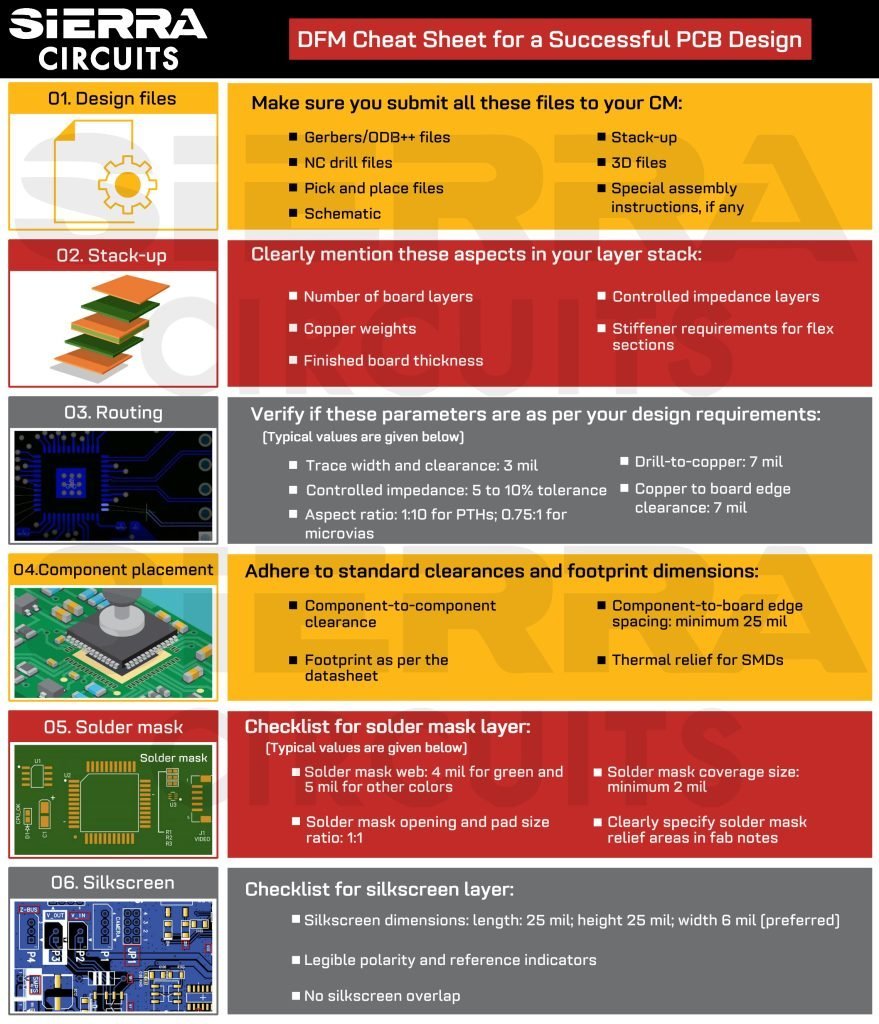
Before machining begins, our team of 10+ mold-design engineers reviews your CAD files for draft angles, wall thickness, gate placement and ejection strategy—catching costly issues early and optimizing your ABS appliance component molds for manufacturability, cycle time and tool longevity.
- Pre-production DFM analysis by 10+ engineers with 16 years of precision-mold experience
- Optimization for draft, wall thickness, gate location, cooling layout and ejection
- Material-selection guidance for ABS grades, alloy cores and wear-resistant inserts
- Collaborative design iterations to balance cosmetic finish, cycle time and cost
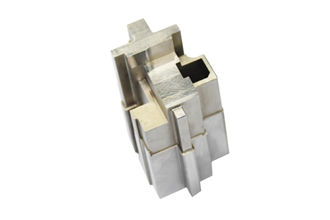
Rapid Sampling in 3–7 Days
Dual-factory capacity—2,000 m² in Dongguan for micro-machining and 1,400 m² in Quanzhou for volume production—lets us deliver first-article samples in 3–7 days and mass production in 15–25 days, roughly 30% faster than industry average, with 24-hour quote turnaround.
- 3–7 day sampling for first-article validation and design verification
- 15–25 day mass-production lead time with +200% expanded capacity since 2025
- 24-hour quote response with detailed cost breakdown and delivery schedule
- ISO 9001:2015 process control ensures on-time delivery and zero-defect shipments
XUXIANG vs. Typical ABS Appliance Component Molds Manufacture Suppliers
When micron-stable precision, fast turnaround and verifiable quality matter, the choice is clear. Compare XUXIANG‘s evidence-based capabilities against industry-standard suppliers.
← 左右滑动查看 →
ABS Appliance Component Molds Manufacture: Our Quality-Gated Production Flow
Every precision mold component passes through six rigorous quality gates — from DFM engineering review to ZEISS CMM verification — ensuring +/-0.001 mm accuracy and mirror-grade finish before shipment.
Design Review & DFM
10+ engineering experts analyze your CAD files, identify tolerance risks, and provide actionable DFM feedback to optimize manufacturability and cost before machining begins.
Material Selection & Spectral Analysis
We select certified alloys and plastics, then verify chemistry via spectral analysis to ensure material integrity, traceability and compliance with your specifications.
CNC & EDM Machining
Sodick slow-wire EDM, Mitsubishi mirror EDM and Fanuc CNC machine your molds to +/-0.001 mm accuracy, with Ra 0.1 µm mirror finish and corner radii down to R ≤ 0.015 mm.
In-Process Tolerance Monitoring
Real-time dimensional checks at every machining stage catch drift early, preventing costly rework and guaranteeing that final dimensions stay within your tolerance band.
ZEISS & Nikon CMM Verification
ZEISS MICURA CMM (0.7 µm resolution) and Nikon toolmaker’s microscopes validate every critical dimension, surface finish and geometric tolerance against your drawing.
Surface Integrity, FAI & Shipping
Final surface-integrity checks, complete FAI documentation and material certificates accompany every shipment, with secure packaging for damage-free global delivery.
How to Partner with XUXIANG for ABS Appliance Component Molds Manufacture
From CAD upload to final shipment, our engineering-led process delivers precision molds with DFM support, 24-hour quotes and full FAI documentation at every stage.
Submit Your CAD Files
Upload 2D/3D drawings or technical specifications. Our team reviews tolerances, material requirements and production feasibility within hours of receipt.
Receive DFM Feedback & Quote
Within 24 hours, 10+ engineers deliver Design for Manufacturability insights, tolerance recommendations and a transparent quote with lead-time breakdown.
Approve Sampling & Tooling Plan
Confirm specifications and approve first-article samples. We machine prototypes in 3–7 days, validated on ZEISS MICURA CMM to +/-0.001 mm.
Begin Mass Production
Your order moves to our dual factories with Sodick EDM, Fanuc CNC and mirror-grade finishing. Typical lead time: 15–25 days.
Inspect, Document & Ship
Every batch undergoes five-step QC, ZEISS metrology and FAI reporting. Parts ship with material certificates and full traceability documentation.
ISO 9001:2015 Certified ABS Appliance Component Molds Manufacture


Customer Success: ABS Appliance Component Molds Manufacture Delivered On Time
We struggled with tolerance drift on multi-cavity ABS appliance housings. XUXIANG’s +/-0.001 mm precision and ZEISS validation reduced our rejection rate from 12% to under 0.5% — a 95% improvement that saved us thousands per production run.
Our coffee-maker control panel tooling required mirror EDM and tight lead times. XUXIANG delivered T1 samples in 5 days instead of the usual 21, and the Ra 0.1 µm finish eliminated secondary polishing — cutting our time-to-market by three weeks.
We scaled from 10,000 to 500,000 ABS appliance components annually without a single tolerance failure. XUXIANG’s dual-factory capacity, DFM support and full FAI documentation gave us the confidence to grow aggressively while maintaining ISO-grade quality.
FAQ: ABS Appliance Component Molds Manufacture & Precision Tooling
What is the minimum order quantity for ABS appliance component molds manufacture at XUXIANG?
How quickly can I receive sample parts for ABS appliance component molds manufacture?
Do you charge for sampling in ABS appliance component molds manufacture projects?
What tolerances can XUXIANG guarantee for ABS appliance component molds manufacture?
What payment terms does XUXIANG offer for precision mold orders?
How does XUXIANG handle shipping, customs clearance, and international logistics?
How does XUXIANG protect my intellectual property and proprietary designs?
Does XUXIANG provide design-for-manufacturing (DFM) support for complex mold projects?
What is the typical lead time for mass production of ABS appliance component molds?
The Complete Buyer’s Guide to ABS Appliance Component Molds Manufacture
Navigate supplier selection, material specifications, and quality benchmarks with confidence. This guide delivers a proven decision framework, critical evaluation criteria, and the most common procurement mistakes to avoid when sourcing ABS appliance component molds manufacture.
1. What Is ABS Appliance Component Molds Manufacture?
ABS appliance component molds manufacture refers to the precision fabrication of injection molds and the molded thermoplastic parts they produce for home and commercial appliances. ABS (acrylonitrile butadiene styrene) is specified in roughly 60% of appliance housings and internal brackets because it combines impact resistance down to -20°C, dimensional stability within +/-0.15% across typical service temperatures (0–80°C), and heat-deflection temperatures up to 98°C at 0.45 MPa — critical for motor housings and control-panel bezels.
Typical applications include outer housings for vacuum cleaners and blenders, control-panel overlays, refrigerator door liners, washing-machine bezels and internal mounting brackets. The injection-molding cycle — melt, inject, pack, cool and eject — runs between 20 and 90 seconds per shot, depending on wall thickness and part geometry, with multi-cavity molds achieving outputs of 500,000+ parts per tool life.
When sourcing abs appliance component molds manufacture, buyers are procuring both the precision steel tooling (core, cavity, lifters and cooling circuits) and, often, the validated molded components ready for assembly.
2. Evolution and Industry Context of ABS Appliance Component Molds Manufacture
Early household appliances relied on stamped steel and phenolic resin housings until the 1970s, when ABS copolymer emerged as the material of choice for its balance of impact resistance, moldability and cost. By the mid-1980s, abs appliance component molds manufacture had enabled miniaturization of control panels, bezels and internal brackets, while mirror-finish EDM tooling unlocked high-gloss aesthetic surfaces that defined premium white-goods design through the 1990s.
Today’s appliance supply chains face three converging pressures: lightweighting to reduce shipping costs and energy consumption, sustainability mandates (RoHS-compliant flame retardants, recyclable ABS grades), and integration of smart electronics requiring precision bosses and snap-fits for PCB mounting. UL94 V-0 or 5VA ratings are now baseline for many OEM specifications, driving tighter tolerances in abs appliance component molds manufacture.
XUXIANG’s +/-0.001 mm machining accuracy and ZEISS CMM validation address these demands, ensuring that conformal cooling channels maintain cycle-time targets while meeting dimensional and surface-integrity requirements for both legacy appliance platforms and IoT-enabled next-generation designs.
3. Types of ABS Appliance Component Molds Manufacture
ABS appliance component molds manufacture spans a wide range of configurations, each optimized for specific part geometry, production volume and surface requirements. Selecting the right mold type ensures cost-efficient tooling, consistent dimensional accuracy and finish quality that meets end-user expectations.
Classification by Component Function
Structural housings demand +/-0.05–0.10 mm positional tolerances and robust gate placement to prevent warp in large, thin-wall shells. Cosmetic fascias require Class A mirror or textured finishes (Ra ≤ 0.2 µm) with zero gate vestige on visible surfaces.
Functional elements — knobs, hinges, latches — need precision core alignment (+/-0.02 mm) for smooth assembly and cyclic durability. Internal brackets prioritize dimensional stability and material flow over surface finish, often using cold-runner systems to minimize cycle time.
Classification by Mold Complexity
Single-cavity molds suit prototyping and low-volume runs (< 10k parts/year); multi-cavity (4–32 impressions) drive cost-per-part down for mass production. Family molds consolidate multiple part numbers in one shot, ideal for appliance sub-assemblies but requiring precise runner balancing.
Hot-runner systems eliminate sprue waste and reduce cycle time by 15–25%, preferred for high-volume abs appliance component molds manufacture. Cold-runner molds offer lower upfront investment and simpler maintenance for mid-volume projects.
Classification by Finish Requirements
Textured finishes (MT-11020, VDI 24–36) hide sink marks and fingerprints, common on appliance side panels. High-gloss mirror finishes demand EDM polishing to Ra 0.1–0.2 µm and strict mold-temperature control (+/-2 °C).
In-mold decoration (IMD) integrates graphics or patterns during injection, eliminating secondary printing; XUXIANG’s mirror-grade EDM and +/-0.001 mm machining ensure film registration and zero distortion across multi-cavity layouts.
4. Materials and ABS Grades for Appliance Component Molds Manufacture
ABS resin selection drives appliance component performance, compliance and moldability. XUXIANG’s material validation process matches each grade to the mechanical, thermal and regulatory demands of electronics housings, control panels and structural inserts used in abs appliance component molds manufacture.
| ABS Grade | Impact Strength (kJ/m²) | HDT (°C) | Flame Rating | Typical Appliance Use |
|---|---|---|---|---|
| General-purpose | ~20 | ~90 | HB | Non-critical housings, cosmetic panels |
| Flame-retardant | ~18 | ~95 | UL94 V-0 | Power-supply enclosures, switch boxes |
| UV-stabilized | ~19 | ~88 | HB–V-2 | Outdoor units, window-mount controls |
| High-heat | ~17 | ~110 | HB–V-0 | Motor housings, near-heating-element parts |
Common ABS Grades and Their Properties
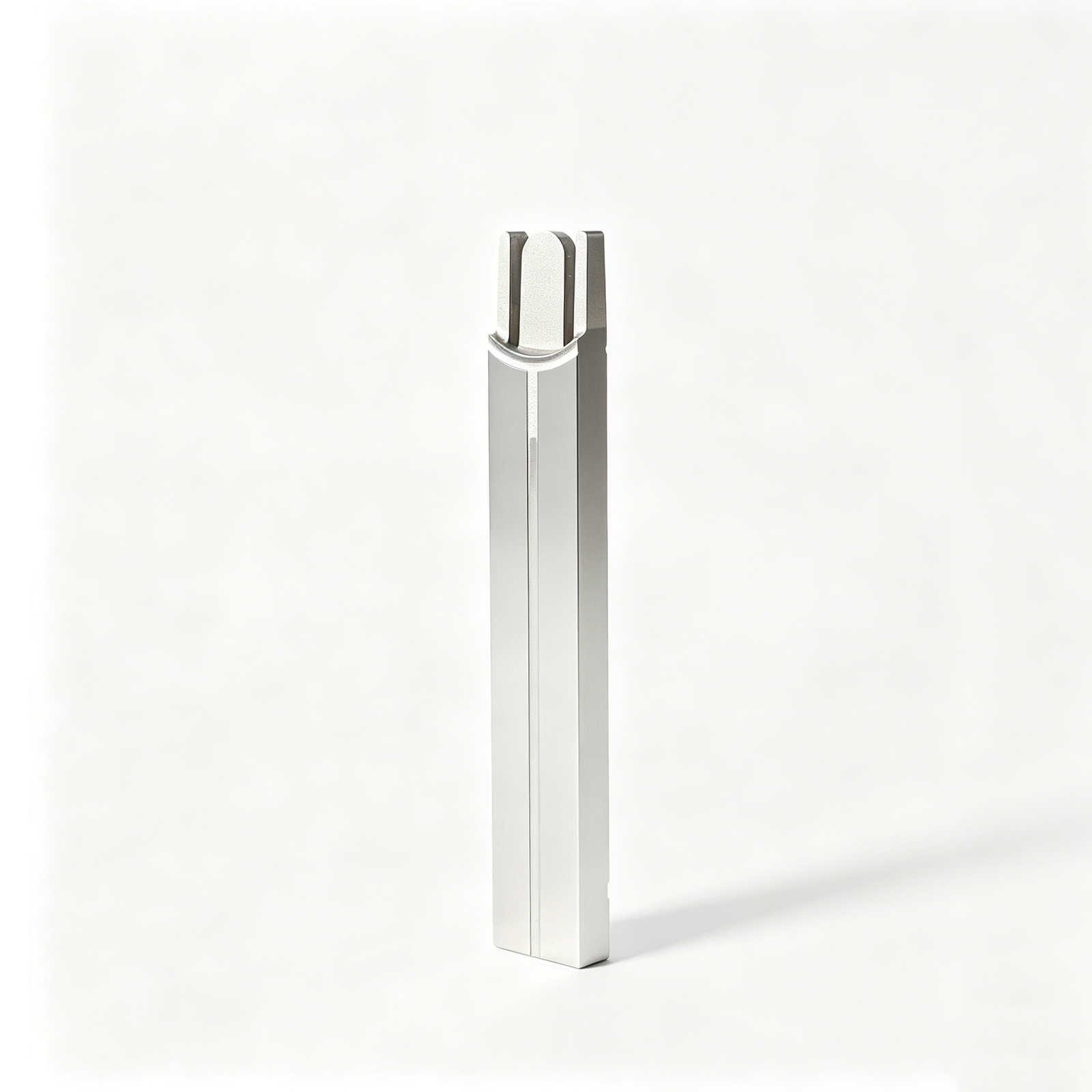
General-purpose ABS (impact strength ~20 kJ/m², HDT ~90°C) suits non-critical housings. Flame-retardant grades meeting UL94 V-0 are mandatory for power-supply enclosures and switch housings. UV-stabilized variants resist yellowing in outdoor or window-mounted appliances, while high-heat ABS (HDT ~110°C) handles internal components near motors or heating elements.
Fillers, Additives and Moldability Trade-offs
Glass-fiber reinforcement (10–30 wt%) raises tensile strength by ~40% but increases mold wear and requires hardened steel cores. Impact modifiers improve toughness for drop-resistant cases. Colorants and UV stabilizers can shift shrinkage by 0.1–0.2%, requiring DFM compensation in abs appliance component molds manufacture tooling.
Virgin vs. Regrind Material Policies
Virgin ABS ensures consistent lot-to-lot properties and full material traceability. Regrind up to 15–20% is common for non-cosmetic parts but may reduce impact strength by 10–15% and complicate flame-rating certification. XUXIANG validates regrind ratios during DFM review and issues material certificates with spectral analysis for every production lot.
5. Customization and Surface-Finishing Options in ABS Appliance Component Molds Manufacture
ABS appliance component molds manufacture supports a wide range of aesthetic and functional customization to meet brand identity and assembly requirements. Surface finishing, color matching and secondary operations enable differentiation while maintaining the micron-level precision needed for consumer appliances.
| Technique | Cost Impact | Durability | Lead-Time Addition |
|---|---|---|---|
| EDM texture | +8–15% | Permanent (in steel) | +3–5 days |
| Pad/screen print | +5–10% | Moderate (wear-prone) | +2–3 days |
| IMD film | +20–30% | High (embedded) | +7–10 days |
| Threaded inserts | +3–6% | High (metal) | +1–2 days |
Texture and Surface Finishing Techniques
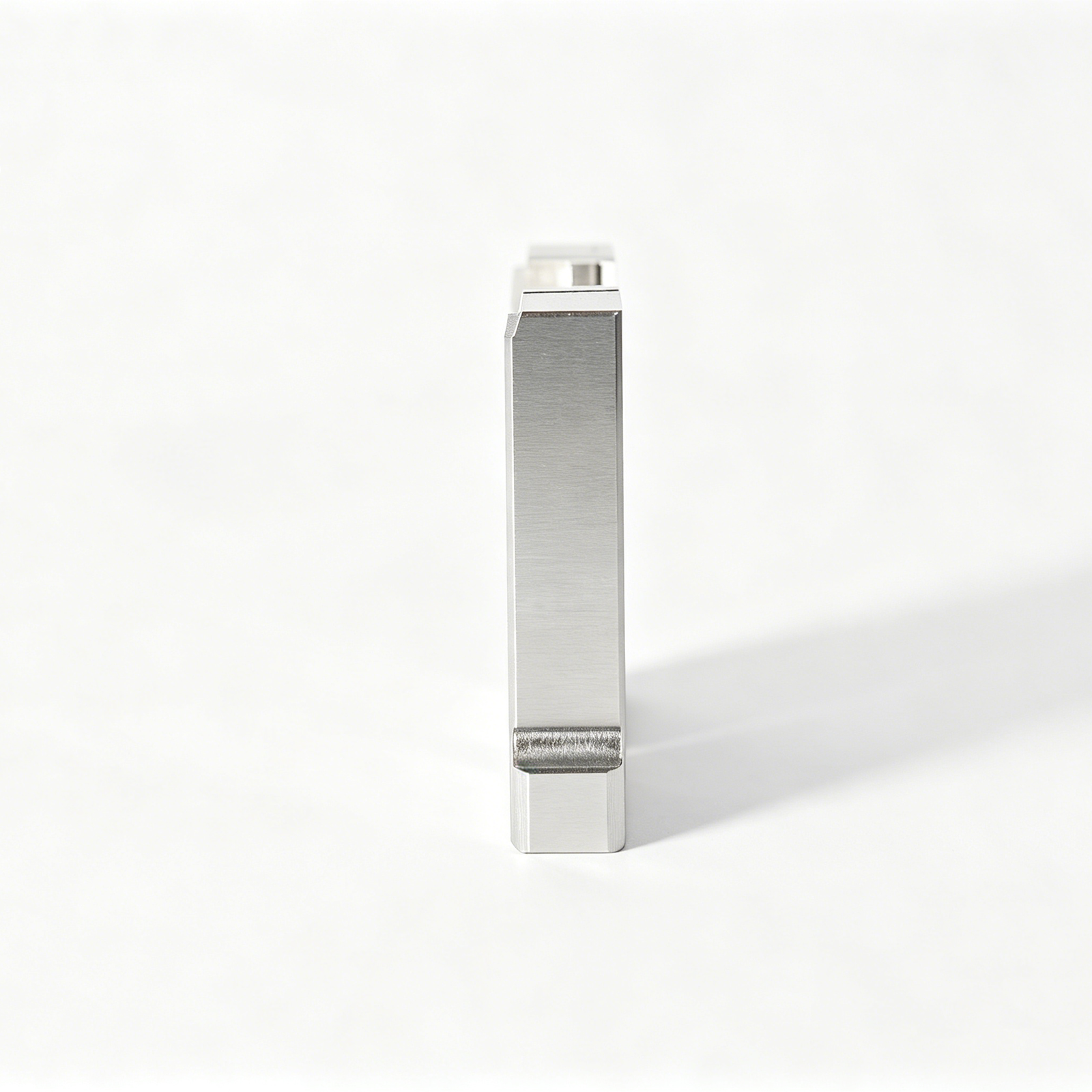
EDM sinker processes deliver mirror-grade finishes down to Ra 0.1 µm or textured patterns (leather grain, matte, geometric) directly into cavity steel, eliminating secondary polishing. Chemical etching replicates fine logos and brand marks at depths of 0.02–0.05 mm. Bead-blasting produces uniform satin or semi-gloss surfaces for non-reflective housings.
XUXIANG’s Sodick and Charmilles EDM systems hold +/-0.003 mm positional accuracy during texture transfer, ensuring repeatable surface quality across multi-cavity tooling.
Color Matching and Decorative Printing
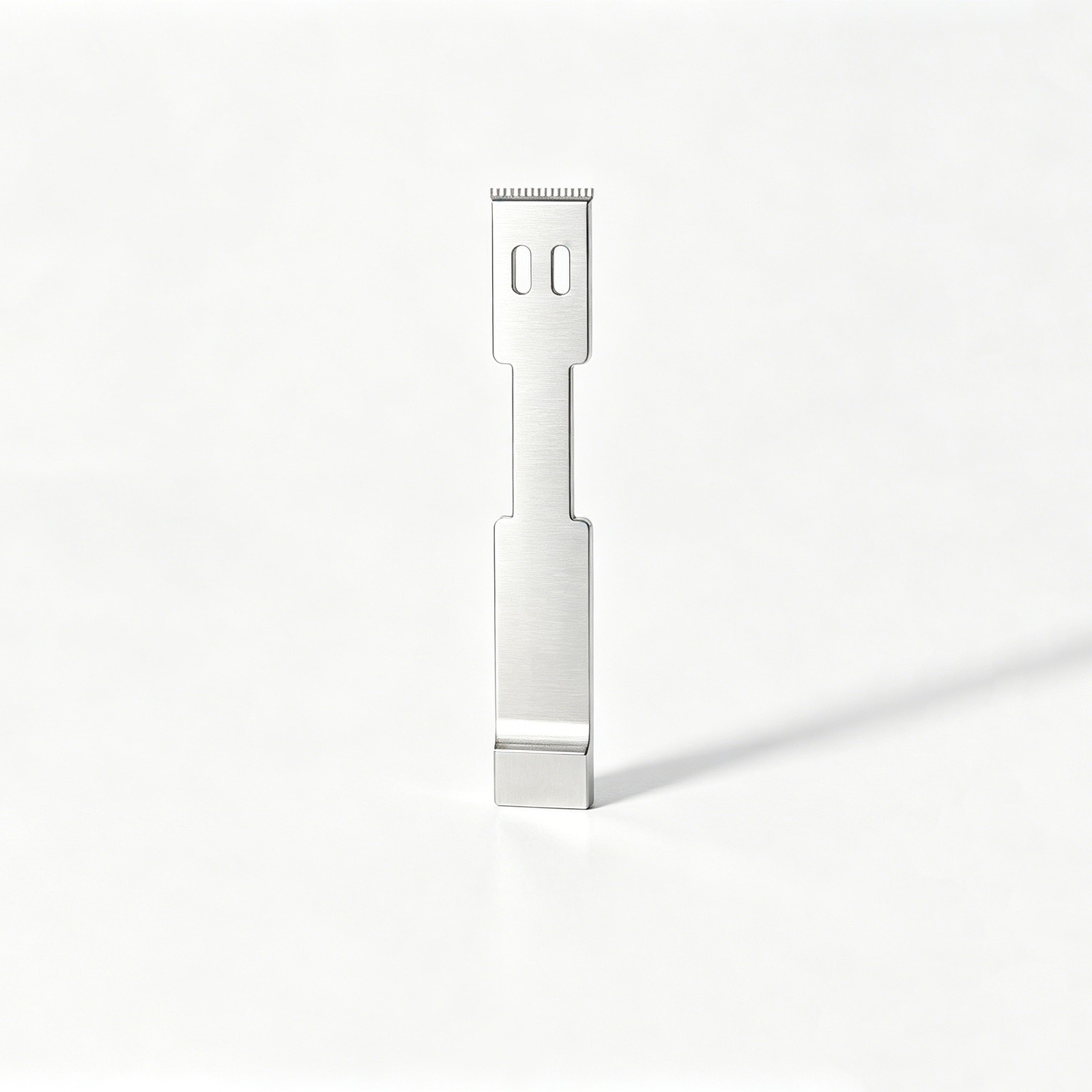
Pantone and RAL color-matching protocols guide ABS masterbatch selection for brand consistency. Pad printing applies logos and icons with +/-0.1 mm registration; screen printing covers larger graphics; laser marking etches permanent serial numbers and regulatory symbols without consumables.
In-mold decoration (IMD) embeds printed film during molding for scratch-resistant graphics, while insert molding integrates metal nameplates or clear windows in a single shot, reducing assembly steps.
Secondary Operations for Assembly Integration
Ultrasonic welding bosses, threaded brass inserts (M2–M6) and snap-fit features are machined into mold cores to enable tool-free assembly. XUXIANG’s DFM review flags interference risks and recommends wall thickness (typically 1.2–2.5 mm) and draft angles to ensure reliable insert retention and weld-joint strength across production volumes.
6. Key Quality and Precision Elements in ABS Appliance Component Molds Manufacture
Precision abs appliance component molds manufacture hinges on five measurable quality elements: dimensional stability, surface integrity, warpage control, gate aesthetics and parting-line cleanliness. These factors separate micron-stable tooling from commodity molds and determine both first-article yield and long-term production consistency.
Dimensional Tolerance and Mating-Feature Accuracy
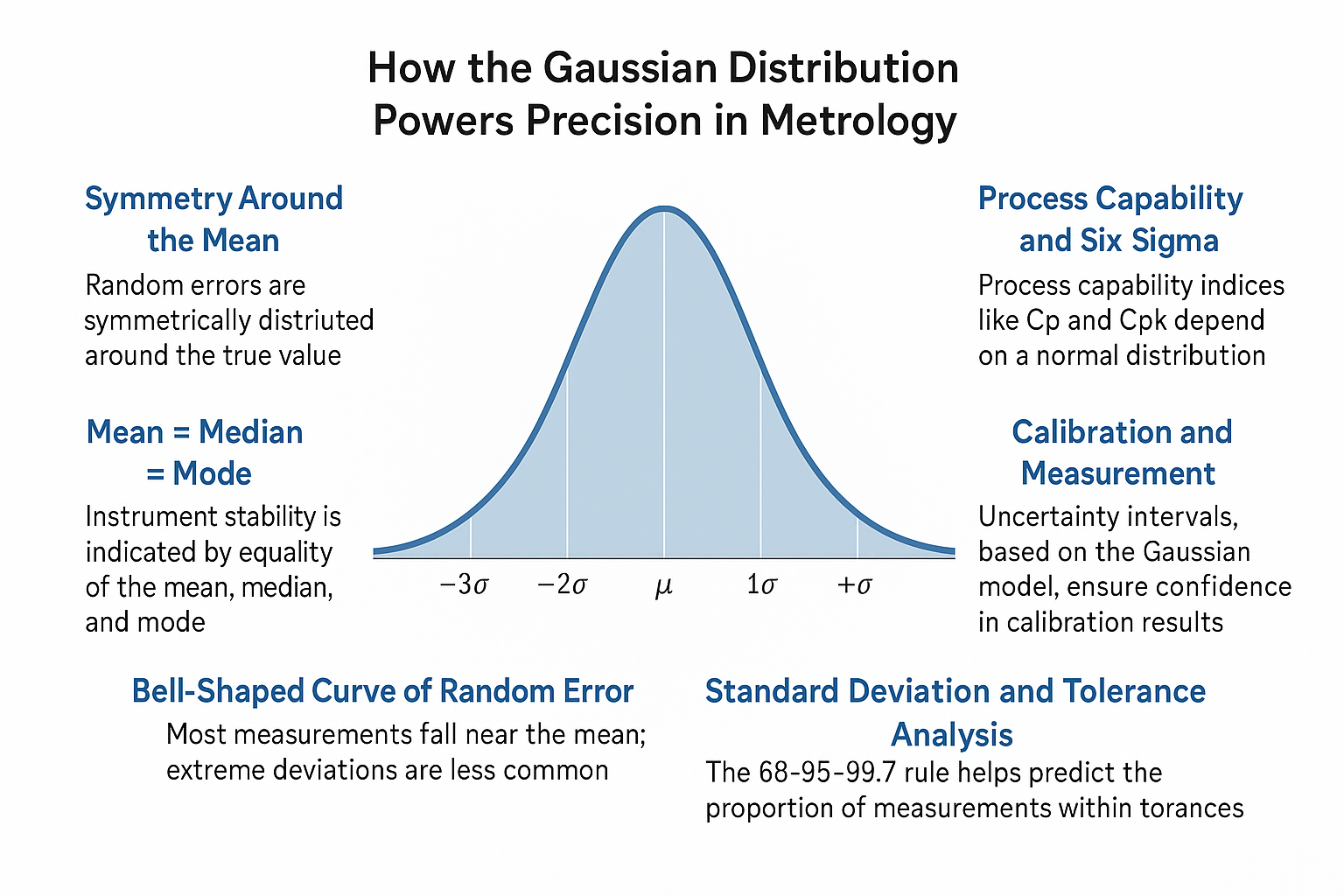
Mating features — snap hooks, hinge bosses, locating pins — demand +/-0.001 mm positioning to ensure assembly without force or rework. XUXIANG holds this tolerance through ZEISS MICURA CMM verification (0.7 µm resolution) and Sodick slow-wire EDM (+/-0.002 mm repeatability).
Commodity shops typically guarantee +/-0.05 mm, adequate for cosmetic shells but insufficient for functional interfaces where stack-up drives failure.
Surface Finish and Ra Specifications
Appliance housings require Ra ≤ 0.4 µm for paint adhesion; optical bezels need Ra ≤ 0.1 µm mirror polish. XUXIANG achieves Ra 0.1 µm through Charmilles sinker EDM with graphite electrodes fabricated on Beijing Jingdiao high-precision CNC.
Surface finish directly impacts gate-vestige appearance and parting-line flash — poor Ra leaves visible witness lines that downstream polishing cannot fully remove.
Mold-Steel Selection and Tool Life
P20 pre-hardened steel suits medium-volume runs (≤100k cycles); H13 hot-work steel extends life to 500k+ cycles in glass-filled ABS; S136 stainless offers corrosion resistance for flame-retardant grades. Steel choice governs cavity wear, dimensional drift and maintenance intervals — a decision that affects five-year total cost more than initial mold price.
7. How to Choose a Manufacturer for ABS Appliance Component Molds Manufacture
Selecting a partner for abs appliance component molds manufacture demands a structured evaluation of technical capability, process transparency and post-delivery support. Look beyond price to assess engineering depth, equipment class and quality systems that protect production continuity.
Design and Engineering Capability
Confirm that the shop provides DFM feedback before quoting — ideally from 10+ engineering experts — and offers mold-flow simulation for gate placement and cycle optimization. A red flag is any vendor who accepts CAD files without questions or revision recommendations.
Manufacturing Infrastructure and Certifications
Verify CNC machining centers (Fanuc-class or better), Sodick or Charmilles EDM, and ZEISS or Mitutoyo CMM metrology. ISO 9001:2015 is baseline; automotive crossover projects benefit from IATF 16949. Request equipment lists and inspection protocols upfront.
Communication and Project Tracking
English proficiency, digital collaboration tools and revision-control logs prevent costly misunderstandings. Ask how design changes are documented and whether you receive FAI reports with material certificates and dimensional data at handover.
Lead Time, Ownership and Support
Clarify tooling-ownership terms in the contract, confirm lead-time commitments in writing and validate post-delivery services — sampling runs, mold maintenance schedules and engineering-change-order response times. Vague quotations or missing material traceability indicate weak process control.
8. Common Mistakes Buyers Make in ABS Appliance Component Molds Manufacture
Even experienced procurement teams overlook critical details in abs appliance component molds manufacture, leading to tolerance failures, budget overruns and delayed product launches. Recognizing these pitfalls before RFQ issuance saves time, cost and quality risk.
Underspecifying Tolerances and Surface Finish
Drawings marked ‘general tolerance’ or omitting Ra values force the mold maker to guess, resulting in parts that meet print but fail assembly. XUXIANG requires +/-0.002 mm positioning and Ra ≤ 0.2 µm mirror EDM finishes to be explicitly called out.
Preventive step: define dimensional tolerances to ISO 2768-m or tighter, specify surface finish by zone, and request DFM feedback before PO.
Choosing the Lowest Bid Without Validating Capability
Price-only sourcing often selects shops lacking ZEISS-class CMM or slow-wire EDM, leading to rework cycles that erase initial savings. XUXIANG’s +/-0.001 mm machining accuracy and five-step QC flow prevent such failures.
Preventive step: audit equipment lists, request CMM calibration certificates and review past FAI reports before awarding tooling contracts.
Skipping First-Article Inspection and Material Certification
Launching production without validated FAI documentation or UL94-rated ABS certificates risks field failures and regulatory holds. XUXIANG includes spectral analysis and material traceability in every project.
Preventive step: mandate FAI with full dimensional report and flame-rating certificates before series release.
9. Steps to Launch Your Appliance Component Project with ABS Molds Manufacture
A structured launch sequence transforms concept into production-ready abs appliance component molds manufacture. XUXIANG’s 10+ engineering experts provide DFM feedback before tooling begins, compressing cycle time by approximately 30% versus industry norms.
Define Requirements and Compliance Scope
Document part geometry, wall thickness (typically 1.5–3.5 mm for ABS appliance components), ABS grade (flame-retardant V-0, impact-modified, or general-purpose), annual volume and tolerance class. Specify regulatory needs — UL 94, RoHS, REACH — and functional demands such as snap-fit retention or surface finish (VDI 3400 or Ra values). Clear requirements enable accurate tooling quotes and mold-flow analysis.
Issue RFQ with CAD and Technical Drawings
Submit STEP or IGES 3D models, 2D drawings with GD&T callouts, material data sheets and cosmetic-finish standards. Include projected annual volume to inform cavity count and mold-steel grade. XUXIANG’s metrology lab — ZEISS MICURA CMM to 0.7 µm, Nikon toolmaker’s microscopes — validates every dimension against your CAD before first article.
Evaluate Proposals and Approve Samples
Compare DFM reports, mold-flow simulations (weld-line prediction, gate location, cooling uniformity) and itemized tooling costs. Request T1 samples and full first-article inspection with CMM reports and material certificates. XUXIANG’s five-step QC — spectral analysis, in-process monitoring, CMM verification, surface integrity, FAI documentation — ensures tolerance compliance before production ramp.
Plan Lifecycle and Maintenance
Establish a preventive-maintenance schedule (cleaning, venting, ejector-pin inspection every 50,000–100,000 shots) and document design-revision protocols. Archive mold-flow data and CMM baselines for future part changes or end-of-life tooling decisions.
10. Pricing and Cost Considerations for ABS Appliance Component Molds Manufacture
Tooling investment for abs appliance component molds manufacture typically ranges from USD 3,000 for a single-cavity prototype tool to USD 25,000+ for a multi-cavity production mold in hardened steel, with per-part costs dropping from USD 0.80 at 1,000 units/year to USD 0.12 at 100,000+ units/year as amortization spreads across volume. XUXIANG structures payment in three milestones: 40% deposit at design freeze, 40% at first-article approval, and 20% on delivery, with tooling ownership transferring to the buyer upon final payment.
Cost drivers include mold complexity (number of slides, lifters and undercuts), steel grade (P20 pre-hardened vs. H13 or S136 for corrosion resistance), cavity count (single vs. 8- or 16-cavity), surface finish (standard EDM Ra 0.8 µm vs. mirror Ra 0.1 µm), and secondary operations such as texture etching or hot-runner integration. Lead time compresses roughly 30% when tooling and part production run in parallel under a design-for-manufacturing review, enabling faster time-to-market and lower total cost of ownership.
| Annual Volume | Tooling Investment (USD) | Per-Part Cost (USD) | Lead Time (weeks) |
|---|---|---|---|
| 1,000 units | 3,000–6,000 (single-cavity) | 0.60–0.80 | 4–5 |
| 10,000 units | 8,000–15,000 (2–4 cavity) | 0.25–0.35 | 5–6 |
| 100,000+ units | 18,000–25,000+ (8–16 cavity) | 0.10–0.15 | 6–8 |
Ready to Source Precision ABS Appliance Component Molds Manufacture?
ISO 9001:2015 certified, +/-0.001 mm precision, dual-factory capacity. Get your quote in 24 hours with full DFM engineering support.