
Precision Mold Capabilities: +/-0.001 mm Accuracy, 24-Hour Quotes
XUXIANG delivers full-service precision mold capabilities—micron-stable tolerance, mirror-grade EDM, ZEISS CMM validation and quotes returned in 24 hours to eliminate your tolerance failures and delivery delays.
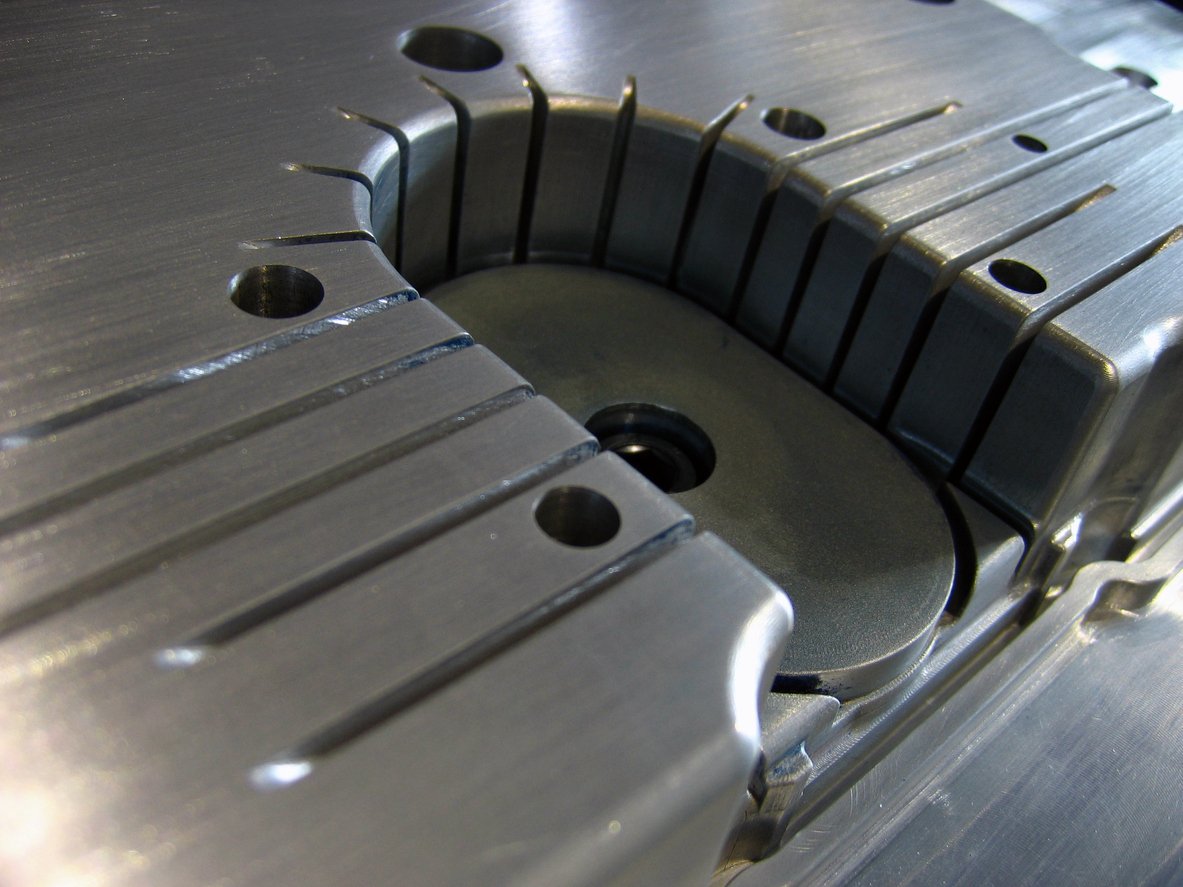
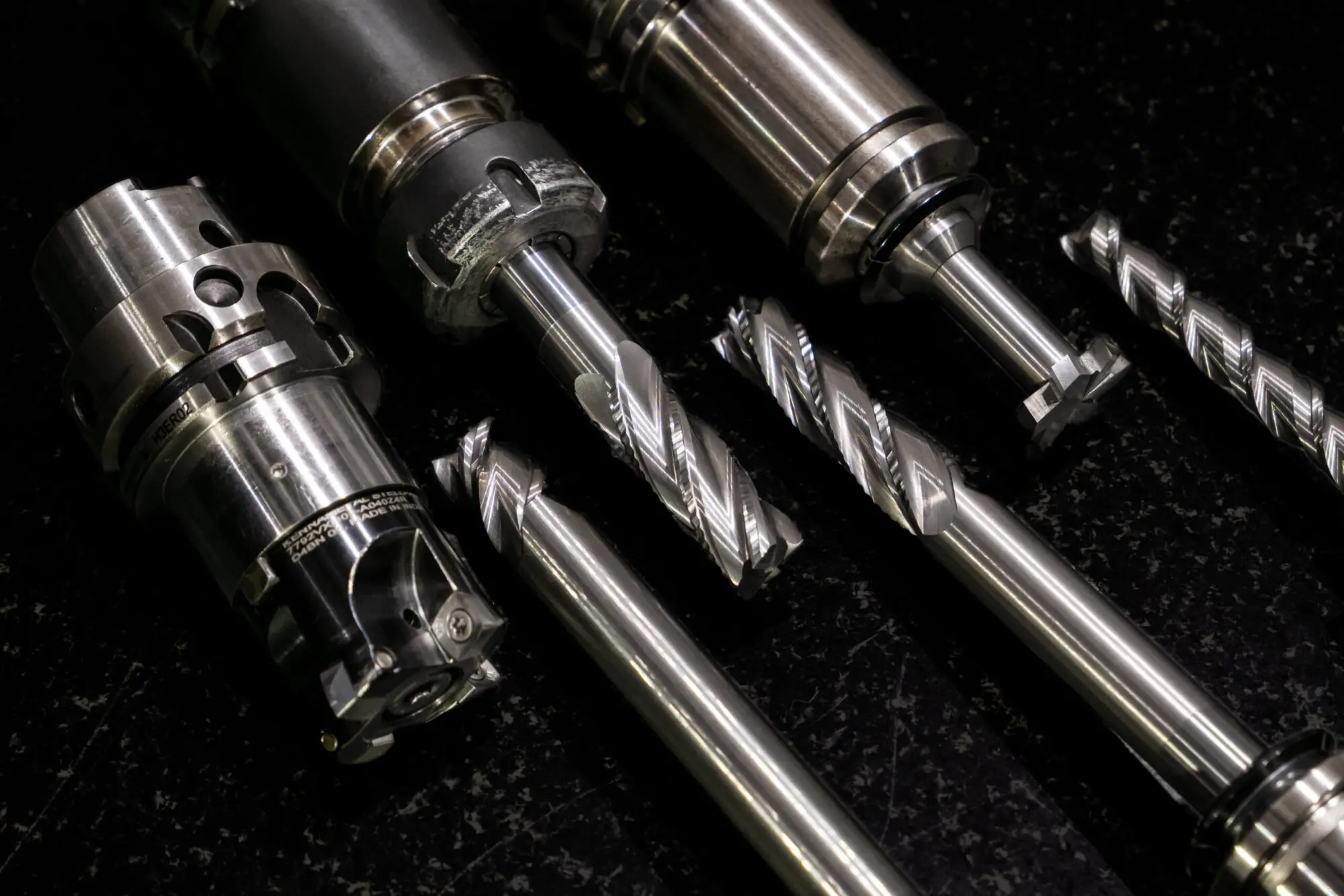
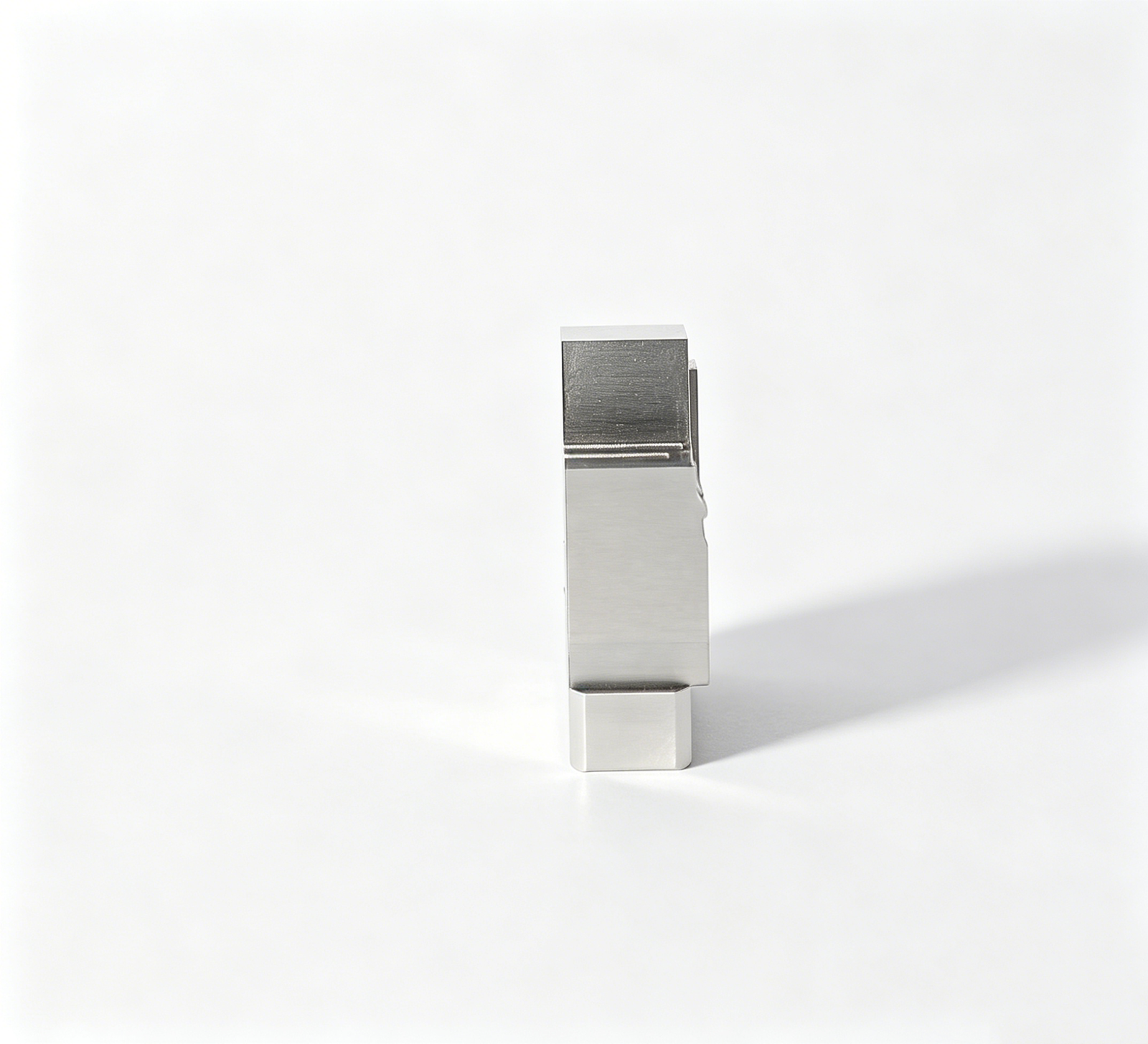
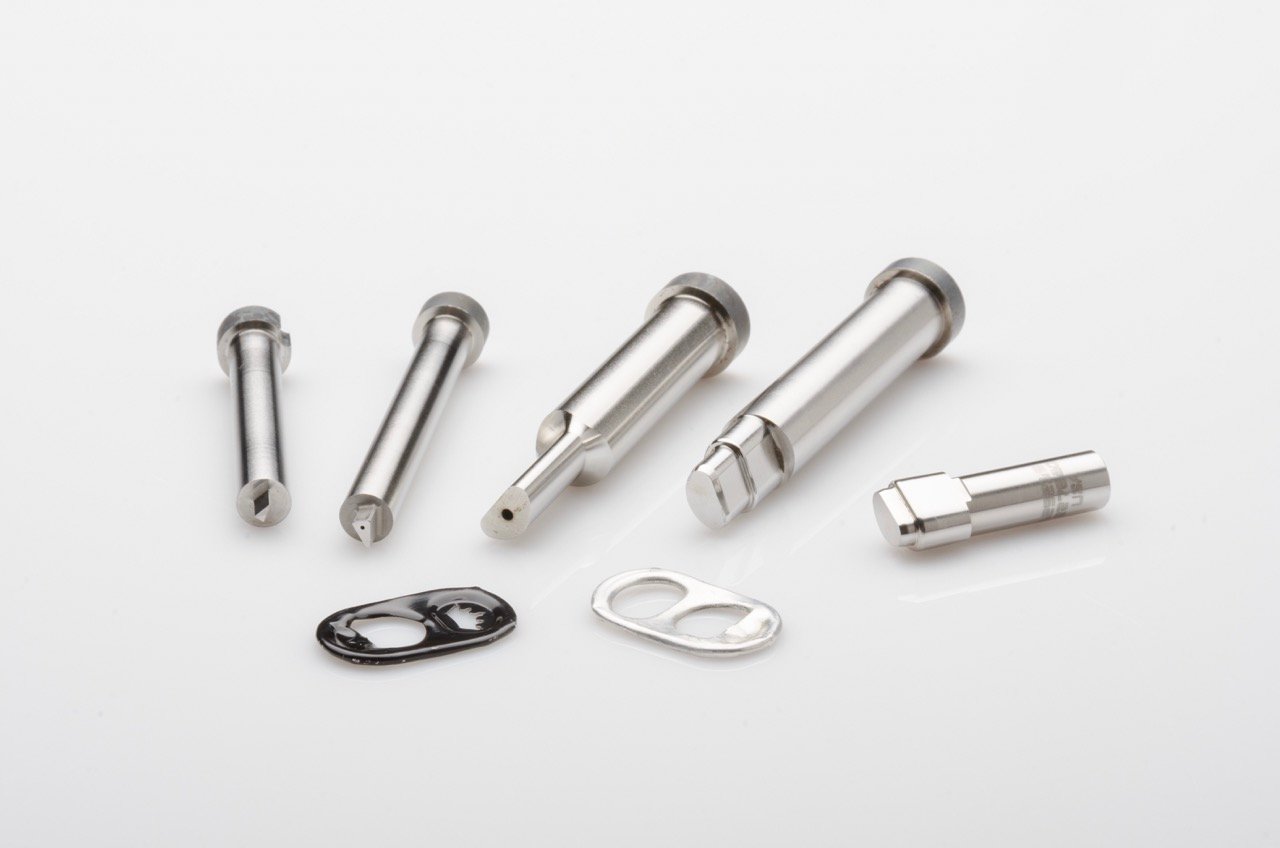
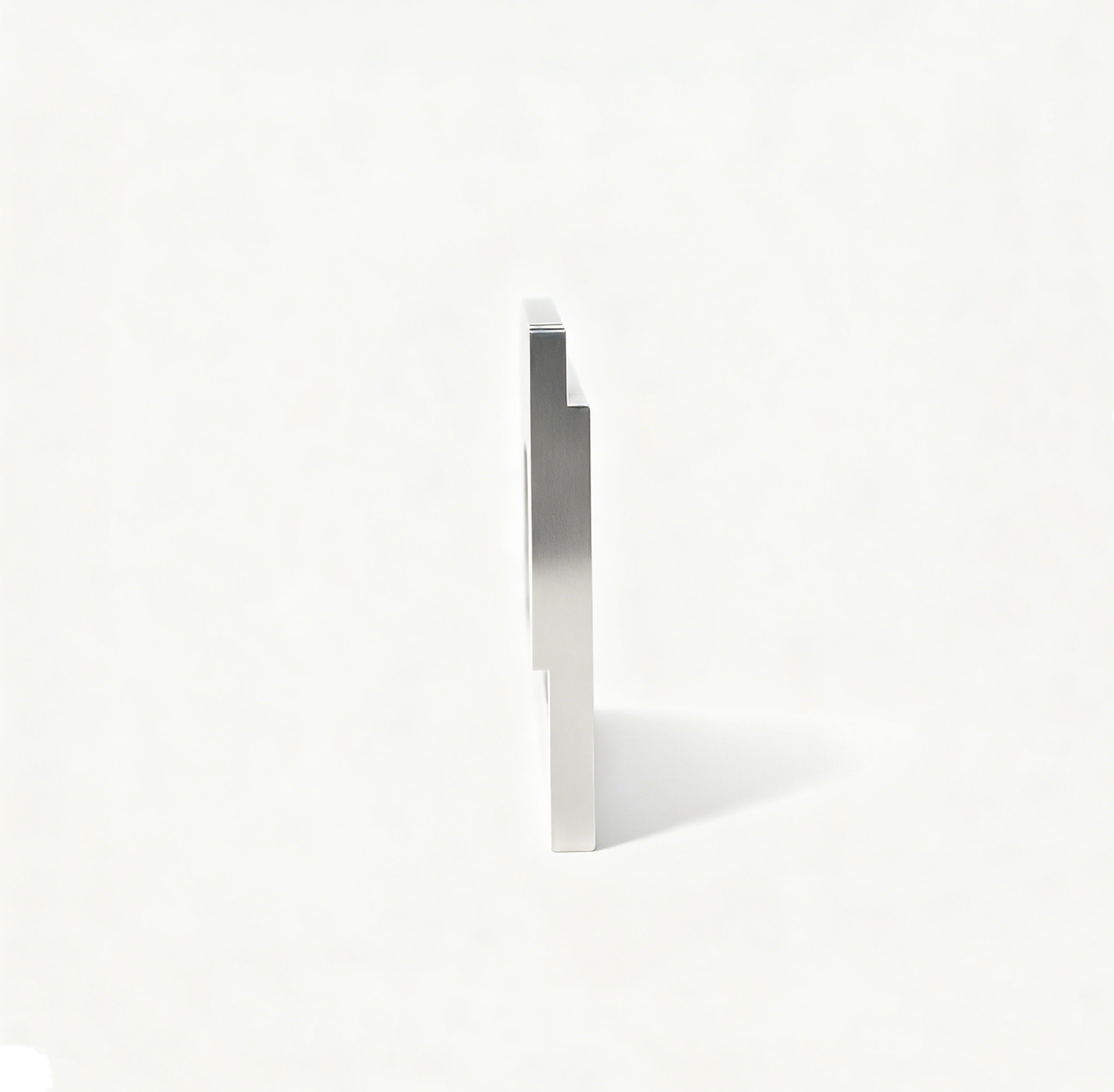
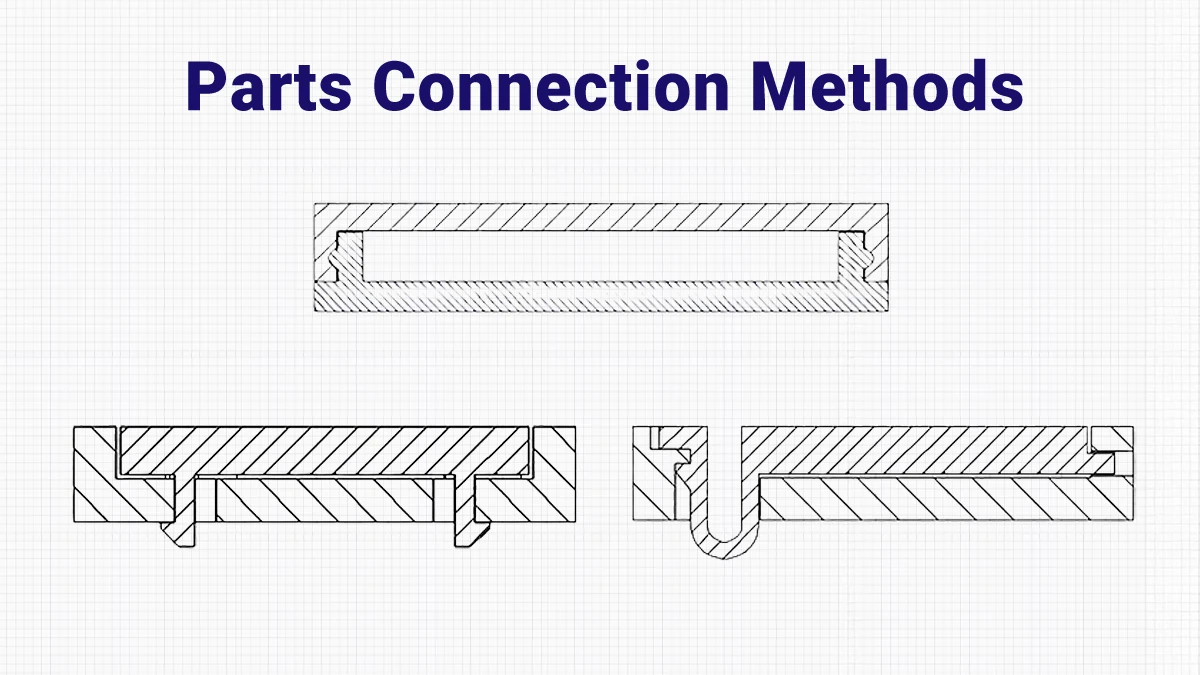
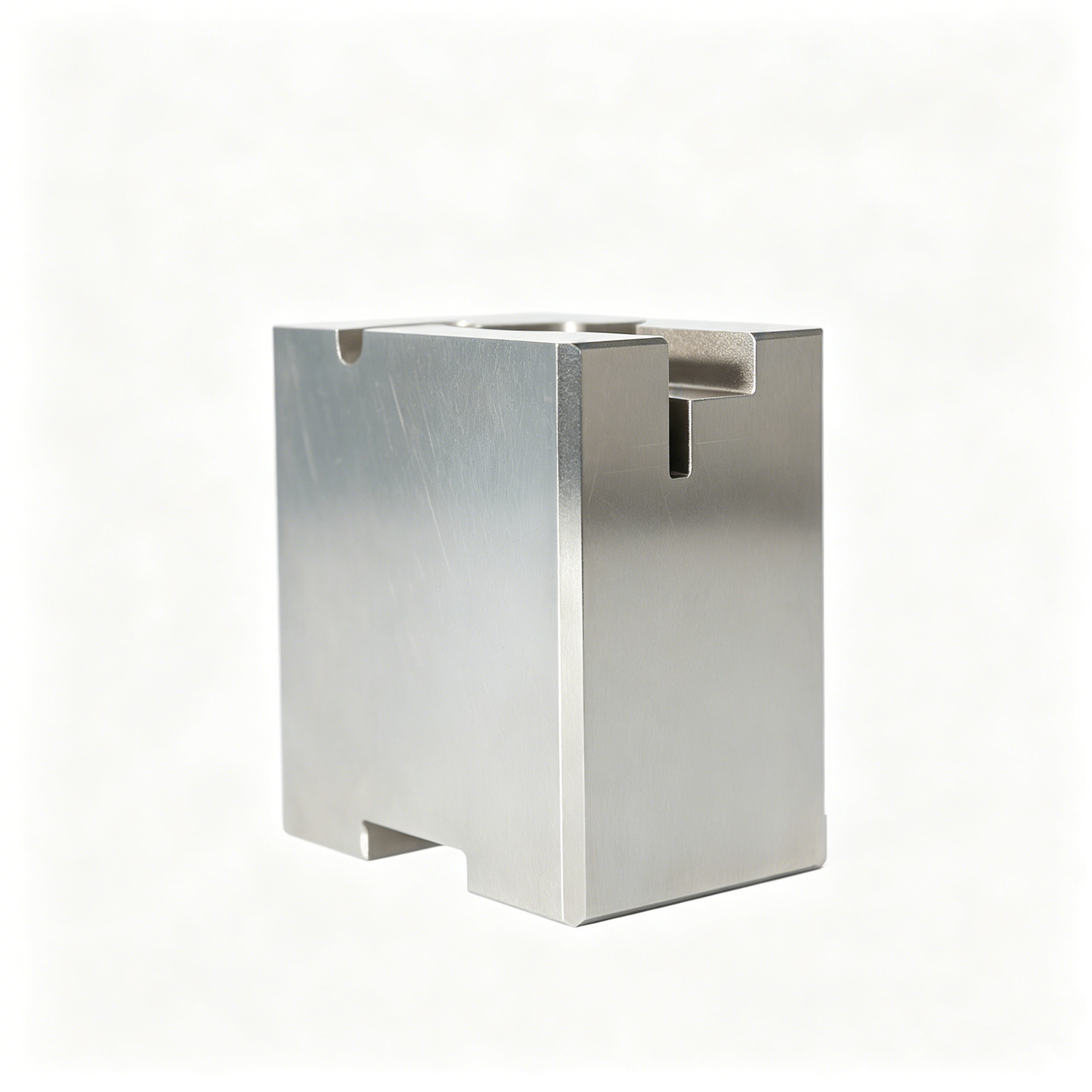
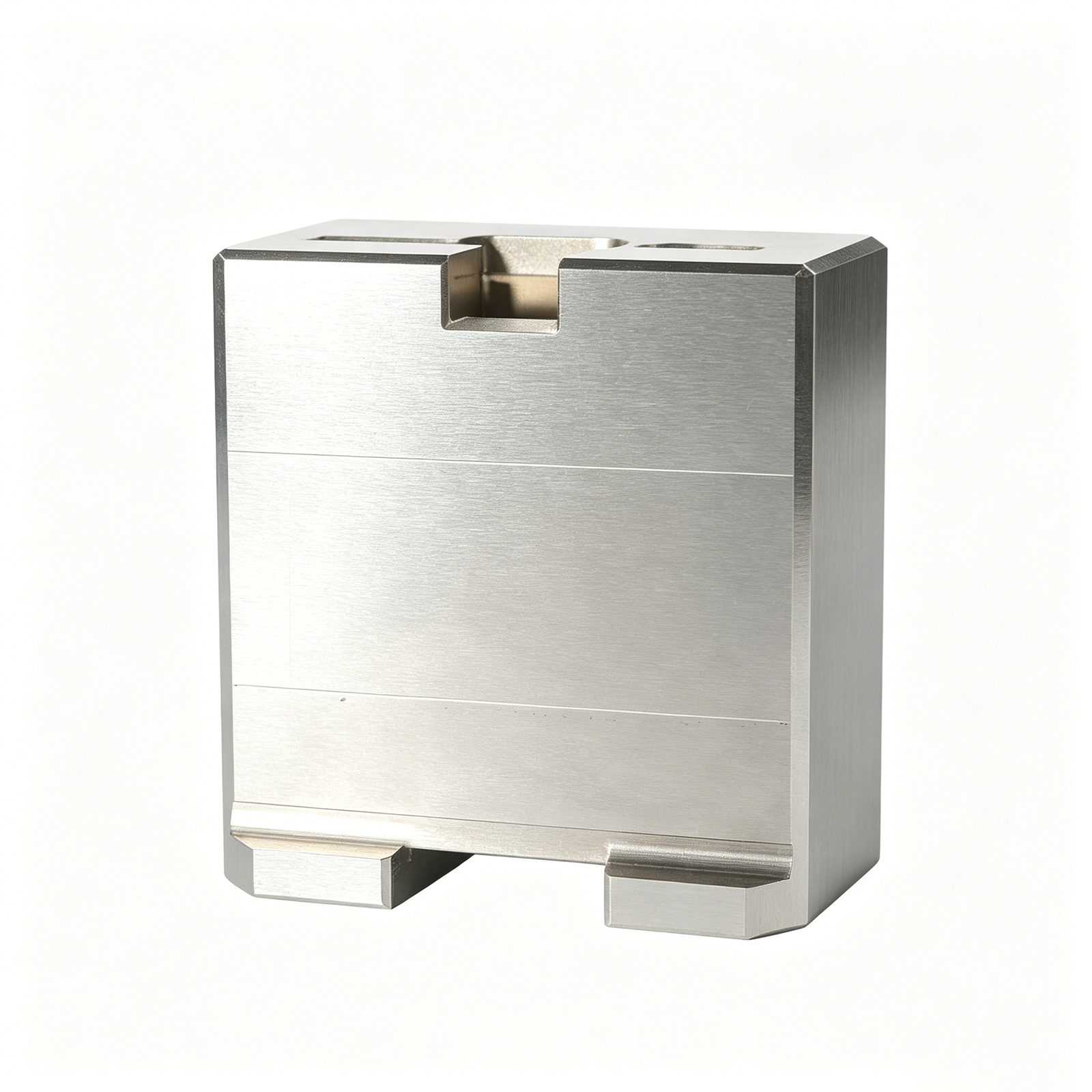
Precision Mold Components in Action
Why XUXIANG’s Capabilities Stand Out
+/-0.001 mm Machining Precision
Micron-stable accuracy verified by ZEISS MICURA CMM to 0.7um, ensuring dimensional repeatability across every production run.
Mirror-Grade EDM Surface Finish
Ra 0.1um surface integrity from Sodick slow-wire and Mitsubishi mirror EDM, eliminating secondary polishing on critical mold cores.
ZEISS & Nikon Metrology Lab
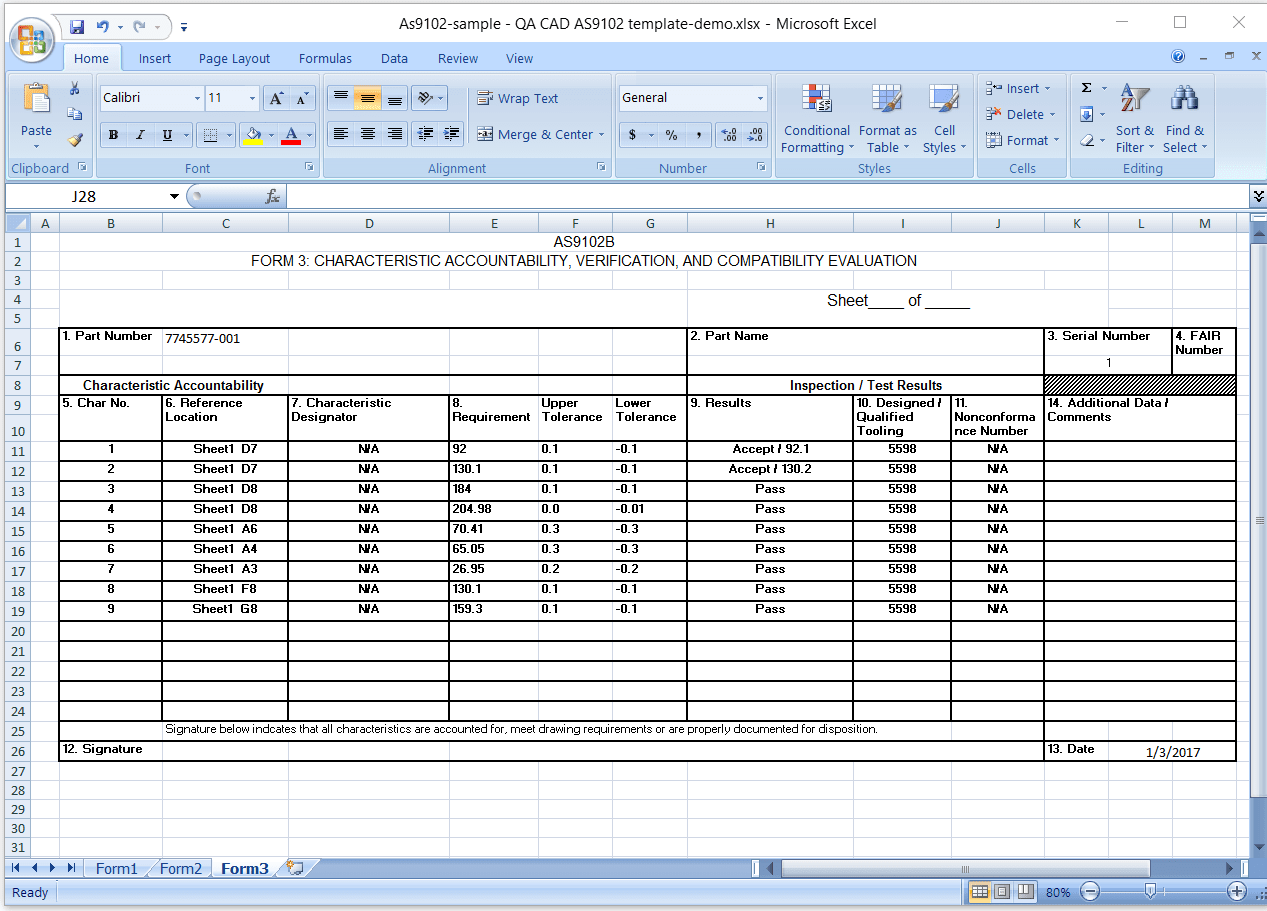
Full FAI reports with material certificates, validated through five-step QC and CMM verification on every shipment.
Dual-Factory Scale & Speed
2,000 m² Dongguan R&D hub plus 1,400 m² Quanzhou volume plant deliver 30% faster lead times than industry average.
DFM Engineering Support
10+ precision experts review every CAD file before production, catching tolerance conflicts and optimizing manufacturability upfront.
24-Hour Quote, 3-Day Samples
Rapid response system returns quotes within 24 hours, sample parts in 3–7 days, and mass production in 15–25 days—30% faster than industry average.
Precision Mold Solutions by Industry
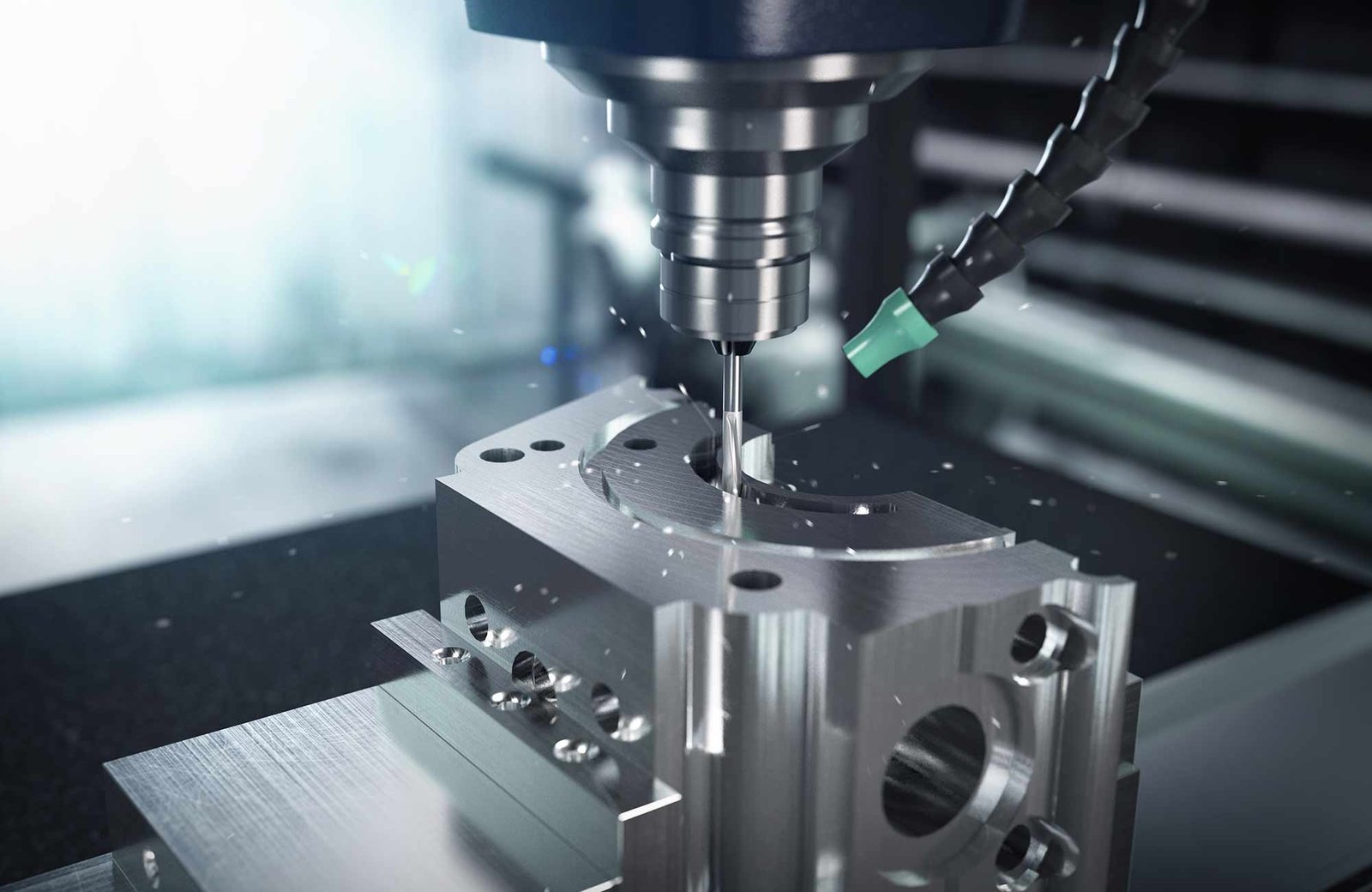
Precision CNC Machining
Multi-axis CNC milling and turning on Fanuc-class equipment for plastic mold cores, inserts, automotive sensor housings and industrial jigs. Machining accuracy to +/-0.001 mm with in-process monitoring. Material range includes tool steels, stainless alloys, aluminum and copper alloys. Full traceability and material certificates included.
Request CNC Quote
Wire EDM Services
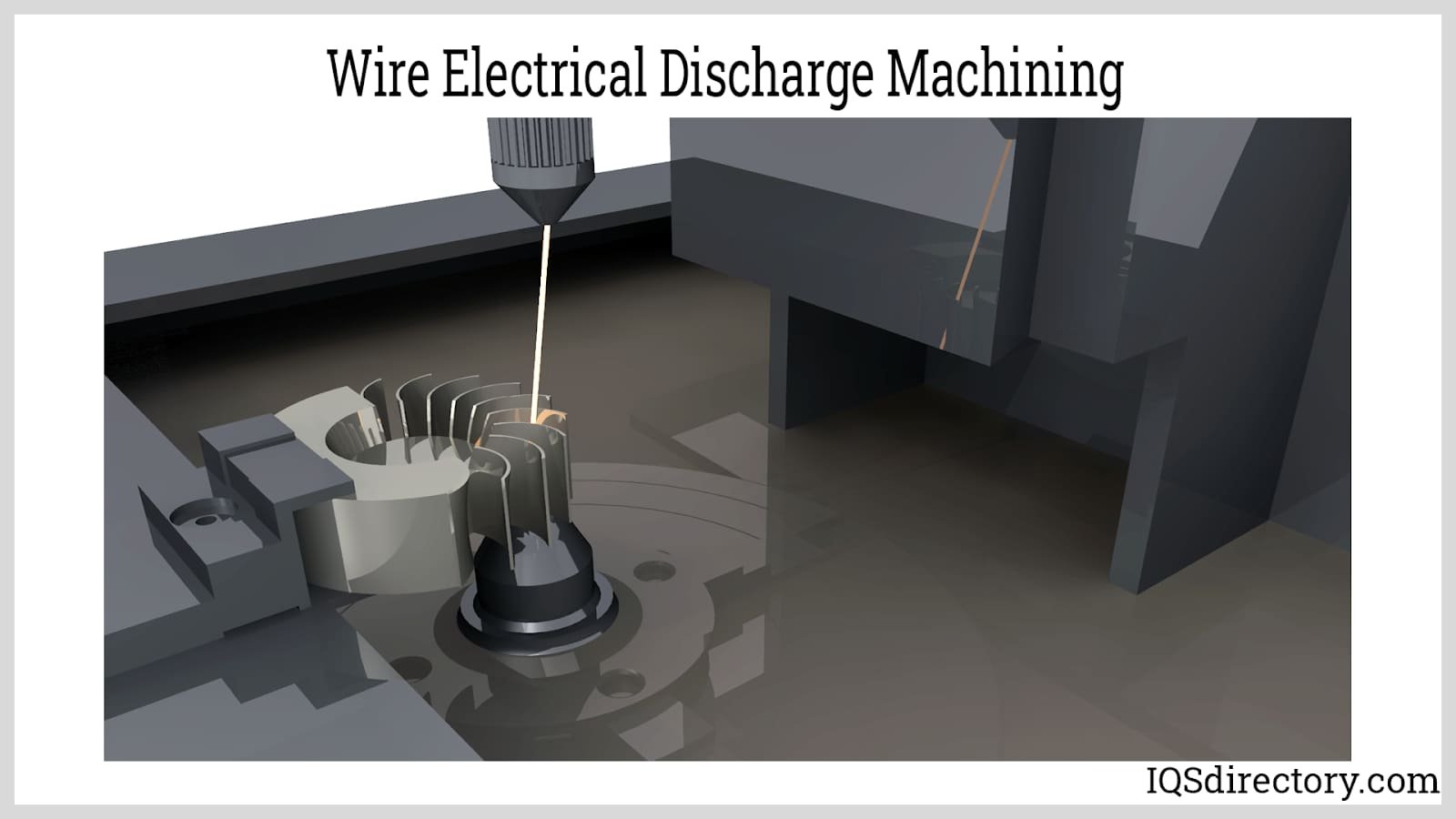
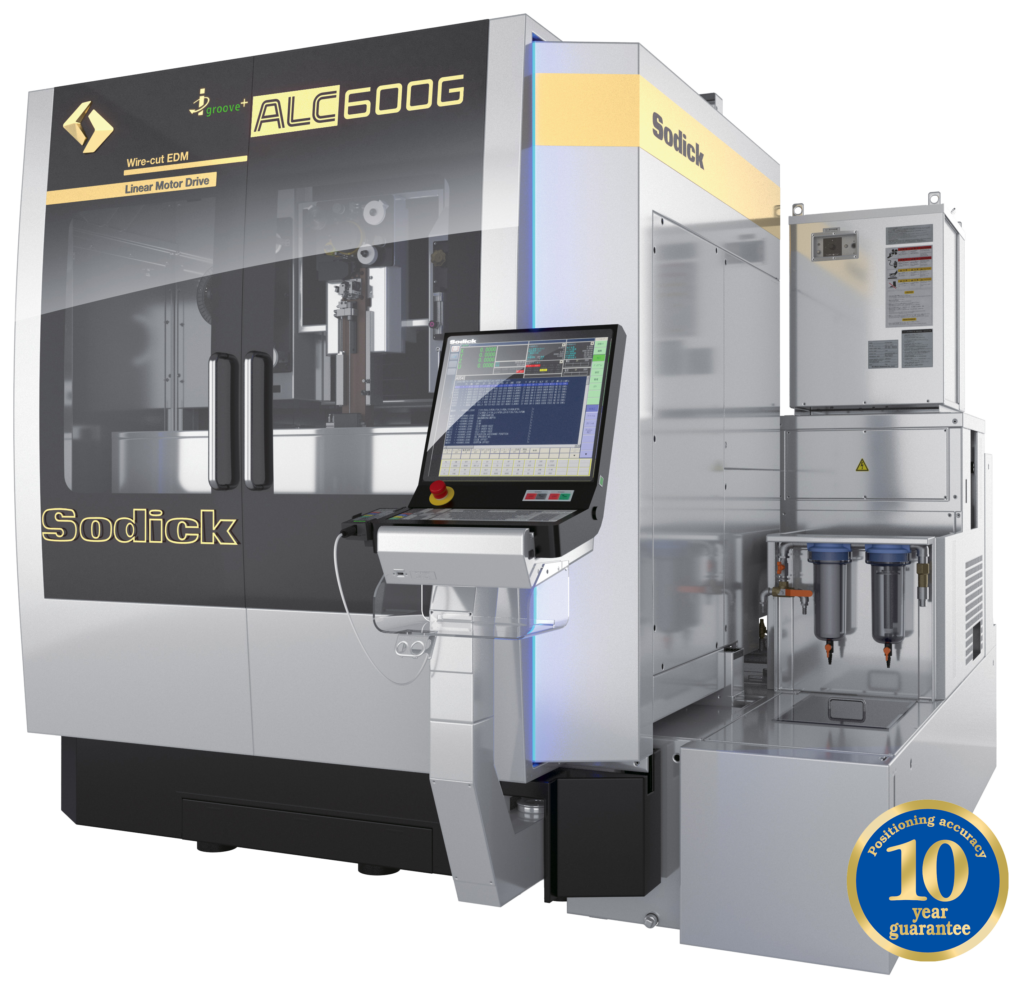
Sodick and Seibu slow-wire EDM for complex contours, micro-slots and thin-wall features in hardened tool steel. Positioning repeatability +/-0.002 mm, corner radii down to R 0.015 mm. Ideal for high-density connector tooling, multi-cavity mold inserts and tight-tolerance automotive components requiring post-heat-treat machining.
Request Wire EDM Quote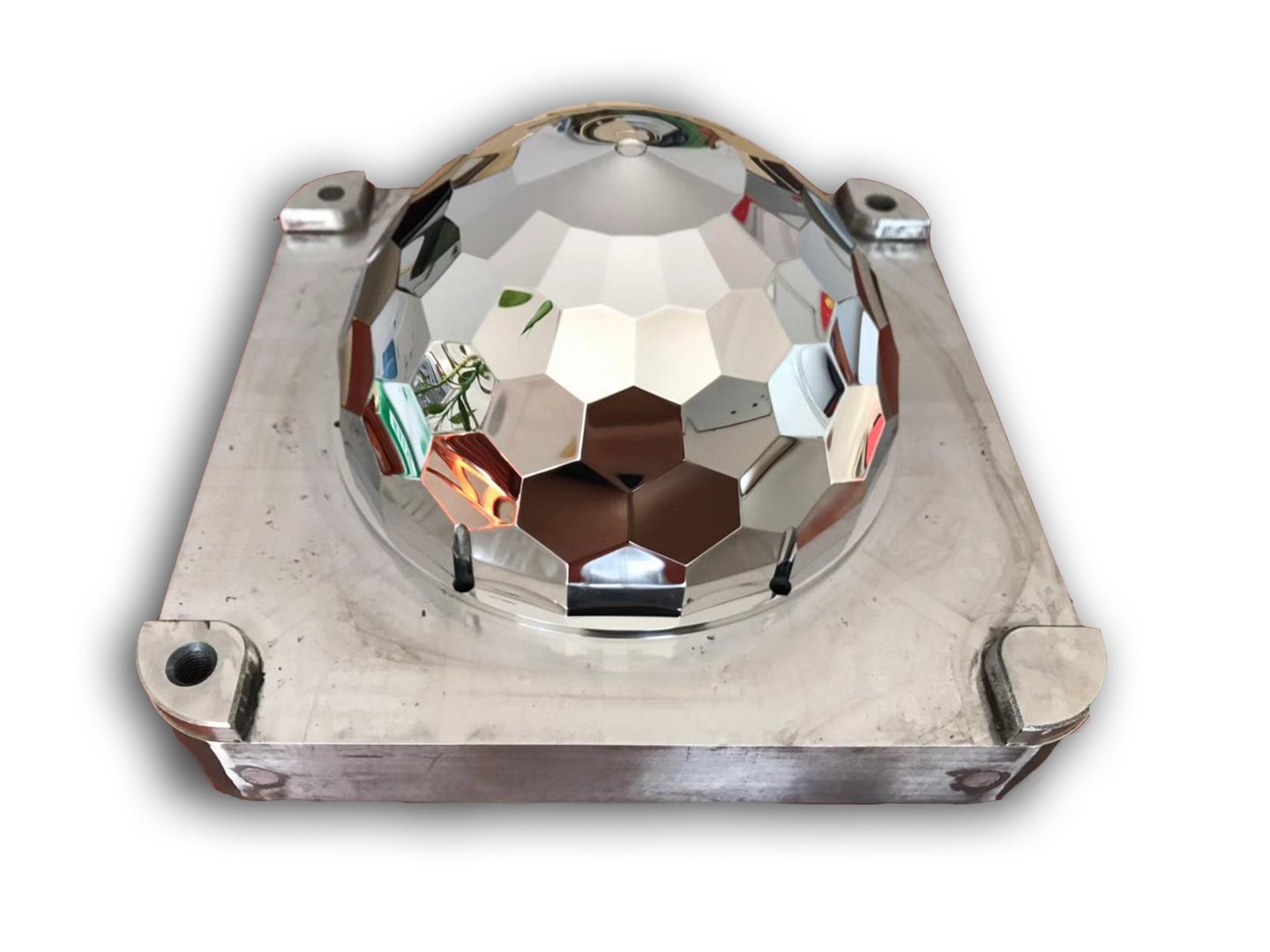
Mirror EDM Finishing
Mitsubishi mirror-grade EDM finishing to Ra 0.1 µm surface quality without secondary polishing. Eliminates hand-work variability for optical-class mold cavities, micro-connector terminal punches and cosmetic automotive interior inserts. Reduces cycle time and ensures consistent part release in high-volume injection molding.
Request Mirror EDM Quote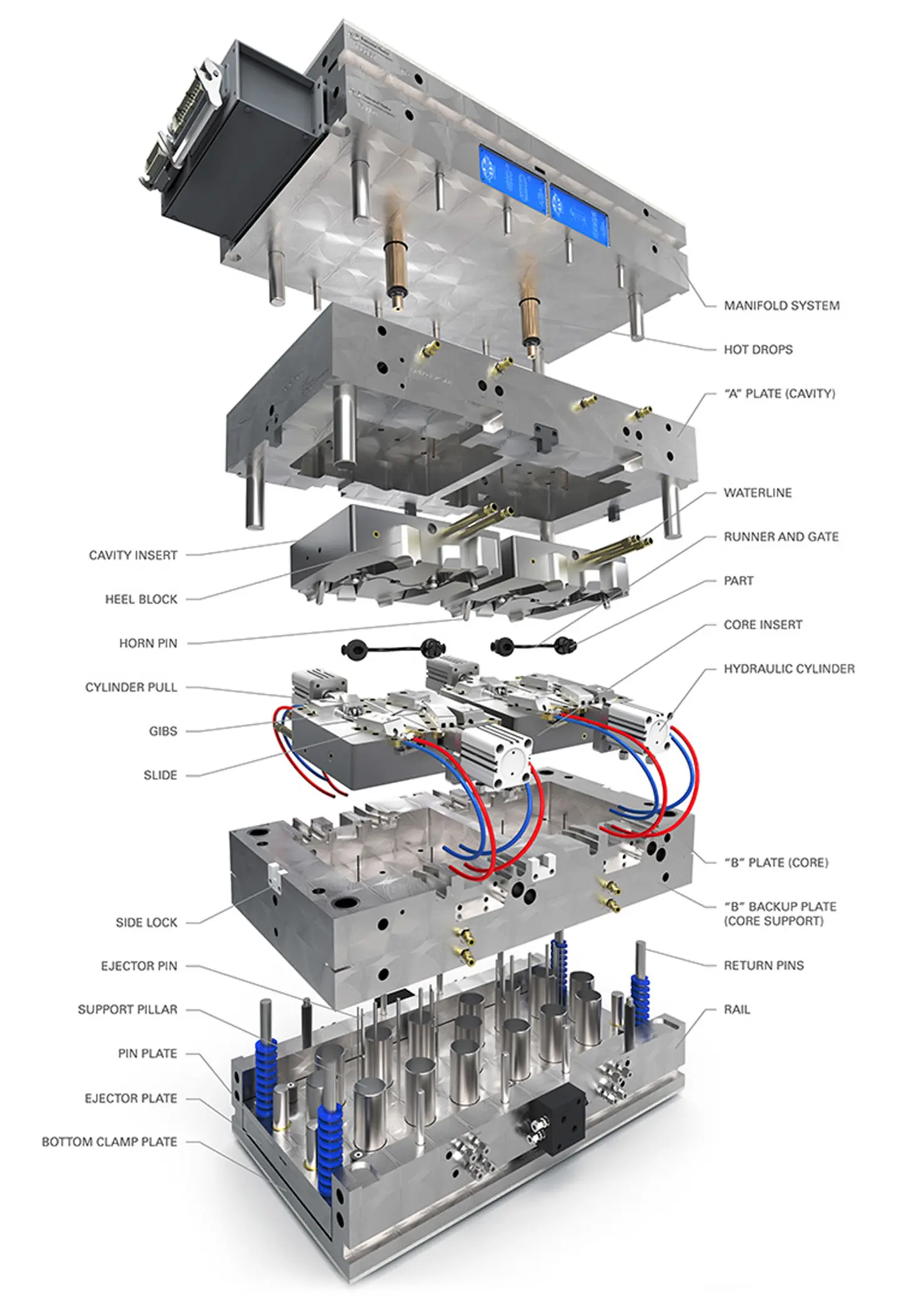
Mold Component Manufacturing
Complete plastic injection mold spare parts: core and cavity inserts, lifters, sliders, ejector pins and conformal-cooling blocks. As a leading mold spare parts manufacturer, XUXIANG designs and machines to OEM specifications with DFM feedback. Suitable for electronics housings, 5G RF shields, automotive ADAS brackets and medical-device enclosures. ISO 9001:2015 process control throughout.
Get a Quote
Micro-Connector Tooling
Precision tooling for board-to-board connector mold components, FPC, RF and industrial micro-connectors in 5G, mobile and automotive applications. Thin-wall micro-pin and socket cavities, high-density terminal punches and insert tooling machined to +/-0.002 mm. Validated on ZEISS MICURA CMM. Supports pitch down to 0.35 mm and below.
Get a Quote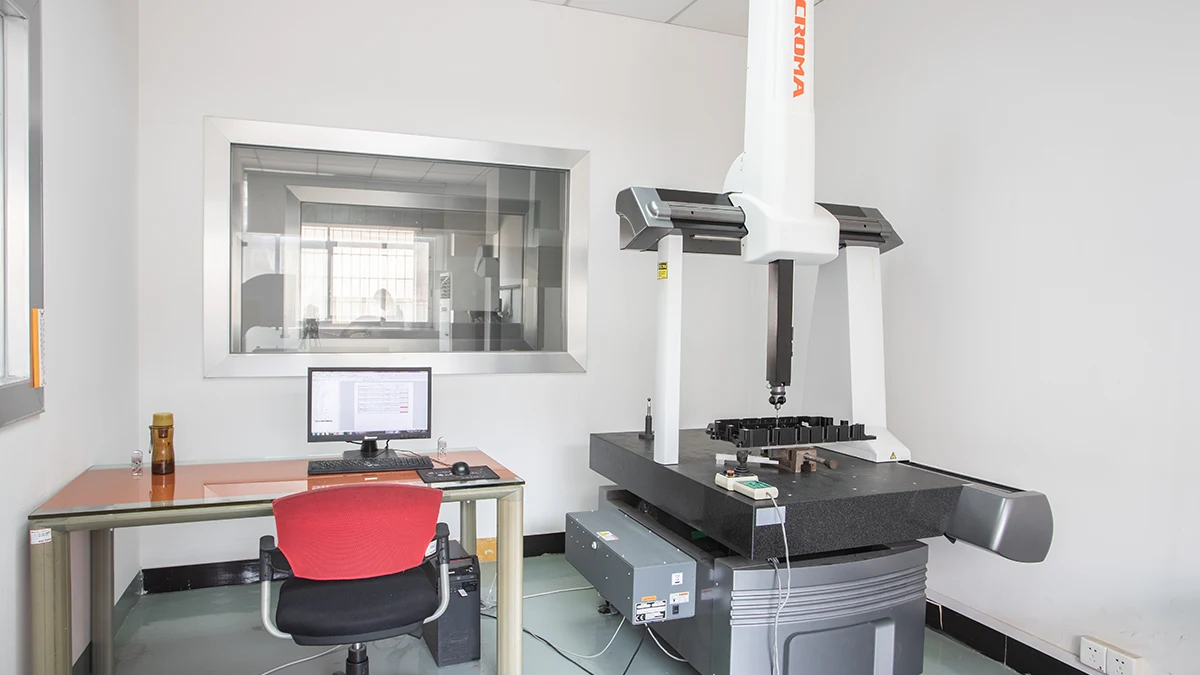
CMM Inspection Services
ZEISS MICURA coordinate measuring machine with 0.7 µm resolution, supplemented by Nikon toolmaker’s microscopes for profile and surface verification. Full first-article inspection reports, GD&T compliance checks and material spectral analysis. Every shipment includes dimensional data, certificates and photographic documentation.
Get a Quote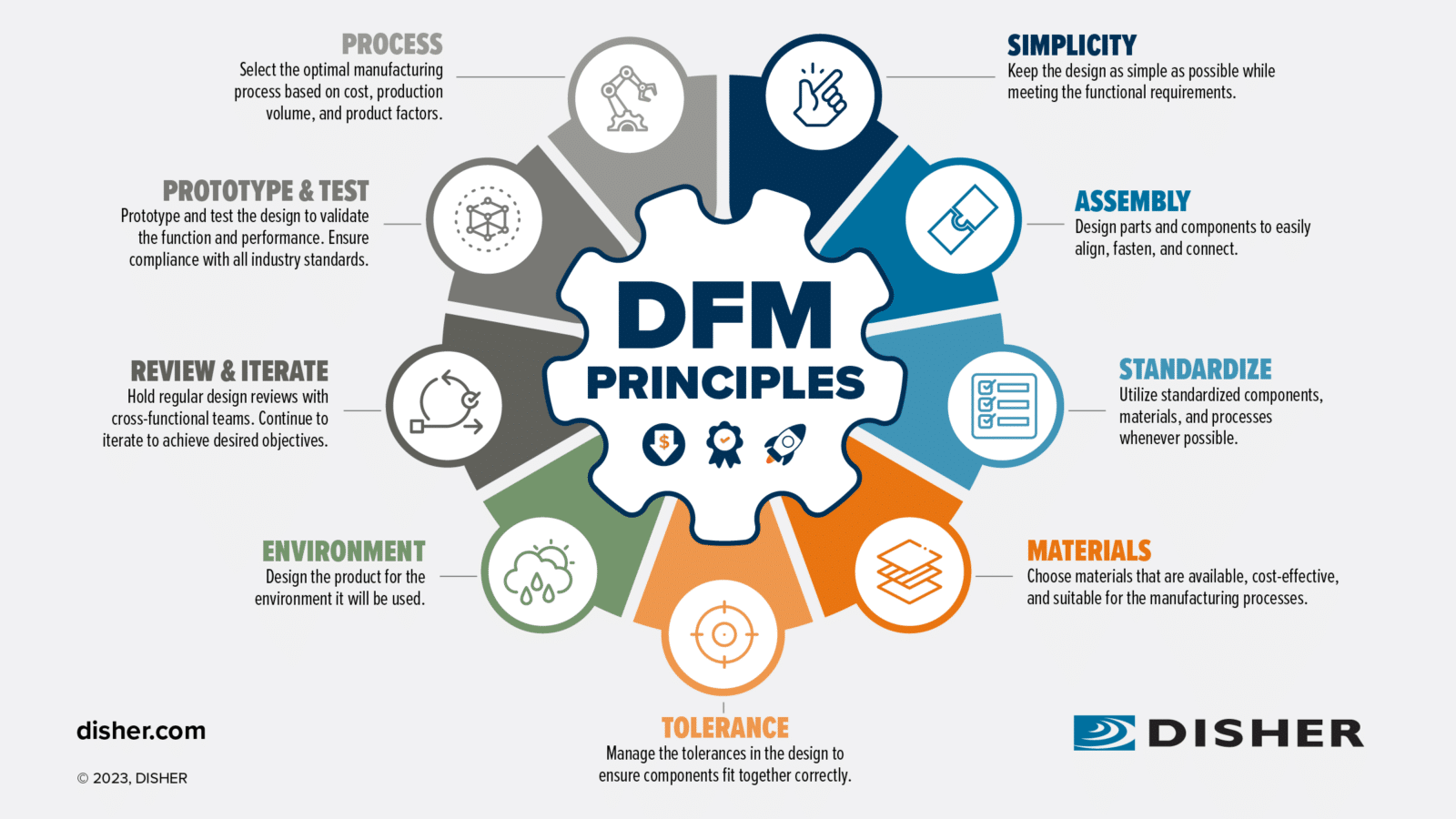
DFM Engineering Support
Pre-production design review by a team of 10+ mold and machining engineers. DFM analysis covers draft angles, wall thickness, gate location, ejection strategy and tolerance stack-up. Recommendations provided within 24 hours of drawing submission to prevent costly revisions, reduce lead time and ensure first-run success.
Get a Quote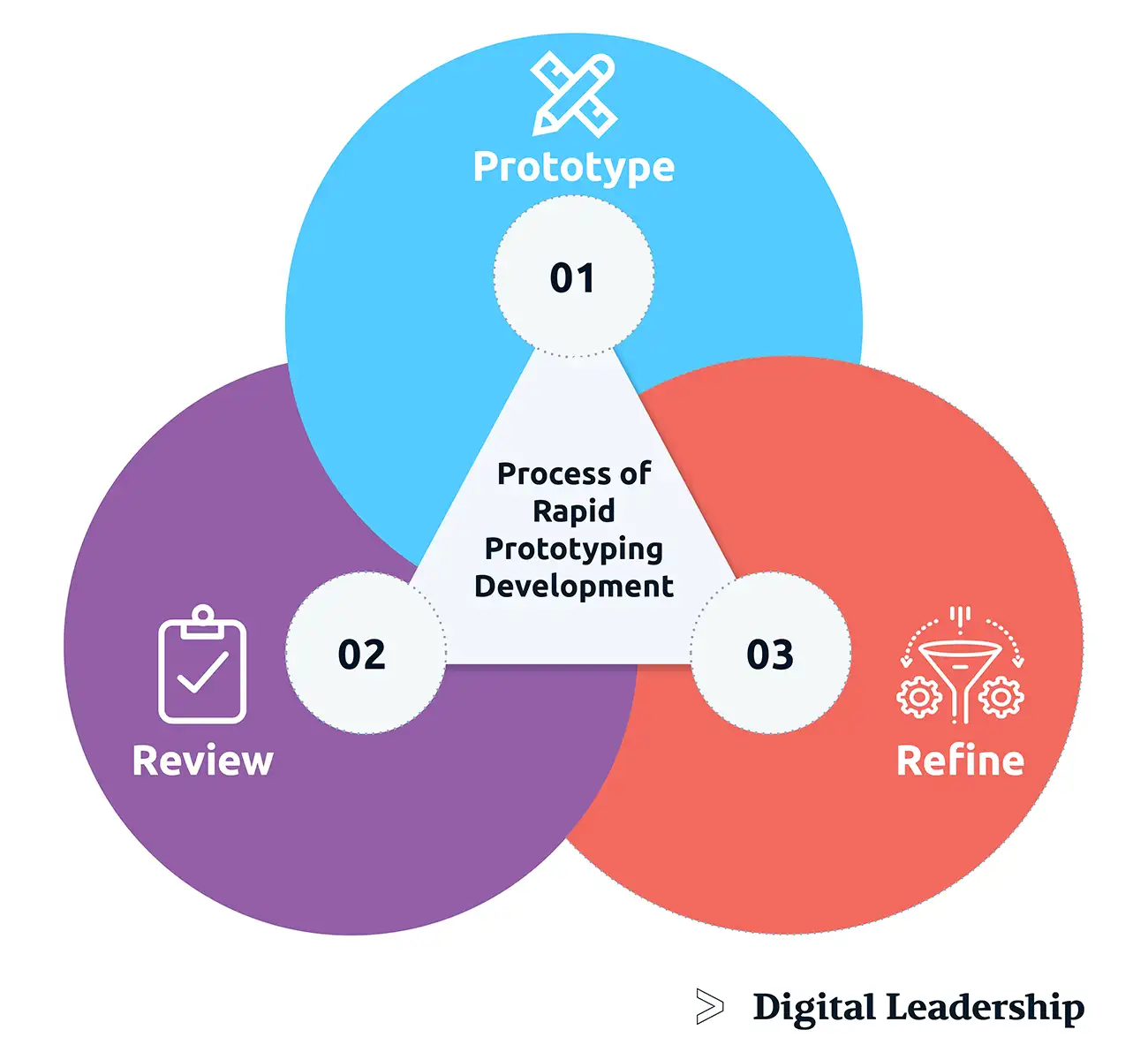
Rapid Prototyping
Fast-turn sampling in 3–7 days for design validation, fit checks and functional testing. CNC, wire EDM and mirror EDM capabilities enable complex geometries in production-grade tool steel. Ideal for new-product introduction in electronics, automotive sensor modules and industrial automation. Full inspection data provided with every prototype.
Get a Quote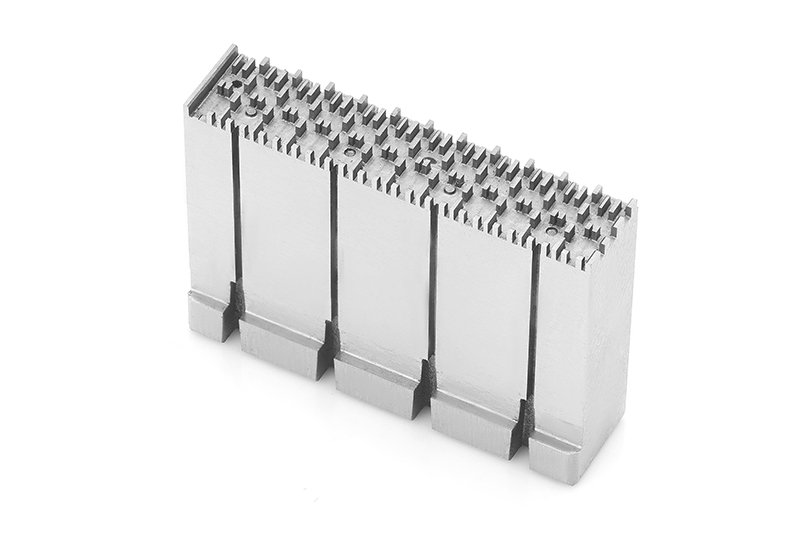
Volume Production Services
Scalable batch production from 100 to 10,000+ pieces with the 2025 Quanzhou facility expansion adding 1,400 m² and +200% output capacity. Lead time 15–25 days for series orders. Consistent +/-0.001 mm tolerance across production runs, backed by in-process CMM sampling, SPC and final FAI documentation for traceability.
Get a QuoteMaterials We Machine & Mold to Precision Capabilities
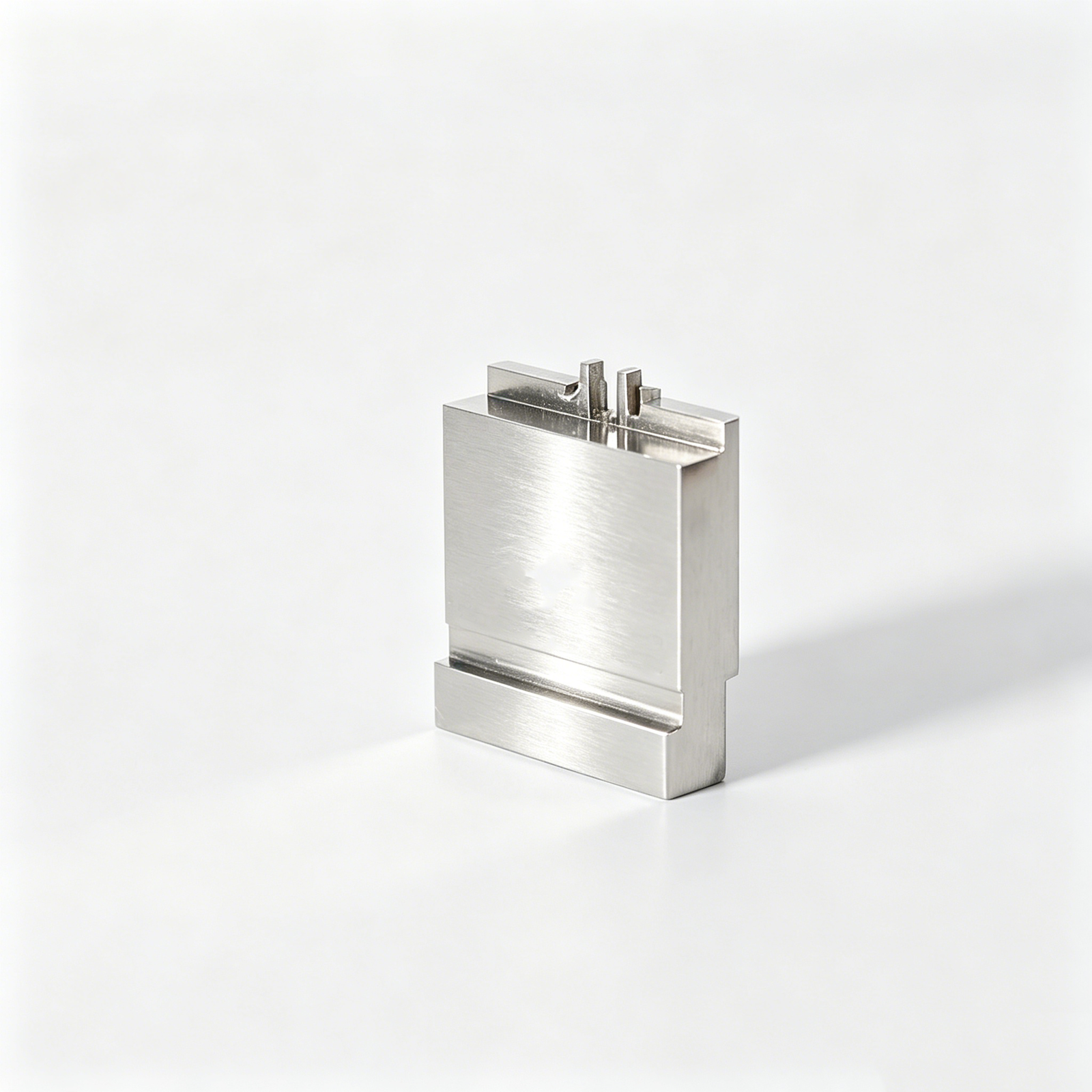
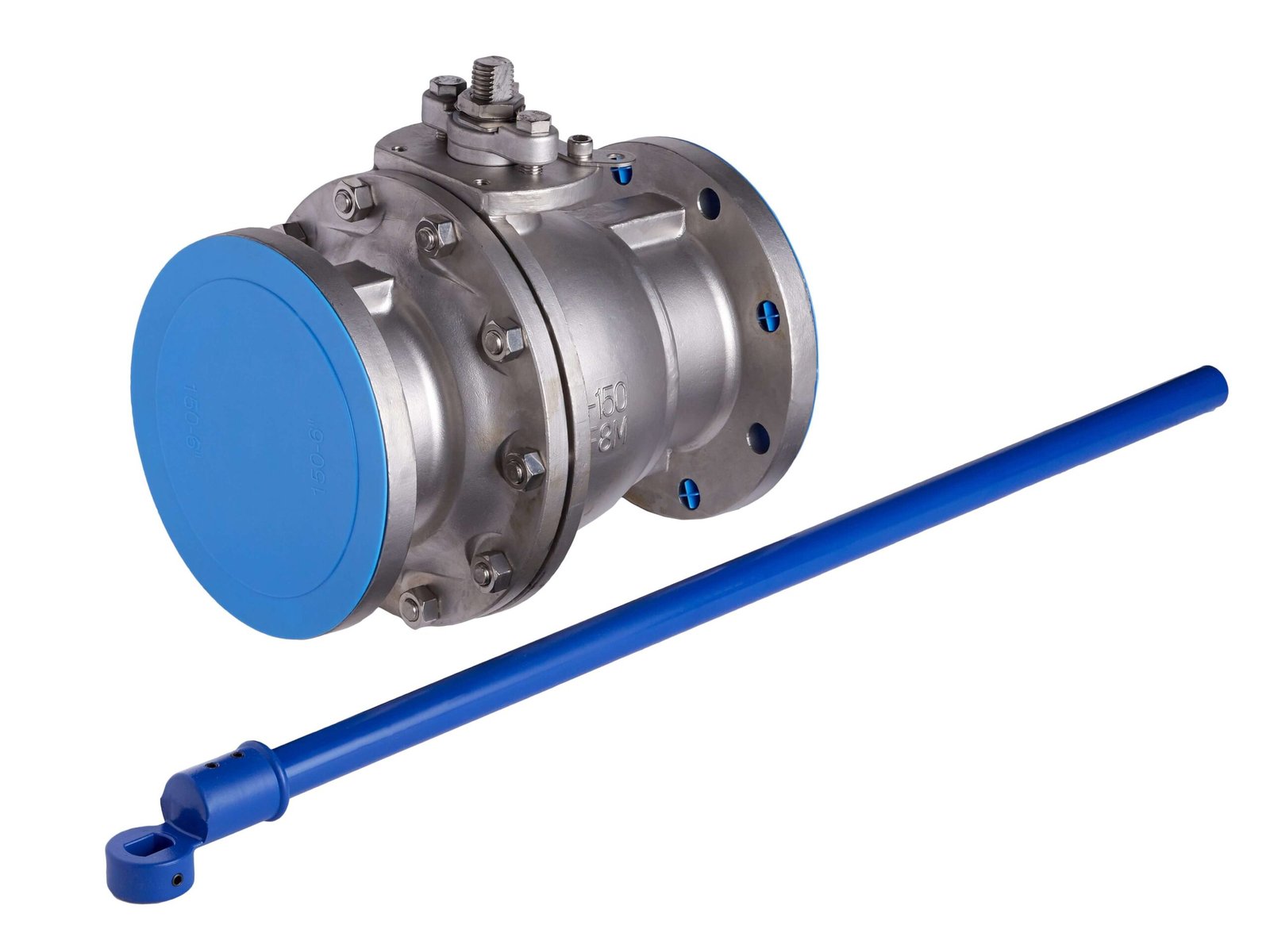
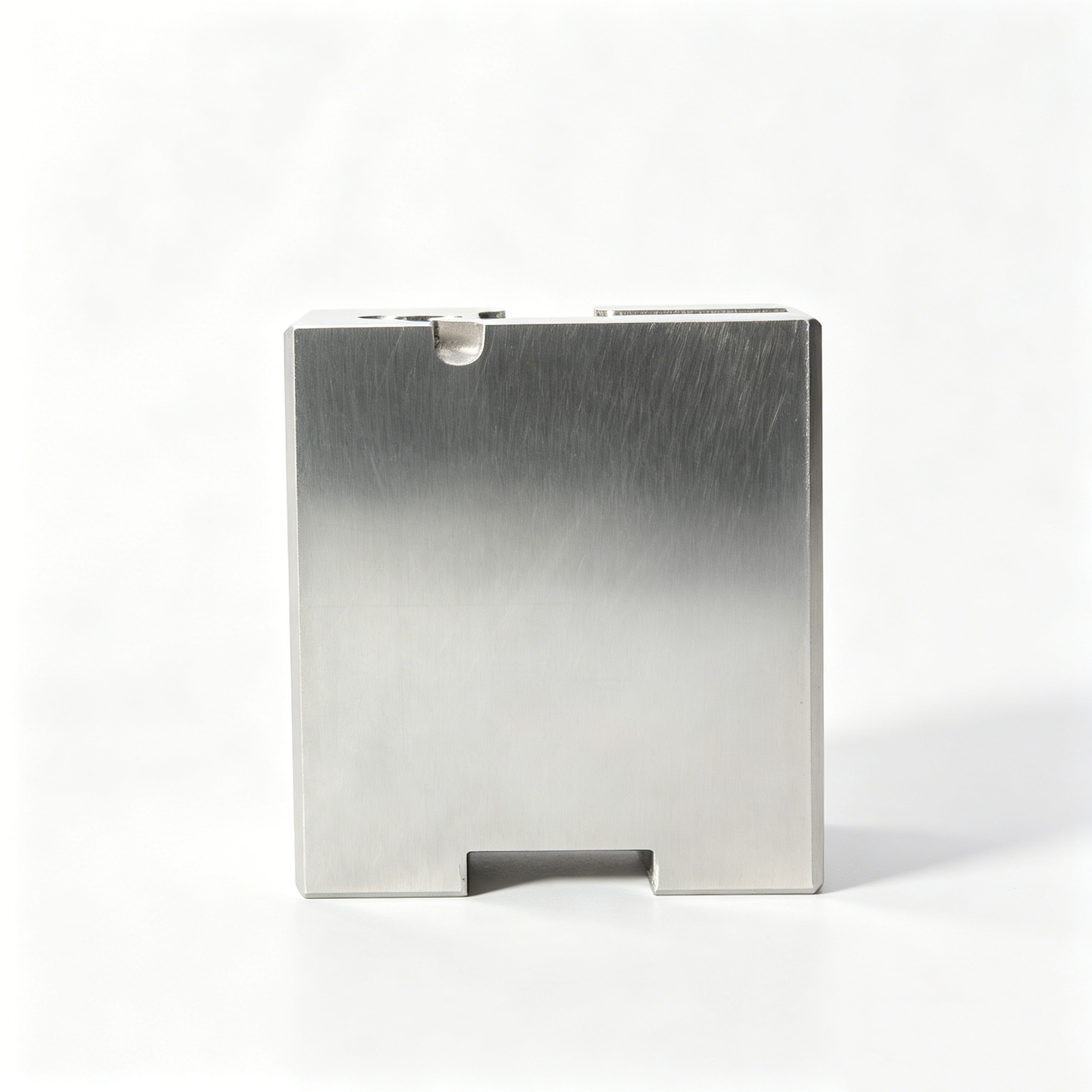
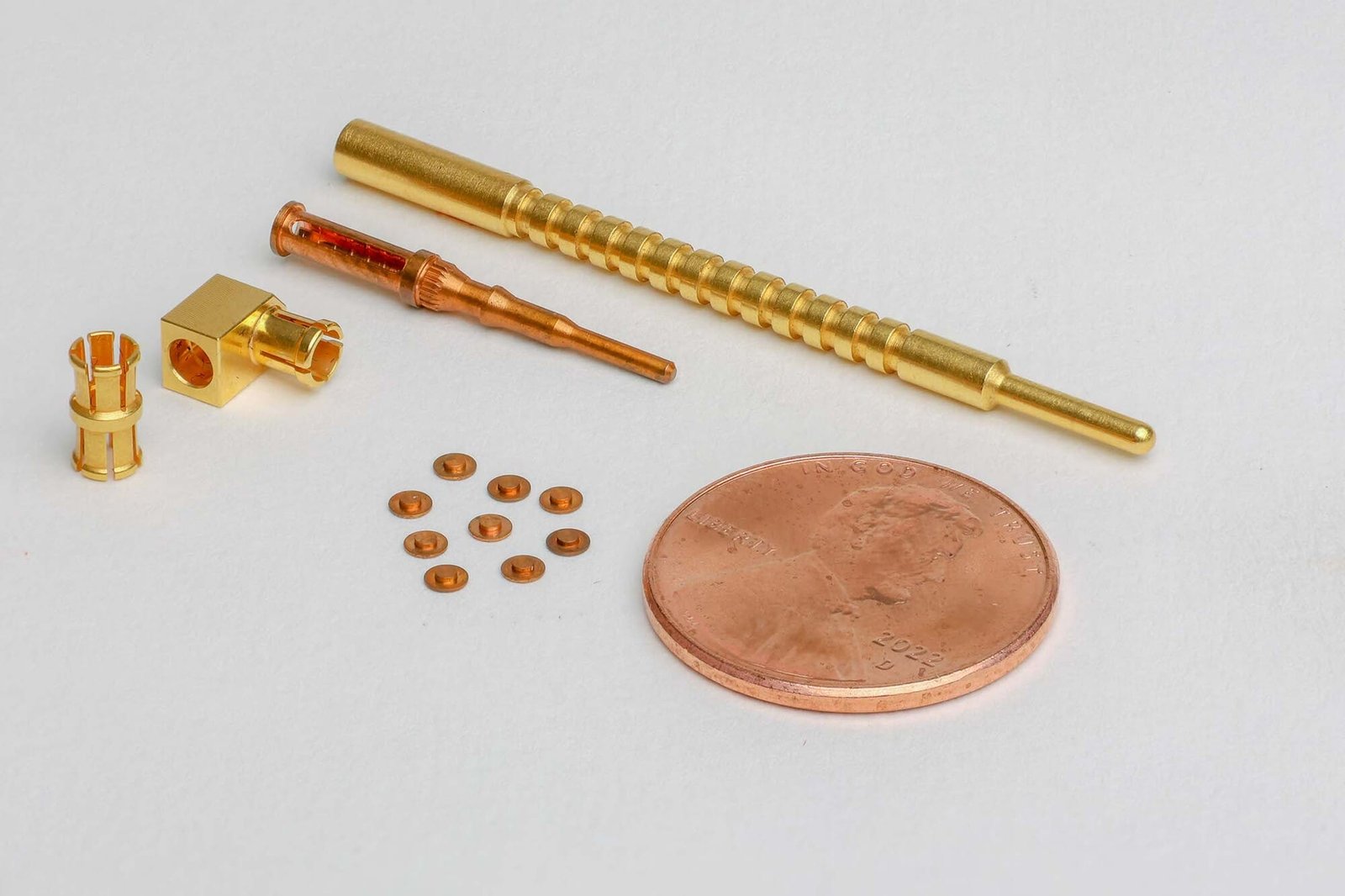
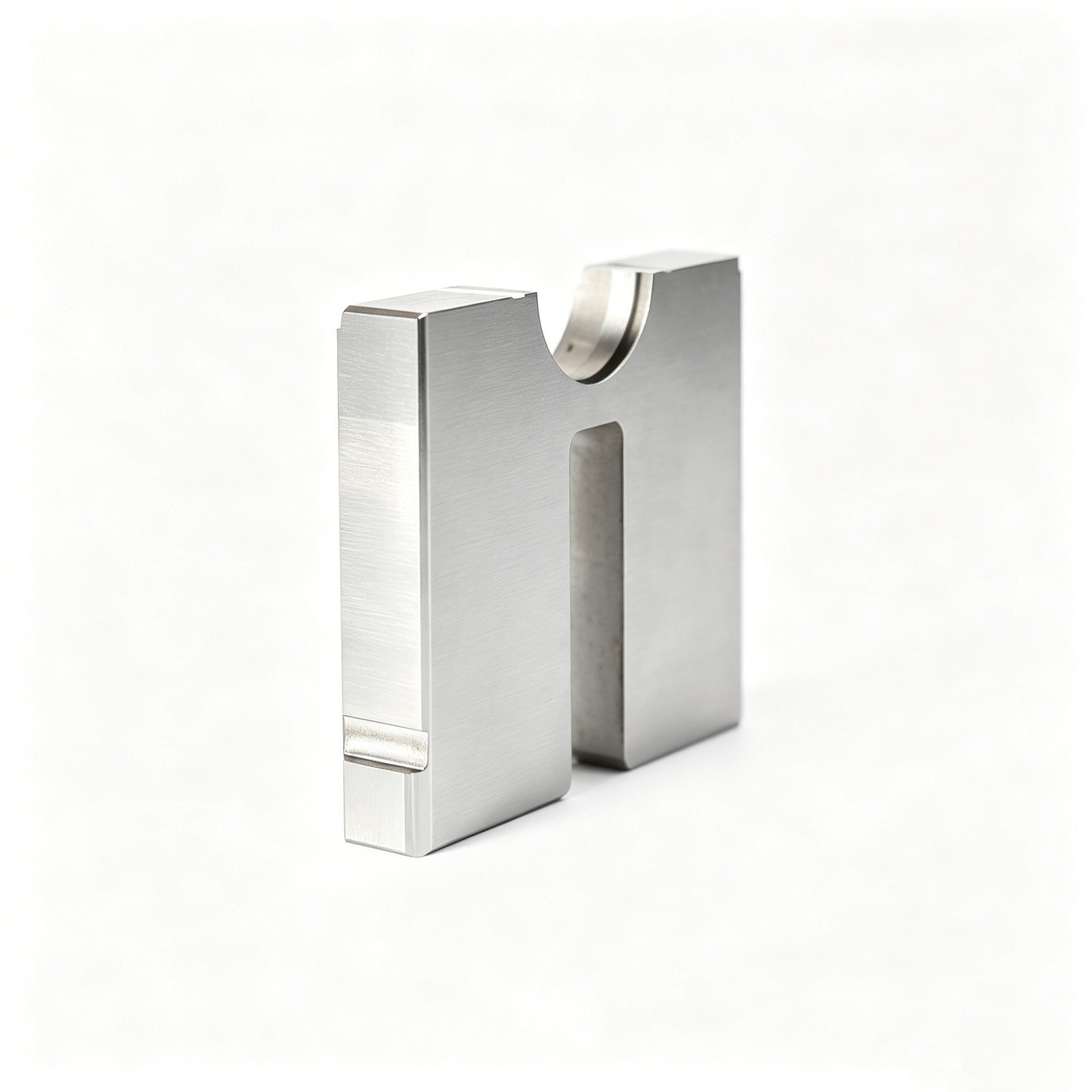
Advanced Machining & EDM Capabilities
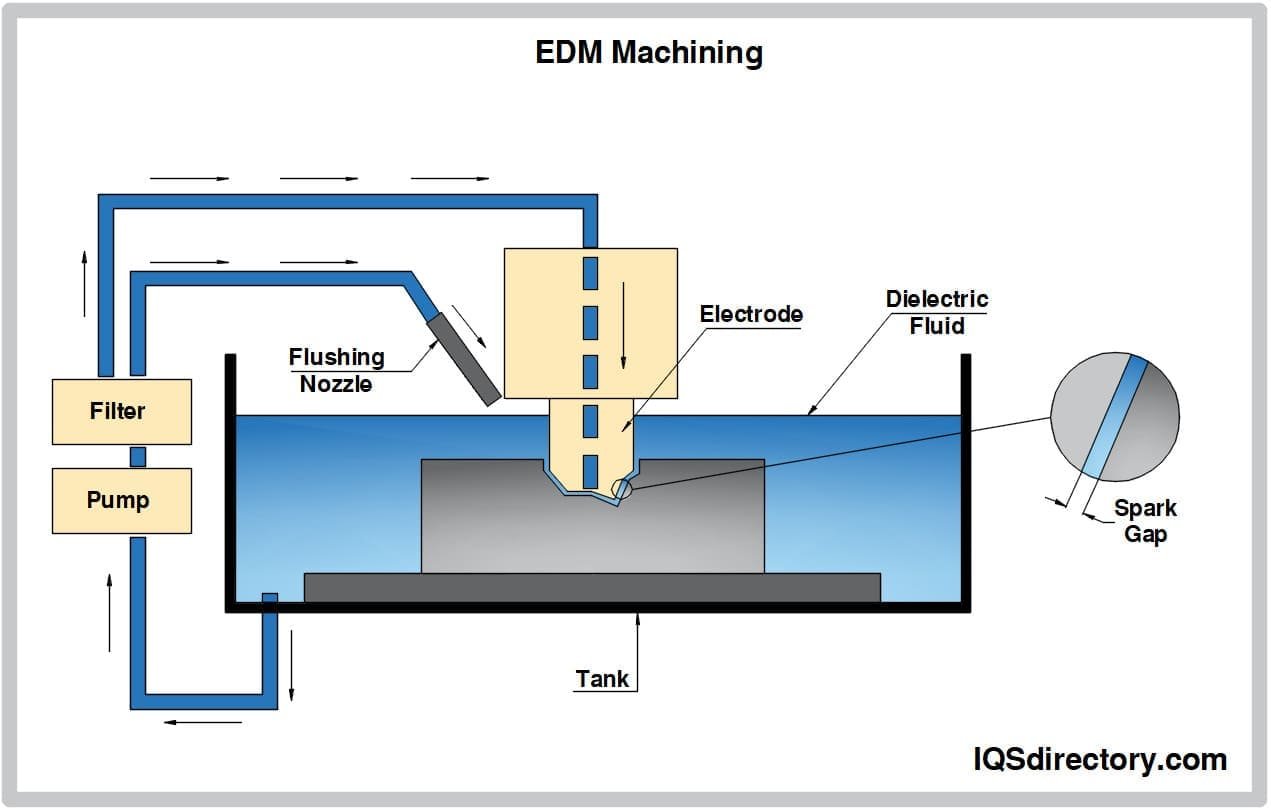
Sinker EDM
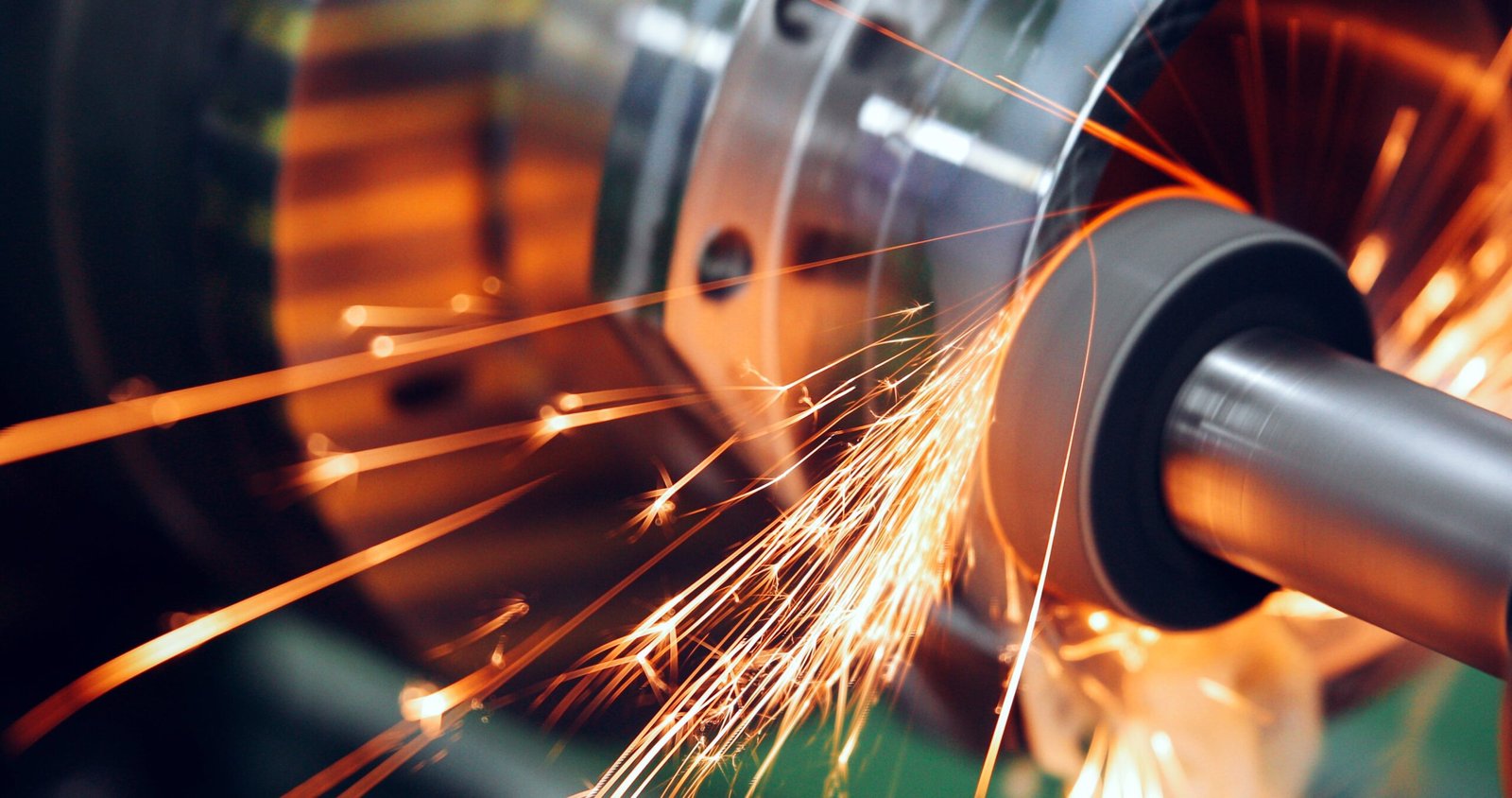
Sodick, Charmilles and Mitsubishi mirror-EDM platforms achieve Ra 0.1 µm surface finishes and +/-0.003 mm tolerance, producing complex cavity textures, deep ribs and conformal cooling channels without tool-path marks.
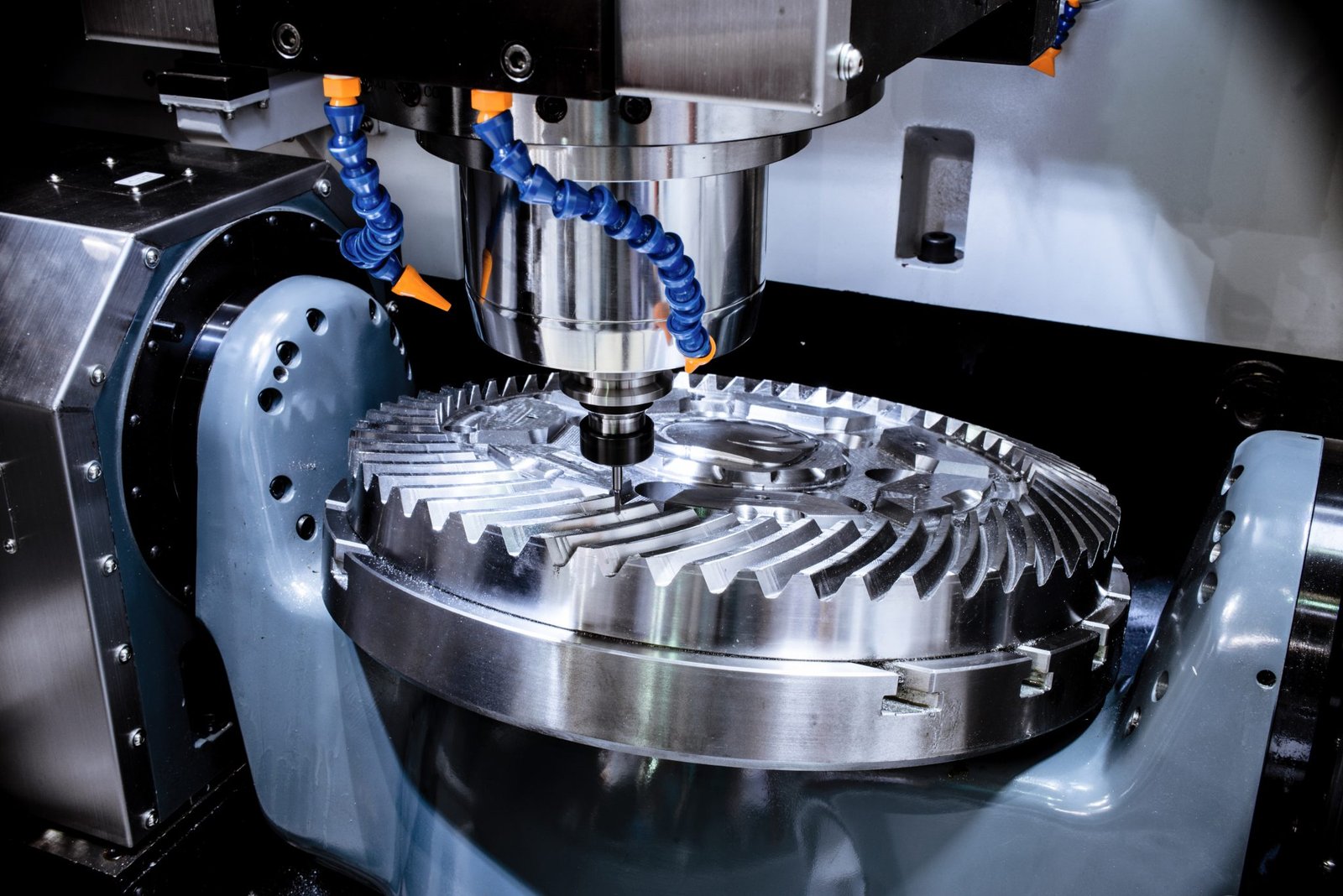
CMM Metrology
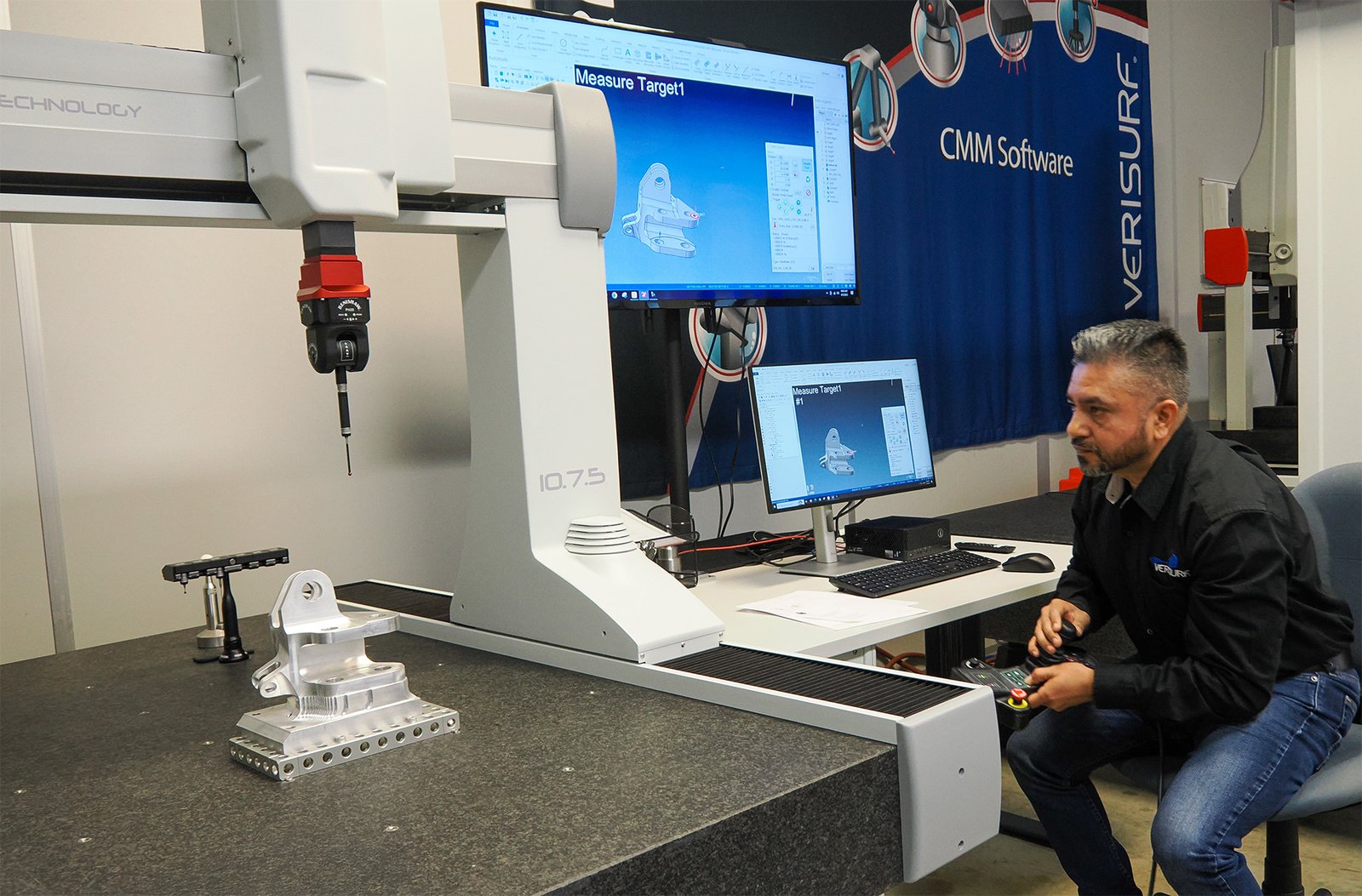
ZEISS MICURA coordinate measuring machine with 0.7 µm resolution and Nikon toolmaker’s microscopes validate every critical dimension, profile and surface finish, generating full FAI reports and material certificates for traceability and compliance.
Finishing & Assembly Capabilities
Mirror Polishing
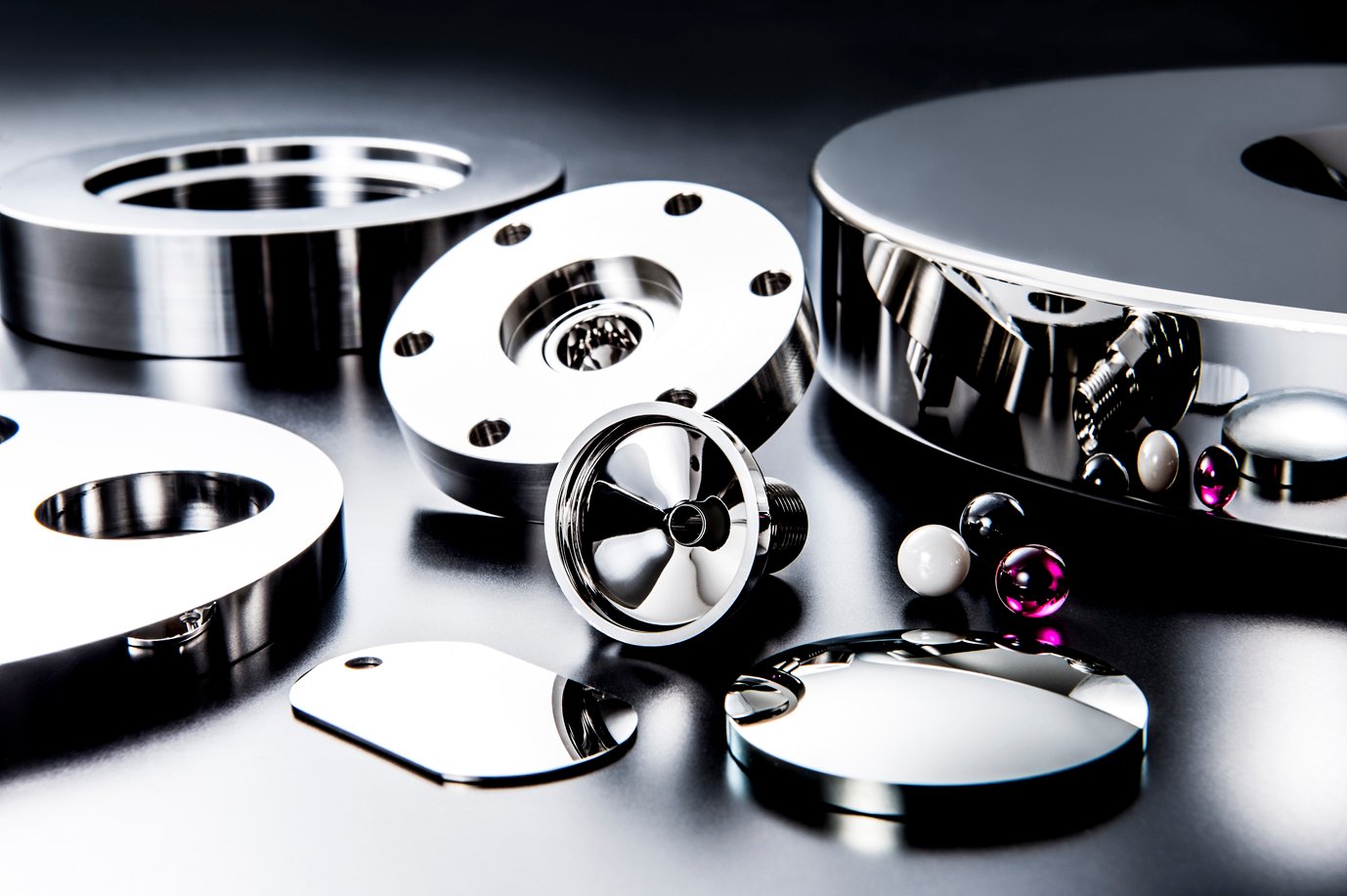
Achieve Ra 0.1 µm mirror-grade surface finishes on mold cavities and cores using Mitsubishi mirror EDM and hand-polishing expertise. Essential for optical lenses, transparent housings and high-gloss cosmetic parts where surface defects cannot be tolerated.
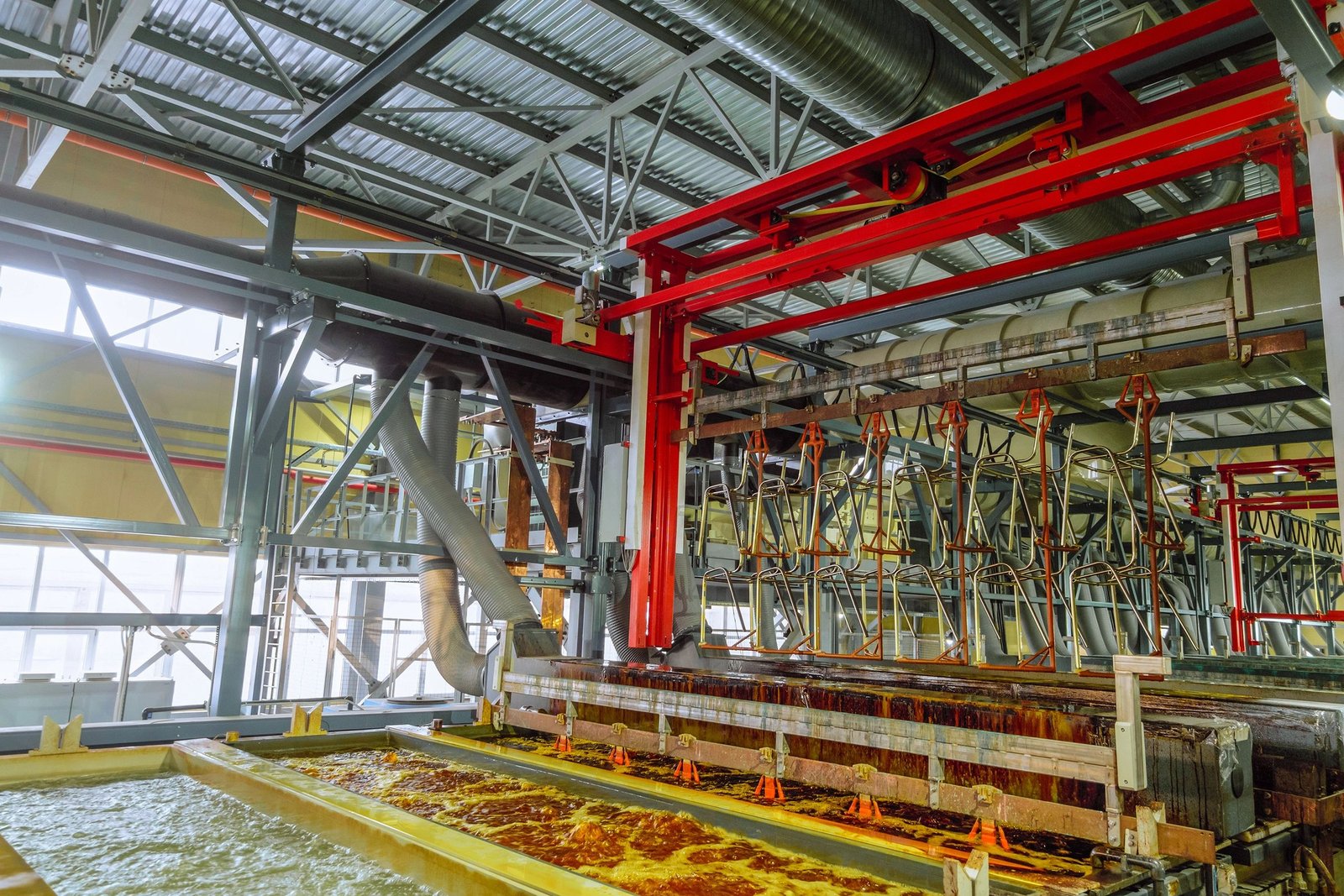
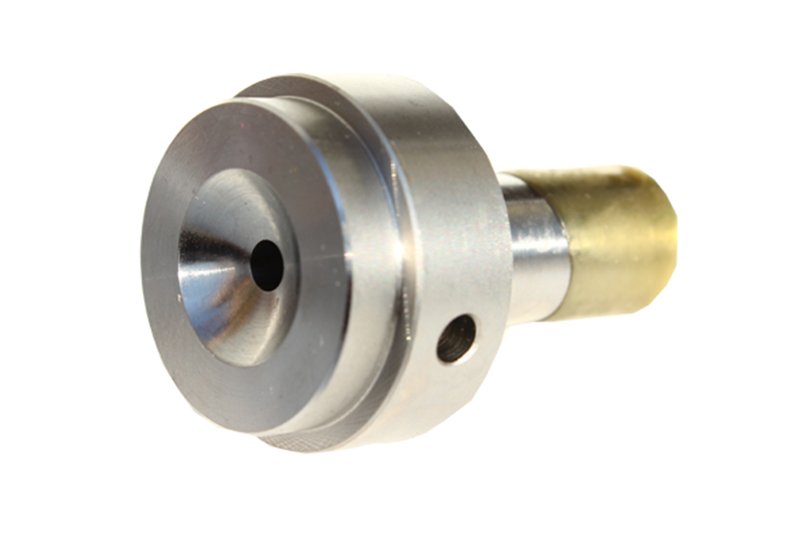
Heat Treatment
Vacuum hardening, nitriding and stress-relief annealing stabilize dimensional accuracy and boost wear resistance in tool steels like NAK80, S136 and H13. In-house partnerships ensure hardness verification and minimal distortion post-treatment.
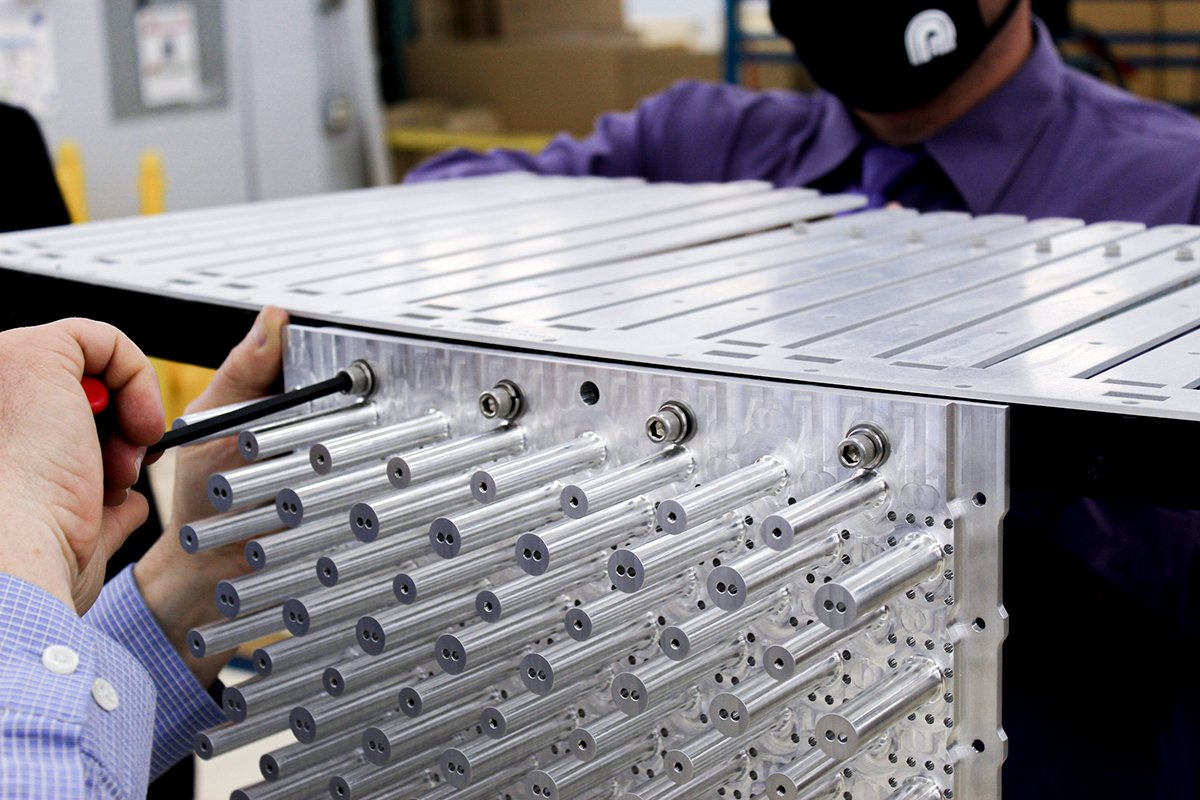
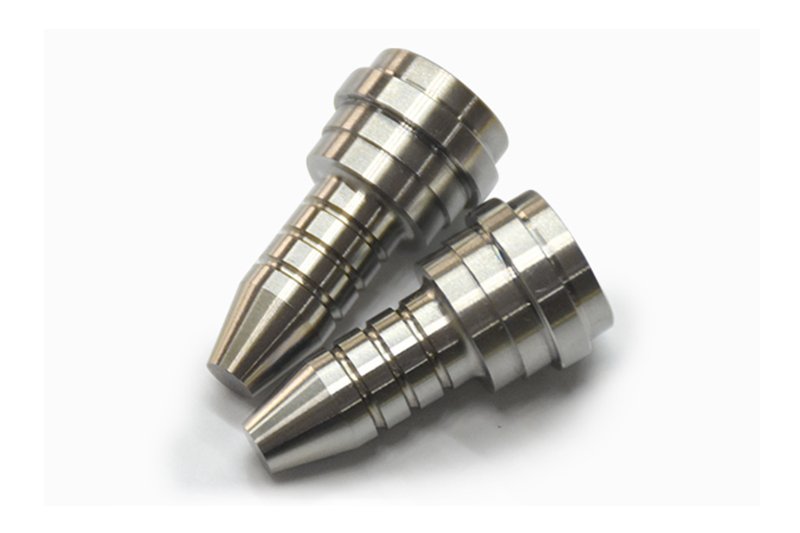
Functional Testing
Pre-shipment validation includes fit checks, ejection trials and dimensional stability under simulated molding conditions. Every assembly is documented with FAI reports, CMM data and high-resolution photography to confirm readiness for production tooling.
About XUXIANG: 16 Years of Precision Capabilities
Founded in 2010 in Dongguan’s Chang’an manufacturing hub, XUXIANG was built to solve the two biggest pain points in precision tooling: tolerance failure and delivery delay. Over 16 years, we evolved from a specialist mold-core machining shop into a dual-factory precision manufacturing group, bridging the gap between complex CAD designs and high-performance physical parts for electronics, 5G, automotive, industrial-automation and medical-device customers worldwide.
Our mission is micron-stable precision at production speed. With over CNY 8 million invested in Sodick slow-wire EDM, Mitsubishi mirror EDM, Fanuc CNC and a ZEISS MICURA CMM measuring to 0.7um, we hold +/-0.001 mm machining accuracy and Ra 0.1um surface finishes. Every project receives DFM feedback from 10+ engineering experts, full FAI documentation, and material certificates—ensuring your parts arrive right the first time.
In 2025, XUXIANG expanded with a 1,400 m² Quanzhou facility, lifting annual output by 200% while maintaining ISO 9001:2015 quality across both sites. Our Dongguan R&D center handles micro-machining and prototyping; Quanzhou drives volume production. This dual-site capability delivers samples in 3–7 days, mass production in 15–25 days, and quotes within 24 hours—roughly 30% faster than industry average.
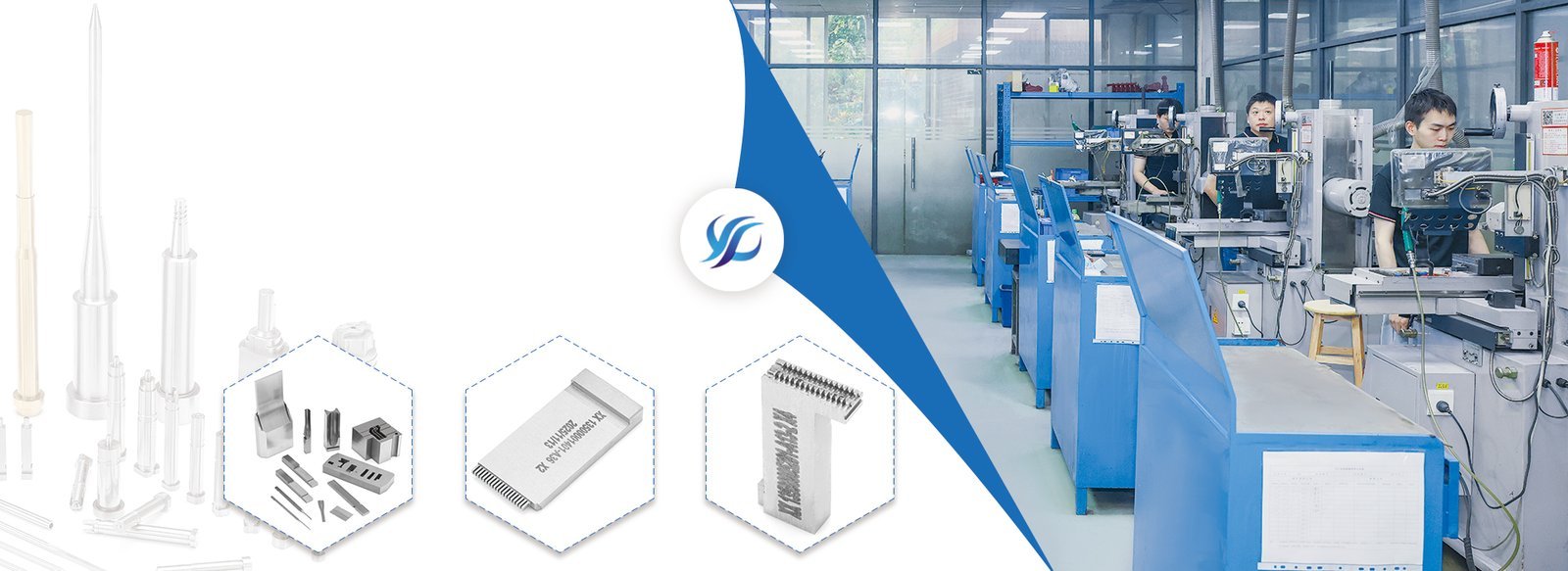
Core Precision Capabilities That Define XUXIANG
Micron-Stable Tolerance & Metrology Capability
XUXIANG achieves +/-0.001 mm machining accuracy through ZEISS MICURA CMM metrology (0.7um resolution), Nikon toolmaker’s microscopes and in-process monitoring. Every dimension is verified, not estimated—ensuring your mold components fit, function and repeat across production runs.
- ZEISS MICURA CMM measuring to 0.7um, backed by Nikon V-12B / MM-400 class toolmaker's microscopes
- +/-0.002 mm slow-wire EDM positioning, +/-0.003 mm sinker EDM tolerance class
- Five-step QC flow: material spectral analysis, in-process monitoring, CMM verification, surface integrity, FAI documentation
- Full dimensional reports and material certificates with every shipment
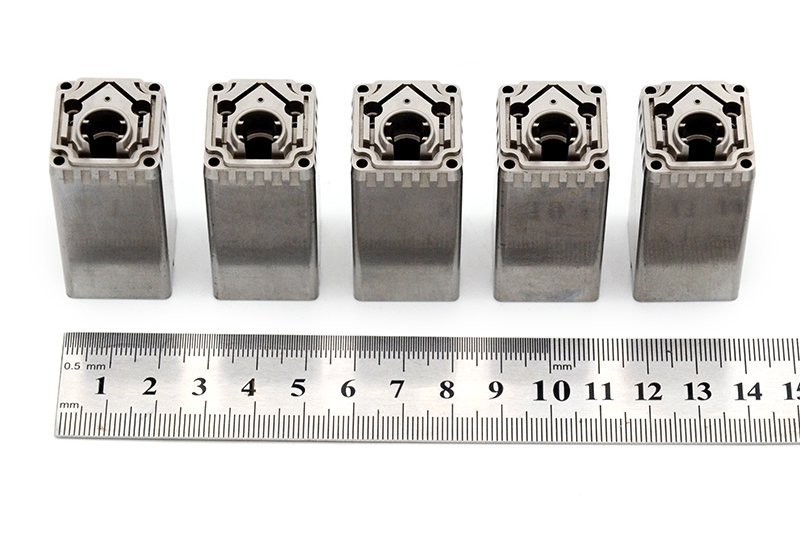
Mirror-Grade EDM Surface Finish Capability
Sodick and Mitsubishi mirror EDM machines deliver Ra 0.1um surface finishes without secondary polishing. Critical for micro-connector tooling, optical housings and Class-A mold cores where surface integrity directly impacts part quality and cycle time.
- Ra 0.1um mirror-grade finish achievable on EDM cores and inserts
- Sodick & Seibu slow-wire EDM for micro-feature work; Sodick & Charmilles sinker EDM for complex cavities
- Corner radii down to R ≤ 0.015 mm without electrode breakage
- Eliminates hand-polishing risk, maintains dimensional stability and repeatability
Dual-Factory Production Scale Capability
Two ISO 9001:2015 facilities—Dongguan (2,000 m², R&D + micro-machining) and Quanzhou (1,400 m², volume production)—deliver +200% capacity expansion since 2025. Prototype-to-production continuity with roughly 30% faster lead times than industry average.
- Dongguan headquarters: advanced R&D, micro-connector tooling, mirror EDM and metrology lab
- Quanzhou facility: high-volume CNC, grinding, assembly; coordinated with Quanzhou Changhua Precision Technology
- Combined CNY 8+ million in Sodick, Fanuc, ZEISS, Mitsubishi and Beijing Jingdiao equipment
- Sample parts in 3–7 days; mass production in 15–25 days; quote turnaround within 24 hours
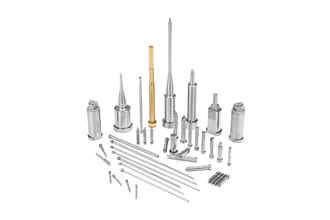
DFM Engineering & FAI Documentation Capability
Ten-plus engineering experts review every CAD file for manufacturability before production begins. DFM feedback identifies tolerance conflicts, tool-access issues and cost traps early—then full FAI reports and material certificates validate conformance at delivery.
- Pre-production DFM review by 10+ specialists with 16 years of precision-mold experience
- Identifies tolerance stack-up, draft angle, ejector placement and cooling-channel conflicts
- Complete FAI package: dimensional report, material certs, surface-finish data, photographic evidence
- Prevents costly rework, shortens approval cycles and ensures first-article success
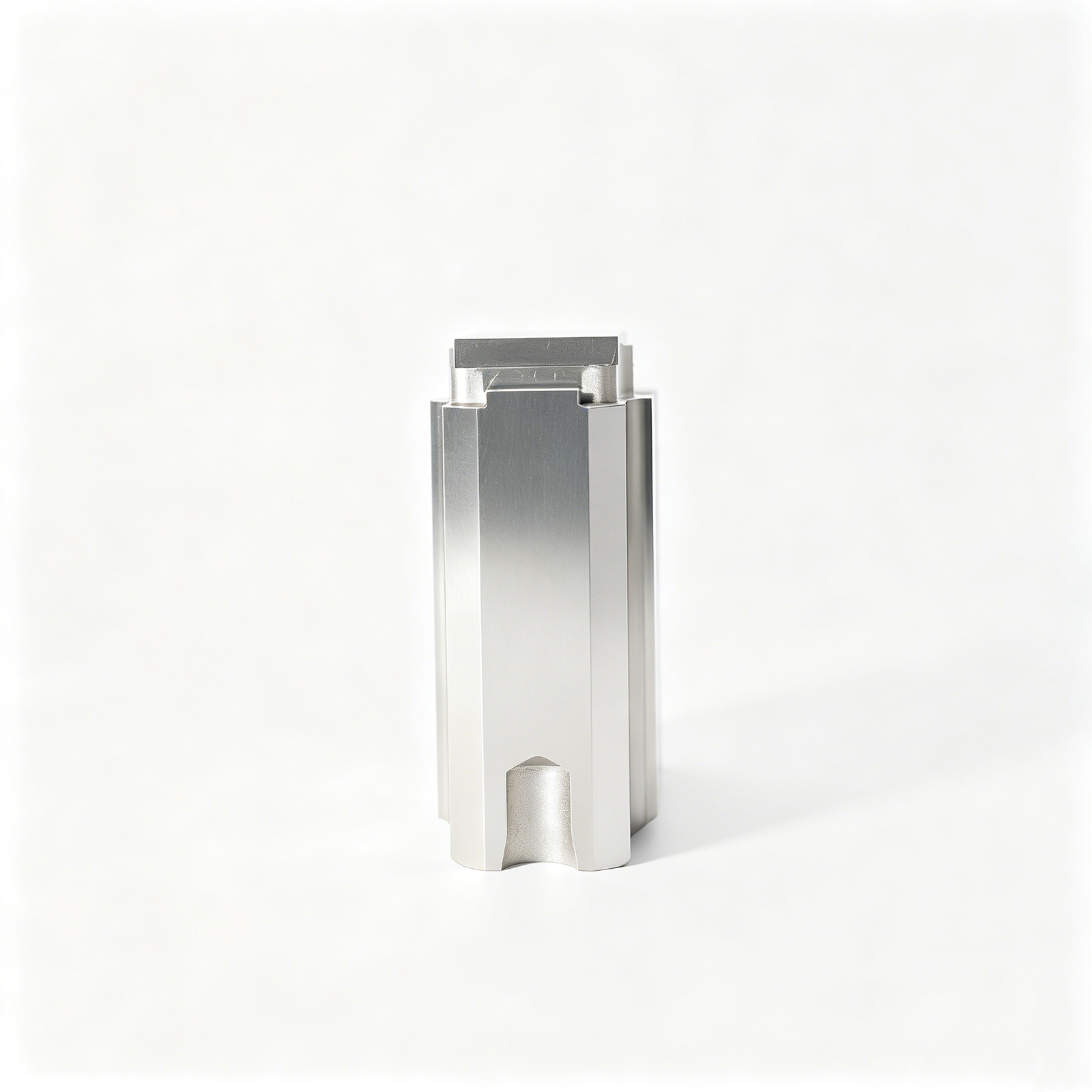
Why XUXIANG Capabilities Outperform Standard Suppliers
See how our precision-mold capabilities compare to typical OEM/ODM tooling shops — backed by verifiable tolerances, named equipment and dual-factory redundancy.
← 左右滑动查看 →
How XUXIANG Delivers Precision Mold Capabilities
Five integrated phases — from DFM engineering to FAI validation — ensure every component meets +/-0.001 mm accuracy and ships on time.
Design Review & DFM
10+ engineering experts analyze your CAD files, flag tolerance risks, recommend machining strategies and validate material selection before production starts.
Electrode Fabrication & EDM
Beijing Jingdiao CNC machines graphite electrodes; Sodick and Mitsubishi mirror EDM achieve Ra 0.1um finishes and +/-0.003 mm positioning on complex cores.
CNC Finishing & Grinding
Fanuc CNC and Dawn precision grinding centers refine geometries to +/-0.001 mm, holding corner radii down to R 0.015 mm and flatness within 0.002 mm.
Metrology & QC Validation
ZEISS MICURA CMM (0.7um resolution) and Nikon toolmaker’s microscopes verify every critical dimension; spectral analysis confirms material composition and hardness.
FAI & Shipment
Full first-article inspection report, material certificates and dimensional data ship with every order; parts leave the facility ISO 9001:2015 certified and ready for production.
How to Unlock XUXIANG’s Precision Mold Capabilities
From CAD submission to mass production, our four-step process delivers micron-stable precision with transparent timelines and full engineering support.
Submit Your CAD & Requirements
Upload 2D/3D files, technical drawings or tech packs through our quote portal. Include tolerances, materials, surface finish and volume targets for accurate scoping.
Receive DFM & 24-Hour Quote
Our 10+ engineering experts review manufacturability, flag tolerance risks and return a detailed quote with lead time and material recommendations within one business day.
Approve Samples in 3–7 Days
We machine first articles on Sodick EDM and Fanuc CNC, validate dimensions with ZEISS MICURA CMM and ship with full FAI reports and material certificates.
Ramp to Mass Production
After sample approval, production begins across our dual factories. Delivery in 15–25 days with in-process monitoring and final inspection to +/-0.001 mm accuracy.
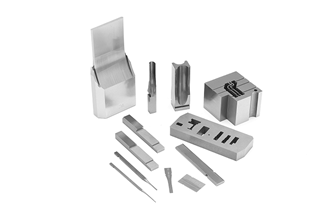
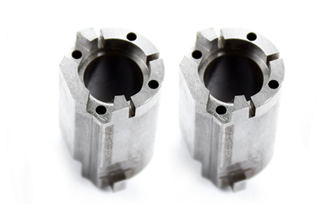
Certifications That Validate Our Precision Mold Capabilities

Proven Capabilities: What Our Customers Say
XUXIANG’s machining capabilities delivered exactly what we needed — +/-0.002 mm tolerance on 48-cavity micro-connector inserts. We reduced scrap by 41% and hit production targets two weeks ahead of schedule.
Their EDM capabilities and ZEISS inspection gave us mirror-finish cores that passed our optical housing validation on first article. No rework, no delays — just precision that matches the spec sheet every time.
We needed high-tolerance gripper jigs with +/-0.003 mm positioning. XUXIANG’s CNC capabilities and DFM support cut our assembly error rate from 12% to under 2%, saving us over $18,000 per production run.
Precision Mold Capabilities: Frequently Asked Questions
What precision mold capabilities does XUXIANG offer?
What are XUXIANG’s minimum order quantities (MOQ)?
What are typical lead times for samples and production orders?
Do you charge for sampling, and are sample costs refundable?
How does XUXIANG protect my intellectual property and design files?
Can XUXIANG guarantee the tolerances advertised in your capabilities?
What payment terms does XUXIANG offer?
How many DFM revision cycles are included, and what equipment supports your capabilities?
What shipping and logistics options are available for international orders?
Complete Buyer’s Guide to Precision Mold Capabilities for High-Tolerance Manufacturing
Navigate the critical decision framework for evaluating precision mold capabilities. Learn supplier qualification criteria, technical specifications that matter, cost drivers, and the most common procurement mistakes that compromise quality and delay production timelines.
1. What Are Precision Mold Capabilities?
Precision mold capabilities refer to the combined machining, EDM and metrology systems required to fabricate micro-connector tooling, high-precision injection-mold inserts and CNC-machined components within tolerance bands of ±0.001 mm to ±0.005 mm. XUXIANG achieves a maximum machining accuracy of +/-0.001 mm through Sodick and Charmilles sinker EDM, Sodick and Seibu slow-wire EDM, and ZEISS MICURA CMM verification to 0.7 µm. These capabilities enable corner radii down to R ≤ 0.015 mm and mirror-grade EDM finishes to Ra 0.1 µm.
5G/telecom, automotive NEV and medical-device supply chains demand micron-level stability because sub-0.005 mm deviations in thin-wall micro-pins, high-density terminal tooling or ADAS sensor housings cascade into assembly-line rejects, connector mating failures and regulatory non-conformance. A single 0.003 mm shift in a board-to-board connector insert can reduce insertion cycles by 40 percent or trigger intermittent signal loss.
Micron-stable capabilities translate directly into higher first-pass assembly yield, lower scrap rates and faster design-to-production cycles — especially for multi-cavity inserts and conformal-cooling cores where thermal expansion must remain predictable across 100,000-shot production runs.
2. Evolution of Precision Mold Capabilities in Modern Manufacturing
Traditional tooling held ±0.05 mm as the industry standard through the 1990s, adequate for consumer plastics but insufficient for today’s miniaturized electronics and automotive sensors. The shift began with the commercialization of wire EDM in the early 2000s, enabling corner radii below R 0.02 mm and positioning repeatability near ±0.002 mm — a capability XUXIANG leverages through Sodick and Seibu slow-wire systems.
The introduction of 5-axis CNC machining and coordinate measuring machines (CMM) in the mid-2000s transformed mold fabrication from craft to science. ZEISS MICURA-class CMMs now measure to 0.7 µm, validating tolerances that were unverifiable a decade ago. This metrology backbone supports the +/-0.001 mm maximum machining accuracy required for 5G micro-connector tooling and high-density terminal molds.
Industry 4.0 quality control — real-time in-process monitoring, digital FAI documentation and spectral material analysis — has elevated repeatability and traceability across multi-cavity production. Today’s precision mold capabilities integrate Japanese sinker EDM, Swiss grinding centers and German inspection platforms into closed-loop workflows that guarantee micron-stable outcomes at scale.
3. Types of Precision Mold Capabilities
Precision mold capabilities fall into six categories, each addressing distinct engineering challenges in high-tolerance component production. Understanding which capabilities your application demands — and how a supplier delivers them — is the foundation of successful sourcing.
Micro-Feature Machining
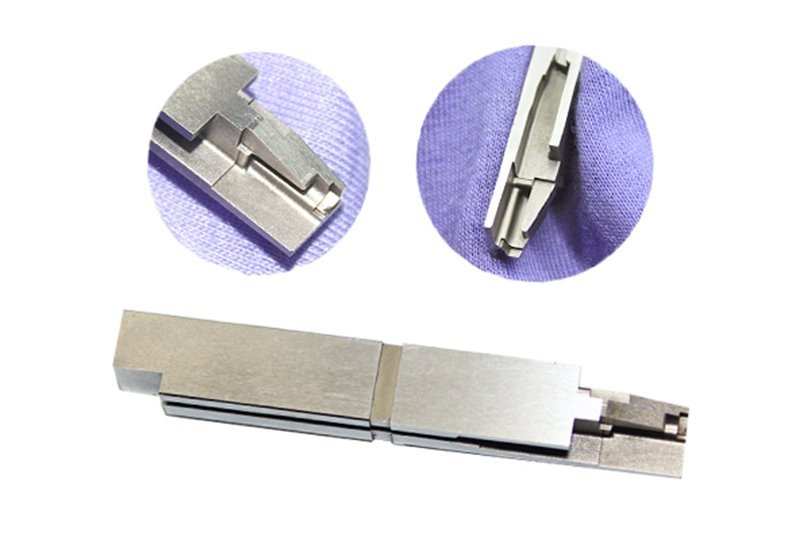
Micro-feature machining produces pins, slots and channels under 0.3 mm, essential for micro-connectors, 5G terminal tooling and medical-device inserts. XUXIANG’s slow-wire EDM holds +/-0.002 mm positioning and corner radii down to R ≤ 0.015 mm, enabling high-density board-to-board and FPC mold cores.
Multi-Cavity Mold Synchronization

Multi-cavity synchronization ensures dimensional consistency across 4-, 8- or 16-cavity layouts, critical for connector families and automotive sensor housings. Tolerance drift between cavities must stay within +/-0.005 mm to avoid assembly rejection.
Surface Finish Control
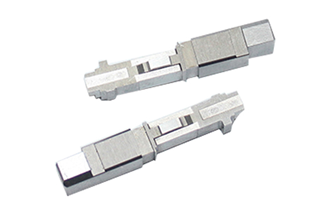
Mirror-grade EDM finishes from Ra 0.1 to 0.2 µm eliminate post-polish steps for optical lenses, LED reflectors and Class-A automotive interiors. XUXIANG’s Sodick and Charmilles sinker EDM achieves Ra 0.1 µm repeatably, validated by Nikon toolmaker’s microscopes.
High-Aspect-Ratio Core and Cavity Work
Aspect ratios above 10:1 — deep ribs, thin walls or tall bosses — demand rigidity and thermal control during machining. Precision grinding and five-axis CNC minimize deflection, supporting automotive ADAS housings and industrial gripper inserts.
4. Materials and Tooling Standards That Define Capabilities
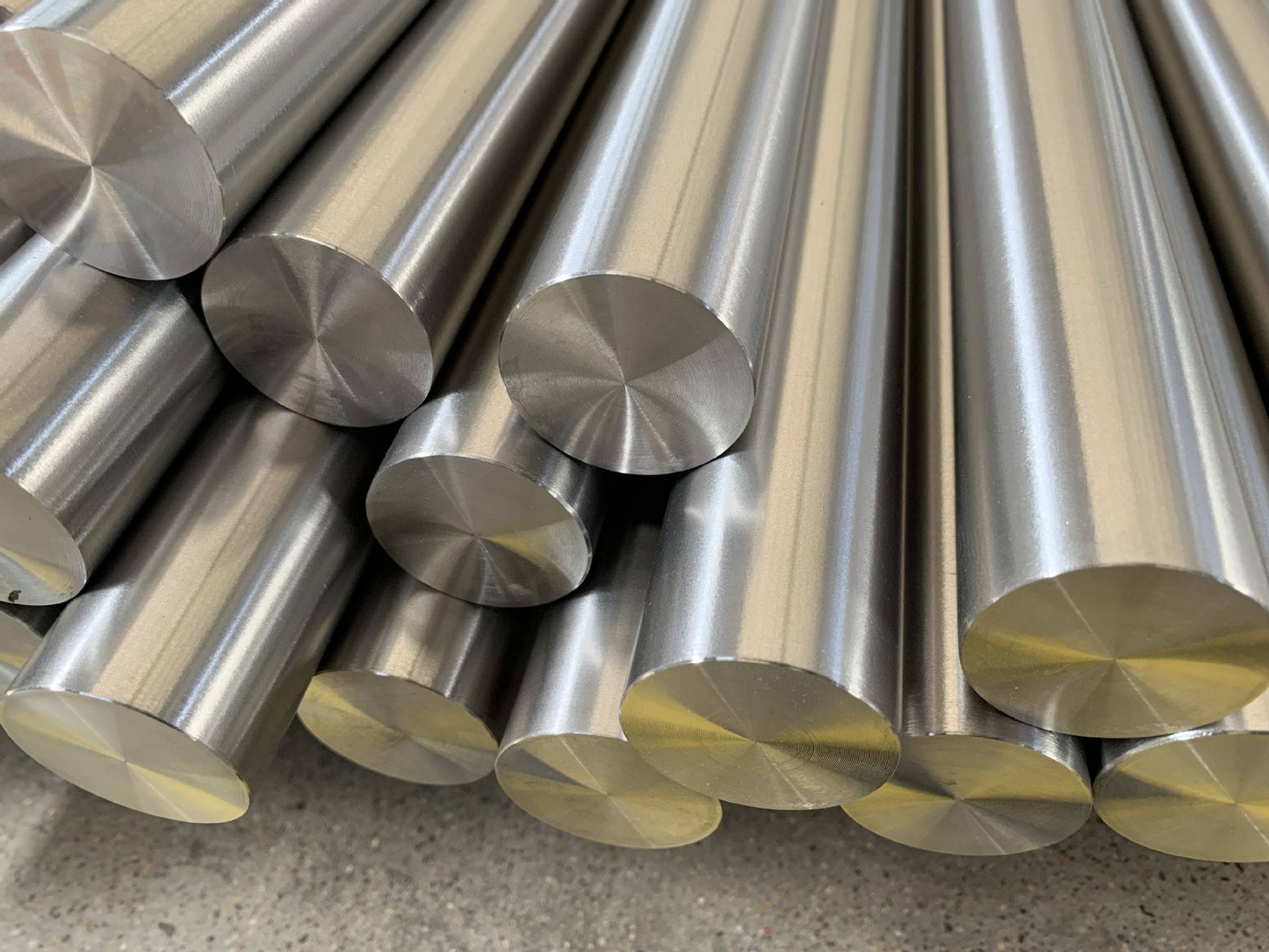
Material choice directly governs mold capabilit: dimensional stability under thermal cycling, surface finish, and production lifespan. XUXIANG stocks NAK80, S136, H13, SKD61 tool steels and tungsten-carbide grades, each matched to hardness (HRC 48–62), wear resistance and polishability requirements.
| Material | Hardness (HRC) | Typical Application | Cycle Life | Cost Tier |
|---|---|---|---|---|
| NAK80 | 37–43 (pre-hard) | Mirror-polish cosmetic parts, electronics housings | 100k–300k | Mid |
| S136 (420 stainless) | 48–52 | Medical, food-contact, corrosion-prone environments | 300k–500k | Mid-High |
| H13 / SKD61 | 48–52 | High-temp automotive, die-cast inserts, thermal cycling | 500k–1M+ | Mid |
| Tungsten Carbide | ≥62 | Micro-connector pins, ultra-precision thin-wall cores | 1M+ | High |
5. Customization Options Within Precision Mold Capabilities
True precision mold capability extends beyond baseline machining accuracy to encompass design flexibility across geometries, surface treatments and production architecture. XUXIANG’s slow-wire EDM and mirror-grade finishing enable customization down to R ≤ 0.015 mm corner radii and Ra 0.1 µm surface integrity, while modular tooling strategies balance product-line agility with lead-time discipline.
Complex Geometries: Undercuts and Thin Walls
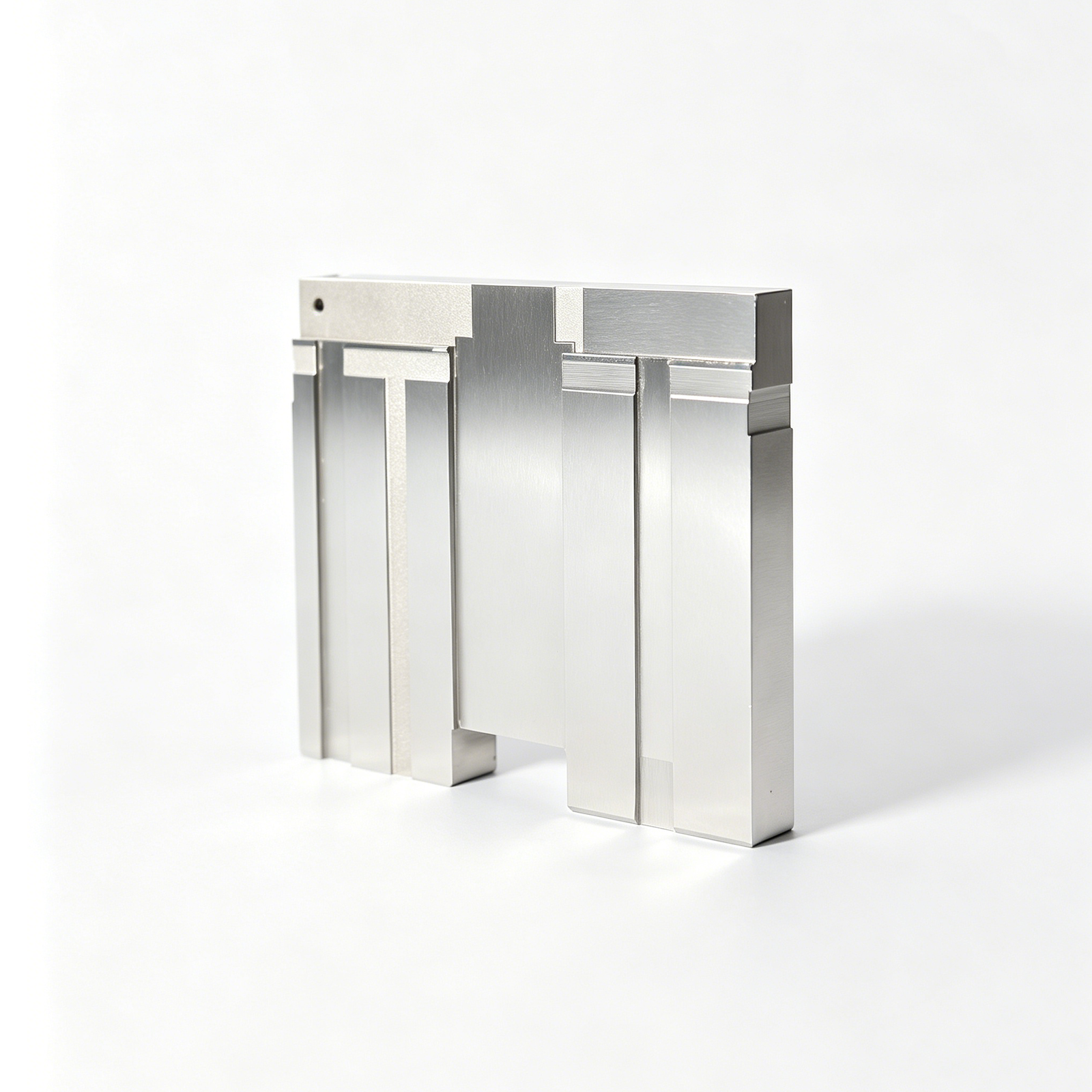
Undercuts, ribs below 0.4 mm and wall thicknesses down to 0.15 mm demand Sodick-class sinker EDM and five-axis CNC with +/-0.002 mm positioning. XUXIANG’s multi-cavity insert capability supports micro-connector terminals and ADAS sensor housings where draft angles approach zero and ejection sequences require lifter or slider coordination.
DFM review by 10+ engineers flags interference risks before electrode fabrication, preventing costly rework. Locking geometry after DFM sign-off typically saves 7–10 days versus mid-stream iteration.
Surface Treatments: EDM Finish to Mirror Polish
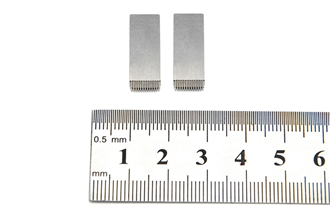
Mirror-grade EDM (Ra 0.1 µm), VDI 3400 texture grades and chemical etching for logos or serial numbers are applied post-machining. XUXIANG’s Charmilles sinker EDM delivers consistent surface integrity across multi-cavity cores, critical for optical housings and cosmetic consumer parts.
Each finish adds 2–5 days; combining mirror polish with laser marking or in-mold decoration extends lead time by roughly 30% but eliminates secondary decoration operations and improves traceability.
Modular Tooling for Product-Line Flexibility
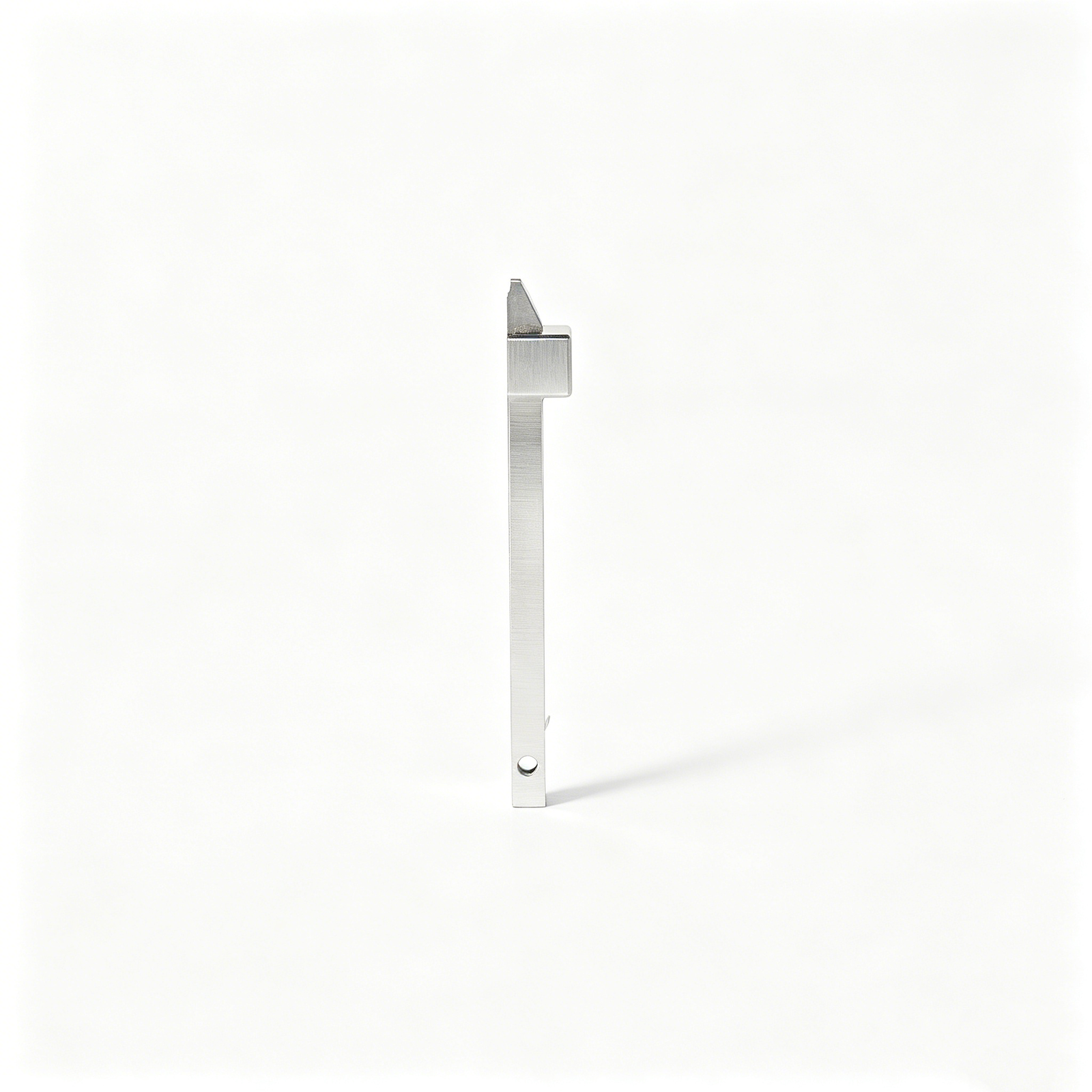
Interchangeable cavity inserts and modular base frames let OEMs launch derivative SKUs without full tooling re-investment. XUXIANG designs master mold bases accepting swappable cores, reducing per-variant tooling cost by up to 40% and shortening derivative launch cycles to 3–4 weeks.
Modularity trades upfront engineering complexity for long-term agility; it suits product families with shared envelope dimensions but varying features, common in 5G connector portfolios and automotive sensor ranges.
6. Key Quality Elements in Precision Mold Capabilities
True precision mold capability is proven through disciplined quality checkpoints, not claimed in marketing copy. Before mass production begins, five non-negotiable elements — metrology, process validation, simulation, environmental controls and traceability — separate suppliers who can hold +/-0.002 mm from those who merely promise it.
Dimensional Inspection Protocols
CMM measurement is the gold standard: XUXIANG’s ZEISS MICURA CMM resolves to 0.7 µm, validating every critical dimension against CAD nominal values. Optical comparators and Nikon toolmaker’s microscopes (V-12B / MM-400 class) verify edge profiles, corner radii and surface finishes that contact measurement cannot reach.
Every first-article inspection report (FAIR) includes full CMM data, material certificates and photographic evidence of critical features, establishing a verifiable baseline before serial production.
Process Validation and Cpk Targets
Cpk ≥1.67 is the threshold for controlled, capable processes; values below 1.33 signal instability that leads to scrap and rework. XUXIANG monitors in-process tolerance on EDM and slow-wire operations, adjusting electrode offsets and wire tension to maintain Cpk above target across multi-cavity runs.
Statistical process control charts track key dimensions hourly, triggering corrective action before parts drift out of specification.
Mold-Flow Simulation and Warpage Prediction
Mold-flow analysis predicts fill time, pressure distribution and warpage before steel is cut, reducing trial cycles by 30–50 %. XUXIANG’s DFM team runs simulation on thin-wall micro-connector tooling and conformal-cooled inserts, flagging hot spots and weld lines that compromise dimensional stability.
Simulation output guides gate placement, cooling-channel layout and ejector-pin location, translating design intent into manufacturable geometry.
Environmental Controls in Machining
Temperature swings of ±2 °C expand steel by several microns, invalidating sub-0.002 mm tolerances. XUXIANG’s machining floor maintains 20 ±1 °C and 50–60 % relative humidity, with thermal stabilization periods for workpieces and tooling before final grinding and CMM measurement.
Climate-controlled environments are non-negotiable for mirror-grade EDM finishes (Ra 0.1 µm) and multi-cavity insert matching.
7. How to Choose a Manufacturer for Precision Mold Capabilities
Sourcing precision mold capability requires a structured audit, not a price comparison. A five-step framework separates shops with genuine micron-class competence from those relying on inspection to salvage poor process control.
Verify Equipment List and Metrology Assets
Request the full machine inventory with brand names and model numbers: Sodick or Charmilles EDM, Fanuc or Makino CNC, ZEISS or Mitutoyo CMM. XUXIANG discloses Sodick sinker EDM, Seibu slow-wire EDM and a ZEISS MICURA CMM (0.7 µm resolution) because equipment pedigree directly predicts tolerance capability.
Ask for CMM calibration certificates and annual maintenance logs. Shops that hesitate lack traceability.
Request Tolerance Case Studies and Sample Parts
Demand documented case studies showing achieved tolerances, material and inspection reports. Physical samples with +/-0.002 mm positioning or Ra 0.1 µm finishes prove process stability better than marketing claims.
XUXIANG provides FAI packages with ZEISS CMM data, material certificates and surface-integrity reports for every project.
Audit Certifications and Engineering Support
ISO 9001:2015 is baseline; IATF 16949 for automotive, ISO 13485 for medical. Verify DFM feedback depth — XUXIANG assigns 10+ engineers to pre-production design reviews, catching tolerance risks before tooling begins.
8. Common Mistakes Buyers Make When Evaluating Capabilities
Even experienced procurement teams misjudge precision mold capabilities by relying on marketing claims rather than verifiable evidence. Five recurring mistakes account for most late-stage quality disputes and schedule overruns.
Trusting Advertised Tolerance Without Calibration Proof
A +/-0.001 mm claim means nothing unless backed by traceable calibration certificates for every CMM and optical comparator. Ask for ISO 17025 or national-lab calibration records dated within the past 12 months, and confirm that the shop’s ZEISS or equivalent CMM resolution matches the advertised tolerance.
Ignoring Material Traceability and Heat-Treatment Records
Skipping mill certificates and heat-treatment logs invites dimensional drift after first-article approval. Require spectral analysis reports (PMI or OES) and furnace time-temperature charts for every hardened steel insert to ensure HRC stability across production runs.
Underestimating Mold Maintenance Impact on Long-Term Precision
Tooling that ships at +/-0.002 mm can degrade to +/-0.02 mm after 50k cycles without preventive maintenance schedules. Confirm the supplier documents wear inspection intervals, EDM electrode refresh cycles and re-polishing protocols in the tooling handover package.
Accepting Vague Lead Times Without Milestone Commitments
Generic ‘4–6 weeks’ promises conceal bottlenecks in wire EDM or CMM queue time. Demand a Gantt chart with discrete milestones — DFM sign-off, electrode machining complete, first EDM burn, CMM FAI — and penalty clauses for missed gates.
Skipping Prototype Sampling and Jumping to Production Tooling
Launching full cavity tooling before validating geometry with a single-cavity prototype locks in costly design flaws. Insist on T0 or T1 sample runs with full FAI documentation before authorizing production mold fabrication.
9. Steps to Launch Your Precision Component Program
Launching a precision component program requires a structured six-phase roadmap that aligns technical capability with production timelines. Each stage gates risk and locks in supplier performance before full-scale commitment.
Define Requirements and Issue RFQ
Document all critical tolerances (+/-0.001 mm class), material specs (H13, NAK80, SKD61), surface finishes (Ra ≤ 0.2 µm) and annual volume in a detailed RFQ. Include 3D CAD, GD&T callouts and acceptance criteria. Typical timeline: 3–5 days.
Shortlist and Request Capability Statements
Request equipment lists (Sodick EDM, ZEISS CMM), ISO 9001 certificates and sample inspection reports. Verify micron-level metrology and EDM capability. Timeline: 5–7 days for supplier responses.
Conduct DFM Review
Engage engineering teams to optimize draft angles, wall thickness and ejection. XUXIANG’s 10+ DFM experts flag tolerance conflicts before tooling. Timeline: 7–10 days.
Prototype Tooling and First-Article Validation
Order T1 tooling, run first shots and validate dimensions via CMM against FAI documentation. Approve material certificates and surface integrity. Timeline: 4–6 weeks.
Production Approval and Quality Agreements
Finalize PPAP submissions, control plans and ongoing inspection frequency. Lock tolerances, cycle times and delivery schedules. Timeline: 2–3 weeks.
Mold Maintenance and Lifecycle Planning
Schedule preventive maintenance every 50,000–100,000 shots, track wear on cores and plan refurbishment. Establish spare-part inventories. Ongoing.
10. Pricing and Cost Drivers for Precision Mold Capabilities
Precision mold capability pricing splits into three layers: one-time tooling NRE (non-recurring engineering), per-part unit cost and material surcharges. Tooling NRE for +/-0.001 mm work typically ranges USD 2,000–8,000 depending on cavity count, EDM complexity and electrode fabrication; this cost amortizes across production volume, dropping effective unit cost sharply above 1,000 pieces.
Material premiums add 15–40% for exotic tool steels (NAK80, S136, H13) versus P20, while ultra-tight tolerances (+/-0.002 mm or tighter) carry a 20–35% machining surcharge due to slower wire-EDM feed rates and extended CMM validation cycles. Expedited delivery (7–10 days versus standard 15–20 days) incurs a 25–50% premium but preserves launch schedules when time-to-market is critical.
Volume economics favor precision mold capabilities: at 10,000 pieces, tooling amortization drops below USD 0.50 per part, making total unit cost competitive with lower-tolerance alternatives while delivering micron-stable repeatability and longer tool life.
| Quantity Tier | Unit Price (USD) | Lead Time (days) | Tooling Amortization |
|---|---|---|---|
| 100 pcs | $45–$85 | 15–20 | $20–$80/pc |
| 1,000 pcs | $18–$35 | 18–22 | $2–$8/pc |
| 10,000 pcs | $8–$18 | 20–25 | $0.20–$0.80/pc |
Ready to Unlock Your Precision Mold Capabilities?
Get a quote in 24 hours, free DFM review from 10+ engineers, and +/-0.001 mm accuracy backed by ISO 9001:2015.