
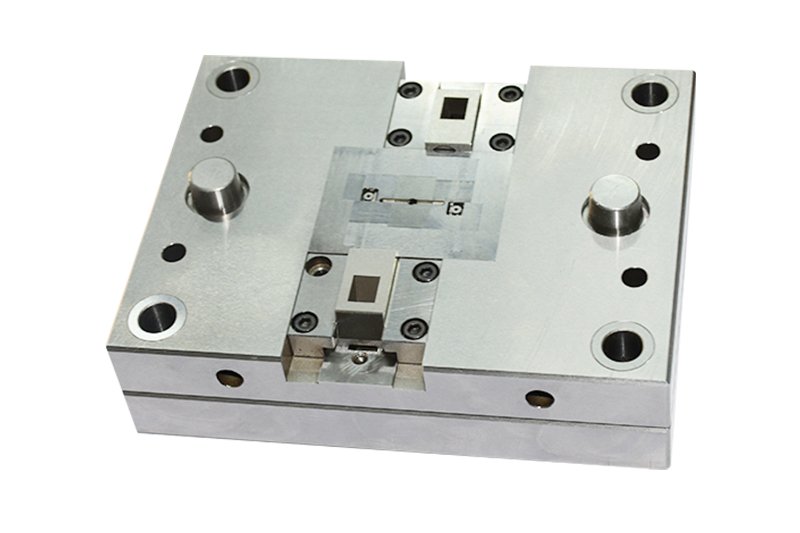
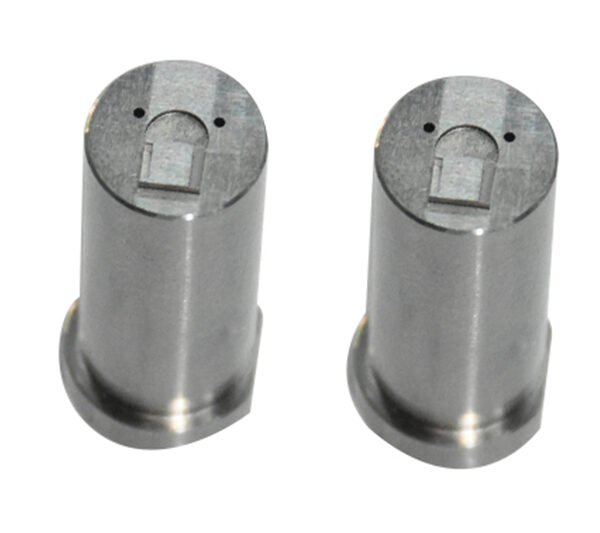
Plastic film parts · Precision mold insert
Automotive Connector Parts for Electrical Repair and Custom Wiring
Brand Xuxiang Mold
Availability Made to drawing
RFQ pricing
Quote from STEP / PDF & quantity
Upgrade, repair, or build automotive wiring with dependable automotive connector parts designed to help you create cleaner, more secure electrical connections. These parts are a practical choice for restoration projects, fleet maintenance, custom harness work, and everyday roadside repairs. They help reduce guesswork when matching plugs, terminals, seals, and housings for a neater finish and a more reliable fit. Whether you are replacing a damaged connector or assembling a new circuit, this category supports organized, professional-looking results.
- ISO 9001:2015–oriented process & documented inspection paths
- Zeiss / Nikon class metrology available for critical dimensions
- DFM feedback from 10+ senior tooling engineers
- Dongguan HQ + Quanzhou capacity for volume programs
Reliable Connector Parts for Automotive Electrical Work
Automotive connector parts are the small but essential components that keep vehicle electrical systems connected, organized, and serviceable. In automotive applications, connectors do more than join two wires together: they help protect circuits from vibration, moisture, heat, and repeated handling. That is why technicians, installers, restorers, and DIY builders look for connector parts that match the vehicle side, the harness side, and the intended application.
This product category is ideal when you need to repair broken terminals, replace worn housings, rebuild a pigtail, or assemble a custom wiring harness. It is also useful when the original connector has become brittle, corroded, or physically damaged. Instead of replacing an entire harness, the right connector parts can often restore function with less downtime and less waste.
Why Buyers Choose Automotive Connector Parts
Automotive electrical systems depend on accurate mating, stable contact, and proper sealing. A connector that fits loosely or fails to lock correctly can create intermittent faults that are difficult to diagnose. Quality connector parts help support dependable electrical performance by improving contact retention, reducing the chance of accidental disconnects, and making repairs more repeatable.
For shop use, these parts also help streamline workflow. A technician can identify the housing, terminals, seals, and locking features needed for a job and complete the repair with a cleaner result than a temporary splice. For hobbyists and custom builders, connector parts make it easier to fabricate harnesses for lighting, sensors, accessories, audio systems, off-road equipment, or motorsport applications.
Another benefit is adaptability. Many automotive connector families are available in multiple cavity counts, terminal styles, and locking configurations, so a buyer can often find a solution that matches the electrical load and physical space of the application. Because vehicles vary widely by make, model, and model year, compatibility checking is important before purchase.
Key Features and Practical Benefits
- Supports cleaner electrical repairs and harness builds
- Helps restore damaged, corroded, or missing connector ends
- Useful for OEM-style replacement, retrofit work, and custom projects
- Can improve serviceability by making future disconnection easier
- Often selected for better organization than open-ended splices
- Available in many automotive-friendly styles, including sealed and unsealed designs
When choosing connector parts, buyers commonly look for a balance of fit, durability, and ease of termination. In practice, that means paying attention to the connector family, terminal size, wire gauge compatibility, locking method, and whether the application requires environmental protection. For harsh environments, sealed connector parts are often preferred because they better resist dust, splash, and road moisture.
Typical Specifications
| Attribute | What to Consider |
|---|---|
| Product type | Automotive connector parts for electrical repair, replacement, and custom wiring |
| Compatibility | Varies by vehicle make, model, year, connector family, and circuit function |
| Construction | Commonly includes housings, terminals, seals, locks, and related accessories |
| Environment | Options may be sealed or unsealed depending on exposure to moisture and debris |
| Installation | May require crimping tools, terminal release tools, and wiring identification |
| Use case | Repair, restoration, harness building, retrofit work, and accessory installation |
Who This Category Is For
Automotive connector parts are a strong fit for professional repair shops, auto electricians, fleet maintenance teams, restoration specialists, and enthusiasts working on wiring upgrades. They are especially helpful when the job calls for a precise replacement rather than a universal workaround. If you are maintaining older vehicles, modifying a harness for new accessories, or replacing a damaged factory plug, this category gives you the building blocks for a more durable repair.
These parts are also valuable in projects where neat routing and future maintenance matter. A properly selected connector makes it easier to remove a component later without cutting wires again. That can save time during diagnostics, repairs, and upgrades.
Buying and Care Guidance
Before ordering, confirm the connector shape, locking style, terminal type, and wire size requirements. If possible, match the original part number or compare the connector closely against photos and cavity counts. For best results, inspect the mating side of the connection as well, since a damaged counterpart can prevent a proper fit even when the replacement part looks correct.
During installation, use the correct crimping and release tools where needed, keep terminals clean, and make sure seals are seated fully. After assembly, test the connection for secure engagement and continuity. For long-term reliability, keep connector parts dry and stored away from dust, grease, and bending pressure. If a connection is exposed to the elements, choose sealed components and verify that the locking mechanism closes completely.
FAQ
How are these shipped?
Most orders are packed to protect the connector parts from crushing, bending, and contamination during transit. If your project is time-sensitive, choose a shipping method that matches your repair schedule.
How do I know if a connector will fit my vehicle?
Check the connector family, cavity count, terminal style, locking shape, and wire size. Matching by vehicle year, model, or original part number is the safest approach when compatibility matters.
Can I use these for custom wiring projects?
Yes. Automotive connector parts are commonly used for custom harnesses, accessory installs, lighting upgrades, and retrofit work where a neat, serviceable connection is preferred.
Do I need special tools to install them?
Many connector repairs require a proper crimp tool, terminal release tool, and sometimes wire strippers. The exact tools depend on the terminal and housing style you choose.
Are sealed connectors better than unsealed ones?
Sealed connectors are usually preferred in areas exposed to moisture, splash, dust, or vibration. Unsealed connectors can still be suitable for protected interior or low-exposure locations.
How should I maintain connector parts after installation?
Keep the connection clean, make sure locks stay fully engaged, and inspect for corrosion or loose terminals during routine maintenance. Avoid forcing connectors apart or using damaged housings.
What if I need to replace only one side of a connector?
That is often possible, but the mating side must still be in good condition. A worn or damaged counterpart can reduce retention and electrical reliability.
What is your return or warranty guidance?
Return and warranty coverage usually depends on the item condition and the seller policy. Before installation, verify compatibility carefully so you can avoid unnecessary returns.
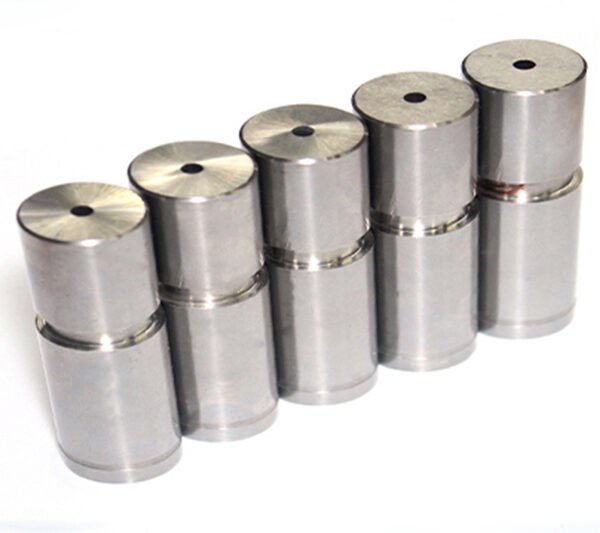
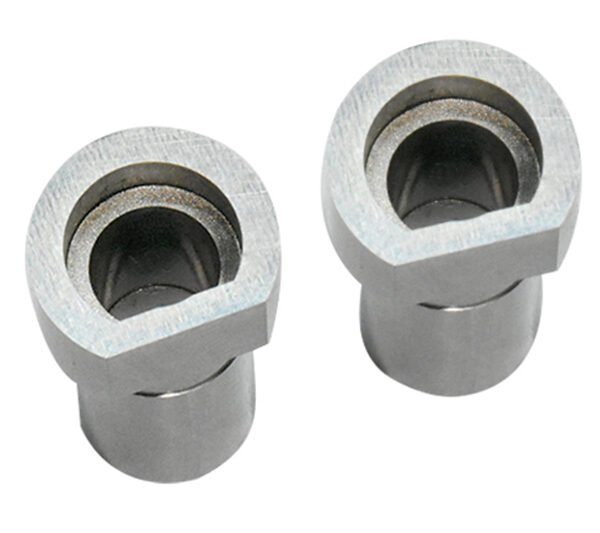
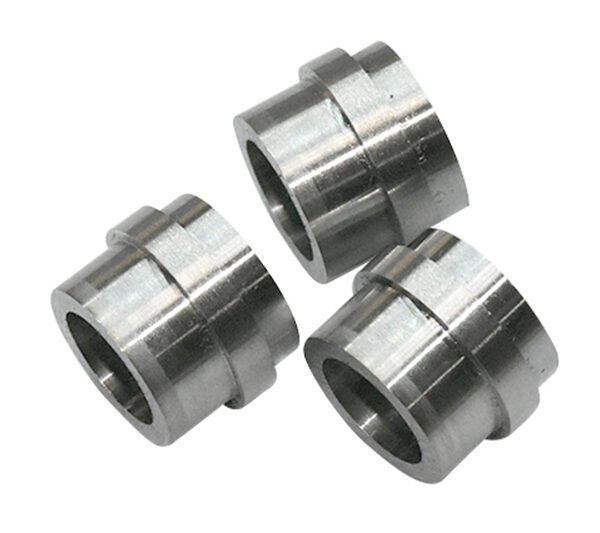
Same drawing, predictable results—next batch
Share revision, quantity ramp, and inspection level. We quote process route, ship date, and documentation in one structured response.