
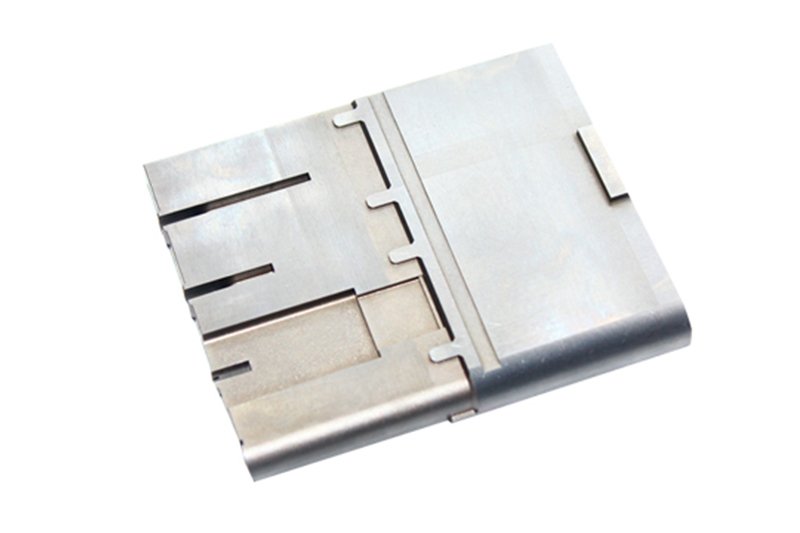
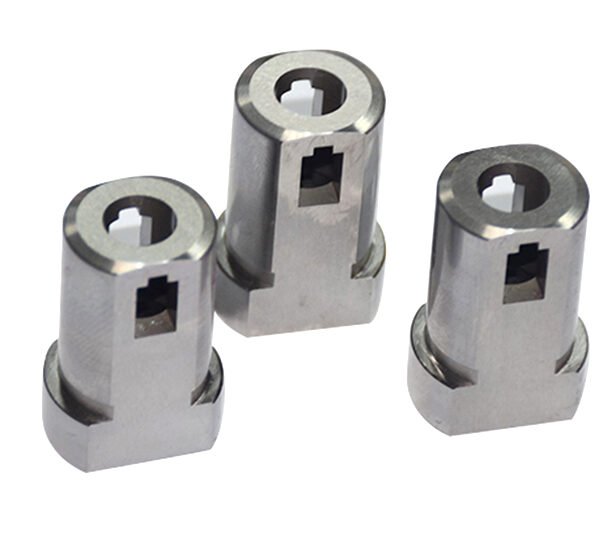
Plastic film parts · Precision mold insert
Automotive Connector Parts – Universal Electrical Connectors & Terminals Kit
Brand Xuxiang Mold
Availability Made to drawing
RFQ pricing
Quote from STEP / PDF & quantity
Build reliable vehicle wiring harnesses with this comprehensive set of high-quality automotive connector parts designed for modern 12V and 24V systems. Each housing, terminal, and seal is engineered for a secure mechanical lock and stable electrical contact, even in demanding under‑hood conditions. Whether you are repairing OEM looms or adding aftermarket accessories, this kit helps you create clean, professional connections with minimal hassle. Clearly organized components make it easy to find the right piece, reduce downtime, and avoid guesswork. Ideal for automotive technicians, motorsport builders, and DIY enthusiasts who want long-lasting, trouble‑free automotive connector parts.
- ISO 9001:2015–oriented process & documented inspection paths
- Zeiss / Nikon class metrology available for critical dimensions
- DFM feedback from 10+ senior tooling engineers
- Dongguan HQ + Quanzhou capacity for volume programs
Professional-Grade Automotive Connector Parts for Reliable Vehicle Wiring
These automotive connector parts are designed for technicians, installers, and enthusiasts who demand reliable electrical connections in passenger cars, trucks, off‑road vehicles, powersports, and custom builds. From simple lighting repairs to complex harness fabrication, this selection of housings, terminals, and seals allows you to build or restore circuits that stand up to heat, vibration, and moisture in real-world driving conditions.
Modern vehicles rely on stable electrical connectivity for everything from engine management and sensors to infotainment, safety systems, and auxiliary accessories. Poor quality connectors can lead to intermittent faults, voltage drops, and corrosion issues that are time‑consuming to diagnose. By using well-engineered connector components that follow established automotive connector families and terminal profiles, you improve system reliability and simplify future maintenance.
This collection is curated to cover common automotive applications such as lighting, engine bay connections, chassis wiring, interior harnesses, and aftermarket accessories like light bars, winches, tow wiring, and audio equipment. The mix of multi-pin connector housings, matching terminals, and appropriate seals supports both low-current signal circuits and typical 12 V power distribution, depending on wire gauge and assembly method.
Key Features & Benefits
- Versatile connector selection: Includes a range of 1–multi-pin housings suitable for sensors, lighting, switches, and auxiliary circuits so you can standardize your connections across the vehicle.
- Secure mechanical locking: Positive locking tabs and keyed housings help prevent accidental disconnection and ensure correct mating orientation during installation and service.
- Stable electrical contact: Matching male/female terminals are shaped to maintain contact pressure over time, helping reduce resistance, overheating, and intermittent faults when correctly crimped.
- Environmental protection: Many connectors in the range support cable seals and cavity plugs to help protect against moisture, dust, and road grime in under‑hood and exterior locations when assembled properly.
- Compatible with common wire sizes: Terminals are designed for typical automotive wire gauges used in 12 V and 24 V systems, allowing you to connect to existing OEM looms or new harnesses.
- Suitable for repair and custom work: Ideal for replacing damaged OEM plugs, extending harnesses, or creating new circuits for accessories and performance upgrades.
- Professional finish: Using dedicated connector parts instead of generic spade or twist connections produces a cleaner, OEM-style appearance and simplifies future troubleshooting.
Specifications & Connector Details
The table below summarizes typical characteristics for the automotive connector parts range. Exact details can vary by individual connector family, pin count, and application. Always refer to component markings and your vehicle documentation to confirm suitability.
| Attribute | Description |
|---|---|
| Connector Type | Mixed selection of multi-pin automotive electrical connectors, housings, and terminals for 12 V / 24 V systems |
| Typical Applications | Lighting, sensors, engine bay wiring, chassis harnesses, interior looms, aftermarket accessories |
| Housing Material | Durable automotive-grade plastic designed for heat and vibration resistance in typical vehicle environments |
| Terminal Material | Copper‑alloy or tinned contact terminals intended for crimping onto automotive-grade copper wire |
| Wire Compatibility | Supports common automotive wire sizes used for low-current signals and standard 12 V power circuits (exact range varies by terminal) |
| Sealing Options | Many connector styles accept rubber cable seals and cavity plugs to help resist moisture and contamination |
| Mounting Style | In-line harness connections; some connectors may support panel or bracket retention using clips or tabs |
| Polarity & Keying | Keyed housings and shaped terminals help prevent incorrect mating and reverse polarity when matched correctly |
| Tools Required | Automotive-grade crimping tool matched to terminal style; optional extraction tools for de‑pinning and rework |
| System Compatibility | Suitable for most 12 V and 24 V DC vehicle electrical systems when correctly specified and installed |
Use Cases & Who This Is For
These automotive connector parts are intended for a wide range of users who need dependable wiring solutions:
- Automotive technicians: Quickly repair broken plugs, corroded terminals, or damaged harness sections without replacing the entire loom. Helps restore OEM functionality with an orderly, serviceable connection.
- Custom and performance builders: Create tailored wiring harnesses for engine swaps, turbo or supercharger installs, standalone ECUs, data systems, and additional gauges while keeping a professional look.
- Motorsport teams: Assemble robust connectors for critical circuits such as ignition, fuel, sensors, and communication equipment where vibration and quick serviceability are everyday concerns.
- Off‑road and 4×4 enthusiasts: Wire auxiliary lighting, compressors, winches, and towing accessories with connectors that can withstand mud, dust, and water exposure when correctly sealed.
- DIY hobbyists and restorers: Replace brittle or obsolete connectors on classic vehicles, motorcycles, and kit cars, simplifying future diagnostics and upgrades.
Whether you are building from scratch or improving an existing harness, using dedicated connector parts gives you greater control over wiring layout, service loops, and strain relief, which translates into fewer wiring-related issues over the life of the vehicle.
Installation, Care & Buying Guidance
Correct selection and assembly are essential to getting the best performance from your automotive connector parts. Here are practical tips to help you achieve reliable results:
- Match connector to application: Choose connector styles that match the environment (interior vs. engine bay), required pin count, and approximate current level per circuit. Where exposure to moisture and dirt is likely, opt for connectors that accept seals and plugs.
- Verify wire size and insulation: Make sure the chosen terminal is rated for the conductor cross‑section and insulation diameter of your wire. A good crimp mechanically grips both the conductor and the insulation support area.
- Use appropriate tools: A dedicated automotive crimping tool designed for open‑barrel or closed‑barrel terminals will produce consistent, gas‑tight crimps. Avoid makeshift tools that can damage terminals or lead to unreliable connections.
- Inspect every crimp: After crimping, visually check that wings are correctly formed around the conductor and insulation, and gently tug the wire to confirm retention. Reject and re‑crimp any terminal that feels loose or appears mis‑shaped.
- Support and route looms carefully: Use cable ties, loom tape, and harness clips to prevent excessive movement and strain on connectors, especially near the engine, suspension, and moving components.
- Protect from contamination: For exposed connectors, ensure seals are properly seated and consider additional protection with conduit or corrugated tubing. Avoid spraying harsh solvents directly into connectors.
- Plan for future service: Leave enough slack to access connectors for diagnostics and repairs, and label circuits where possible so future troubleshooting is faster and more accurate.
When buying, consider keeping a small inventory of frequently used connector housings and matching terminals. This reduces downtime during repairs and ensures that you do not need to compromise with mismatched or improvised connections. For specialized applications like high-temperature engine sensors or high-current loads, select connectors specifically rated for those conditions and follow the manufacturer’s guidelines.
FAQ
Are these automotive connector parts compatible with my vehicle?
The connector parts are designed around common automotive connector styles used in many 12 V and 24 V systems, but compatibility depends on the specific plug shape, pin count, and terminal type on your vehicle. Compare the housing design and locking features with your original connector, and check wire size and pin layout before installation.
Do I need special tools to install these connectors?
For best results, you should use a dedicated automotive crimping tool that matches the style of terminals supplied. This helps create reliable mechanical and electrical joints. Generic pliers are not recommended, as they can deform terminals and lead to poor contact or early failure.
Can I use these connector parts in high-current circuits?
Some terminals can handle typical automotive accessory currents when matched to the correct wire size, but high-current applications such as starter feeds or main battery cables require connectors specifically rated for those loads. Always check the terminal style and follow standard wiring practices for current capacity and fusing.
Are the connectors weatherproof for under-hood or exterior use?
Many connectors in this range support seals and cavity plugs that help resist water, dust, and road debris when properly assembled. For areas regularly exposed to moisture or high-pressure washing, choose sealed connectors and ensure all seals are correctly installed and undamaged.
How should I maintain connectors after installation?
Inspect exposed connectors periodically for signs of damage, loose locking tabs, or contamination. If necessary, disconnect the plug, check the terminals for corrosion, and clean gently with an appropriate electrical contact cleaner. Avoid bending terminals and always allow connectors to dry fully before reassembly.
Can I reuse terminals once they have been crimped?
In most cases, terminals are designed for single-use crimping. If you need to remove a wire, you can de‑pin the connector using a suitable extraction tool, but it is generally recommended to crimp a new terminal instead of reusing one that has already been compressed.
What is your return or warranty policy on these parts?
Warranty and returns typically cover manufacturing defects in the connector housings and terminals when used as intended. Wear from incorrect installation, unsuitable tools, or misuse is not usually covered. Please refer to the store’s specific returns and warranty terms at checkout for full details.
How long does shipping usually take?
Shipping times depend on your location and the delivery service selected at checkout. In-stock connector parts normally ship within standard processing times, and tracking details are provided so you can follow your order in transit.
Can these connector parts be used on motorcycles, boats, or equipment?
Yes, many of the connectors are suitable for other 12 V and 24 V applications such as motorcycles, powersports, marine, and industrial equipment, provided that you select styles appropriate for the environment and confirm wire size and current requirements.
Do you offer guidance on choosing the right connectors for a project?
You can use the product descriptions, connector photos, and specifications to match parts to your project. When in doubt, start by identifying the number of circuits, wire size, and environment (interior, engine bay, exterior), then choose a connector family that meets those needs. For complex projects, consider mapping out your harness before ordering.
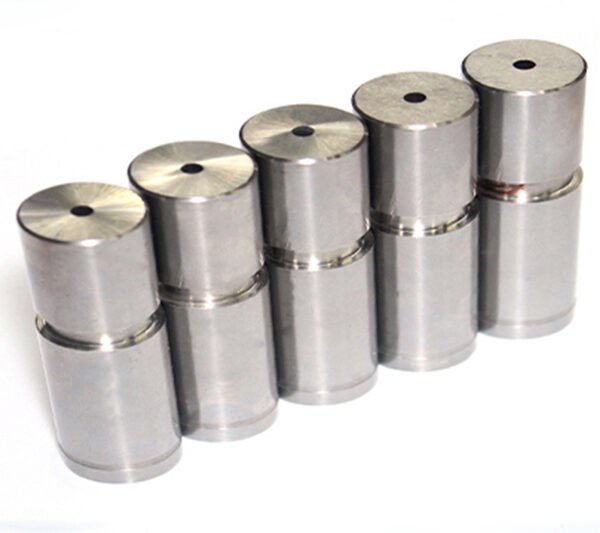
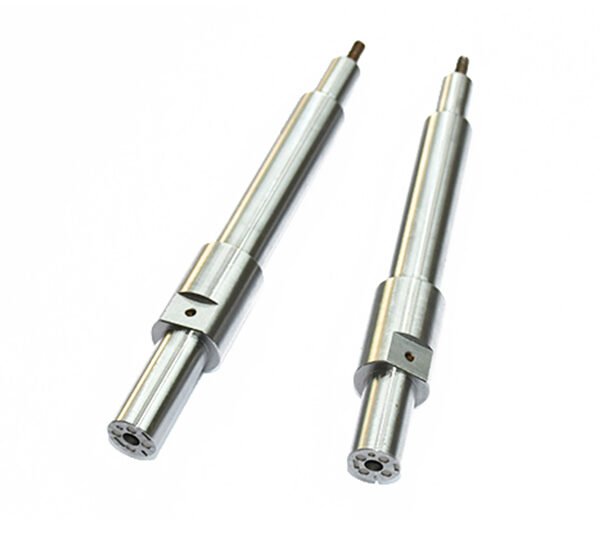
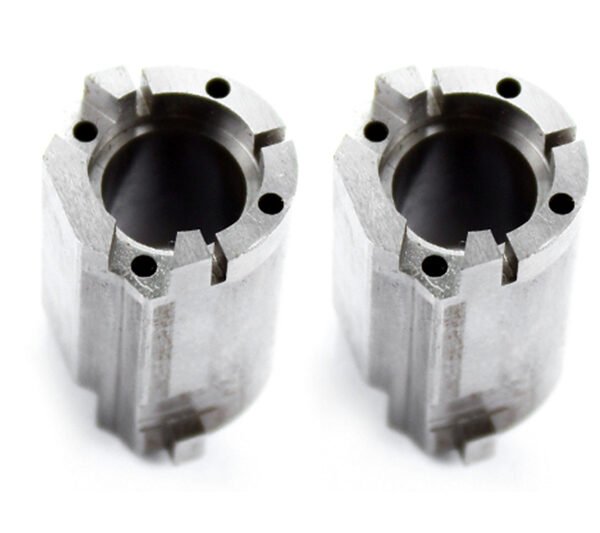
Same drawing, predictable results—next batch
Share revision, quantity ramp, and inspection level. We quote process route, ship date, and documentation in one structured response.