
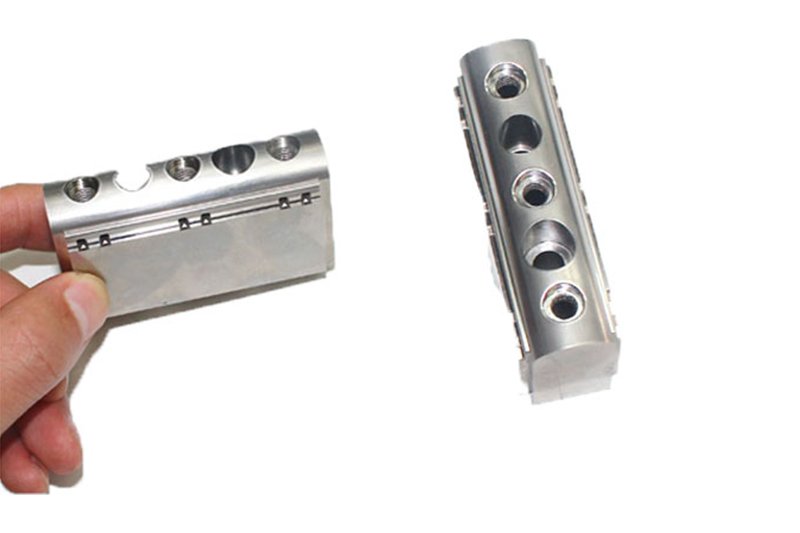
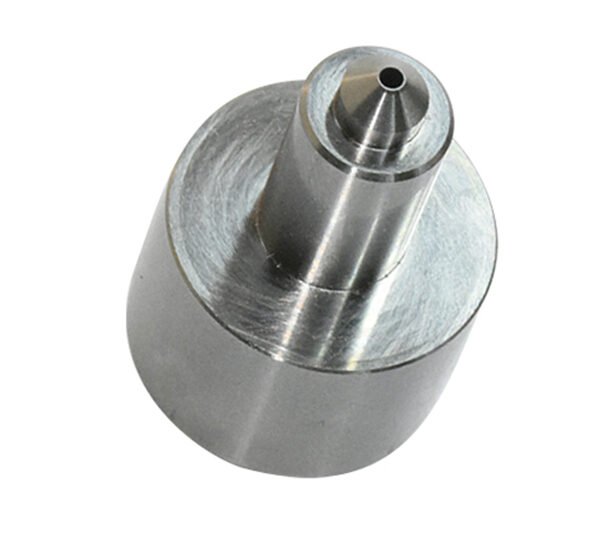
Plastic film parts · Precision mold insert
Automotive Connector Parts for Vehicle Electrical Repairs
Brand Xuxiang Mold
Availability Made to drawing
RFQ pricing
Quote from STEP / PDF & quantity
Keep vehicle wiring secure, organized, and ready for dependable performance with automotive connector parts designed for repair, replacement, and custom builds. These components help restore damaged connections, simplify electrical upgrades, and support cleaner installations in cars, trucks, off-road vehicles, and fleet applications. Whether you are replacing a worn plug or building a new harness, the right connector parts can save time and improve long-term reliability. A practical choice for technicians, installers, and DIY builders who want a professional fit and finish.
- ISO 9001:2015–oriented process & documented inspection paths
- Zeiss / Nikon class metrology available for critical dimensions
- DFM feedback from 10+ senior tooling engineers
- Dongguan HQ + Quanzhou capacity for volume programs
Reliable connection hardware for automotive electrical work
Automotive connector parts are the small but essential components that help electrical systems stay connected, protected, and serviceable. In vehicle applications, connectors do far more than join wires together: they help maintain signal quality, resist vibration, support safer routing, and make future maintenance easier. From routine repairs to custom wiring projects, the right connector parts can make the difference between a quick, professional result and a frustrating intermittent fault.
This product category is especially useful when an original connector housing is cracked, a terminal no longer grips properly, or a harness needs to be extended or adapted for a new component. Instead of replacing an entire wiring assembly, buyers can often restore function by selecting compatible connector parts that match the vehicle’s electrical needs and the environment where the connection will operate.
Key features and buyer benefits
Automotive electrical systems are exposed to heat, moisture, road debris, vibration, and repeated service access. Connector parts are chosen to handle those conditions while helping maintain stable performance over time. Many buyers look for parts that support easy assembly, reliable terminal retention, and a secure latch or locking style that helps prevent accidental disconnects.
Another advantage is flexibility. Automotive connector parts can be used in OEM-style repairs, aftermarket accessory installation, motorsports wiring, agricultural equipment, marine-adjacent vehicle builds, and fleet maintenance. Depending on the application, the parts may support sensor circuits, lighting, power distribution, control modules, or multi-wire harnesses. That versatility makes them a practical stocking item for workshops and resellers serving a broad range of electrical repair needs.
When choosing connector parts, fitment and compatibility matter most. Buyers typically need to match the connector family, terminal style, wire gauge, pin count, sealing requirement, and locking method. For best results, compare the original connector shape and terminal interface carefully before ordering replacement components.
Typical specifications and selection factors
The exact configuration depends on the vehicle system and repair scenario, so the table below focuses on the most important attributes buyers usually compare.
| Attribute | What to check | Why it matters |
|---|---|---|
| Connector type | Plug, socket, housing, terminal, seal, lock, or repair kit | Determines whether the part replaces the full connector or only one component |
| Pin count | Single-circuit or multi-pin layout | Must match the number of wires and the original electrical function |
| Terminal style | Blade, round, crimp, or specialty terminal | Ensures proper electrical contact and secure wire termination |
| Wire compatibility | Match wire size and insulation style as closely as possible | Helps prevent loose crimps, overheating, or poor retention |
| Sealing | Unsealed or weather-resistant/sealed design | Important for engine bay, underbody, and outdoor exposure |
| Locking method | Latch, clip, secondary lock, or retainer | Helps keep the connection secure under vibration |
| Application | OEM repair, custom harness, retrofit, or accessory install | Guides the required durability and compatibility level |
Where automotive connector parts are used
These parts are commonly selected for headlight and taillight repairs, sensor replacements, fuse box connections, interior electronics, trailer wiring, battery accessories, engine bay harness repairs, and aftermarket upgrades such as lighting kits, audio systems, and auxiliary power outlets. In professional shops, they are also used to restore damaged factory connectors without replacing an entire harness, which can reduce labor and material costs.
For DIY users, connector parts are especially valuable when a vehicle has suffered from age-related brittleness, prior improper repairs, or corroded terminals. A well-matched connector can bring the connection back to a dependable state while preserving the vehicle’s original wiring layout. For installers and fabricators, connector parts also support cleaner routing and easier serviceability on future maintenance visits.
How to choose the right parts and keep them performing well
Start by identifying the original connector as precisely as possible. Compare the housing shape, number of terminals, locking features, and any visible part numbers or markings. If the repair involves a sealed area, verify whether the original connection uses grommets, wire seals, or a weatherproof body style. If you are unsure, match the connector to the vehicle make, model, year, and the specific circuit it serves.
Installation quality matters just as much as part selection. Use proper crimping tools when required, make sure terminals are fully seated, and confirm that the lock engages correctly. After installation, inspect the connection for strain relief and routing clearance so the harness does not pull on the connector during driving or servicing.
For maintenance, keep connectors clean, dry, and properly latched. If a connection is exposed to heat or moisture, periodic inspection can help catch early signs of wear, discoloration, or corrosion before they affect the circuit. When replacing parts, it is usually best to keep the connector family consistent unless the application specifically calls for an approved adapter or retrofit solution.
FAQ
How are these parts shipped?
Most connector parts are shipped in protective packaging to help prevent bent terminals, cracked housings, or missing seals during transit. If your order includes small loose components, it is a good idea to inspect the package immediately after delivery.
How do I know if a connector part will fit my vehicle?
Check the connector shape, pin count, terminal style, locking feature, and any vehicle-specific part number or harness photo. When possible, match the original connector to the vehicle make, model, year, and circuit function before ordering.
Can these parts be used for custom wiring projects?
Yes. Automotive connector parts are commonly used in custom harnesses, retrofit lighting, accessory power installs, and motorsport or fleet modifications. They help create serviceable connections that are cleaner than improvised splices.
How should I maintain automotive connector parts?
Keep them clean, dry, and fully latched. Inspect for corrosion, loose terminals, heat damage, or cracked housings during routine service, especially in engine bay or underbody locations.
What if I only need one piece of the connector?
Many repairs only require a housing, terminal, seal, or locking component rather than a full connector assembly. Choosing the smallest correct replacement can save time and reduce cost, provided the remaining parts are still in good condition.
Do connector parts come with installation instructions?
Some do, but not all. If instructions are not included, compare the part to the original connector before assembly and use proper crimping and seating techniques to ensure a secure fit.
Can I return connector parts if they are not compatible?
Return options depend on the seller’s policy and the condition of the item. Before opening or modifying the parts, confirm compatibility as carefully as possible to avoid delays in your repair or build.
Same drawing, predictable results—next batch
Share revision, quantity ramp, and inspection level. We quote process route, ship date, and documentation in one structured response.