
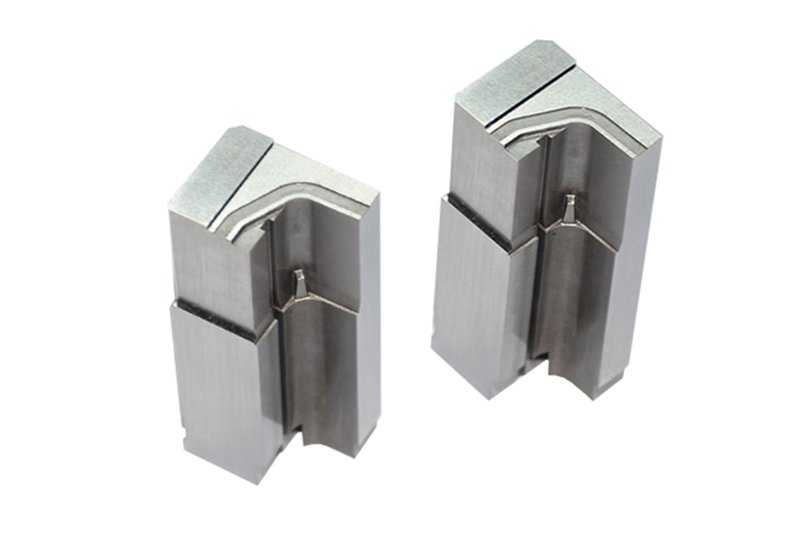
Plastic film parts · Precision mold insert
Automotive Connector Parts – Universal Electrical Connectors & Terminals for Vehicles
Brand Xuxiang Mold
Availability Made to drawing
RFQ pricing
Quote from STEP / PDF & quantity
Upgrade and repair your vehicle’s wiring with durable automotive connector parts designed for clean, reliable installations. These components help you eliminate loose wires, prevent intermittent faults, and keep critical systems powered under harsh driving conditions. From harness repairs to custom lighting, each piece is built to resist heat, vibration, and moisture for long-term performance. Whether you are a professional technician or a DIY enthusiast, you’ll appreciate the secure fit and easy assembly. Get the versatility you need to adapt, extend, or replace circuits without compromising safety or OEM-level quality.
- ISO 9001:2015–oriented process & documented inspection paths
- Zeiss / Nikon class metrology available for critical dimensions
- DFM feedback from 10+ senior tooling engineers
- Dongguan HQ + Quanzhou capacity for volume programs
Reliable Automotive Connector Parts for Professional-Grade Wiring
Automotive electrical systems depend on stable, low-resistance connections that can survive constant vibration, temperature swings, and exposure to moisture, dust, and road debris. Automotive connector parts are the essential building blocks that make this possible. From multi-pin plugs and sockets to terminals, seals, and locking housings, these components allow you to connect, extend, or repair circuits throughout a car, truck, SUV, motorcycle, marine craft, or off-road vehicle.
Whether you are installing aftermarket lighting, adding accessories, or rebuilding an engine bay harness, choosing the right connector parts has a direct impact on reliability and safety. Quality connectors help prevent short circuits, misfires, no-start conditions, and intermittent faults that are notoriously hard to trace. With the right selection of housings, pins, seals, and accessories, you can build or repair harnesses that match or exceed OEM standards while remaining easy to service in the future.
Key Features & Benefits
Our range of automotive connector parts is designed to meet the demands of modern vehicles and the expectations of professional installers.
- Wide compatibility – Suitable for many 12V and 24V automotive applications, including engine management, lighting, audio, sensors, and auxiliary accessories.
- Secure locking mechanisms – Positive latching tabs and keyed housings minimize the risk of accidental disconnection and help prevent mis-mating.
- Robust construction – Quality plastics and metals are selected for resistance to heat, vibration, and common automotive fluids, supporting long service life.
- Weather-resistance options – Many connector styles support grommets and seals to help guard against moisture and contamination in under-hood and exterior locations.
- Serviceable design – Terminals are engineered to be crimped with standard or dedicated crimp tools, allowing for clean, repeatable harness assembly and repair.
- Modular flexibility – Mix and match housings, pins, and accessories to support simple two-wire circuits or multi-pin harness junctions.
These benefits make automotive connector parts a smart choice for both new installations and field repairs. Instead of splicing wires with temporary fixes, you can create organized, labeled connections that are easy to troubleshoot and modify later.
Specifications & Key Details
The table below summarizes typical characteristics and options available in a selection of automotive connector parts. Individual items may vary by exact style and manufacturer, but this overview helps you understand what to expect when choosing components for your project.
| Attribute | Description |
|---|---|
| Connector Types | Inline plugs and sockets, panel-mount connectors, multi-pin housings, sensor and injector styles, blade and ring terminals. |
| Typical Applications | Engine bay harnesses, lighting circuits, fuse/relay boxes, audio systems, accessories, sensors, pumps, and control modules. |
| Conductor Size Compatibility | Supports common automotive wire sizes used in low-voltage vehicle circuits (fine-strand copper automotive cable). |
| Housing Material | Automotive-grade plastic designed to handle elevated temperatures and resist cracking under vibration. |
| Terminal Material | Copper alloy or similar conductive metals with surface treatments designed to maintain low contact resistance. |
| Locking & Keying | Mechanical latches and keyed shapes help prevent accidental unplugging and incorrect mating of similar connectors. |
| Environmental Protection | Many styles accept seals, boots, or grommets to help resist water, dust, and road contaminants. |
| Installation Method | Crimp-on terminals for insertion into housings; some ring and blade terminals can be crimped and optionally soldered. |
| Serviceability | Terminals can typically be removed with extraction tools, allowing re-pin, repair, or reconfiguration of existing harnesses. |
| Typical Use Environment | Interior cabin, trunk, engine bay, and underbody locations, depending on the design of the connector and sealing. |
Use Cases & Who These Connector Parts Are For
Automotive connector parts are suitable for a wide range of users and projects. If you work with vehicle wiring in any capacity, keeping a selection of connectors and terminals on hand can dramatically speed up repairs and upgrades.
- Professional mechanics and auto electricians – Build and repair harnesses to a tidy, OEM-like standard instead of relying on twisting and taping wires together. Organized connections reduce comebacks and make future diagnostics easier.
- Performance and motorsport builders – Create robust loom solutions for engines, data acquisition, and power distribution in high-vibration, high-temperature environments where reliability is critical.
- DIY enthusiasts and hobbyists – Tackle projects such as headlight upgrades, auxiliary light bars, aftermarket stereos, dash cameras, and additional power outlets with confidence.
- Custom vehicle and restoration shops – Replace brittle or corroded original connectors when rewiring classic cars, restomods, or specialty builds, while keeping the harness service-friendly.
- Fleet and commercial operators – Standardize on reliable connector styles for trucks, vans, construction machinery, and agricultural equipment to simplify maintenance and minimize downtime.
Because these connector parts support a variety of wire sizes and mounting locations, you can adapt them to suit everything from small low-current signal lines to heavier accessory loads, as long as you match the connector style and terminal rating to the application.
Installation, Care & Buying Guidance
To get the best performance from automotive connector parts, a few practical guidelines go a long way toward long-term reliability.
- Plan your circuits – Before cutting or crimping, map out your connections, current paths, and physical routing. Leave enough slack for service loops, but avoid excess cable that can snag or chafe.
- Use proper tools – A quality crimp tool matched to the terminal style helps create secure, repeatable crimps. Poor crimps are a common source of high resistance and intermittent faults.
- Match connectors to the environment – For engine bay and exterior locations, favor connector styles that accept seals or boots. For interior work behind dashboards or in trunks, compact non-sealed connectors may be adequate.
- Protect and route wiring – Use loom tubing, tape, grommets, and clips to prevent wires from rubbing against sharp edges, hot components, or moving parts that can cause damage over time.
- Label your connections – When building custom harnesses, labeling wires and connectors greatly simplifies troubleshooting and future upgrades.
- Inspect periodically – During regular vehicle maintenance or when working in the engine bay, visually check exposed connectors for signs of corrosion, damage, or loose locking tabs and address any issues early.
When choosing automotive connector parts, consider the number of circuits you need per connection, the physical space available, and any special requirements such as quick-disconnect capability or compatibility with existing OEM connectors. Selecting a consistent range of connector families can make stocking spare parts and tools easier and more economical over time.
FAQ
Are these automotive connector parts compatible with my vehicle?
Most universal automotive connector parts are designed to work with common automotive wire sizes and 12V or 24V systems. However, exact fit with original equipment connectors can vary by make, model, and year. For critical circuits, compare the shape, pin layout, and locking style with your existing connectors before installation.
Do I need special tools to install these connectors?
For best results, use a crimp tool that matches the style and size of the terminals you are installing. Many automotive terminals can be crimped with a quality ratcheting crimp tool designed for open-barrel or insulated terminals. Using the correct tool helps ensure a secure mechanical and electrical connection.
Can I use these connector parts in the engine bay or outside the vehicle?
Yes, many connector styles are suitable for under-hood or exterior use when paired with the correct seals and boots. When selecting parts, choose versions that support environmental sealing for locations exposed to heat, water, dirt, and road spray. Always route and secure wiring away from exhaust components and moving parts.
How should I maintain and inspect my automotive connectors?
During routine vehicle checks, look for broken locking tabs, discolored terminals, corrosion, or damaged seals. If you disconnect a connector, inspect the terminals inside and ensure there is no moisture or debris. Re-seat the connector until the latch clicks, and replace any damaged housings or terminals as needed.
What if I am not sure which connector style to choose?
If you are unsure which connector suits your application, start by identifying the number of wires, their size, and whether the connection is located in a dry interior area or a harsh environment. From there, choose a connector series that supports the required number of pins, fits the available space, and offers the level of sealing you need.
Can these parts be used to repair an OEM wiring harness?
Yes, many installers use universal automotive connector parts to repair or replace damaged sections of OEM harnesses. When doing so, it is important to maintain proper wire gauge, color coding where possible, and routing to keep the harness safe, neat, and traceable for future diagnostics.
Is it better to crimp or solder the terminals?
In most automotive applications, a correctly executed crimp using the proper tool is preferred because it provides a reliable mechanical and electrical connection and avoids potential issues with solder wicking or stiffness in the wire. Some installers may choose to add solder in specific cases, but it is not usually necessary when the crimp is done correctly.
What is your policy on returns or exchanges?
Return and exchange options typically depend on the condition of the parts and the time since purchase. In general, unused connector parts in their original packaging can be returned or exchanged within a defined period. Check the specific store or supplier terms for details on time limits and any restocking requirements.
How are automotive connector parts shipped and packaged?
Connectors and terminals are usually shipped in protective packaging to prevent damage or mixing of small parts. Orders may be packed in labeled bags or compartment boxes to keep different connector styles organized. Transit times and shipping options vary by location and chosen courier service.
Can I buy mixed kits instead of individual pieces?
Many buyers prefer assortment kits that include a range of connector housings, terminals, and seals for common wire sizes. These kits are convenient for workshops and DIY users who work on multiple vehicles and want to have a selection of parts readily available. Check product listings for kit-based options if you need a broader assortment.
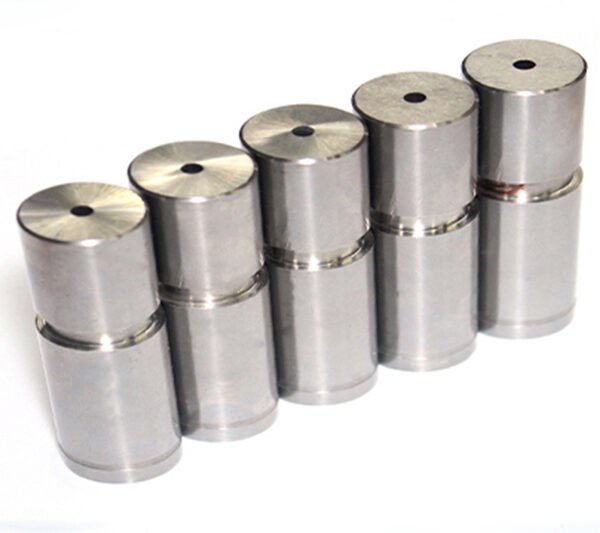
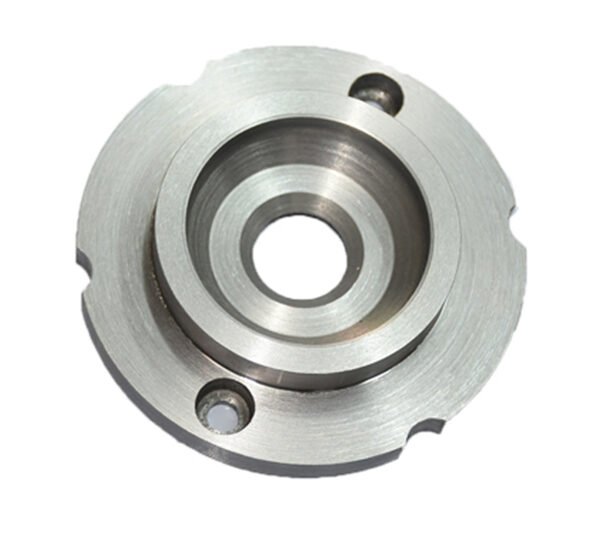
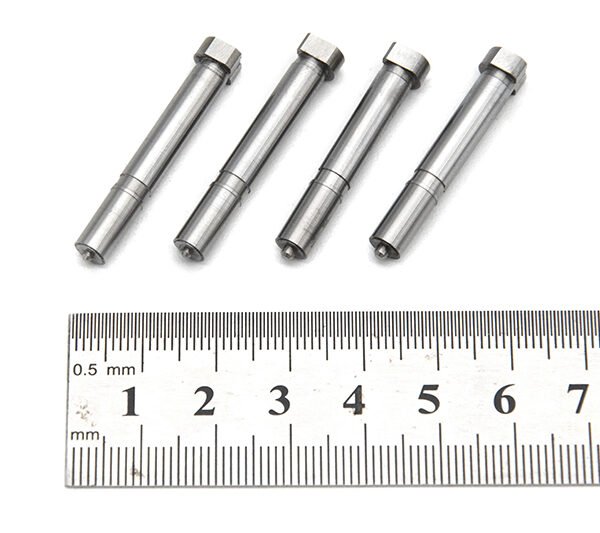
Same drawing, predictable results—next batch
Share revision, quantity ramp, and inspection level. We quote process route, ship date, and documentation in one structured response.