
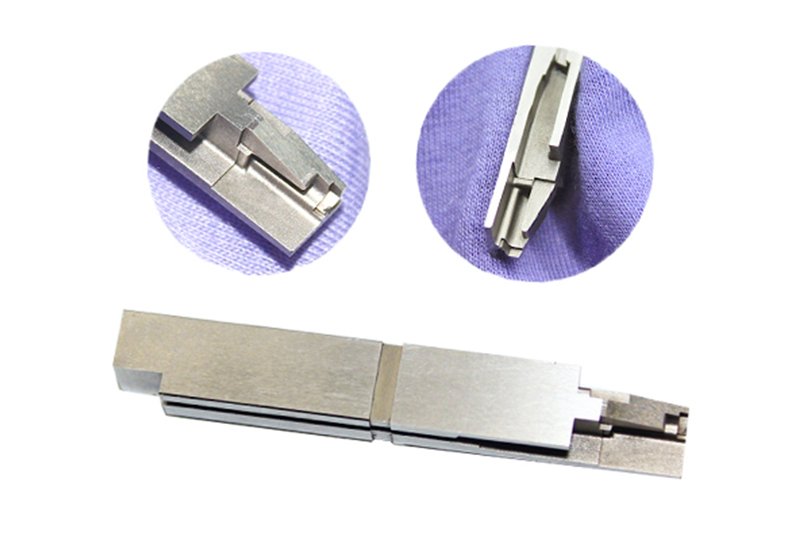
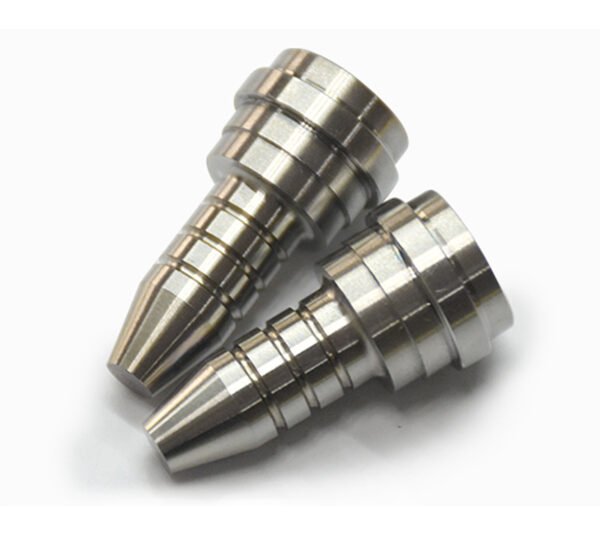
Plastic film parts · Precision mold insert
Automotive Connector Parts for Reliable Vehicle Electrical Connections
Brand Xuxiang Mold
Availability Made to drawing
RFQ pricing
Quote from STEP / PDF & quantity
Keep vehicle wiring secure, organized, and serviceable with automotive connector parts designed for repair, replacement, and custom builds. Whether you are restoring a harness, upgrading a sensor connection, or troubleshooting an intermittent fault, the right connector components help create a cleaner and more dependable electrical path. These parts are built to support common automotive applications where vibration, heat, and moisture can challenge ordinary connectors. Choose matching components to simplify installation and improve long-term connection quality.
- ISO 9001:2015–oriented process & documented inspection paths
- Zeiss / Nikon class metrology available for critical dimensions
- DFM feedback from 10+ senior tooling engineers
- Dongguan HQ + Quanzhou capacity for volume programs
What Automotive Connector Parts Are
Automotive connector parts are the individual components used to build, repair, and maintain electrical connections in cars, trucks, off-road vehicles, buses, and other mobile equipment. They may include connector housings, terminals, seals, locks, backshells, clips, and related accessories that work together to protect a circuit and keep it firmly connected. In real-world vehicle environments, connections must handle vibration, temperature changes, road splash, dust, and repeated service access, so using the correct connector parts matters as much as the wire itself.
For technicians, installers, and DIY builders, these parts make it possible to replace damaged connectors without rewiring an entire harness. They also support custom fabrication when a repair requires a new mating interface, a different pin count, or better environmental protection. Because many automotive electrical issues start with a loose, corroded, or mismatched connection, choosing well-fitted connector parts can save time during diagnosis and help reduce repeat failures.
Key Features and Benefits
Automotive connector parts are valued for durability, compatibility, and service efficiency. A good connector system helps keep current flowing consistently while shielding the contact area from contamination. It also makes future maintenance easier because a properly designed connector can be disconnected and reconnected without damaging the circuit.
Why buyers choose them
They are commonly selected to support harness repairs, OEM-style replacements, aftermarket upgrades, fleet maintenance, and prototype wiring. For installers, the biggest advantage is control: you can match the correct terminal style, seal type, and locking feature to the application instead of forcing an unsuitable part into service.
- Helps restore damaged or worn vehicle connectors
- Supports cleaner, more professional wiring repairs
- Improves resistance to vibration and environmental exposure
- Makes troubleshooting and future service easier
- Works across many automotive and mobility applications
What to look for when selecting parts
Compatibility is the first priority. Connector families differ by pin count, terminal size, keying, locking style, and sealing approach, so the best match is usually determined by the original connector or equipment requirements. Material quality also matters, especially for terminals and seals that must hold up in heat, moisture, and repeated cycles of use. If the application is exposed to the elements, sealed connector components are often preferred; for interior or protected locations, an unsealed option may be appropriate.
Specifications and Typical Selection Factors
| Attribute | Typical Buyer Consideration |
|---|---|
| Product type | Connector housings, terminals, seals, locks, clips, and repair accessories |
| Vehicle fit | Passenger vehicles, trucks, commercial fleets, off-road equipment, and custom builds |
| Compatibility | Must match connector family, pin count, terminal style, and mating shape |
| Environmental protection | Sealed or unsealed depending on moisture, dust, and under-hood exposure |
| Installation method | Crimp, splice, repair, or harness assembly depending on the part style |
| Serviceability | Should allow secure locking and straightforward future disconnection |
| Common use | Electrical repairs, replacement connectors, sensor wiring, lighting, and aftermarket electronics |
Common Use Cases
These parts are used in many vehicle electrical systems, including lighting, sensors, engine management, dashboard electronics, trailers, accessories, and auxiliary equipment. They are also useful for repair shops that need to restore a broken connector without replacing an entire harness assembly. In fleet operations, keeping a small inventory of connector parts can reduce downtime by making on-site repairs faster and more predictable.
For custom projects, automotive connector parts help builders create neat, repeatable connections for audio systems, auxiliary lighting, monitoring devices, and conversion work. They are equally valuable in restoration projects where matching the original connector style improves both appearance and function. When the right part is used, the result is a connection that looks cleaner, fits better, and is easier to service later.
Care, Maintenance, and Buying Guidance
Before ordering, identify the connector family, terminal size, number of positions, and whether the application is sealed. If possible, compare the existing connector to reference images or the equipment manual. Buying by appearance alone can lead to mismatched terminals or housings, so checking the mating side, lock style, and wire gauge range is worth the extra time.
During installation, keep terminals clean, use the correct crimping tool, and make sure seals are seated properly. Avoid mixing incompatible parts from different connector series unless the manufacturer confirms the match. For long-term reliability, inspect connectors periodically for corrosion, loose locking tabs, cracked housings, or heat damage, especially in high-vibration or under-hood locations.
Storage is also important. Keep spare connector parts in a dry, organized container so seals, terminals, and housings remain clean and easy to identify. This simple habit helps technicians work faster and lowers the chance of installing the wrong component in a critical circuit.
FAQ
How fast is shipping for automotive connector parts?
Shipping speed depends on stock status, destination, and the carrier service selected at checkout. For urgent repairs, it is best to confirm availability before ordering so you can choose the fastest practical delivery option.
How do I know which size or fit I need?
Check the original connector housing, pin count, terminal shape, seal style, and wire gauge. If you are replacing a specific vehicle connector, matching by OEM part number, harness reference, or clear photos usually gives the most reliable result.
Are these parts compatible with all vehicles?
No single connector part fits every vehicle. Compatibility depends on the connector family and the application, so you should always verify the mating design and electrical requirements before purchase.
Can these be used for custom wiring projects?
Yes. Automotive connector parts are commonly used in custom harnesses, lighting upgrades, accessory installations, and restoration work where a secure, serviceable connection is needed.
How should I maintain automotive connectors after installation?
Keep the connection clean, make sure locks are fully engaged, and inspect for corrosion or water intrusion during routine service. In exposed areas, using the correct seal and strain relief helps extend service life.
What if I need help matching an existing connector?
Start with the connector shape, number of cavities, terminal style, and any part numbers molded into the housing. Clear photos of both sides of the connector are often enough to narrow the match significantly.
What is the return or warranty approach?
Return and warranty terms vary by seller and product condition. Before ordering, review the store’s policy so you know how fit issues, unused parts, and defective items are handled.
Do connector parts work for both repair and replacement?
Yes. They are used to repair damaged connections, replace worn components, and assemble new harnesses when the original connector is no longer serviceable.
Same drawing, predictable results—next batch
Share revision, quantity ramp, and inspection level. We quote process route, ship date, and documentation in one structured response.