
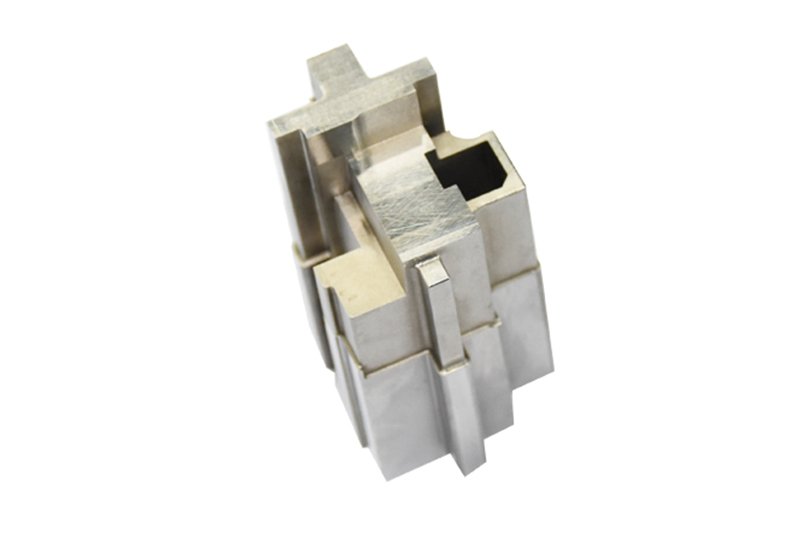
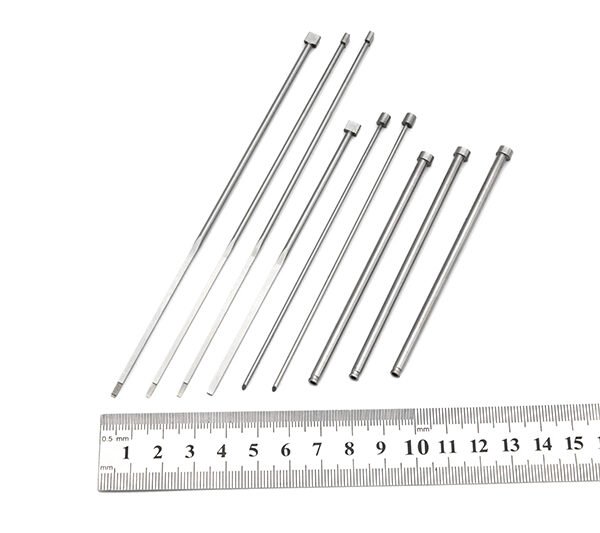
Plastic film parts · Precision mold insert
Automotive Connector Parts – Universal Electrical Connectors & Terminals for Vehicles
Brand Xuxiang Mold
Availability Made to drawing
RFQ pricing
Quote from STEP / PDF & quantity
Keep your vehicle wiring safe, reliable, and easy to service with our premium automotive connector parts. Designed for modern 12V and 24V systems, these connectors help you build clean, professional-grade harnesses for repairs, upgrades, or custom projects. Weather-resistant housings and secure locking mechanisms protect against vibration, moisture, and corrosion on the road. Clearly keyed designs and color-coding support fast, error-free installation in tight engine bays and dashboards. Whether you are an auto electrician, DIY enthusiast, or fleet technician, these automotive connector parts give you the confidence of stable, long-lasting electrical connections.
- ISO 9001:2015–oriented process & documented inspection paths
- Zeiss / Nikon class metrology available for critical dimensions
- DFM feedback from 10+ senior tooling engineers
- Dongguan HQ + Quanzhou capacity for volume programs
Reliable Automotive Connector Parts for Professional-Grade Wiring
Automotive electrical systems rely on dependable connections to keep engines starting, lights shining, and onboard electronics functioning in all driving conditions. Our automotive connector parts are designed to provide secure, low-resistance electrical paths in cars, trucks, motorcycles, off-road vehicles, marine applications, and custom builds.
From multi-pin plug housings and crimp terminals to seals, locks, and backshells, this range supports everything from simple repairs to complete custom wiring harnesses. The parts are compatible with common 12V and 24V systems and are suitable for use in engine bays, under-dash installations, and chassis-mounted applications where heat, vibration, and moisture are daily challenges.
Whether you are replacing a damaged OE connector, adding auxiliary lighting, installing aftermarket sensors, or building a motorsport-grade loom, these components help you achieve a clean, serviceable, and robust installation that is built to last.
Key Features & Benefits
These automotive connector parts are engineered to make electrical work faster, safer, and more reliable for both professionals and serious DIY users.
- Secure mechanical locking – Positive locking tabs or latches help prevent accidental disconnection due to vibration, bumps, or movement over time.
- Weather-resistant designs – Many housings accept wire seals and grommets to help guard against water, dust, road salt, and engine-bay contaminants.
- Low-resistance electrical connections – Quality metal terminals are designed to support stable current flow and reduce the risk of overheating at connection points.
- Clear polarity and keying – Keyed housings, molded shapes, and color cues help prevent mis-mating and wiring errors during installation or servicing.
- Versatile configurations – Available in common pin counts and styles such as 1-pin, 2-pin, multi-pin, in-line, and panel-mount to match a wide range of vehicle circuits.
- Serviceable and replaceable – Terminals can be de-pinned and replaced with the right tools, allowing cost-effective repairs without replacing entire harnesses.
- Compatible with standard tools – Designed for use with mainstream crimping tools, wire strippers, and diagnostic equipment used in automotive workshops.
Specifications & Key Attributes
The table below outlines typical attributes you can expect from these automotive connector parts. Exact characteristics may vary by specific connector series and style.
| Attribute | Description |
|---|---|
| Product type | Automotive electrical connector housings, terminals, seals, and accessories |
| Typical applications | Lighting, sensors, ignition, fuel systems, fans, pumps, infotainment, auxiliary accessories |
| System voltage compatibility | Suitable for common 12 V and 24 V automotive and light commercial vehicle systems |
| Connector styles | Single-pin and multi-pin, in-line, bulkhead/panel-mount, and component-mount options |
| Terminal connection method | Crimp-style terminals designed for use with appropriate crimping tools |
| Environmental protection | Options for sealed and unsealed designs; many parts support wire seals and gaskets |
| Typical wire size range | Compatible with a range of common automotive wire gauges (varies by connector family) |
| Material (housings) | Durable engineering plastics selected for heat and chemical resistance |
| Material (terminals) | Copper-based alloys with suitable plating for conductivity and corrosion resistance |
| Installation tools | Standard automotive wire strippers, crimp tools, and optional de-pinning tools |
Typical Use Cases & Who These Parts Are For
Automotive connector parts are widely used across vehicle platforms and industries. They are ideal for:
- Professional auto electricians – Create reliable harness repairs, add new circuits, or upgrade vehicle systems with clean, serviceable connectors.
- Independent garages and workshops – Replace damaged OE plugs, repair corroded connections, and integrate aftermarket components without compromising safety.
- Performance and motorsport builders – Construct custom looms for engine swaps, data logging, racing electronics, and auxiliary systems that withstand high vibration and heat.
- 4×4, off-road, and overland enthusiasts – Add spotlights, winches, compressors, fridges, and other accessories while keeping wiring organized and protected from the elements.
- DIY hobbyists and restorers – Rewire classic cars, motorcycles, or custom projects using modern connectors that blend reliability with a tidy, factory-style finish.
- Fleet and equipment managers – Simplify maintenance and reduce downtime with standard connector solutions across vans, trucks, and specialized equipment.
By standardizing on well-designed automotive connectors, you make future diagnostics and modifications much simpler. Circuits can be disconnected quickly for testing, components can be swapped without cutting and re-splicing wires, and the risk of intermittent faults is significantly reduced.
Installation, Care & Buying Guidance
Choosing the right combination of connector housings, terminals, and seals is essential for a reliable installation. Consider the environment, current load, access, and serviceability of each connection when selecting components.
- Match wire size and terminal type – Always select terminals that are compatible with the wire gauge and insulation type you are using to ensure a secure crimp.
- Use quality tools – A proper ratcheting crimp tool and appropriate dies improve consistency and reduce the likelihood of loose or damaged terminations.
- Plan for environmental exposure – In engine bays, wheel arches, or exposed chassis locations, prioritize sealed connectors and use dielectric grease where appropriate.
- Route and support wiring – Use loom tubing, cable ties, and clips to support connectors and minimize strain on wires and terminals over time.
- Label and document circuits – Label connectors or maintain a wiring diagram so that future troubleshooting and upgrades are quick and error-free.
For ongoing reliability, periodically inspect exposed connectors during routine vehicle maintenance. Look for signs of corrosion, discoloration, loose locks, or damaged seals. Re-seat or replace components as needed, especially in high-vibration or harsh environments.
When purchasing, it is often efficient to stock a selection of common connector body styles, pin counts, and matching terminals so that you are prepared for a wide variety of repair or upgrade tasks. Starting with a well-chosen set of automotive connector parts helps you deliver professional results on every wiring job.
FAQ
Are these automotive connector parts compatible with my vehicle?
These connectors are designed for common 12 V and 24 V automotive applications and can be used on many cars, trucks, and other vehicles. Always check the connector style, pin count, and wire size requirements of your specific application before ordering to ensure compatibility.
Do I need special tools to install these connectors?
You will get the best results using a suitable crimping tool matched to the terminals, along with standard wire strippers. For some connectors, a de-pinning or extraction tool is recommended if you plan to remove or replace terminals after assembly.
Can these connector parts be used in the engine bay or exposed areas?
Many of the connector styles available support seals and are appropriate for engine bay or chassis-mounted use. For harsh or wet environments, choose sealed connectors and ensure that all seals are correctly installed and the wires are routed to avoid direct spray or abrasion.
How should I protect connectors from corrosion and moisture?
Use sealed connector housings where possible, ensure the correct seals are fitted to each wire, and route wiring away from standing water and debris. In some cases, applying a small amount of dielectric grease to terminals and seals can help reduce moisture ingress.
What is the best way to choose the right connector size?
Consider the number of circuits you need to connect, the expected current per circuit, and the wire gauge. Select a connector with an appropriate pin count and choose terminals rated for the wire size and current in your design.
How do shipping and delivery typically work for these parts?
Automotive connector parts are compact and usually ship in protective packaging to prevent damage. Multiple shipping options are typically available at checkout, and tracking information is provided so you can follow your order from dispatch to delivery.
Can I return connectors if I order the wrong type?
In most cases, unused and undamaged connectors can be returned within the stated returns window, provided they are in their original packaging. Check the specific returns and warranty policy before purchasing, especially for bulk or special-order items.
How should I maintain connectors after installation?
During routine vehicle inspections, visually check accessible connectors for looseness, corrosion, or broken latches. Clean lightly soiled connectors with appropriate electrical contact cleaners and replace any components that show significant wear or damage.
Are these parts suitable for aftermarket accessories and custom builds?
Yes, they are ideal for adding aftermarket lighting, audio systems, engine management, auxiliary power outlets, and other accessories. Using proper connectors instead of simple splices helps keep your installation neat, safe, and easier to troubleshoot later.
Do these connectors come pre-assembled?
Most automotive connector parts are supplied as separate housings, terminals, and seals so you can configure them to your exact wiring needs. This allows more flexibility in wire lengths, colors, and routing during your project.
Same drawing, predictable results—next batch
Share revision, quantity ramp, and inspection level. We quote process route, ship date, and documentation in one structured response.