
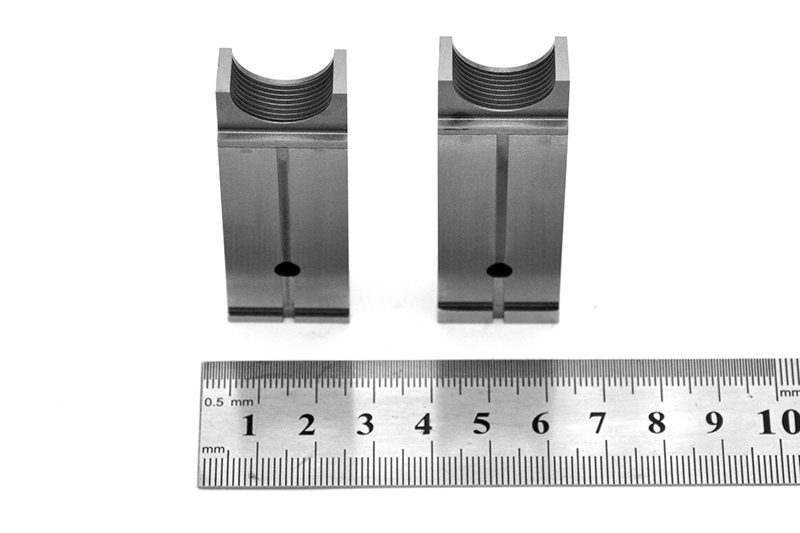
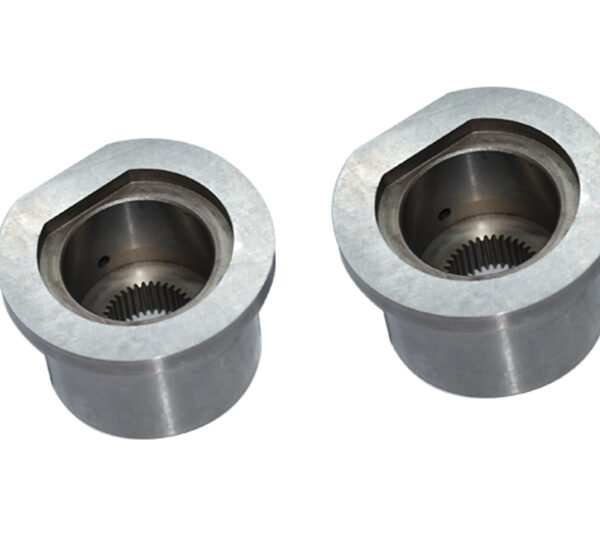
Plastic film parts · Precision mold insert
Automotive Connector Parts for Reliable Vehicle Electrical Repairs
Brand Xuxiang Mold
Availability Made to drawing
RFQ pricing
Quote from STEP / PDF & quantity
Restore secure electrical connections with Automotive connector parts designed for dependable fit, easier repairs, and cleaner wiring work. Whether you are replacing a damaged plug, rebuilding a harness, or upgrading a connection point, these parts help keep signals and power flowing where they belong.
Ideal for maintenance, retrofit, and custom wiring projects, they support a neater installation and a more professional finish. Choose the right connector components to reduce intermittent faults and make future service easier.
- ISO 9001:2015–oriented process & documented inspection paths
- Zeiss / Nikon class metrology available for critical dimensions
- DFM feedback from 10+ senior tooling engineers
- Dongguan HQ + Quanzhou capacity for volume programs
Built for dependable vehicle wiring connections
Automotive connector parts are the small but essential components that keep electrical systems connected across cars, trucks, buses, off-road vehicles, and custom builds. In real-world service work, these parts are often used to repair broken plugs, replace worn terminals, refresh sealing components, or rebuild a damaged harness section without replacing an entire wiring assembly. According to automotive connector suppliers and distributors, this category covers a broad range of connector styles used in vehicle electrical and electronic systems, from OEM-style connectors to specialty repair and aftermarket options.[1][3][5][6][7][10][14]
For shoppers, the main value is simple: the right connector part helps restore a stable connection, reduces the chance of intermittent power loss, and supports a cleaner, more professional repair. Whether you are working on lighting, sensors, control modules, accessories, or general vehicle wiring, choosing the correct connector component can save time and improve serviceability.
Key features and benefits
Automotive wiring environments are demanding. Vibration, heat, moisture, and repeated servicing can all stress connectors over time. That is why connector parts are typically selected for secure mating, reliable contact retention, and compatibility with automotive repair workflows. Industry listings from connector-focused suppliers show that buyers commonly search by vehicle fitment, connector family, or application, which reflects how important compatibility is in this product category.[4][5][6][7][12][14]
Key benefits often include:
- Helps restore damaged electrical connections without replacing entire harnesses.
- Supports cleaner repairs for OEM, aftermarket, and custom wiring jobs.
- Can improve serviceability by making connector sections easier to inspect and replace.
- Useful for technicians who need parts matched to a specific vehicle function or connector style.
- Appropriate for a wide range of vehicle systems, from basic power circuits to electronic control connections.
Because automotive connectors vary widely by shape, pin count, sealing style, and application, careful selection matters more than brand name alone. A good match can make installation smoother and reduce the need for rework.
Specifications and typical attributes
The exact construction depends on the connector family and application. When comparing options, buyers usually evaluate the connector body, terminal style, locking design, sealing approach, and compatibility with the existing harness or component. If you are replacing a part, it is best to verify the original connector layout and match it as closely as possible.
| Attribute | Typical Buyer Consideration |
|---|---|
| Product type | Automotive connector parts for repair, replacement, or custom wiring |
| Application | Vehicle electrical systems, harness repair, retrofit, and maintenance |
| Compatibility | Should match connector family, pin layout, sealing style, and vehicle function |
| Construction | Connector housings, terminals, seals, locks, and related repair components |
| Environment | Designed for automotive use where vibration, heat, and moisture may be present |
| Selection method | Often chosen by vehicle model, function, OEM reference, or connector type |
| Finish/fit | Should support secure mating and dependable contact retention |
Who uses automotive connector parts
These parts are used by professional technicians, auto electricians, fleet maintenance teams, repair shops, motorsport builders, restoration specialists, and DIY vehicle owners. They are especially useful when a connector is cracked, corroded, loose, or missing, or when a new accessory or sensor needs a proper electrical interface. Suppliers in this market also emphasize selection by vehicle model-year, VIN, or function, which is helpful when dealing with hard-to-identify connectors.[4][8][9][12]
Common use cases include:
- Repairing damaged wiring connectors after wear, heat exposure, or accidental breakage.
- Replacing connectors during engine bay, lighting, interior, or sensor repairs.
- Building custom harnesses for performance, fleet, or aftermarket installations.
- Refreshing aged electrical connections during restoration projects.
- Keeping spare repair parts on hand for faster service turnaround.
Buying and care guidance
Before ordering, confirm the connector family, number of terminals, locking style, and whether the part is sealed or unsealed. If possible, compare the original part number, vehicle model-year, or connector function to reduce fitment mistakes. For repair work, it is also smart to review the terminal crimp method and wire gauge compatibility so the finished connection is secure and serviceable.
After installation, keep the connection area clean and protected from contamination. Inspect for bent terminals, incomplete locking, or damaged seals if the circuit later shows intermittent behavior. In fleet or workshop use, organizing common connector parts by family and application can speed up future repairs and reduce downtime.
FAQ
How quickly can automotive connector parts ship?
Shipping speed depends on inventory, order volume, and destination. Many buyers keep these parts in regular stock because they are often needed for fast repairs and turnaround-sensitive jobs.
How do I know if a connector part will fit my vehicle?
Match the connector family, pin count, locking design, sealing style, and the original vehicle function. When available, use the VIN, model-year, or OEM reference to narrow compatibility.
Can these parts be used for custom wiring projects?
Yes. They are commonly used for custom harnesses, retrofit work, and aftermarket accessories when a proper automotive-grade connection is needed.
What should I check before installation?
Verify terminal orientation, wire gauge compatibility, mating alignment, and whether the connector needs seals or secondary locks. A dry fit before crimping can prevent mistakes.
How should I maintain automotive connector parts?
Keep them clean, dry, and protected from corrosion. Periodic inspection helps catch loosened terminals, damaged locks, or seal wear before they become a fault.
Are these parts suitable for professional repair shops?
Yes. They are a practical choice for shops, auto electricians, and fleet service teams that need dependable replacement components for recurring repairs.
What if I need a replacement after I receive the wrong part?
Check the seller’s return or exchange policy before ordering. For best results, compare the old connector to product photos and specifications before installation.
Do I need special tools to install them?
Many connector repairs require proper crimping and sometimes terminal-release tools. Using the right tools helps create a secure connection and reduces rework.
Same drawing, predictable results—next batch
Share revision, quantity ramp, and inspection level. We quote process route, ship date, and documentation in one structured response.