
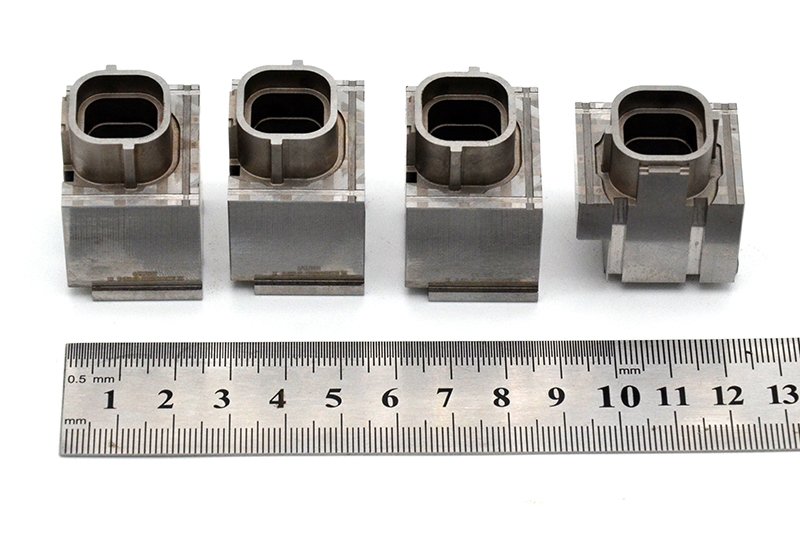
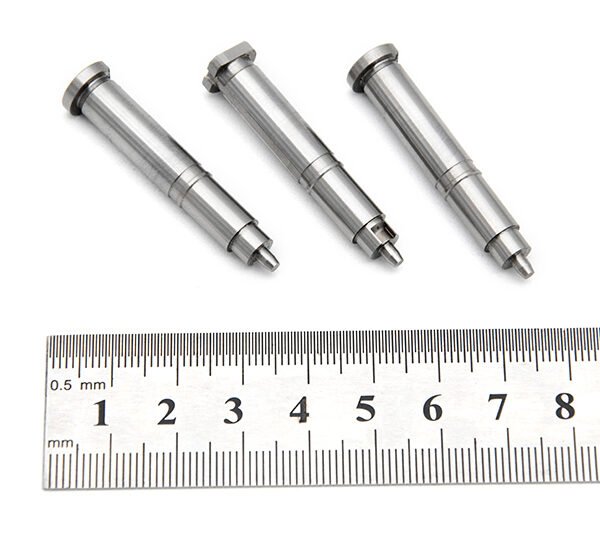
Plastic film parts · Precision mold insert
Automotive Connector Parts – Universal Electrical Connectors & Terminals Kit
Brand Xuxiang Mold
Availability Made to drawing
RFQ pricing
Quote from STEP / PDF & quantity
Keep your vehicle’s wiring safe, tidy and reliable with this professional selection of automotive connector parts. Designed for modern 12V and 24V electrical systems, these connectors help you create clean, vibration-resistant joins for sensors, lighting, infotainment and engine harnesses. Weather-resistant housings and quality terminals ensure stable conductivity and reduced voltage drop, even in demanding under‑hood environments. Whether you are repairing OEM looms or building a custom harness from scratch, you’ll appreciate the organized, workshop‑ready assortment. Ideal for auto electricians, DIY enthusiasts, motorsport teams and fleet maintenance crews.
- ISO 9001:2015–oriented process & documented inspection paths
- Zeiss / Nikon class metrology available for critical dimensions
- DFM feedback from 10+ senior tooling engineers
- Dongguan HQ + Quanzhou capacity for volume programs
Professional Automotive Connector Parts for Reliable Vehicle Wiring
Modern vehicles rely on a complex network of electrical circuits to power everything from engine management and ABS systems to lighting, audio and advanced driver-assistance features. High-quality automotive connector parts are essential to keep these systems safe, stable and easy to service over the lifetime of the vehicle.
This product brings together a versatile selection of connector housings, terminals and seals that are designed specifically for automotive applications. From simple two-way connectors for lighting repairs to multi-pin housings for sensors and auxiliary accessories, you can build or repair harnesses with professional results. Durable plastics, precise metal contacts and optional weather seals help protect against heat, vibration, moisture and corrosion throughout the vehicle.
Whether you are maintaining a daily driver, upgrading a 4×4, wiring a race car or servicing a mixed-brand fleet, this kit is designed to give you the flexibility and reliability you need in the workshop or on the road.
Key Features & Benefits
Every component in this selection of automotive connector parts is chosen to deliver dependable performance in real-world conditions:
- Automotive-grade materials – Connector housings use robust, heat-resistant plastics suitable for engine bay and interior installations, offering good resistance to oils, fuels and common automotive fluids.
- Secure locking mechanisms – Positive latch designs provide a firm mechanical lock between male and female housings, reducing the risk of accidental disconnection due to vibration or movement.
- Consistent electrical performance – Quality metal terminals are engineered for strong crimp connections, low contact resistance and reliable current flow in 12V and 24V systems.
- Weather-resist options – Many connectors can be used with wire seals and cavity plugs to help guard against dust, splash water and road debris in exposed areas of the vehicle.
- Versatile pin counts – A mix of common pin configurations (such as 1-way, 2-way, 3-way and multi-pin styles) allows you to handle everything from simple single-circuit repairs to more complex harness builds.
- Time-saving organization – Grouping key parts in one place streamlines your workflow, reduces time spent searching for individual pieces and helps ensure consistent, repeatable repairs across multiple vehicles.
- OEM-style compatibility – Designed to work with typical automotive wire gauges and layouts, making it easier to replace damaged connectors without redesigning the entire circuit.
Specifications & Key Details
The table below summarizes the main attributes and typical characteristics you can expect from this range of automotive connector parts. Values are descriptive to reflect common use in automotive environments; always match components to the specific requirements of your vehicle or project.
| Attribute | Description |
|---|---|
| Product type | Assorted automotive electrical connector parts (housings, terminals, seals) |
| Typical system voltage | Suitable for common 12V and 24V automotive electrical systems |
| Connector styles | Inline plug-and-socket housings, multi-pin blocks, pigtail repair connectors |
| Pin configurations | Mix of single-pin and multi-pin layouts for sensors, lighting and accessories |
| Contact material | Automotive-grade metal terminals designed for strong crimp connections |
| Housing material | Durable, heat-resistant thermoplastic suitable for under-dash and under-hood areas |
| Wire size compatibility | Designed for common automotive wire gauges used in low-voltage vehicle circuits |
| Sealing options | Selected connectors compatible with individual wire seals and/or cavity plugs for weather resistance |
| Typical applications | Lighting, sensors, engine management, ABS, fans, pumps, audio, accessories and custom harnesses |
| Tools required | Standard automotive crimping tool and basic hand tools for installation |
Use Cases: Who These Connector Parts Are For
These automotive connector parts are designed to support a wide range of users and scenarios, from one-off repairs to full custom builds:
- Professional auto electricians – Equip your workshop with a reliable selection of connectors so you can handle wiring jobs on passenger cars, light trucks, vans and off-road vehicles without delays.
- DIY car enthusiasts – Ideal for enthusiasts upgrading headlights, adding auxiliary lighting, installing aftermarket gauges or tidying up previous owner wiring.
- Motorsport and off-road builders – Build neat, easily serviceable harnesses for track cars, drift builds, rally vehicles and 4×4 overland rigs where vibration and harsh environments are common.
- Fleet and equipment maintenance – Keep essential vehicles on the road by replacing damaged connectors in utility trucks, delivery vans, agricultural machinery and construction equipment.
- Audio and accessory installers – Create clean, reversible connections when adding amplifiers, dash cams, work lights, towbar electrics, winches and other accessories.
By using dedicated automotive connectors instead of generic household plugs or improvised joins, you reduce the risk of intermittent faults, overheating, moisture ingress and confusing future diagnostics.
Installation, Care & Buying Guidance
Correct installation and basic care are crucial if you want your automotive connector parts to perform reliably for years.
Installation Tips
- Match the connector type and pin count to the original part or wiring diagram before starting work.
- Use an appropriate automotive crimping tool to achieve strong, uniform crimps on each terminal.
- Strip only the minimum insulation required and avoid nicking the copper strands to maintain conductor strength.
- Where possible, use heat-shrink tubing or protective loom to support and protect the wires near the connector.
- Check each connection for a positive latch and a gentle tug to confirm it is fully seated.
Care & Maintenance
- Periodically inspect connectors in high-vibration or exposed areas (such as near the engine, suspension or exterior lights) for signs of damage or corrosion.
- Keep connectors clean and free from mud, road salt and oil build-up; a soft brush and suitable cleaner can help.
- Do not overload circuits; ensure the connector and wire size are appropriate for the current drawn by the device.
- When disconnecting, press the latch rather than pulling on the wires to avoid stress on the terminals.
How to Choose the Right Automotive Connector Parts
To select the best parts for your project, consider the following points before you buy:
- Vehicle make and model – Some connectors are specific to certain manufacturers or platforms; compare the shape, locking tab and keying to your original part.
- Number of circuits – Count the number of wires and choose pin configurations that match or allow a clean re-route.
- Environment – For under-hood or exterior locations, prioritize connectors that accommodate seals and are built for higher temperatures and exposure.
- Serviceability – If you expect future changes, choose connectors that are easy to depin and reconfigure.
- Tooling – Make sure you have a compatible crimp tool or are able to obtain one; correct tooling is essential for dependable crimps.
Investing in the right automotive connector parts will save time, reduce repeat faults and help you produce neat, professional wiring that is easier to diagnose and repair in the future.
FAQ
Are these automotive connector parts compatible with my vehicle?
The connectors are designed around common automotive sizes and layouts used across many vehicles, but there are variations between makes and models. Always compare the shape, locking tabs, pin layout and wire size to your original connector or wiring diagram before installing.
Do I need special tools to install these connectors?
For best results, you should use an automotive-grade crimping tool that matches the style of terminal used in the kit. Basic hand tools such as wire strippers and side cutters are also recommended. Using the correct crimp tool ensures secure, long-lasting electrical connections.
Can these connector parts be used in the engine bay or exterior areas?
Many of the connectors are suitable for use in engine bay and exterior locations when installed correctly and combined with appropriate seals and protective loom. For highly exposed areas, choose connectors that support weather seals and ensure all wires and joints are properly protected.
How do I know which wire size these connectors support?
The terminals are designed to suit typical automotive wire gauges used in 12V and 24V systems. Check your wire size and ensure it falls within the recommended range for the terminal style. Avoid forcing oversized wire into a small terminal or using very thin wire in a terminal rated for larger conductors.
What is the best way to maintain connectors over time?
Inspect critical areas periodically for signs of wear, corrosion or damage. Keep connectors clean, avoid pulling on the wires when disconnecting, and repair or replace any damaged housings or terminals promptly. In harsh environments, protective covers and loom can extend connector life.
Can I use these automotive connector parts for custom accessories?
Yes. These parts are ideal for wiring custom accessories such as auxiliary lights, compressors, winches, towbar sockets and audio equipment. Using proper connectors instead of makeshift joins makes future troubleshooting and removal much easier.
What is your returns or warranty policy for connector parts?
Connector parts are covered by a standard returns and warranty policy for manufacturing defects. Unused items in resalable condition can typically be returned within the stated returns window, subject to the store’s terms. Please refer to the specific seller or store policy at checkout for full details.
How are these automotive connector parts shipped?
Orders are usually packed in secure containers or compartment boxes to keep parts organized during transit. Shipping options typically include standard and express services; available methods and estimated delivery times will be shown during checkout based on your location.
Is soldering required, or are crimp connections enough?
These connectors are designed primarily for crimped terminations, which are the standard in automotive wiring when done properly. In most cases, a correctly executed crimp provides all the mechanical and electrical performance needed without additional soldering.
Can I buy additional specific connector types separately?
If you find yourself using certain connectors more frequently, many suppliers offer those specific housings and terminals separately so you can replenish individual types. Check the product listings or contact customer support with details of the connector you need.
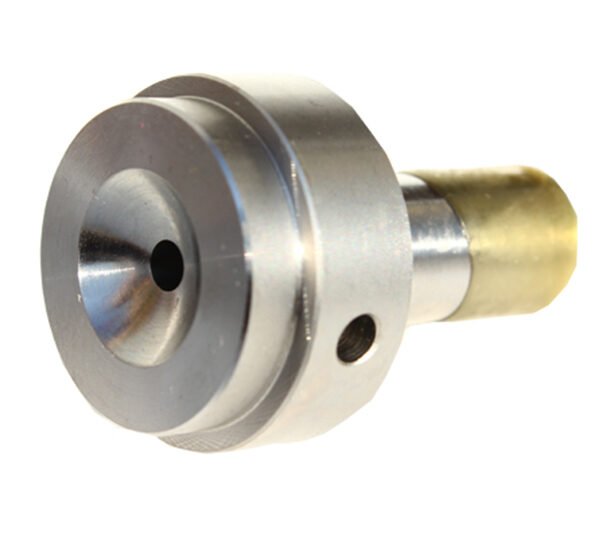
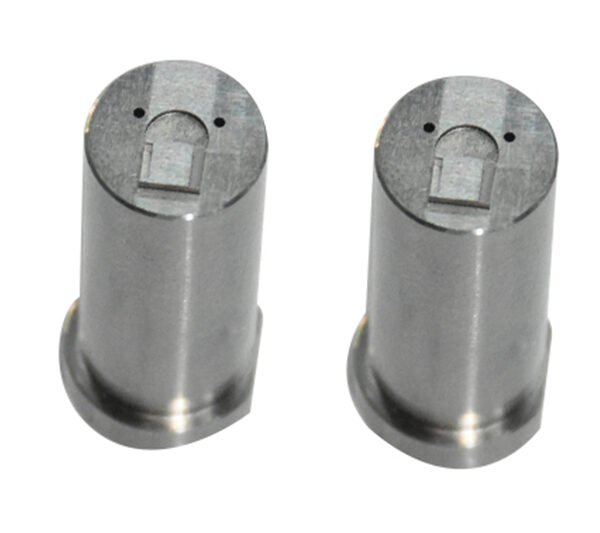
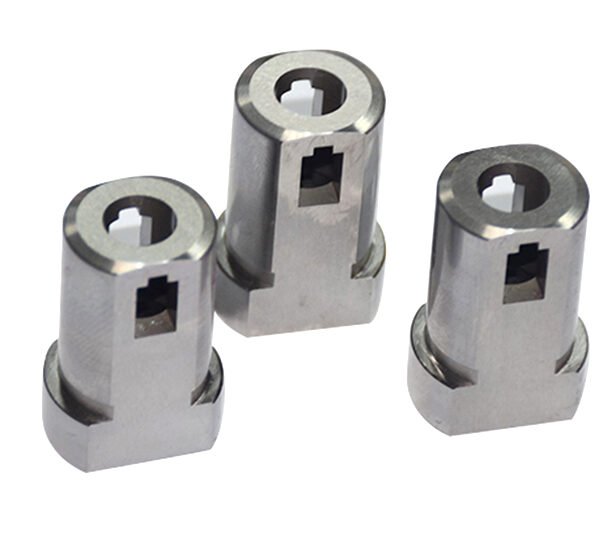
Same drawing, predictable results—next batch
Share revision, quantity ramp, and inspection level. We quote process route, ship date, and documentation in one structured response.