
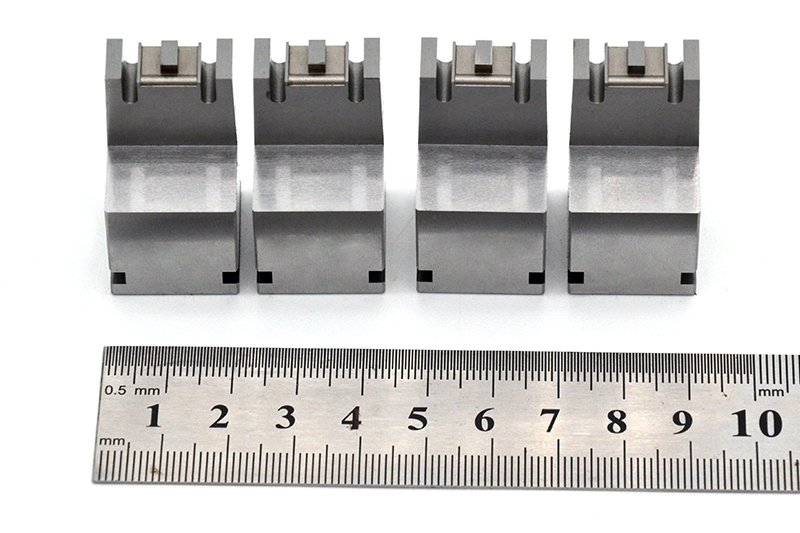
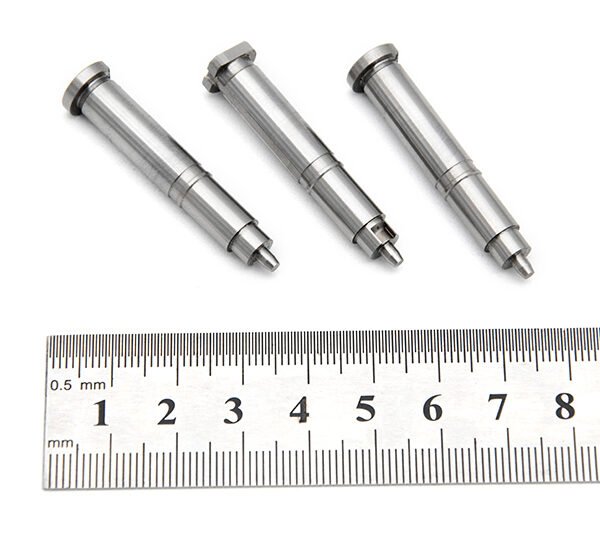
Plastic film parts · Precision mold insert
Automotive Connector Parts – Universal Automotive Electrical Connectors & Terminals Kit
Brand Xuxiang Mold
Availability Made to drawing
RFQ pricing
Quote from STEP / PDF & quantity
Keep every electrical connection on your vehicle secure and reliable with this comprehensive selection of automotive connector parts. Designed for modern 12V and 24V systems, these components help you repair, customize, or upgrade wiring harnesses with confidence. Weather-resistant housings and quality terminals support clean, low-resistance connections for sensors, lighting, and accessories. Ideal for professional technicians, motorsport builders, and DIY enthusiasts who demand dependable performance. Organize your wiring projects, reduce troubleshooting time, and get factory-grade results in your own workshop.
- ISO 9001:2015–oriented process & documented inspection paths
- Zeiss / Nikon class metrology available for critical dimensions
- DFM feedback from 10+ senior tooling engineers
- Dongguan HQ + Quanzhou capacity for volume programs
Professional-Grade Automotive Connector Parts for Reliable Electrical Systems
Reliable electrical connections are the backbone of every modern vehicle, from daily drivers and commercial fleets to off-road rigs and race cars. This curated range of automotive connector parts is designed to help you build, repair, and upgrade wiring harnesses with the same confidence as OEM manufacturers.
Whether you are replacing a damaged connector on an engine sensor, adding auxiliary lighting, or rewiring a complete custom build, high-quality connectors and terminals dramatically reduce the risk of voltage drop, intermittent faults, and costly electrical gremlins. These parts are engineered for harsh automotive environments with vibration, temperature swings, moisture, and contaminants in mind.
Instead of improvising with household connectors or unreliable quick fixes, you can choose housings, terminals, and seals that are purpose-built for vehicles and compatible with popular OEM and aftermarket systems.
Key Features & Benefits
Every component in this range of automotive connector parts is selected to support safe, long-lasting electrical performance in automotive applications.
- Automotive-grade materials: Connector housings are constructed from durable engineering plastics designed to withstand engine bay temperatures, road spray, and underbody debris, helping protect contacts from heat and impact.
- Secure locking mechanisms: Most housings feature positive locking tabs or latch systems that prevent accidental disconnection due to vibration, making them ideal for off-road, motorsport, and high-mileage vehicles.
- Corrosion-resistant terminals: Terminals are typically made from copper alloys with tin or other protective platings to support low-resistance connections and reduce oxidation in humid or salty environments.
- Weather-resistant options: Many connector families include rubber or silicone wire seals and interface seals to protect against water ingress, dust, and mud, supporting installation in engine bays, under-chassis locations, and exterior lighting circuits.
- Wide compatibility: Parts are available for common automotive connector families used by OEMs and popular aftermarket brands, making it easier to match or replace factory-style connectors during repairs and upgrades.
- Service-friendly design: Crimp-and-insert terminals, keyed housings, and clearly defined cavity layouts support clean assembly and easier diagnostics or rework later.
By using dedicated automotive connectors instead of generic hardware, you reduce the likelihood of loose wires, shorts, and intermittent issues that can be difficult to trace in complex wiring looms.
Specifications & Attribute Overview
The table below summarizes typical attributes available across the range. Specific details vary by connector family and part number; use this as a guide when selecting the right components for your project.
| Attribute | Description |
|---|---|
| Connector Type | Inline, sensor, lighting, injector, multi-pin harness, and bulkhead styles for 12V/24V automotive systems. |
| Number of Positions | Common configurations include 1-way, 2-way, 3-way, 4-way, and multi-pin blocks for complex circuits. |
| Contact Style | Crimp terminals for stranded automotive wire; some families support male/female blade or round pin layouts. |
| Wire Gauge Compatibility | Designed for typical automotive wire sizes used in low-current signal circuits and medium-current power feeds. |
| Sealing Options | Non-sealed connectors for cabin/interior use and sealed connectors with wire/interface seals for under-hood and exterior locations. |
| Housing Material | Automotive-grade thermoplastic engineered for heat, chemical, and UV exposure typical of vehicle environments. |
| Terminal Material | Copper alloy terminals with protective plating for improved conductivity and corrosion resistance. |
| Locking Mechanism | Integrated latch, secondary lock, or tab systems to secure mated halves and reduce disconnects from vibration. |
| Typical Applications | Engine sensors, fuel system components, lighting, ignition, ECU connections, accessories, and trailer wiring. |
| Installation Tools | Compatible with standard automotive open-barrel and closed-barrel crimp tools; depinning tools recommended for service. |
Use Cases & Who These Parts Are For
These automotive connector parts are versatile enough to serve many roles across the automotive and powersports world. They are particularly valuable when you need to trust every connection, often without direct line-of-sight once the vehicle is reassembled.
- Professional repair shops: Replace broken or heat-damaged connectors on engine sensors, ignition coils, fuel injectors, ABS modules, and other critical components using parts designed for automotive duty.
- Custom builders and retrofitters: When installing engine swaps, standalone ECUs, auxiliary fuse boxes, or custom lighting, proper connectors allow you to route wiring cleanly and disconnect sections easily for service.
- Motorsport and track-focused vehicles: High vibration and frequent disassembly demand connectors with secure locking and predictable performance. Quality terminals and housings help minimize DNF-causing electrical issues.
- Off-road, 4×4, and overland vehicles: For vehicles exposed to water crossings, mud, and dust, sealed connectors help keep critical systems running—especially for winches, air compressors, auxiliary fuel pumps, and lighting.
- DIY enthusiasts: Home mechanics can move beyond generic crimp splices and tap connectors, building neater looms that are easier to troubleshoot and more dependable over time.
Whatever the project—restoration of a classic car, repair of a late-model daily, or wiring a purpose-built competition vehicle—using dedicated automotive-grade connectors improves long-term reliability and makes future maintenance significantly easier.
Selection, Installation & Buying Guidance
Selecting the right automotive connector parts for your application involves a few key considerations that help ensure a long-lasting repair or upgrade:
- Match the environment: For engine bay, chassis, and exterior locations, choose sealed connectors with wire and interface seals. For protected interior harnesses, non-sealed connectors may be suitable and more compact.
- Check pin count and layout: Confirm the number of circuits needed, plus any future expansion. It is often easier to use a multi-pin connector and leave a cavity unused than to add connectors later.
- Verify wire size compatibility: Use terminals matched to your wire gauge so the crimp is mechanically strong and electrically efficient.
- Use the correct tools: For best results, use a quality crimp tool designed for the style of terminal you are installing. Proper crimps reduce resistance and prevent pulled-out wires.
- Plan serviceability: Position connectors where they can be reached for diagnostics or future component replacement, and label circuits or keep a wiring diagram for future reference.
When buying, it is often wise to keep a selection of commonly used connector sizes and terminals on hand for quick repairs and modifications. This minimizes downtime and ensures you are never tempted to rely on temporary fixes that compromise safety and reliability.
Investing in the right automotive connector parts pays off in fewer electrical issues, easier diagnostics, and a more professional finish to every wiring job.
FAQ
Are these automotive connector parts compatible with my vehicle?
These components are designed for general automotive use and are compatible with many vehicles that use similar connector styles, but they are not guaranteed to match every OEM plug. Always compare the shape, locking features, and pin count to your existing connector, or consult your wiring diagrams before purchase.
Do I need special tools to install these connectors?
For best results, use a quality automotive crimp tool matched to the terminal style. A depinning tool set is recommended for removing terminals from housings without damage. Basic hand tools such as wire strippers and cutters are also required.
Can these connector parts be used in the engine bay or under the vehicle?
Yes, many of the available connectors are suitable for engine bay and underbody use when you choose sealed versions with appropriate wire and interface seals. Always ensure the connector type and sealing level match the environment where it will be installed.
How should I protect the connectors from moisture and corrosion?
Use sealed connector families in exposed locations, route wiring away from direct spray where possible, and ensure seals are correctly seated during assembly. In harsh environments, you may also choose to wrap looms in protective conduit and apply dielectric grease to seals where recommended.
What wire sizes work with these terminals?
The terminals are designed for common automotive wire gauges used in low-current signals and moderate power circuits. Always check each terminal’s stated wire size range and use matching wire for a secure crimp.
Can I return connector parts if I order the wrong type?
Return and exchange options depend on the store’s specific policy. In most cases, unused and undamaged connectors can be returned within a set period. Please review the shop’s warranty and returns information before placing your order.
How long will shipping take?
Shipping times vary based on your location and chosen shipping method. Standard delivery services typically take several working days, while express options may be available at checkout for faster delivery.
Are these connectors suitable for 24V systems in trucks or equipment?
Most automotive connector families are suitable for both 12V and 24V low-voltage DC systems, as used in cars, trucks, and many pieces of mobile equipment. Always confirm the voltage rating and current requirements of your specific application.
Can I reuse old terminals in new housings?
It is generally recommended to install new terminals rather than reusing old ones, especially if they show signs of corrosion, deformation, or previous improper crimping. Fresh terminals ensure better electrical and mechanical reliability.
How do I know which connector family to choose for a new project?
Consider the environment (interior vs. exterior), number of circuits, current load, and serviceability needs. Many builders standardize on a small number of connector families across a vehicle to simplify maintenance and keep spare parts manageable.
Same drawing, predictable results—next batch
Share revision, quantity ramp, and inspection level. We quote process route, ship date, and documentation in one structured response.