
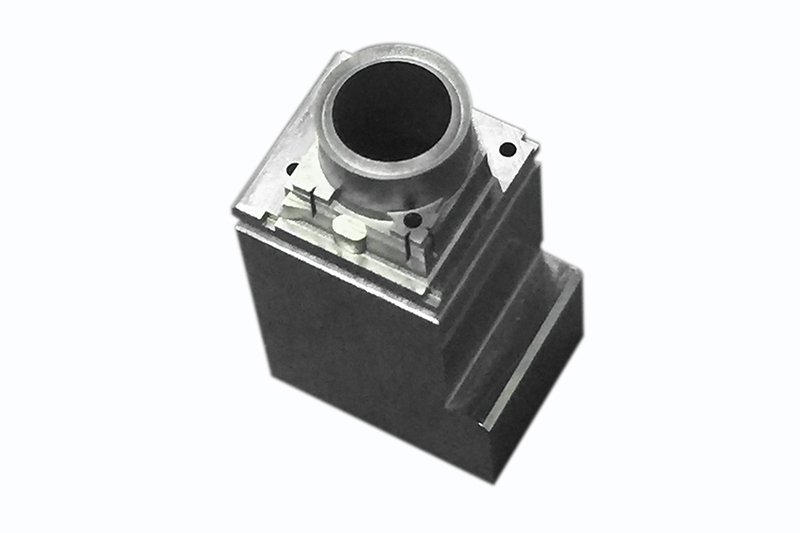
Plastic film parts · Precision mold insert
Automotive Connector Parts – Durable Electrical Connectors for Vehicle Wiring Repair & Custom Looms
Brand Xuxiang Mold
Availability Made to drawing
RFQ pricing
Quote from STEP / PDF & quantity
Keep every critical circuit in your vehicle reliable with our premium Automotive connector parts, designed for secure, low-resistance electrical connections in harsh environments. These components are ideal for repairing damaged plugs, extending wiring looms, or building custom harnesses for OEM or performance applications. Weather-resistant housings, secure locking tabs, and quality terminals help prevent intermittent faults and electrical gremlins on the road. Whether you are an auto electrician, workshop owner, or DIY enthusiast, you can quickly match and replace worn connectors with confidence. Upgrade your wiring jobs with professional-grade parts that install cleanly and stand up to vibration, heat, and moisture.
- ISO 9001:2015–oriented process & documented inspection paths
- Zeiss / Nikon class metrology available for critical dimensions
- DFM feedback from 10+ senior tooling engineers
- Dongguan HQ + Quanzhou capacity for volume programs
Reliable Automotive Connector Parts for Modern Vehicle Electrical Systems
Modern vehicles rely on complex electrical and electronic systems for everything from engine management and safety to comfort and infotainment. High-quality automotive connector parts are critical to keeping those systems working reliably. These components are used wherever wiring harnesses interface with sensors, actuators, control modules, lighting, and auxiliary accessories across passenger cars, trucks, buses, off-road and motorsport vehicles.
Our automotive connector parts range is designed for technicians and enthusiasts who need dependable, repeatable connections that are easy to assemble, service, and troubleshoot. By using proper connector housings, terminals, seals, and accessories instead of makeshift splices, you reduce voltage drop, prevent corrosion, and avoid intermittent failures caused by vibration or moisture ingress.
Whether you are repairing an OEM wiring loom, adding aftermarket lighting, installing audio equipment, or building a full custom harness, investing in the right connector parts will save time, reduce comebacks, and create professional, factory-like results.
Key Features & Benefits
Automotive environments are demanding, with wide temperature swings, engine bay heat, road spray, and constant vibration. These automotive connector parts are selected to meet those challenges and deliver long-term reliability.
- Secure mechanical locking – Positive latch designs help keep connectors engaged even under high vibration, preventing sudden loss of power or signal to critical components.
- Optimized for vehicle wiring – Terminals and housings are suited to common automotive wire sizes used in sensors, actuators, lighting circuits, and power distribution, supporting both low-current signals and higher load circuits where appropriate.
- Corrosion-resistant metals – Quality terminal materials and platings help maintain low contact resistance over time, reducing heat buildup and voltage drop in key circuits.
- Weather protection options – Many connector families support seals, grommets, and backshells to provide splash resistance and help keep dust, dirt, and moisture out of sensitive contacts.
- Serviceable and replaceable – With the correct depinning tools, terminals can be removed and replaced, allowing you to repair rather than replace entire harnesses.
- Versatile layouts – Available in a variety of pin counts and configurations to suit single sensors, multi-way modules, and power connections throughout the vehicle.
Using dedicated automotive connectors instead of generic or non-automotive plugs ensures compatibility with existing OEM designs and allows you to follow industry-standard wiring practices. This improves diagnosis and future serviceability, as connector styles and pinouts are easier to recognize and document.
Specifications & Connector Overview
The table below summarizes typical attributes for automotive connector parts in this range. Actual details vary by specific connector family and application; always check the product description and datasheets for precise information.
| Attribute | Description |
|---|---|
| Connector type | Automotive electrical connectors for sensors, actuators, lighting, modules, and accessories |
| Number of positions | Single-pin to multi-pin layouts, suitable for simple circuits through multi-way harness connections |
| Typical applications | Engine bay wiring, chassis harness, interior electronics, lighting, audio, and aftermarket accessories |
| Housing material | Automotive-grade plastic designed to withstand vibration, temperature cycling, and common automotive fluids |
| Terminal style | Crimp contacts designed for use with standard automotive crimp tools and compatible wire ranges |
| Environmental protection | Options with seals, gaskets, and secondary locks for enhanced resistance to moisture and contaminants |
| Mounting options | In-line connectors, panel-mount styles, and connectors designed to mate with OEM components |
| Compatibility | Suited to a wide variety of vehicle makes and models; match by connector style, pin count, and keying |
| Tools required | Appropriate crimping tools, wire strippers, and insertion/removal tools recommended for best results |
| Typical users | Auto electricians, workshops, motorsport teams, upfitters, and skilled DIY installers |
Use Cases: Who These Connector Parts Are For
Automotive connector parts are essential across a wide range of vehicle service, modification, and manufacturing tasks. If you work with vehicle wiring in any capacity, these components will help you build reliable circuits and professional harnesses.
- Repairing damaged connectors – Replace brittle, heat-damaged, or broken OEM plugs on sensors, coils, injectors, lights, and other components without buying an entire new harness.
- Custom wiring projects – Ideal for custom engine swaps, standalone engine management, motorsport builds, and off-road vehicle upgrades where new harnesses are fabricated from scratch.
- Adding aftermarket accessories – Integrate driving lights, winches, auxiliary power outlets, cameras, or audio components using proper connectors instead of temporary splices.
- Fleet and commercial vehicle maintenance – Keep trucks, buses, and work vehicles in service by quickly repairing damaged connectors in demanding duty cycles.
- Prototype and low-volume builds – Perfect for specialty vehicle builders and converters who need repeatable, serviceable connections without investing in fully custom connector systems.
By selecting connectors that closely match existing OEM styles, you can maintain the look, function, and serviceability of factory wiring. In performance and motorsport applications, robust connector choices combined with good harness routing can dramatically reduce DNF-causing electrical issues.
Buying Guidance & Installation Tips
Choosing the right automotive connector parts involves more than simply counting pins. To achieve a reliable result, consider where the connector will be used, what it will be carrying, and how it will be serviced in the future.
- Check pin count and layout – Match the number of positions and physical keying to the component you are connecting. Mis-matched connectors may not mate or could allow incorrect pin alignment.
- Consider environment – For engine bay, underbody, or external lighting locations, prioritize sealed or weatherproof connectors and route wiring to minimize direct exposure to water and debris.
- Match wire size – Ensure terminals are compatible with the conductor size and insulation thickness of your chosen automotive wire for a secure crimp.
- Use proper tools – A quality ratcheting crimp tool and correct die set help produce repeatable crimps that maintain electrical and mechanical integrity over time.
- Plan serviceability – Leave enough slack and choose connector orientations that allow future disconnection for diagnostics or component replacement.
Routine inspection of connectors in harsh locations can catch issues before they become failures. Look for signs of discoloration, corrosion, broken latches, or hardened seals, and replace affected connector parts promptly. When installing new connectors, avoid pulling on wires to disconnect them; instead, press release tabs on the housings to maintain terminal and latch integrity.
FAQ
How do I know if these automotive connector parts are compatible with my vehicle?
Compatibility is primarily based on connector style, pin count, and keying rather than a specific vehicle model. Compare the shape, locking mechanism, and number of terminals on your existing connector to the replacement. If in doubt, consult your service manual or work with a professional installer to verify fit before purchase.
Are these connectors suitable for under-hood or exterior use?
Many automotive connector parts are designed for demanding environments, but you should always choose versions with appropriate sealing and materials for engine bay or exterior locations. For areas exposed to water, dirt, or road salt, opt for sealed connectors and ensure that seals, grommets, and strain reliefs are installed correctly.
Do I need special tools to install these connector parts?
Crimp-style terminals require a suitable crimping tool matched to the terminal profile and wire size. Basic hand tools such as wire strippers and small picks are also useful. Using the correct tools ensures a reliable mechanical and electrical connection and helps prevent damage to the connector housing.
Can I reuse old terminals or should I always install new ones?
In most cases, it is best practice to install new terminals when building or repairing a connector. Used terminals may have fatigue, corrosion, or deformation that can compromise contact quality. Reusing terminals is generally only recommended for temporary diagnostic work or when manufacturer guidelines explicitly allow it.
How should I care for and maintain automotive connectors after installation?
Periodically inspect connectors in high-stress areas for broken latches, cracked housings, or signs of moisture and corrosion. Keep connectors clean, avoid pulling on the wires when disconnecting, and use dielectric grease only where appropriate and compatible with the connector design.
What is the typical shipping time for automotive connector parts?
Shipping time depends on your location and chosen service at checkout. Standard delivery is usually a few working days within the same region, while international shipments may take longer. Tracking information is provided so you can monitor the progress of your order.
Can I return connector parts if they do not fit my application?
Most suppliers allow returns of unused connector parts within a specified period, provided they are in resalable condition and packaged appropriately. Always review the store’s returns policy before ordering, and verify compatibility as much as possible to minimize the need for returns.
Are these automotive connector parts suitable for high-current circuits?
Some connector families are designed for higher currents, while others are intended for low-current signal lines. Always check the product information for current-carrying recommendations and ensure that the wire size, terminal design, and connector style are appropriate for the intended load.
Do you offer bulk quantities for workshops or manufacturing?
Many ranges of automotive connector parts are available in multi-packs or bulk quantities tailored to workshops, fleet operators, and manufacturers. Buying in larger quantities can be more cost-effective and ensures you have the right parts on hand for frequent repairs or production runs.
Can these connectors be used on non-automotive projects?
Yes, automotive connectors are often used in powersports, marine, agricultural, and industrial equipment where robust, serviceable connections are required. Always consider the environmental and electrical demands of your specific project when choosing connector styles.
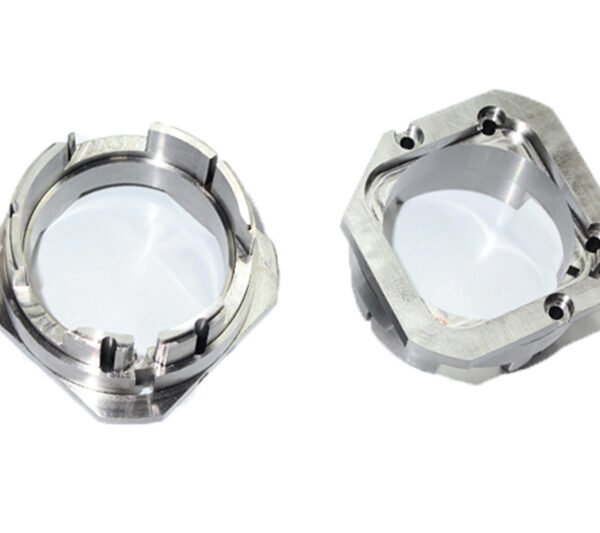
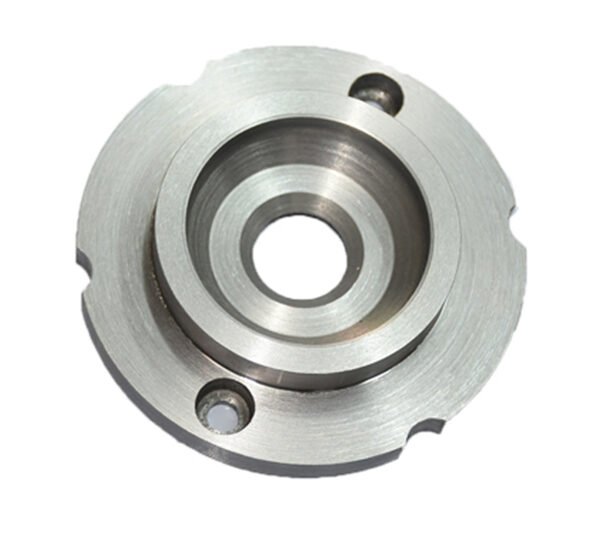
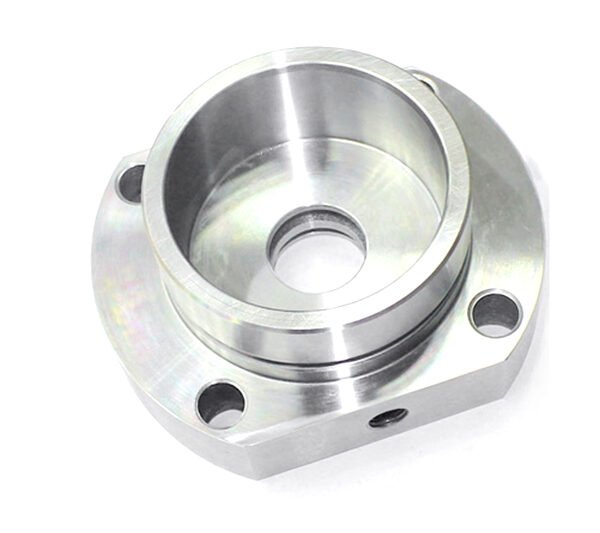
Same drawing, predictable results—next batch
Share revision, quantity ramp, and inspection level. We quote process route, ship date, and documentation in one structured response.