
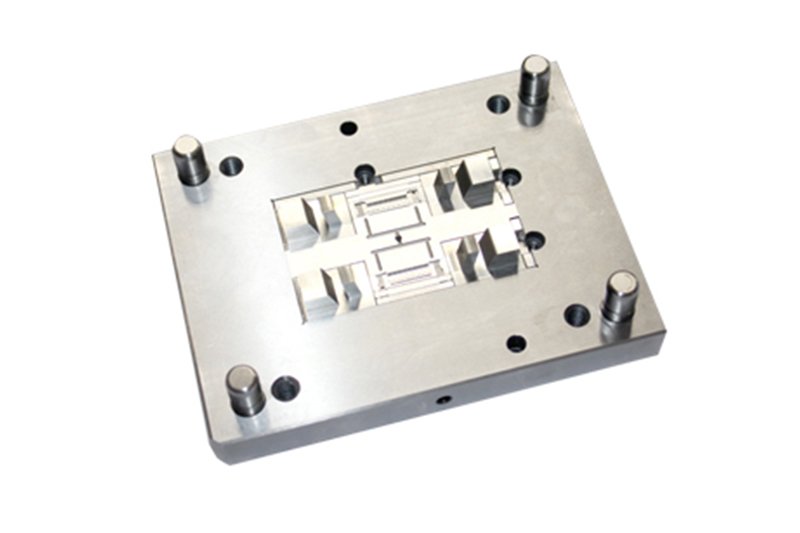
Plastic film parts · Precision mold insert
Automotive Connector Parts – Universal Electrical Plug & Terminal Assortment
Brand Xuxiang Mold
Availability Made to drawing
RFQ pricing
Quote from STEP / PDF & quantity
Keep your vehicle wiring reliable and easy to service with this comprehensive set of high‑quality automotive connector parts. Designed for modern 12V and 24V systems, these connectors help you repair, upgrade, or customise harnesses without messy splices or unreliable tape fixes. Weather‑resistant housings and secure terminals support everything from daily drivers to off‑road rigs and track cars. Clear layouts and intuitive designs make it simple for DIY enthusiasts and professionals to find the right plug quickly. Upgrade your electrical work with clean, OEM‑style results every time using our automotive connector parts kit.
- ISO 9001:2015–oriented process & documented inspection paths
- Zeiss / Nikon class metrology available for critical dimensions
- DFM feedback from 10+ senior tooling engineers
- Dongguan HQ + Quanzhou capacity for volume programs
Professional-Grade Automotive Connector Parts for Reliable Vehicle Wiring
Modern vehicles depend on stable, low‑resistance electrical connections for everything from engine management and lighting to infotainment and safety systems. Poor connections can cause intermittent faults, warning lights, or complete system failure. This versatile selection of automotive connector parts is designed to help you build, repair, or upgrade wiring harnesses with professional, OEM‑style results.
Whether you are an auto electrician, motorsport builder, upfitter, or hands‑on DIY enthusiast, having the right connectors on hand saves diagnostic time, prevents comebacks, and keeps vehicles on the road. With a mix of housings, terminals, seals, and related accessories, this range covers common connection needs across passenger cars, light trucks, powersports, and specialty vehicles.
Key Features & Benefits
These automotive connector parts are selected to balance durability, ease of installation, and compatibility with widely used automotive wiring standards. Instead of improvising with generic crimp lugs or temporary repairs, you can achieve clean, secure connections that look and perform like factory wiring.
- Versatile connector styles – Includes a variety of pin and socket housings, blade and round terminals, and inline connectors suitable for sensors, lighting circuits, switches, accessories, and more.
- Secure mechanical locking – Positive locking tabs and latches help prevent connectors from backing out due to vibration, engine movement, or off‑road use.
- Weather‑resistant options – Many connectors are designed to work with cable seals or grommets, helping defend circuits against moisture, dust, and road spray in engine bays and under‑body locations.
- Clean, serviceable repairs – Build repair pigtails, add accessories, or replace damaged plugs without cutting into large sections of the harness, making future diagnostics and servicing faster.
- Supports 12V and 24V systems – Suitable for most passenger vehicle and light commercial power systems, including cars, pickups, vans, small RVs, and equipment with standard automotive wiring practices.
- Compatible with common wire sizes – Terminals are designed to crimp onto typical automotive wire gauges used for lighting, sensors, and low‑current accessory circuits.
- Organised and easy to identify – Distinct housing shapes, keying features, and colour options help prevent mis‑mating and simplify harness layout during installation.
Specifications & Materials
The table below summarises the typical characteristics of the connector parts range. Exact details may vary by specific connector style, but the overall selection is built around mainstream automotive wiring requirements.
| Attribute | Description |
|---|---|
| Product type | Assorted automotive connector housings, terminals, seals, and accessories |
| Typical applications | Lighting circuits, sensors, switches, relays, accessories, low‑current power distribution |
| System voltage compatibility | Commonly used in 12V and 24V DC vehicle electrical systems |
| Connector styles included | Two‑pin and multi‑pin plug housings, inline connectors, blade terminals, round pin terminals (exact mix varies by kit) |
| Typical wire size range | Designed for common automotive wire gauges used for control and accessory circuits |
| Housing material | Durable automotive‑grade plastic designed for under‑dash and under‑hood environments |
| Terminal material | Copper‑alloy or similar conductive metal with corrosion‑resistant finish |
| Environmental protection | Many connectors accept cable seals or grommets to help guard against moisture and dust ingress |
| Connection method | Crimp‑style terminals designed for use with suitable automotive crimping tools |
| Installation environment | Suitable for interior, engine bay, and chassis wiring where automotive connectors are normally used |
Typical Use Cases & Ideal Users
This assortment of automotive connector parts is suitable for a wide range of projects, from simple bulb repairs to complete custom harness builds.
Automotive Repair & Diagnostics
- Replace damaged plugs on lights, sensors, coils, fans, and other components without replacing the entire harness.
- Eliminate intermittent faults caused by loose, corroded, or heat‑damaged connectors in high‑stress areas such as the engine bay.
- Create serviceable joints instead of permanent splices, making future troubleshooting and part replacement simpler.
Custom Builds & Upgrades
- Wiring for aftermarket accessories such as auxiliary lighting, winches, air compressors, audio equipment, or added sensors.
- Motorsport and performance builds where clean, robust connections and quick‑swap components are important.
- Restomod and classic vehicle projects that combine modern electronics with older chassis and wiring layouts.
Who This Is For
- Professional auto electricians and technicians who want faster, cleaner wiring repairs.
- DIY enthusiasts and hobbyists working on their own vehicles, off‑road rigs, or project cars.
- Installers and upfitters adding lighting, control systems, or custom electronics to fleet vehicles, campers, trailers, and utility rigs.
Installation, Care & Buying Guidance
To get the most from your automotive connector parts, correct installation and basic care are essential. Good wiring practice not only improves reliability but also keeps the vehicle easier to service in the future.
Installation Best Practices
- Use the right tools – Pair these terminals with a quality automotive crimp tool sized for the wire gauge you are using. Proper crimps are more reliable than solder‑filled terminals in high‑vibration environments.
- Match wire size to terminal – Ensure the conductor fits securely inside the crimp barrel, with insulation supported by the strain‑relief section where provided.
- Route wiring carefully – Avoid sharp edges, high‑heat areas, and pinch points. Use loom, conduit, or protective tubing where necessary and secure harnesses with clips or ties.
- Fully seat terminals – After crimping, push terminals into the connector housing until you feel or hear them click, confirming that the locking tang is engaged.
- Seal exposed areas – Where applicable, fit cable seals or boots and consider additional protection such as heat‑shrink tubing to keep moisture out.
Care & Long-Term Reliability
- Inspect critical connections periodically in harsh environments (off‑road, salted roads, marine‑adjacent use) for signs of corrosion or physical damage.
- Keep connectors clean – If a plug is disconnected, avoid letting dirt or fluids enter the contact area. Wipe components with a clean, dry cloth before reconnecting.
- Use dielectric grease where appropriate on certain weather‑exposed connectors to support long‑term corrosion resistance, following general automotive electrical best practices.
Choosing the Right Kit
When selecting a set of automotive connector parts, consider the types of vehicles and projects you handle most often:
- General repair kits are ideal if you service a variety of everyday vehicles and need common multi‑pin and inline connectors.
- Off‑road and utility builds may benefit from emphasising weather‑sealed and locking connectors suitable for high‑vibration use.
- Custom and motorsport harnesses often call for consistent connector families throughout the vehicle to simplify spares and future changes.
Having an organised selection of quality connectors on the shelf reduces downtime, improves the appearance of your work, and gives you confidence that the electrical system will perform reliably under real‑world conditions.
FAQ
Are these automotive connector parts compatible with my vehicle?
The connectors are designed around common automotive wiring practices used in many passenger cars, light trucks, and similar vehicles. However, exact fit can vary by manufacturer and model, so you should compare the connector style, pin layout, and wire size to your original parts before installation.
What tools do I need to install these connectors?
You will need a suitable automotive wire stripper and a quality crimping tool matched to the terminals and wire sizes you are using. Using the correct crimp tool helps ensure secure mechanical and electrical connections, especially in high‑vibration environments.
Can I use these connectors for both 12V and 24V systems?
Yes, these automotive connector parts are intended for low‑voltage DC vehicle systems commonly found in 12V passenger vehicles and 24V light commercial or equipment applications, as long as the circuit current and wiring are within typical automotive ranges.
Are the connectors waterproof?
Many of the connectors are designed to work with cable seals or boots that help protect against moisture and dust. For highly exposed locations such as under‑body or off‑road applications, additional protection like loom, heat‑shrink, or sealant may be advisable to enhance durability.
How do I choose the right connector for a specific circuit?
Start by matching the number of pins, keying features, and physical size to your existing components. Then confirm that the terminals support your wire gauge and that the connector style is suitable for the environment, such as interior, engine bay, or exterior mounting.
Can these connectors be reused once installed?
Housings can sometimes be reused if terminals are removed with the proper extraction tools and are undamaged. However, it is generally best practice to use new terminals when performing critical repairs to maintain connection reliability.
What is the best way to maintain reliable connections over time?
Use the correct crimping tools, avoid overloading circuits, secure wiring to limit movement, and periodically inspect high‑exposure areas for wear. In harsh environments, applying dielectric grease to certain connectors and keeping them free from dirt and moisture will help extend their service life.
What is your policy on returns or exchanges?
If you receive connector parts that are not suitable for your application, unopened and unused items are typically eligible for return or exchange within the standard returns window. Please refer to the store’s returns and warranty terms at checkout for full details.
How are these automotive connector parts shipped?
Connector parts are carefully packed to prevent damage and to keep sets organised during transit. Standard and expedited shipping options are usually available at checkout, and tracking information is provided so you can monitor your delivery.
Do I need any special maintenance after installation?
No special maintenance is required beyond normal vehicle care. It is good practice to inspect exposed connectors during routine servicing, especially if the vehicle is regularly used off‑road or in harsh weather conditions.
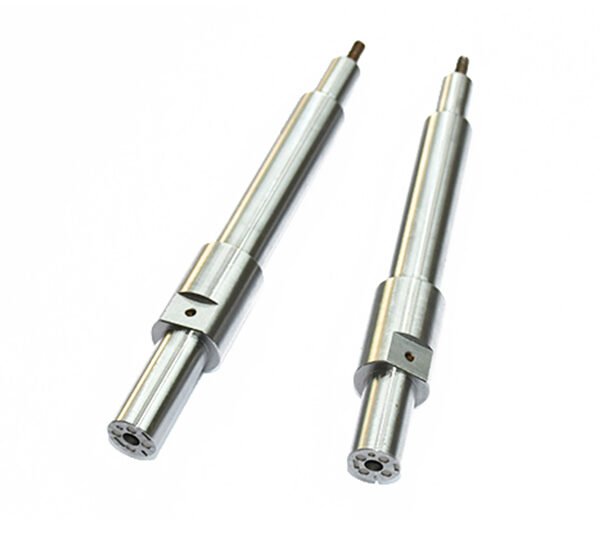
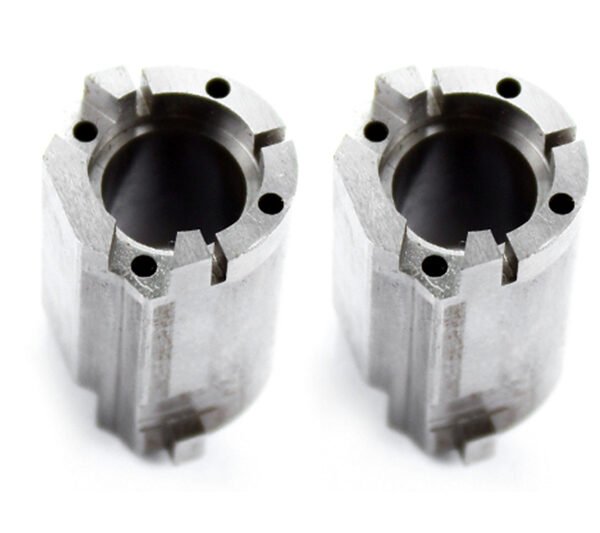
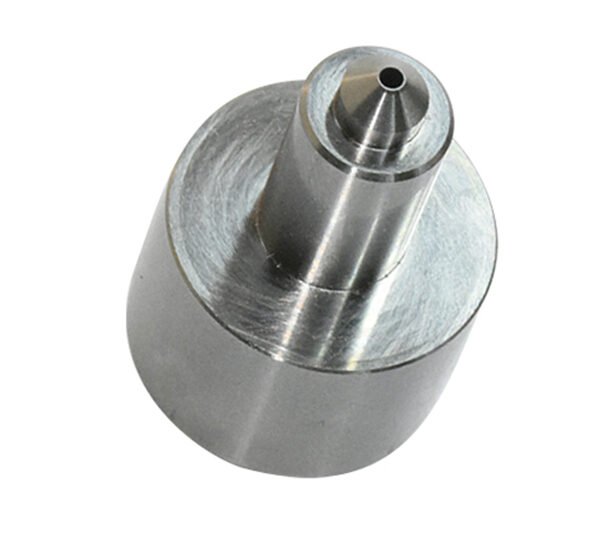
Same drawing, predictable results—next batch
Share revision, quantity ramp, and inspection level. We quote process route, ship date, and documentation in one structured response.