
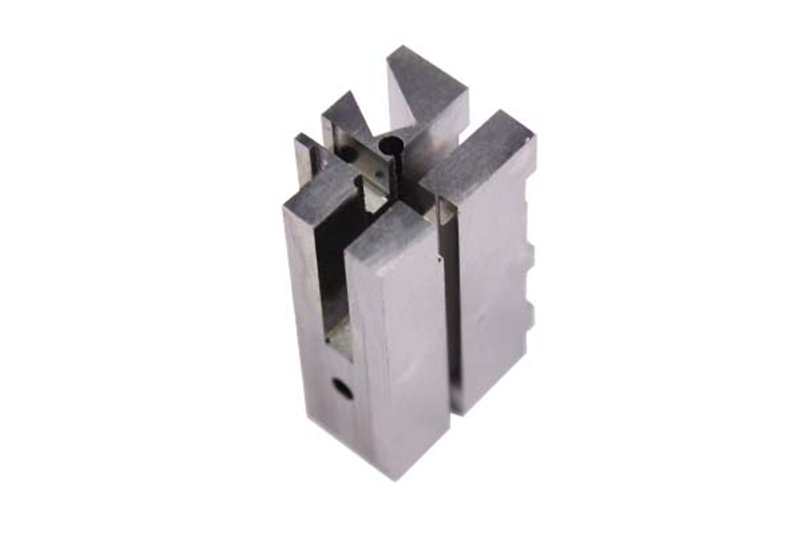
Plastic film parts · Precision mold insert
Automotive Connector Parts for Car, Truck & Auto Electrical Repairs
Brand Xuxiang Mold
Availability Made to drawing
RFQ pricing
Quote from STEP / PDF & quantity
Build cleaner, more reliable electrical repairs with Automotive connector parts designed for everyday vehicle maintenance and custom wiring jobs. These components help create secure connections for sensors, lights, harnesses, switches, and other under-hood or cabin systems. Whether you are replacing a worn plug or finishing a new harness, they support a professional-looking result that is easier to service later. Ideal for shops, fleet maintenance, and DIY installers who want dependable fit and organized wiring.
- ISO 9001:2015–oriented process & documented inspection paths
- Zeiss / Nikon class metrology available for critical dimensions
- DFM feedback from 10+ senior tooling engineers
- Dongguan HQ + Quanzhou capacity for volume programs
Reliable connection components for vehicle electrical work
Automotive connector parts are the building blocks used to repair, replace, or assemble vehicle electrical connections. In practical terms, they help link wiring to sensors, modules, lighting, switches, motors, and many other components found throughout modern cars, trucks, buses, off-road vehicles, and equipment. Choosing the right connector parts matters because a strong electrical system depends on stable contact, correct fit, and protection against vibration, heat, moisture, and road debris.
This product category is especially useful when a factory connector body is cracked, terminals are corroded, a locking tab is broken, or a harness needs to be extended or adapted for a retrofit. Instead of replacing an entire harness, the right connector parts can restore function at a lower cost and with less downtime. For technicians and builders, they also make custom wiring cleaner, easier to trace, and simpler to maintain later.
Key benefits and practical features
One of the main advantages of using quality connector parts is improved connection reliability. Vehicle electrical systems are exposed to vibration, temperature swings, moisture, oil, and repeated service access. Connector bodies, terminals, seals, and locks work together to keep the circuit stable and protected. When these parts are matched correctly, they help reduce intermittent faults, loose connections, and hard-to-diagnose electrical issues.
Automotive connector parts are also valued for flexibility. They are commonly used in repair work, harness building, restoration projects, aftermarket lighting, trailer wiring, fleet service, diagnostic setups, and accessory installation. Depending on the application, buyers may need housings, male and female terminals, wire seals, CPA/TPA locks, backshells, or repair pigtails. The best choice depends on the original connector style, wire gauge, pin count, and environmental conditions.
Another important benefit is serviceability. A properly selected connector makes future repairs faster because technicians can disconnect components without cutting and re-splicing wires every time. That reduces harness damage and keeps wiring neat. For production or repeat-installation environments, standardized connector parts also support faster assembly and more consistent results.
Specifications and selection guide
Because automotive connectors vary widely by vehicle and application, shoppers should select parts based on compatibility rather than a single universal size. The table below summarizes the key attributes buyers typically review before ordering.
| Attribute | What to check | Why it matters |
|---|---|---|
| Connector type | Housing, terminal, seal, repair pigtail, lock, or complete set | Determines whether you are repairing one part or rebuilding the full connection |
| Pin count | Number of ways or positions | Must match the original connector layout |
| Terminal style | Blade, round, crimp, or specialty terminal format | Affects mating, crimping, and electrical contact quality |
| Wire size compatibility | Wire gauge range supported by the terminal | Prevents loose crimps or damaged conductors |
| Sealing level | Unsealed or weather-sealed design | Important for under-hood, exterior, and exposed locations |
| Locking method | Latch, CPA, TPA, secondary lock, or retention clip | Helps prevent accidental disconnects and improves service safety |
| Vehicle application | Make, model, year, function, or OEM-style reference | Supports correct fit and avoids mismatch during installation |
| Material and finish | Housing polymer, terminal plating, and seal material | Influences durability, corrosion resistance, and heat tolerance |
Who uses these parts
Automotive connector parts are used by professional repair shops, auto electricians, fleet maintenance teams, custom builders, restoration specialists, and serious DIY enthusiasts. They are especially helpful when repairing broken harnesses, replacing damaged plugs, adding lighting accessories, restoring older vehicles, or integrating aftermarket electronics. They are also useful in motorsport and off-road builds where vibration and moisture resistance are important.
For buyers sourcing parts for a specific vehicle, the safest approach is to match the original connector by shape, pin arrangement, latch design, and terminal type. If the exact part is unknown, comparing the existing connector to product photos, harness labels, or vehicle documentation can reduce ordering errors. When in doubt, selecting a repair pigtail or connector kit with matching terminals and seals can simplify installation.
Care, installation, and buying guidance
Good installation practices make a major difference in long-term performance. Use the correct crimping tool for the terminal style, ensure wire stripping length is consistent, and verify that seals are seated correctly before locking the connector. Avoid forcing terminals into housings, since this can damage the retention features and create unreliable contact. After assembly, check for a firm latch and inspect the wiring for strain relief.
For maintenance, keep connectors clean, dry, and properly latched. If a connector is exposed to road spray or engine-bay contamination, periodic inspection can help catch corrosion early. If a terminal shows overheating, discoloration, or looseness, replacement is usually preferable to reuse. When shopping, prioritize compatibility, build quality, and clear product identification over a generic match by appearance alone.
FAQ
How fast is shipping for automotive connector parts?
Shipping speed depends on the seller, stock availability, and destination. For urgent repairs, choose in-stock items and confirm dispatch timing before ordering.
How do I know if a connector part will fit my vehicle?
Match the original connector by pin count, latch style, terminal type, and application location. Vehicle year, make, model, and function are the most useful compatibility clues.
Can these parts be used for custom wiring projects?
Yes. Automotive connector parts are commonly used for custom harnesses, accessory installations, trailer wiring, and retrofit electrical work where clean disconnects are important.
What is the best way to install connector terminals?
Use the proper crimp tool for the terminal style and strip only the recommended wire length. A correct crimp and full terminal lock are critical for reliable electrical contact.
How should connector parts be maintained?
Keep them clean, fully latched, and protected from moisture and corrosion. Inspect exposed connectors regularly for damaged seals, loose terminals, or heat marks.
Are sealed connectors better than unsealed connectors?
Sealed connectors are usually better for exposed or under-hood locations because they help resist moisture and contamination. Unsealed styles can work well in protected interior locations.
What if I am replacing a broken plug and do not know the exact part number?
Compare the old connector’s shape, terminal count, locking design, and wire size. A repair pigtail or matching connector kit can be a practical solution when the OEM part number is unavailable.
Do automotive connector parts come with a warranty or return option?
Warranty and returns vary by seller and product condition. Check the store policy before purchase, especially when ordering based on visual fit rather than a confirmed part number.
Same drawing, predictable results—next batch
Share revision, quantity ramp, and inspection level. We quote process route, ship date, and documentation in one structured response.