
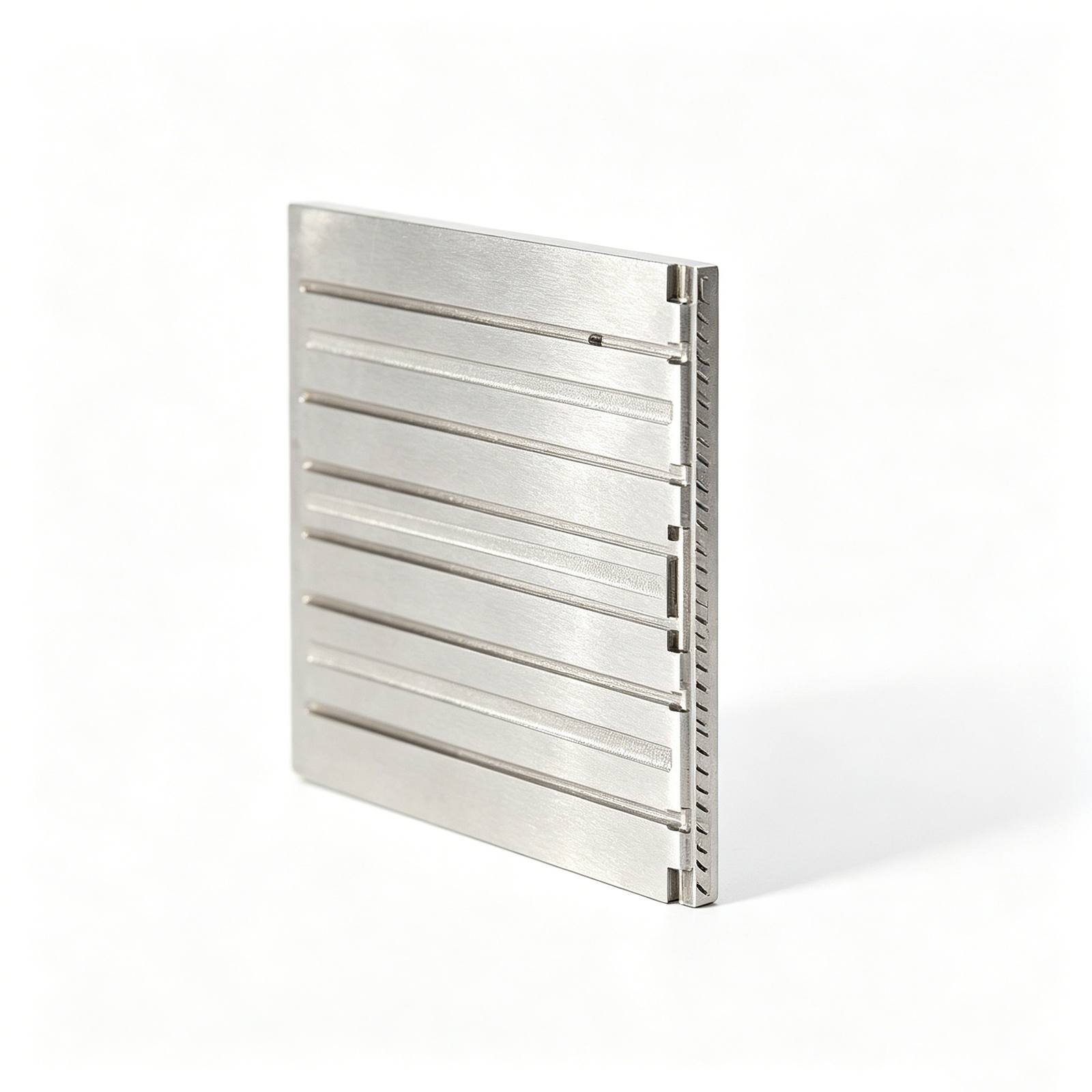
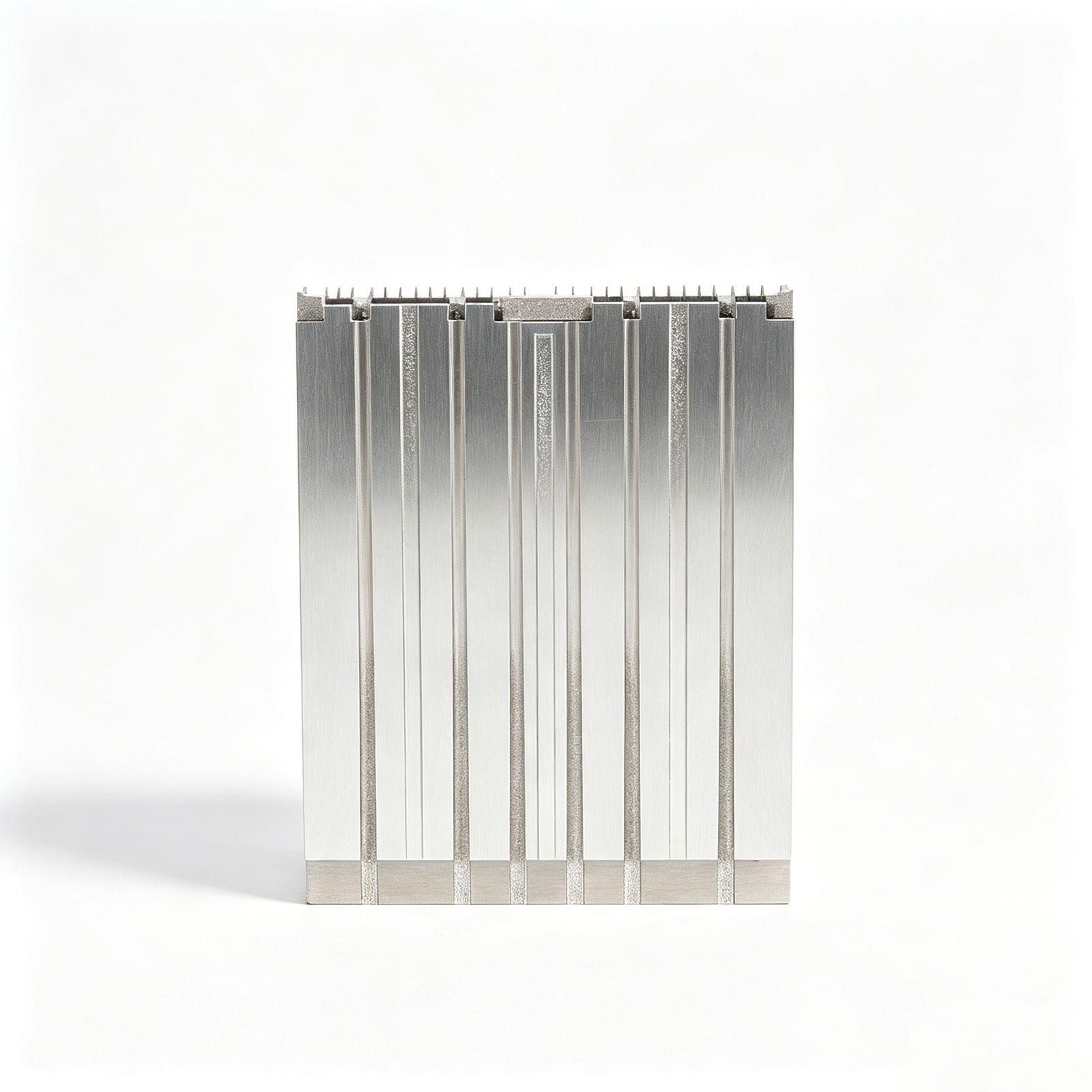
Plastic film parts · Precision mold insert
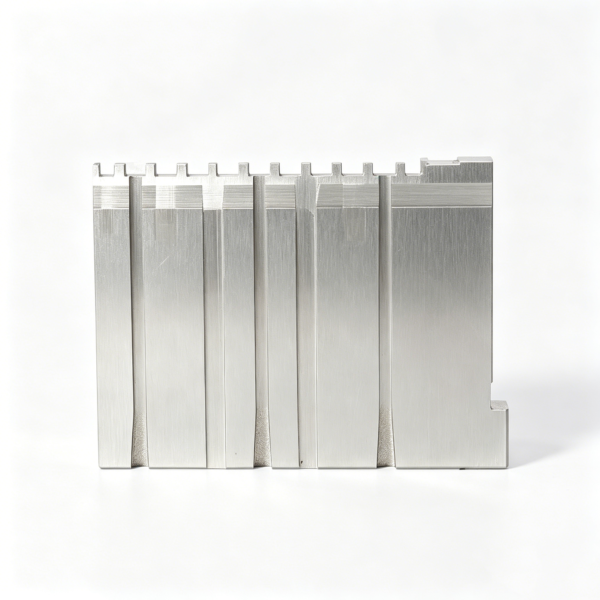
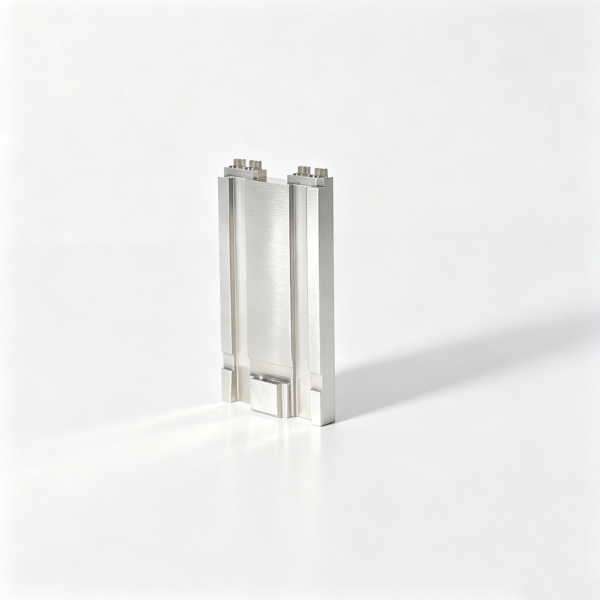
Industrial Connector Precision Mold Components for Connector Tooling
Brand Xuxiang Mold
Availability Made to drawing
RFQ pricing
Quote from STEP / PDF & quantity
Build cleaner, more consistent connector tooling with Industrial Connector Precision Mold Components designed to support accurate fit, stable molding, and dependable part release. These components help you maintain repeatable cavity performance when every micron matters in assembly and mating alignment.
They are a smart choice for production teams working with industrial connectors, wire-to-wire parts, and other demanding electrical housings. Use them to improve mold stability, reduce processing drift, and support efficient output across long runs.
For buyers who value precision, durability, and fewer setup headaches, this category is built to make tooling feel easier to control.
- ISO 9001:2015–oriented process & documented inspection paths
- Zeiss / Nikon class metrology available for critical dimensions
- DFM feedback from 10+ senior tooling engineers
- Dongguan HQ + Quanzhou capacity for volume programs
Precision Mold Support for Industrial Connector Production
Industrial Connector Precision Mold Components are specialized mold parts used in the tooling that forms industrial-grade connector housings, inserts, and related electrical connection parts. In practical terms, they help the mold deliver accurate geometry, reliable repeatability, and the stable performance needed for demanding connector applications. Because industrial connectors often work in environments that call for dust protection, moisture resistance, vibration tolerance, and secure mating behavior, the mold elements behind them must be just as disciplined as the final part.
This product category is typically selected by mold builders, tooling engineers, and connector manufacturers who need consistent dimensional control across repeated cycles. Instead of relying on generic mold hardware, these components are chosen to support tighter alignment, cleaner parting behavior, and more predictable molding results. That matters when the connector design includes small latching features, fine pitch spacing, sealing interfaces, or complex internal structures. The goal is not only to form the part, but to protect production quality from the earliest stage of tooling.
Why These Components Matter in Connector Tooling
Connector molds are unforgiving. Even small variation can create fit issues, flash, poor ejection, or inconsistent electrical assembly performance later in the workflow. Precision components help the tool stay aligned and reduce the risk of dimensional drift caused by wear, thermal change, or repeated high-volume use. They are especially valuable in applications where the molded connector must mate cleanly with another component, hold a secure lock, or preserve the integrity of sealing and insulation features.
Another reason buyers look for this category is manufacturability. Well-made precision mold components can improve how the tool fills, cools, and releases, which can reduce scrap and simplify maintenance. For factories producing connector families in multiple variants, this can also support easier changeovers and more stable validation during trial runs. In short, the right tooling parts can make a difficult mold easier to run consistently.
Key Benefits
These components are built around the needs of industrial connector production rather than general-purpose molding. That makes them suitable for toolsets where accuracy, wear resistance, and repeatable positioning are more important than broad versatility. Depending on the mold design, they may support cavity location, core guidance, insert positioning, wear management, or ejection performance. Buyers often value them because they help the mold maintain its intended geometry under real-world production pressure.
They are also useful when the final part requires a clean cosmetic appearance or stable functional features. Connector parts often include snap fits, retention details, and contact-related areas that must remain consistent from shot to shot. Precision mold components support that consistency by helping the tool behave predictably during molding, trimming, and maintenance.
| Attribute | Typical Buyer Consideration |
|---|---|
| Primary use | Connector mold tooling for industrial electrical and wire-to-wire parts |
| Core benefit | Improved dimensional control and repeatable mold performance |
| Design focus | Alignment, wear resistance, stable fit, and clean release behavior |
| Compatibility | Best matched to custom connector molds and precision insert tooling |
| Material selection | Chosen according to tool temperature, wear load, and production environment |
| Use environment | High-volume injection molding, prototype validation, and long-run production |
| Maintenance need | Routine inspection, cleaning, lubrication, and wear monitoring |
Who Uses This Category
This product is best suited for connector mold makers, injection molding factories, industrial electronics suppliers, and custom tooling shops. It is also relevant for teams producing housings and insert-molded parts used in communication equipment, control systems, appliances, and general industrial devices. If your production line depends on consistent connector fit, reduced scrap, and stable tool life, these components are a practical fit.
They are especially helpful for projects where the mold must support repeated validation, strict assembly tolerances, or frequent customer revisions. In those cases, investing in precision tooling parts often saves time downstream because the mold is easier to tune and maintain.
Buying and Maintenance Guidance
When selecting precision mold components for connector tooling, start with the functional demands of the part rather than the catalog label alone. Confirm the required fit, the expected cycle conditions, and the level of wear the mold will experience. For complex connector geometries, it is often better to work from the mold drawing and process conditions together so the component supports both molding performance and serviceability.
Routine care also matters. Keep the tooling clean, inspect critical surfaces for wear or scoring, and monitor alignment areas before small issues become production defects. If the mold is used for high-volume connector work, scheduled maintenance is one of the most effective ways to preserve consistent output and reduce unexpected downtime.
FAQ
How are these components usually shipped?
Most buyers receive precision mold components in protective packaging to reduce transit damage and surface contamination. For custom parts, shipping is often coordinated after final inspection and approval.
Will they fit my existing connector mold?
Fit depends on your mold drawings, dimensions, and interface requirements. These components are typically selected to match a specific tool design, so compatibility should be confirmed against the current cavity and core layout.
What types of connector projects are they used for?
They are commonly used in industrial connectors, wire-to-wire parts, electrical housings, insert-molded connector pieces, and other precision tooling applications where repeatability is important.
How should I maintain them during production?
Clean contact surfaces regularly, check for wear or burrs, and keep moving or guiding areas properly lubricated where appropriate. Regular inspection helps protect alignment and release performance.
Can these components support high-volume molding?
Yes, they are intended for production environments where stable cycle-after-cycle performance matters. Proper material selection and maintenance are important for long-run reliability.
What should I check before ordering?
Review your mold drawings, tolerance needs, material conditions, and any special features such as sealing, latch detail, or insert locations. Clear technical information helps avoid rework.
Are custom sizes possible?
In many tooling projects, precision mold components can be customized to match the mold architecture. The final answer depends on the supplier’s manufacturing scope and your design requirements.
What is the return or warranty approach for this kind of product?
Because these are precision tooling parts, warranty and returns usually depend on whether the item is standard or custom-made. Always confirm terms before purchase so expectations are aligned with the order type.
Related products
Same drawing, predictable results—next batch
Share revision, quantity ramp, and inspection level. We quote process route, ship date, and documentation in one structured response.