
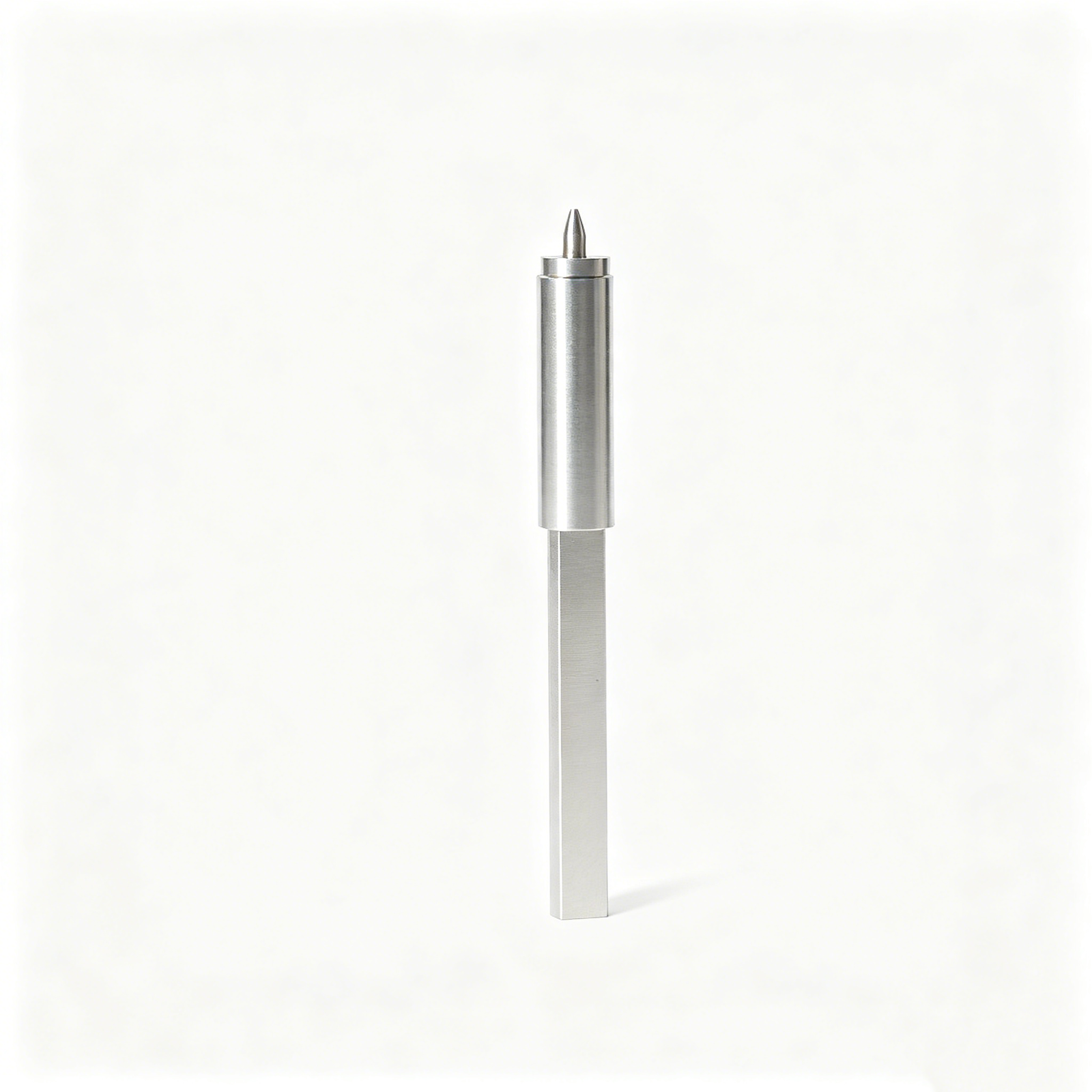
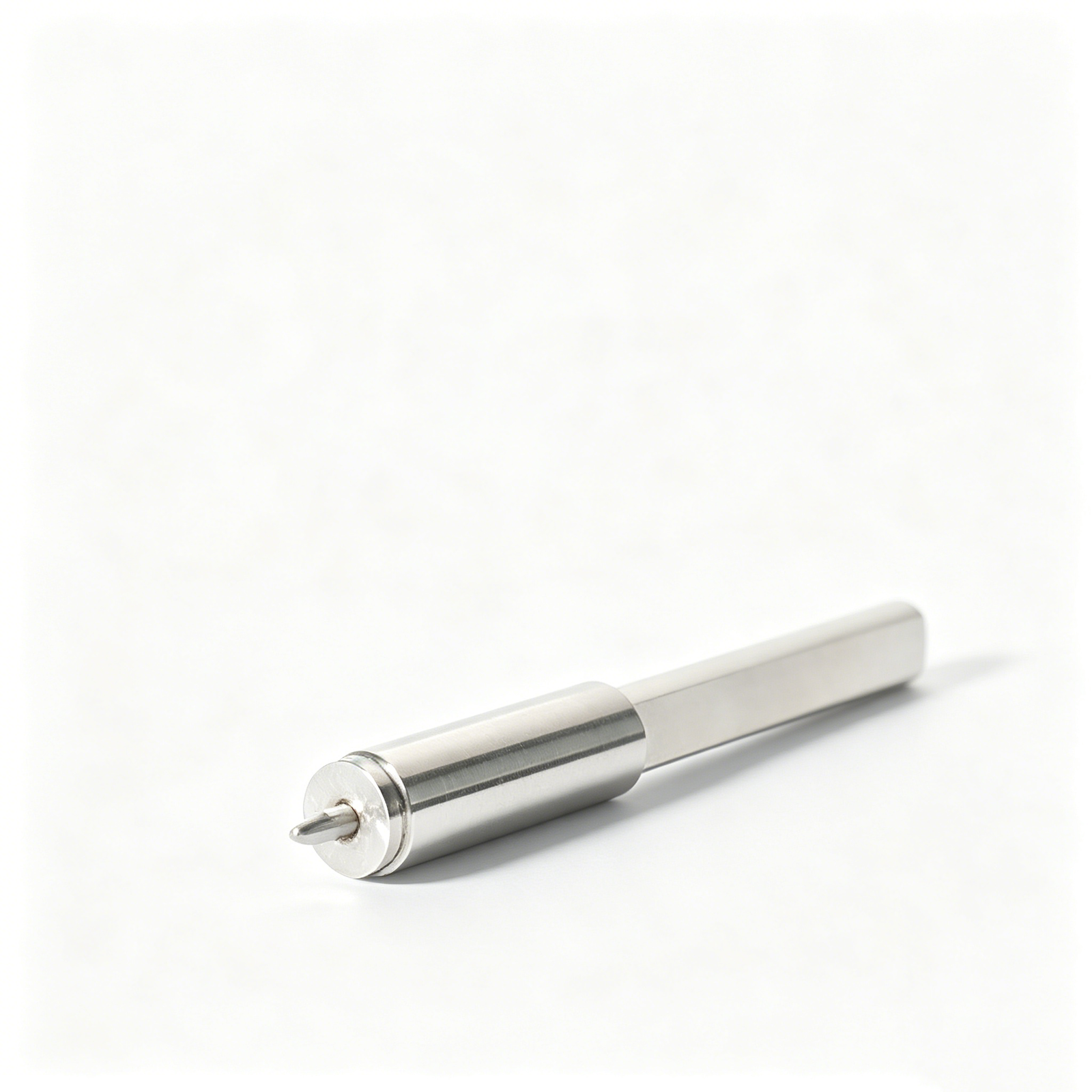
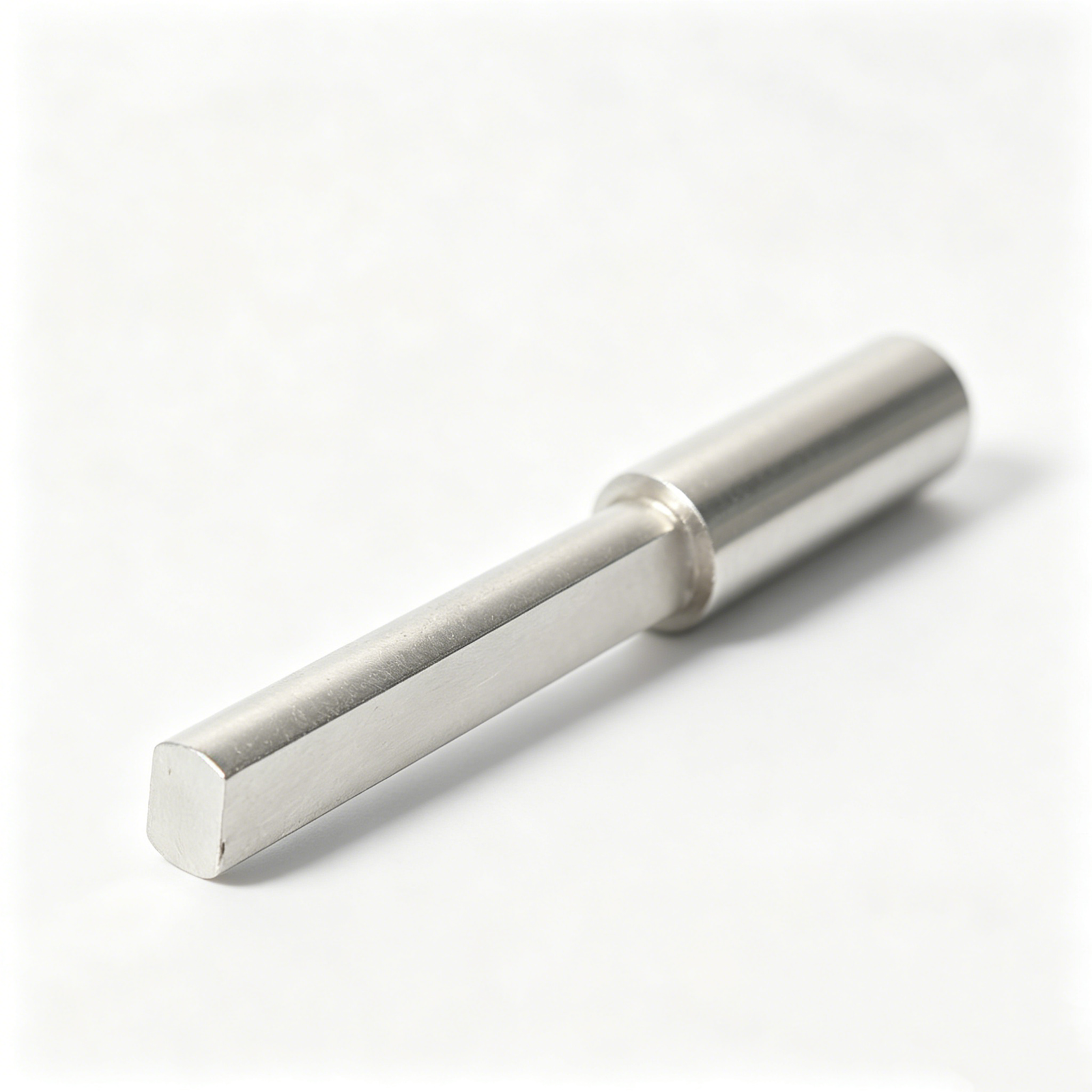
Plastic film parts · Precision mold insert
Custom Precision Round Parts for High-Accuracy Assemblies
Brand Xuxiang Mold
Availability Made to drawing
RFQ pricing
Quote from STEP / PDF & quantity
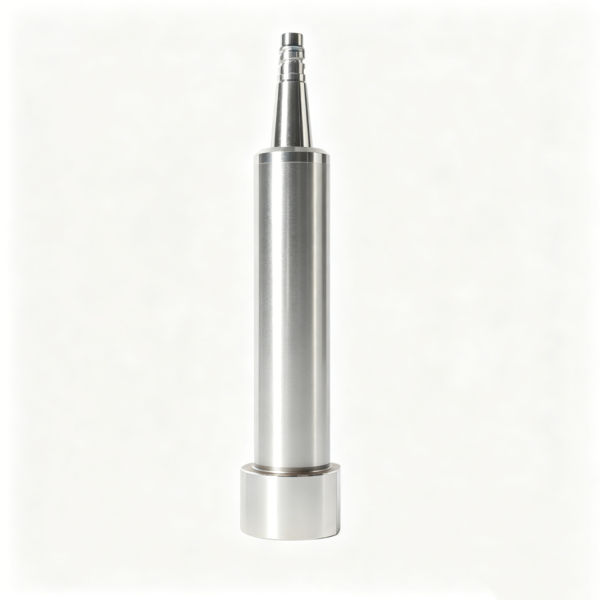
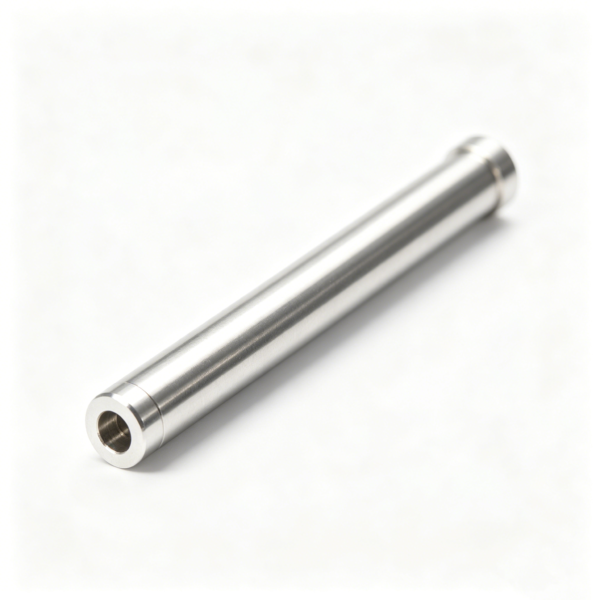
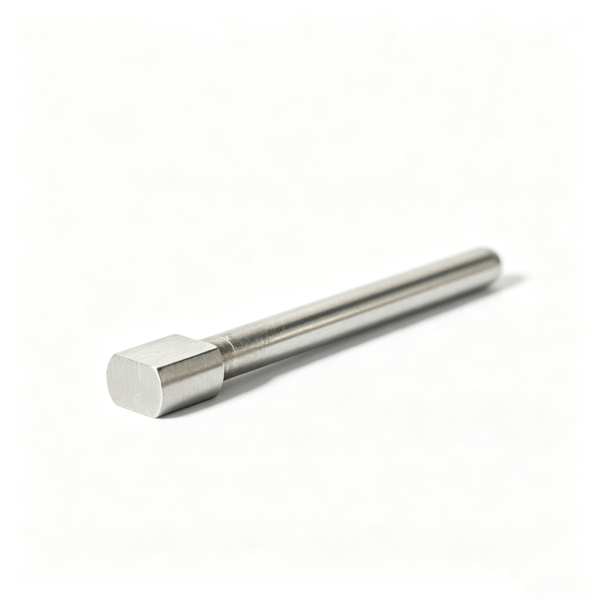
Engineer your next project with custom Precision Round Parts designed for tight tolerances and repeatable performance. Each component is machined using advanced CNC turning to deliver consistent roundness, smooth finishes, and reliable fit in demanding assemblies. Ideal for prototypes or production runs, these round components help reduce vibration, improve alignment, and extend equipment life. Choose from a wide selection of materials and surface treatments tailored to your application. Partner with us to streamline your supply chain and get parts that arrive ready to install.
- ISO 9001:2015–oriented process & documented inspection paths
- Zeiss / Nikon class metrology available for critical dimensions
- DFM feedback from 10+ senior tooling engineers
- Dongguan HQ + Quanzhou capacity for volume programs
Custom Precision Round Parts for Demanding Applications
Precision round parts are the backbone of modern mechanical systems, where the exact size, shape, and finish of every component affects overall performance. These are cylindrical or disk-shaped components that are machined to extremely tight dimensional tolerances and superior surface quality, often using advanced CNC lathes, Swiss-type machines, and multi-axis turning centers.[1][7][9] Because of their accuracy and repeatability, they are widely used in applications where even small deviations can lead to premature wear, noise, or failure.
In industries such as aerospace, automotive, medical devices, robotics, and high-end industrial equipment, precision round parts must fit seamlessly into larger assemblies and operate reliably under load, temperature variation, and continuous motion.[3][4][8] From custom shafts and spacers to bushings, pins, and miniature turned components, these parts ensure that rotating and sliding interfaces remain smooth, aligned, and secure.
Key Features & Performance Benefits
Our custom precision round parts are produced through modern precision machining practices that combine CAD/CAM engineering, CNC turning, and rigorous inspection routines.[4][13] The result is a repeatable process capable of meeting demanding quality and lead-time requirements.
- Tight tolerances and roundness: Precision turning and grinding enable very small dimensional variation, helping ensure accurate fits with mating components and consistent assembly performance.[1][7]
- Superior surface finish: Controlled cutting parameters and optimized tooling can achieve finely finished surfaces, reducing friction, noise, and wear in dynamic applications.[7][13]
- Material flexibility: Precision round components can be manufactured in a wide range of metals and engineering plastics, chosen to match strength, corrosion resistance, weight, or thermal behavior requirements.[4]
- Scalable production: From low-volume prototypes to high-volume series production, CNC turning and Swiss screw machines support efficient, repeatable manufacturing of round parts in many size ranges.[1][12]
- Consistency through process control: Precision machining relies on stable processes, calibrated equipment, and thorough measurement routines, helping ensure that each batch of round parts meets your specifications.[6][13]
By using highly accurate round parts, engineers and purchasing teams can reduce assembly rework, minimize field failures, and support longer service intervals. This is particularly important in sectors where component reliability directly impacts safety and uptime.
Specifications & Manufacturing Capabilities
The exact capabilities for your project will depend on the selected material, geometry, and required tolerances. Precision turning can routinely achieve micrometer-level accuracy and fine surface finishes when supported by controlled processes and appropriate metrology.[1][7][13]
| Attribute | Description |
|---|---|
| Part type | Custom precision round parts (shafts, pins, bushings, spacers, sleeves, miniature turned components) |
| Typical manufacturing process | CNC turning, Swiss-type turning, secondary milling, drilling, and finishing as required[1][9][12] |
| Tolerance capability | Engineered for tight tolerances suitable for high-precision assemblies, defined per customer drawing and application requirements[1][7] |
| Surface finish | Smooth, controlled finishes optimized to reduce friction and wear in rotating or sliding interfaces[7][13] |
| Common materials | Alloy and carbon steels, stainless steels, aluminum alloys, brass, copper alloys, and selected engineering plastics, chosen per environment and load[4] |
| Size range | Small to medium-sized round components, defined by project requirements and machine envelope capabilities |
| Quality assurance | Dimensional inspection using calibrated instruments and documented process controls for consistent batch quality[6][13] |
| Typical industries served | Aerospace, automotive, industrial machinery, robotics, electronics, medical devices, precision instrumentation[3][8] |
| Order volumes | Flexible volumes from prototype quantities to larger production runs, depending on part complexity |
Use Cases & Ideal Applications
Because they combine dimensional accuracy with robust mechanical performance, precision round parts are used anywhere rotation, guidance, or spacing must be tightly controlled. They are especially valuable in assemblies where multiple components must align perfectly to maintain smooth motion or sealing performance.
- Rotating shafts and axles: Accurately machined round shafts help maintain concentricity between bearings, gears, and couplings in motors, pumps, gearboxes, and automation equipment.
- Spacers and sleeves: Precisely sized round spacers keep components at the correct distance, supporting consistent clamping forces and alignment in structural frames and subassemblies.
- Pins and dowels: Precision pins and locating dowels provide repeatable alignment points for fixtures, tooling, and multi-part housings in production machinery and jigs.[6]
- Bushings and bearing components: Round bushings and bearing rings guide movement and manage load transfer, particularly in applications where noise, friction, and wear must be minimized over long operating cycles.
- Instrumentation and medical devices: Miniature turned round parts support compact, high-performance designs in diagnostic equipment, sensor housings, and precision mechanisms where space is limited and accuracy is critical.[3][4]
Design engineers, procurement specialists, and maintenance teams all benefit from sourcing consistent precision round parts. Accurate components simplify assembly, reduce fitting time, and help ensure that replacement parts perform like original equipment.
Selection, Care & Buying Guidance
Choosing the right precision round parts for your project involves balancing performance, cost, and manufacturability. To streamline sourcing and reduce design risk, consider these factors early in your planning process.
- Define functional requirements: Clarify loads, speeds, environmental conditions, and expected service life so material and tolerance choices can be matched to real operating conditions.[4][13]
- Provide clear drawings or 3D models: Detailed specifications, including critical dimensions, tolerances, surface finishes, and special features, help ensure that manufactured round parts match your intent.[12][13]
- Consider manufacturability: Simple, well-structured geometries and standard features can reduce machining time and cost while maintaining precision.
- Plan for inspection points: Highlight critical-to-function dimensions that will be controlled and verified, and align measurement methods between your team and the manufacturer.[6][13]
- Handling and storage: To preserve surface finish and corrosion resistance, store precision round parts in clean, dry conditions, using protective packaging or oil films where appropriate.
By working closely with your precision machining partner and sharing realistic performance requirements, you can specify round parts that are technically robust without over-complicating the design or driving unnecessary cost.
FAQ
What information do I need to request a quote for precision round parts?
For an accurate quotation, provide a drawing or 3D model, material preference, quantity, required tolerances, and any special surface finishes or heat treatments. This allows the machining process and inspection plan to be aligned with your expectations.[12][13]
Are these precision round parts compatible with my existing assemblies?
Compatibility depends on how closely the new parts match your current dimensions, tolerances, and material specifications. If you supply existing drawings or samples, the components can be manufactured to match or improve upon your current design so that they integrate smoothly into your assemblies.
How are the parts packaged and shipped to prevent damage?
Precision round parts are typically separated and protected with suitable packaging materials to prevent impact and surface damage during transport. Depending on size and finish, they may be individually wrapped, tray-packed, or bundled with protective sleeves, then boxed or crated for shipment.
What is the typical lead time for custom precision round parts?
Lead time is influenced by part complexity, order volume, material availability, and current production schedules. Prototype and small batches may be completed relatively quickly, while complex or high-volume orders require more time. Specific timelines are confirmed at the quotation stage.
Can you help optimize my design for manufacturability?
Yes. When you share your preliminary design, feedback can be provided on tolerances, feature selection, and geometry that may affect machining cost or reliability. Adjusting features early can reduce production time and improve consistency without compromising function.[6][12]
How should I store precision round parts to maintain their quality?
Store the parts in a clean, dry area, ideally in their original protective packaging. Avoid exposure to moisture, corrosive environments, or abrasive contact that could affect surface finish or dimensional accuracy over time.
What maintenance is required once the parts are installed?
Maintenance depends on the application. In rotating or sliding systems, follow the equipment manufacturer’s guidance for lubrication, cleaning, and inspection intervals. Proper lubrication and operating within the designed load limits help extend the life of your precision round components.
Do the parts come with any quality or return assurance?
Precision round parts are manufactured according to agreed drawings and specifications, and inspected accordingly. If there is a discrepancy between supplied parts and the documented requirements, a review and corrective process can be initiated, which may include replacement or adjustment as per the terms agreed at order placement.
Can small-batch or prototype quantities be ordered?
Yes, precision machining processes can support both low-volume prototypes and larger production runs. Ordering prototypes first allows you to validate fit and function before committing to higher-volume manufacturing.
Which industries most commonly purchase these precision round parts?
Common buyers include manufacturers in aerospace, automotive, industrial automation, robotics, electronics, and medical technology, where consistent mechanical performance and dimensional accuracy are essential.[3][4][8]
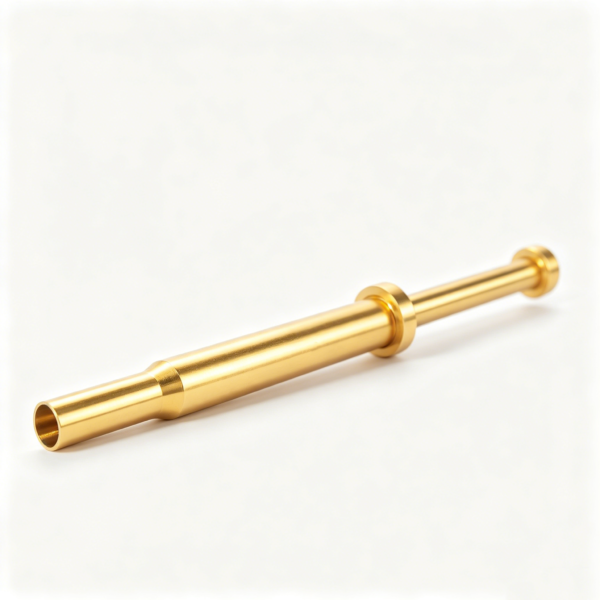
Same drawing, predictable results—next batch
Share revision, quantity ramp, and inspection level. We quote process route, ship date, and documentation in one structured response.