
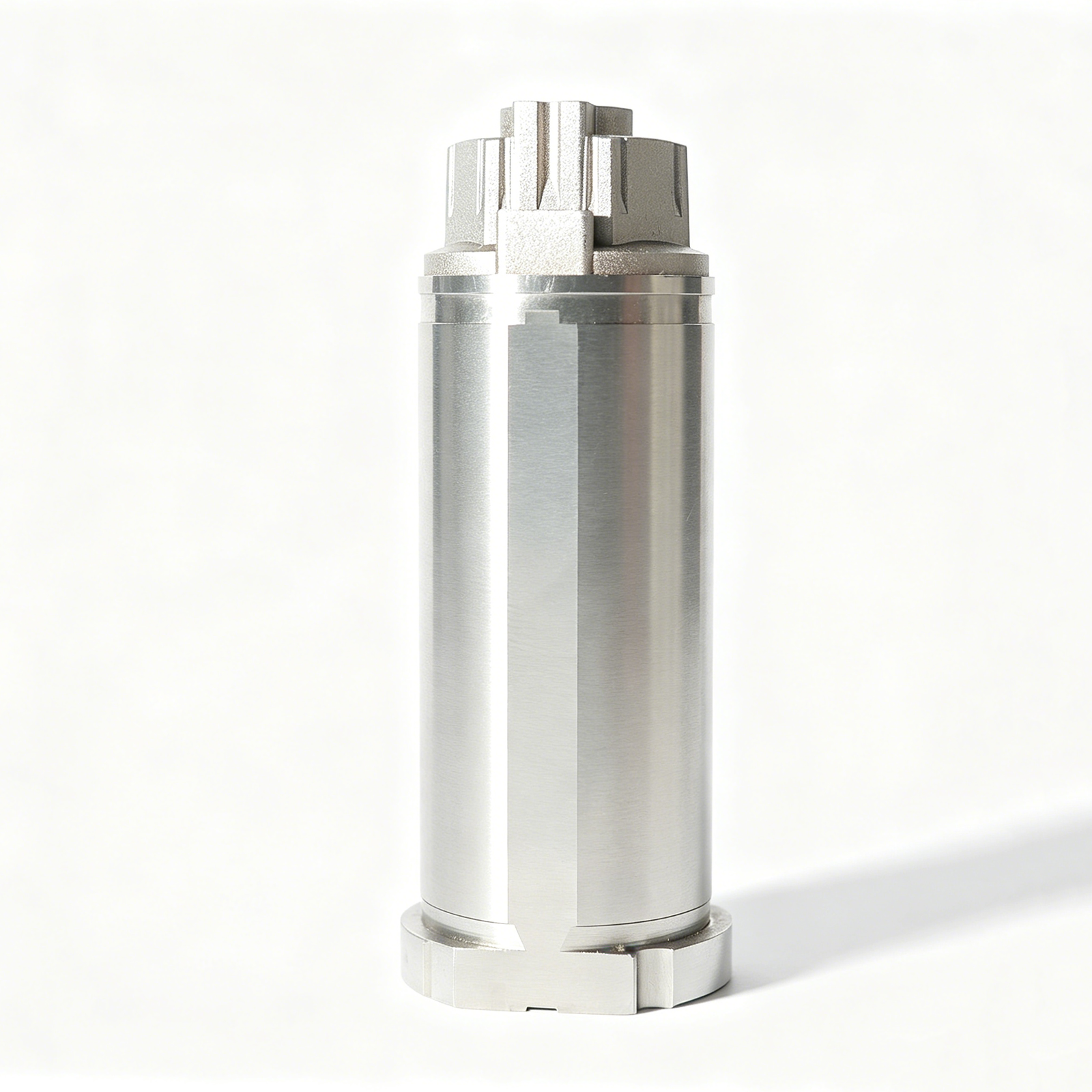
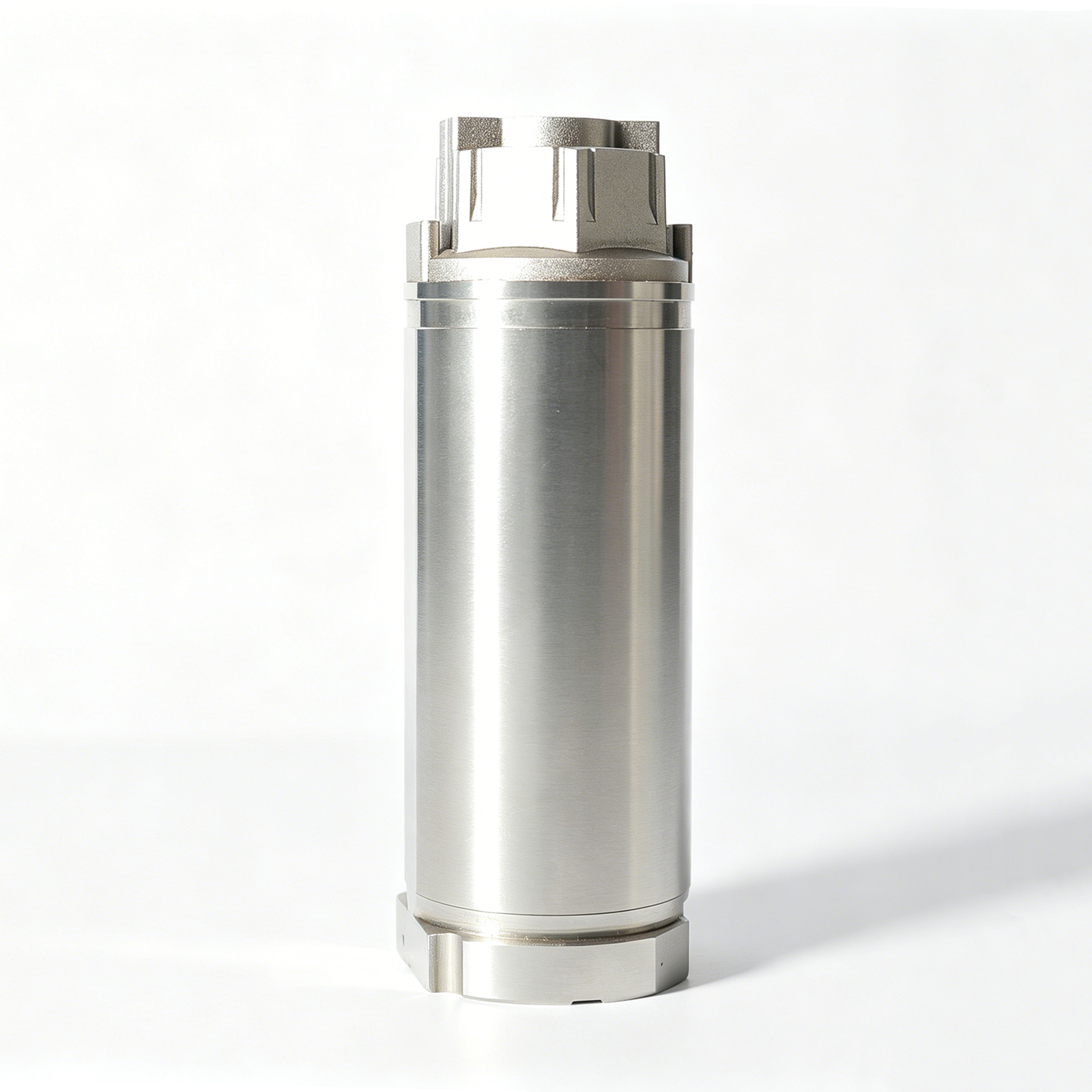
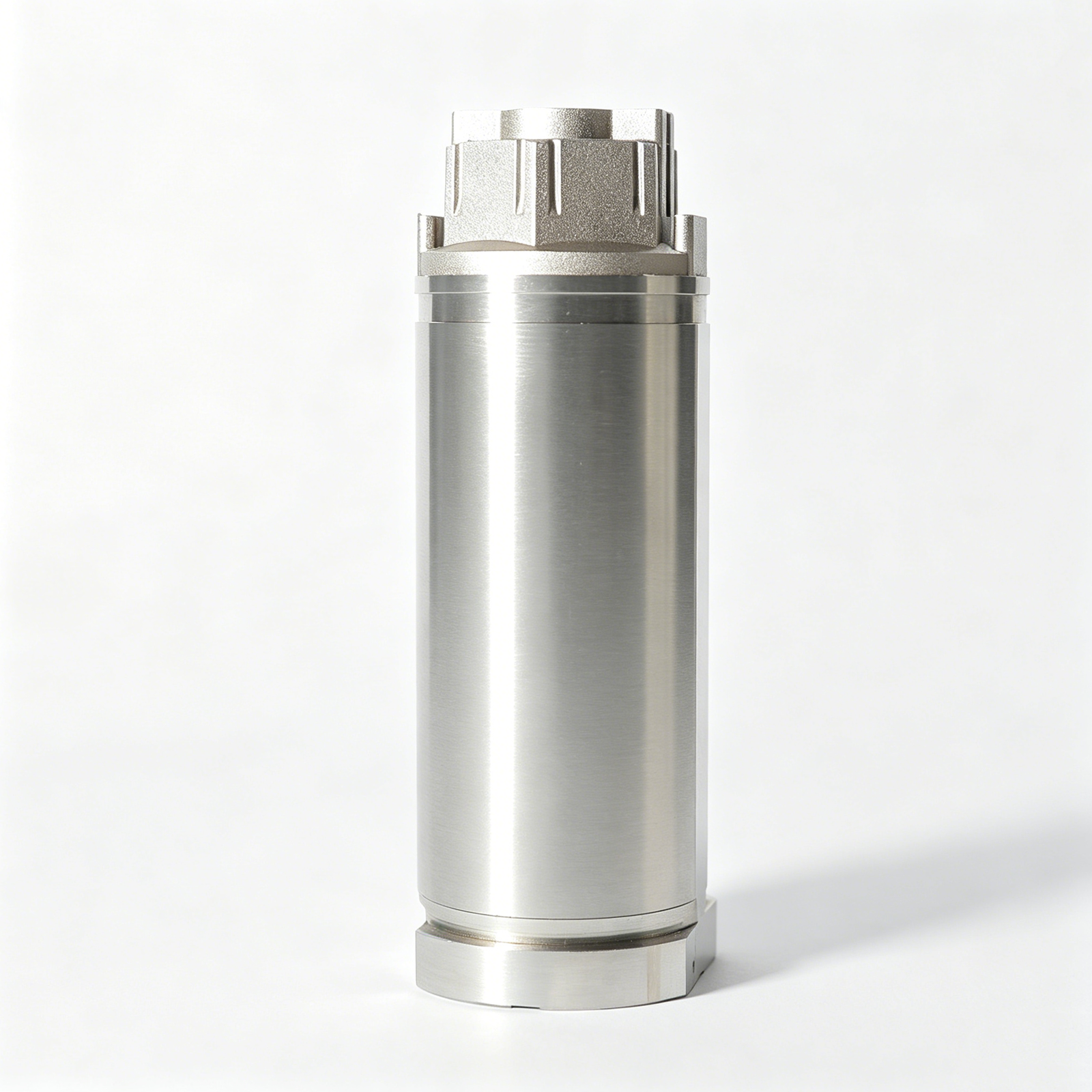
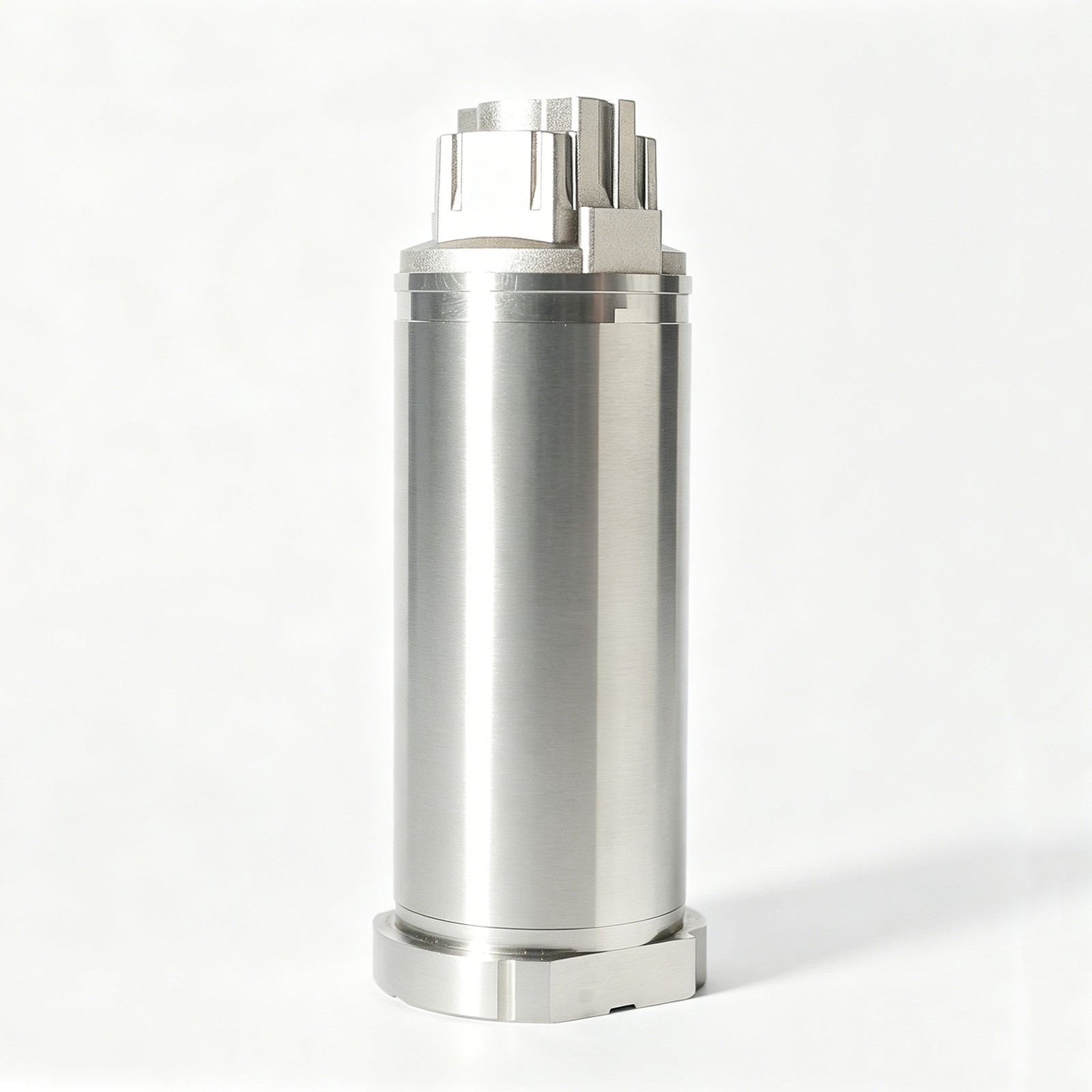
Plastic film parts · Precision mold insert
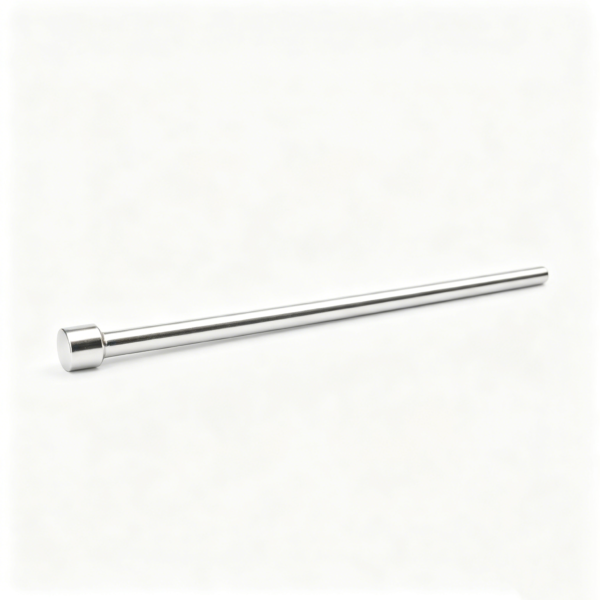
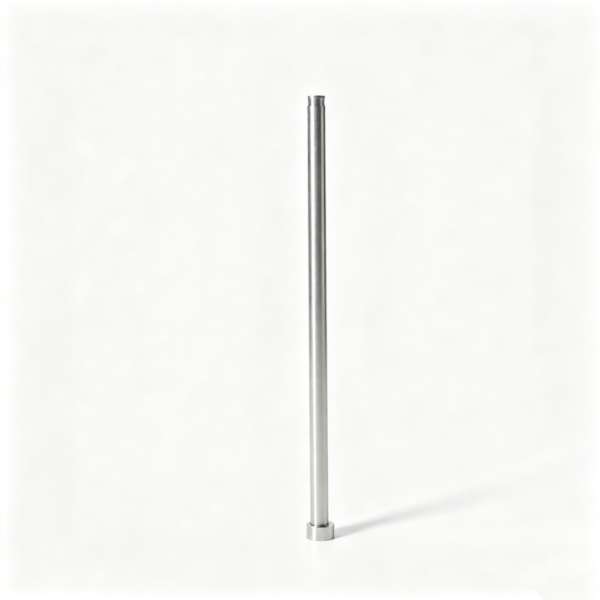
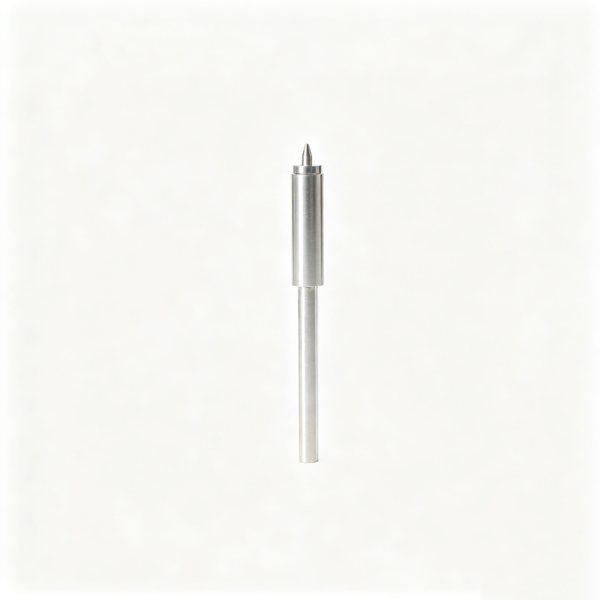
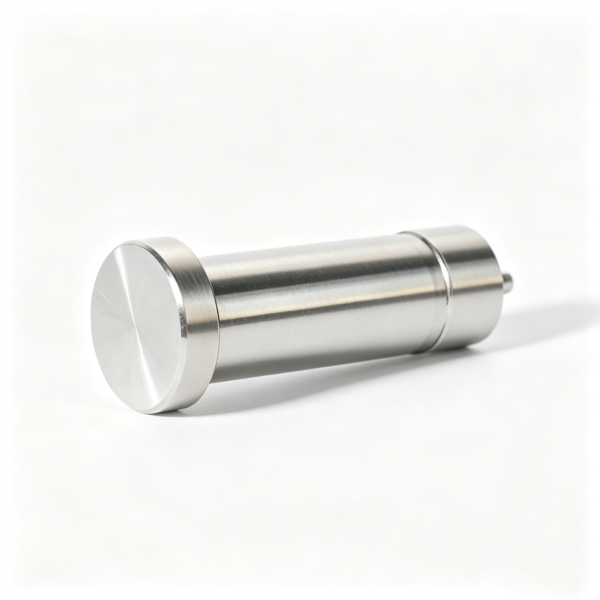
Precision Round Parts for Tight-Tolerance Turning Applications
Brand Xuxiang Mold
Availability Made to drawing
RFQ pricing
Quote from STEP / PDF & quantity
Built for assemblies where fit, concentricity, and repeatable performance matter, Precision Round Parts help designers move from concept to dependable production with confidence. These round machined components are a smart choice when you need clean mating surfaces, stable dimensions, and a consistent finish that supports smooth assembly. They are well suited for shafts, sleeves, pins, rings, and other cylindrical details used across demanding equipment. When accuracy is part of the job, these parts are designed to support it.
- ISO 9001:2015–oriented process & documented inspection paths
- Zeiss / Nikon class metrology available for critical dimensions
- DFM feedback from 10+ senior tooling engineers
- Dongguan HQ + Quanzhou capacity for volume programs
Precision Round Parts for demanding cylindrical applications
Precision Round Parts are machined cylindrical components made for applications where shape consistency, close fit, and dependable repeatability matter. In practice, that usually means parts produced through CNC turning, Swiss machining, grinding, or related precision methods used to hold tight tolerances and achieve stable surface quality[1][2][5][8][10]. These parts are commonly specified when a round profile must align properly inside an assembly, rotate smoothly, seal reliably, or maintain accurate spacing under load[3][5][14].
Because round parts often serve as the functional link between multiple components, buyers typically look for more than a simple diameter. They want predictable geometry, clean edges, the right material for the environment, and a production method that can support both prototypes and repeat runs[1][3][12]. That is why precision round components are widely used in automotive systems, industrial machinery, robotics, electronics, medical devices, aerospace, and other high-performance assemblies[3][4][14][15].
Why buyers choose precision round components
The main advantage of precision turning is control. Advanced machining processes can produce round parts with tight dimensional consistency, and in high-accuracy work that control can extend into very small tolerance ranges[1][7][8][14]. For the buyer, that translates into easier assembly, fewer fit issues, and less variation from one batch to the next. In production environments, those benefits can reduce scrap, simplify inspection, and improve overall line efficiency[3][5][10].
Another important benefit is versatility. Precision round parts can be manufactured in metals, plastics, or composite materials depending on the application and operating conditions[5]. That flexibility makes them useful for everything from wear-resistant mechanical hardware to lightweight instrumentation components. When the part must resist heat, vibration, fluid exposure, or repeated cycling, the right combination of material and machining process becomes a key part of performance[3][5][14].
Precision round parts are also valued for their geometry. Circular profiles are ideal for rotational motion, sealing interfaces, locator functions, and components that need coaxial alignment. In many designs, the round form simplifies load distribution and supports smoother operation than a less symmetrical profile. That is one reason round turned parts remain foundational in so many engineered products[3][4][9].
Key characteristics and purchasing considerations
When sourcing precision round parts, it helps to define the requirements clearly before production begins. The most useful details typically include nominal dimensions, acceptable tolerance bands, surface finish expectations, material choice, quantity, and any special features such as steps, grooves, threads, cross-holes, or undercuts. Manufacturers often ask for CAD data or drawings so they can match the part to the application and recommend the best machining route[12].
Buyers should also consider how the part will be inspected. For precision work, quality control may involve dimensional measurement, runout checks, concentricity verification, and surface evaluation depending on the use case[10][14]. If the component will sit inside a critical assembly, ask whether the supplier can support first-article review, prototype runs, or batch inspection documentation. That is especially important for regulated or performance-sensitive sectors such as medical, aerospace, and automation[3][14][15].
| Attribute | Typical buyer guidance |
|---|---|
| Part shape | Cylindrical, disk-like, sleeve-style, shaft-style, ring-style, or custom turned geometry |
| Manufacturing methods | CNC turning, Swiss machining, grinding, milling support, EDM for secondary features[2][6][10][14] |
| Material options | Metals, plastics, and composites depending on strength, wear, corrosion, and weight needs[5] |
| Tolerance focus | Close dimensional control for fit, concentricity, and repeatability[1][7][8][14] |
| Finish considerations | Smooth, controlled surface quality suited to sliding, sealing, or appearance requirements[7][8][14] |
| Common features | Steps, shoulders, grooves, chamfers, threads, bores, and cross-drilled details |
| Best for | Rotating assemblies, locating features, spacers, pins, sleeves, and precision hardware[3][4][9][15] |
Where these parts are used
Precision round parts appear in many industries because so many machines rely on rotational geometry and accurate alignment. Automotive and industrial equipment use them in drivetrain, motion, and fixture-related applications[4]. Aerospace and defense projects value them for high-reliability assemblies where exact fit and repeatable performance are essential[3][14]. Medical device designers use precision cylindrical components when compactness, cleanliness, and dependable operation are priorities[3][14]. Robotics, sensors, and electronics also depend on small precision round details for positioning, housing, and motion control[3][5][15].
For OEM buyers, the appeal is practical: one well-made round part can improve assembly behavior across an entire product line. Whether the component is supporting motion, spacing, sealing, locating, or transmitting force, accurate turning and careful inspection help keep the finished system consistent from unit to unit[1][5][10].
Care, handling, and buying tips
Because precision components are made to exacting standards, proper handling matters. Store parts in clean, dry conditions and protect them from nicks, corrosion, and contamination during transport and assembly. If the part has a critical finish or sealing surface, avoid abrasive contact and use packaging that prevents part-to-part damage. For recurring orders, keep the original drawing revision, material spec, and inspection notes together so the next build matches the approved version.
When comparing suppliers, ask about material traceability, inspection capability, prototype support, and production scalability. If your project may grow from sample quantity to full production, choose a partner that can maintain the same geometry and quality across volumes[12][14]. Clear communication at the quoting stage usually leads to fewer surprises later, especially when the part must fit into a tightly controlled assembly.
FAQ
How are Precision Round Parts typically shipped?
They are usually packed to prevent scratching, denting, and contamination. For delicate finishes or tight-tolerance work, protective wrapping, separated compartments, or custom cartons are commonly used.
What information should I provide for sizing or compatibility?
Share a drawing or CAD file whenever possible, along with diameter, length, tolerance requirements, material preference, and any special features such as grooves, threads, or bores.
Can these parts be used in both prototypes and production runs?
Yes. Precision round parts are often made for early-stage validation first, then scaled into repeat production once the design is approved.
What should I do to maintain the parts after delivery?
Keep them clean, dry, and protected from impact. Avoid direct contact with abrasive surfaces and follow any application-specific lubrication or corrosion-control requirements.
Are these parts suitable for moving assemblies?
Yes. They are commonly used in rotating, sliding, locating, and spacing functions where geometry and consistency are important.
Do suppliers usually offer inspection or quality documentation?
Many precision manufacturers can provide dimensional inspection, first-article checks, or batch-level quality records depending on the project and order volume.
What if my project needs a different material later?
Material changes are often possible if the new choice still meets strength, wear, temperature, and corrosion requirements for the application.
What is a practical return or warranty question to ask before ordering?
Confirm how nonconforming parts are handled, whether remake or refund options are available, and what inspection criteria must be met for acceptance.
Same drawing, predictable results—next batch
Share revision, quantity ramp, and inspection level. We quote process route, ship date, and documentation in one structured response.