
Precision Date Stamp Mold Components — +/-0.001 mm Tolerance, 24-Hour Quote
ISO 9001:2015-certified precision mold components and custom mold core inserts machined on Sodick slow-wire EDM and Fanuc CNC machining services, validated by ZEISS CMM — serving OEM/ODM electronics, automotive and micro-connector manufacturers worldwide.
Featured Date Stamp Tooling & Precision Mold Spare Parts
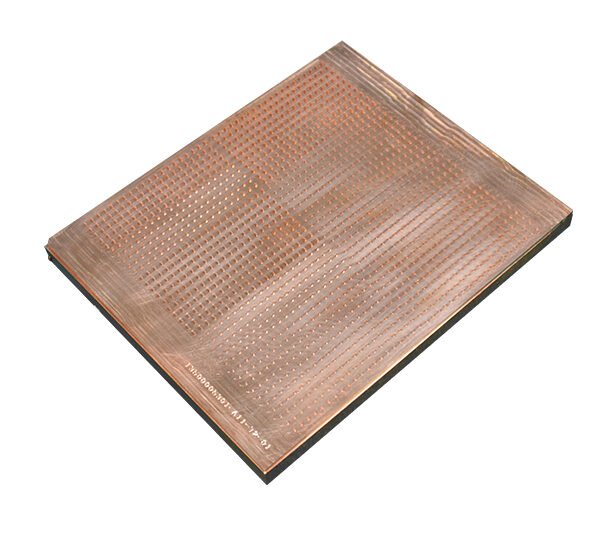
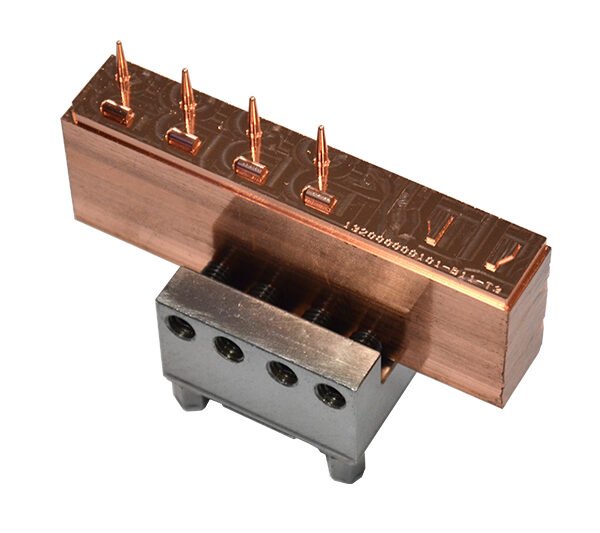
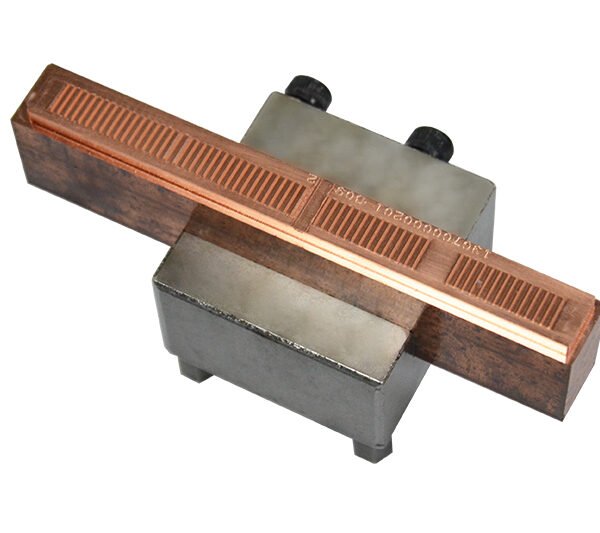
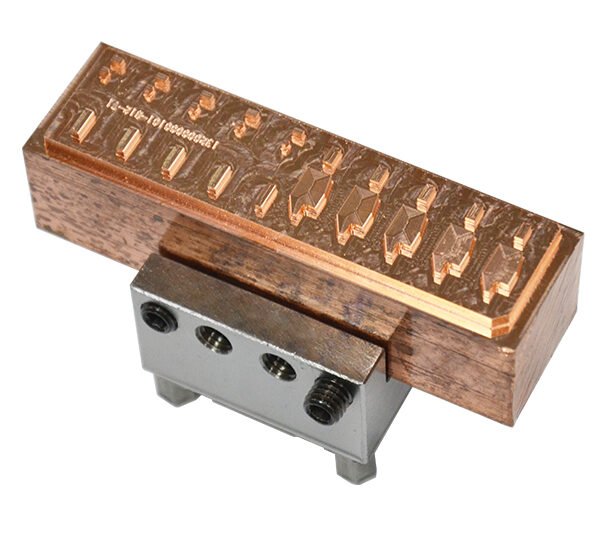
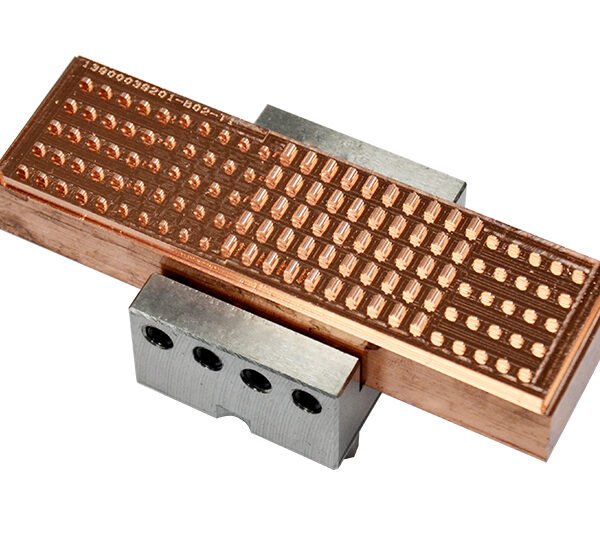
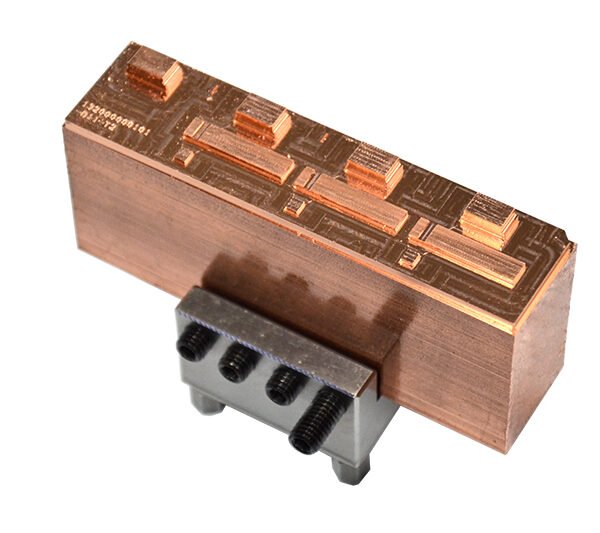
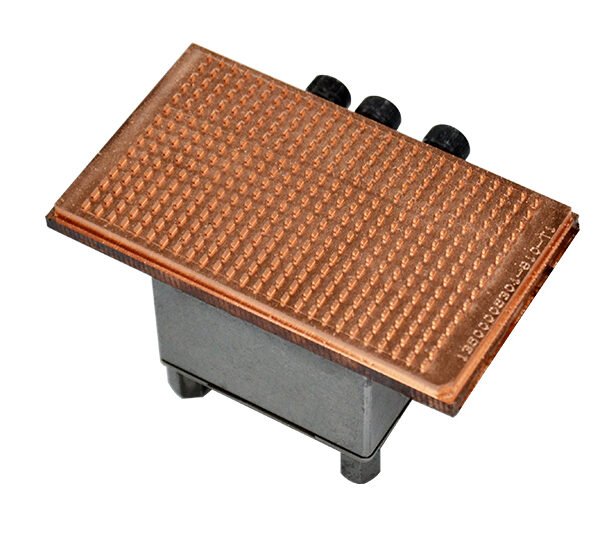
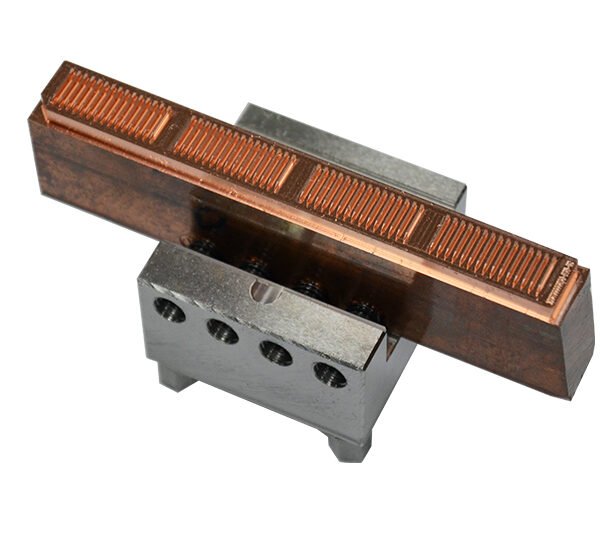
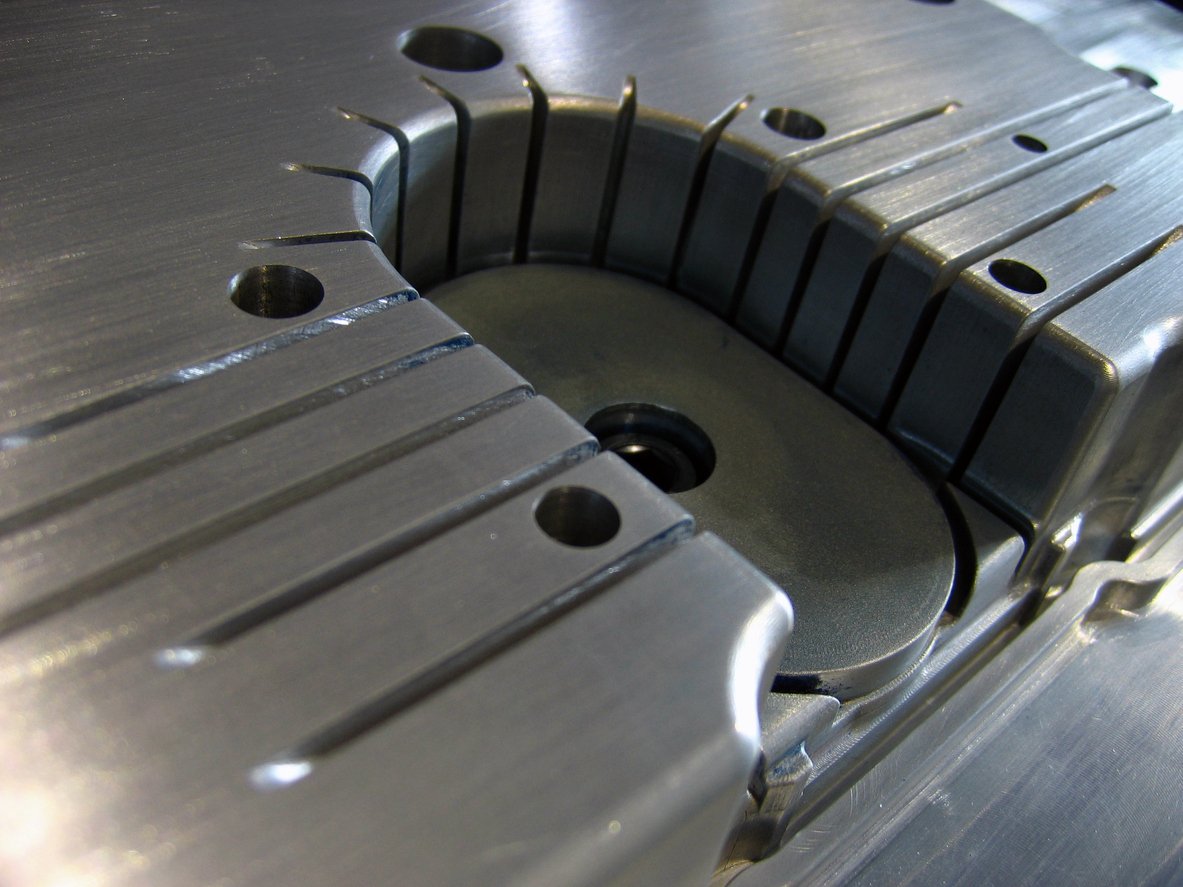
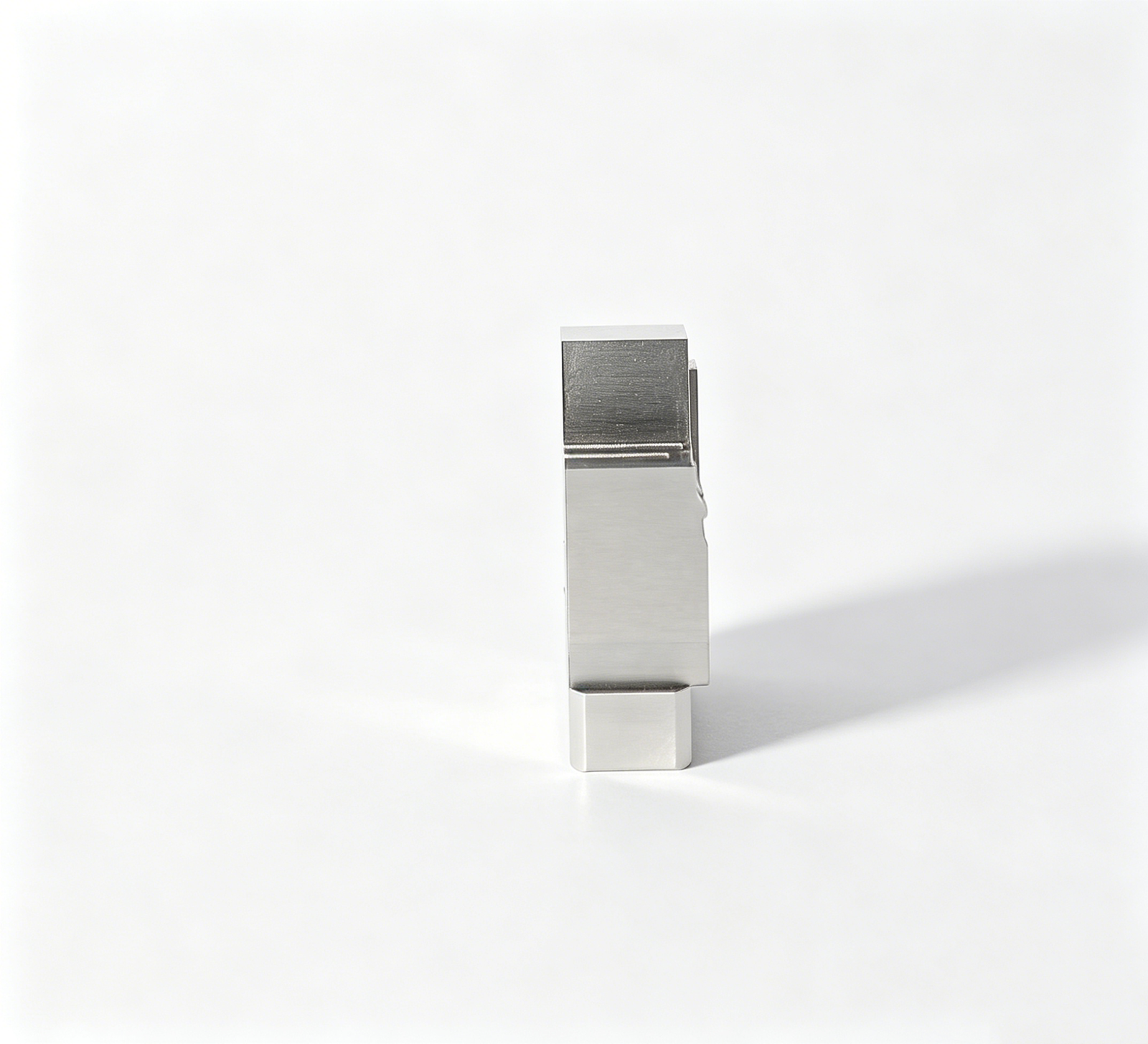
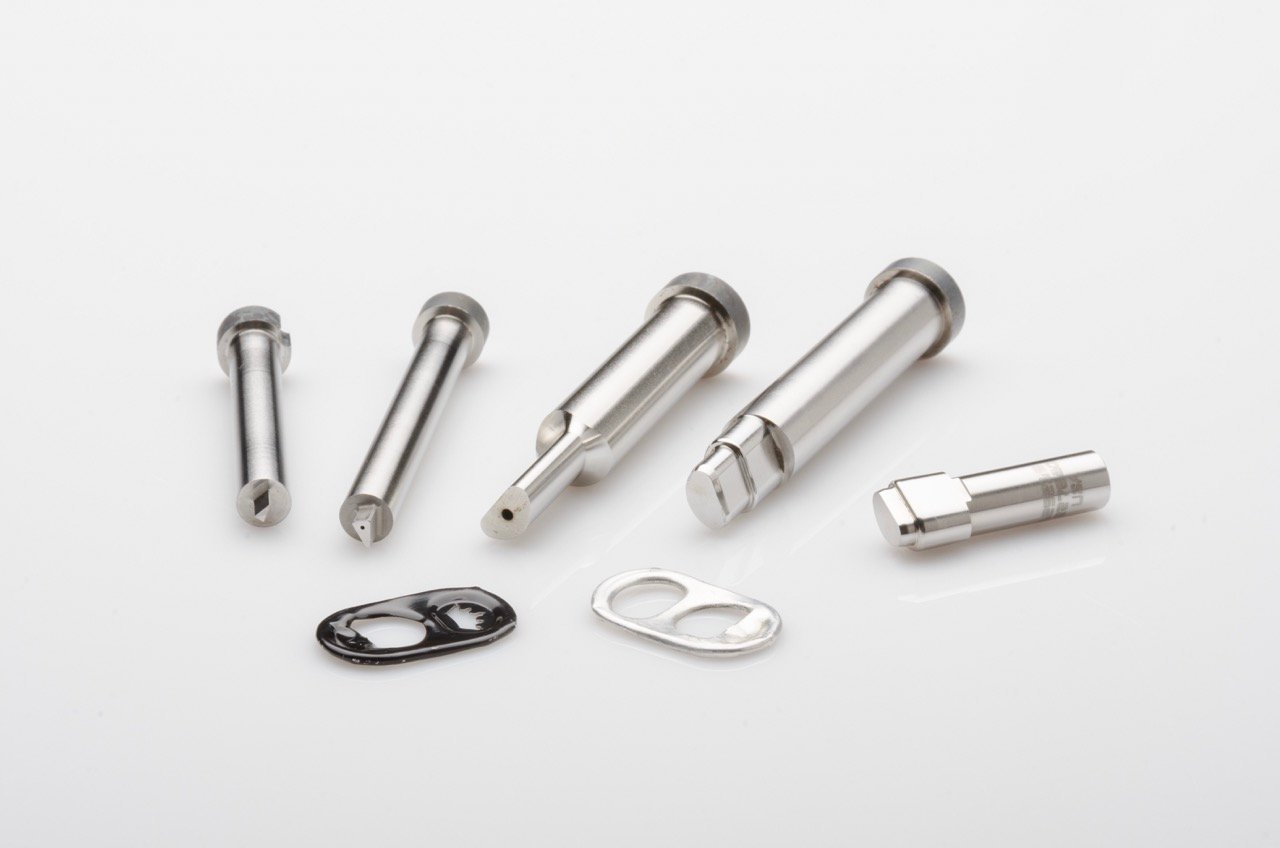
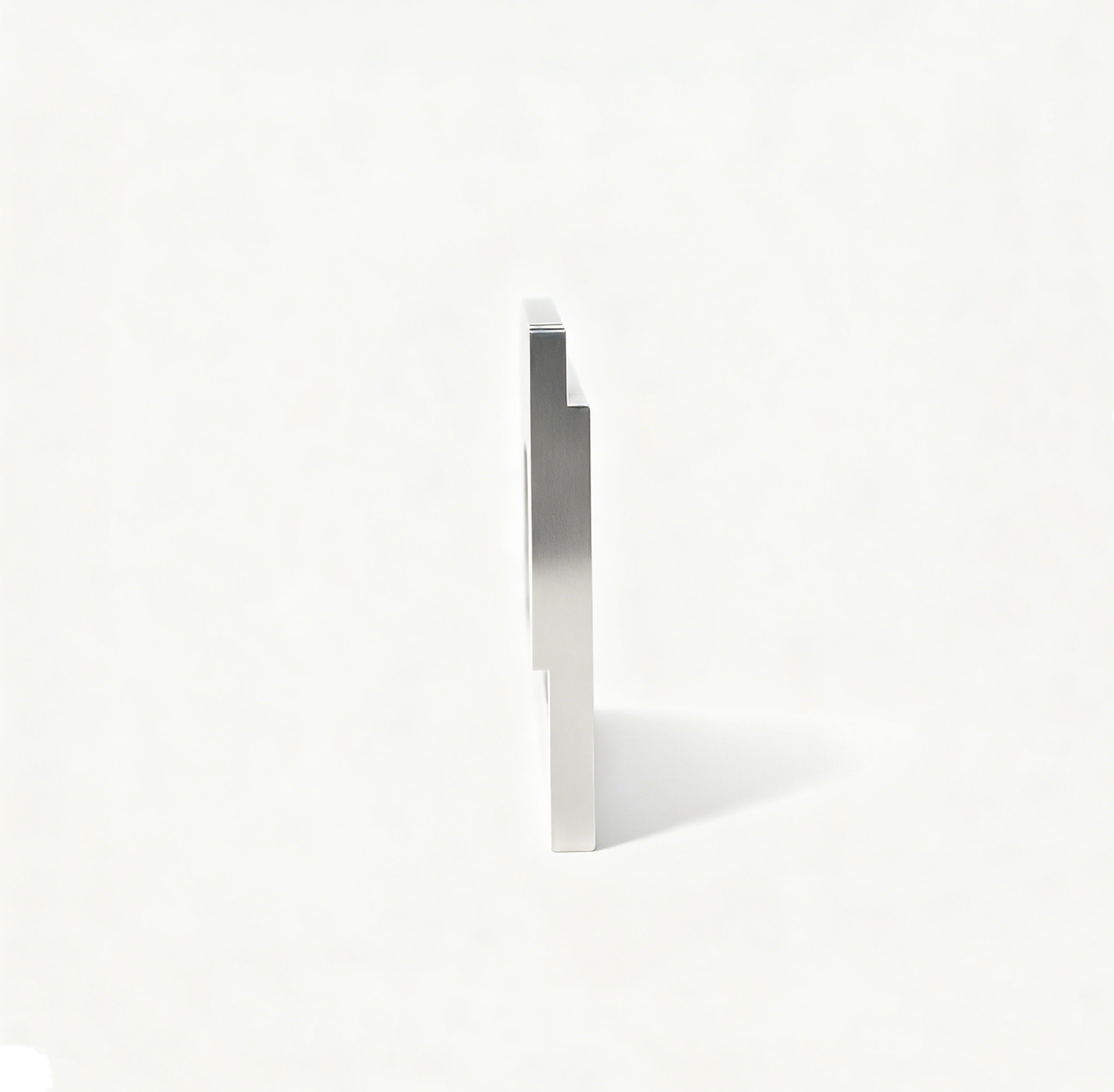
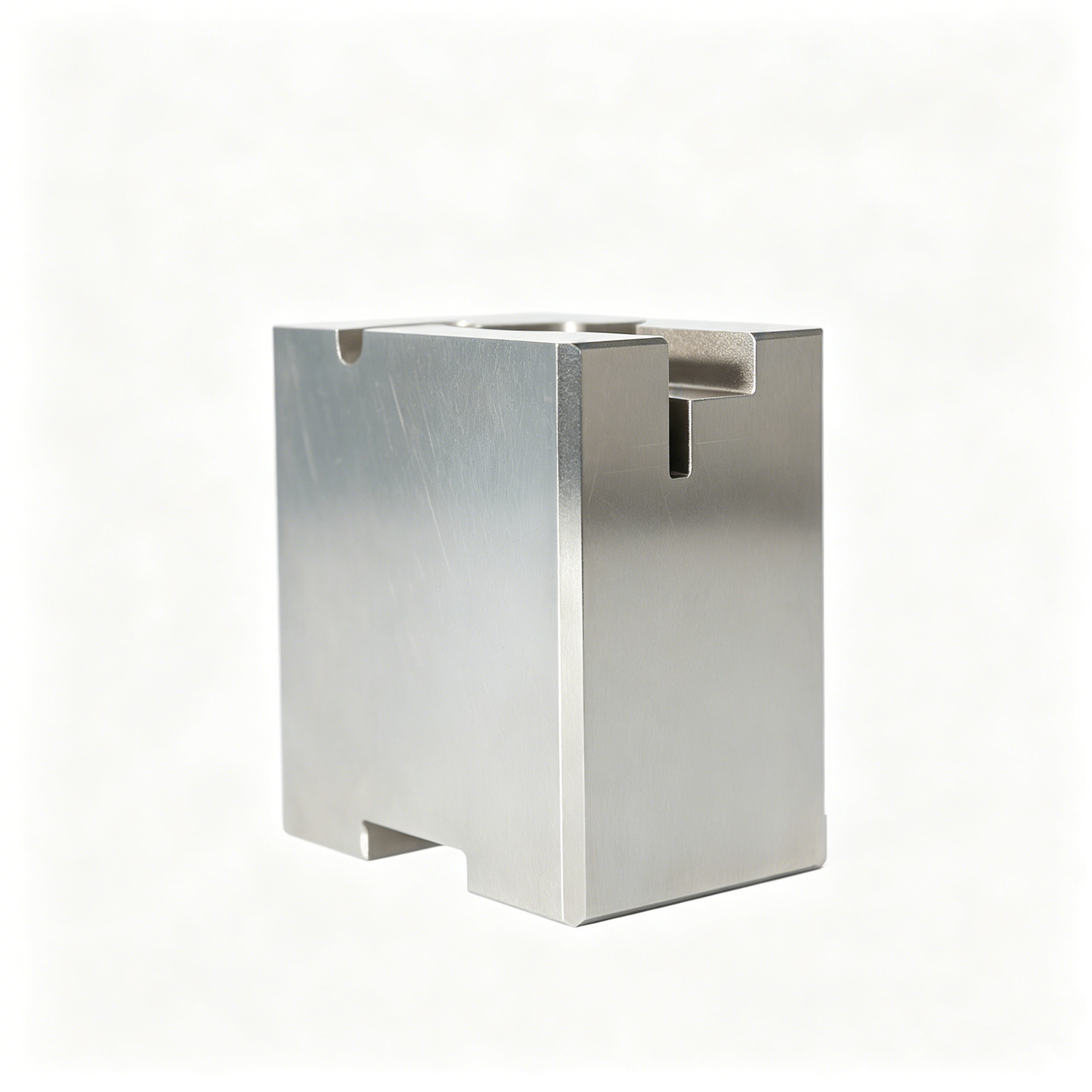
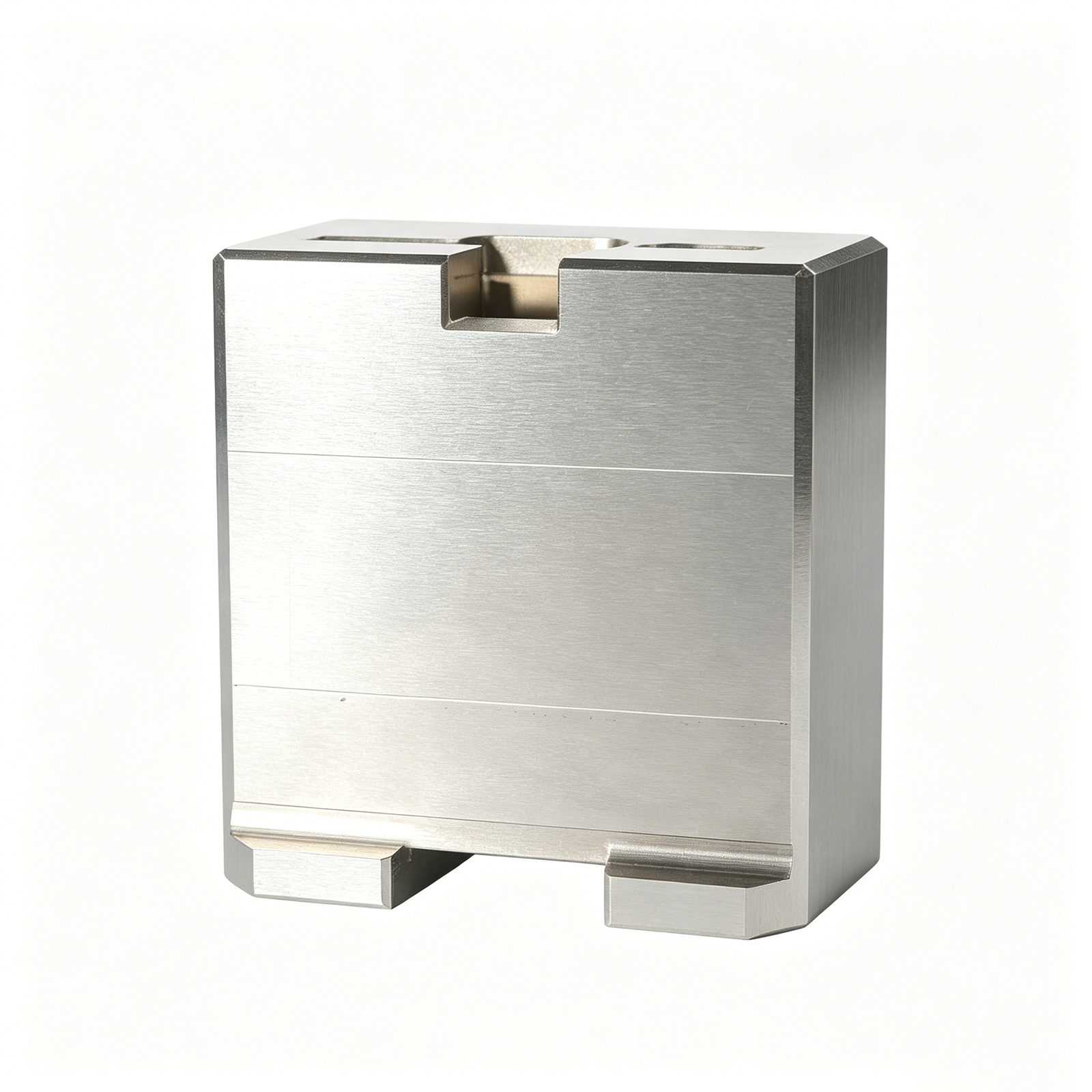
Product Gallery — Precision Date Stamp Mold Samples
Why Precision Date Stamp Tooling Matters — Core Advantages
Micron-Stable Machining Accuracy
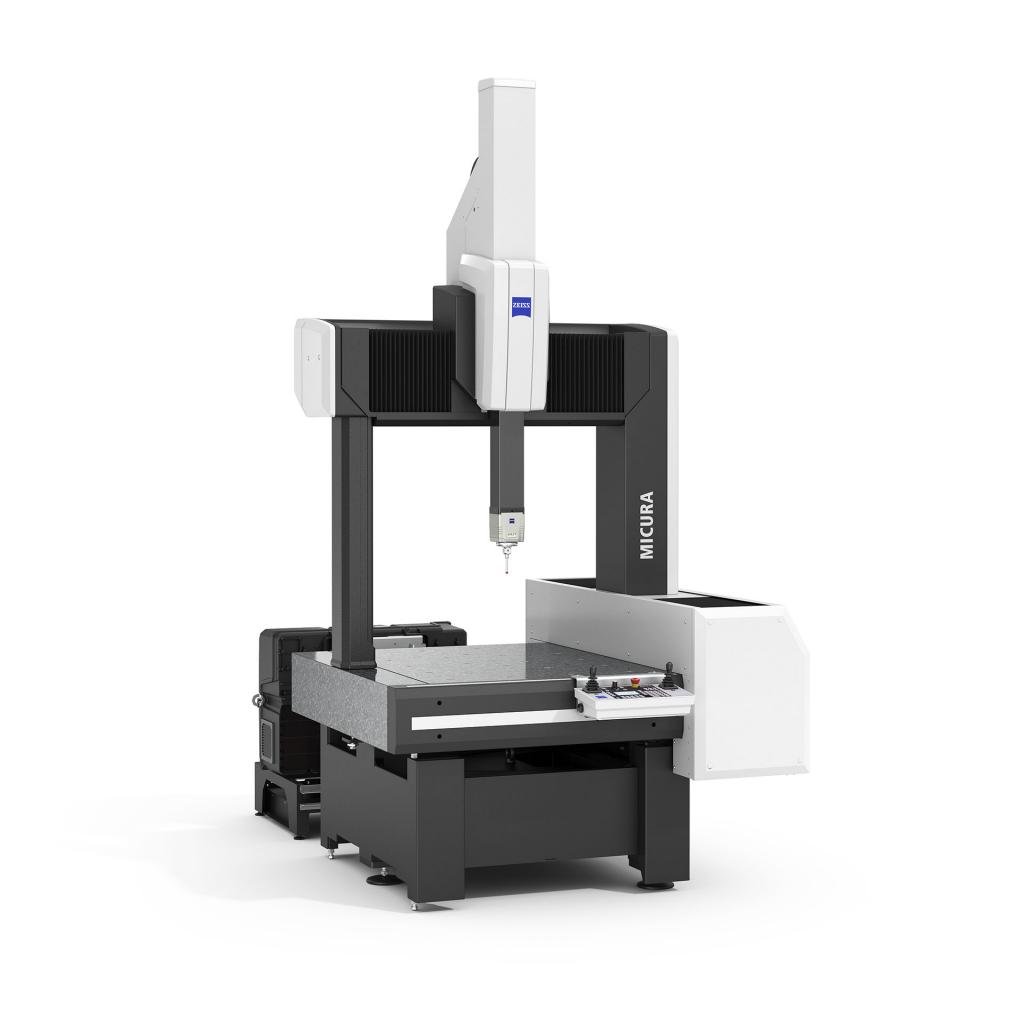
Every date stamp mold component held to +/-0.001 mm tolerance with Sodick slow-wire EDM and ZEISS MICURA CMM validation at 0.7um resolution.
Fast Sampling & Turnaround
Date stamp samples delivered in 3-7 days, mass production in 15-25 days — 30% faster than industry average with 24-hour quoting.
DFM Engineering Support
10+ precision-mold experts review every date stamp design before production, catching tolerance conflicts and optimizing manufacturability upfront.
Dual-Factory Production Capacity
Dongguan R&D center plus Quanzhou volume plant — 3,400 m² total, +200% capacity expansion in 2025 for scalable date stamp orders.
Full CMM Validation & FAI
ZEISS and Nikon metrology on every date stamp part, complete FAI documentation and material certificates shipped with each batch.
ISO 9001:2015 Compliance
16 years of precision mold expertise under certified quality management — spectral analysis, in-process monitoring and five-step QC on all date stamp tooling.
Date Stamp Mold Categories
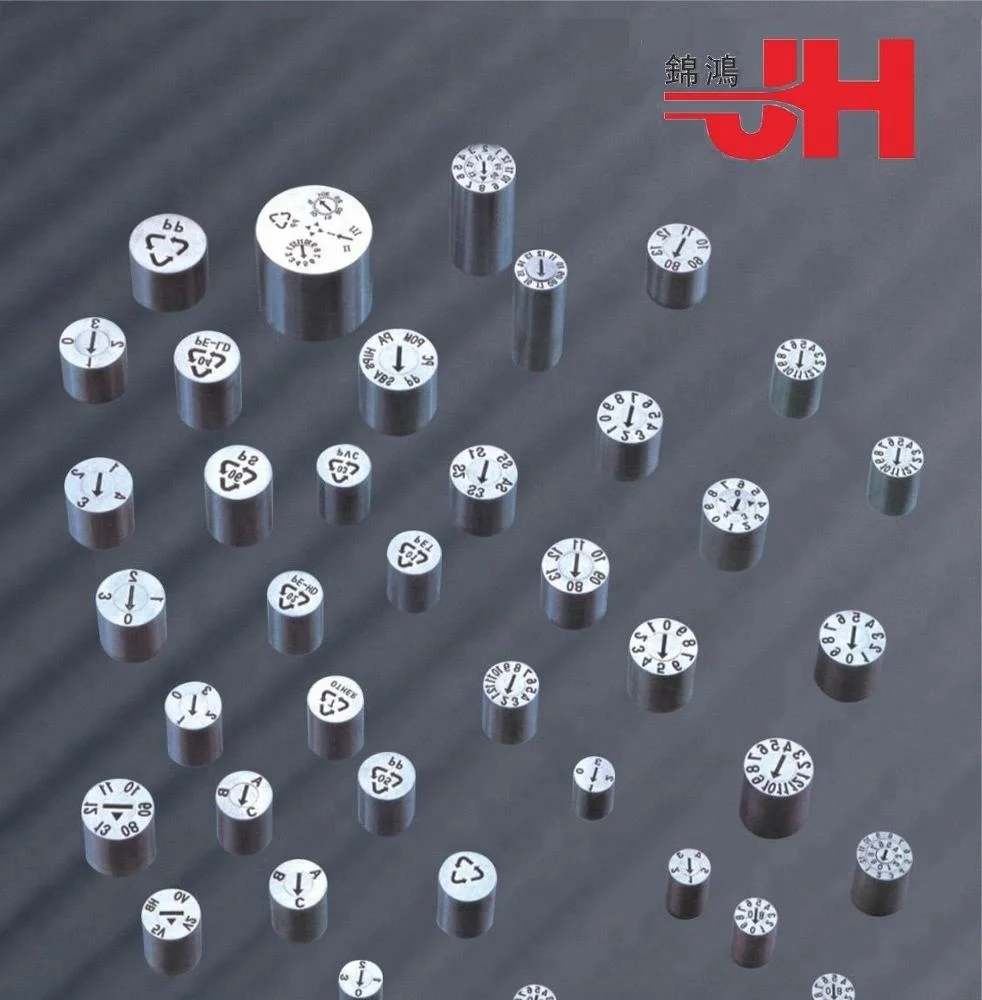
Precision Date Inserts
Precision Date Inserts are machined to +/-0.001 mm on Sodick slow-wire EDM machining and Fanuc CNC platforms, designed for high-cavity injection molds requiring sharp, legible date codes on consumer electronics, automotive precision mold components and medical-device housings. ZEISS MICURA CMM verification ensures character depth, width and positional accuracy across production runs.
Get a Quote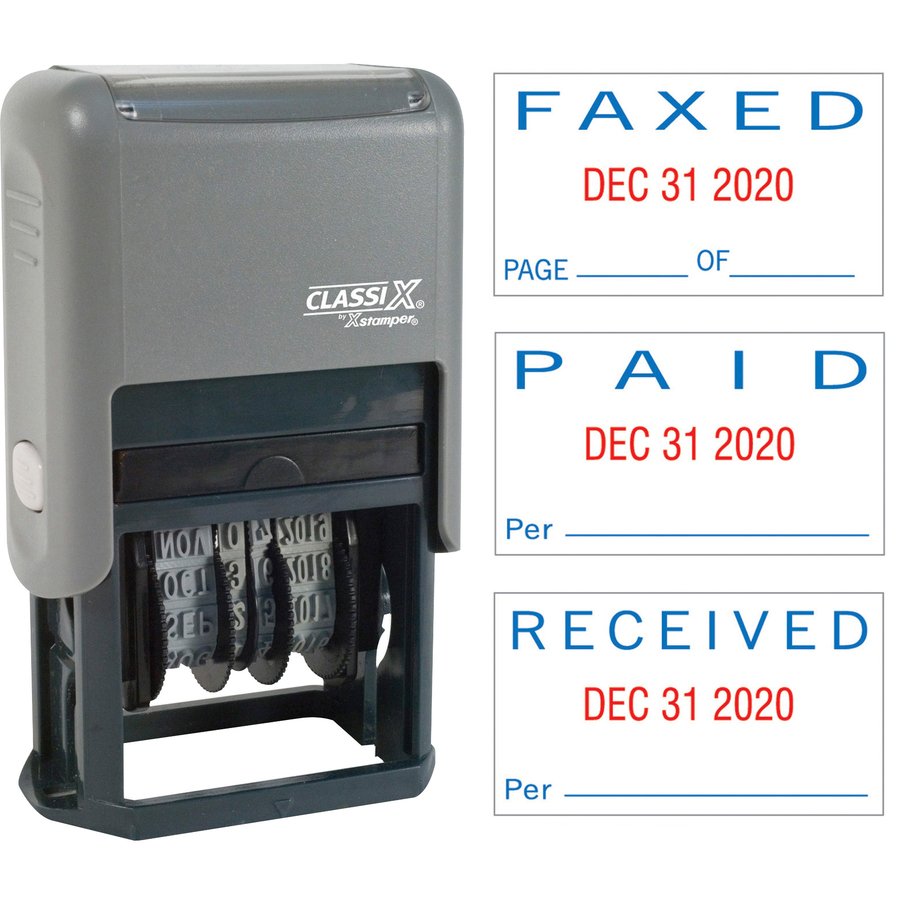
EDM Date Stamps
EDM Date Stamps deliver mirror EDM core inserts with Ra 0.1 µm surface finish and corner radii down to R 0.015 mm using Mitsubishi mirror EDM and Sodick sinker systems. Ideal for intricate date-code cavities in hard-to-machine tool steels (NAK80, S136, H13), validated by Nikon toolmaker’s microscopes and supplied with full FAI reports.
Get a Quote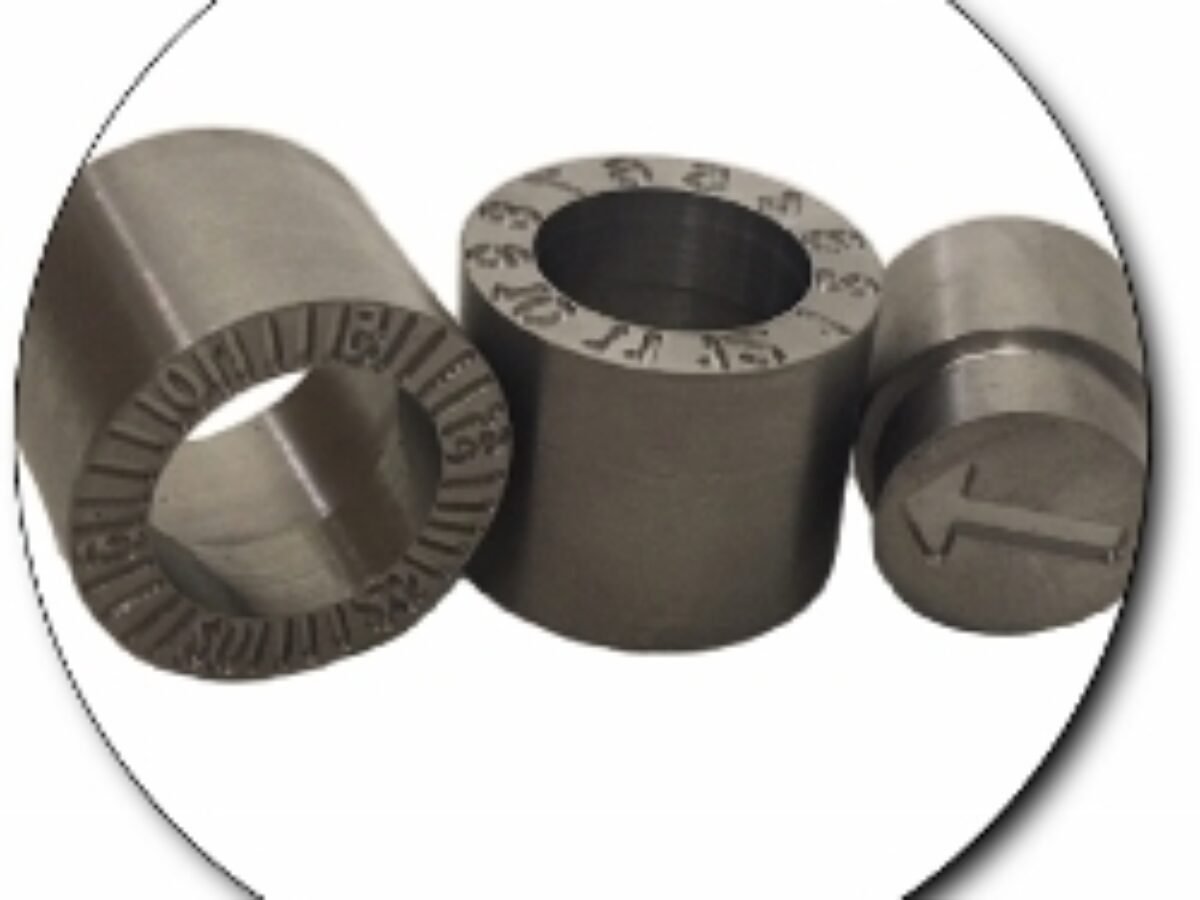
Mold Date Codes
Mold Date Codes integrate alphanumeric or calendar-format markings directly into core or cavity inserts, machined via slow-wire EDM to +/-0.002 mm class positioning. Suitable for automotive tier-1 traceability, electronics lot coding and regulatory compliance in medical devices; delivered with material certificates and DFM consultation.
Get a Quote
Custom Date Cavities
Custom Date Cavities are engineered from CAD to match your product geometry, wall thickness and gate location. Our 10+ DFM experts optimize character size, draft angle and ejection clearance to prevent sink marks and ensure mold longevity. Lead time: 3–7 days for samples, 15–25 days for production tooling.
Get a Quote
Interchangeable Date Systems
Interchangeable Date Systems use modular inserts or cassette-style holders, allowing rapid changeover of month, day or year without disassembling the mold base. Machined on Beijing Jingdiao high-precision CNC with repeatable +/-0.003 mm fit tolerance, backed by ISO 9001:2015 process control and dimensional inspection.
Get a Quote
Micro Date Stamps
Micro Date Stamps are purpose-built for 5G micro-connectors, FPC terminals and miniature sensor housings where character height is under 0.5 mm. Sodick and Seibu slow-wire EDM achieve fine-feature resolution and positional stability; ZEISS 0.7 µm CMM metrology confirms legibility and prevents resin bleed or flash.
Get a Quote
Date Stamp Holders
Date Stamp Holders are precision-ground steel frames or pockets that secure interchangeable date inserts within the mold, maintaining alignment under injection pressure and thermal cycling. Dawn grinding centers deliver flatness within 0.002 mm; holders are heat-treated, nitrided or PVD-coated per customer specification.
Get a Quote
Engraved Date Blocks
Engraved Date Blocks combine CNC milling, wire EDM and laser or mechanical engraving to produce permanent, high-contrast date markings on ejector pins, core pins or parting-line surfaces. Suitable for high-volume automotive, appliance and industrial molds; supplied with spectral material analysis and surface-integrity certification.
Get a Quote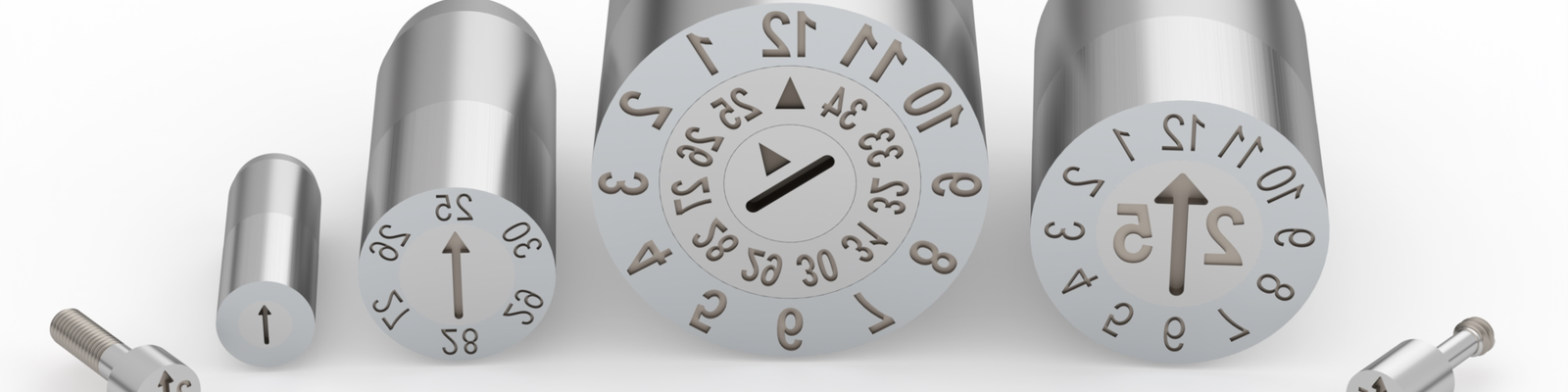
Date Stamp Tooling
Date Stamp Tooling encompasses complete design, fabrication and validation of date-code systems—from initial DFM review through electrode manufacture, EDM machining, CMM inspection and final assembly. Backed by dual-factory capacity (Dongguan + Quanzhou), 24-hour quoting and roughly 30% faster delivery than industry average.
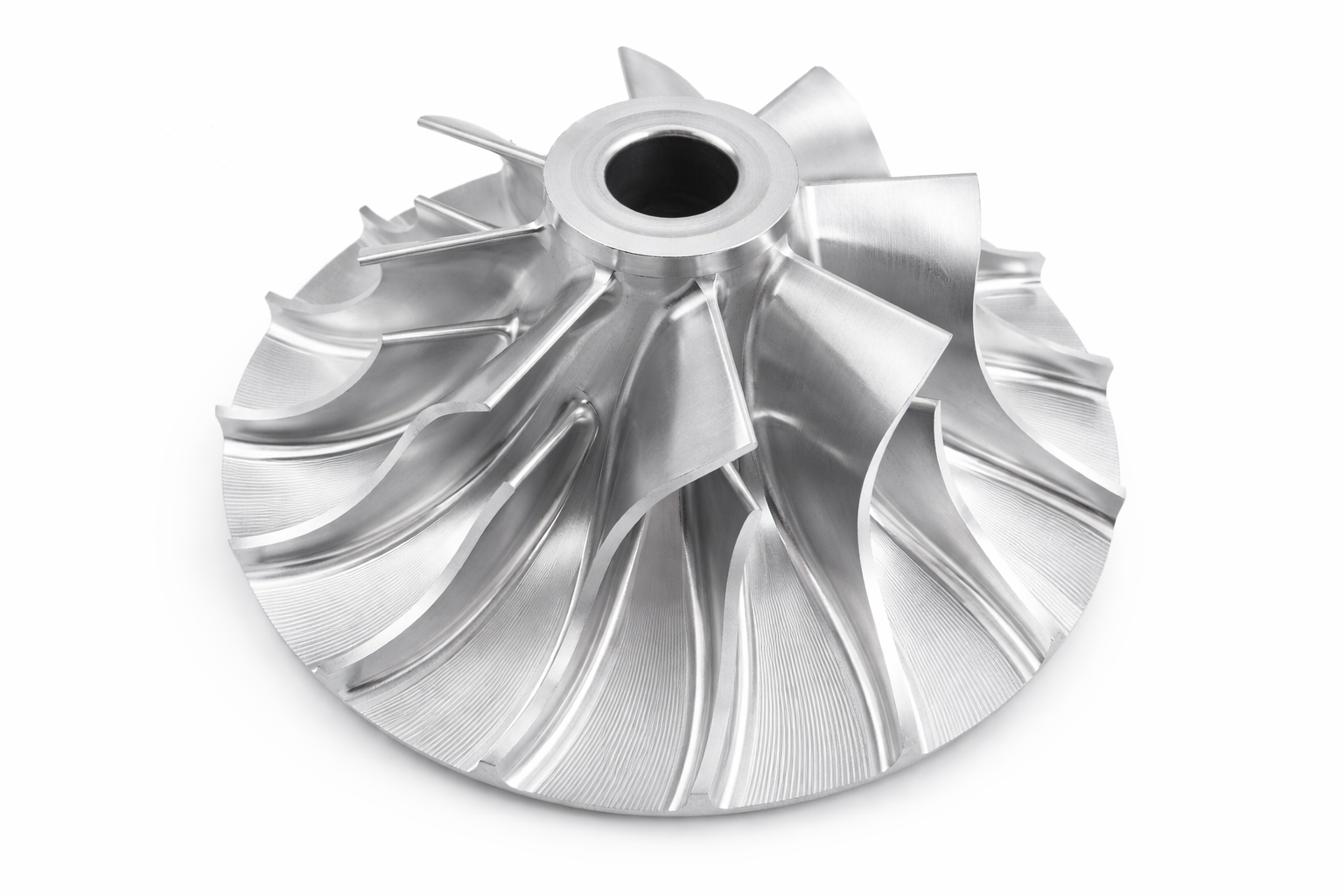
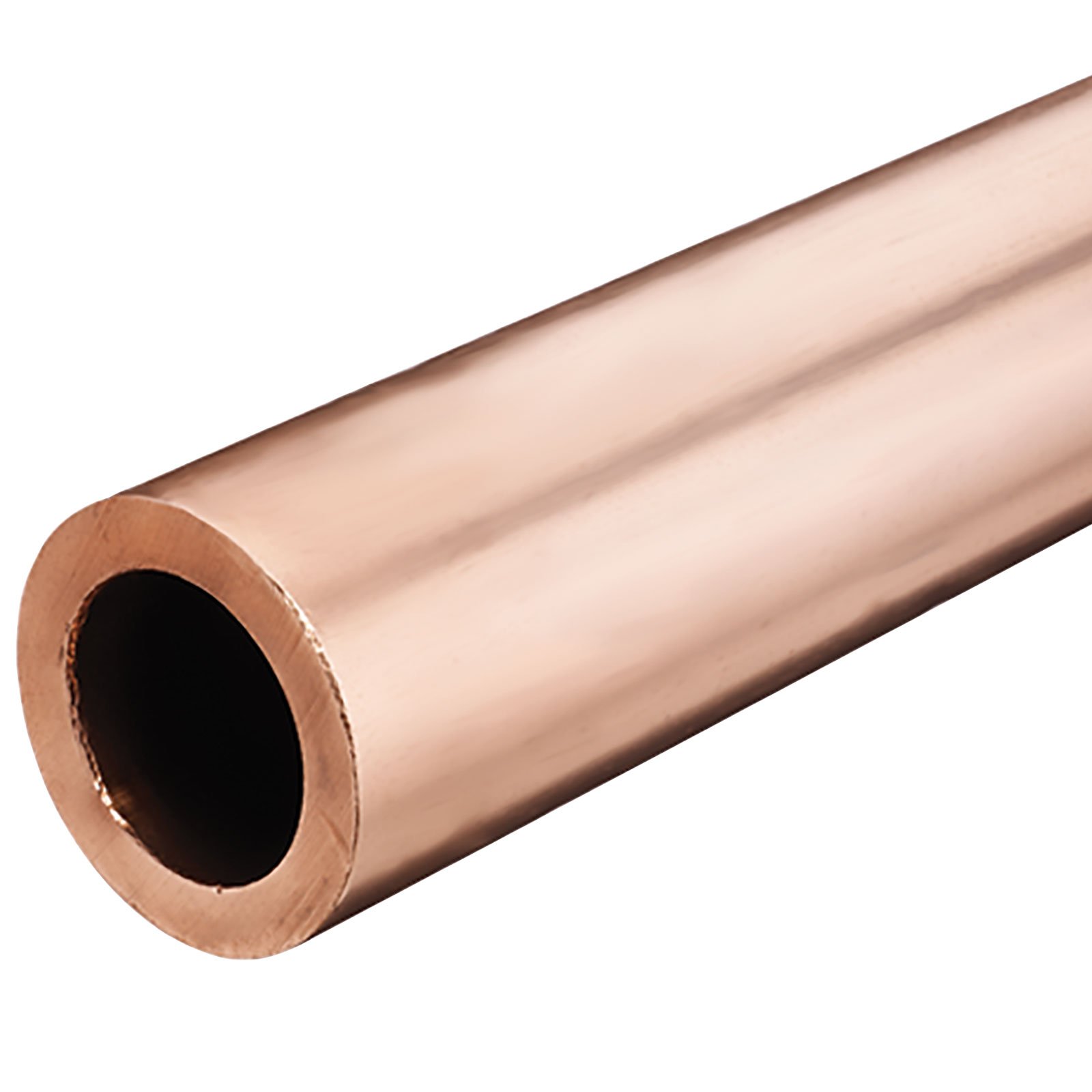
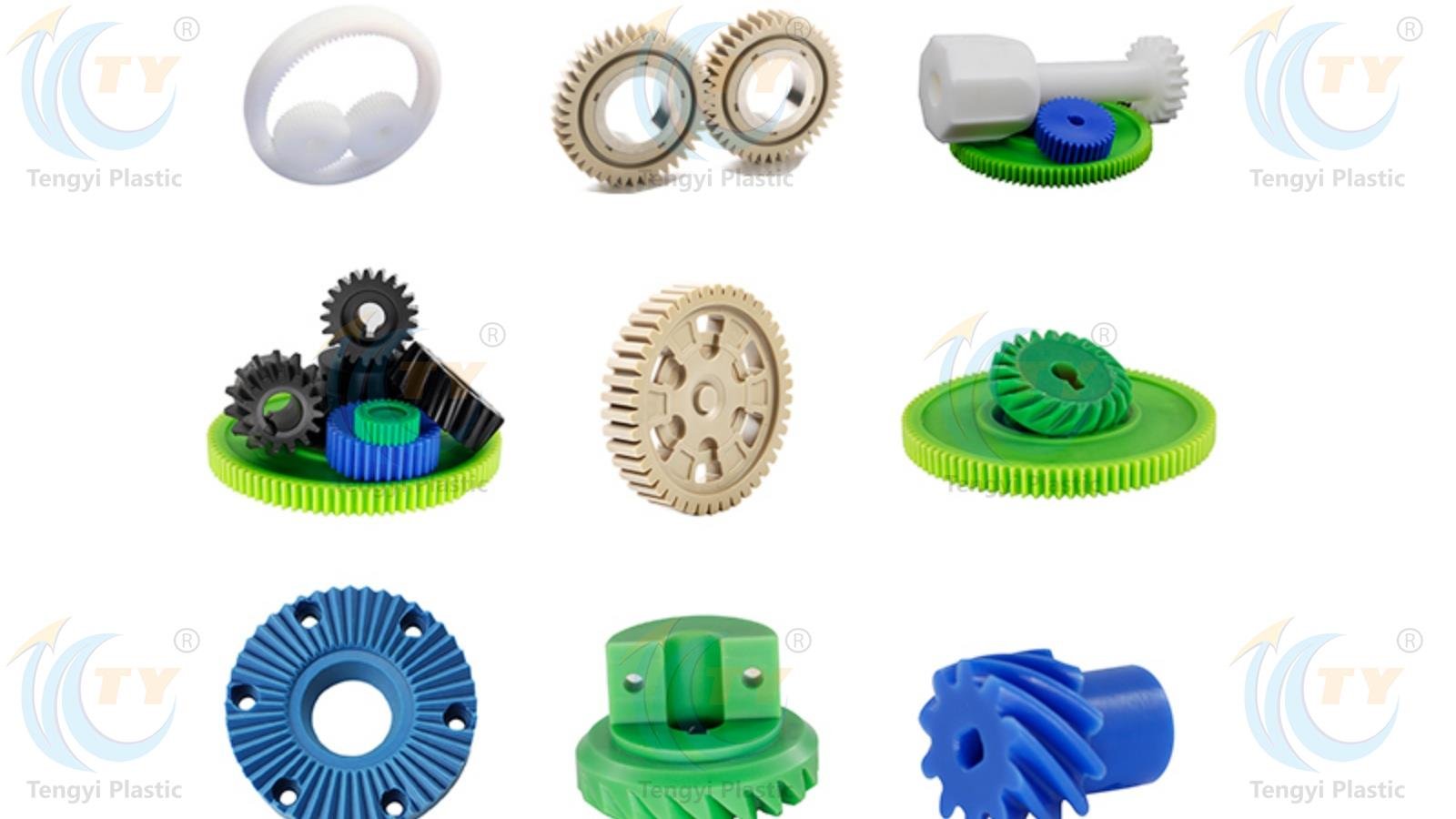
Get a QuoteDate Stamp Materials — Precision Alloys & Engineering Plastics

Date Stamp Manufacturing Processes — EDM, CNC, Grinding & Finishing
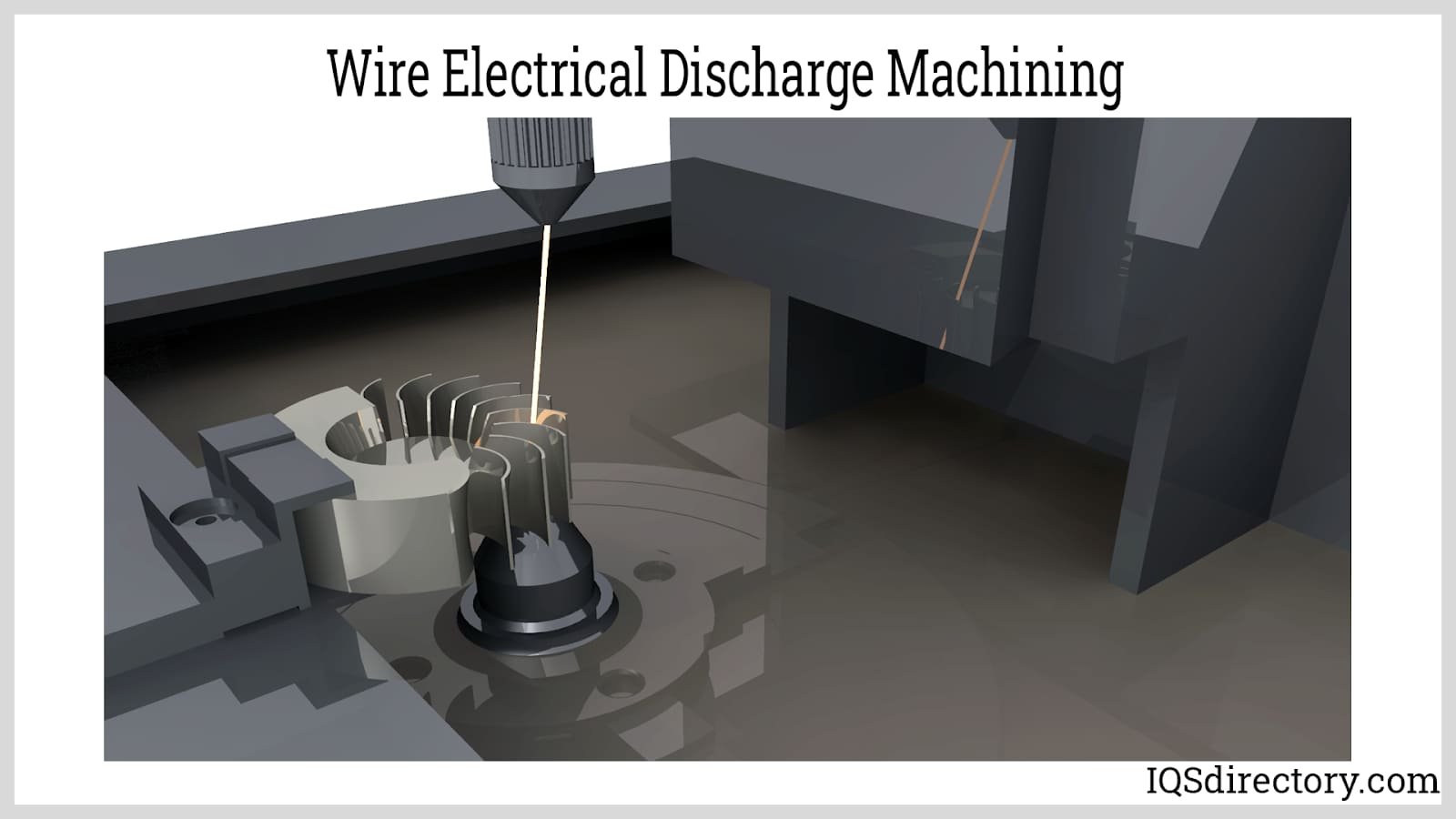
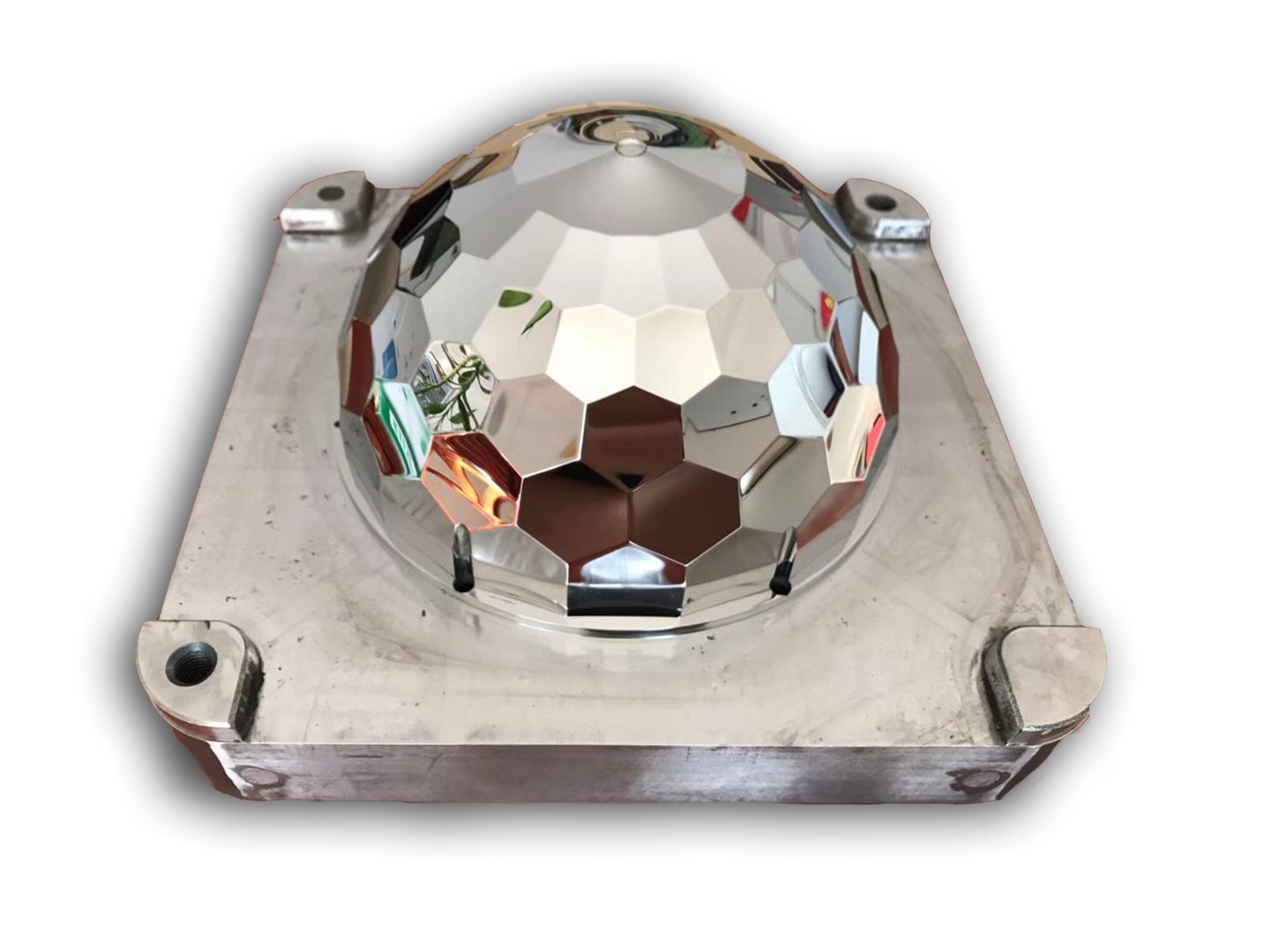
Mirror EDM
Mitsubishi mirror-grade sinker EDM achieves Ra 0.1 µm surface finishes on date stamp inserts and cores, eliminating secondary polishing while ensuring crisp character definition and extended tool life.
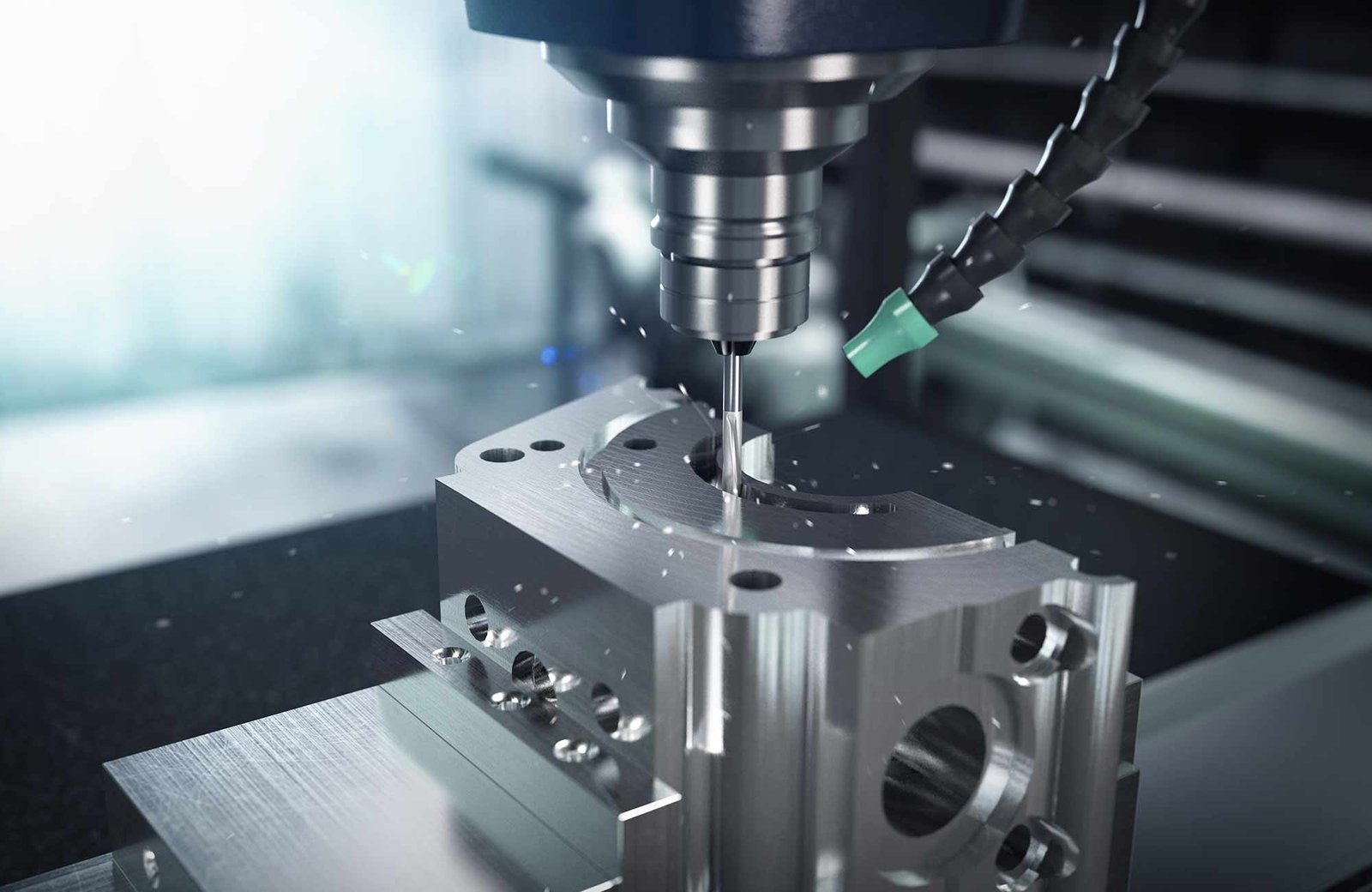

Electrode Fabrication
In-house electrode production on Beijing Jingdiao CNC ensures perfect geometry transfer to EDM cavities, with +/-0.003 mm accuracy and full traceability from CAD model to finished date stamp feature.
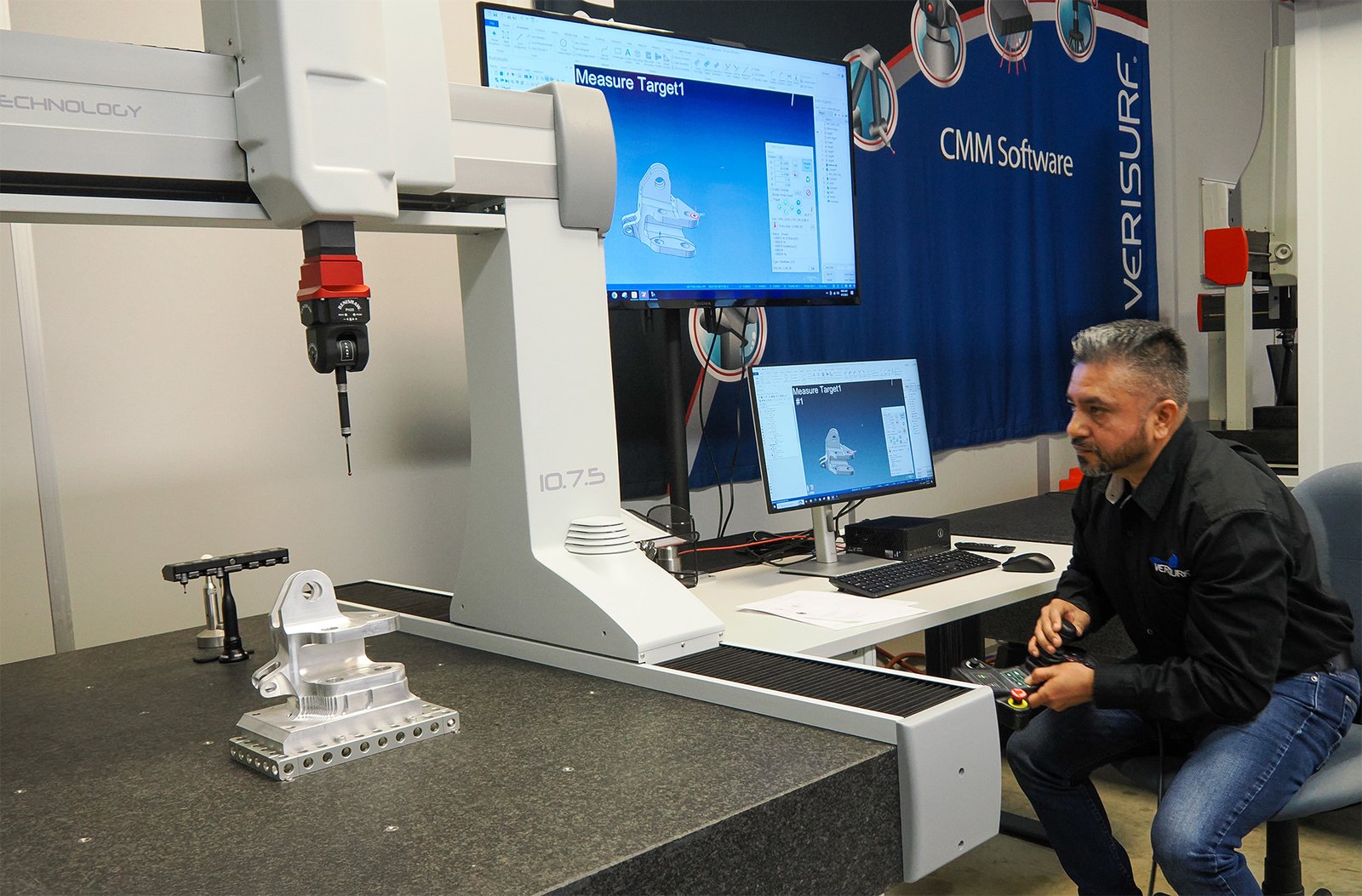
CMM Metrology
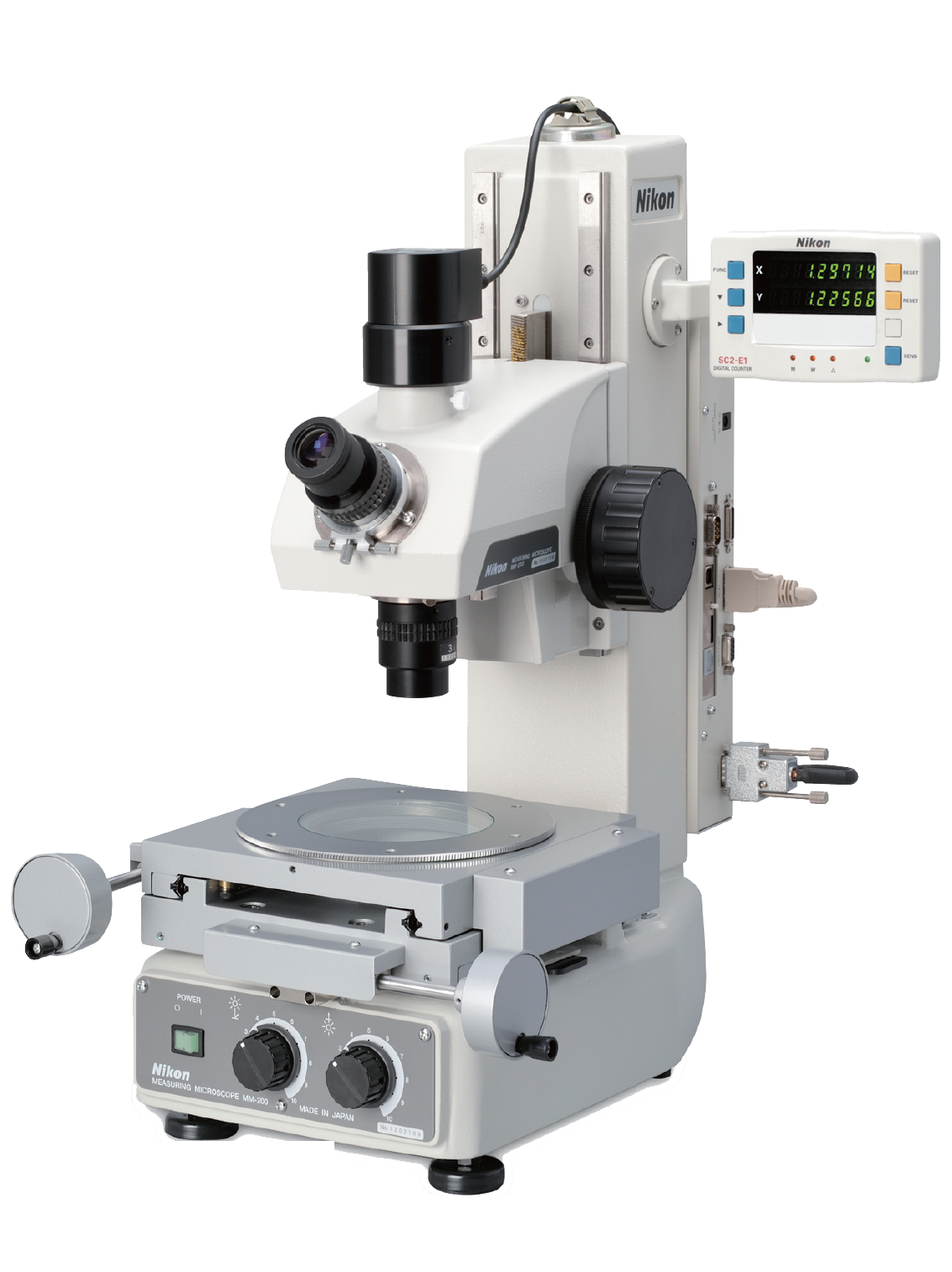
ZEISS MICURA coordinate measuring machine validates every date stamp dimension to 0.7 µm resolution, with Nikon V-12B microscope verification of character sharpness, corner radii and surface integrity before shipment.
Date Stamp Mold Accessories & Secondary Operations
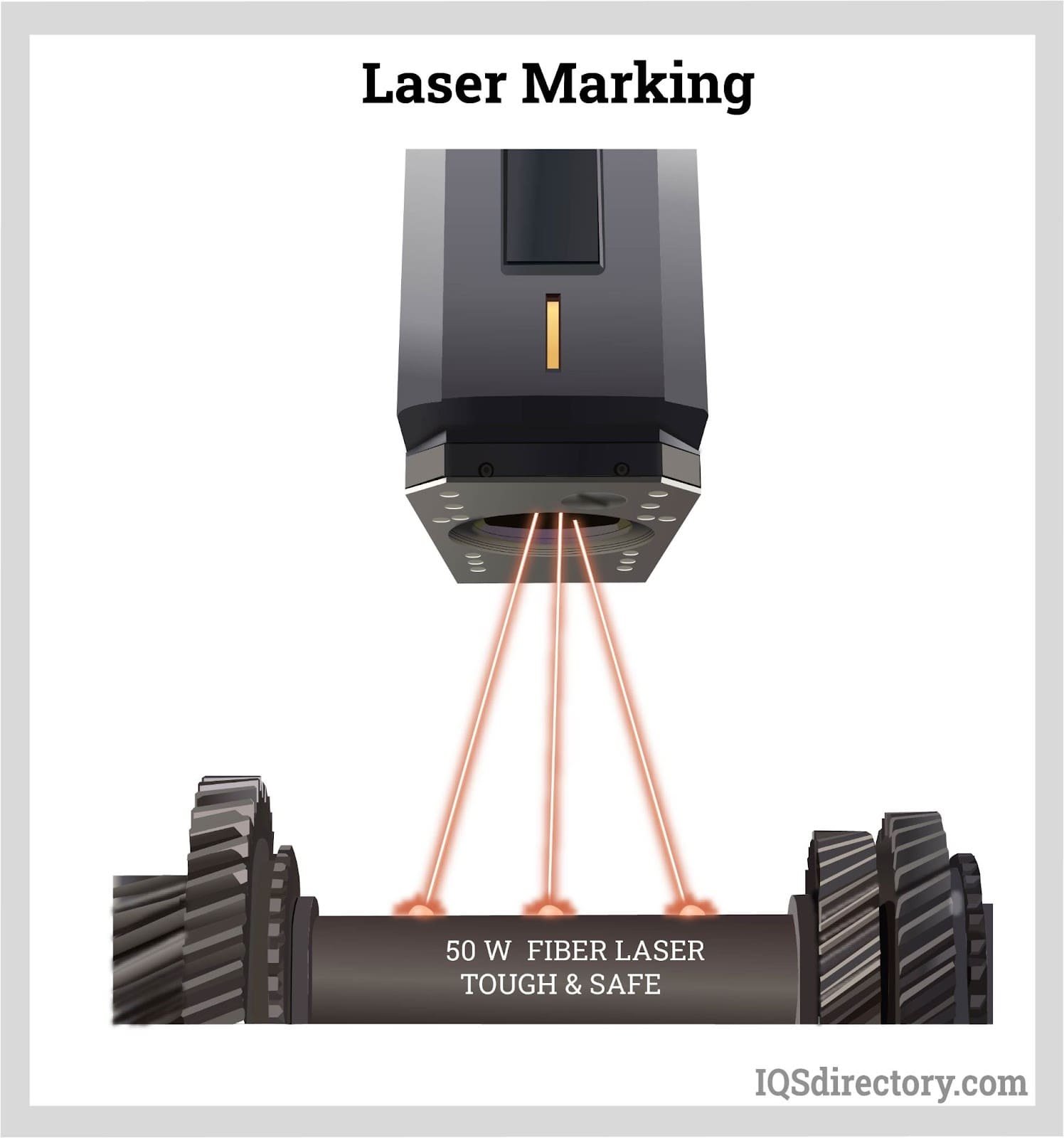
Laser Engraving & Marking
Permanent part-number, revision-code and date-stamp identification etched directly onto core inserts and ejector pins. Ensures traceability across multi-cavity molds and simplifies maintenance scheduling in high-volume production environments.
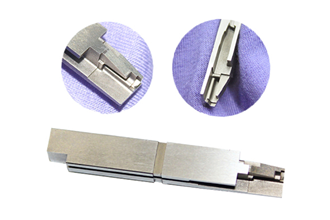
Conformal Cooling Channels
3D-contoured cooling circuits machined into date stamp cores to match part geometry, reducing cycle time by up to 30% and eliminating hot spots that cause warpage or dimensional drift in precision molded housings.
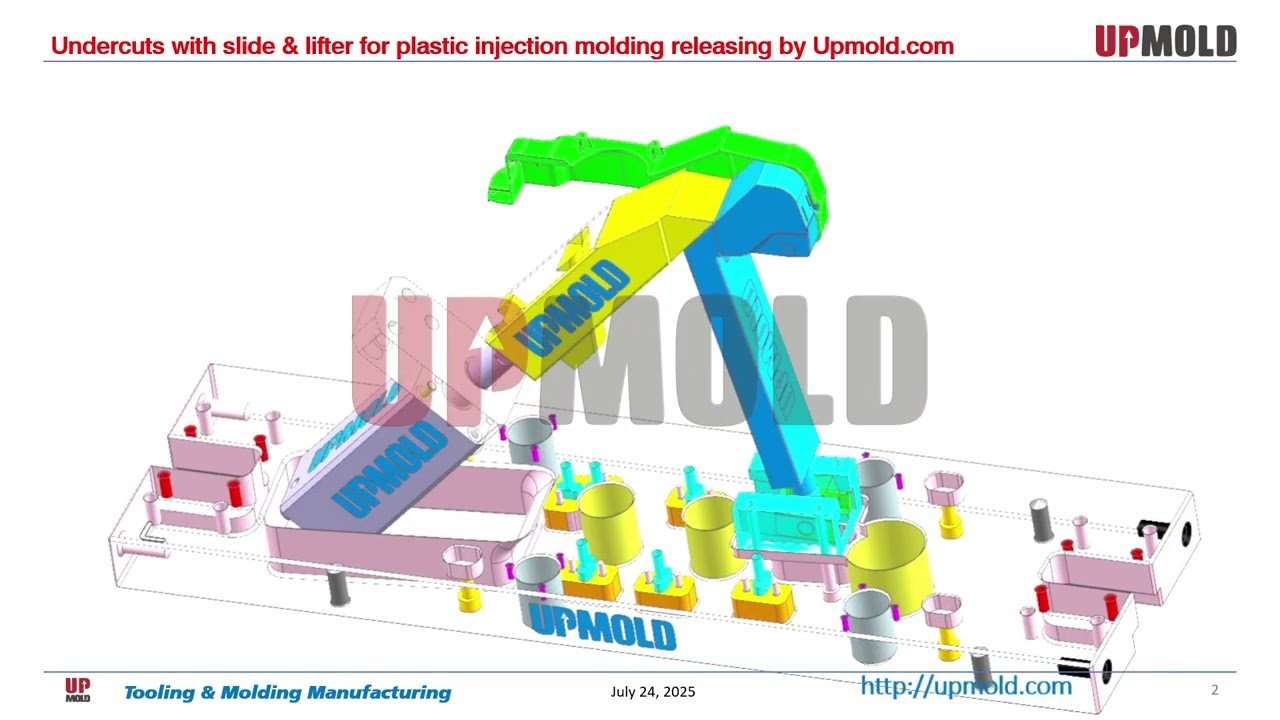
Lifter & Slider Integration
Custom-designed undercut solutions and side-action mechanisms integrated into date stamp mold assemblies. Machined to +/-0.002 mm positional tolerance, enabling complex geometries like snap-fit locks, living hinges and multi-plane parting lines.

Pre-Assembly & Fit Testing
Factory assembly of core inserts, ejector systems and guide components with ZEISS CMM verification of stack-up tolerances. Ships production-ready with FAI documentation, eliminating on-site fitting delays and reducing first-article reject risk.
About XUXIANG — Precision Date Stamp Mold Innovation
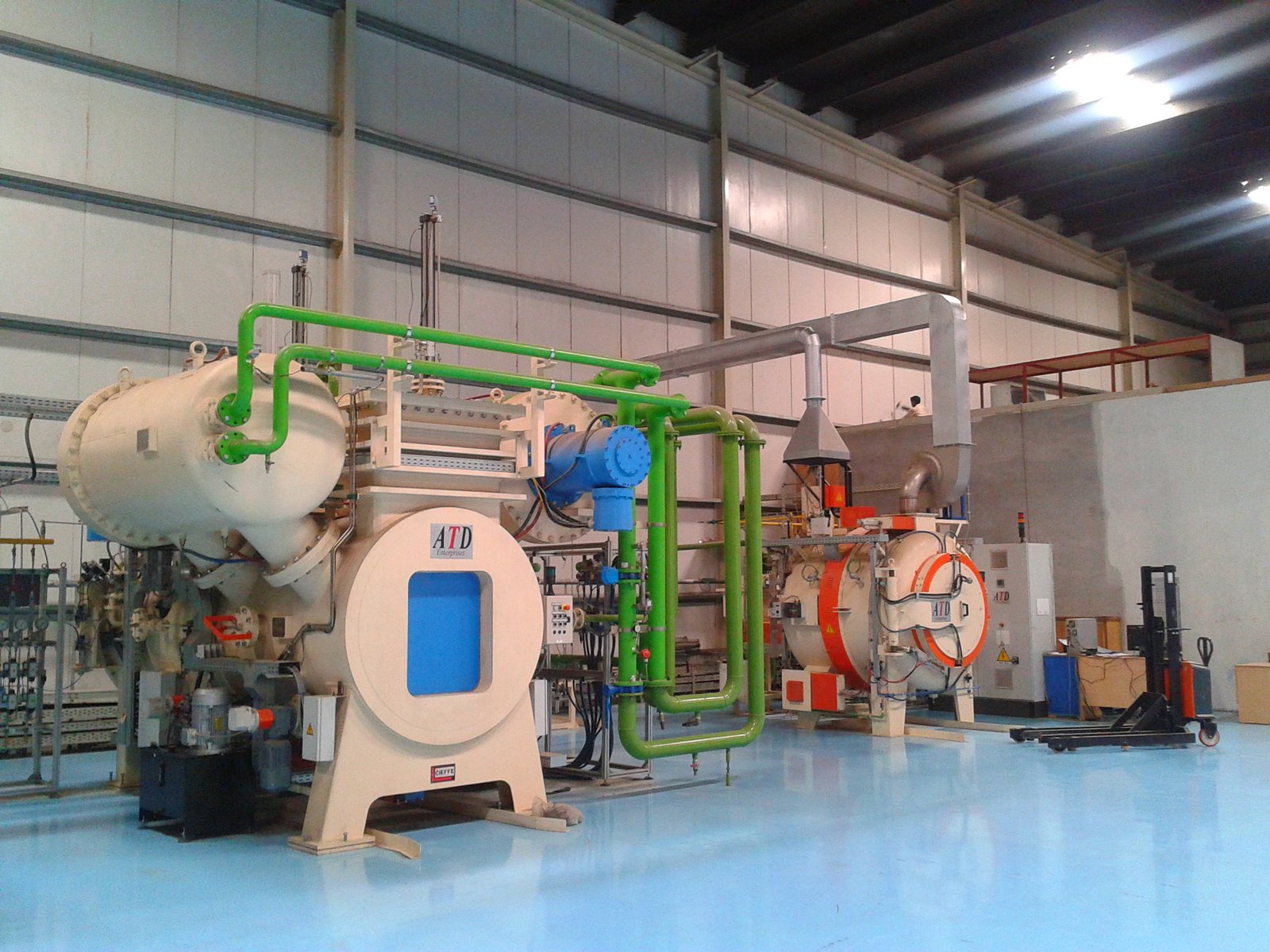
Founded in 2010 in Dongguan’s Chang’an manufacturing hub, XUXIANG has spent 16 years bridging the gap between complex CAD designs and high-performance date stamp mold components. Our ISO 9001:2015–certified dual-factory system — 2,000 m² in Dongguan for R&D and micro-machining, plus 1,400 m² in Quanzhou for volume production since 2025 — delivers +/-0.001 mm machining precision and mirror-grade Ra 0.1um EDM finishes.
We equip our floors with Sodick and Seibu slow-wire EDM, Mitsubishi mirror EDM, Fanuc CNC centers and ZEISS MICURA CMM metrology accurate to 0.7um, backed by over CNY 8 million in Japanese, Swiss and German assets. Every date stamp project receives DFM feedback from 10+ engineering experts, five-step QC validation and full FAI documentation with material certificates before shipment.
What sets XUXIANG apart is our precision-first culture: we solve tolerance failure and delivery delay by combining micron-stable machining with 200% expanded capacity, returning quotes in 24 hours and shipping samples in 3–7 days. For procurement teams who demand dependable quality, transparent pricing and engineering partnership, XUXIANG is the precision-mold supplier you can trust.

Deep Dive: Micron-Stable Precision & EDM Mastery for Date Stamp Tooling
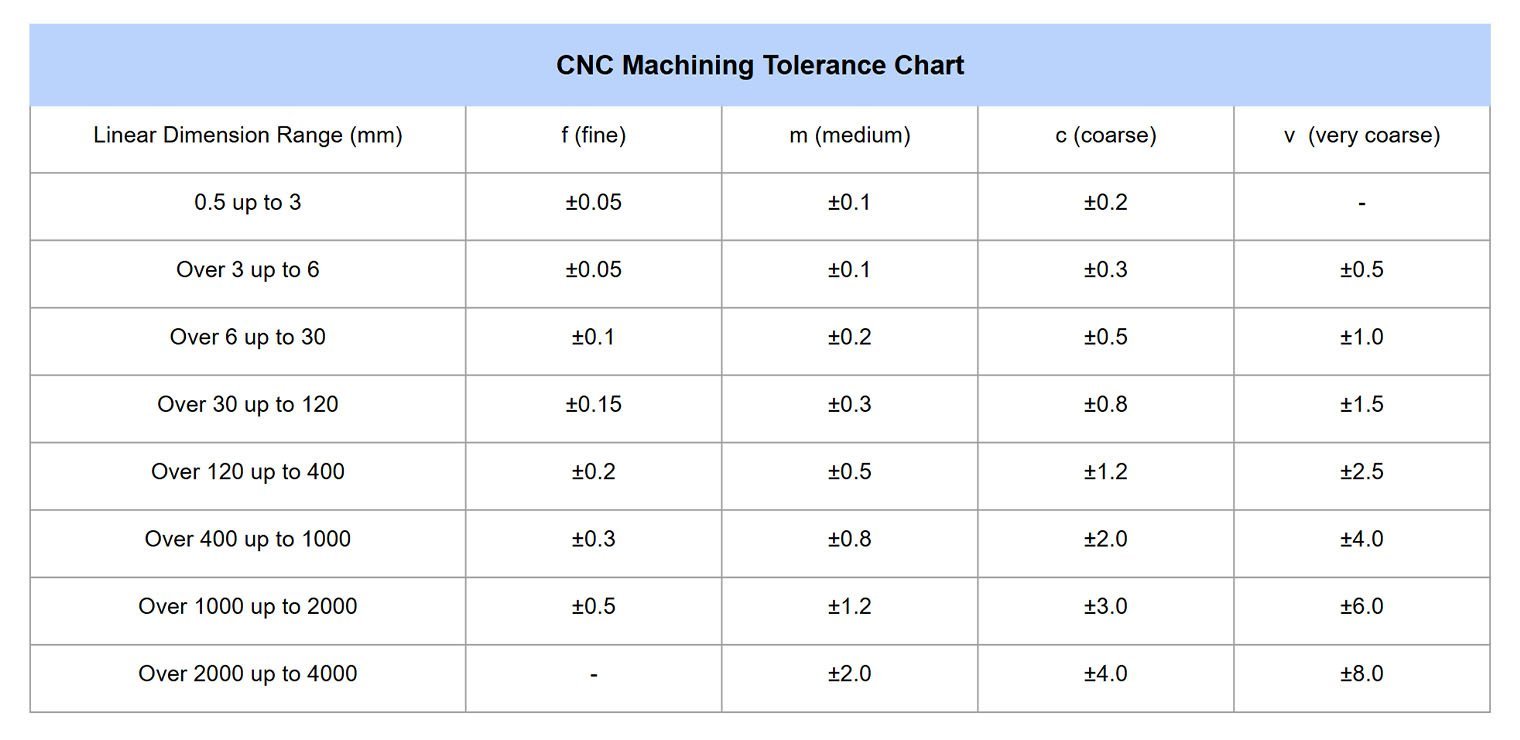
+/-0.001 mm CNC Machining Accuracy
XUXIANG’s Fanuc CNC machining services and Beijing Jingdiao high-precision systems hold maximum machining accuracy of +/-0.001 mm on date stamp cores, inserts and mounting plates — ensuring character cavities, alignment pins and mating surfaces meet the tightest dimensional tolerances across every production run.
- Fanuc and Beijing Jingdiao CNC platforms for micron-stable repeatability
- Maximum machining tolerance of +/-0.001 mm on critical date stamp features
- ZEISS MICURA CMM validation (0.7 µm resolution) for every dimension
- DFM review by 10+ engineers before first-cut to eliminate tolerance drift
Ra 0.1 µm Mirror-Grade EDM Finishes
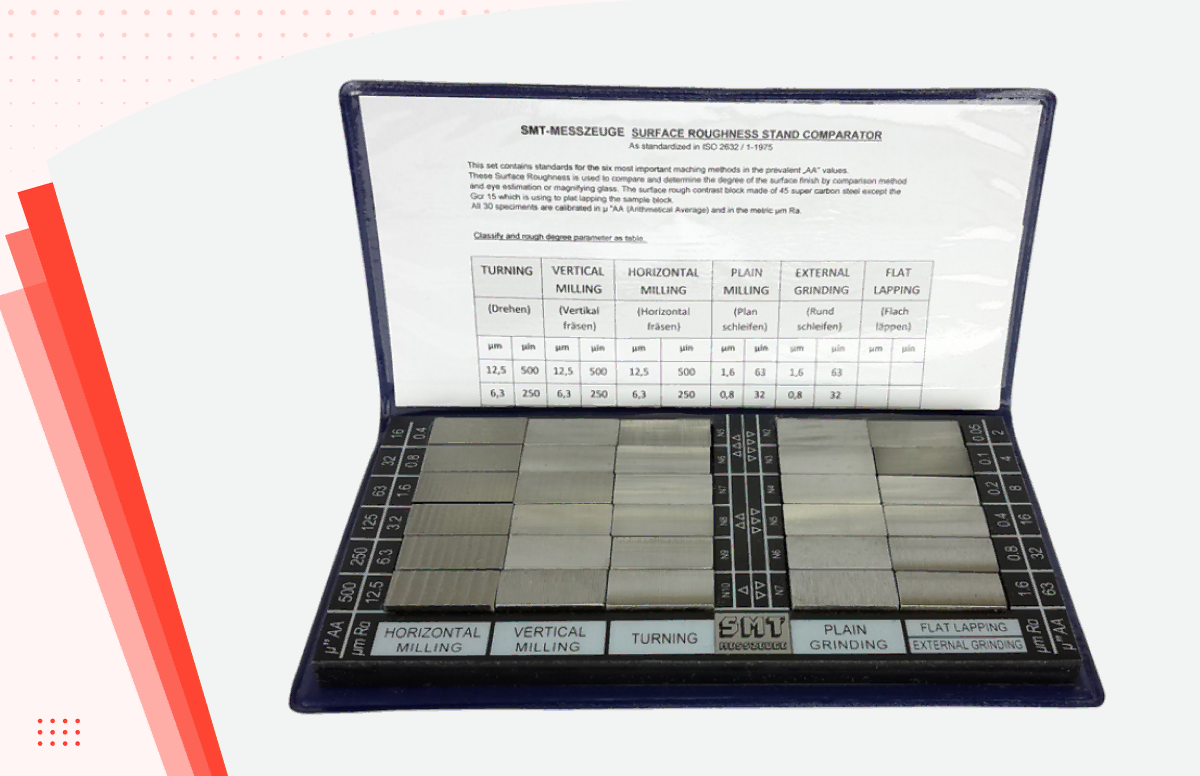
Sodick and Mitsubishi mirror EDM equipment deliver Ra 0.1 µm surface finishes on date stamp character cavities, wheel grooves and parting lines — eliminating post-polishing, reducing cycle time and ensuring crisp, burr-free imprints that meet optical-grade cosmetic standards for decades of service.
- Sodick slow-wire and Mitsubishi mirror EDM for Ra 0.1 µm surface quality
- Mirror-class finishes reduce ejection force and extend mold life
- No secondary polishing required — EDM delivers final cosmetic surface
- +/-0.003 mm EDM positioning tolerance on multi-cavity date stamp arrays
ZEISS CMM Validation & Full FAI
Every date stamp mold component is validated — not merely inspected — through a five-step QC flow anchored by ZEISS MICURA CMM (0.7 µm resolution) and Nikon toolmaker’s microscopes. Full FAI documentation, material certificates and dimensional reports ship with every order, ensuring traceability and compliance.
- ZEISS MICURA CMM measures to 0.7 µm resolution for sub-micron verification
- Nikon V-12B and MM-400 class toolmaker's microscopes for edge inspection
- Five-step QC: spectral analysis, in-process monitoring, CMM, surface checks, FAI
- Full dimensional reports and material certificates included with every shipment

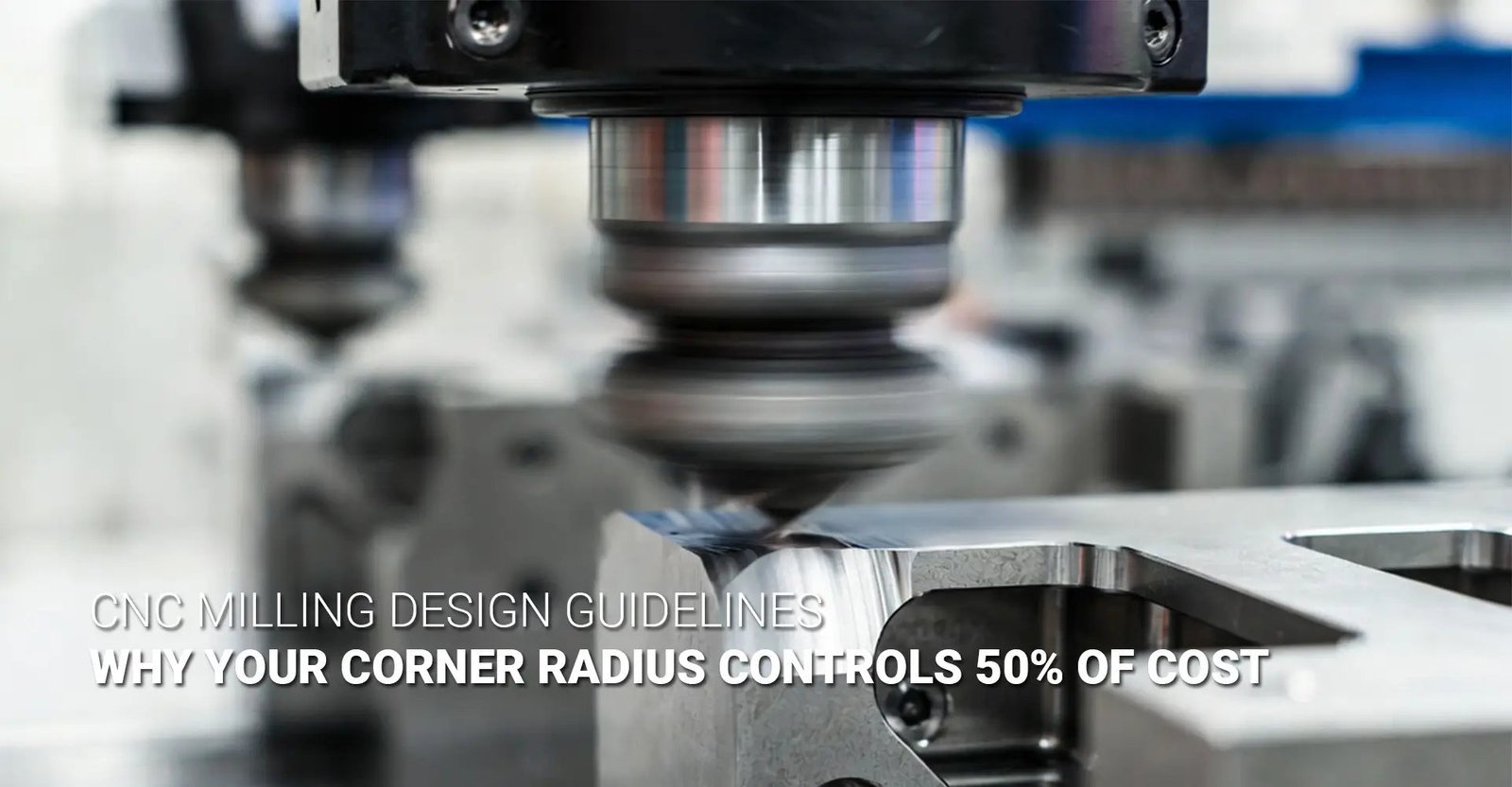
Corner Radius Control R ≤ 0.015 mm
Sodick and Seibu slow-wire EDM systems achieve corner radii down to R ≤ 0.015 mm on date stamp character cavities, wheel teeth and micro-features — critical for sharp numeral definition, clean ink transfer and long-term dimensional stability in high-cycle stamping and marking applications.
- Sodick and Seibu slow-wire EDM for R ≤ 0.015 mm corner radii
- +/-0.002 mm class positioning tolerance on slow-wire operations
- Sharp, clean corners ensure crisp date imprints and extended tool life
- Ideal for high-density numeral wheels, micro-characters and fine-pitch arrays
Why Choose XUXIANG Over Typical Date Stamp Mold Suppliers
Evidence-based comparison: precision tolerance, equipment, metrology, DFM engineering, delivery speed and documentation transparency.
← 左右滑动查看 →
Our Production Flow — From Design to Validated Date Stamp Mold Delivery
Every date stamp component moves through a five-step QC protocol anchored by DFM engineering, ZEISS CMM validation and full FAI documentation — eliminating tolerance failure and delivery delays before they start.
DFM Review & Engineering
Ten-plus engineering experts analyze your date stamp design for manufacturability, tolerance feasibility and tool-life optimization before machining begins — preventing costly revisions downstream.
CNC & EDM Machining
Sodick slow-wire EDM, Mitsubishi mirror EDM and Fanuc CNC systems hold +/-0.001 mm precision and Ra 0.1um surface finishes on every date stamp core, insert and connector pin.
In-Process Tolerance Monitoring
Real-time dimensional checks at every setup change and electrode swap ensure date stamp features stay within tolerance window — no drift, no scrap at final inspection.
CMM & FAI Validation
ZEISS MICURA CMM measuring to 0.7um and Nikon toolmaker’s microscopes verify every critical dimension, corner radius and surface profile against your date stamp drawing before approval.
Material Certification & Packing
Each date stamp component ships with spectral analysis reports, material certificates and full FAI documentation in anti-corrosion packaging — traceability guaranteed, damage eliminated.
Express Logistics & Delivery
Samples ship in three to seven days, production runs in fifteen to twenty-five days — roughly thirty percent faster than industry average, with tracking and customs support included.
How to Order Precision Mold Components — From Inquiry to Delivery
XUXIANG‘s five-step partnership process ensures precision validation at every stage, from DFM review to final FAI documentation — with quotes in 24 hours and samples in 3-7 days.
Submit Your Technical Package
Send CAD files, drawings or specifications. Our engineering team reviews dimensional requirements, tolerance zones and material callouts to prepare your quote and DFM feedback.
Receive Quote and DFM Feedback
Within 24 hours you’ll have a detailed quotation plus design-for-manufacturing recommendations from our 10+ precision-mold experts to optimize cost and tolerance stability.
Approve Samples in 3-7 Days
We machine prototype date stamp components on Sodick slow-wire EDM and Fanuc CNC, validate dimensions with ZEISS MICURA CMM and ship with full inspection reports.
Launch Mass Production in 15-25 Days
Approved samples trigger volume production across our dual factories in Dongguan and Quanzhou, with in-process tolerance monitoring and ISO 9001:2015 process control at every station.
Receive FAI and Material Certificates
Every shipment includes a first-article inspection report, spectral material certificates and ZEISS CMM validation data — full traceability for your quality records and compliance audits.
Certifications & Quality Assurance for Date Stamp Mold Components



Customer Success — Date Stamp & Precision Mold Case Studies
XUXIANG delivered our date stamp insert cores at +/-0.002 mm — tighter than our original spec — and cut our sampling cycle from 14 days to just 5. Their ZEISS validation reports gave our quality team complete confidence.
We needed micro-pin date stamp tooling for a 5G connector program with 48-hour turnaround. XUXIANG’s DFM caught a critical draft issue, then delivered validated parts in 6 days — 30% faster than our previous supplier.
The mirror EDM finish on our automotive date stamp mold inserts was Ra 0.12um — exactly what we specified. First-article inspection documentation was flawless, and we’ve had zero tolerance drift across 120,000 cycles.
FAQ — Date Stamp Mold Sourcing, MOQ, Lead Time & Sampling
What is the minimum order quantity (MOQ) for date stamp mold components?
How quickly can I receive a sample date stamp mold part?
Do you charge for date stamp mold samples, and is the cost refundable?
What payment terms does XUXIANG offer for precision mold orders?
Can you ship date stamp tooling DDP (Delivered Duty Paid) to our facility?
How do you protect my intellectual property and design files?
What does your DFM feedback process include for date stamp molds?
What is the typical lead time for mass production of date stamp components?
How do I get a quote for my date stamp mold project?
The Complete Buyer’s Guide to Date Stamp Precision Mold Components
Navigate the complexities of sourcing date stamp components with confidence. This guide delivers a proven decision framework, critical supplier evaluation criteria, and the most common procurement mistakes to avoid when selecting precision mold date stamps.
1. What Is a Date Stamp in Precision Molding?
A date stamp is a precision-machined insert installed in injection molds to emboss or engrave production dates, batch codes, shift identifiers, or serial numbers directly onto every molded part during the molding cycle. Typical formats include YYMMDD numeric strings, alphanumeric lot codes, or QR-compatible data matrices, raised or recessed between 0.2 mm and 0.8 mm depending on part geometry and material.
Date stamps solve three critical procurement challenges: regulatory traceability, recall management, and quality-control documentation. Automotive OEMs subject to IATF 16949 and medical-device manufacturers under ISO 13485 or FDA 21 CFR Part 820 require permanent, machine-readable lot identification on every component. Without embedded date stamps, manual labeling adds cycle time, increases labor cost, and introduces traceability gaps that can delay audits or amplify recall scope.
From XUXIANG’s perspective, date stamp inserts must maintain +/-0.002 mm positional accuracy and survive 500,000+ cycles without character degradation. Mirror-grade EDM finishing to Ra 0.1 μm ensures clean release and legible imprints across PC, PA66-GF, PBT and liquid-silicone-rubber families.
2. Evolution and History of Date Stamp Technology
Before the 1980s, date stamps were hand-engraved into mold cavities or applied via hot-stamp foils — labor-intensive, error-prone methods that wore out quickly under production cycles. Automotive OEMs in the mid-1980s through 1990s drove the first wave of interchangeable date stamp inserts, demanding traceable batch codes on under-hood and interior components without halting production for mold rework.
Medical-device regulations accelerated precision requirements: ISO 13485 mandates and the FDA’s Unique Device Identification (UDI) rule (finalized 2013–2020 phases) required legible, permanent date codes on every molded part, pushing suppliers toward CNC-machined inserts with controlled depth and font consistency. By the 2000s, slow-wire EDM and precision CNC enabled micro-engraving down to 0.3 mm character height with wear-resistant tool steels and coatings.
Today’s date stamp inserts are machined to +/-0.005 mm tolerances, feature quick-change mounting and outlast manual methods by 5–10× cycles. XUXIANG’s ZEISS CMM verification and mirror-grade EDM finishes ensure every character meets legibility and regulatory standards across automotive, medical and 5G connector tooling.
3. Types of Date Stamp Inserts for Mold Tooling
Modern mold tooling offers six primary date stamp architectures, each optimized for specific production volumes, changeover frequencies and part geometries. Matching insert type to your cadence and substrate prevents downstream legibility failures and downtime.
Fixed Engraved Inserts
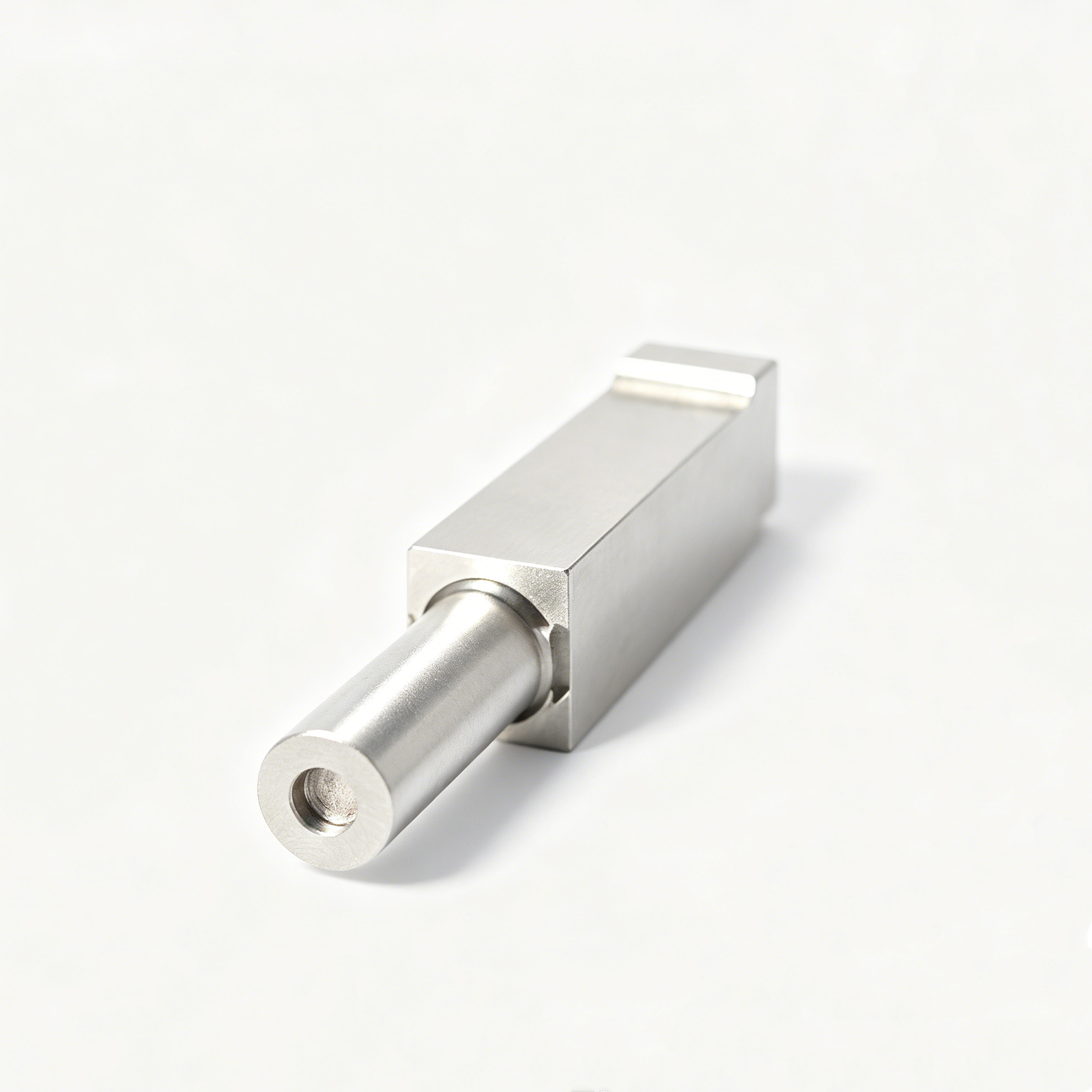
Machined directly into tool steel via EDM or micro-engraving, fixed inserts deliver the sharpest edge definition — down to 0.3 mm character height — and survive 500,000+ cycles without wear. Ideal for high-volume single-SKU runs where the date changes annually or seasonally, but require full insert replacement or re-machining to update codes.
Interchangeable Calendar Inserts
Modular pocket systems accept pre-engraved date tiles that swap in under 5 minutes without mold removal. Common in electronics and medical packaging where lot codes rotate weekly; legibility matches fixed engraving, but pocket tolerances must hold +/-0.01 mm to prevent flash or misalignment on textured substrates.
Rotary Date Wheels
Multi-digit rotating drums indexed manually or pneumatically, spanning months or years on a single wheel set. Best for low-to-medium volume and frequent SKU changes; changeover takes seconds, but raised numerals may ghost on mirror-finish parts and require 0.05–0.1 mm draft for clean release.
Laser-Marked Inserts
Fiber-laser engraving onto hardened insert faces offers 0.01 mm feature resolution and unlimited alphanumeric flexibility. Suited to low-mix, high-variety production and serialized traceability; mark contrast depends on substrate color, and re-marking requires offline laser access rather than in-press updates.
4. Materials and Surface Treatments for Date Stamp Durability
Material selection and surface treatment define date stamp service life in high-cycle production. Tool steels, carbide and specialty alloys each offer trade-offs in hardness, wear resistance and thermal stability that match specific resin families and molding environments.
| Material | Hardness (HRC) | Typical Cycle Life | Best-Fit Resin Families |
|---|---|---|---|
| H13 tool steel | 48–52 | 500k–1M shots | PA, ABS, PC, PP (general-purpose) |
| D2 tool steel | 58–62 | 1M–2M shots | Glass-filled PA, PBT, PPS (abrasive) |
| Carbide insert | ≥ 70 (HRA 88–92) | 2M–5M shots | High-glass PA66, PEI, PEEK |
| Beryllium-copper (C17200) | 38–42 | 300k–800k shots | TPE, silicone, soft elastomers |
Core Tool Steels and Alloy Choices

H13 (HRC 48–52) delivers balanced toughness and thermal fatigue resistance for general-purpose date stamps in PA, ABS and PC applications, cycling 500,000–1,000,000 shots before re-engraving. S7 shock-resistant steel (HRC 54–58) suits impact-prone ejector-side inserts. D2 (HRC 58–62) provides superior wear resistance for glass-filled nylon and PBT but requires stress-relief to avoid micro-cracking.
Beryllium-copper alloys (C17200, HRC 38–42) combine high thermal conductivity — roughly 5× that of tool steel — with excellent corrosion resistance, ideal for humid environments and soft TPE or silicone molding where rapid heat extraction prevents character deformation.
Surface Treatments for Extended Cycle Life
Nitriding diffuses nitrogen into the steel surface, raising case hardness to HV 900–1,100 and doubling wear life in abrasive resins without dimensional change. PVD coatings (TiN, TiAlN, CrN) deposit 2–4 µm ceramic layers with hardness up to HV 2,500, reducing coefficient of friction and preventing corrosive attack from halogenated or flame-retardant compounds.
XUXIANG applies gas nitriding and PVD selectively after final EDM to preserve +/-0.002 mm character geometry, validated by ZEISS CMM and documented in material certificates for every date stamp batch.
5. Customization Options: Font, Size, and Code Formats
Effective date stamp customization balances legibility, part geometry, and downstream traceability requirements. Character height, font selection, engraving depth, and code format must align with injection-cycle conditions and end-use scanning protocols to ensure durable, readable marks across production runs.
Character Height and Font Selection
Character height typically ranges from 0.3 mm (micro-connector housings) to 3 mm (automotive enclosures), dictated by part size and regulatory legibility standards. Sans-serif fonts — Arial, Helvetica — deliver maximum contrast in raised or recessed marks; corporate branding fonts require DFM review to confirm stroke width supports engraving depth.
XUXIANG’s 10+ engineering team validates character geometry against +/-0.001 mm machining tolerances, ensuring crisp edges even at 0.5 mm height on thin-wall medical housings.
Date Formats and Multi-Line Layouts
Common formats include YYYY-MM-DD (ISO 8601), Julian day-of-year codes, and alphanumeric batch identifiers. Multi-line layouts accommodate lot number, shift code, and cavity ID within constrained real estate, typically 2–4 lines spaced 0.4–0.8 mm apart.
Buyers specify format via CAD artwork (DXF, STEP) or marked sample; XUXIANG issues approval drawings within 24 hours, with one revision cycle included before slow-wire EDM or CNC engraving begins.
Engraving Depth and Stress Management
Standard engraving depth is 0.05–0.15 mm: deep enough for molten-polymer fill and optical contrast, shallow enough to avoid stress concentration in load-bearing walls. Depths below 0.05 mm risk incomplete fill; above 0.2 mm can weaken thin sections or trap air.
XUXIANG’s ZEISS MICURA CMM verifies depth to +/-0.002 mm, ensuring consistency across cavity arrays and preventing cosmetic sink or structural failure in high-cycle automotive and 5G connector tooling.
QR Codes and DataMatrix for Industry 4.0
Two-dimensional codes — DataMatrix (ISO/IEC 16022), QR Code — encode serial numbers, traceability URLs, and production metadata in 3×3 mm to 10×10 mm footprints. Module size (individual cell) must exceed 0.15 mm for reliable camera scanning post-molding.
XUXIANG integrates 2D codes via precision slow-wire EDM, validated with Nikon toolmaker’s microscope inspection at 50× magnification, supporting automotive IATF 16949 and medical ISO 13485 traceability mandates.
6. Key Quality and Performance Criteria for Date Stamp Inserts
Reliable date stamp inserts must meet five engineering benchmarks to avoid production failures: dimensional precision, surface integrity, alignment stability, serviceability, and cycle durability. XUXIANG validates every insert against these criteria using ZEISS CMM and Nikon optical profilometry before shipment.
Dimensional Tolerance and Character Fidelity
Character height, width and depth must hold ±0.005 mm to ensure legible imprints across 100,000+ cycles. Tighter tolerances prevent character fill-in — the most common failure mode — where molten resin bridges fine serifs or numerals. XUXIANG machines date stamp cavities on Sodick slow-wire EDM to ±0.002 mm positional accuracy, verified by ZEISS MICURA CMM at 0.7 µm resolution.
Corner radii below R 0.015 mm and draft angles between 2° and 5° further reduce edge chipping and improve part ejection without smudging the date code.
Surface Finish for Clean Release
Mirror-grade surfaces at Ra ≤ 0.2 µm eliminate micro-adhesion and resin drag, critical for high-gloss consumer electronics housings. XUXIANG achieves Ra 0.1 µm finishes through sinker EDM and precision lapping, measured by optical profilometry.
Rough surfaces above Ra 0.4 µm trap residue, degrade legibility and shorten insert life below 50,000 shots.
Alignment, Registration and Thermal Stability
Misalignment by 0.02 mm causes double-imprinting or incomplete characters. Precision dowel pins and zero-clearance pockets maintain registration accuracy within ±0.01 mm during insert swaps.
Thermal expansion mismatch between insert material (typically H13 or SKD61) and mold base can shift characters by 0.015 mm at 200 °C cycle temperatures; material pairing and stress-relief tempering mitigate this risk.
7. How to Choose a Date Stamp Supplier: Evaluation Checklist
Vetting a date stamp supplier demands a systematic review of machining precision, material traceability and service reliability. The right partner combines micron-class CNC capabilities with transparent documentation and responsive post-delivery support.
Machining and EDM Capabilities
Confirm 5-axis CNC and slow-wire EDM capacity to hold +/-0.002 mm positioning and corner radii ≤ R0.015 mm. XUXIANG operates Sodick and Seibu wire EDM plus Beijing Jingdiao electrode CNC, ensuring sharp character definition and repeatable insert geometry across production runs.
Material Certifications and Traceability
Request spectral-analysis reports and mill certificates for every steel grade (H13, S136, NAK80). ISO 9001:2015 and IATF 16949 certification signal controlled material handling and batch traceability, critical for automotive and medical applications.
Lead Time and Sampling Policy
Standard lead times range 7–14 days; expedited paths should be documented. Ask for first-article inspection (FAI) reports and pre-production samples with ZEISS CMM dimensional data before committing to volume orders.
Post-Delivery Support and Red Flags
Verify re-engraving services, spare-insert availability and warranty terms. Avoid suppliers offering vague tolerances (‘high precision’), no process documentation or slow email response—hallmarks of inconsistent quality and delayed problem resolution.
8. Common Mistakes Buyers Make When Sourcing Date Stamps
Even experienced buyers encounter avoidable pitfalls when specifying date stamp inserts, leading to illegible marks, unplanned downtime and first-article scrap. Six mistakes account for the majority of field failures and rework cycles.
Specifying Character Size Too Small for Resin Flow
Characters below 0.8 mm height often trap air or fail to fill completely in fast-cycle injection, producing broken numerals. Best practice: specify ≥ 1.0 mm height for general resins, ≥ 1.2 mm for glass-filled compounds, and request DFM review from your supplier’s tooling engineers.
Ignoring Mold-Open Direction and Draft Angles
Date stamps placed perpendicular to the parting line or lacking 2–3° draft create ejection drag, smearing marks or tearing thin features. Always align character orientation with draw direction and confirm draft in 3D before steel cut.
Choosing Soft Materials for Abrasive Resins
NAK80 or P20 inserts wear rapidly in glass-filled PA or PBT, losing legibility within 50,000 shots. For abrasive resins specify hardened tool steel (H13 at HRC 48–52) or request PVD coating to extend life beyond 500,000 cycles.
Neglecting Changeover Tooling and Procedures
Manual date-code updates without indexed locators cause misalignment and production halts. Specify quick-change cassettes or magnetic holders and document torque sequences; XUXIANG provides changeover jigs and illustrated procedures with every custom date stamp order.
Failing to Validate Legibility on First Articles
Skipping FAI inspection under production lighting often reveals contrast or depth issues only after mass production begins. Require full-resolution photographs of molded marks under end-use conditions and CMM depth verification (typically 0.05–0.15 mm) before approving production release.
Underestimating Lead Time for Custom Fonts
Proprietary or non-Latin fonts require electrode programming and proof cycles, adding 5–7 days to standard 10–12 day lead times. Submit vector artwork (DXF or AI) at inquiry stage and request a pre-production sample to avoid schedule slip.
9. Steps to Integrate Date Stamp Inserts Into Your Mold Design
Successful date stamp integration begins before the first CAD line is drawn. A structured six-step workflow — from regulatory mapping to spare-part planning — ensures traceability compliance, dimensional fit and zero production delays.
Define Traceability Requirements and Standards
Identify which regulations govern your part: ISO 13485 for medical devices, IATF 16949 for automotive, or UL/FDA marking rules. Document required data fields — production date, batch code, shift identifier — and retention periods to size character height and layout.
Select Insert Type and Material by Resin and Cycle Count
Match insert hardness to resin abrasiveness: H13 tool steel (48–52 HRC) for glass-filled nylon or PBT; beryllium copper for non-abrasive PC or ABS. For cycles beyond 500,000 shots, specify PVD coating to extend engraving life and maintain legibility.
Provide CAD Geometry and Pocket Dimensions
Supply 3D STEP or IGES files showing cavity surface, insert pocket depth, and parting-line clearance. XUXIANG’s DFM team reviews tolerances to +/-0.002 mm on slow-wire EDM pockets, flagging interference or draft issues before tooling begins.
Review Artwork and Request Pre-Production Sample
Approve engraving font, height and spacing against a digital proof. Request a sample insert measured on ZEISS CMM to verify character depth, corner radii and surface finish before committing to production quantities.
Validate Fit and Changeover During Mold Trials
Confirm insert seats flush without flash, characters fill cleanly and removal/installation takes under two minutes. Check legibility on first-shot parts under production lighting to ensure traceability scanners read codes reliably.
Establish Spare Inventory and Maintenance Schedule
Stock two spare inserts per cavity to avoid line stops. Schedule ultrasonic cleaning every 50,000 cycles and CMM re-verification at 250,000 shots to catch wear before reject rates climb.
10. Pricing and Cost Structure for Date Stamp Components
Date stamp component pricing typically breaks into three tiers: single-piece prototypes range USD 80–150, 10-piece production sets drop to USD 45–75 per unit, and 50+ piece fleet orders achieve USD 28–50 per unit depending on complexity. Setup and engraving fees add USD 30–80 per design, covering CAD programming and electrode preparation for EDM character work.
Four cost drivers dominate: character count (each additional digit adds ~USD 5–12), engraving depth (0.05 mm standard vs. 0.15 mm deep-relief adds 15–25%), surface coatings (TiN/TiCN PVD adds USD 12–20 per insert), and tolerance class (+/-0.005 mm standard vs. +/-0.002 mm precision adds 20–30%). Carbide substrates command a 40–60% premium over P20 or H13 tool steel but deliver 3–5× cycle life in high-volume applications.
Expedited service (5-day vs. standard 10-day lead time) incurs a 25–35% surcharge. Volume discounts begin at 20 pieces (10–15% reduction) and scale to 25–30% off at 100+ pieces, making fleet standardization economically attractive for multi-cavity mold programs.
| Quantity Tier | Unit Price (USD) | Setup Fee (USD) | Lead Time (days) | Carbide Upgrade |
|---|---|---|---|---|
| 1 pc (prototype) | 80–150 | 30–80 | 10–12 | +40–60% |
| 10 pc (production) | 45–75 | 30–80 | 10–14 | +40–60% |
| 50+ pc (fleet) | 28–50 | Waived | 14–18 | +40–60% |
| Expedited (any tier) | +25–35% | Included | 5–7 | N/A |
Start Your Date Stamp Mold Project Today
Submit your technical drawings now and receive a precision-engineered quote within 24 hours — backed by +/-0.001 mm machining accuracy and ISO 9001:2015 quality.