
Insert Molded Components Metal Stamping — Micron-Stable Precision for OEMs
ISO 9001:2015 certified insert molded components metal stamping held to +/-0.001 mm, backed by ZEISS CMM metrology, Sodick EDM and 24-hour quotes for worldwide procurement teams.
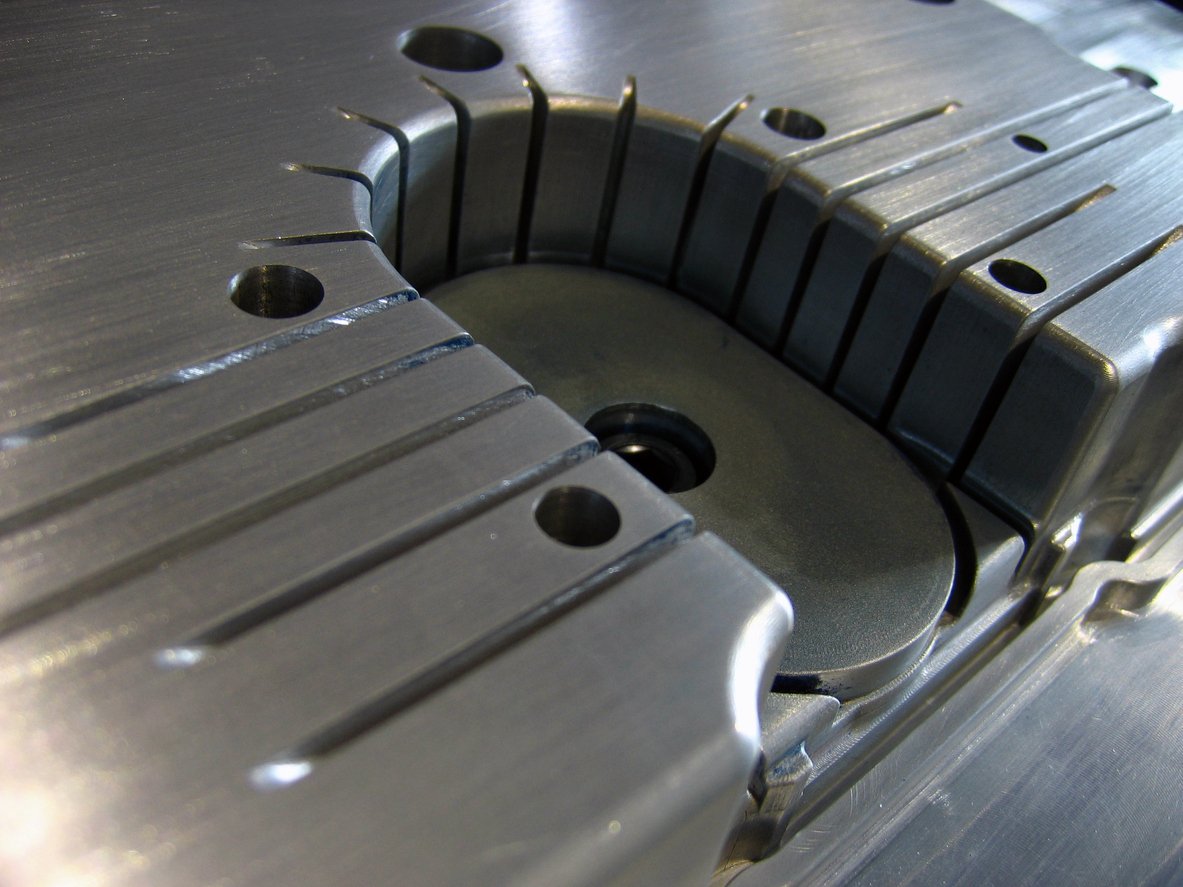
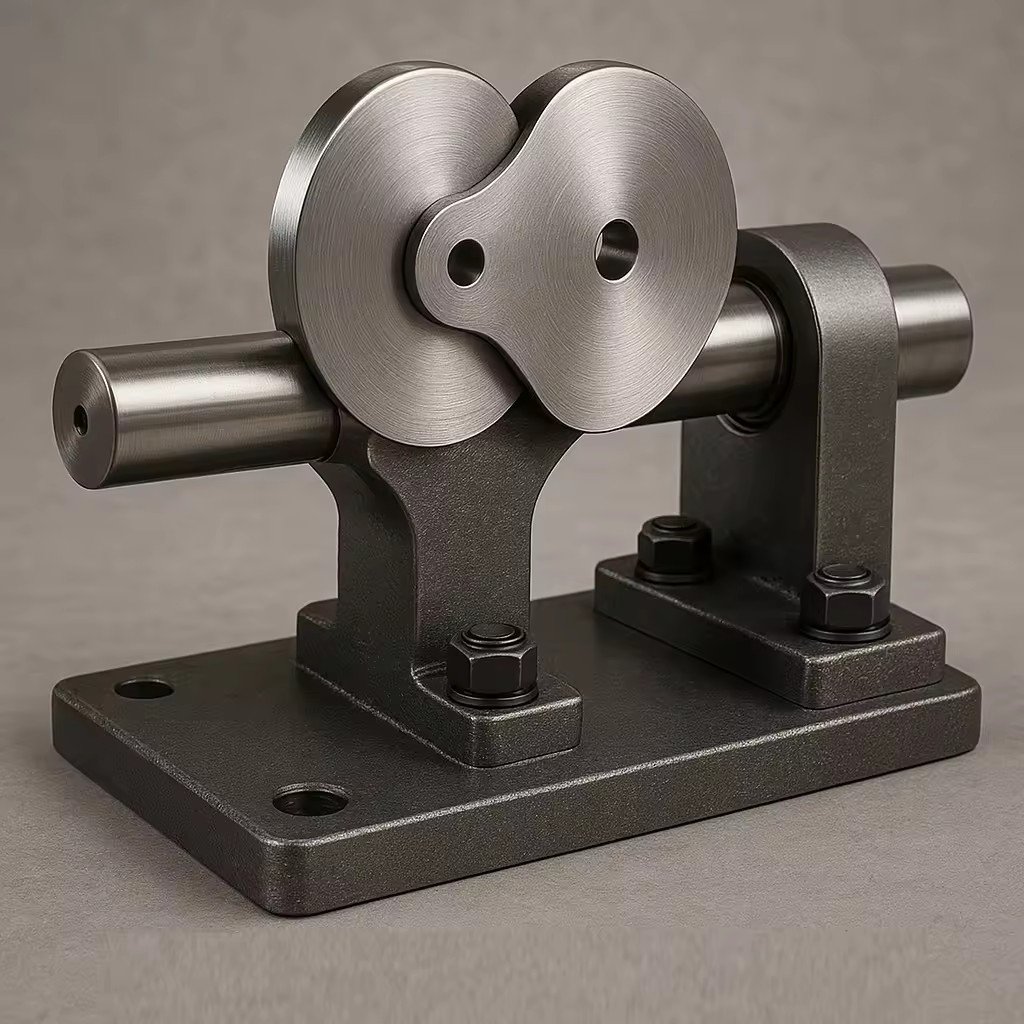
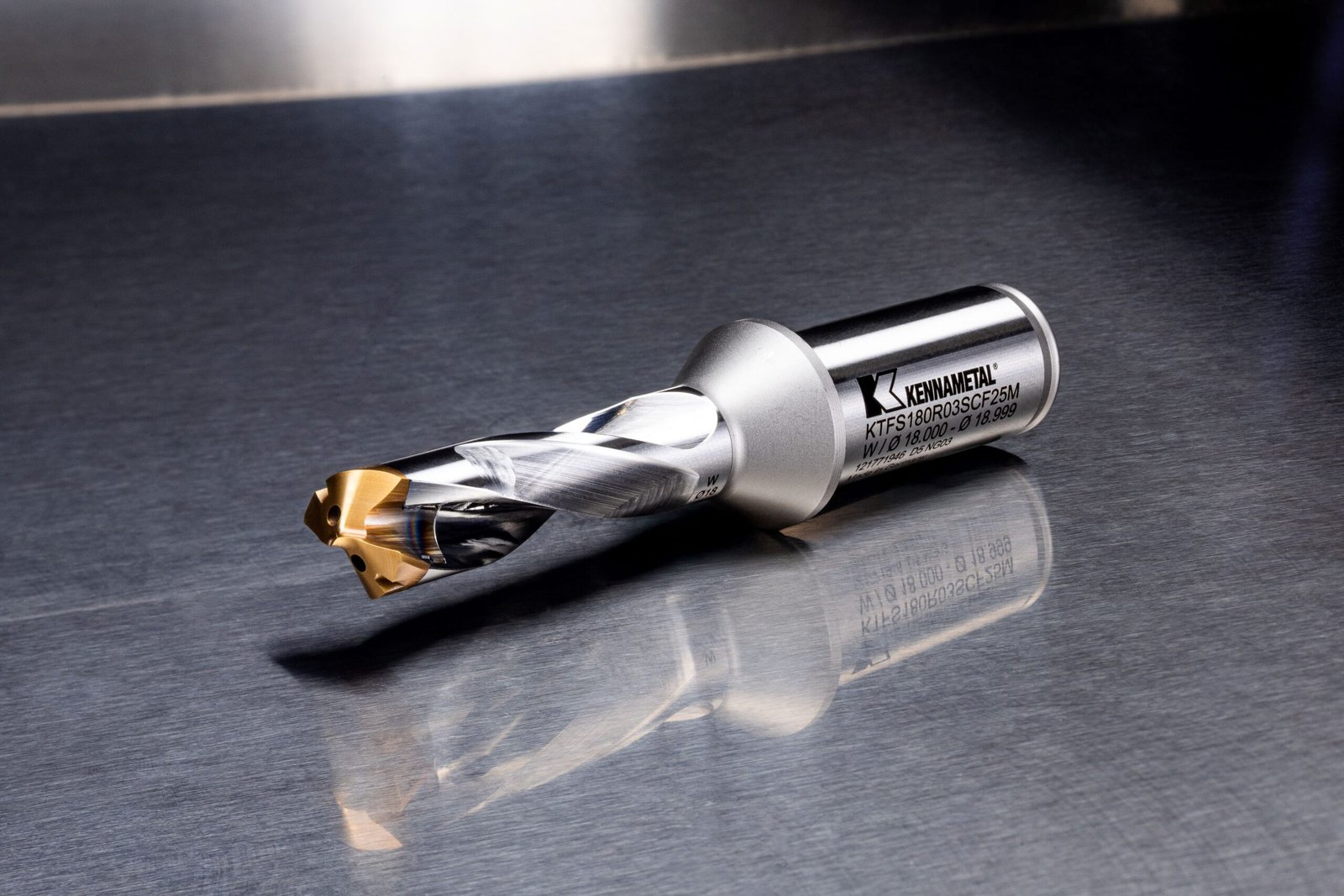
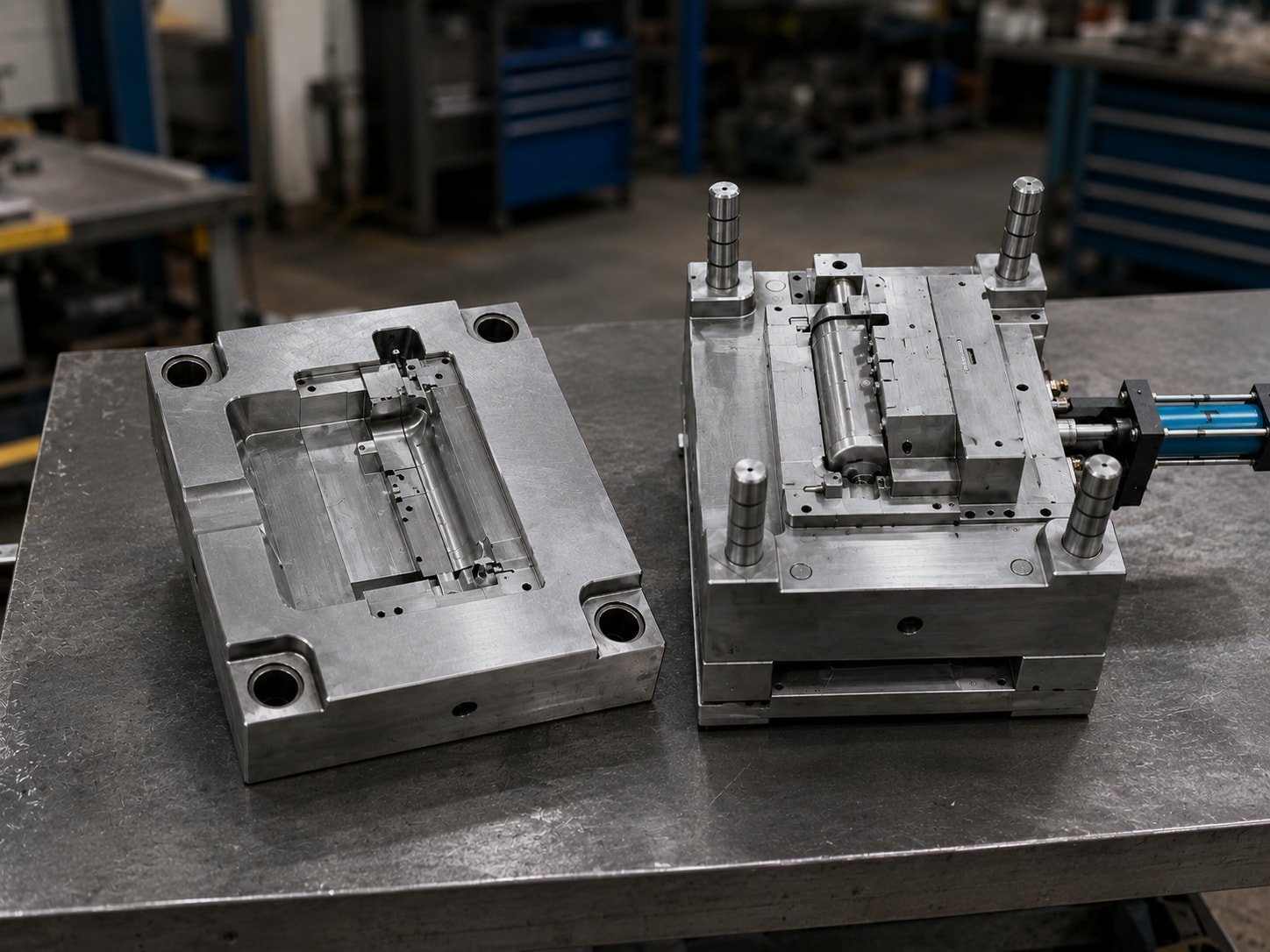
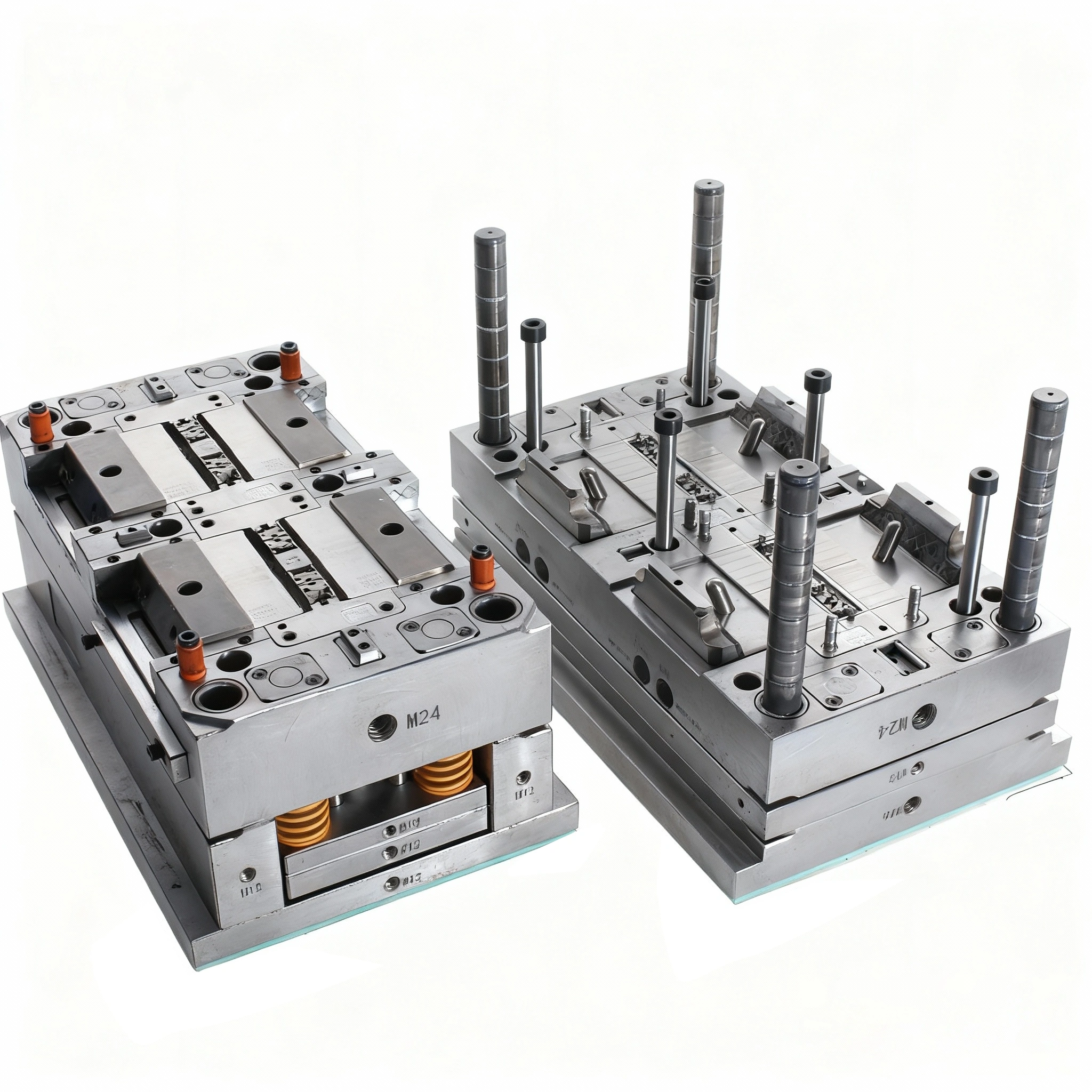
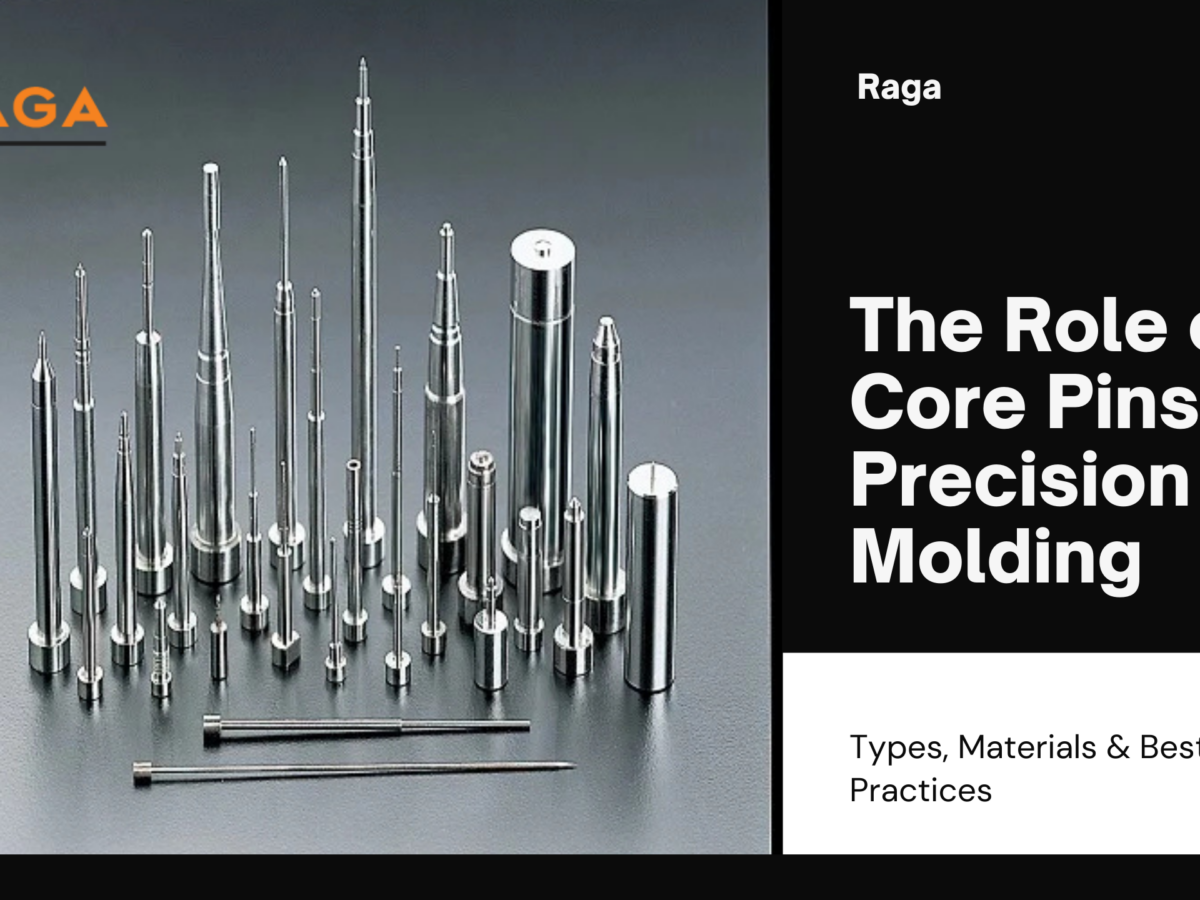
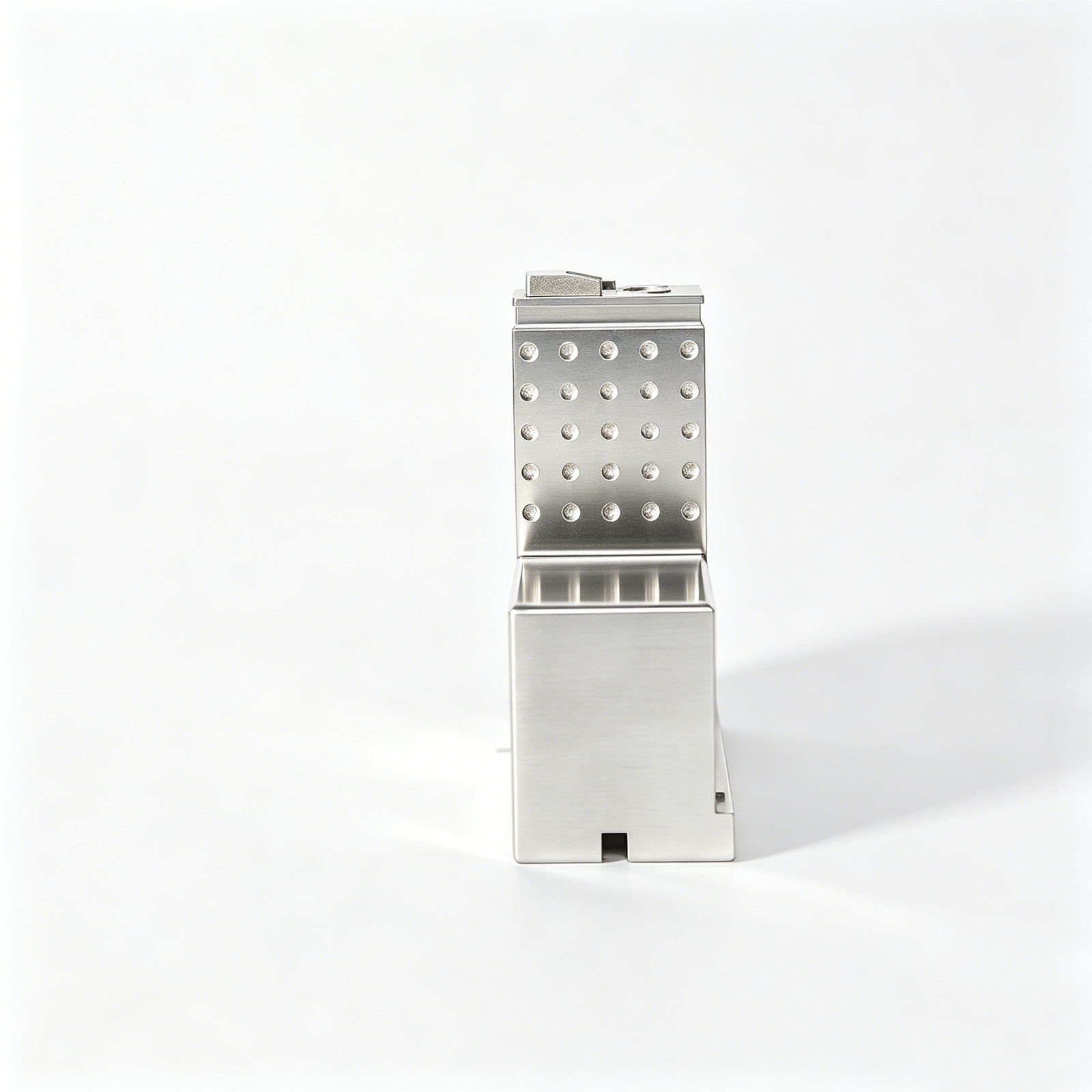
Featured Precision Mold Components
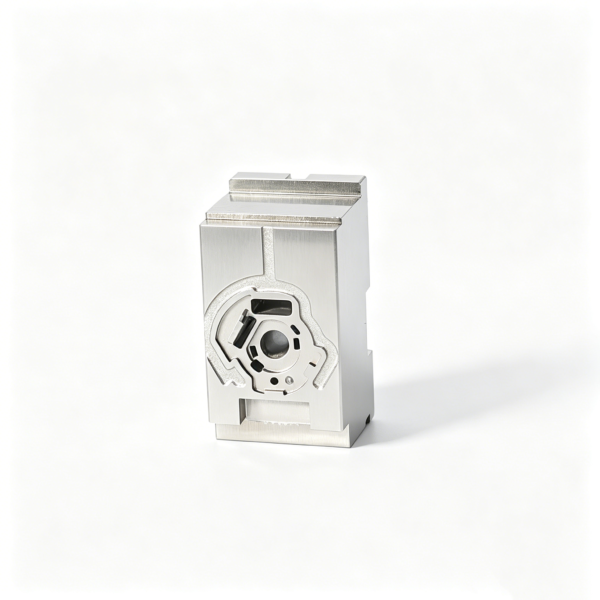
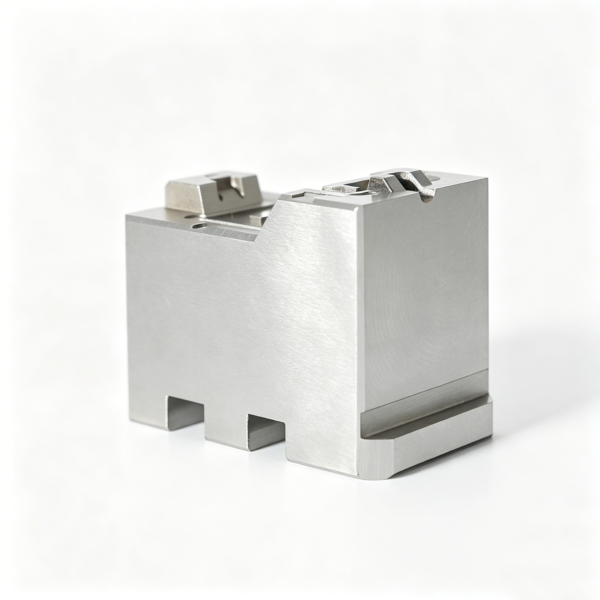
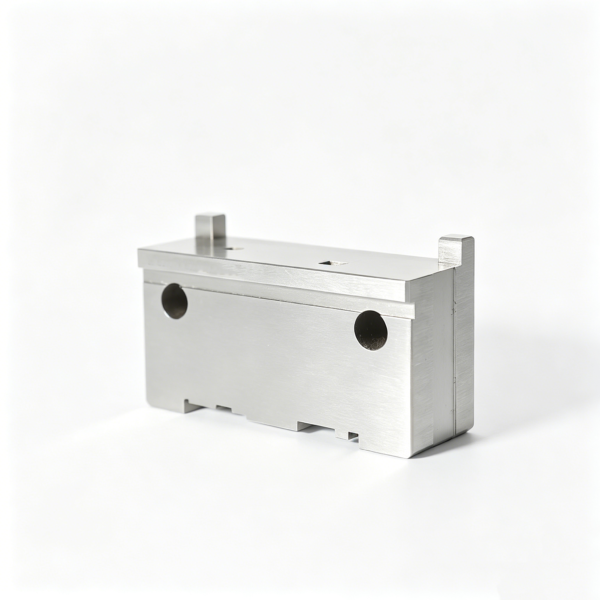
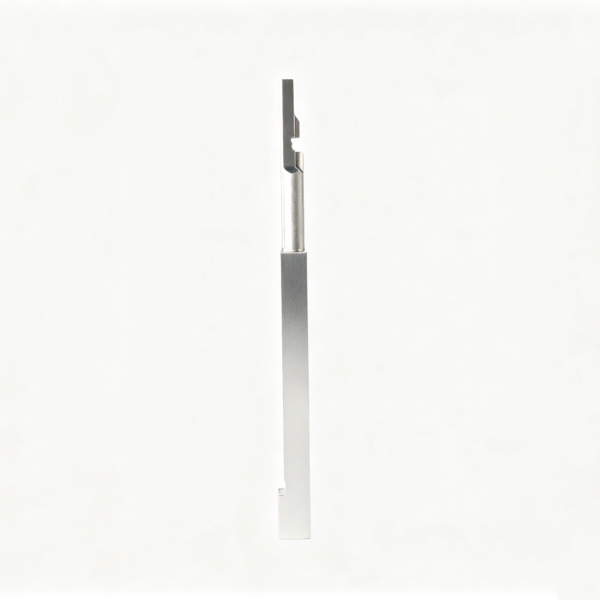
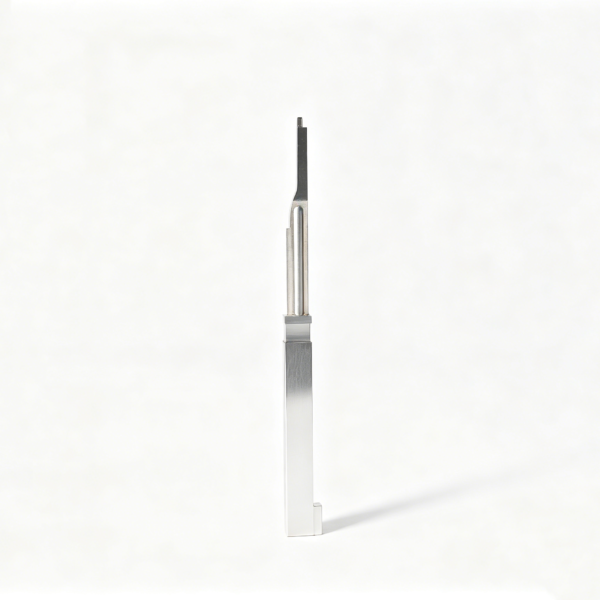
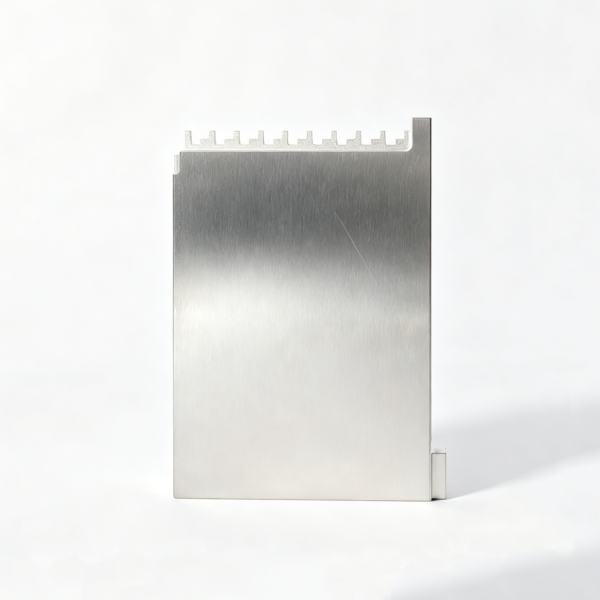
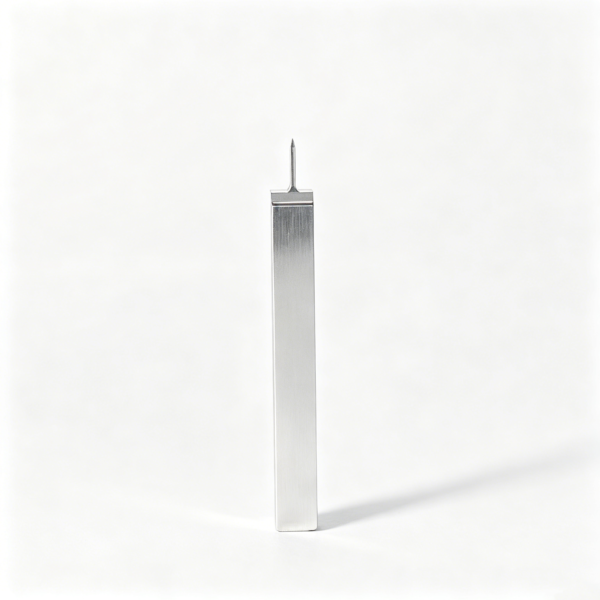
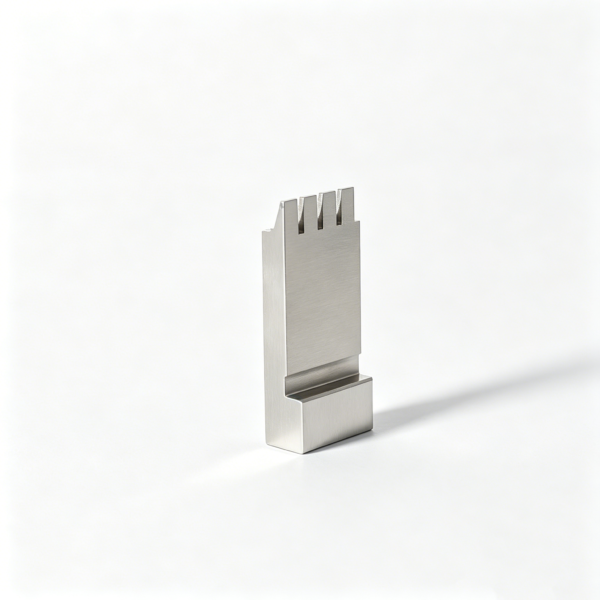
Precision Tooling Gallery

Why Precision Matters in Insert Molded Components Metal Stamping
XUXIANG delivers micron-stable accuracy, mirror-grade finishes and engineering support that commodity suppliers cannot match — backed by ZEISS metrology, ISO 9001:2015 and dual-factory capacity.
+/-0.001 mm Machining Precision
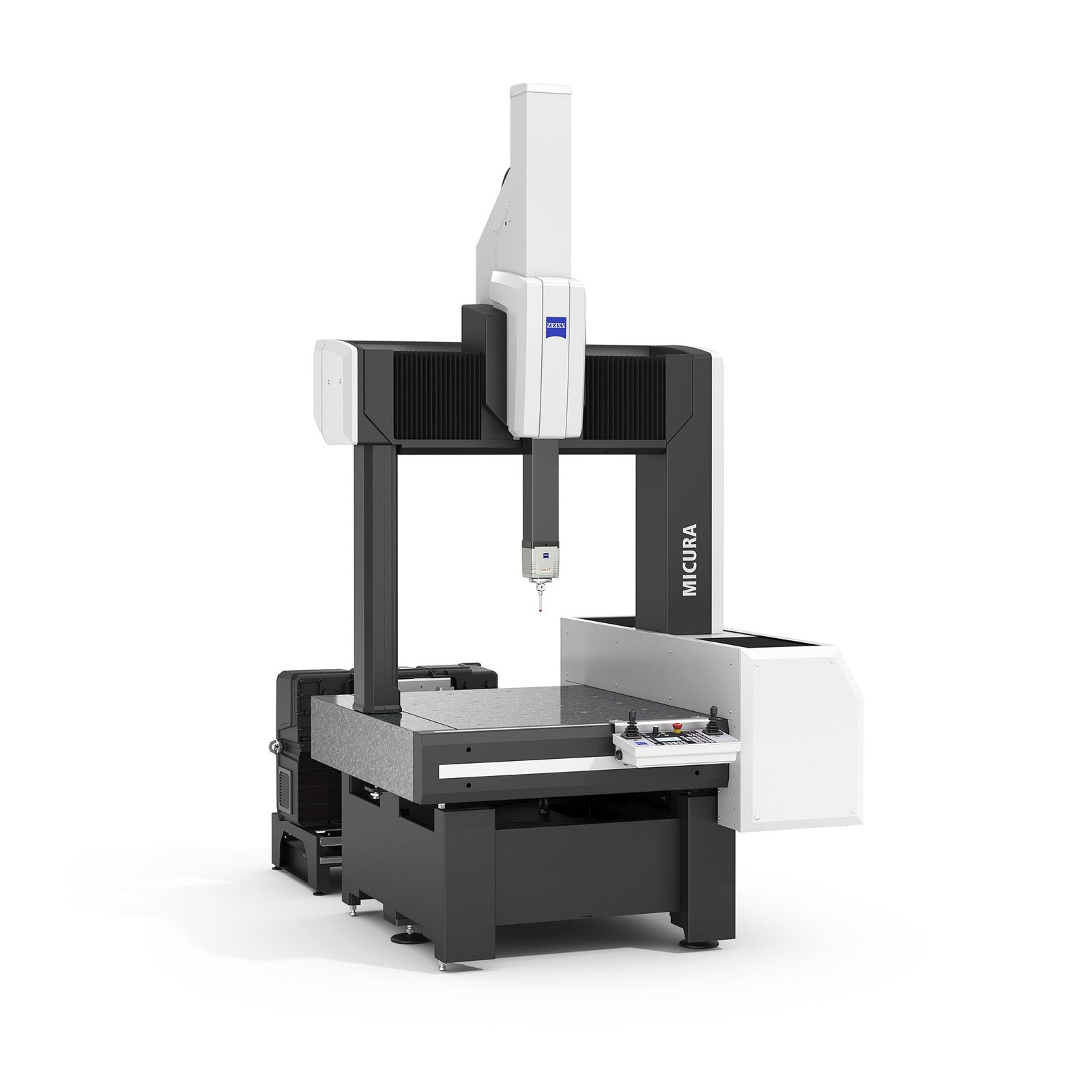
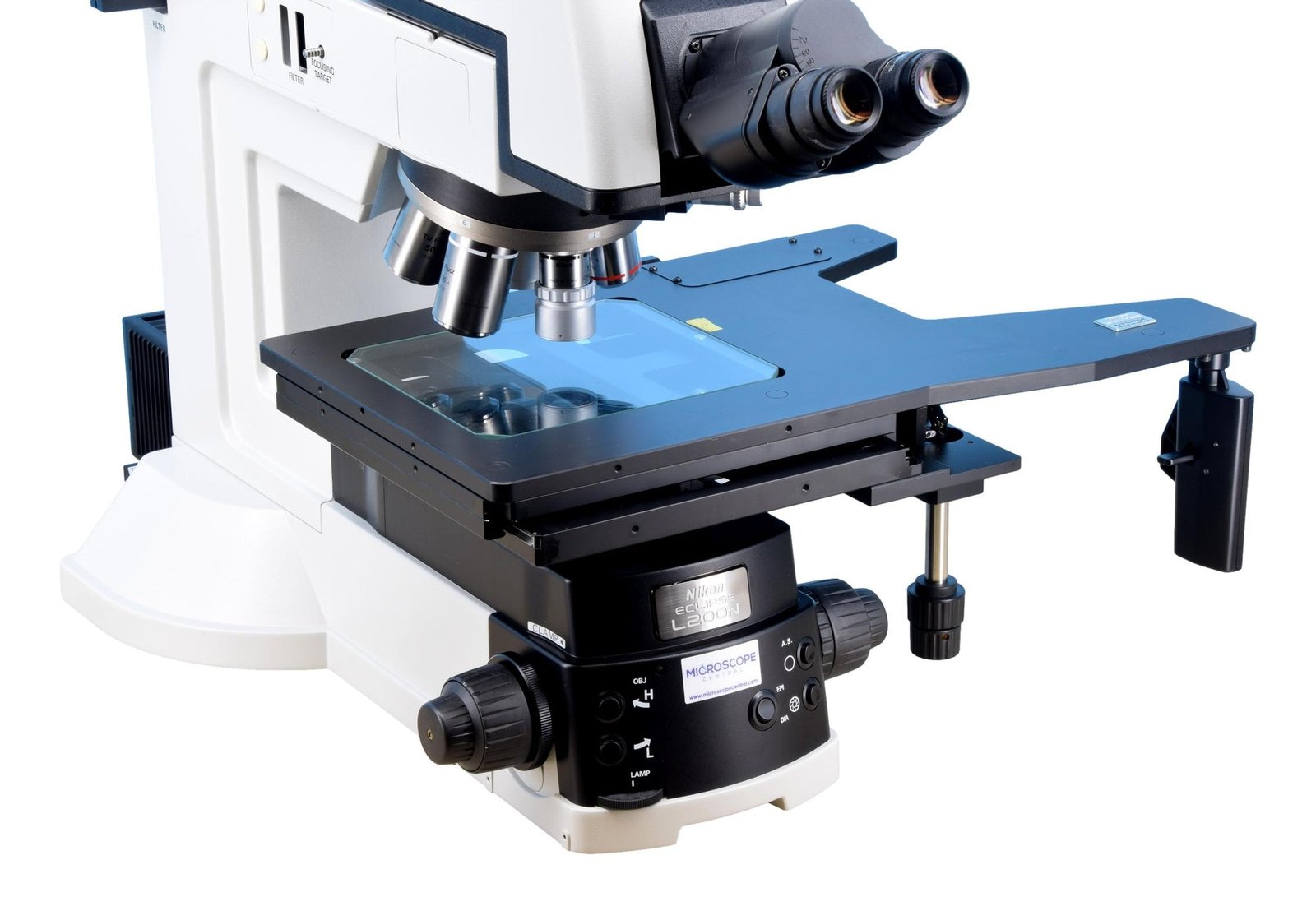
Maximum accuracy guaranteed on every insert molded component and metal stamping part, validated by ZEISS MICURA CMM and Nikon toolmaker’s microscopes.
Ra 0.1um Mirror EDM Finishes
Sodick and Mitsubishi mirror EDM deliver surface integrity down to Ra 0.1um for flawless mold performance and extended tool life.
ZEISS CMM Validation on Every Part
Full FAI reports with 0.7um metrology, material certificates and dimensional verification ensure zero tolerance failures before shipment.
24-Hour Quote Turnaround
Upload your CAD files and receive a detailed, engineering-reviewed quotation within 24 hours — no delays, no guesswork.
DFM Engineering Support
Precision-tooling experts review every design for manufacturability, flagging tolerance risks and cost-reduction opportunities before production starts.
Dual-Factory Capacity for Volume
Dongguan R&D center plus Quanzhou production facility deliver +200% capacity since 2025, with lead times 30% faster than industry average.
Precision Tooling & Molded-Metal Integration
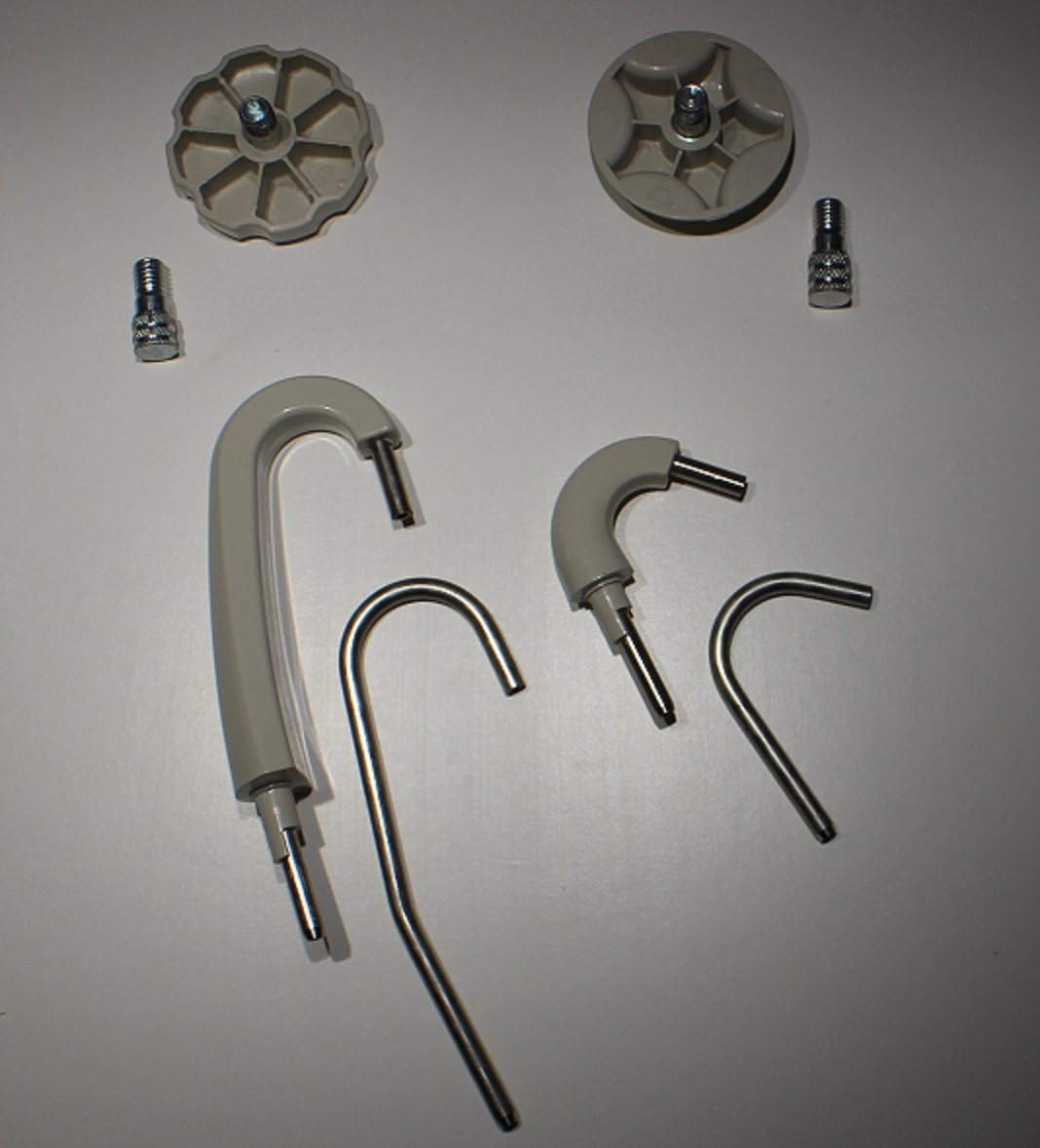
Insert Molded Terminals
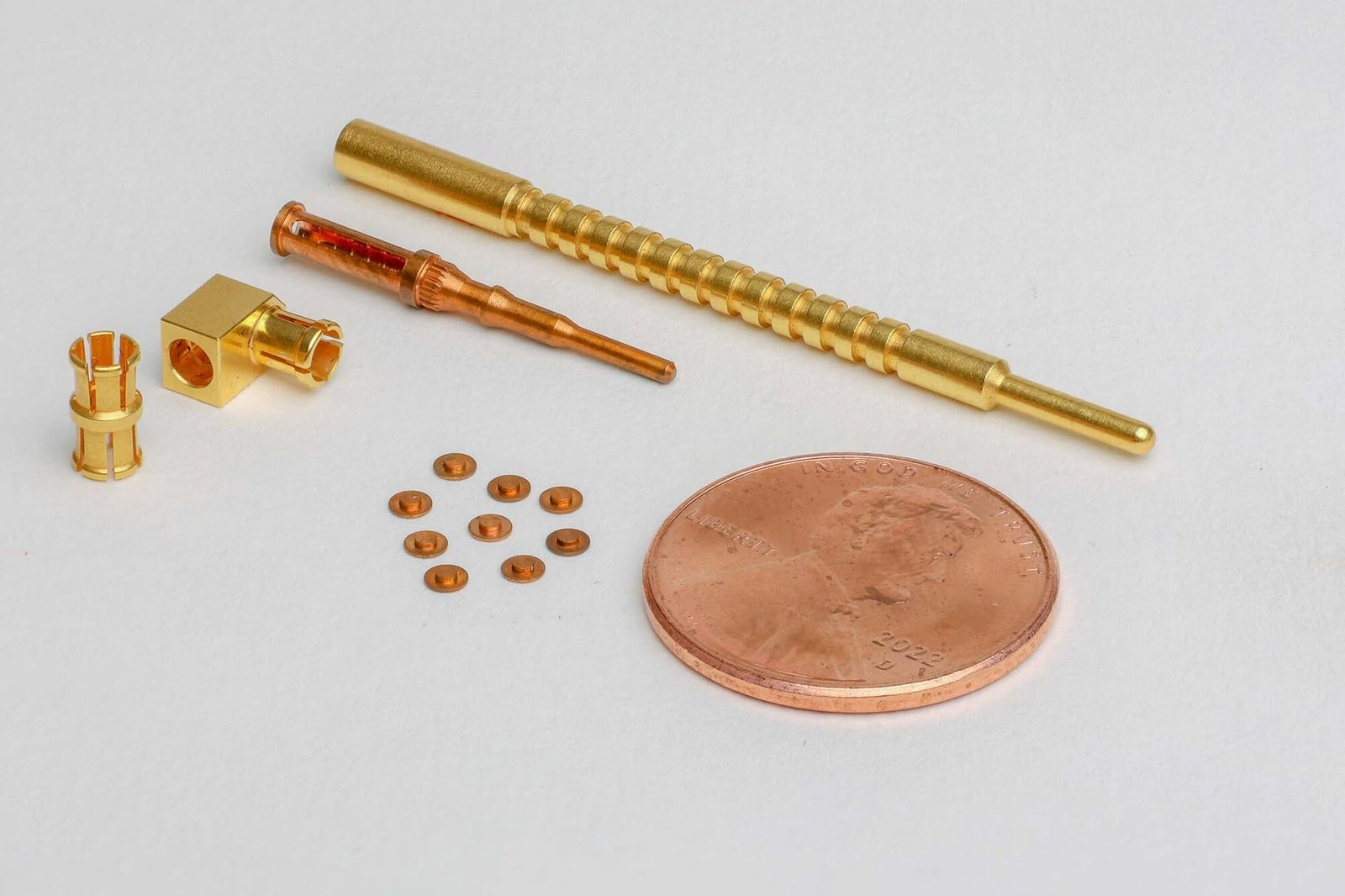
Insert molded terminals for 5G, automotive and industrial connectors, combining precision-stamped metal contacts with injection-molded housings. XUXIANG machines terminal cavities to +/-0.001 mm, enabling micro-pin positioning, zero flash and reliable over-molding of copper-alloy and brass inserts in high-density board-to-board and power-interconnect applications.
Get a Quote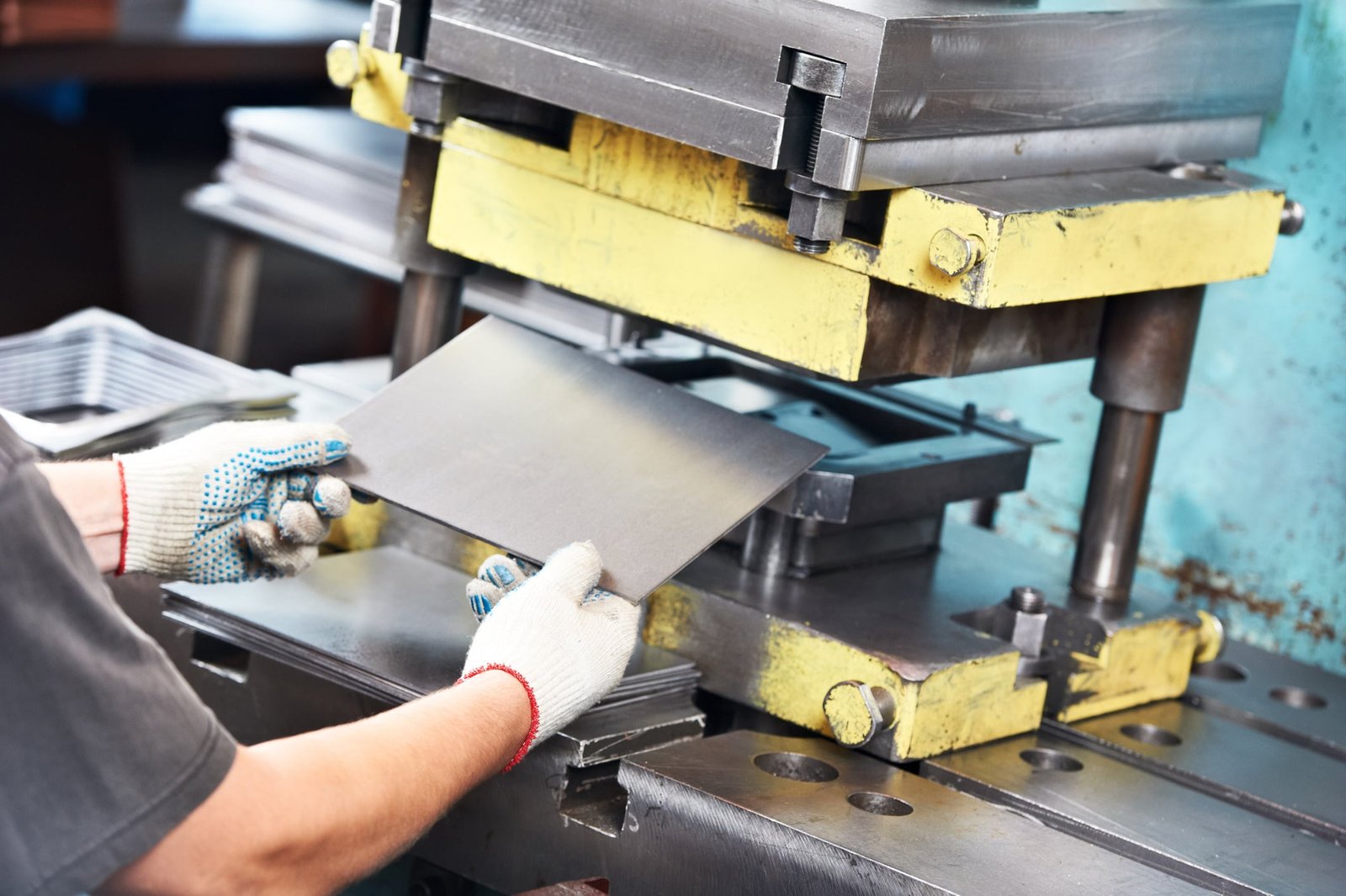
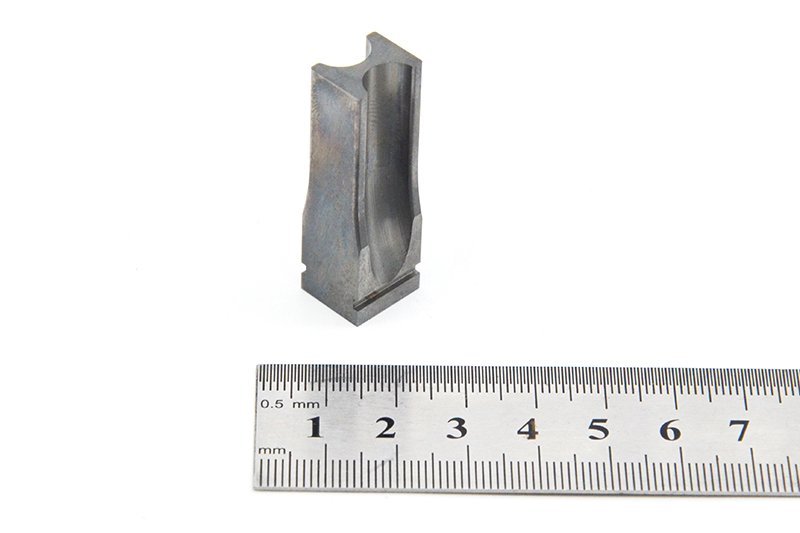
Metal Stamping Dies
Metal stamping dies engineered for high-speed progressive and transfer tooling in electronics, automotive sensor housings and connector lead frames. Sodick slow-wire EDM delivers +/-0.002 mm class punch-to-die clearance; ZEISS MICURA CMM verifies stripper plate flatness and pilot-hole concentricity to ensure million-cycle die life and consistent part geometry across production runs.
Get a Quote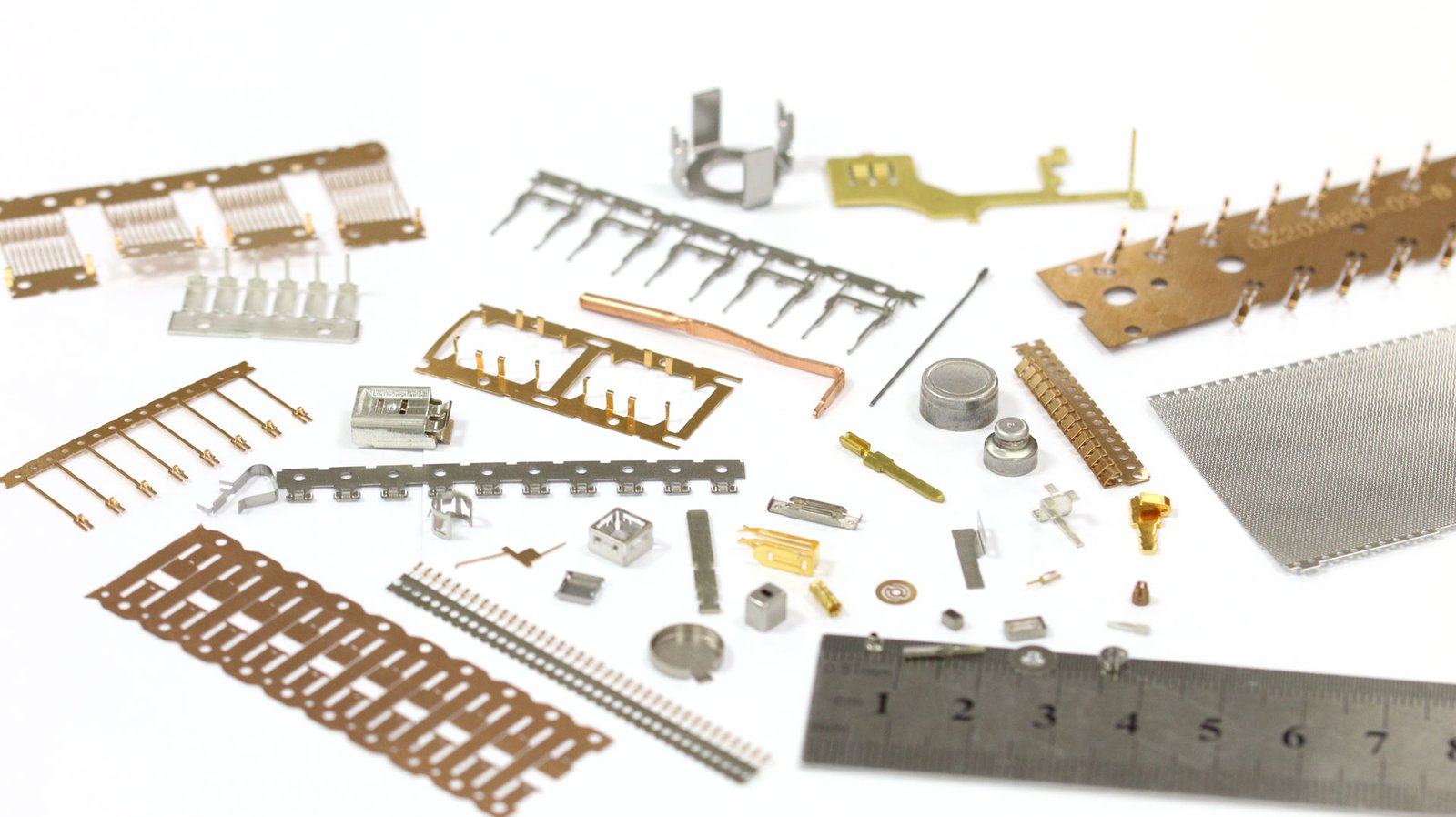
Precision Stamped Contacts
Precision stamped contacts and terminals for micro-connectors, FPC interfaces and battery-management systems, held to +/-0.01 mm on critical pitch dimensions. Mirror-grade EDM punches (Ra 0.1 µm) minimize burr formation; DFM review identifies material-grain direction, bend-radius limits and plating-mask requirements before first-article stamping to reduce scrap and qualify faster.
Get a Quote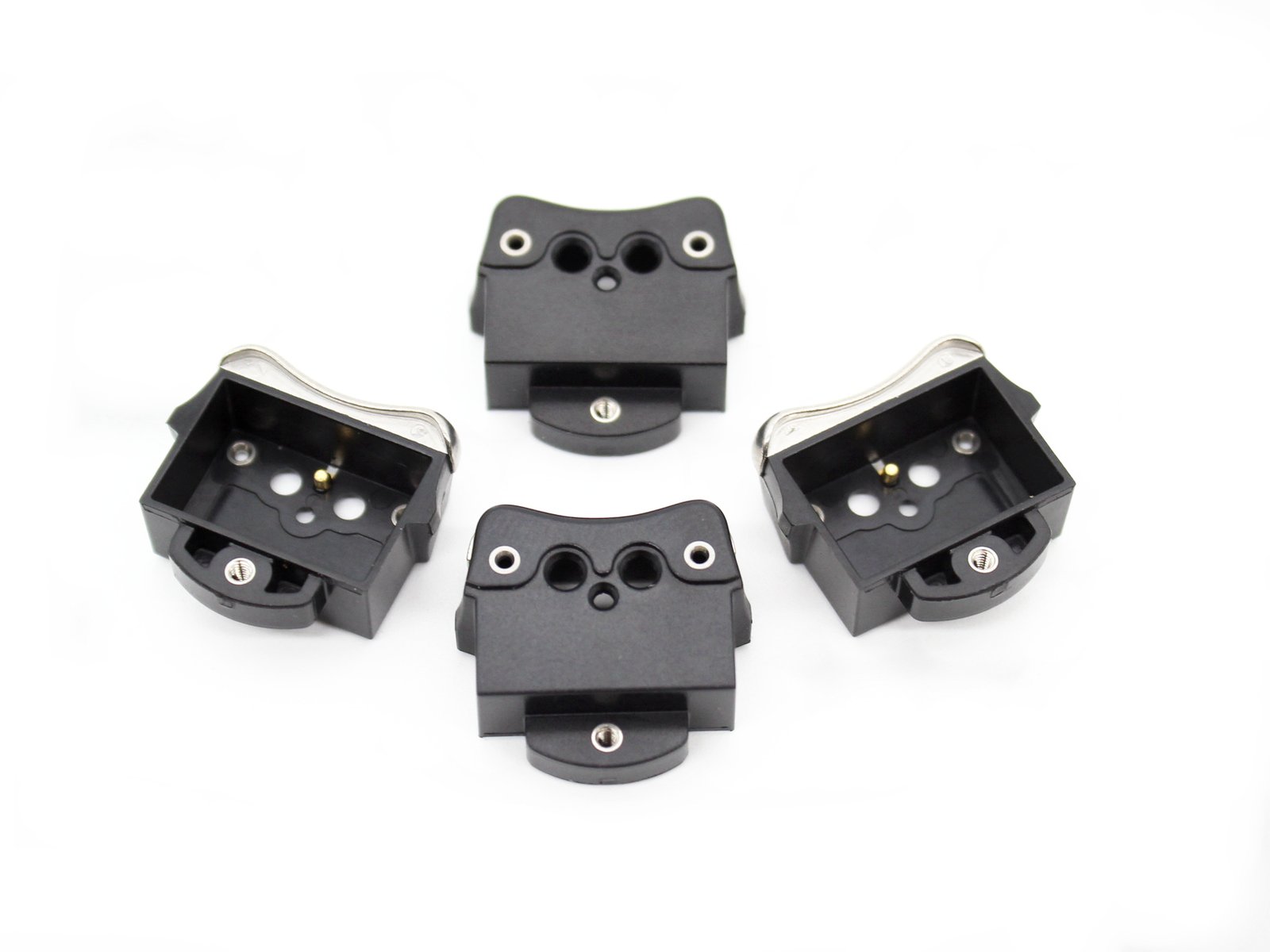
Insert Molded Connectors
Insert molded connectors integrating metal terminals, shields or grounding clips within thermoplastic housings, serving 5G RF modules, USB-C, board-to-board and industrial M8/M12 families. Conformal-cooled inserts and mirror-class cavity finishes support cycle times under 8 seconds, tight co-planarity and IP67-class sealing when paired with validated gate and venting strategies.
Get a Quote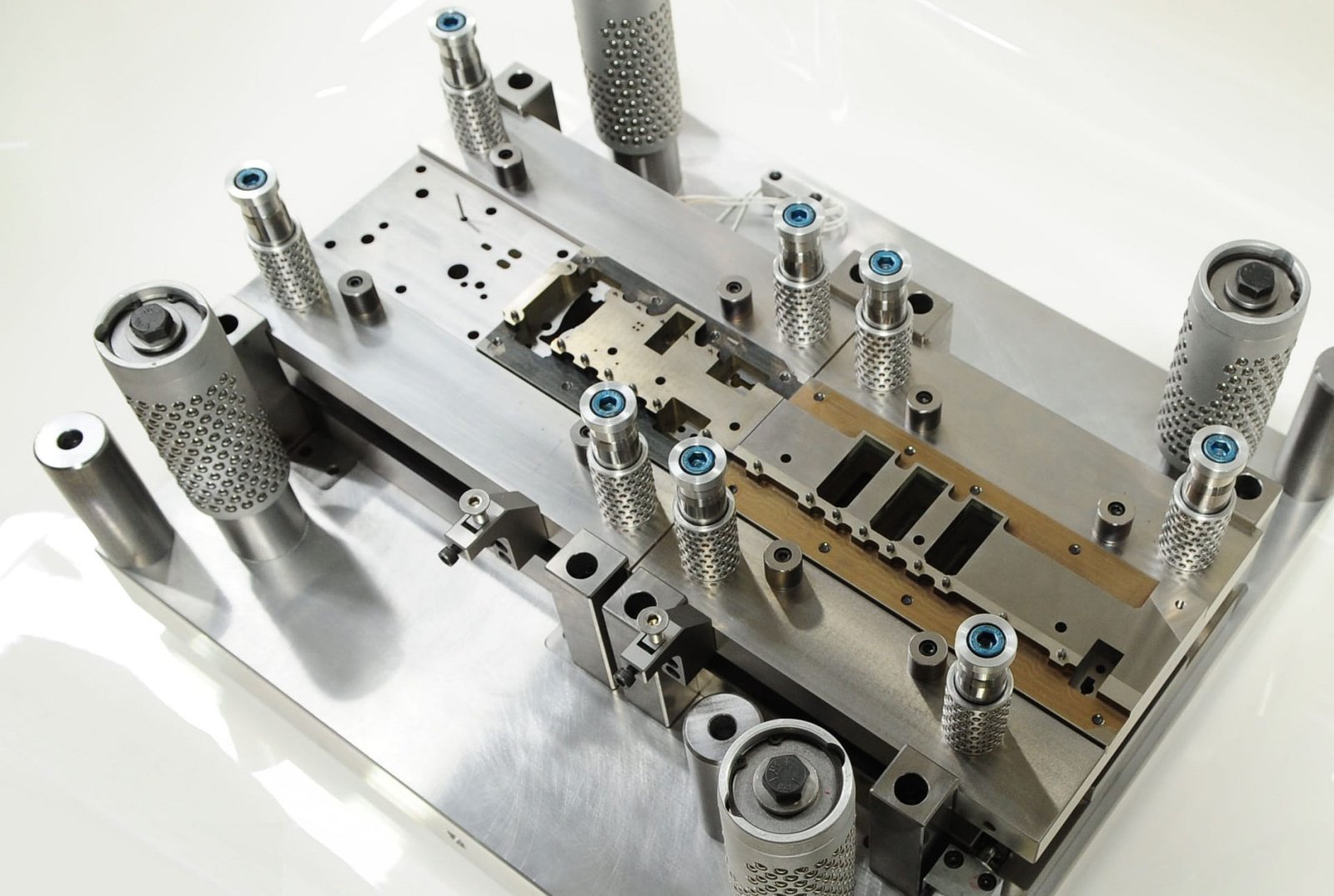
Progressive Die Stamping
Progressive die stamping systems for high-volume terminal strips, contact carriers and lead-frame blanks, combining blanking, piercing, forming and cut-off in a single press stroke. XUXIANG supplies complete die sets with hardened tool steel, precision guide posts and automatic scrap-ejection features, validated through 100k-cycle pilot runs and documented with full FAI dimensional reports and material certificates.
Get a Quote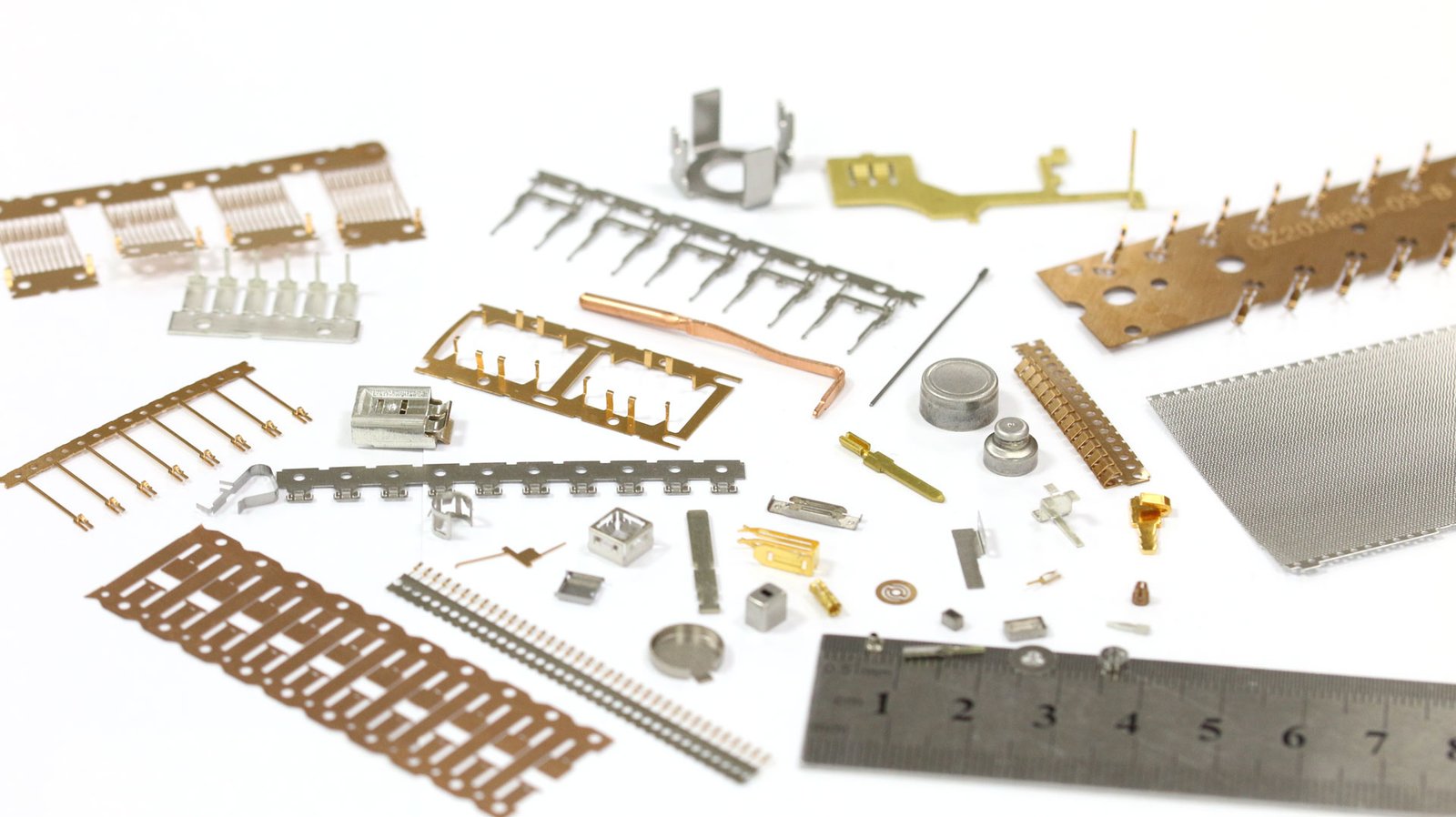
Micro Stamping Components
Micro stamping components for ultra-fine-pitch connectors, MEMS housings and miniature spring contacts, featuring feature sizes below 0.3 mm and positional tolerances of +/-0.015 mm. Slow-wire EDM electrodes machined on Beijing Jingdiao high-precision CNC enable corner radii down to R 0.015 mm; Nikon toolmaker’s microscopes verify edge quality, coplanarity and critical dimensions at 200× magnification before die release.
Get a Quote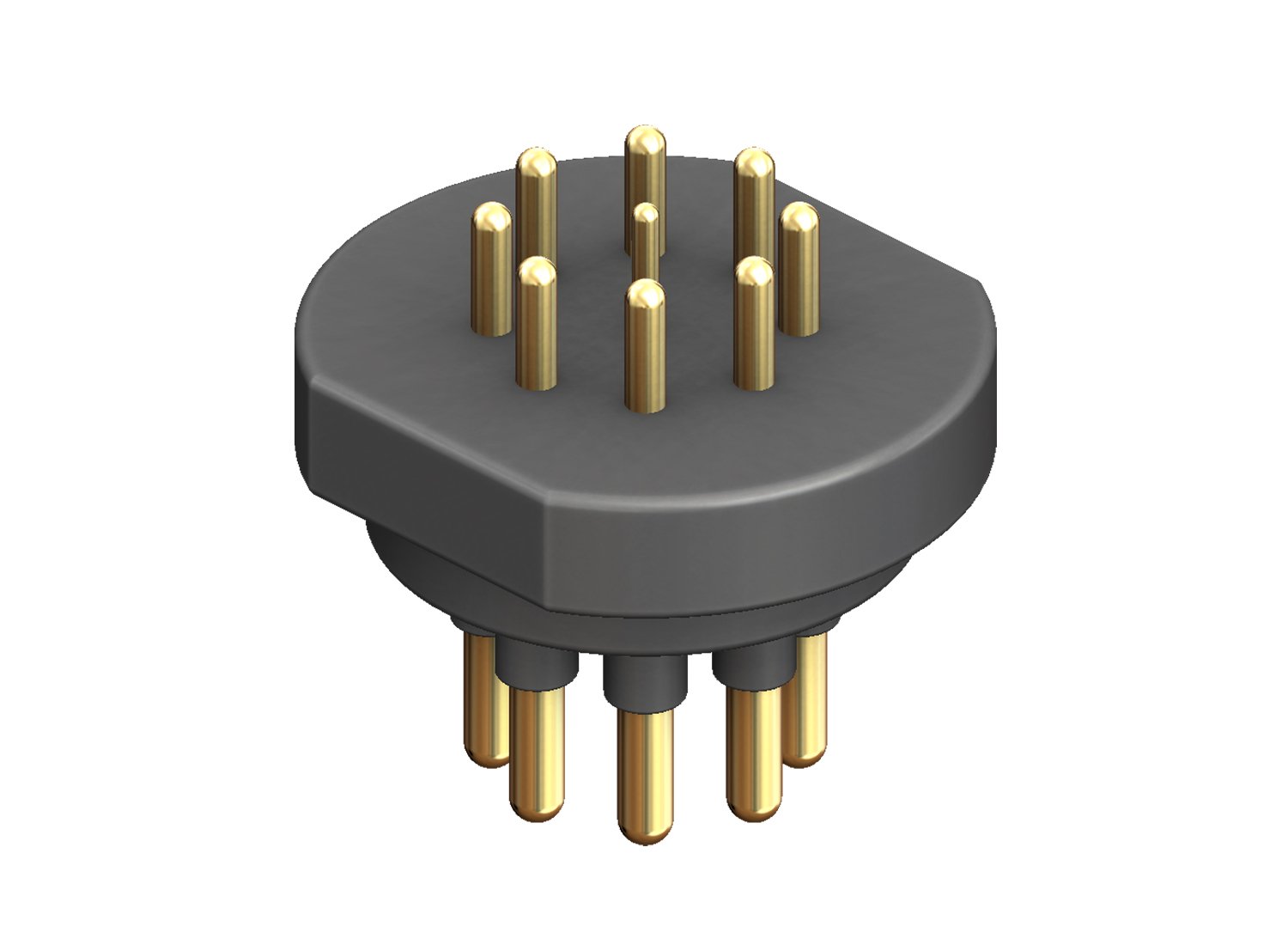
Insert Molded Pins
Insert molded pins for high-current power connectors, signal-transmission modules and automotive HV interconnects, over-molding turned or stamped brass, phosphor-bronze or beryllium-copper pins within PA66, PBT or LCP resin. Precision core-pin alignment fixtures and real-time cavity-pressure monitoring prevent pin displacement; post-mold pull-force testing and contact-resistance validation ensure mechanical and electrical integrity per customer specification.
Get a Quote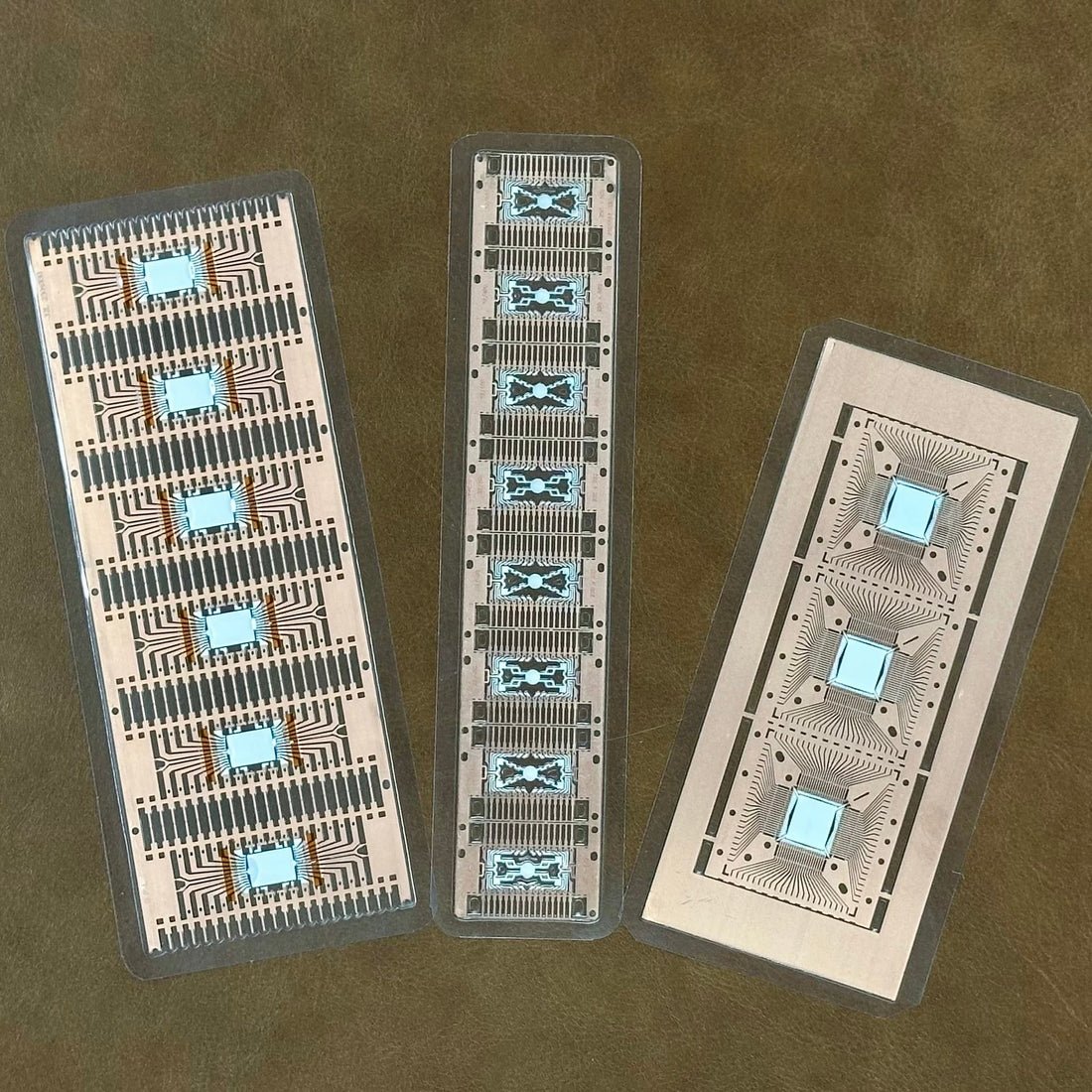
Metal Lead Frames
Metal lead frames for IC packaging, sensor modules and LED arrays, stamped from copper-alloy or Alloy 42 strip with selective plating zones and fine-pitch tie-bar geometry. Progressive-die layouts optimize material utilization and maintain +/-0.02 mm pad-to-pad registration across multi-row arrays; optional half-etch, coining and post-stamp inspection guarantee wire-bond pad flatness and solder-reflow compatibility in automated assembly lines.
Get a Quote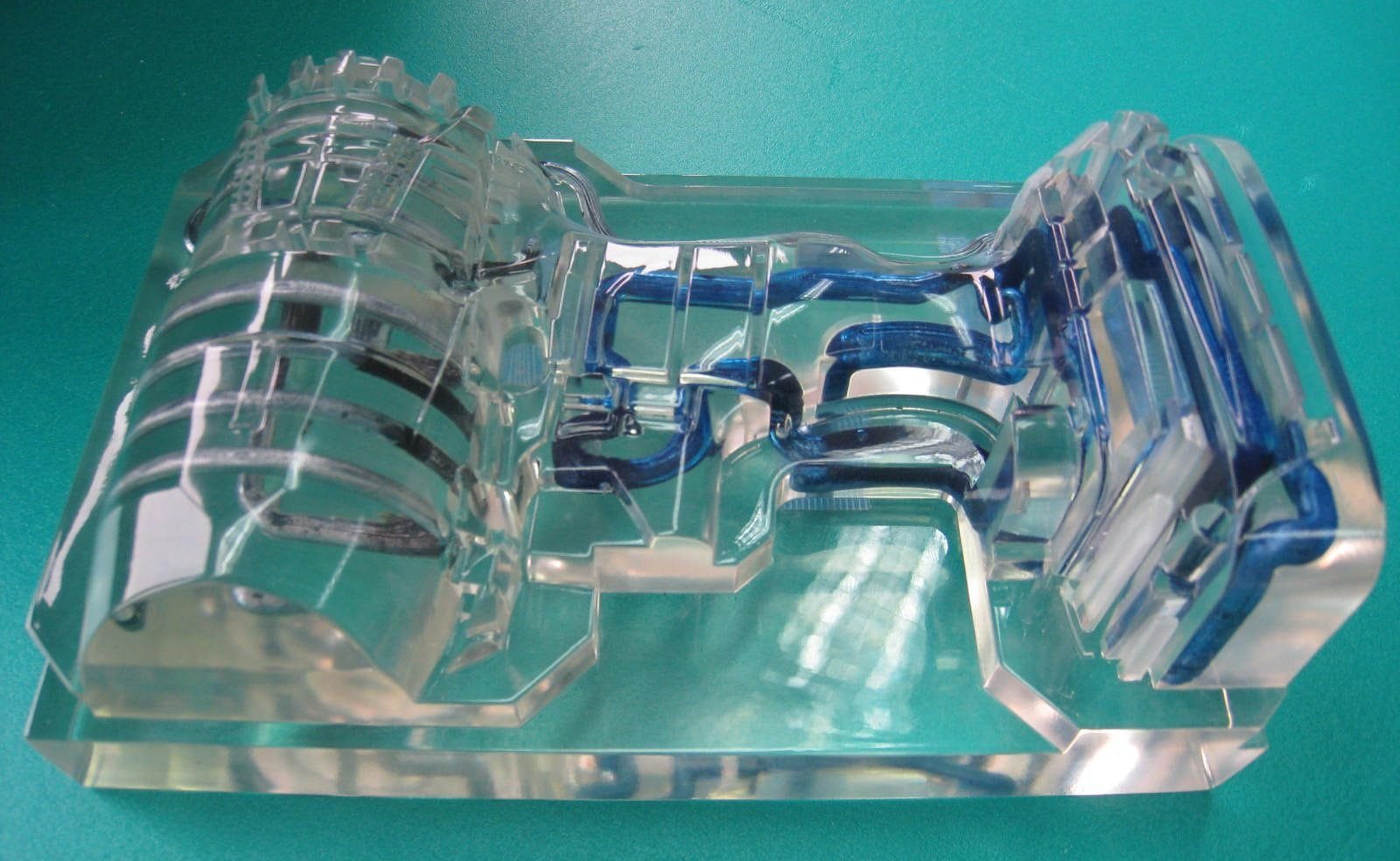
Hybrid Molded Assemblies
Hybrid molded assemblies combining precision-machined metal inserts, stamped shields, springs or terminals with injection-molded thermoplastic or thermoset bodies, serving complex connector housings, sensor enclosures and mechatronic sub-assemblies. XUXIANG coordinates insert design, die fabrication, molding trials and final assembly under ISO 9001:2015 process control, delivering pre-validated, ship-ready components with consolidated BOM management and traceability documentation.
Get a QuoteMaterials & Alloys for Insert Molded Components Metal Stamping
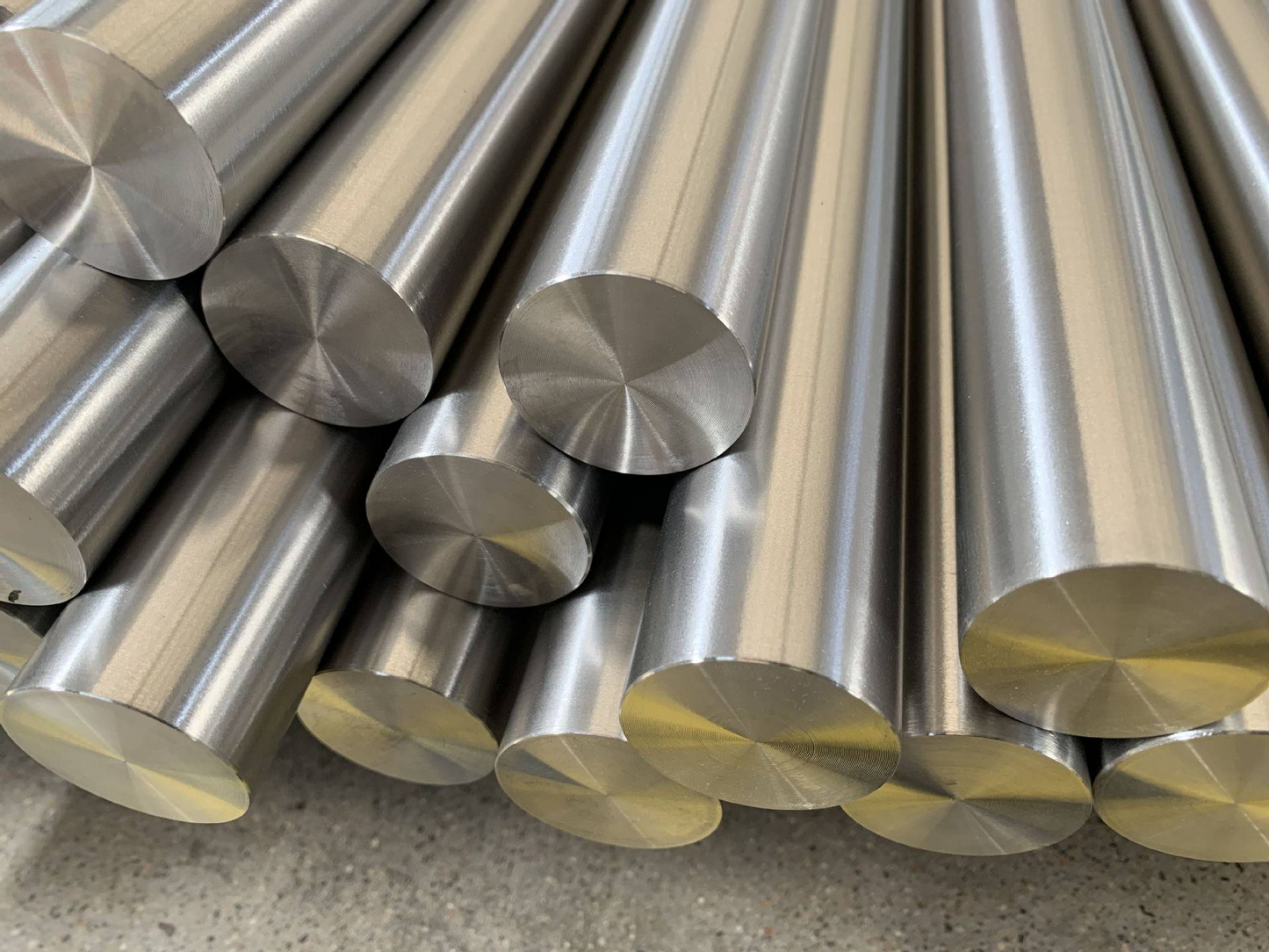
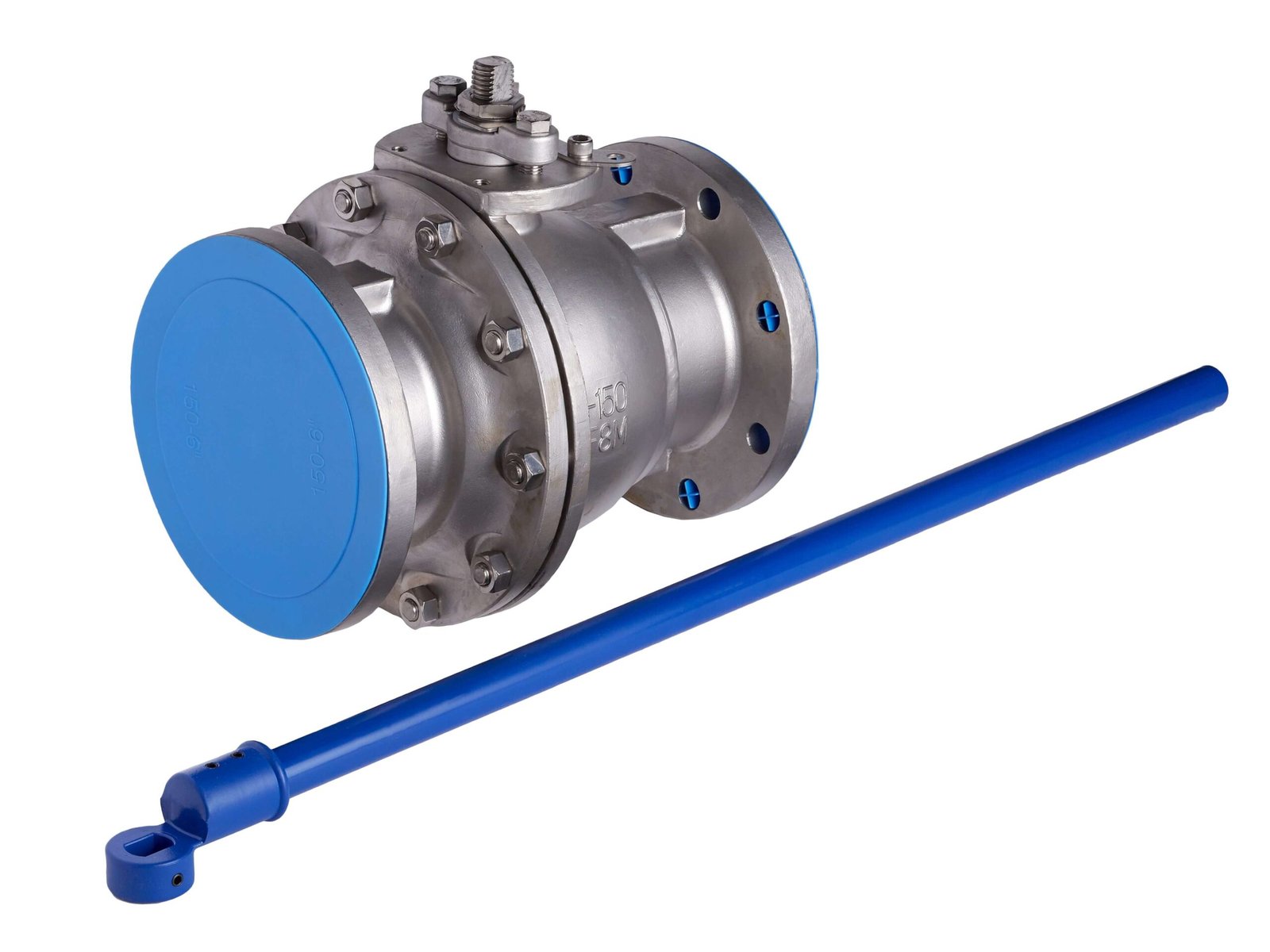
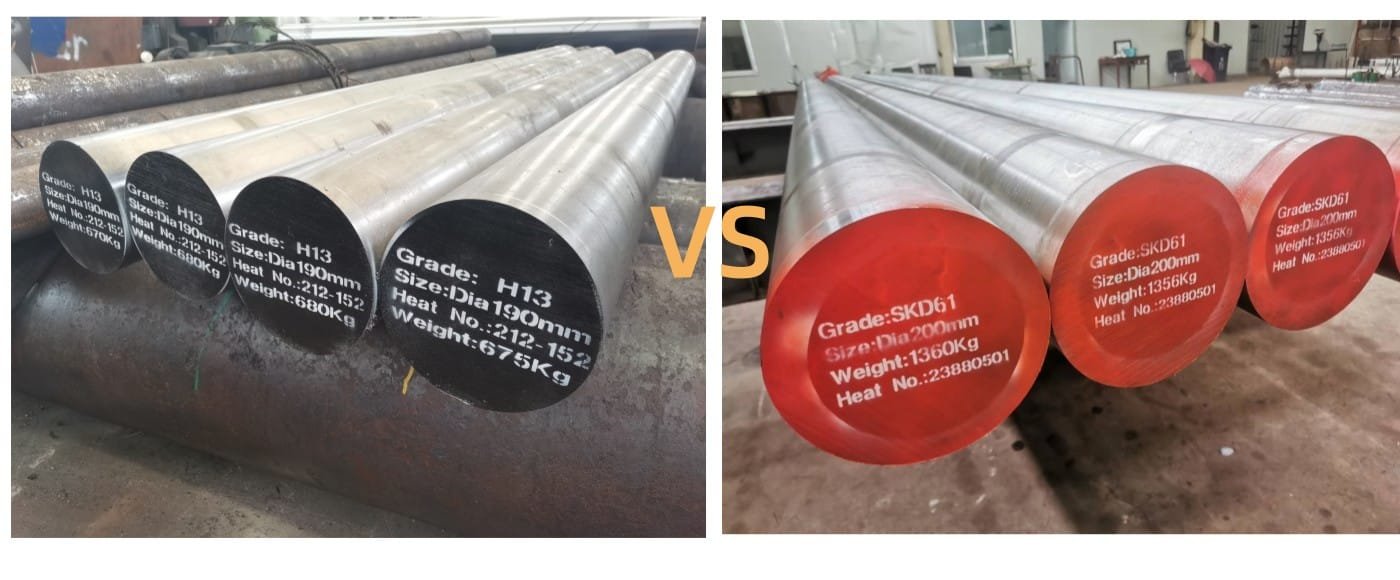
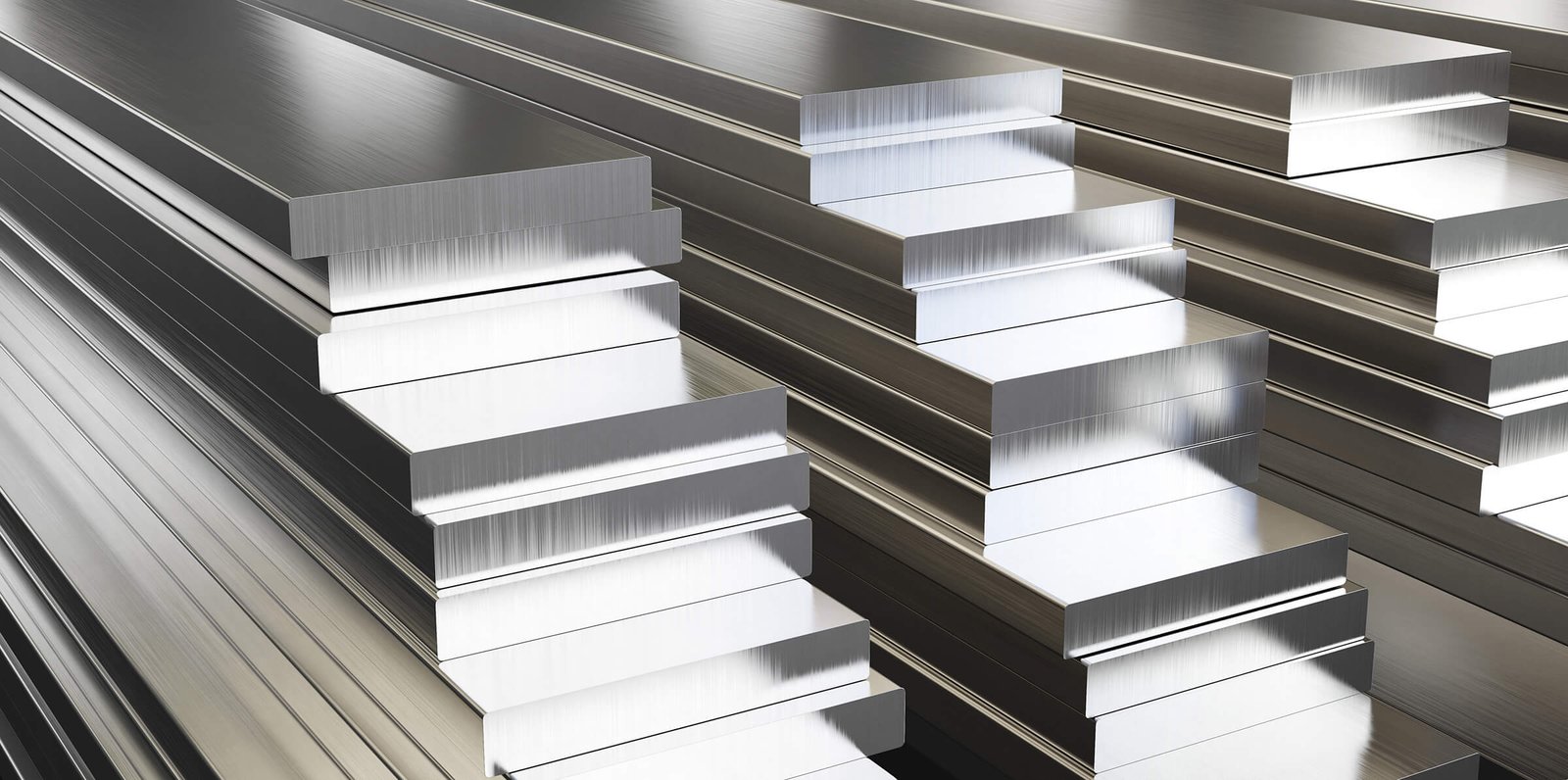
Precision Manufacturing Processes for Insert Molded Components Metal Stamping
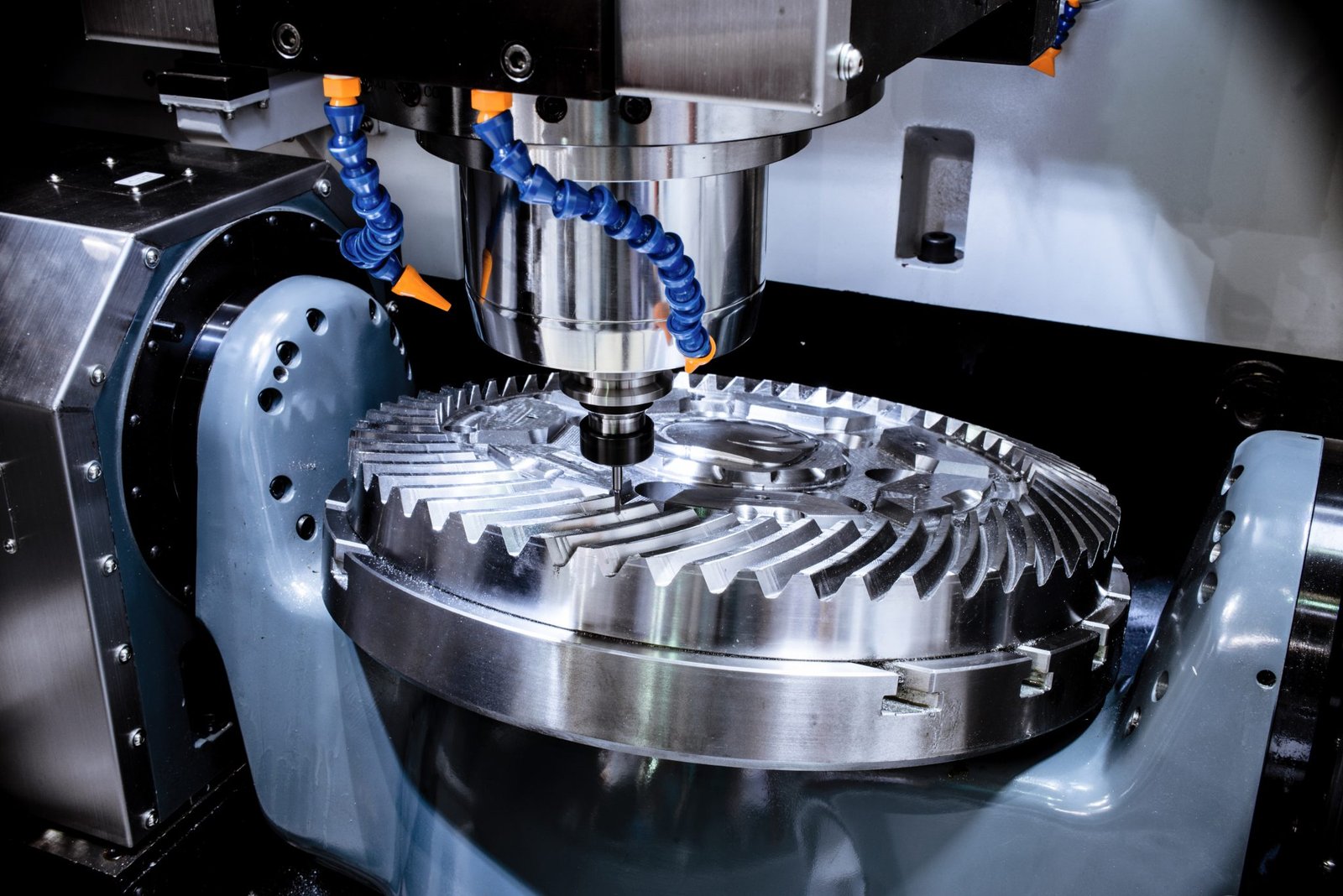
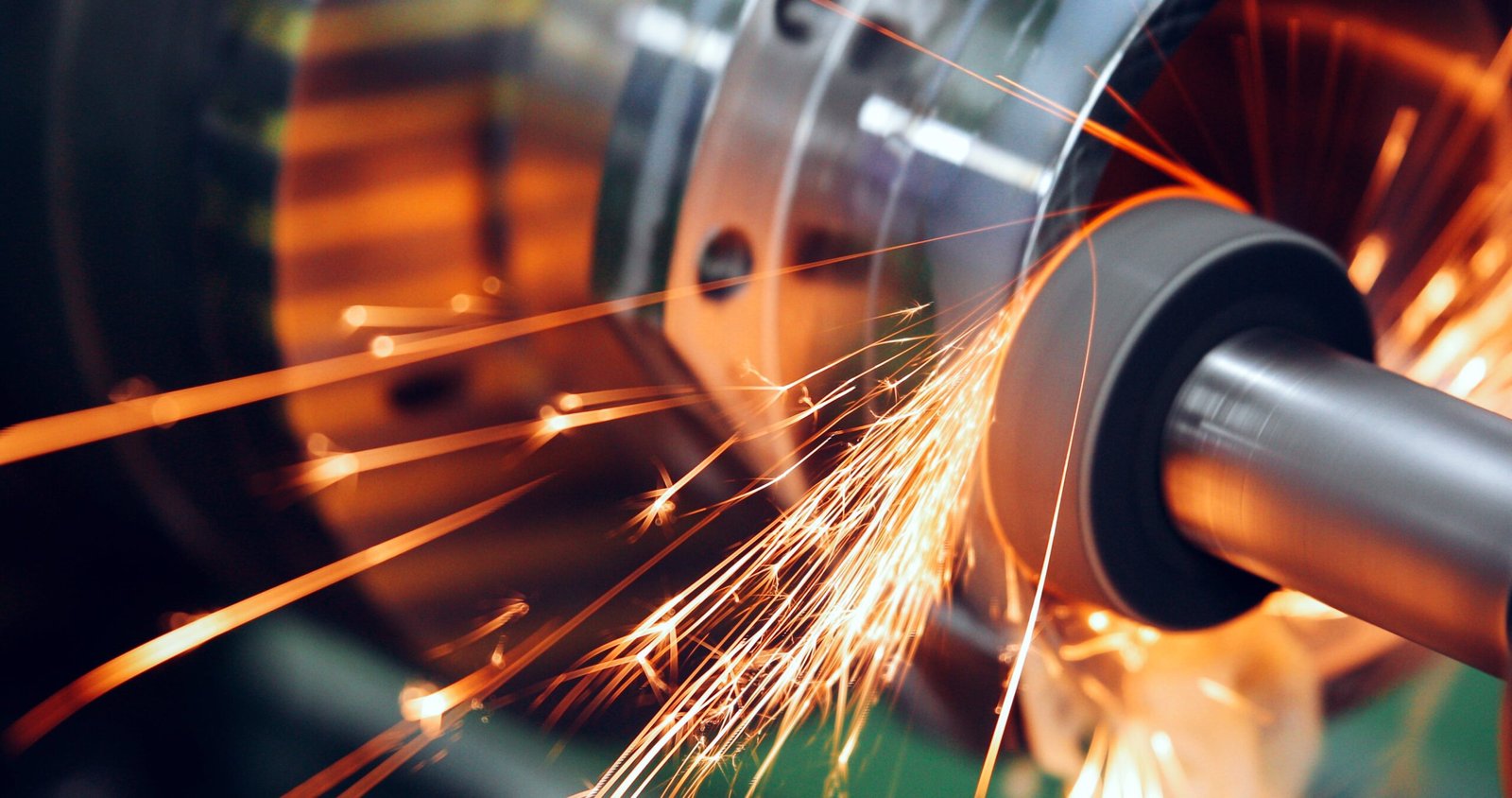
Sinker EDM
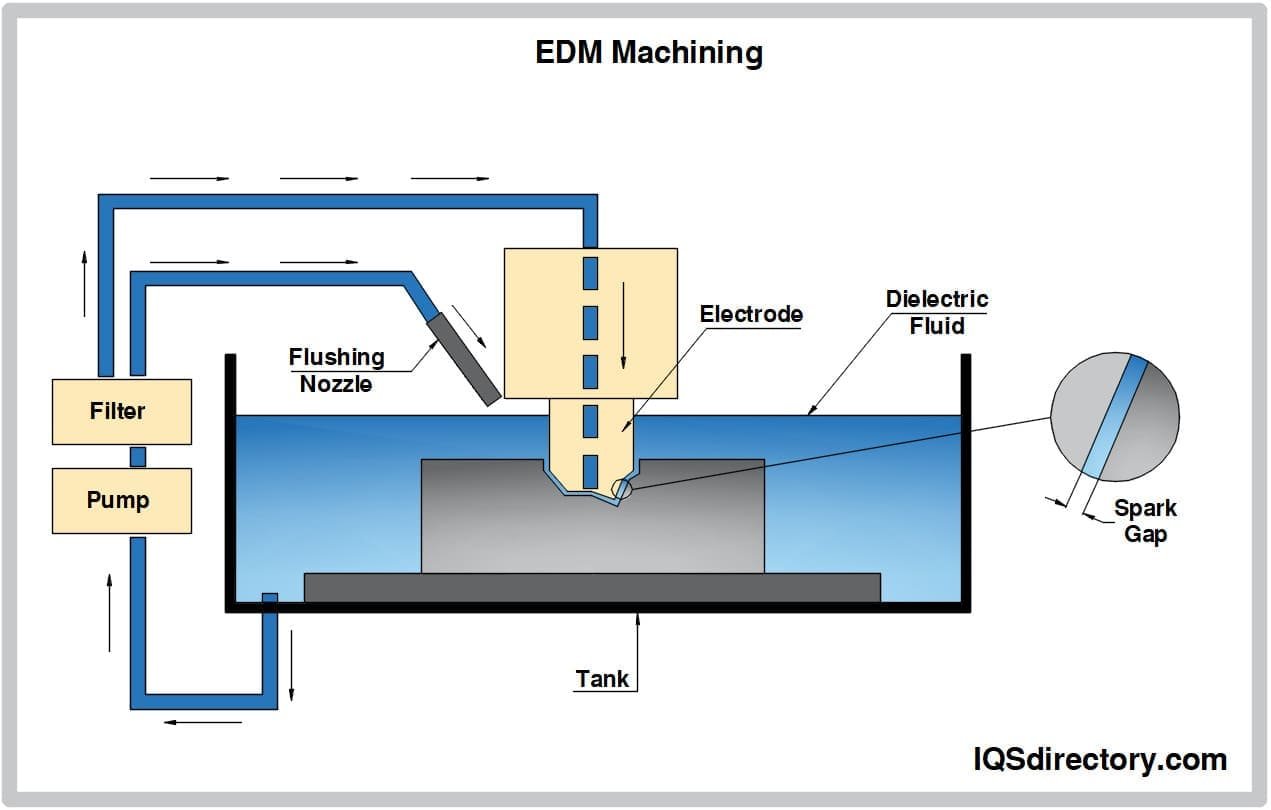
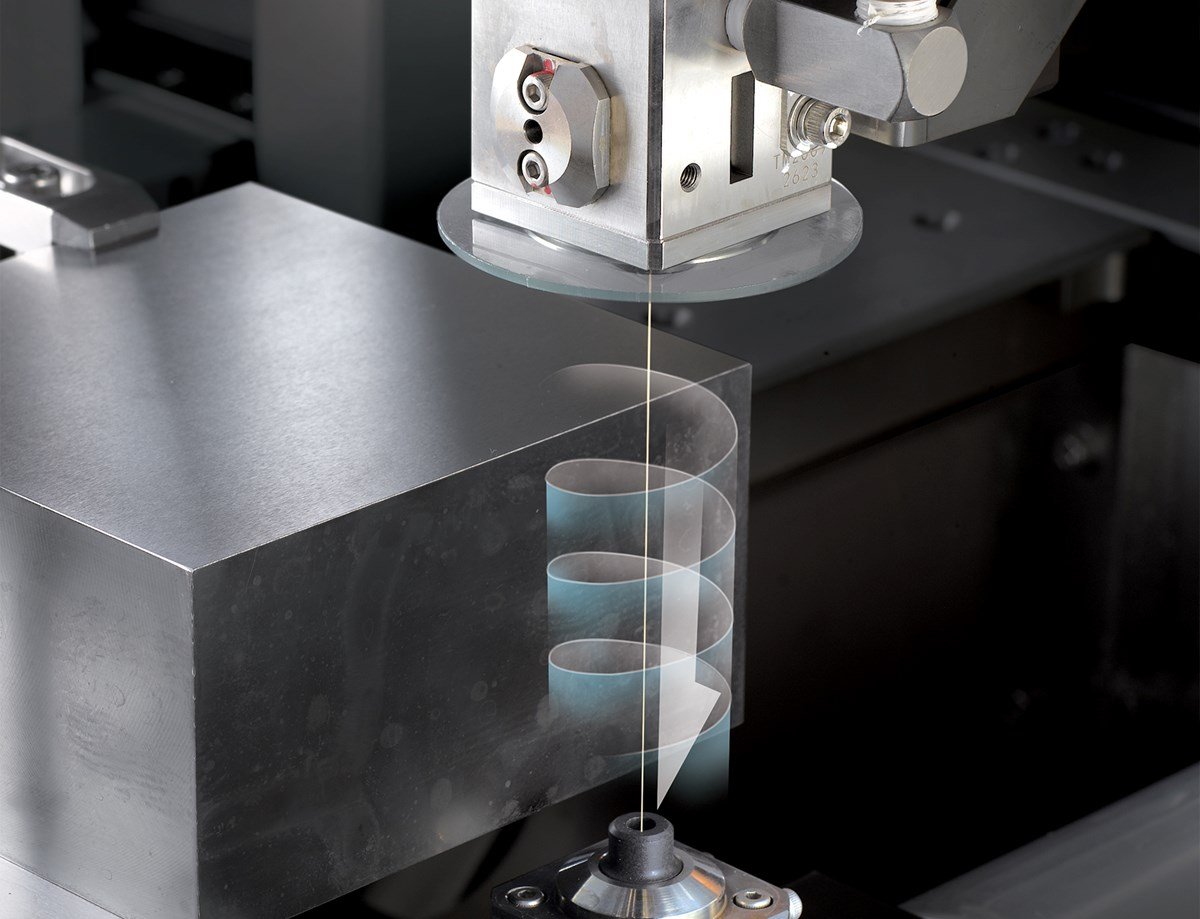
Sodick and Charmilles sinker EDM machines deliver +/-0.003 mm tolerance and mirror-grade surface finishes down to Ra 0.1 µm. Used for deep ribs, blind cavities, conformal cooling channels and intricate core details in plastic mold components and metal stamping dies.
Mirror Polishing
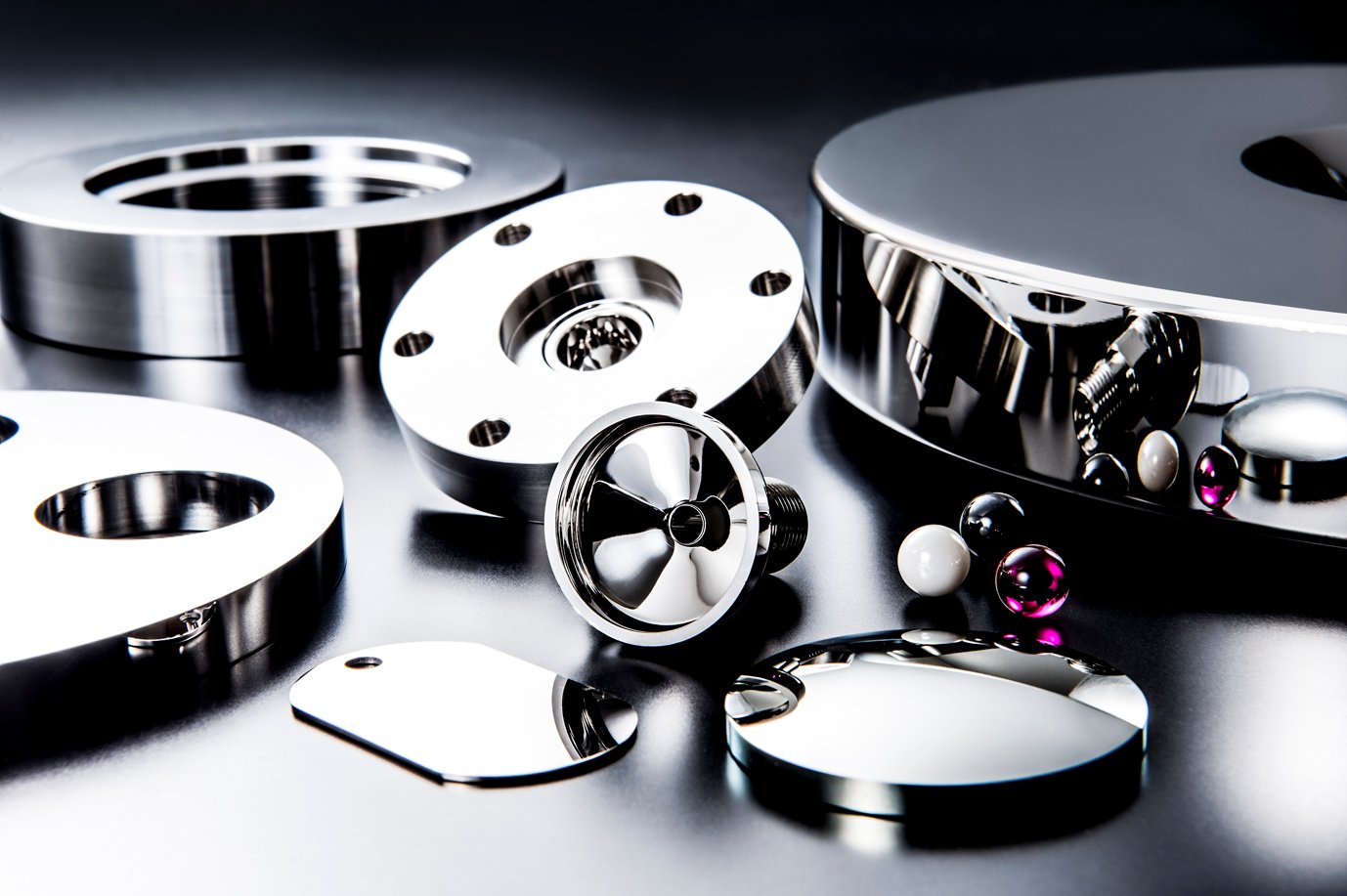
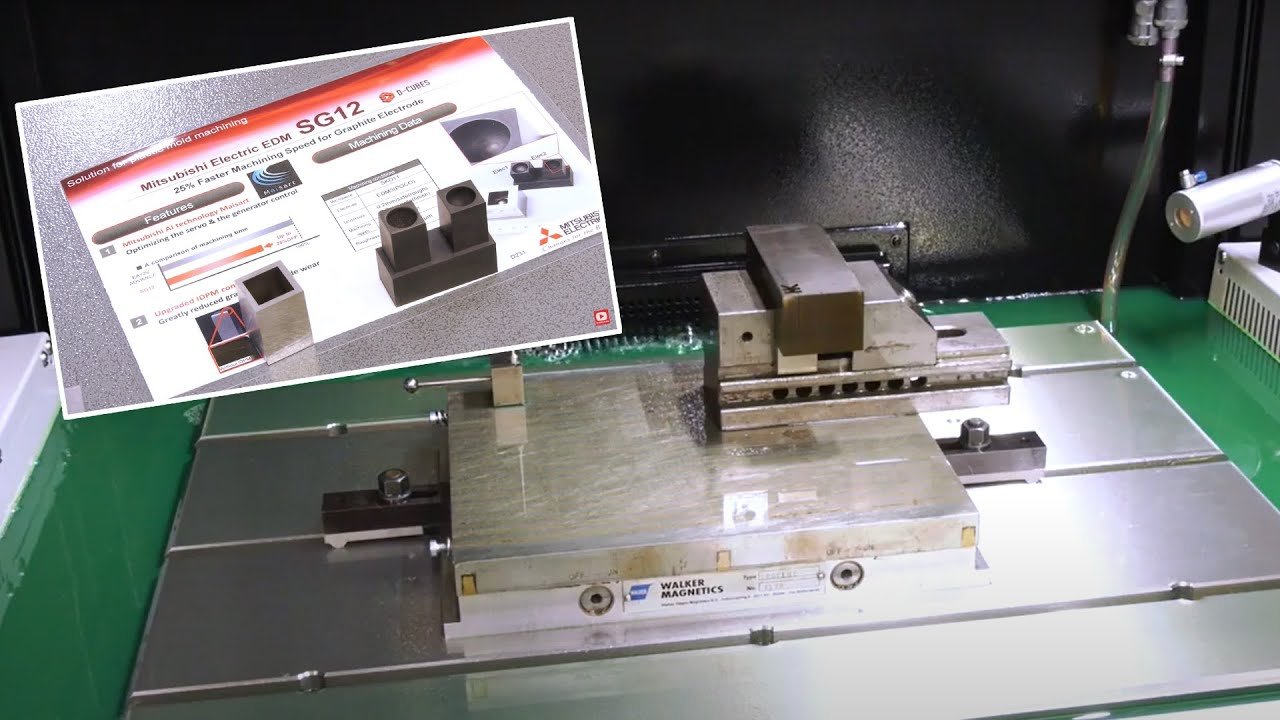
Mitsubishi mirror EDM and manual polishing techniques produce optical-grade surface finishes down to Ra 0.1 µm on cavity faces, micro-connector tooling and cosmetic-critical insert molded component surfaces. Verified by Nikon toolmaker’s microscopes to ensure zero micro-scratches.
CMM Metrology
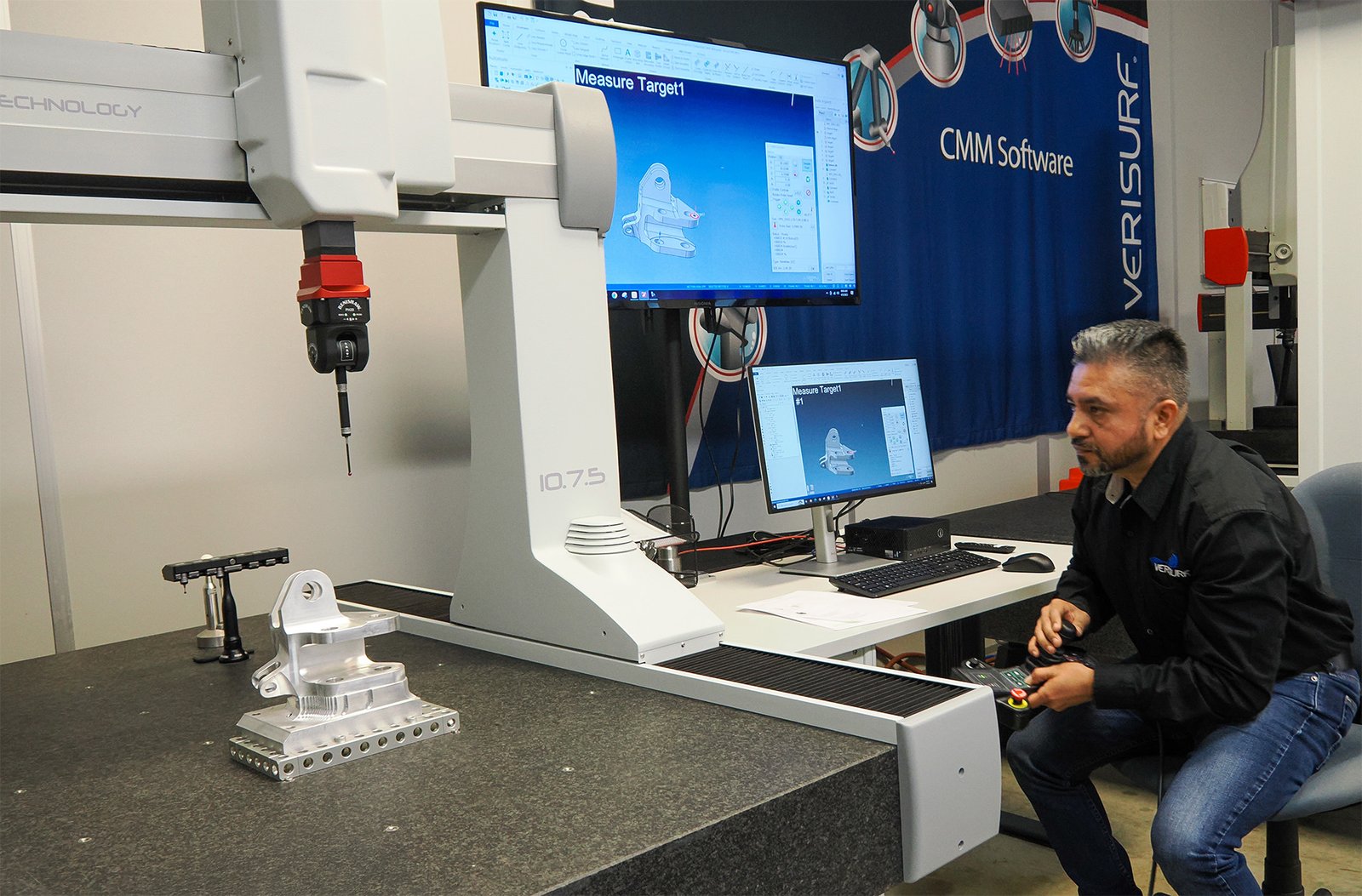
ZEISS MICURA coordinate measuring machine with 0.7 µm resolution validates every dimension, form tolerance and surface profile. Every part ships with full FAI documentation, material certificates and traceable inspection reports — ISO 9001:2015 compliant.
Finishing & Assembly Options for Insert Molded Components Metal Stamping
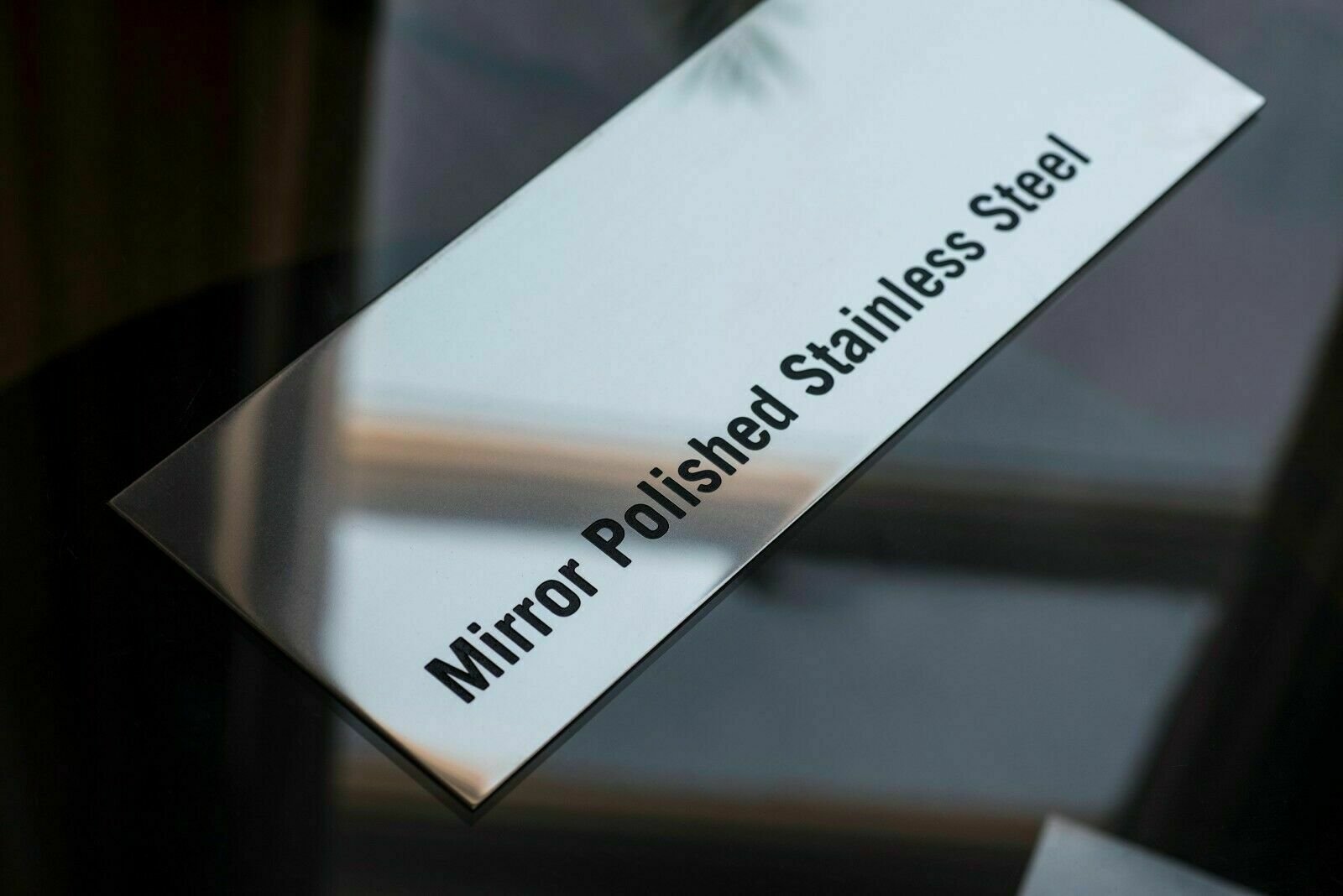
Mirror Polishing
Achieve Ra 0.1 µm mirror-grade surfaces on mold cores and inserts using precision hand-polishing and EDM finishing. Critical for optical-grade parts, micro-connector tooling and high-gloss consumer-electronics housings where surface defects compromise part quality and mold release.
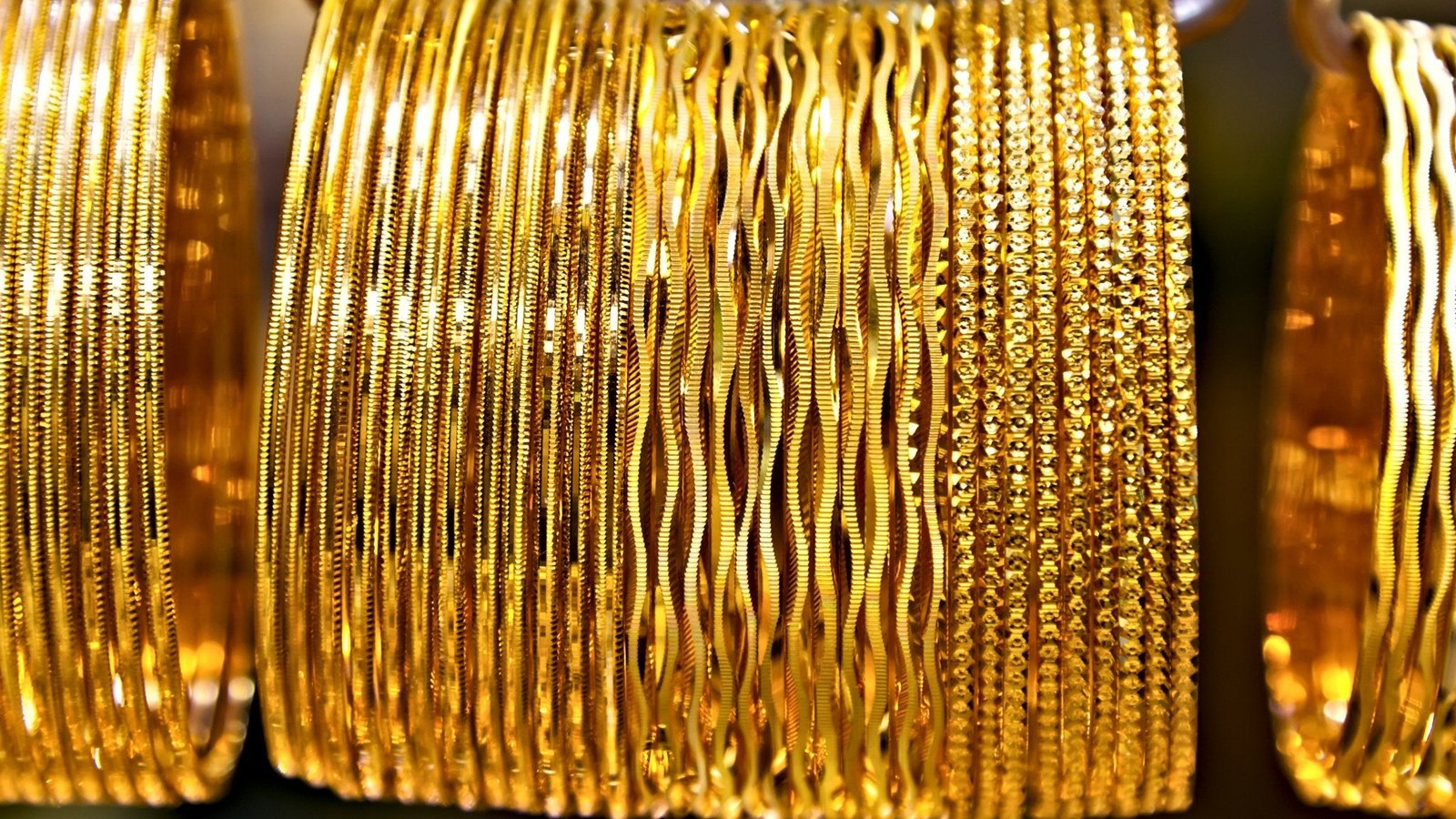
PVD & Coating
Extend tool life and reduce friction with titanium nitride (TiN), chromium nitride (CrN) and diamond-like carbon (DLC) coatings applied by certified partners. Ideal for high-wear insert molded components, metal stamping dies and micro-pin tooling in automotive and 5G applications.
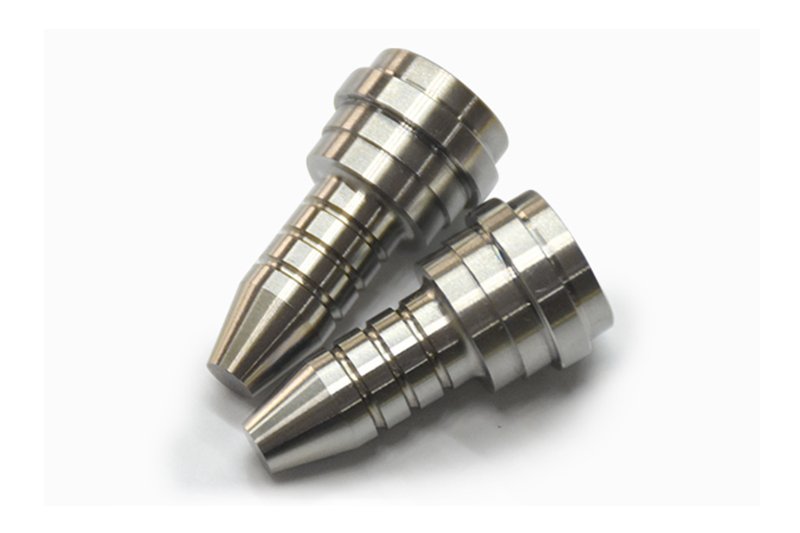
Heat Treatment
Precision hardening, tempering and stress-relief cycles calibrated to material certificates — achieving HRC 50–64 for tool steels. Essential for dimensional stability in high-cycle stamping dies, ejector pins and core inserts that demand micron-level repeatability under thermal and mechanical load.
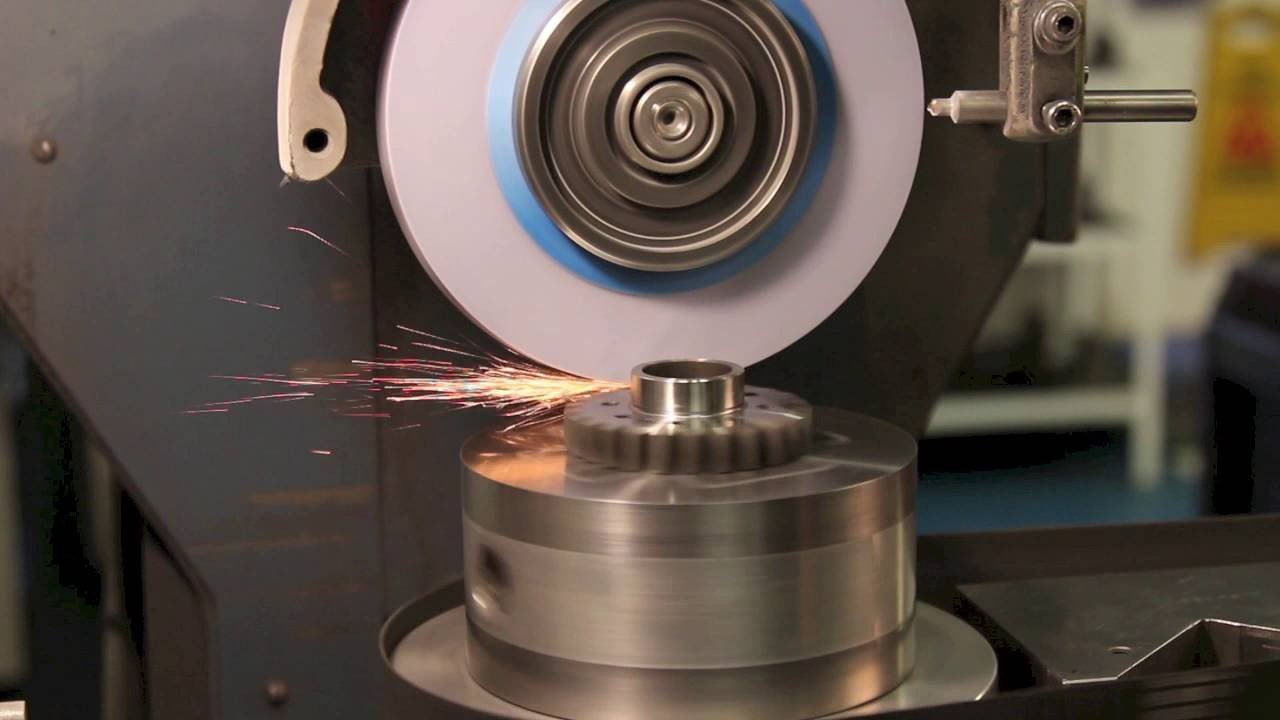

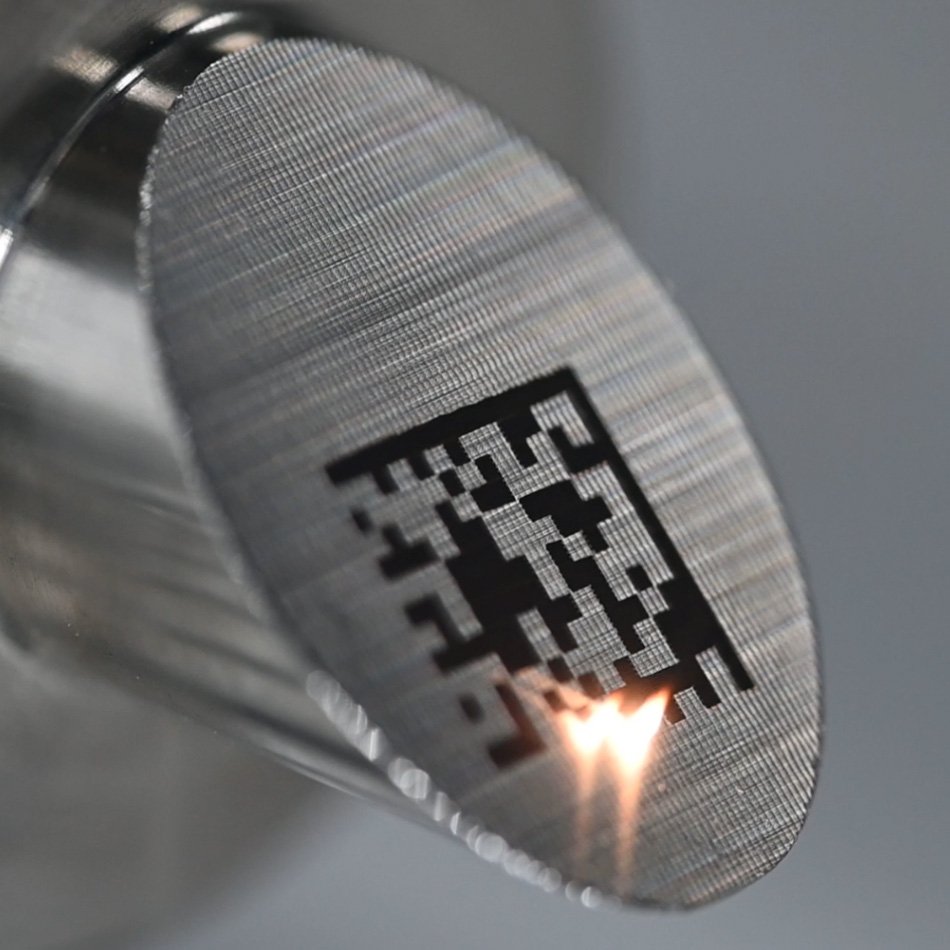
Laser Marking
Permanent, high-contrast part numbers, date codes and traceability marks applied via fiber laser without compromising dimensional integrity. Required for ISO-compliant tool management, serialized inventory control and audit trails in medical-device and automotive OEM supply chains.
About XUXIANG — 16 Years of Precision Manufacturing
Founded in 2010 in Dongguan’s Chang’an manufacturing hub, XUXIANG has grown from a specialist mold-core machining shop into a dual-factory precision manufacturing group serving electronics, 5G/telecom, automotive & NEV, industrial automation and medical-device customers worldwide. Today we bridge the gap between complex CAD designs and high-performance insert molded components metal stamping, delivering +/-0.001 mm machining accuracy and mirror-grade EDM finishes backed by ISO 9001:2015 quality systems.
Our 2,000 m² Dongguan facility houses R&D and micro-machining operations, while our 1,400 m² Quanzhou expansion—launched in 2025—adds volume production capacity, lifting annual output by a targeted 200 percent. Over CNY 8 million invested in Sodick slow-wire EDM, Mitsubishi mirror EDM, Fanuc CNC and ZEISS MICURA CMM metrology ensures every precision mold component, micro-connector tool and metal stamped part meets mission-critical tolerances.
What sets XUXIANG apart is micron-stable precision combined with dependable delivery. A team of 10+ engineering experts provides DFM feedback before production; every project undergoes five-step QC validation—material spectral analysis, in-process monitoring, ZEISS/Nikon CMM verification, surface-integrity checks and full FAI documentation. We return quotes in 24 hours and deliver samples in 3–7 days, roughly 30 percent faster than industry average.
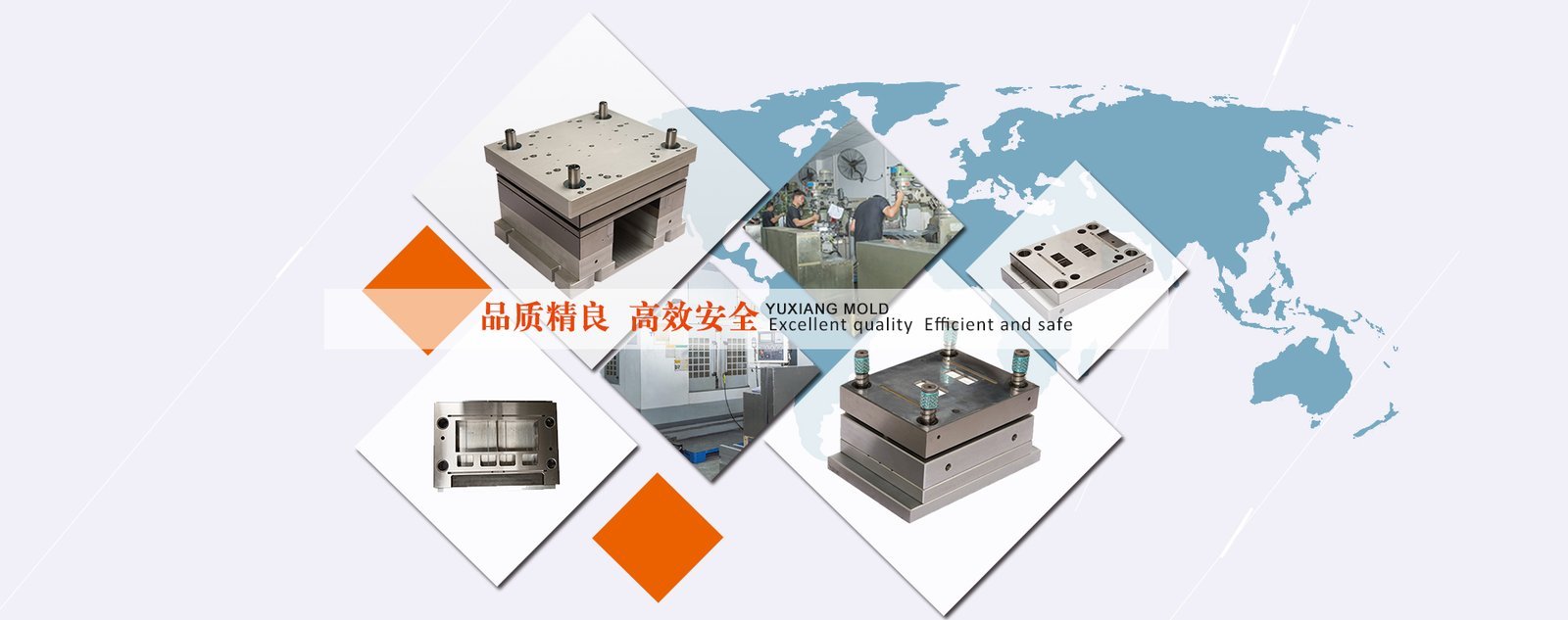
Core Capabilities Behind Insert Molded Components Metal Stamping
Mirror-Grade EDM for Complex Geometries
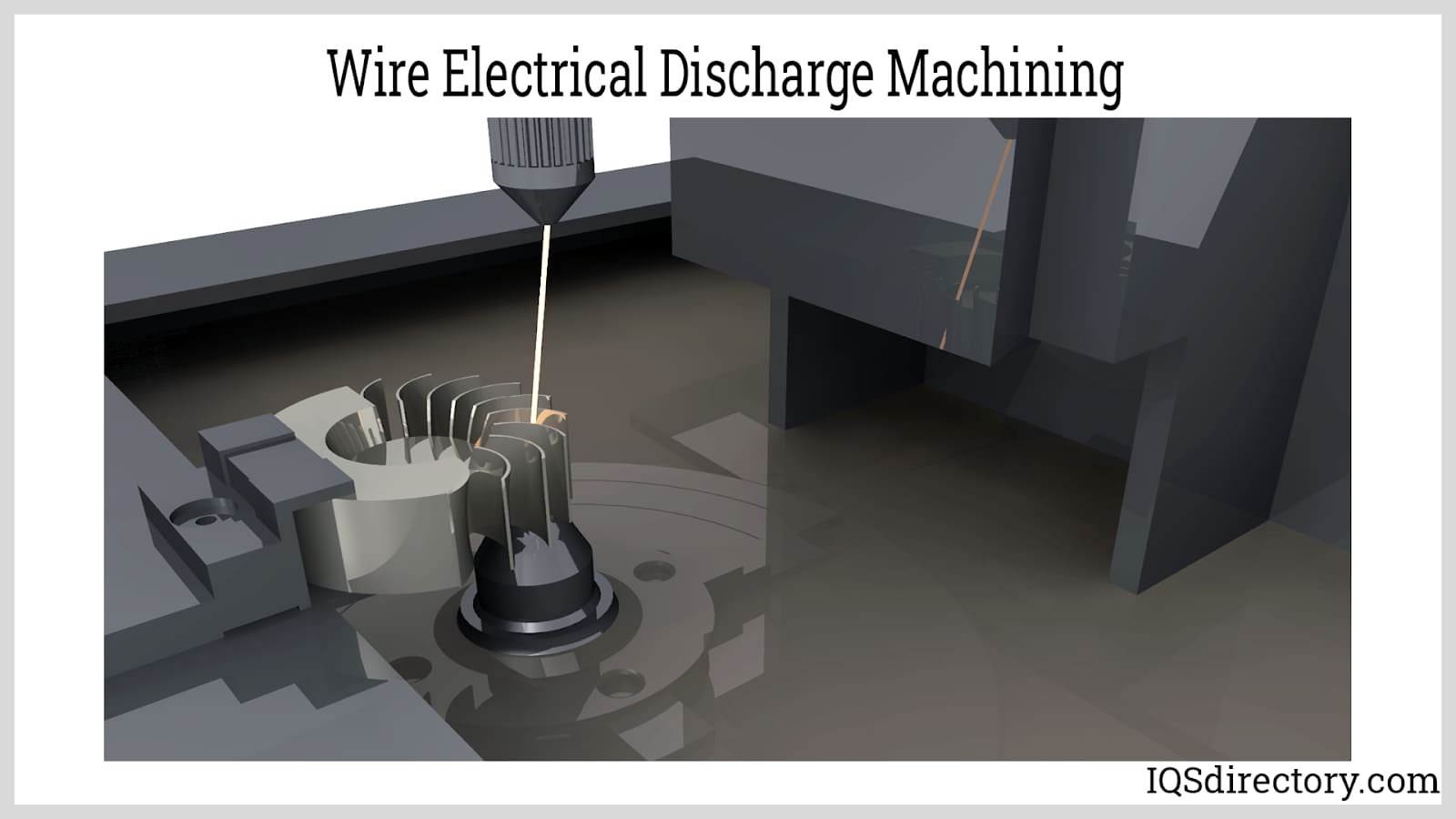
Sodick and Mitsubishi mirror EDM systems deliver Ra 0.1um surface finishes on insert molded components metal stamping tooling, eliminating secondary polishing and ensuring dimensional stability across high-volume production cycles.
- Sodick & Seibu slow-wire EDM: +/-0.002 mm positioning accuracy
- Mitsubishi mirror EDM: Ra 0.1um surface finish, no hand polishing required
- Corner radii down to R ≤ 0.015 mm for micro-connector and terminal tooling
- Sinker EDM tolerance: +/-0.003 mm on complex 3D cavity profiles
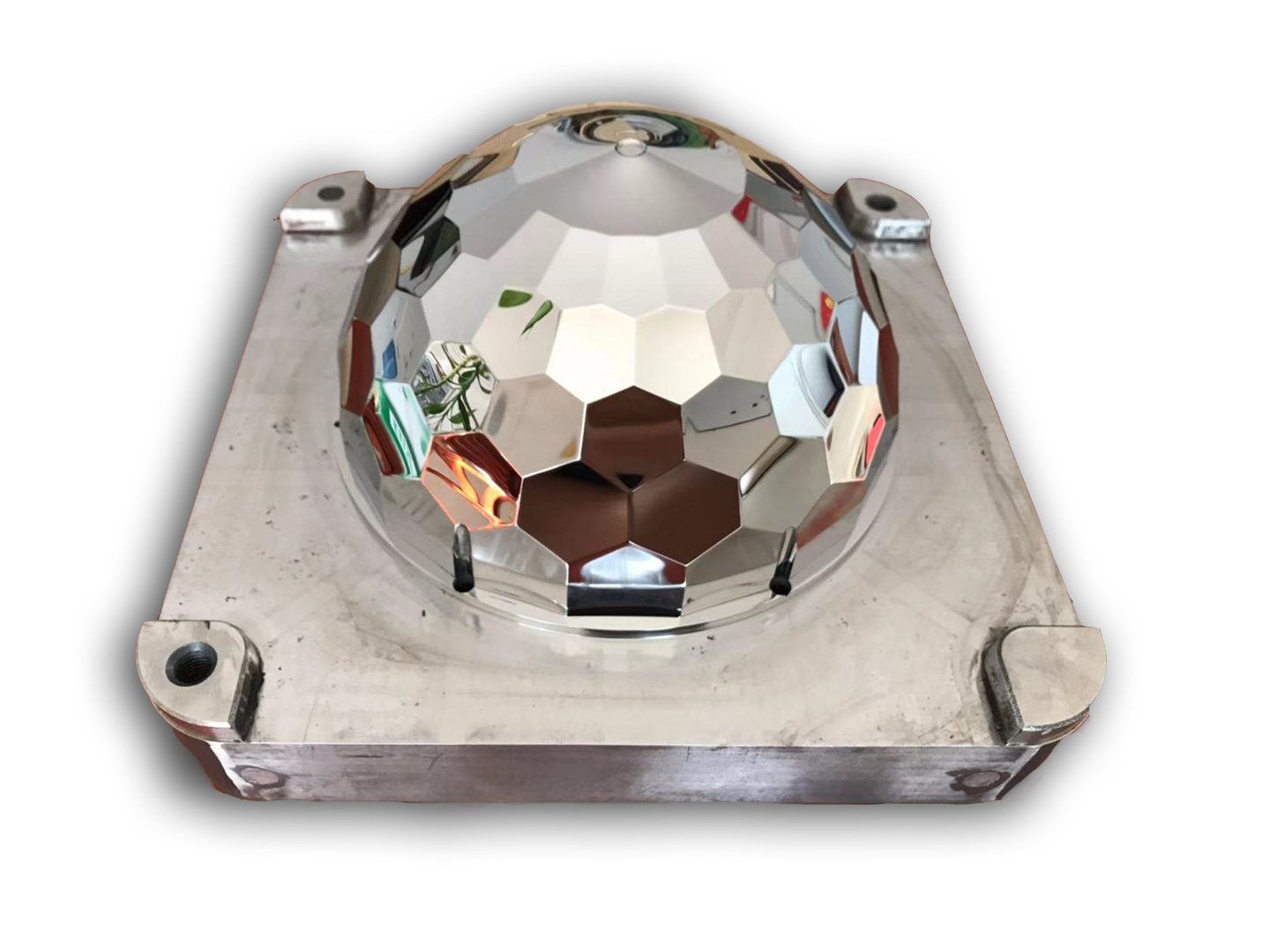
ZEISS CMM Metrology & Validation
Every insert molded component and stamping tool undergoes ZEISS MICURA CMM inspection at 0.7um resolution, backed by Nikon toolmaker’s microscopes, ensuring FAI documentation meets aerospace-grade traceability standards for OEM buyers.
- ZEISS MICURA CMM: 0.7um measurement resolution, full 3D GD&T verification
- Nikon V-12B / MM-400 toolmaker's microscopes for edge and surface validation
- Five-step QC: material spectral analysis, in-process monitoring, CMM, surface integrity, FAI
- Material certificates and dimensional reports included with every shipment

DFM Engineering for Tooling Optimization
Before machining begins, 10+ precision engineers review your CAD files for insert molded components metal stamping projects, identifying tolerance conflicts, draft angles, ejection risks and material flow—reducing prototype iterations and cutting lead times by 30%.
- DFM feedback within 24 hours of CAD upload—before quoting finalizes
- Expertise in multi-cavity inserts, lifters, sliders, conformal cooling channels
- Tolerance-stack analysis for micro-connector pins, terminal strips, sensor housings
- Recommended tool steel grades, heat treatment and surface-finish strategies
Dual-Factory Capacity & Rapid Turnaround
Dongguan’s 2,000 m² R&D hub and Quanzhou’s 1,400 m² volume-production facility combine to deliver 3–7 day samples and 15–25 day mass production for insert molded components metal stamping—roughly 30% faster than industry average.
- Dongguan: micro-machining, prototyping, EDM and CNC electrode fabrication
- Quanzhou (2025 expansion): +200% annual output, dedicated stamping and grinding lines
- 24-hour quote turnaround; engineering support in English, Japanese, Korean
- ISO 9001:2015 process control across both sites, unified ERP and quality tracking
XUXIANG vs. Typical Insert Molded Components Metal Stamping Suppliers
See how our micron-stable precision, verified quality systems and engineering-led processes deliver measurable advantages over standard mold-component suppliers.
← 左右滑动查看 →
Insert Molded Components Metal Stamping Manufacturing Process
Six disciplined phases ensure every precision mold component and metal-stamped insert meets +/-0.001 mm tolerance, backed by ZEISS CMM validation and full FAI documentation.
Design Review & DFM
10+ engineering experts analyze CAD files for manufacturability, identifying tolerance risks, draft angles, ejection conflicts and tooling optimizations before machining begins.
Material Prep & Programming
Spectral analysis verifies alloy composition; CNC and EDM toolpaths are generated with micron-level compensation for thermal expansion and electrode wear.
CNC & EDM Machining
Sodick slow-wire EDM, Mitsubishi mirror EDM and Fanuc CNC centers execute multi-axis operations, holding +/-0.002 mm positioning and Ra 0.1um mirror finishes.
In-Process QC & Monitoring
Real-time dimensional checks at each operation stage catch deviations early; Nikon toolmaker’s microscopes verify corner radii, surface integrity and micro-feature geometry.
ZEISS CMM Validation
ZEISS MICURA CMM measures critical dimensions to 0.7um resolution; full GD&T verification ensures insert molded components metal stamping parts meet print specifications.
FAI & Secure Shipping
First Article Inspection reports, material certificates and dimensional data accompany every shipment; parts are packaged in anti-corrosion film and shock-resistant foam.
How to Order Insert Molded Components Metal Stamping from XUXIANG
From CAD submission to delivery with full FAI documentation, every step is engineered for speed, clarity and precision. Most quotes returned within 24 hours.
Submit CAD & Technical Requirements
Upload 2D/3D drawings, material specs and tolerance requirements via our online form or email. Include quantity, finish and delivery timeline for accurate quoting.
Receive Quote & DFM Feedback
Within 24 hours, our engineering team returns a detailed quote plus DFM recommendations from 10+ precision-mold experts to optimize manufacturability and cost.
Approve Samples in 3–7 Days
First articles are machined to +/-0.001 mm tolerance, validated on ZEISS MICURA CMM and shipped with dimensional reports and material certificates for your approval.
Begin Mass Production (15–25 Days)
After sample sign-off, production runs on Sodick EDM and Fanuc CNC under ISO 9001:2015 process control, with in-process tolerance monitoring at every stage.
Receive Parts with Full FAI
Every shipment includes FAI inspection reports, material certificates and CMM data. Delivery is approximately 30% faster than industry average, with full traceability.
Quality Certifications & Standards for Insert Molded Components Metal Stamping


Customer Success Stories: Insert Molded Components Metal Stamping
XUXIANG’s insert molded components metal stamping reduced our tolerance failures by 95% on automotive sensor housings. Their ZEISS CMM validation and FAI reports gave us the confidence to scale production immediately.
We cut lead time from six weeks to just two weeks without sacrificing precision. The +/-0.001 mm accuracy on our 5G connector tooling enabled the pin density we couldn’t achieve with our previous supplier.
Their dual-factory capacity and DFM support from day one eliminated three revision cycles on our medical-device insert molded components. Mirror EDM finish at Ra 0.1um met FDA documentation requirements perfectly.
FAQ: Insert Molded Components & Metal Stamping
What is the difference between insert molded components and metal stamping?
What are your minimum order quantities and lead times for insert molded components metal stamping tooling?
How much does sampling cost, and is it refundable?
What payment terms and shipping options do you offer?
How do you protect my intellectual property and design files?
How do you validate tolerances on insert molded components metal stamping parts?
Can you accommodate design changes mid-project?
Do you offer insert molded components metal stamping for high-volume automotive and 5G applications?
The Complete Buyer’s Guide to Insert Molded Components Metal Stamping
Navigate supplier selection with confidence. This guide delivers a proven decision framework, technical quality criteria, material specifications, and the five most costly mistakes procurement teams make when sourcing insert molded components metal stamping for precision tooling applications.
1. What Are Insert Molded Components Metal Stamping?
Insert molded components metal stamping is a hybrid manufacturing process that combines precision metal stamping with insert molding to create integrated electromechanical assemblies. Stamped metal inserts — pins, terminals, contacts, frames or shields — are first produced to micron-level tolerances, then positioned in injection-mold cavities before thermoplastic resin is injected around them, encapsulating the metal within a single molded part.
The process is widely deployed in micro-connectors for 5G and mobile devices, sensor housings for automotive ADAS and powertrain systems, medical-device electrical contacts, and industrial-automation terminal blocks. Typical insert geometries include board-to-board and FPC connector pins, BMS interconnect terminals, and high-density RF contact arrays.
Insert molded components metal stamping delivers three core advantages over post-molding assembly: dimensional stability within +/-0.002 mm through fixture-controlled insert placement, uninterrupted electrical conductivity via direct metal-to-resin bonding, and elimination of secondary press-fit or soldering operations, reducing total assembly labor by 40–60% in high-volume production.
2. Evolution and Industry Adoption of Insert Molded Components Metal Stamping
In the 1970s, insert molded components metal stamping relied on manual placement of stamped metal inserts into mold cavities, limiting throughput to fewer than 500 shots per shift and introducing variability that often exceeded +/-0.05 mm. By the late 1990s, progressive die stamping integrated directly with injection-molding cells, cutting cycle times by 40–60% and enabling automotive connectors and consumer-electronics housings to scale into the millions of units annually.
The 2010s brought Industry 4.0 vision inspection and robotic pick-and-place systems capable of sub-0.01 mm repeatability, essential for micro-stamping in 5G RF modules and board-to-board connectors with pin pitches below 0.4 mm. Automotive electrification further accelerated demand: NEV battery-management systems and ADAS sensor housings now routinely require +/-0.002 mm positional accuracy to ensure hermetic sealing and signal integrity.
XUXIANG has advanced this evolution by pairing Sodick slow-wire EDM and ZEISS MICURA CMM validation with automated insert-molding tooling, delivering high-volume production runs that hold micron-level tolerances across automotive, 5G and industrial-automation applications.
3. Types of Insert Molded Components Metal Stamping
Insert molded components metal stamping spans six functional categories, each defined by geometry, retention features and application-critical tolerances. Understanding which type fits your assembly determines material selection, mold-tool design and pull-out performance.
Terminal and Pin Inserts for Connectors
Stamped from phosphor bronze, beryllium copper or brass, these inserts feature barbs, knurls or undercuts to lock into plastic during overmolding. Tolerances typically run +/-0.02 mm on pitch and +/-0.01 mm on contact geometry. 5G, telecom and automotive harness connectors demand these inserts for signal integrity and vibration resistance.
Threaded Brass Inserts for Assembly
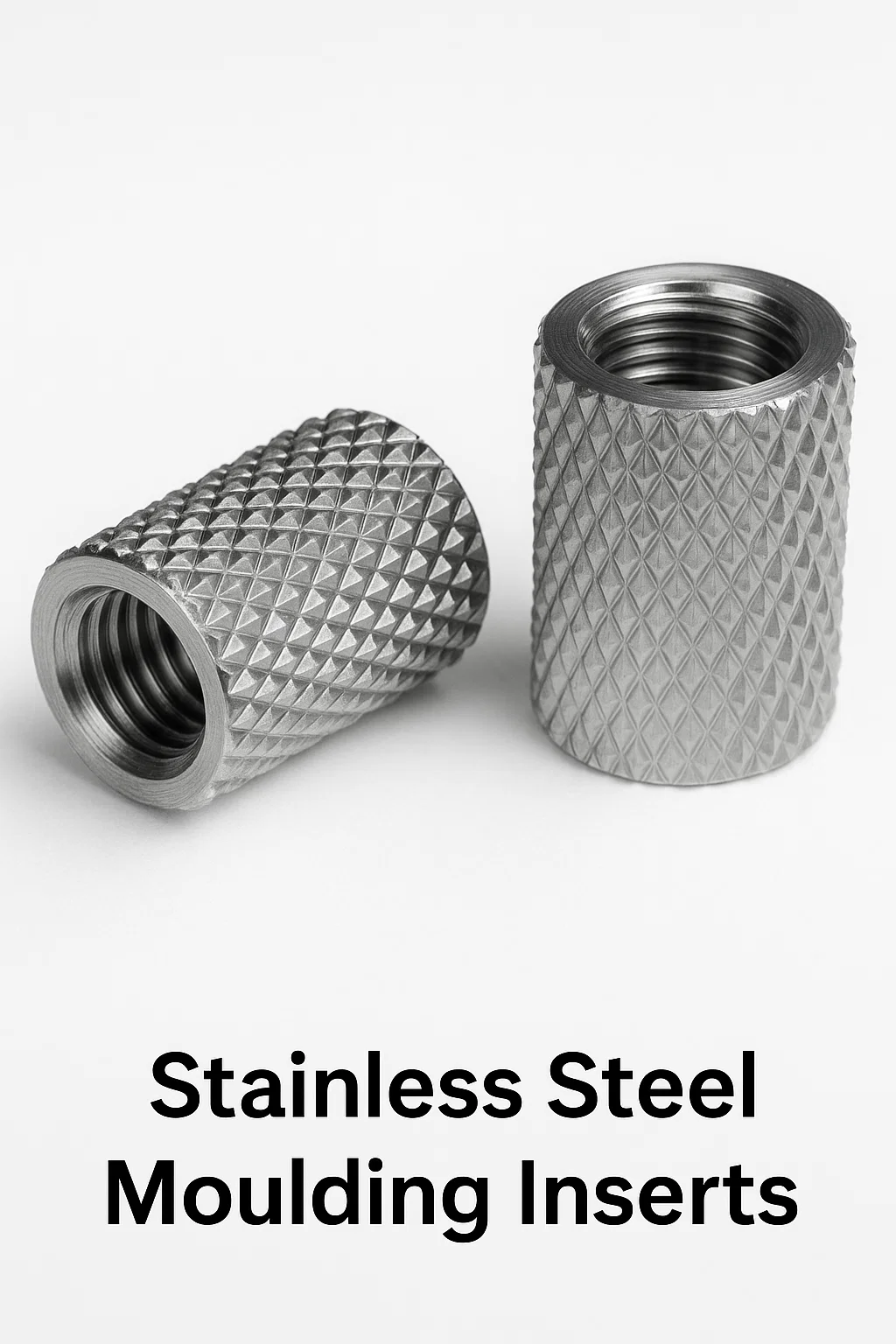
Knurled or diamond-pattern external surfaces provide rotational lock and axial pull-out resistance above 300 N in engineering resins. Common in consumer electronics housings, medical-device enclosures and industrial control panels where post-molding screw assembly is required.
Lead-Frame Stamping for IC Packages
Copper alloy frames with +/-0.005 mm lead pitch, electroplated with Ni/Pd/Au, enable high-density semiconductor encapsulation. Automotive ADAS sensors and power-management ICs rely on these for thermal dissipation and electrical routing.
Shielding Cans and EMI Frames
Stainless steel or nickel-silver stampings with spring fingers, typically +/-0.05 mm on bend radii, provide electromagnetic interference suppression. Used extensively in RF modules, 5G base stations and automotive radar units where signal isolation is mandatory.
Contact Springs and Clips
Beryllium copper or stainless-steel springs with controlled deflection force (5–50 gf) and cycle life above 10,000 insertions. Battery contacts, SIM-card holders and board-level interconnects depend on precise spring geometry and surface finish to ensure low contact resistance.
Sensor Brackets and Mounting Plates
Aluminum or steel stampings with locating pins, holes at +/-0.03 mm positional tolerance, and surface treatments for corrosion resistance. Automotive sensor housings, industrial-automation fixtures and medical-imaging mounts require these for stable, repeatable positioning under thermal and mechanical stress.
4. Materials for Insert Molded Components Metal Stamping
Stamping-alloy selection for insert molded components metal stamping balances electrical performance, mechanical spring temper, corrosion resistance and unit cost. Matching metal coefficient-of-thermal-expansion (CTE) to thermoplastic resin prevents warpage and ensures bond integrity across thermal cycling.
| Alloy | Conductivity (% IACS) | Hardness (HV) | Typical Plating | Compatible Resins | Best-Fit Applications |
|---|---|---|---|---|---|
| Phosphor Bronze (C5191) | 15–18 | 120–180 | Tin, Nickel | LCP, PBT, PA66 | Spring contacts, RF shields |
| Beryllium Copper (C17200) | 18–22 | 320–400 | Gold, Nickel | LCP, PPS | High-cycle connectors, 5G terminals |
| Stainless 301/304 | 2–3 | 150–200 | Nickel, Passivation | PA66, PPS | Automotive sensors, medical housings |
| Brass C260/C360 | 27–28 | 80–120 | Tin, Gold | PBT, PA66 | Low-cost consumer terminals |
| Nickel-Silver (C7521) | 6–8 | 100–140 | Nickel, Gold | LCP, PBT | EMI shielding, precision contacts |
5. Customization and Surface-Finish Options for Insert Molded Components Metal Stamping
Customization begins at the stamping die: progressive-die layout, carrier-strip design and pilot-hole indexing determine automation speed, scrap rate and final part accuracy. Surface finishes and overmolding variations then define electrical performance, environmental compliance and assembly compatibility.
Progressive-Die and Carrier-Strip Design
Progressive dies arrange blanking, forming and piercing operations in sequential stations; carrier-strip width, pitch and pilot-hole spacing govern feed accuracy and press speed. XUXIANG specifies pilot diameters ≥ 2.0 mm and pitch tolerances of ±0.01 mm to maintain indexing stability above 300 strokes per minute, reducing positional drift and enabling lights-out production.
Selective Plating and Passivation
Contact zones receive 0.76–1.27 µm gold flash (per ASTM B488) to hold contact resistance below 20 mΩ; solder tails are tin-plated to J-STD-003 for reflow compatibility. Stainless inserts undergo citric-acid passivation (ASTM A967) to meet RoHS and REACH without hexavalent chromium, and laser marking adds date codes or 2D matrix codes for full traceability.
Overmolding Variations
Partial encapsulation leaves contact fingers exposed; co-molding with thermoplastic elastomer (TPE shore A 40–80) seals against IP67 ingress. Two-shot molding bonds rigid nylon housings to soft TPE gaskets in a single cycle, eliminating secondary assembly and improving dimensional repeatability to ±0.05 mm across the parting line.
6. Key Quality and Precision Elements in Insert Molded Components Metal Stamping
Quality in insert molded components metal stamping hinges on stamping precision, insert placement and post-molding stability. Buyers must verify flatness and burr control ≤0.02 mm, positional accuracy ±0.05 mm, and pull-out force per ASTM D4703.
Stamping Flatness and Burr Control
Flatness tolerance ≤0.02 mm ensures proper seating in the mold cavity and prevents resin flash. Burrs must be held to the same threshold to avoid interference fits and assembly defects.
XUXIANG’s precision grinding centers and Nikon toolmaker’s microscopes (V-12B / MM-400 class) validate edge sharpness and flatness before insert loading, reducing reject rates in high-volume runs.
Insert Positional Accuracy and Pull-Out Force
Insert positional accuracy ±0.05 mm in the mold determines connector pin alignment and mechanical retention. Vision systems verify presence and orientation before resin injection.
Pull-out force testing per ASTM D4703 quantifies bond strength; typical automotive connectors require ≥50 N. XUXIANG’s five-step QC includes first-article CMM validation on ZEISS MICURA (0.7 µm resolution) and SPC tracking across production lots.
Tool Wear, Resin Shrinkage and Gate Location
Tool wear shifts stamping dimensions over time; periodic EDM re-finishing maintains ±0.003 mm EDM tolerance. Resin shrinkage (0.3–0.8% for engineering plastics) and gate location directly affect final insert position and warpage.
DFM feedback from XUXIANG’s 10+ engineering experts optimizes gate placement and cooling channels, stabilizing dimensional repeatability and minimizing post-molding drift.
7. How to Choose a Manufacturer for Insert Molded Components Metal Stamping
Selecting a supplier for insert molded components metal stamping requires evaluating both process integration and sector-specific credentials. Six criteria separate capable shops from those that introduce risk.
Verify Co-Located Stamping and Molding
Manufacturers with in-house stamping presses, progressive-die tooling and injection-molding machines eliminate handoff delays and quality escapes at process boundaries. XUXIANG operates stamping, molding and precision machining under one roof in Chang’an and Quanzhou, cutting typical lead times by roughly 30 percent.
Request Tool-Design Portfolios
Ask for CAD models or photographs of progressive dies and insert-molding molds the shop has built. Look for multi-station dies, tight stack-height control and evidence of insert-locating features in mold cavities.
Confirm Industry Certifications
ISO 9001 is baseline; IATF 16949 is mandatory for automotive and NEV projects, ISO 13485 for medical devices. Verify current certificates and audit dates to ensure compliance continuity.
Assess Automation and Inspection
Robotic insert-loading cells and vision-inspection systems reduce cycle time and reject rates. Check whether the supplier uses CMM validation—XUXIANG deploys a ZEISS MICURA measuring to 0.7 µm—rather than manual gauging alone.
8. Common Mistakes Buyers Make When Sourcing Insert Molded Components Metal Stamping
Even experienced procurement teams make critical errors when sourcing insert molded components metal stamping that cascade into field failures and program delays. Most mistakes stem from underestimating the interdependence of stamping precision, molding process control and material science.
Splitting Stamping and Molding Across Vendors
Sourcing stamped inserts from one supplier and injection molding from another introduces tolerance stack-up that often exceeds +/-0.05 mm, causing assembly interference or loose fits. XUXIANG’s integrated stamping-and-molding workflow holds combined tolerances to +/-0.002 mm because both processes share a single CMM validation loop.
Preventive step: specify a single-source manufacturer with in-house stamping, molding and metrology to eliminate handoff drift and accountability gaps.
Ignoring CTE Mismatch Between Metal and Resin
Coefficient of thermal expansion differences between brass (18 ppm/°C) and PA66 (80 ppm/°C) generate internal stress during cooling, leading to warpage or micro-cracking at the interface. Buyers who skip thermal-cycle simulation risk part rejection after reflow soldering at 260°C.
Preventive step: request DFM analysis that models CTE mismatch and specifies resin grades with glass-fiber reinforcement to reduce differential expansion below 30 ppm/°C.
Under-Specifying Insert Retention Features
Omitting knurls, undercuts or anchor dimples on stamped inserts results in pull-out forces below 50 N — inadequate for connectors subjected to mating cycles. XUXIANG designs retention features with 0.015 mm knurl pitch and validates pull-out strength to 150 N minimum via destructive testing.
Preventive step: define retention-force requirements in the RFQ and require sample destructive pull-tests with documented load-displacement curves before tooling release.
Overlooking Plating Compatibility with Reflow Profiles
Tin-plated inserts can form intermetallic compounds during 260°C reflow, causing solder-joint embrittlement. Nickel-palladium-gold plating adds cost but survives six reflow cycles without degradation.
Preventive step: specify plating thickness (e.g., 1.27 µm Ni / 0.05 µm Pd / 0.025 µm Au) and request reflow-compatibility certification aligned to J-STD-020 thermal profiles.
Failing to Lock Tooling Ownership and IP Rights
Ambiguous contracts leave tooling ownership disputed, blocking second-source strategies and exposing proprietary geometries. XUXIANG provides explicit tooling-ownership clauses and segregated storage for customer-owned molds.
Preventive step: insert a tooling-ownership clause that grants you title upon final payment, includes annual maintenance terms and prohibits use of your designs for third parties without written consent.
9. Pricing and Cost Drivers for Insert Molded Components Metal Stamping
Tooling NRE typically accounts for 40–60% of total program cost below 10,000 units: a progressive stamping die ranges from USD 3,000–15,000 depending on station count and cavity layout, while the insert-molding mold adds USD 5,000–25,000 for multi-cavity configurations. XUXIANG’s dual-factory capacity amortizes these investments faster, delivering break-even volumes roughly 30% lower than single-process suppliers.
Material cost splits between metal alloy (brass, phosphor bronze or stainless at USD 8–22/kg) and engineering resin (LCP, PPA or PA66 at USD 4–12/kg). Cycle time — dominated by insert loading and cooling — directly impacts labor allocation: manual placement averages 8–12 seconds per insert, whereas pick-and-place automation drops to 2–4 seconds, cutting per-unit cost by 15–25% above 50,000 pieces.
Plating and secondary finishing (gold flash, nickel barrier, selective laser marking) add USD 0.02–0.15 per part. Design complexity — cavity count, insert geometry and plating masks — can shift unit economics by 20–40%, making total landed cost the only reliable comparison metric across quotes.
| Quantity Tier | Tooling NRE (USD) | Unit Price (USD) | Lead Time (weeks) | Break-Even Volume |
|---|---|---|---|---|
| 1,000 pcs | 8,000–18,000 | 1.80–3.50 | 6–8 | ~5,000 |
| 10,000 pcs | 10,000–22,000 | 0.65–1.40 | 5–7 | ~15,000 |
| 100,000 pcs | 12,000–28,000 | 0.28–0.75 | 4–6 | ~25,000 |
10. Steps to Launch Your Insert Molded Components Metal Stamping Project
Launching an insert molded components metal stamping program requires structured collaboration between buyer and supplier. XUXIANG’s 10+ engineering experts guide customers through five distinct stages to compress risk and accelerate time to market.
Concept and Feasibility
Share 3D CAD (STEP or IGES), tolerance call-outs, material preferences (copper alloy grade, resin family) and annual volume forecast. XUXIANG returns a 24-hour quotation with preliminary feasibility notes, flagging any geometric or tooling constraints early.
DFM Review
Engineering optimizes insert geometry for stamping yield, recommends gate location to minimize weld lines, and refines carrier-strip layout for automated pick-and-place. Typical cycle: 2–3 business days with marked-up drawings.
Tooling Kickoff
Approve stamping-die and injection-mold designs, lock material specifications and set milestone dates. XUXIANG assigns a dedicated project manager and initiates electrode fabrication on Sodick CNC and slow-wire EDM assets.
T1 Sampling and Validation
First articles undergo ZEISS CMM dimensional reporting (±0.001 mm), pull-out testing per IEC or automotive standards, and cross-section metallography. Design iterations close out within one revision cycle in most cases.
Production Ramp and Continuous Improvement
SPC monitoring tracks Cpk ≥ 1.67 on critical dimensions; quarterly business reviews benchmark yield, cycle time and cost-reduction opportunities. ISO 9001:2015 ensures traceability and corrective-action discipline across every batch.
Ready to Source Insert Molded Components Metal Stamping?
Get your quote in 24 hours with full DFM feedback from 10+ precision engineers. ISO 9001:2015 certified, +/-0.001 mm tolerance guaranteed.