
Wire EDM Precision Machining — Micron-Stable Mold Components & Metal Parts
Sodick slow-wire EDM delivers +/-0.001 mm tolerance and Ra 0.1um mirror finishes on precision mold cores, micro-connector tooling and CNC metal parts — ISO 9001:2015 certified, quotes in 24 hours.
Featured Precision Components
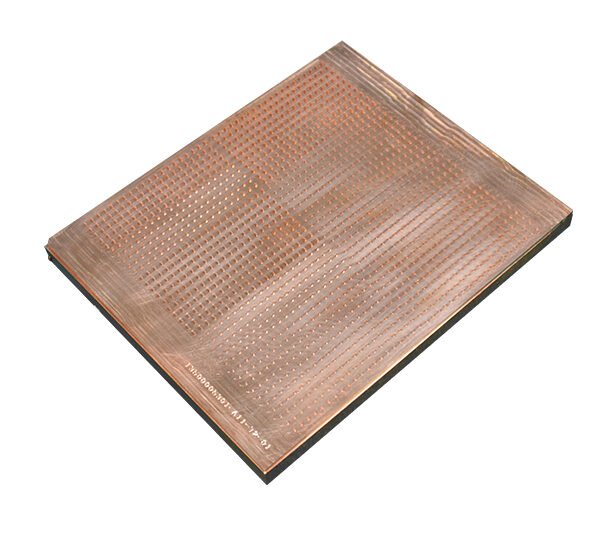
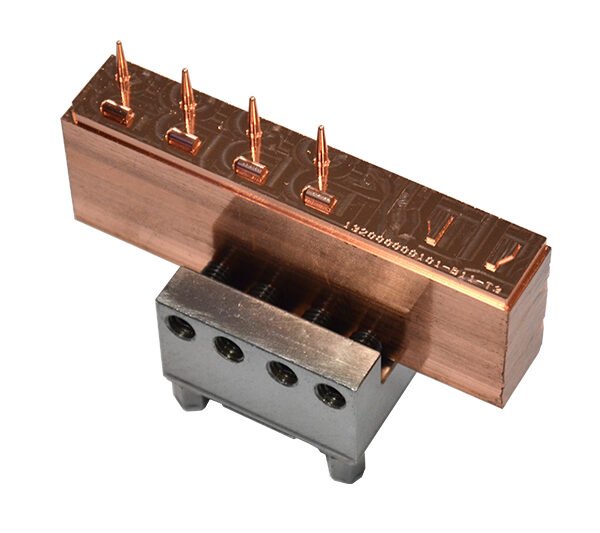
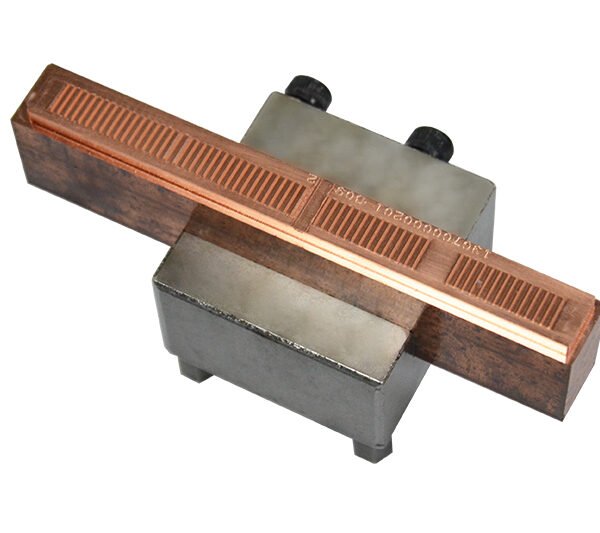
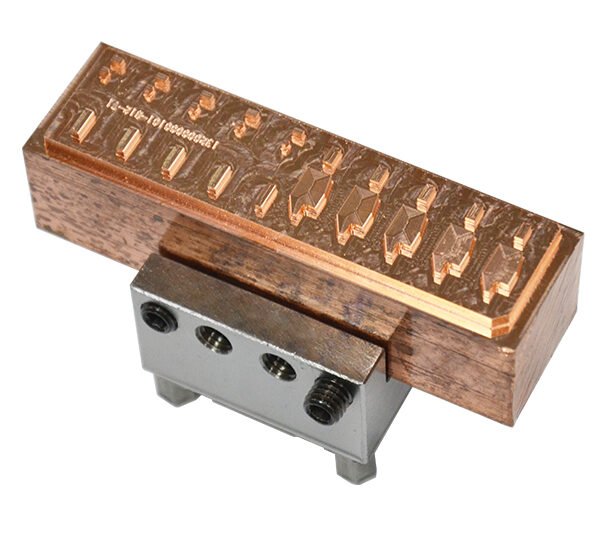
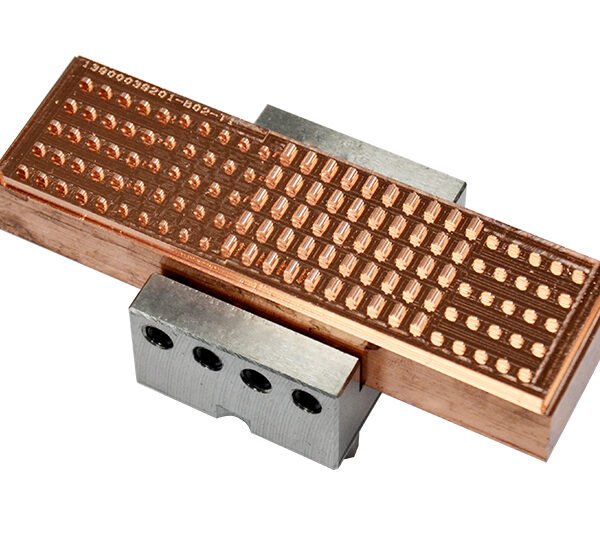
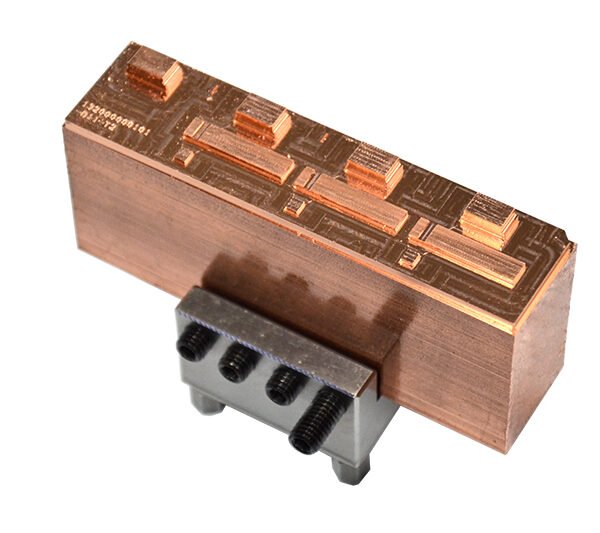
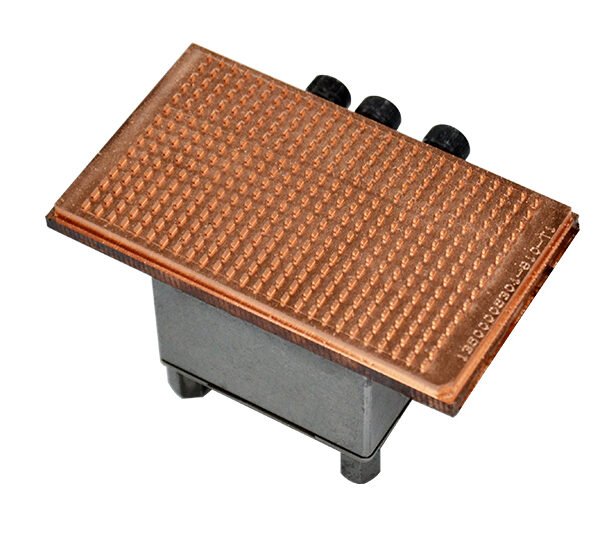
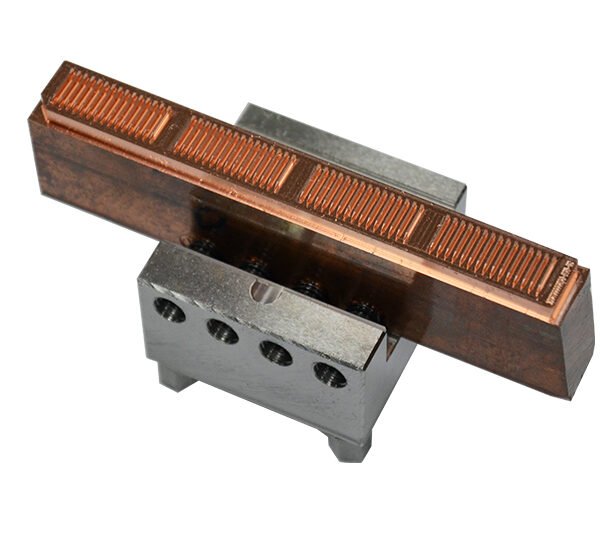
Wire EDM & Precision Machining Gallery
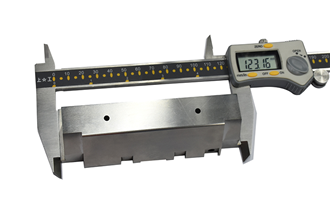
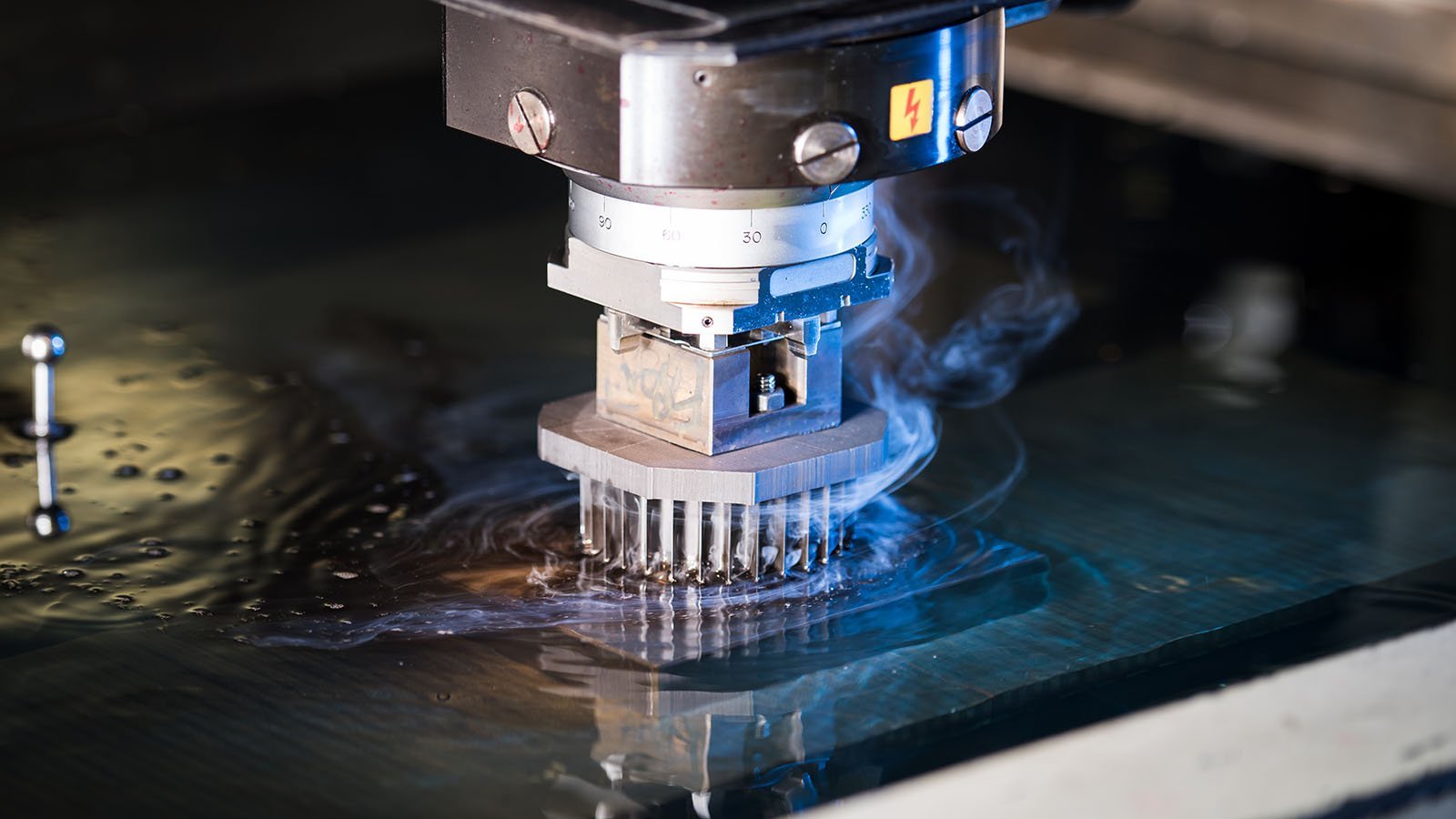
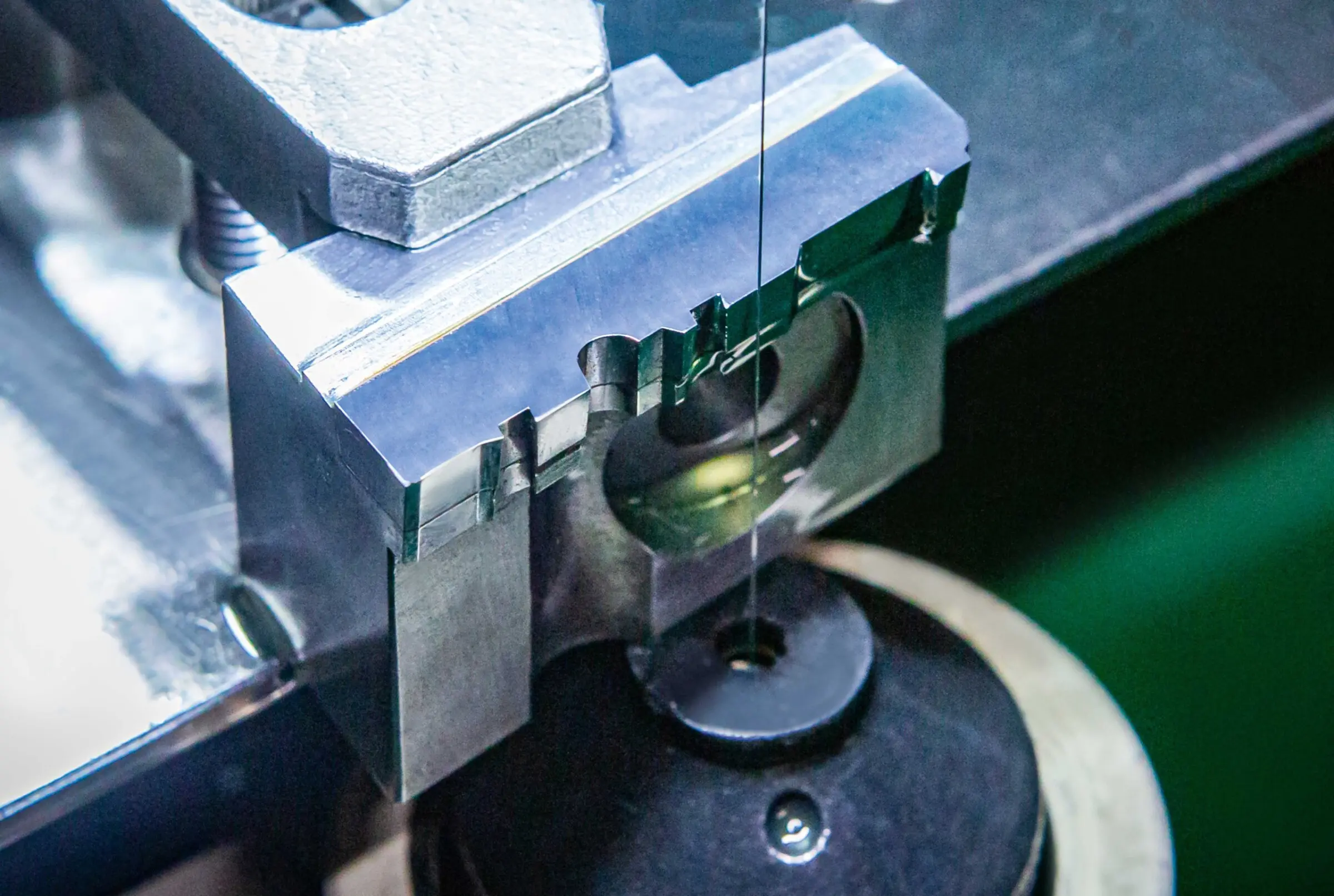
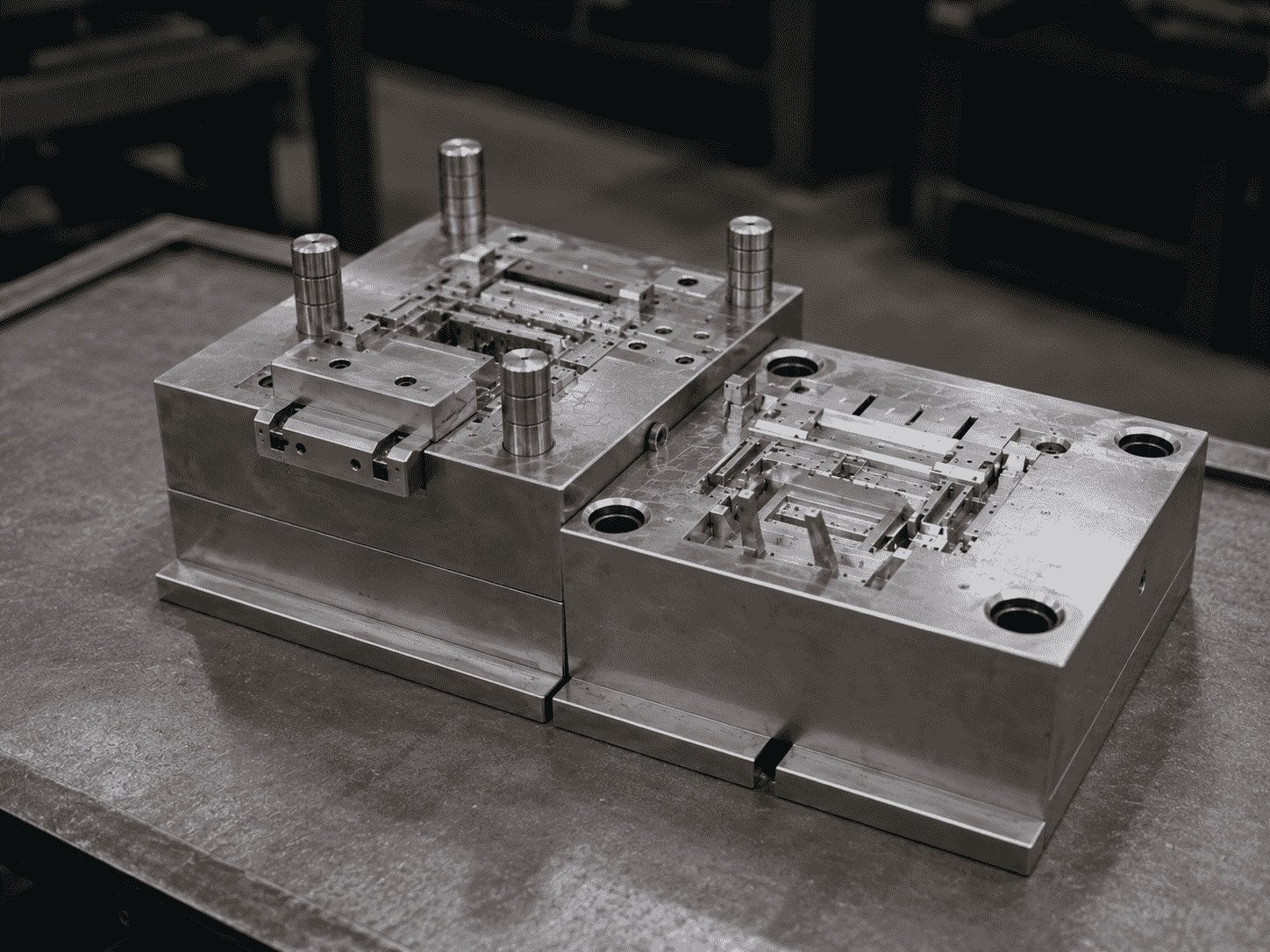
Why Wire EDM Precision Matters
Micron-Stable Wire EDM Tolerance
Hold +/-0.001 mm machining accuracy on every part with Sodick and Seibu slow-wire EDM systems, backed by ZEISS MICURA CMM validation.
Mirror-Grade EDM Surface Finish
Achieve Ra 0.1 µm mirror finishes with Mitsubishi mirror EDM—eliminating secondary polishing and accelerating time to production tooling.
3–7 Day Sample Turnaround
Rapid wire EDM prototyping with dual-factory capacity: Dongguan for micro-precision R&D, Quanzhou for volume runs—quotes returned in 24 hours.
DFM Engineering Support Included
Every wire EDM design receives manufacturability review from 10+ precision engineers before cutting, preventing costly tolerance failures and rework cycles.
Dual-Factory Production Capacity
2025 Quanzhou expansion adds 1,400 m² and boosts annual output by 200%, ensuring scalable wire EDM production without lead-time compromise.
Full FAI & Material Traceability
ISO 9001:2015 five-step QC flow delivers complete First Article Inspection reports and material certificates with every wire EDM shipment.
Precision Mold Components & Tooling Services
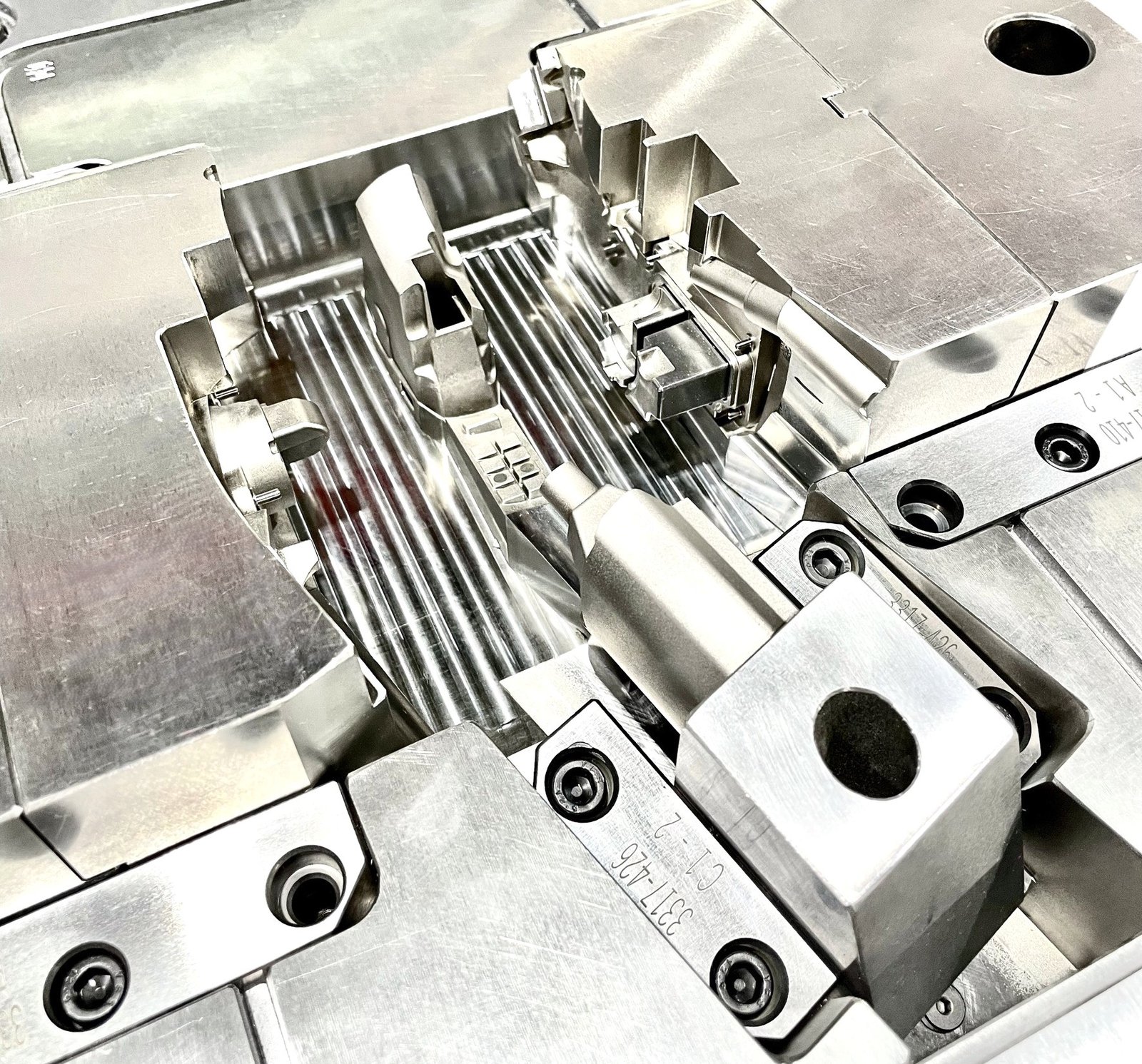
Precision Mold Inserts
Multi-cavity inserts, core blocks and lifters machined to +/-0.001 mm on Sodick slow-wire EDM and Fanuc CNC, with mirror-grade Ra 0.1um finishes. ZEISS MICURA CMM validation, DFM support and full FAI documentation. Designed for high-volume injection molding in electronics, automotive and consumer applications where tolerance failure is not an option.
Get a Quote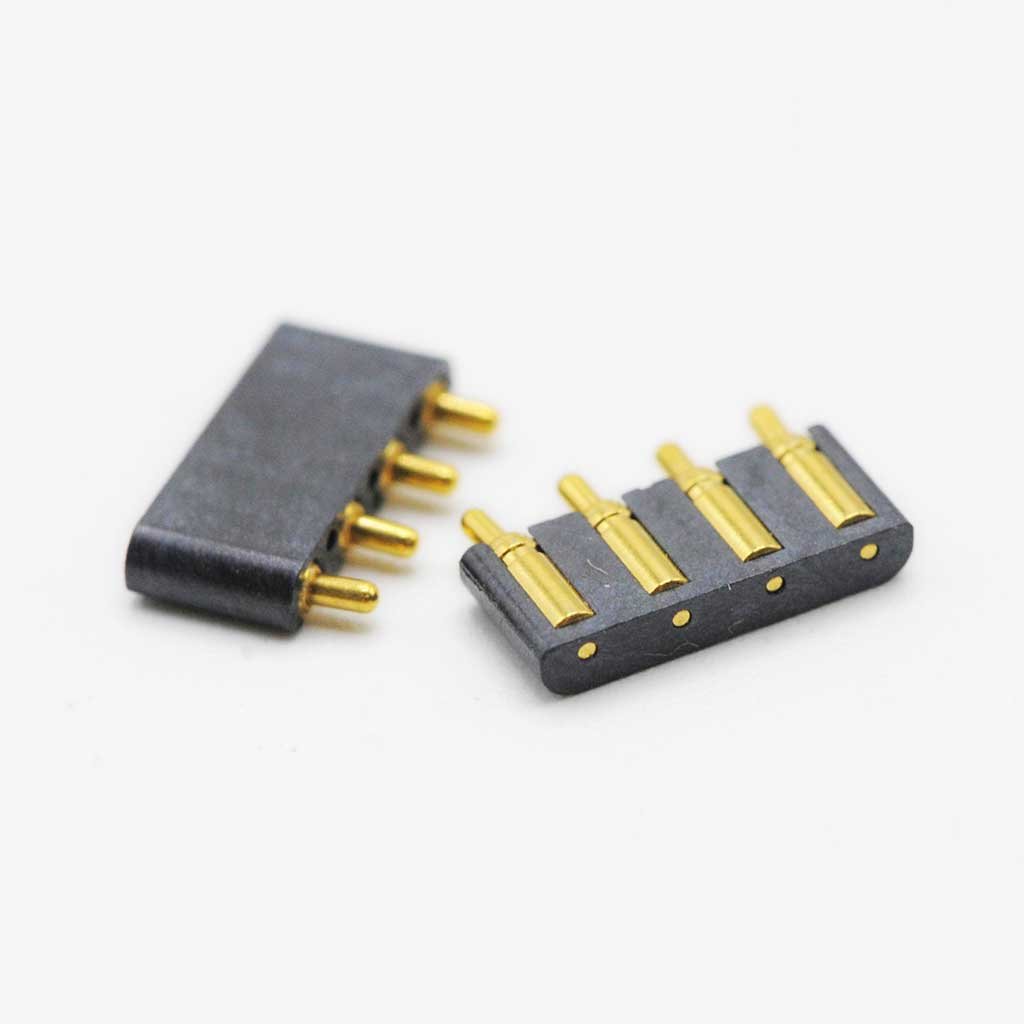
Micro Connector Pins
High-density micro-pins and sockets for 5G, mobile and board-to-board connectors, held to +/-0.002 mm positioning on Seibu slow-wire EDM. Corner radii down to R 0.015 mm, thin-wall geometries and batch consistency verified by Nikon toolmaker’s microscopes. Built for telecom OEMs and connector mold makers who cannot compromise on dimensional stability.
Get a Quote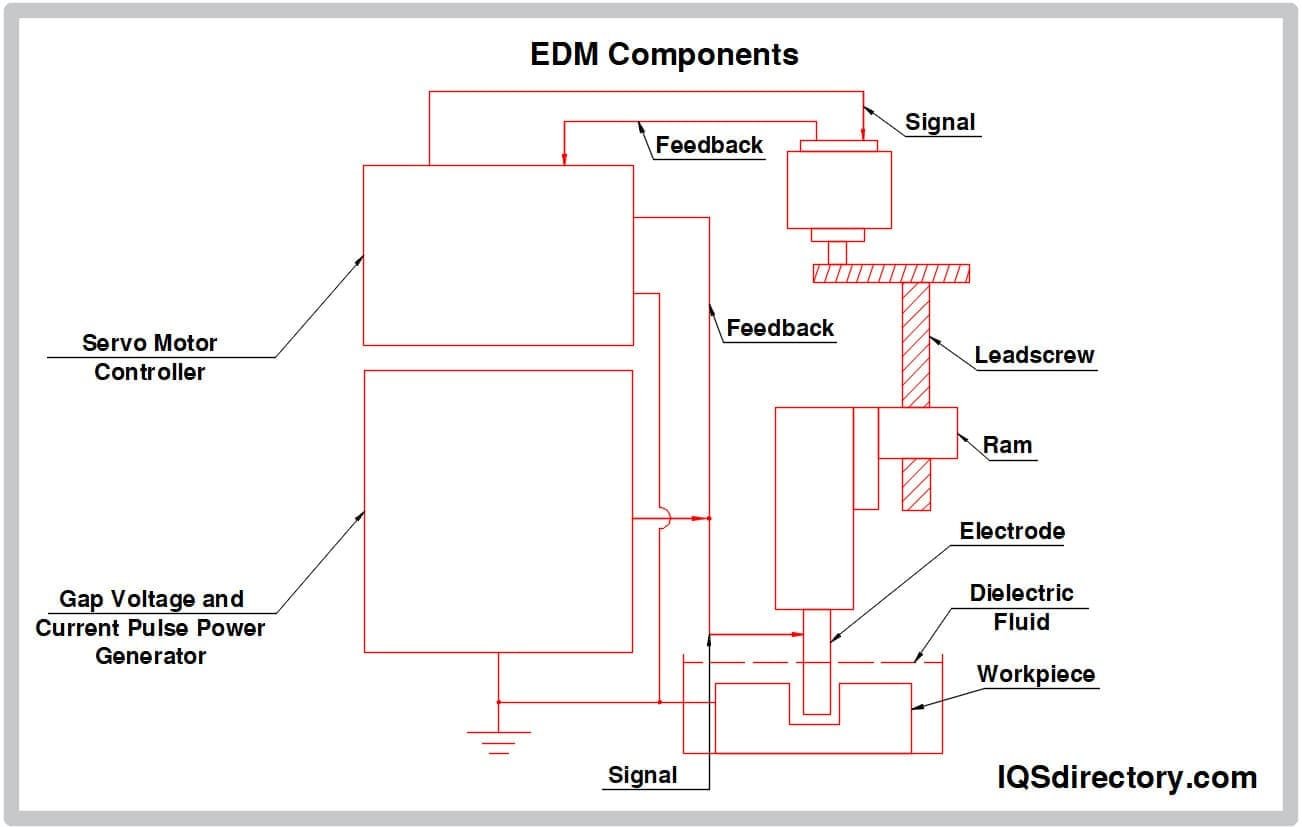
EDM Electrode Components
High-precision graphite and copper-tungsten electrodes for sinker EDM, fabricated on Beijing Jingdiao CNC with +/-0.003 mm accuracy. Optimized for deep-rib cavities, micro-features and mirror finishes. In-process tolerance monitoring and spectral material analysis ensure reliable spark erosion and extended electrode life across automotive, medical and connector tooling programs.
Get a Quote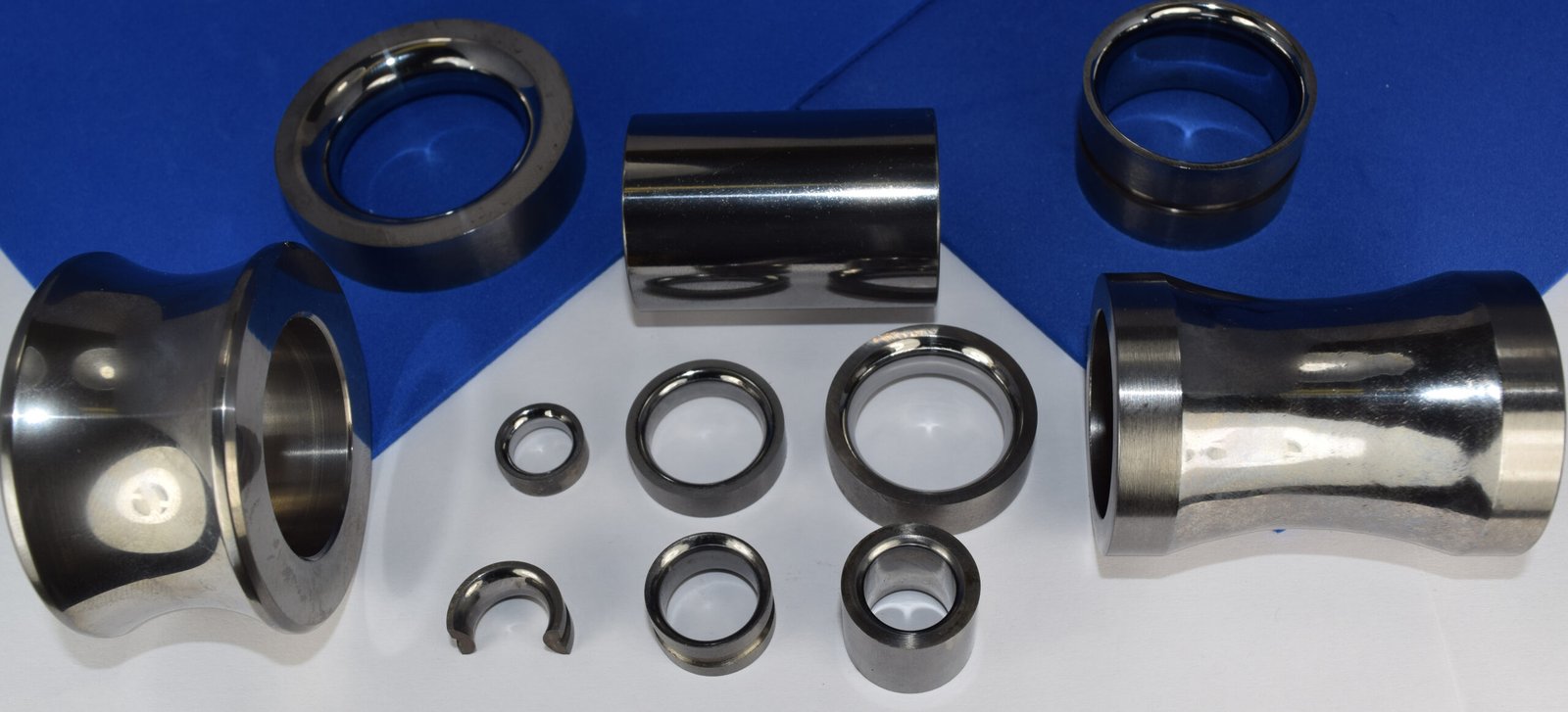
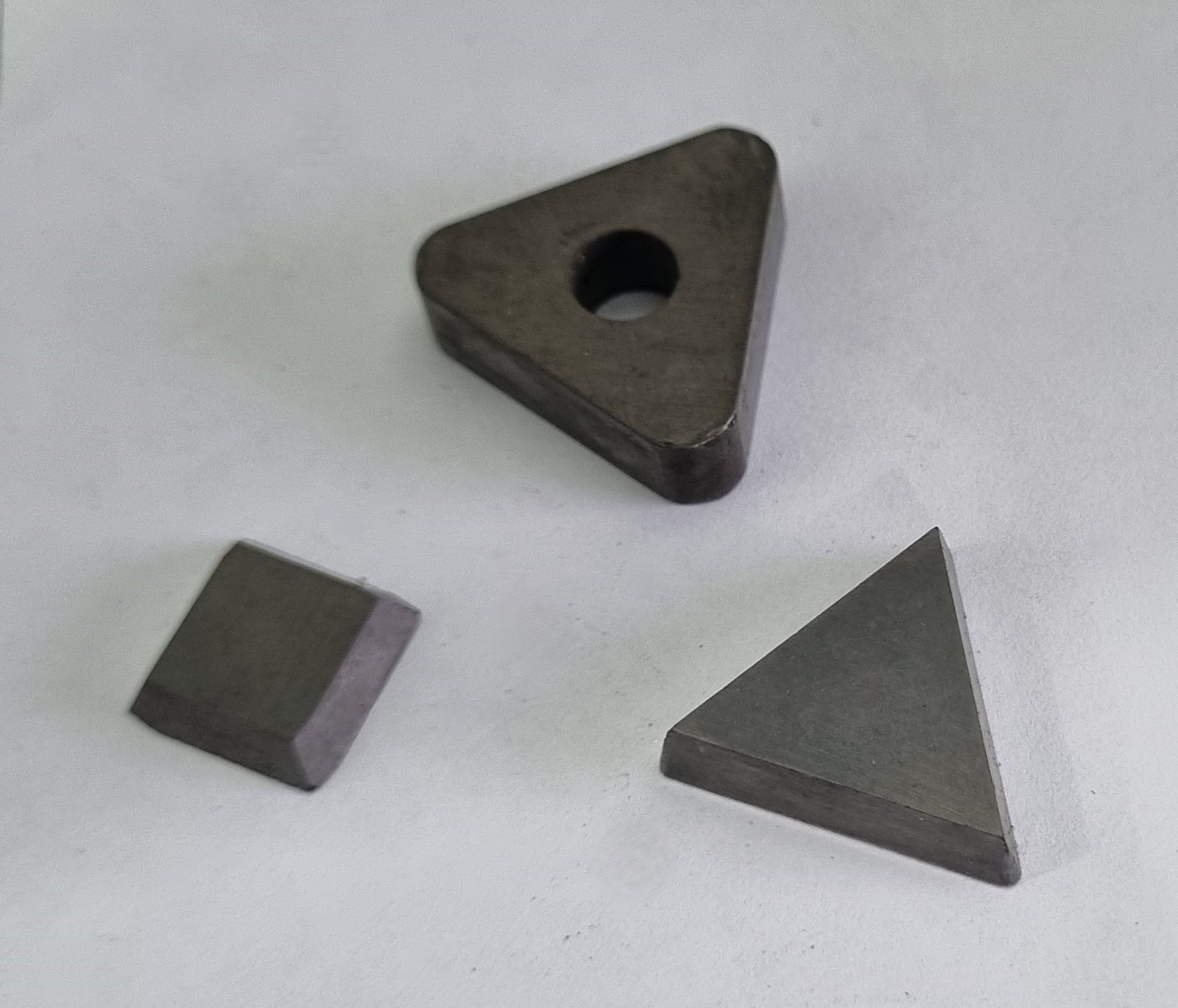
Tungsten Carbide Parts
Tungsten carbide inserts, punches and wear components ground to +/-0.001 mm on Dawn precision grinding centers. Hardness-tested, dimensionally verified and supplied with material certificates. Engineered for high-cycle stamping dies, progressive tooling and abrasive environments in automotive, industrial automation and high-speed connector manufacturing where tool life directly impacts cost per part.
Get a Quote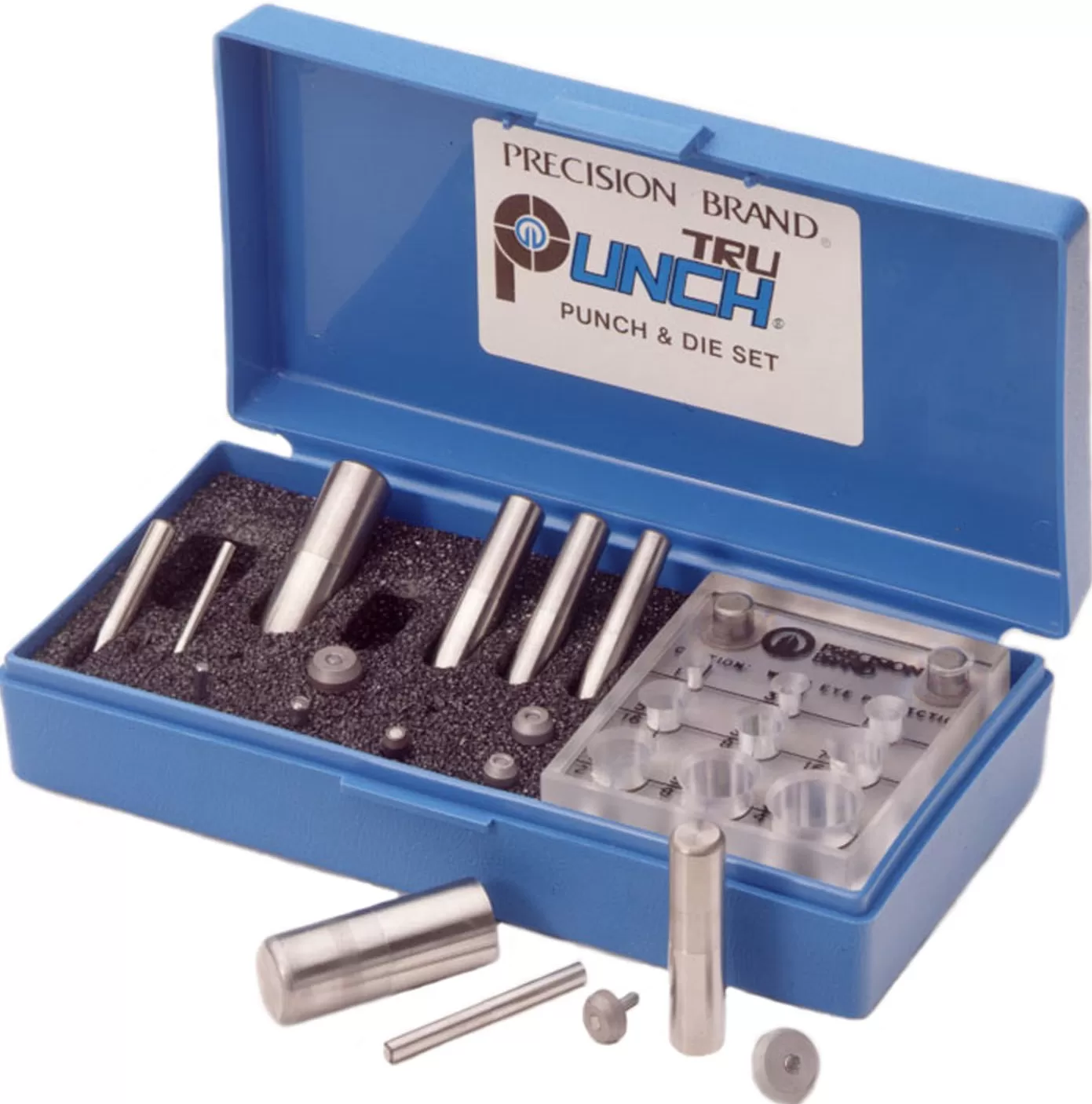
Punch & Die Sets
Progressive and compound punch-and-die assemblies for metal stamping, wire EDM’d to +/-0.002 mm and heat-treated for cycle stability. Includes stripper plates, pilot pins and alignment systems. Full DFM review by 10+ tooling engineers, with ZEISS CMM validation. Serves automotive terminals, RF shields, battery tabs and industrial brackets requiring repeatable sub-millimeter features.
Get a Quote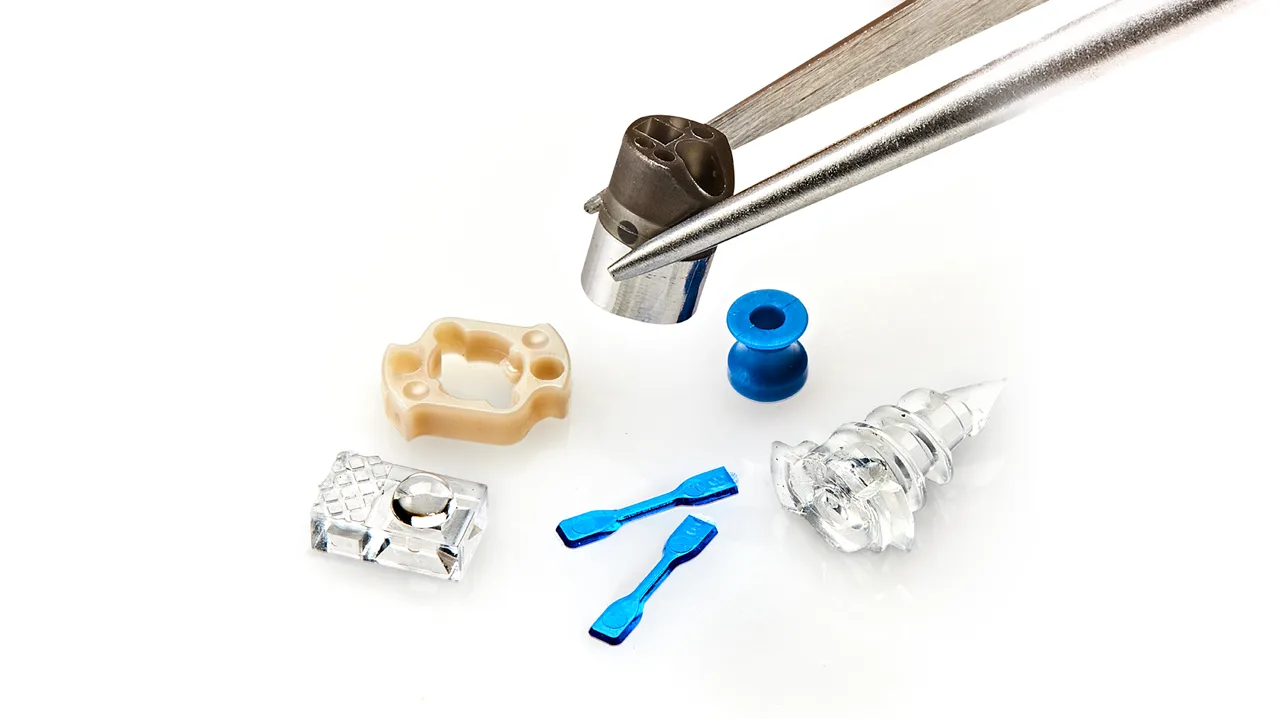
Medical Device Tooling
Precision tooling for implantable-device housings, surgical-instrument components and diagnostic-equipment enclosures, machined under ISO 9001:2015 to +/-0.001 mm. Mirror EDM surfaces down to Ra 0.1um, biocompatible material traceability and cleanroom-compatible packaging. FAI reports with dimensional data, material certs and surface-integrity documentation support FDA and ISO 13485 design-control requirements.
Get a Quote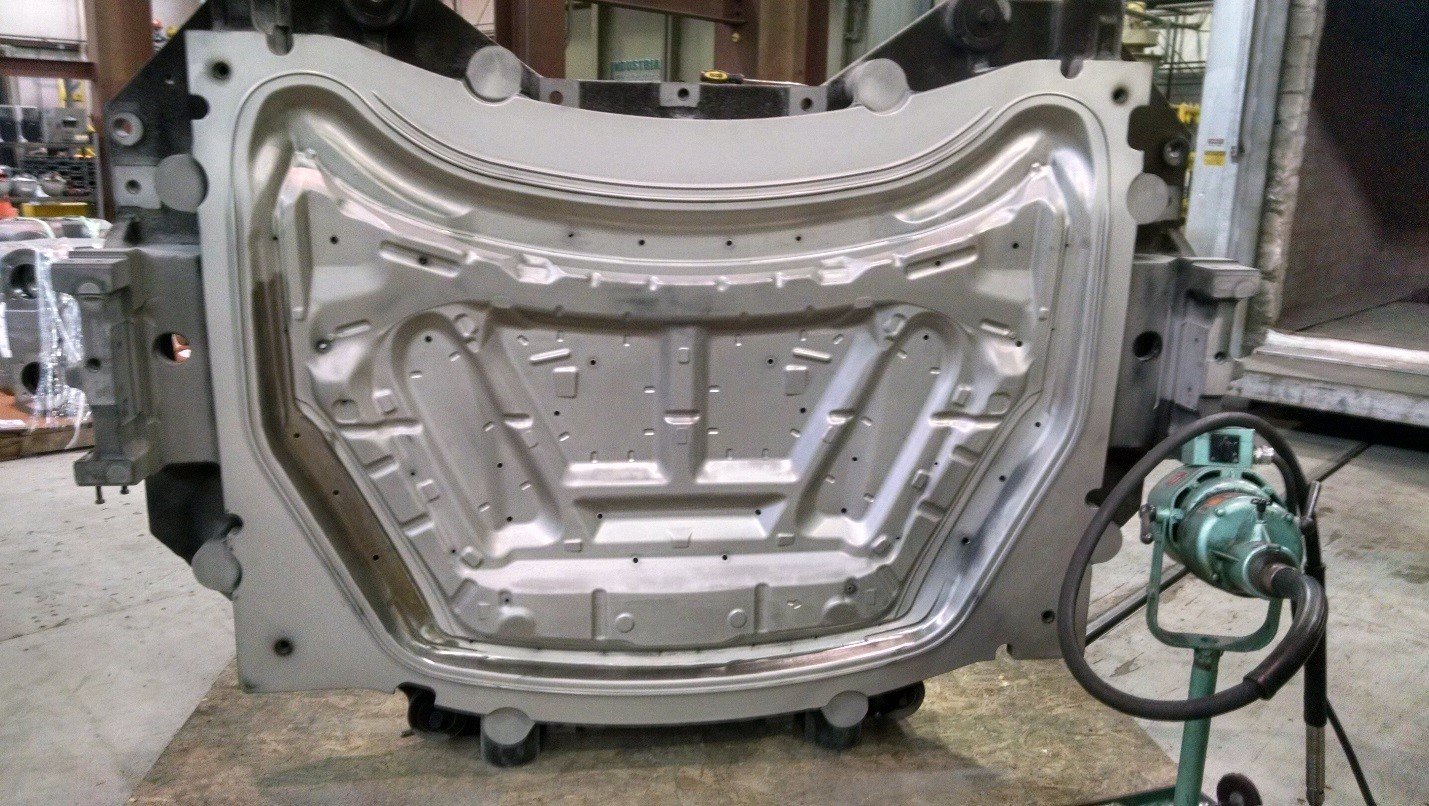
Automotive Stamping Dies
High-tolerance stamping dies and trim tools for ADAS sensor brackets, BMS interconnects, NEV battery-pack hardware and interior functional inserts. Sodick EDM and Fanuc CNC machining to +/-0.001 mm, with five-step QC and ZEISS metrology. Designed to handle high-strength steel, aluminum alloys and plated substrates across tier-one automotive and EV supply chains.
Get a Quote
Micro Shaft Components
Micro-diameter shafts, pins and cylindrical components turned and ground to +/-0.001 mm diameter tolerance and Ra 0.1um surface finish. Concentricity, straightness and hardness verified on CMM and Nikon microscopes. Used in precision actuators, miniature motors, medical instruments and connector assembly jigs where radial runout and surface quality govern performance.
Get a Quote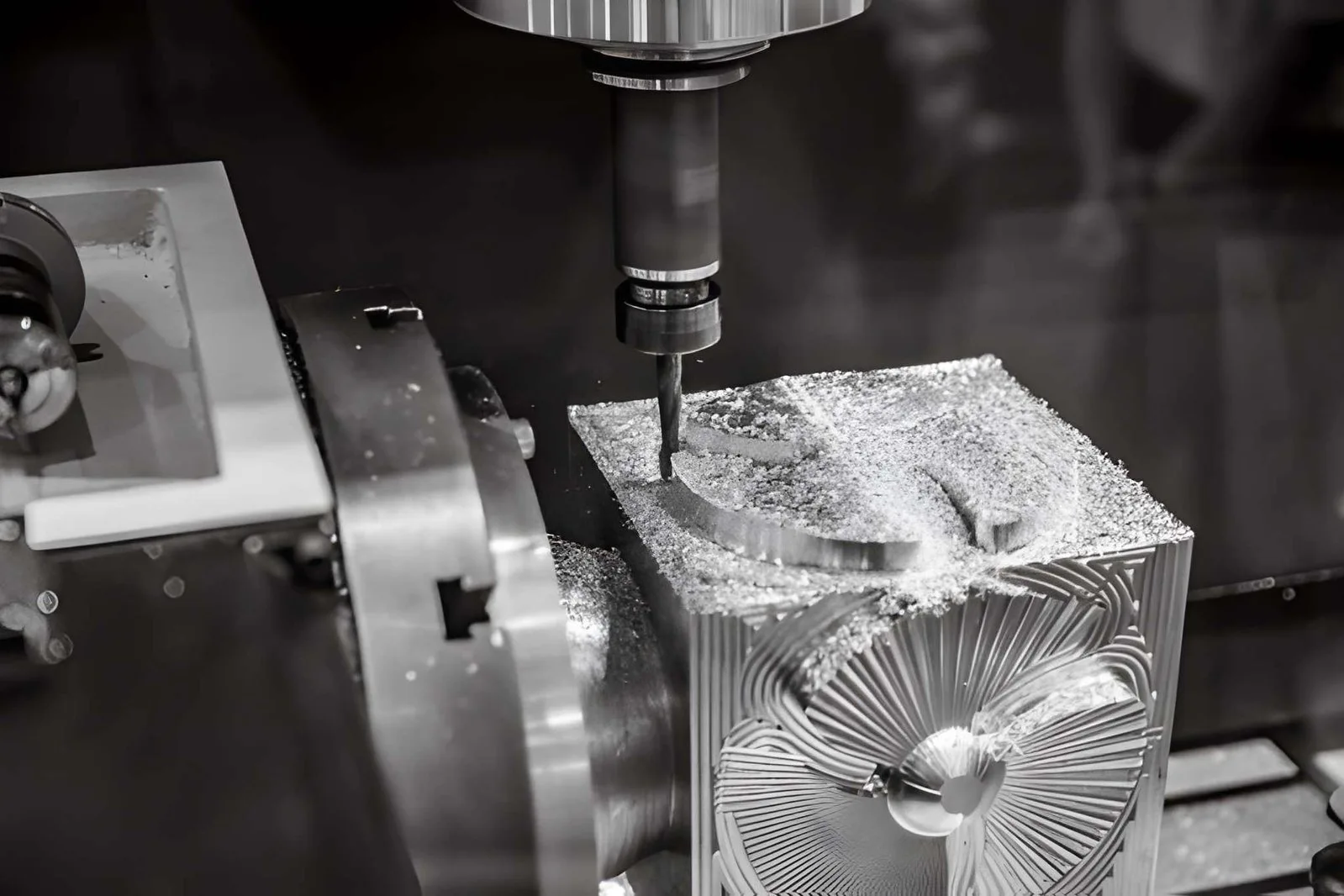
Complex Cavity Machining
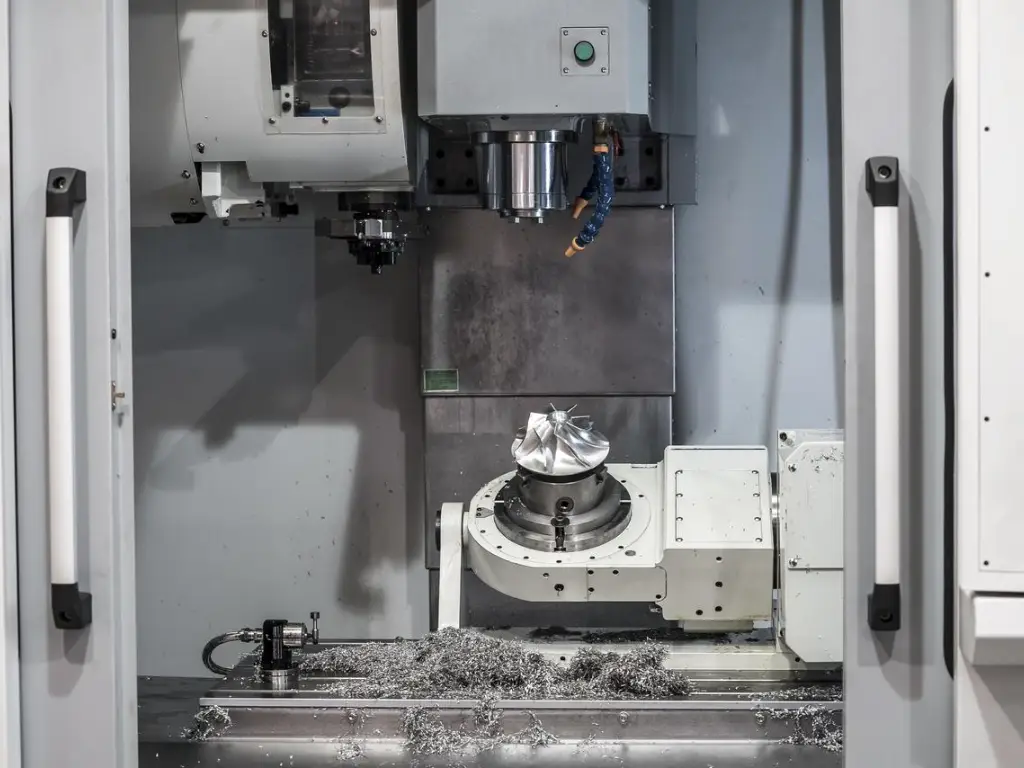
Deep-pocket mold cavities, undercut cores and conformal-cooling channels machined by 5-axis CNC and slow-wire EDM to +/-0.001 mm. Includes complex parting-line geometry, slide pockets and ejector-pin arrays. DFM analysis, electrode design and full mold-trial support. Serves injection-mold makers in electronics, automotive and industrial sectors demanding first-article success and minimal rework.
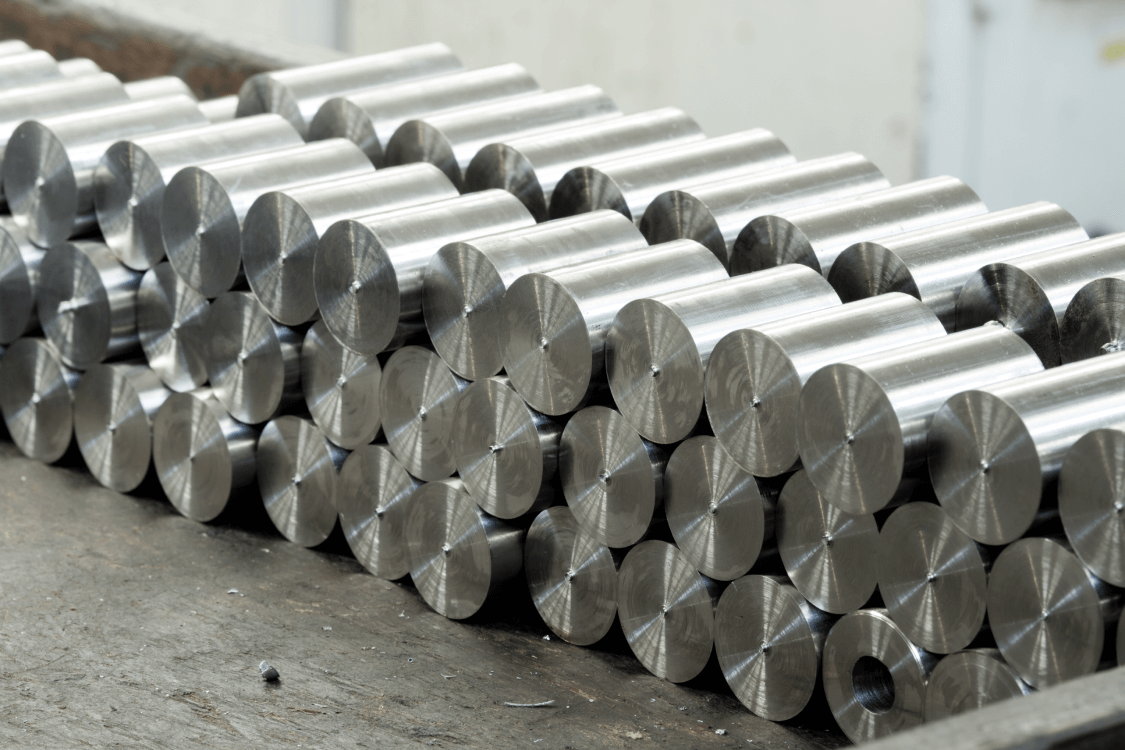
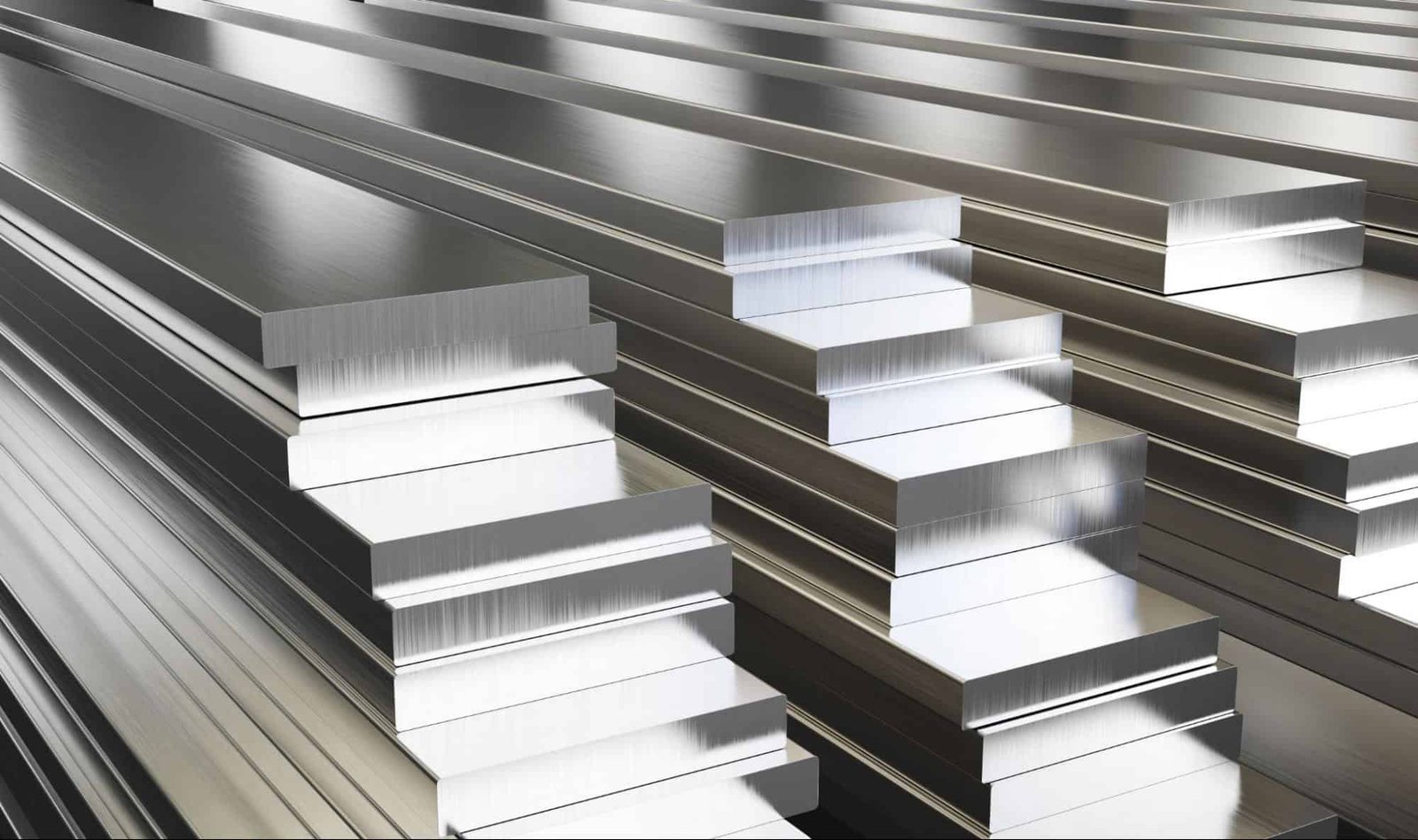
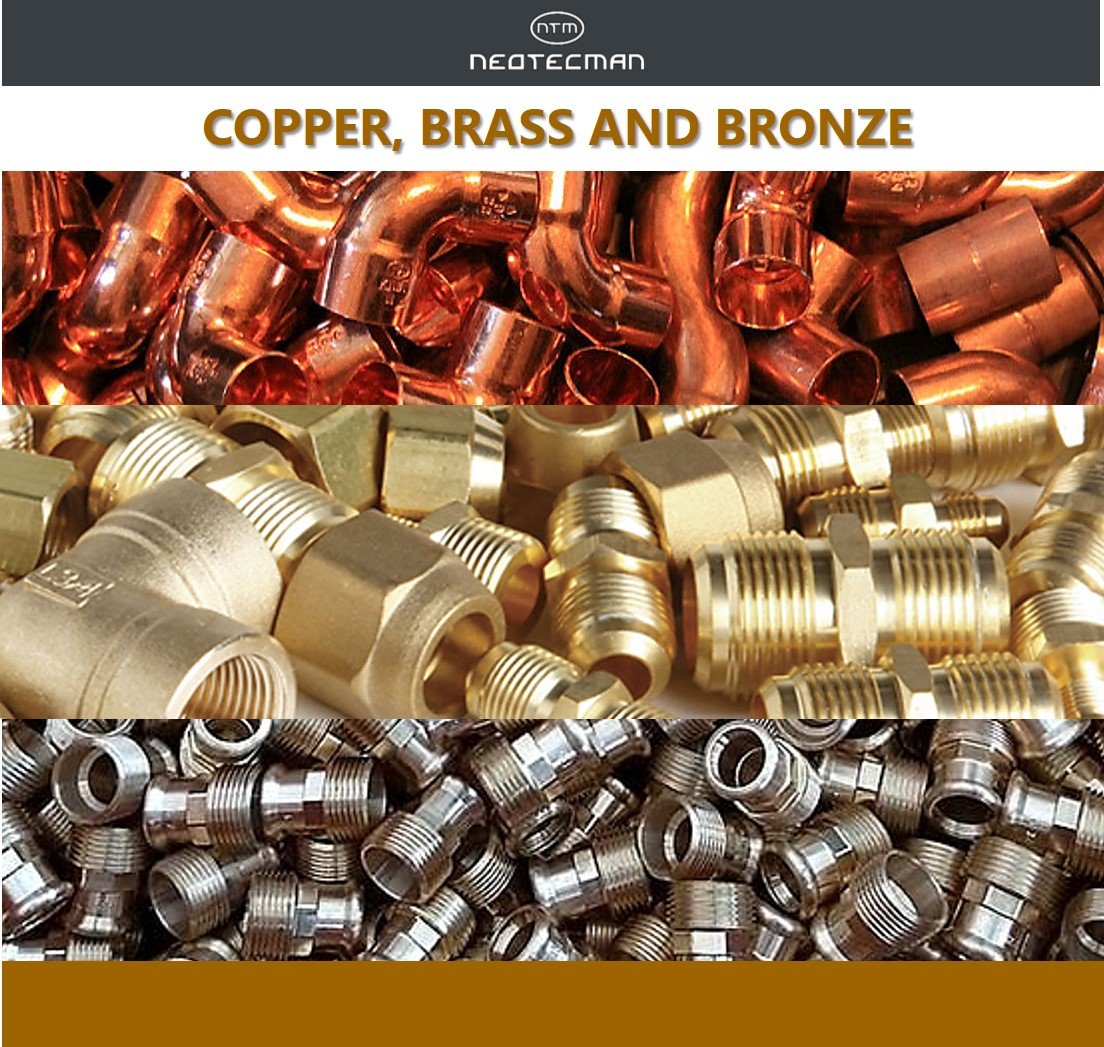
Get a QuoteMaterials We Process With Wire EDM

Wire EDM & Precision Machining Processes
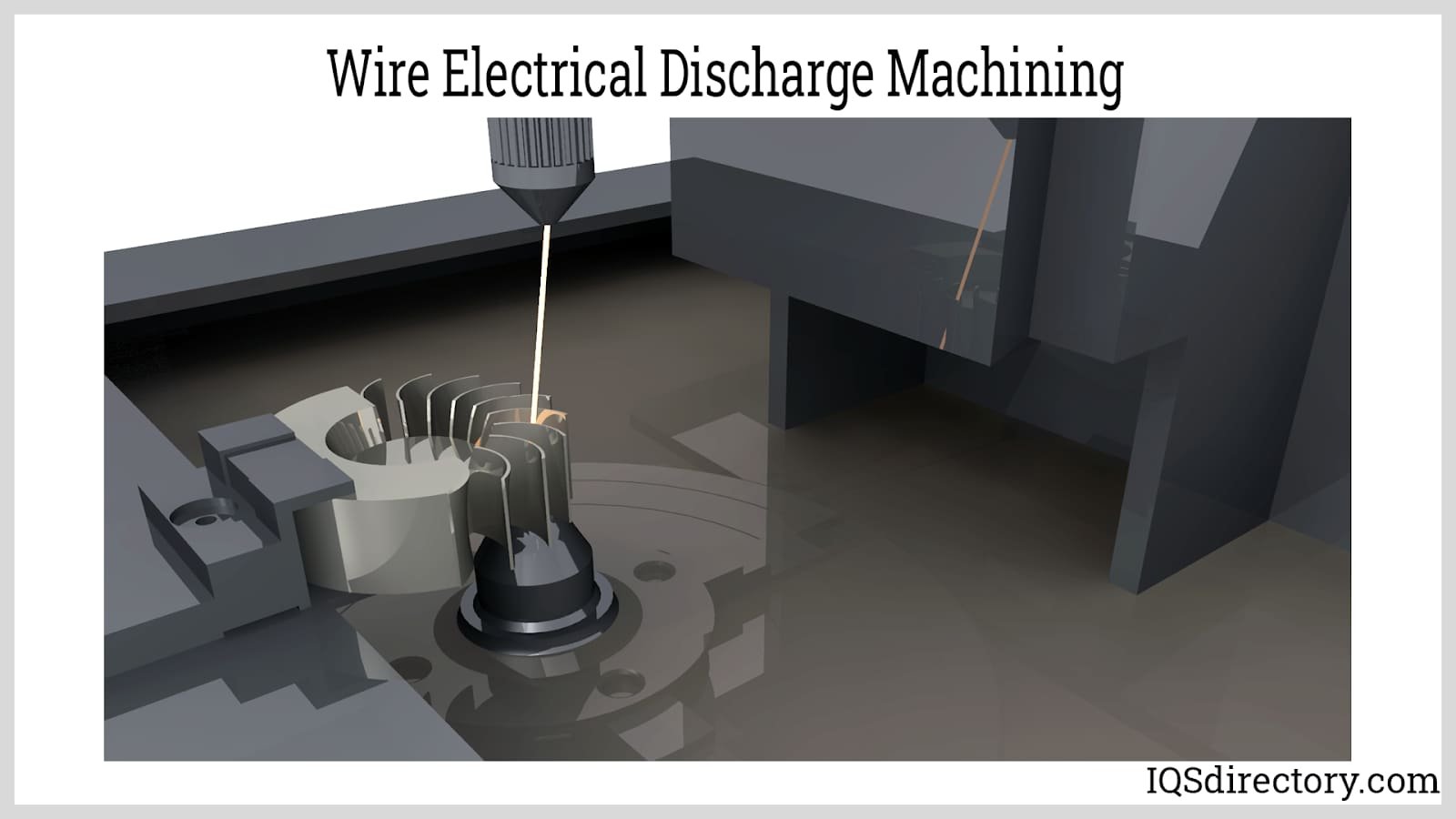
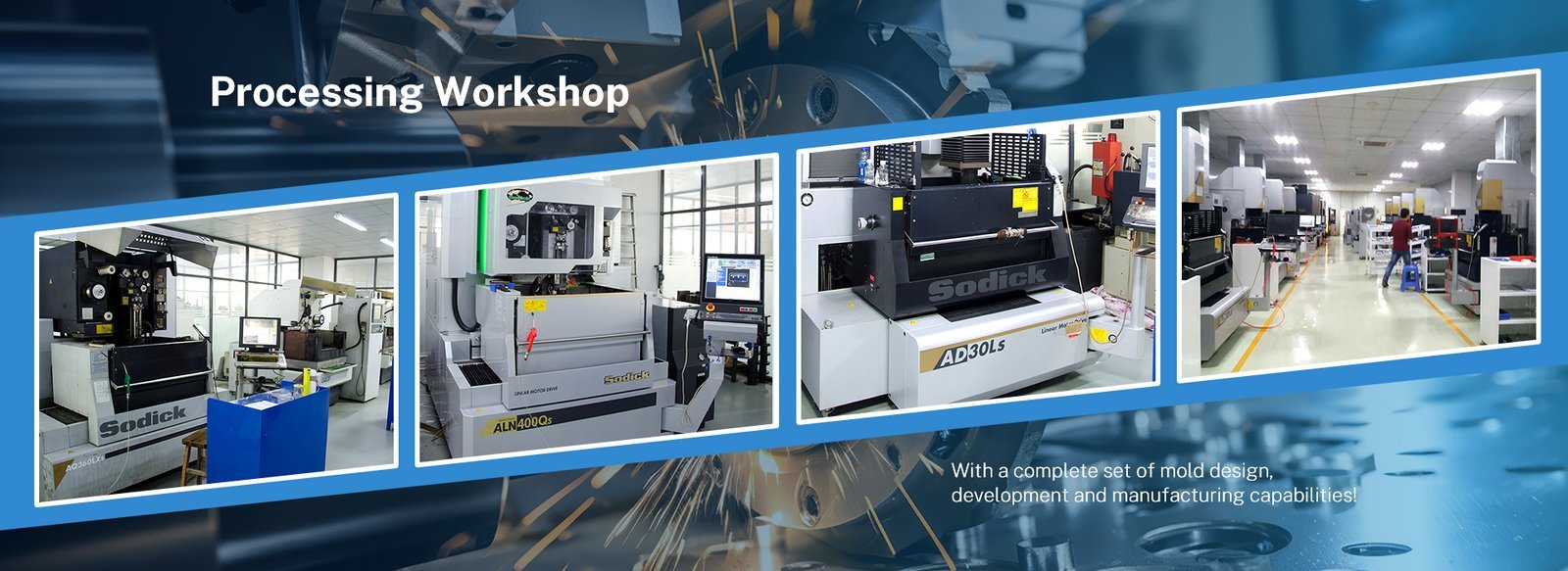
Slow-Wire EDM
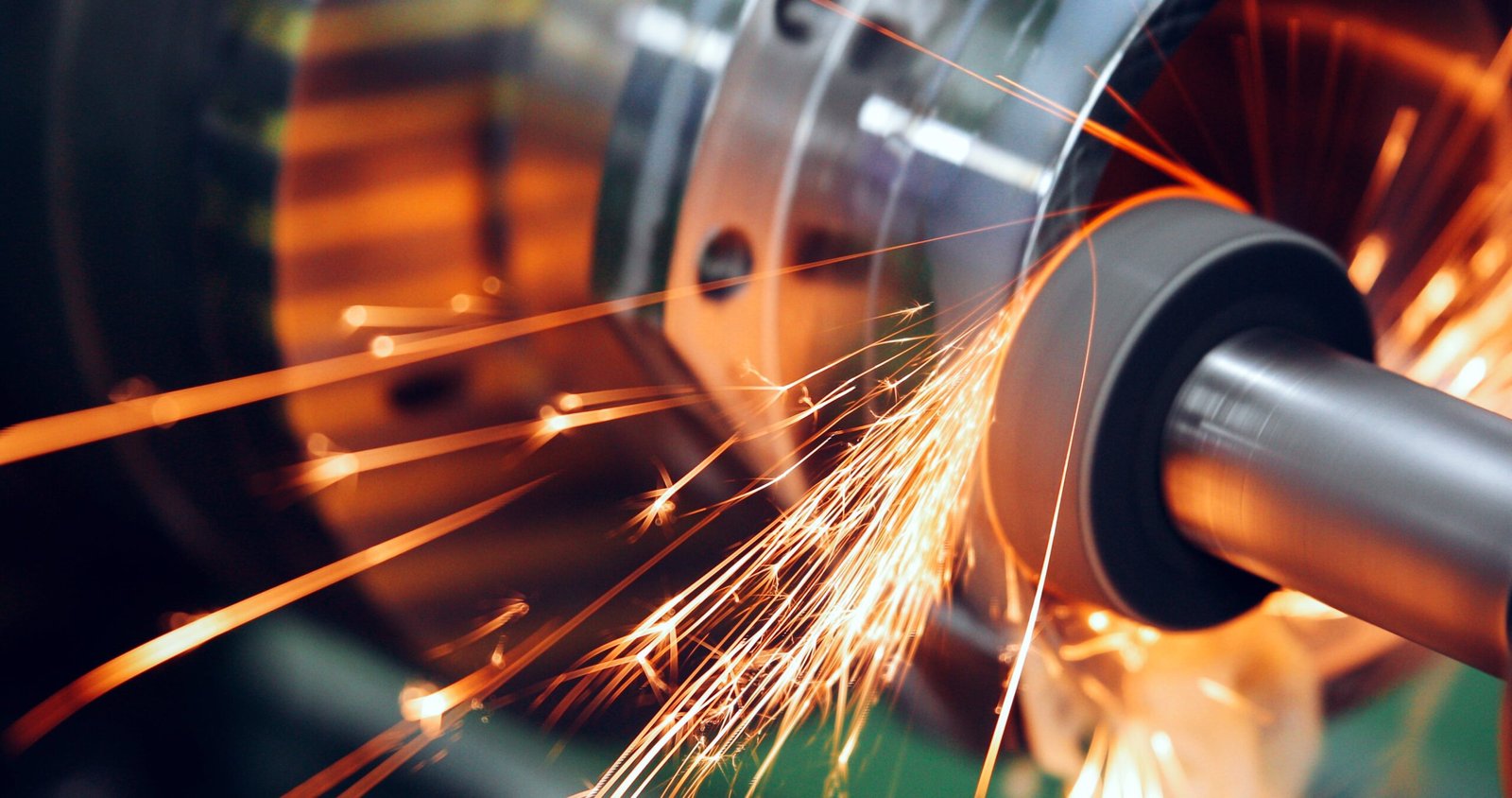
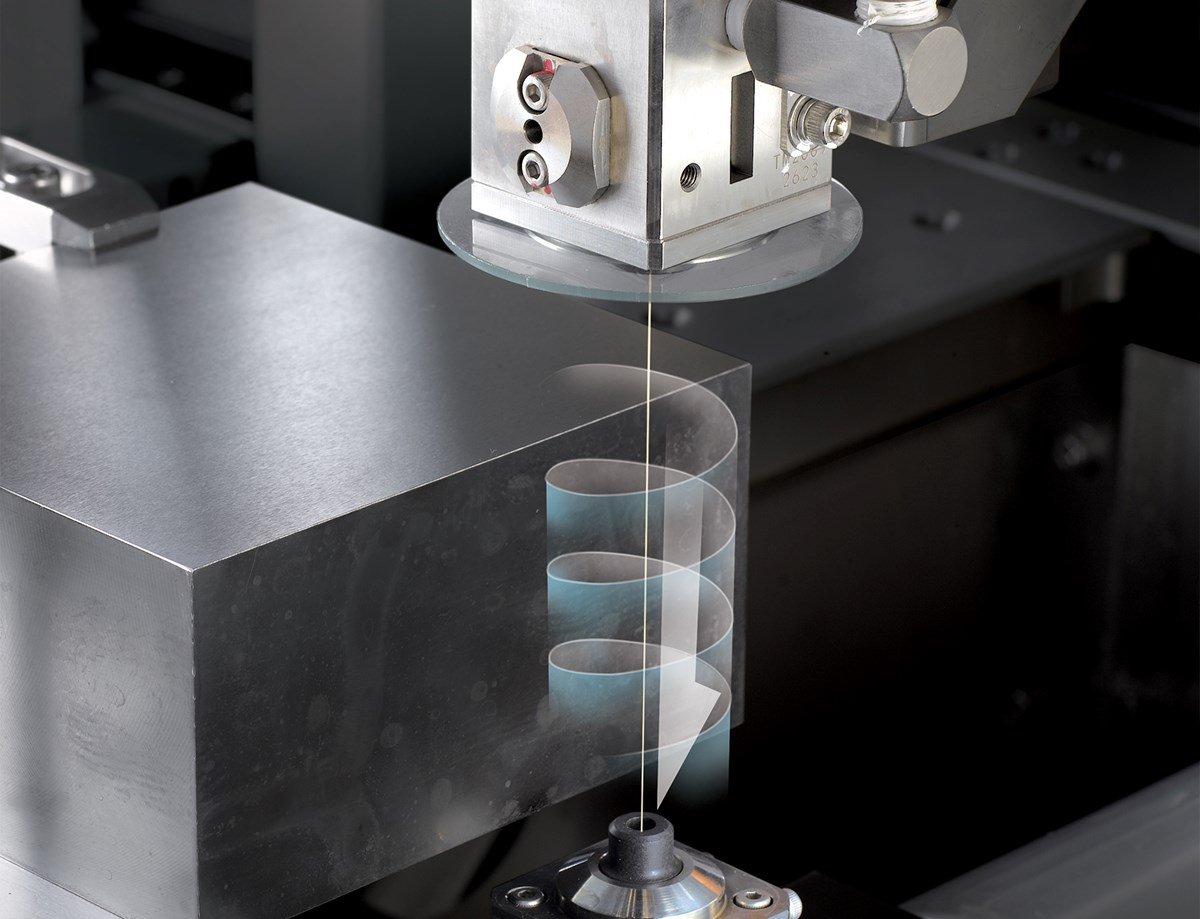
Sodick and Seibu wire-cutting machines hold +/-0.002 mm positioning tolerance and cut complex 2D/3D profiles with corner radii down to R ≤ 0.015 mm, ideal for micro-connector tooling and thin-wall mold inserts.
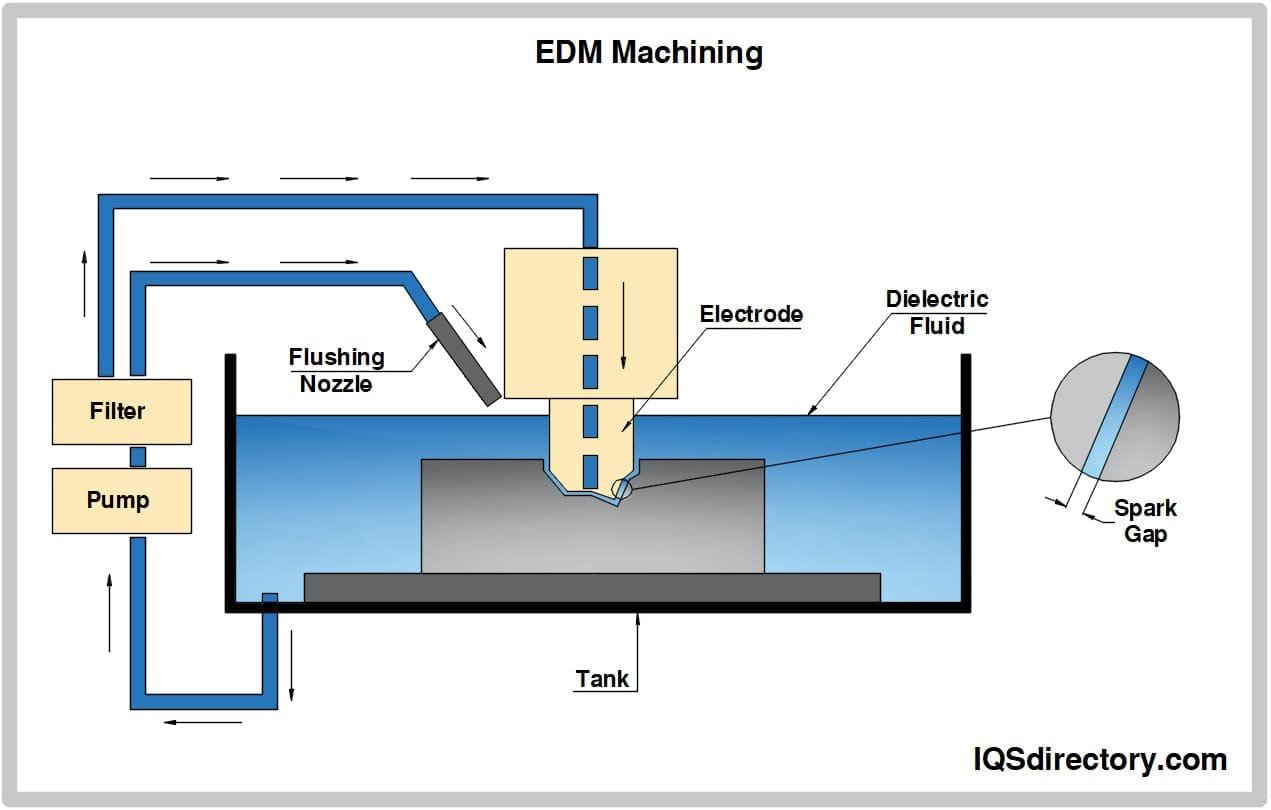
Sinker EDM
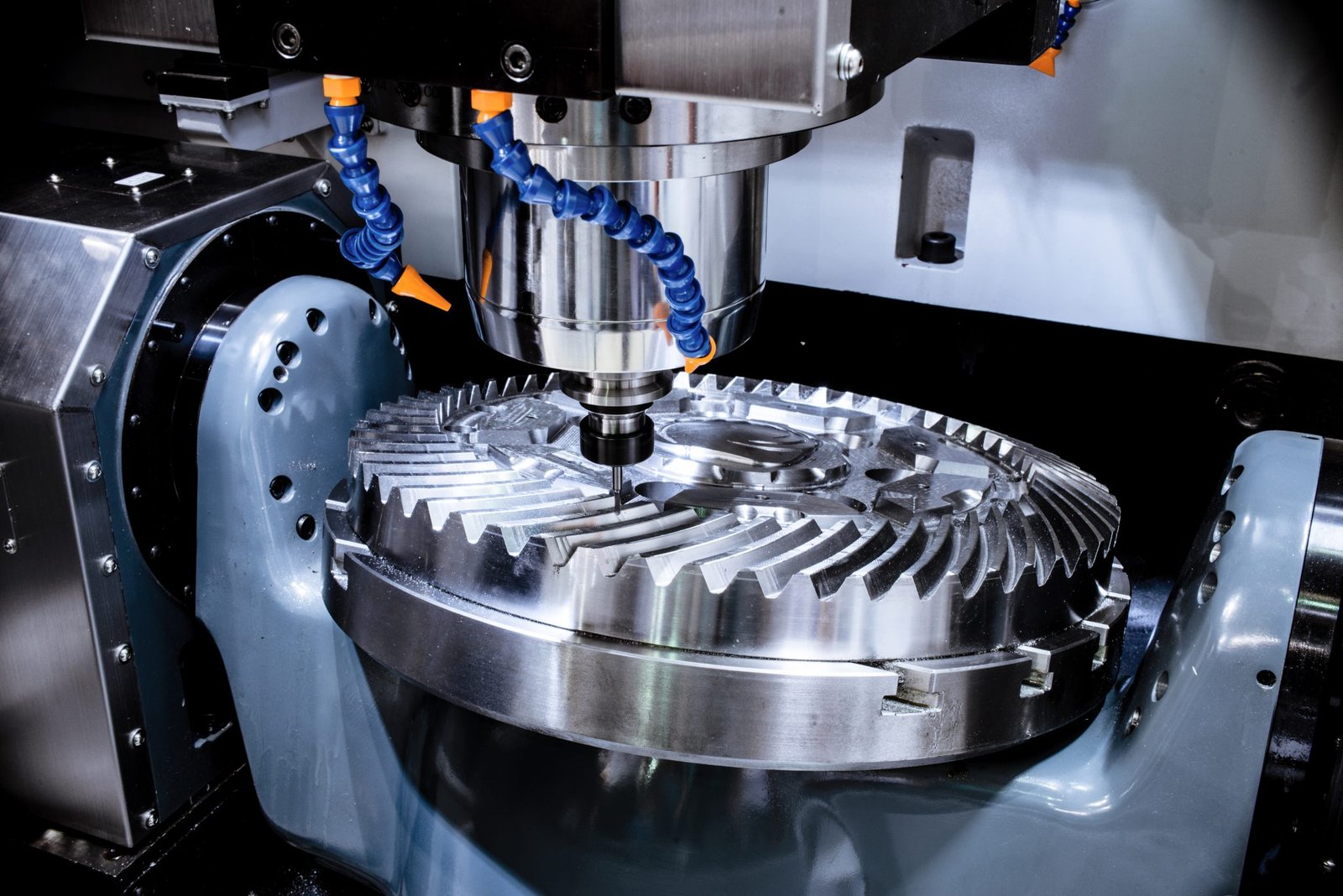
Mitsubishi mirror-class sinker EDM achieves Ra 0.1um surface finish on deep cavities, ribs and complex 3D geometries, eliminating hand-polishing for high-gloss plastic mold cores and automotive sensor housings.
CMM Metrology
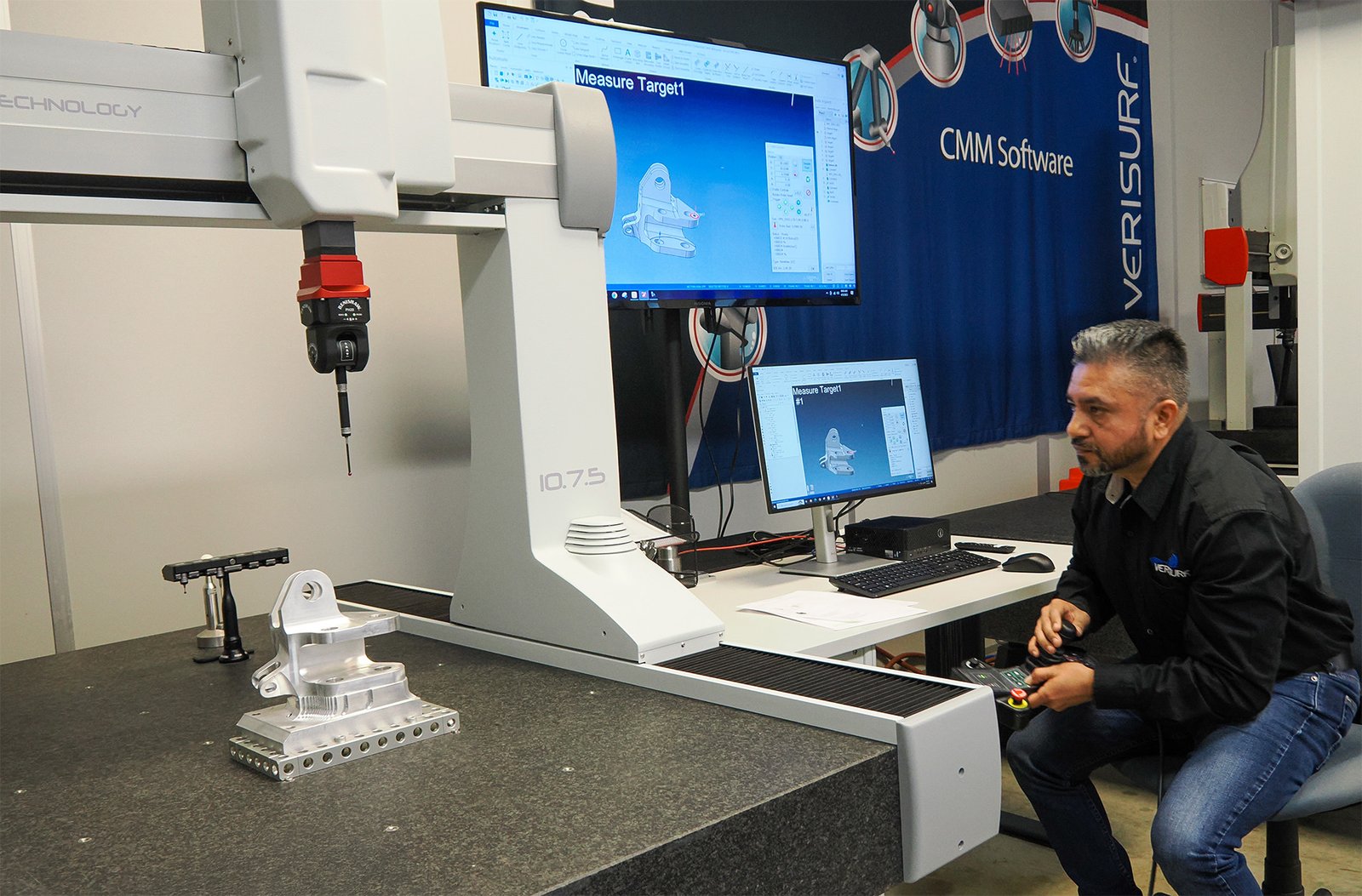
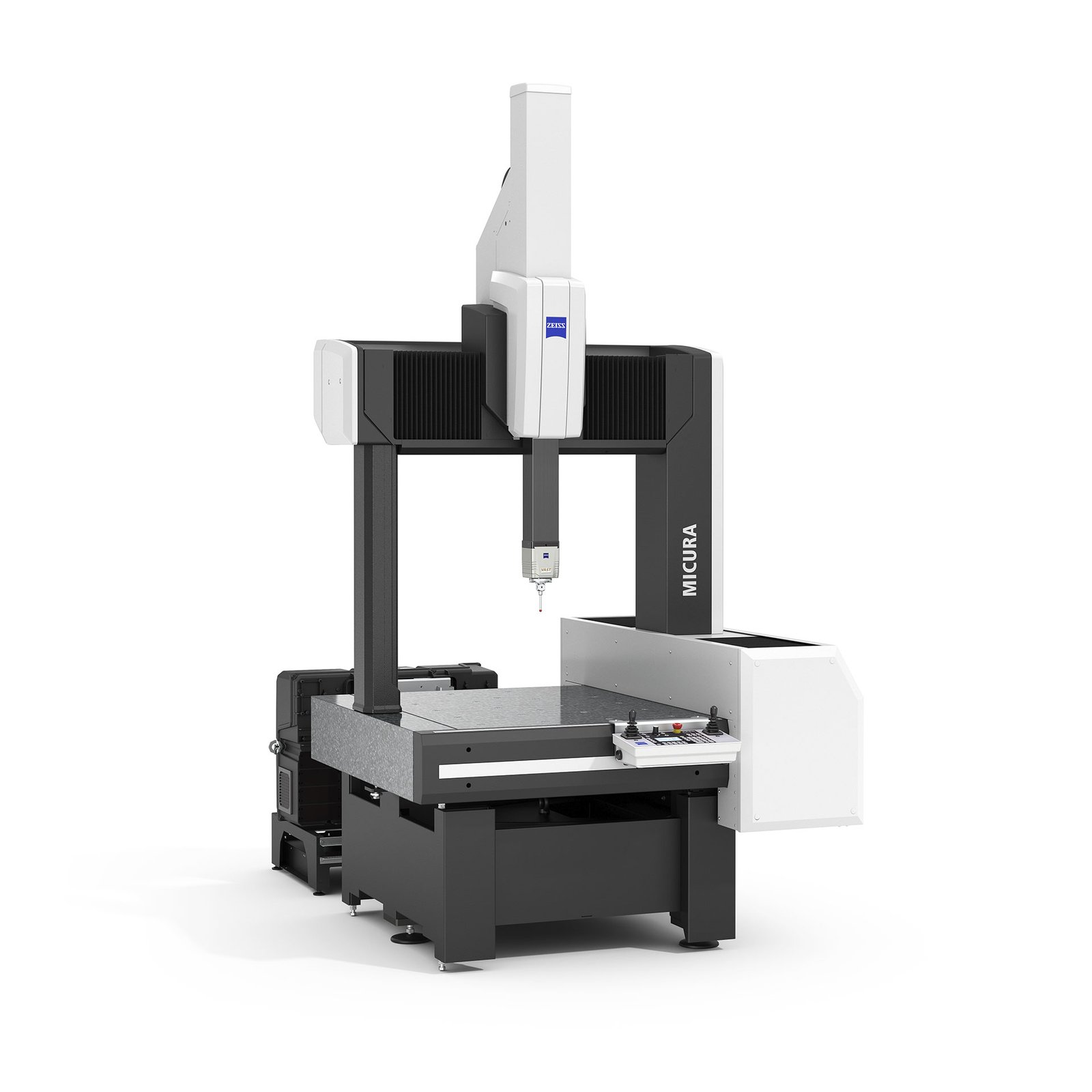
ZEISS MICURA coordinate measuring machine verifies every dimension to 0.7um resolution, backed by Nikon toolmaker’s microscopes (V-12B class), generating full FAI reports and material certificates for every shipment.
Electrode Fabrication
In-house electrode design and CNC machining on Beijing Jingdiao systems ensure perfect fit and repeatability for sinker EDM, reducing lead times and eliminating third-party coordination delays.
Wire EDM Finishing & Assembly Options
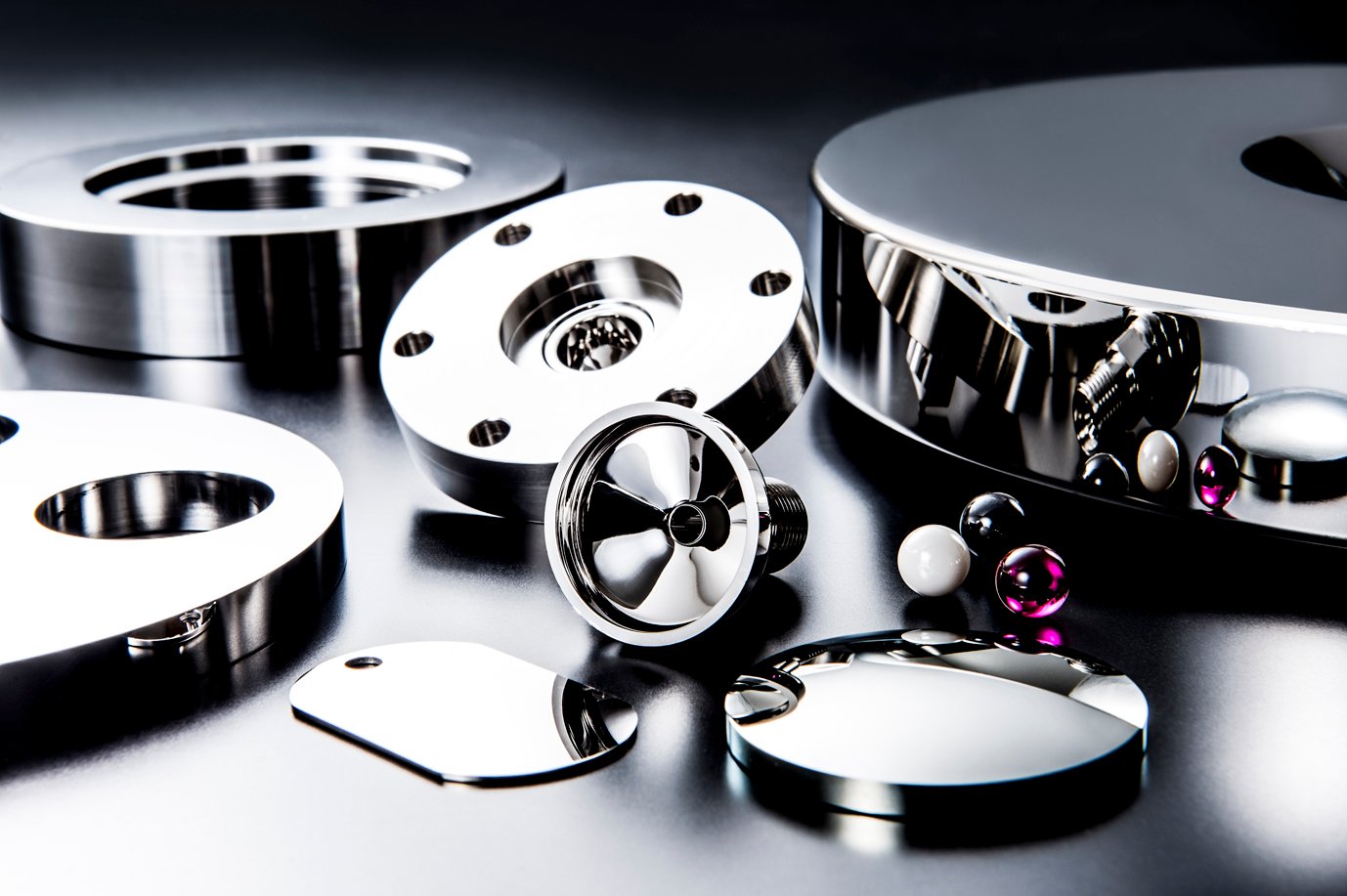
Mirror Polishing
Achieve Ra 0.1 µm mirror-grade surface finishes on wire EDM cores and inserts, essential for optical lenses, transparent housings and high-gloss injection-molded parts. Hand-polished by skilled technicians and verified under Nikon toolmaker’s microscope.
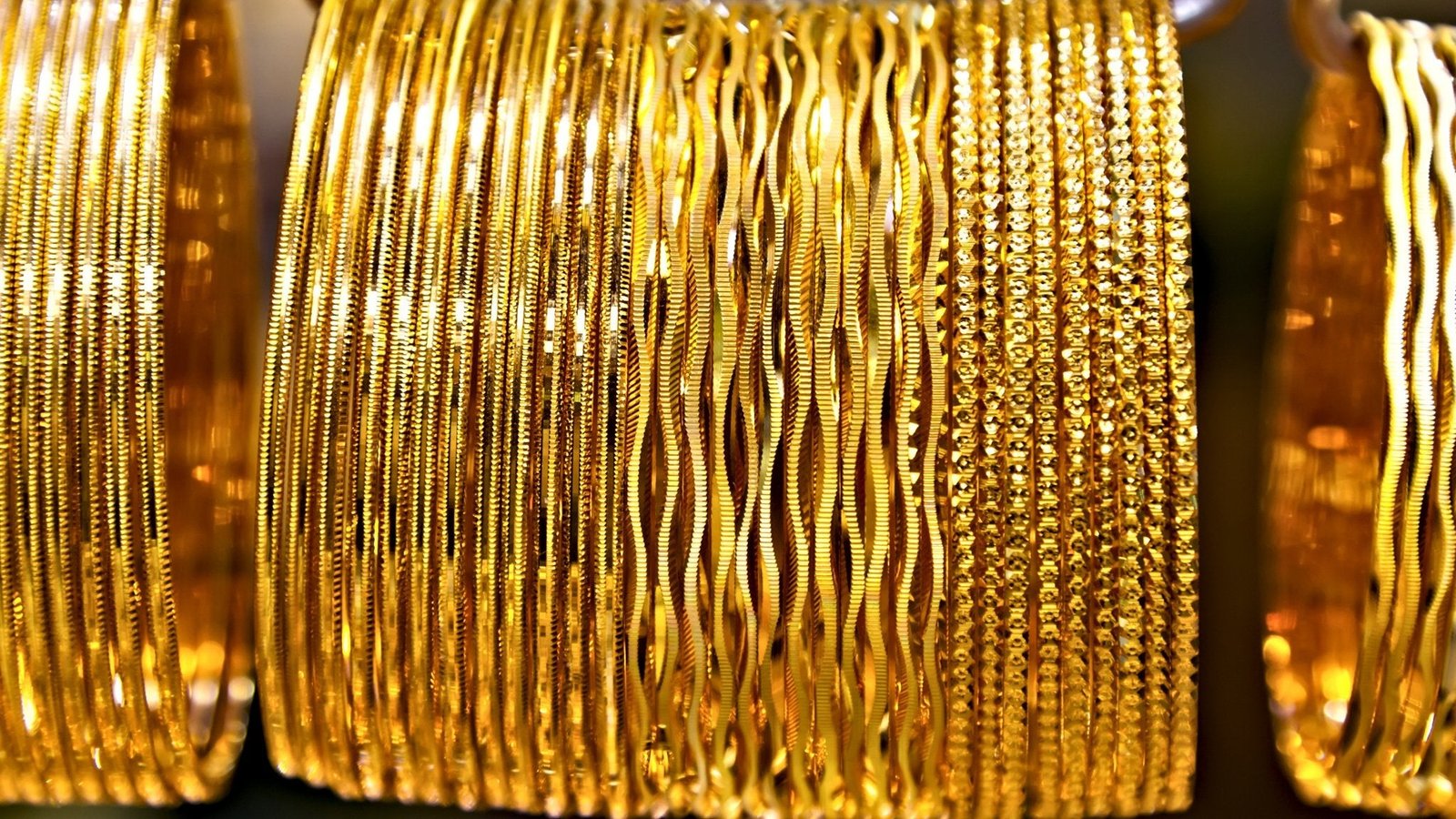
PVD & Coating
Extend tool life and reduce friction with titanium nitride (TiN), chromium nitride (CrN) or diamond-like carbon (DLC) coatings applied to precision mold cores, punches and connector tooling. Hardness up to HV 2,500 for abrasive materials.
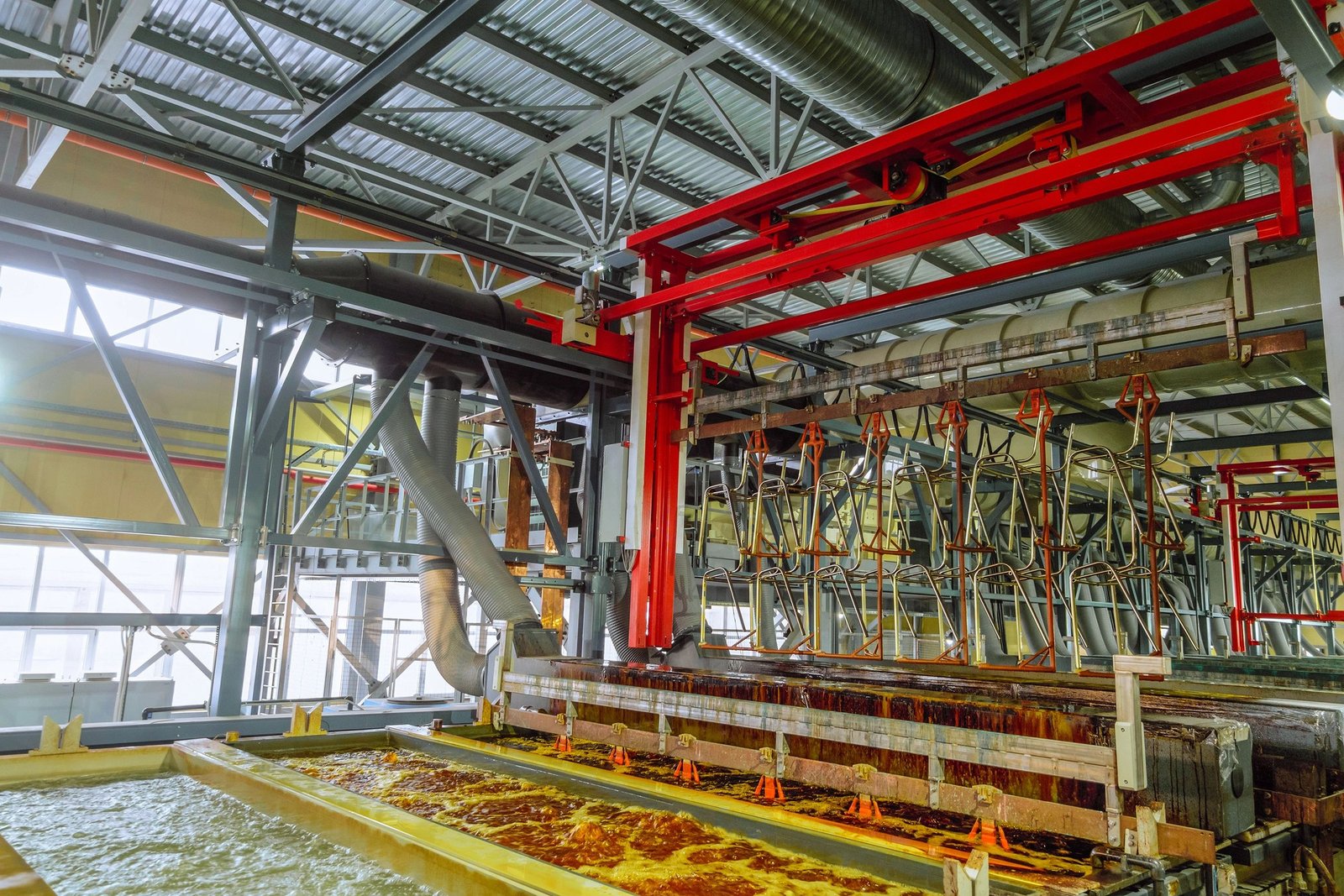


FAI Documentation
Full First Article Inspection reports generated from ZEISS MICURA CMM (0.7 µm resolution) with dimensional data, GD&T verification, surface-finish readings and traceability to your drawing. PDF + Excel formats included with every order.
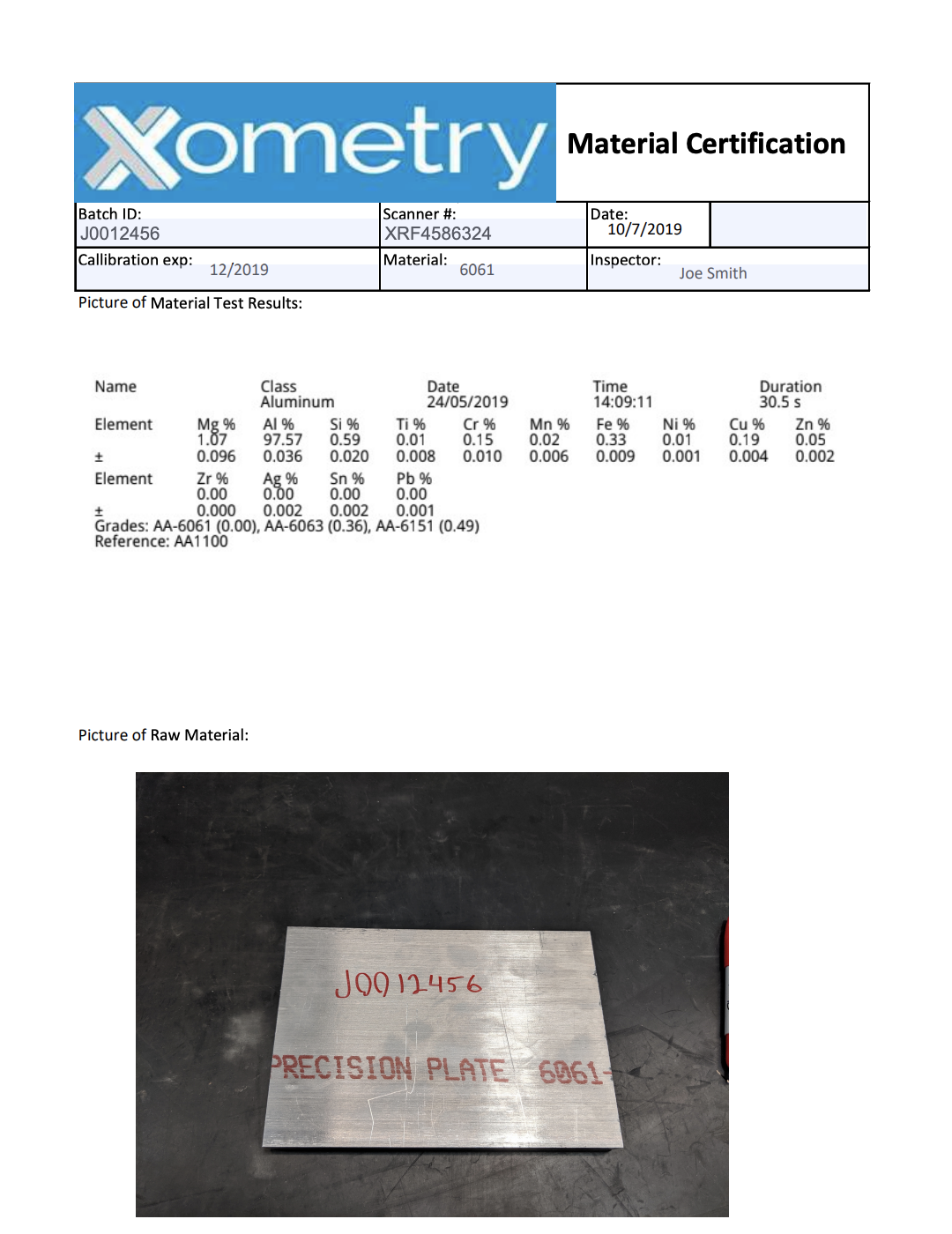
Material Certification
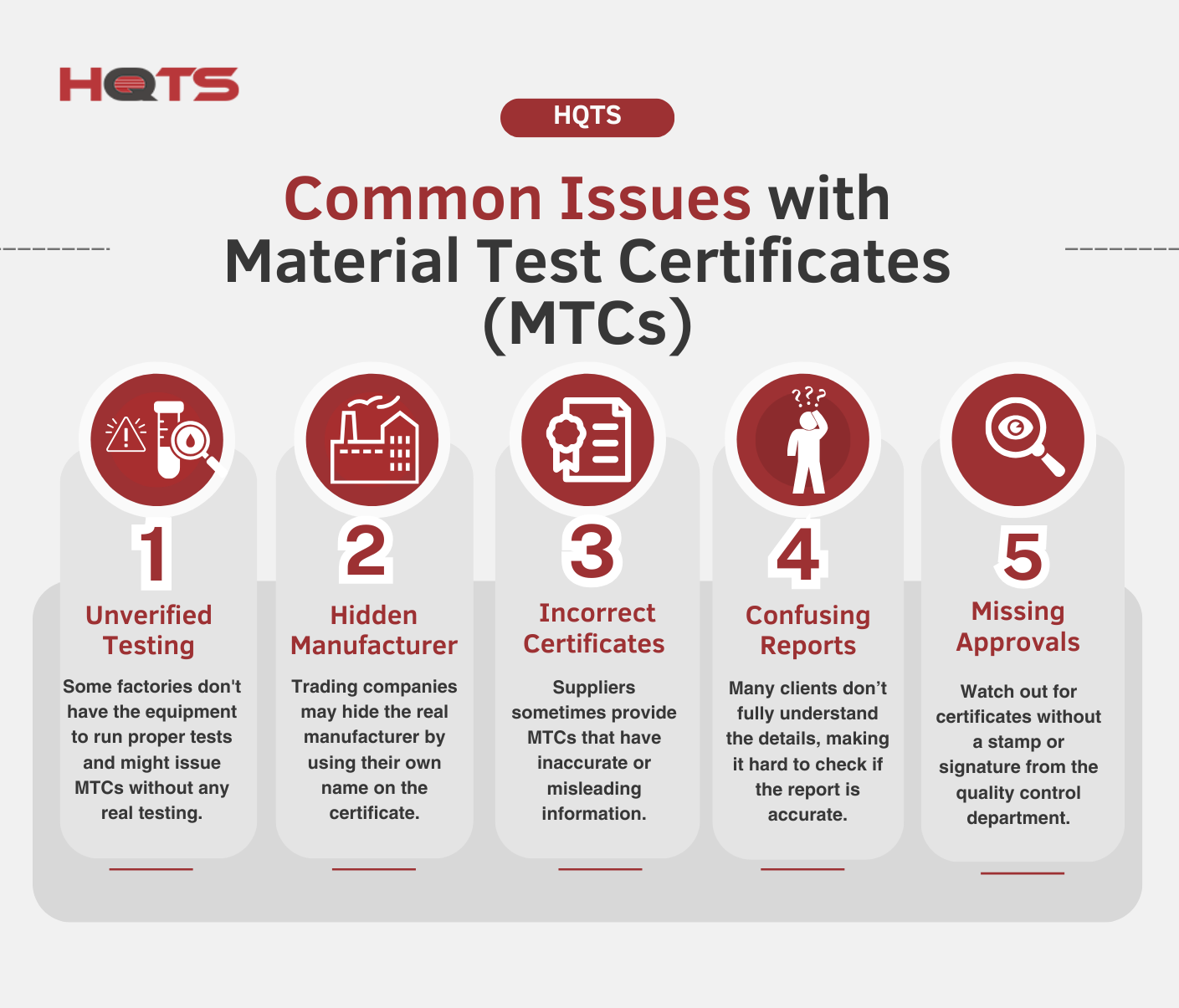
Mill test certificates, spectral analysis reports and heat-treatment records for every batch of steel, tungsten carbide, copper alloy or aluminum used in your wire EDM parts. Full traceability for automotive, medical and aerospace compliance.
About XUXIANG — 16 Years of Wire EDM Precision
Founded in 2010 in Chang’an, Dongguan, XUXIANG began as a specialist mold-core machining shop and has grown into a dual-factory precision manufacturing group serving electronics, 5G/telecom, automotive & NEV, industrial-automation and medical-device customers worldwide. Our mission: bridge the gap between complex CAD designs and high-performance physical parts with micron-stable wire EDM, sinker EDM, CNC machining and metrology-backed quality assurance.
Today we operate 2,000 m² of R&D and micro-machining capacity in Dongguan, plus a 1,400 m² volume-production facility in Quanzhou launched in 2025 — lifting annual output by 200 percent. Every project is governed by ISO 9001:2015, validated through ZEISS MICURA CMM inspection to 0.7 um, and delivered with full FAI reports and material certificates.
XUXIANG is built to solve the buyer’s two biggest pain points: tolerance failure and delivery delay. With Sodick and Seibu slow-wire EDM, Mitsubishi mirror EDM, Fanuc CNC and DFM engineering support from 10+ experts, we hold +/-0.001 mm machining precision, mirror-grade Ra 0.1 um finishes, and lead times 30 percent faster than the industry average.
Wire EDM Precision Engineered for Mission-Critical Tolerances
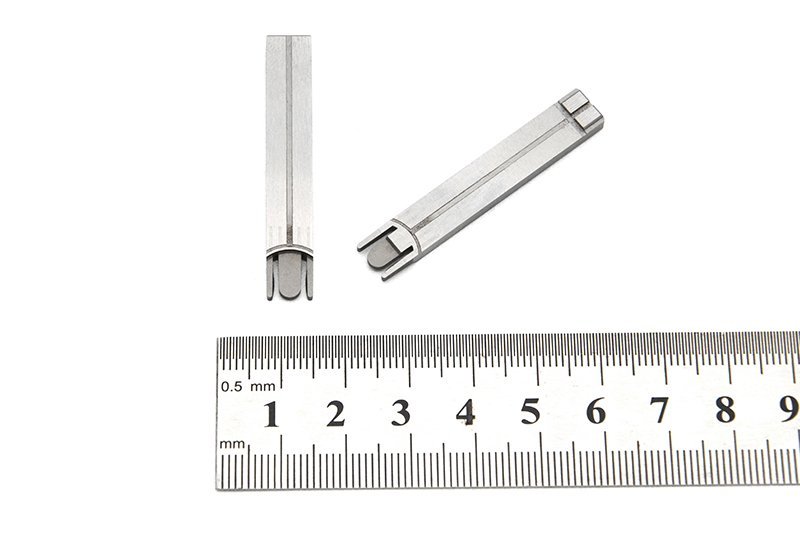
+/-0.001 mm Machining Accuracy
XUXIANG wire EDM operations achieve +/-0.001 mm maximum machining precision on every mold component and metal part, verified by ZEISS MICURA CMM metrology. This micron-stable accuracy ensures perfect fit, eliminates rework and supports high-density connector tooling and multi-cavity mold inserts.
- Sodick and Seibu slow-wire EDM with +/-0.002 mm class positioning
- Corner radii down to R ≤ 0.015 mm for ultra-fine features
- ZEISS MICURA CMM verification to 0.7 µm resolution
- ISO 9001:2015 five-step QC flow from material spectral analysis to final FAI
Ra 0.1 µm Mirror-Grade EDM Finishes
Mitsubishi mirror EDM and precision slow-wire systems deliver Ra 0.1 µm surface finishes—eliminating secondary polishing, reducing cycle time and ensuring optical-quality mold cores, micro-connector terminals and high-performance automotive sensor housings straight off the machine.
- Mirror-class EDM cores for plastic mold inserts and lifters
- Surface integrity validated by Nikon toolmaker's microscopes (V-12B / MM-400 class)
- No hand-finishing required—parts ship production-ready
- Consistent gloss across complex geometries and deep cavities

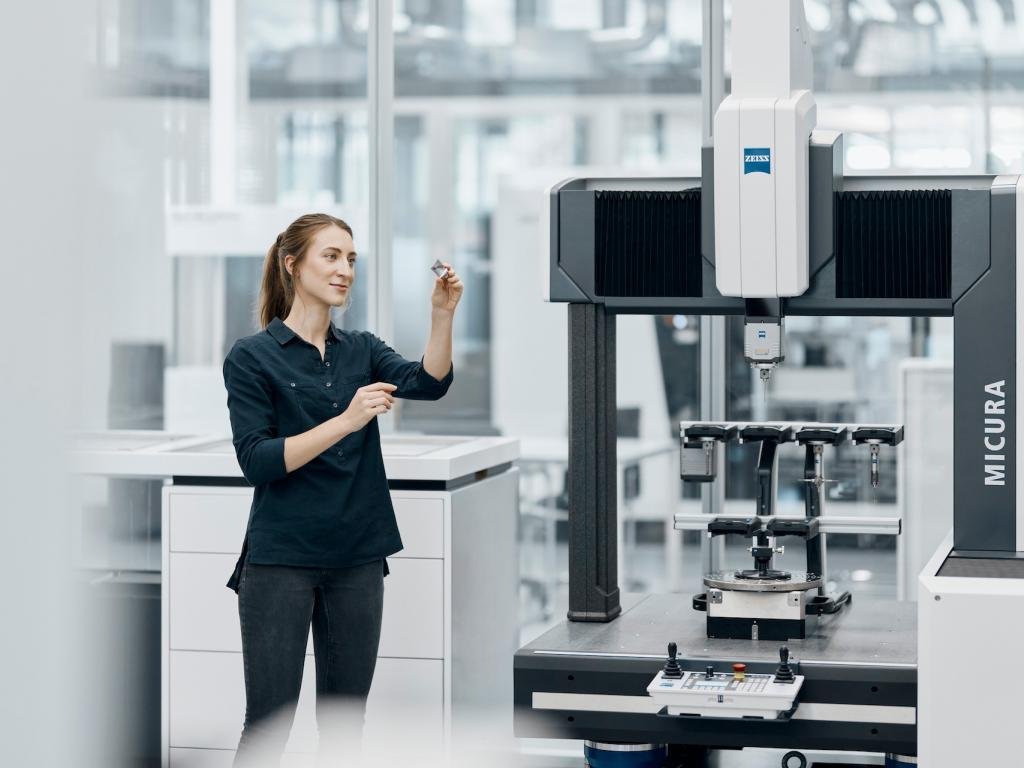
ZEISS MICURA CMM Metrology Lab
Every wire EDM part is validated—not merely inspected—in a dedicated metrology lab anchored by a ZEISS MICURA coordinate measuring machine with 0.7 µm resolution, backed by Nikon toolmaker’s microscopes. Full FAI reports and material certificates accompany every shipment.
- 0.7 µm ZEISS MICURA CMM for three-dimensional tolerance verification
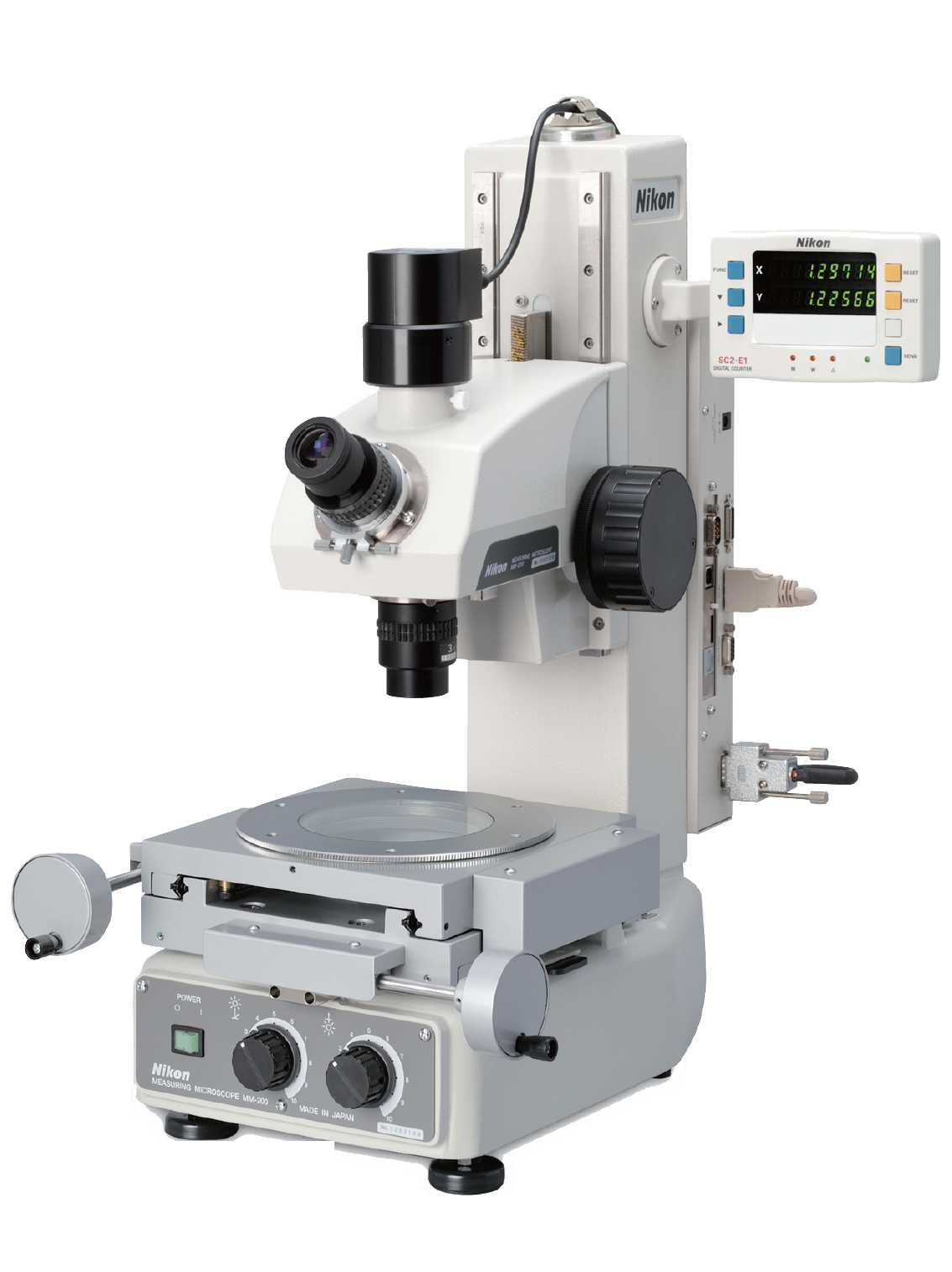
- Nikon V-12B / MM-400 class microscopes for surface and edge inspection
- Material spectral analysis and hardness testing on incoming stock
- Complete first-article inspection (FAI) documentation with traceability
3–7 Day Sample Turnaround
XUXIANG delivers wire EDM samples in 3–7 days and mass production in 15–25 days—roughly 30% faster than industry average—thanks to dual-factory capacity, DFM engineering support from 10+ experts and streamlined process control across Sodick, Fanuc CNC and EDM work centers.
- 24-hour quote response with DFM feedback before production starts
- Dual factories: Dongguan 2,000 m² (R&D + micro-machining) + Quanzhou 1,400 m² (volume)
- 2025 capacity expansion delivering +200% annual output increase
- Parallel processing across slow-wire EDM, CNC and grinding to compress lead times
XUXIANG vs. Standard Wire EDM Shops
Evidence-based precision: named equipment, measured tolerances and documented quality systems that deliver micron-stable results on every project.
← 左右滑动查看 →
Wire EDM & Precision Machining — Project Flow
From material certification to final FAI, every wire EDM project follows a six-phase quality gate designed to deliver +/-0.001 mm precision, mirror-grade finish and full traceability.
Material Sourcing & Spectral Analysis
Certified raw materials arrive with mill certificates; our lab conducts spectral verification to confirm alloy composition and mechanical properties before machining begins.
CAD Review & DFM Engineering
Ten-plus engineering experts analyze your drawings for manufacturability, tolerance feasibility and toolpath optimization — feedback delivered within 24 hours of upload.
Wire EDM & Sinker EDM Machining
Sodick and Seibu slow-wire EDM cut complex geometries to +/-0.002 mm; Mitsubishi mirror EDM achieves Ra 0.1 µm finishes on critical mold surfaces.
In-Process Tolerance Monitoring
Operators verify key dimensions at every machining stage using calibrated micrometers and toolmaker’s microscopes, preventing drift before it compounds downstream.
ZEISS & Nikon CMM Verification
Final parts undergo coordinate measurement on our ZEISS MICURA CMM (0.7 µm resolution) and Nikon V-12B / MM-400 microscopes to validate all critical features.
Surface Integrity, FAI & Shipping
Surface-roughness profilometry, visual inspection and full First Article Inspection reports — complete with material certificates — accompany every shipment for full traceability.
How to Partner With XUXIANG for Wire EDM Precision
From technical drawings to certified parts, our five-step process ensures micron-stable quality and predictable delivery for every wire EDM project.
Submit Drawings & Technical Requirements
Upload CAD files, technical drawings or specifications via email or quote form. Our engineering team reviews material, tolerance and surface-finish requirements within 24 hours.
Receive DFM Feedback & Quote
Within 24 hours, receive design-for-manufacturability recommendations from 10+ wire EDM experts, plus a detailed sampling quote with lead time and pricing transparency.
Approve Samples & Validate Tolerances
Review first-article samples machined to +/-0.001 mm on Sodick or Seibu wire EDM, validated by ZEISS MICURA CMM. Approve dimensional accuracy before mass production.
Launch Volume Production
Once approved, production begins across dual ISO 9001:2015 facilities with in-process tolerance monitoring, mirror-grade EDM finishing and five-step quality verification at every stage.
Receive Parts With Full FAI Documentation
Every shipment includes first-article inspection reports, material certificates and CMM data. Lead times average 15-25 days for production, 3-7 days for samples.
Wire EDM Certifications & Quality Assurance


Wire EDM Customer Success Stories
XUXIANG’s slow-wire EDM delivered +/-0.002 mm positioning on our micro-connector tooling — 40% tighter than our previous supplier. The ZEISS CMM reports gave us full audit traceability.
We needed 18 complex automotive sensor housings with R 0.02 mm radii and Ra 0.15 mirror finish. XUXIANG turned samples in 5 days, then scaled to 500 units in 18 days — 30% faster than quoted.
Their wire EDM process solved a design challenge our team struggled with for months: ultra-thin walls on medical-device mold cores. The DFM feedback from their engineers saved us two revision cycles and cut tooling cost by 22%.
Wire EDM & Precision Machining FAQ
What is the minimum order quantity for wire EDM parts?
How long does wire EDM machining take for samples versus production runs?
Do you charge for wire EDM samples, and are sampling fees refundable?
What tolerances can your wire EDM equipment hold?
What materials can you machine with wire EDM?
What payment terms do you offer for international buyers?
How do you handle shipping, customs documentation and import duties?
How is my intellectual property and design data protected?
Can you provide DFM feedback before I commit to wire EDM production?
The Complete Buyer’s Guide to Wire EDM for Precision Manufacturing
Navigate wire EDM sourcing with confidence. This guide delivers a proven decision framework, supplier evaluation criteria, and the most common procurement mistakes to avoid when specifying precision mold components and micro-tolerance parts.
1. What Is Wire EDM and How Does It Work?
Wire electrical discharge machining (wire EDM) removes material through controlled spark erosion between a traveling wire electrode — typically brass or coated copper, 0.1–0.3 mm diameter — and an electrically conductive workpiece submerged in dielectric fluid. Each spark vaporizes a microscopic volume of metal; the dielectric flushes debris and prevents arcing. CNC path control guides the wire along programmed contours, achieving tolerances of ±0.002 mm (±0.00008 in) on slow-wire systems such as XUXIANG’s Sodick and Seibu machines, with corner radii down to R ≤ 0.015 mm and mirror-grade surface finishes to Ra 0.1 µm.
Buyers choose wire EDM over milling or laser cutting when hardness (above 60 HRC), complexity (micro-slots, internal radii, taper angles) or burr-free edges are non-negotiable. Because the wire never touches the part, there is zero mechanical stress, no tool deflection and no heat-affected zone that compromises dimensional stability — critical for plastic mold cores, micro-connector tooling and precision jigs where sub-micron repeatability governs product performance.
2. Evolution of Wire EDM Technology
Wire EDM emerged in the 1960s from Soviet spark-erosion research, but commercial viability arrived in the 1970s when Swiss and Japanese manufacturers introduced submersible dielectric tanks that stabilized discharge energy and enabled repeatable micron-level cuts. By the mid-1980s, Japanese CNC automation — led by Sodick, Mitsubishi and Fanuc — replaced manual wire threading and transformed wire EDM from a specialist art into a production-capable process, slashing setup times by 60–70%.
The 1990s brought automatic wire feeders and adaptive power supplies that sensed material conductivity in real time, enabling unattended multi-shift runs and corner radii below R 0.02 mm. Today’s five-axis machines with auto-threading and closed-loop tension control achieve positioning repeatability of +/-0.002 mm and surface finishes down to Ra 0.1 µm — precision that unlocks high-density micro-connector tooling for 5G, board-to-board sockets and RF antenna molds with slot widths under 0.1 mm, geometries that were physically unmachinable a decade ago.
3. Types of Wire EDM Machines and Processes
Wire EDM machines vary by axis configuration, cutting strategy and dielectric delivery, each optimized for different tolerance windows and part geometries. Selecting the right process ensures both dimensional accuracy and cycle-time efficiency for mold inserts, punches and micro-connectors.
Two-Axis vs. Four-Axis vs. Five-Axis Configurations
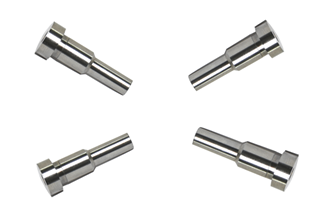
Two-axis wire EDM cuts straight vertical profiles and is the workhorse for flat mold plates and simple punches. Four-axis machines add independent upper and lower guides, enabling taper angles up to ±30° for draft faces and undercut cores common in automotive sensor housings.
Five-axis systems rotate the workpiece or wire guide assembly, cutting complex 3D contours in a single setup — critical for micro-connector terminal cavities and conformal cooling channels where repositioning would compromise +/-0.002 mm tolerances.
Skim-Cut vs. Rough-Cut Strategies
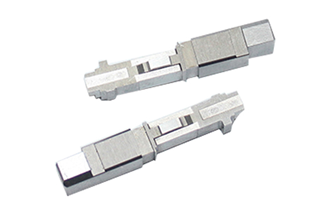
Rough cuts remove bulk material at 150–250 mm²/min with higher discharge energy, leaving 0.01–0.02 mm stock. Skim cuts — typically two to four passes at reduced power — achieve Ra 0.1–0.4 µm mirror finishes and hold +/-0.002 mm positioning, essential for mirror-class EDM cores and high-density terminal tooling where surface integrity directly affects mold life.
Submerged vs. Spray-Flush Dielectric Delivery
Submerged wire EDM immerses the workpiece in a dielectric tank, ensuring stable flushing for thick sections (>50 mm) and intricate cavities. Spray-flush systems jet dielectric onto the cut zone, suited for thin-wall parts (<5 mm) and preventing thermal distortion in delicate micro-pins where full immersion risks warping.
High-Speed WEDM-HS vs. Slow-Feed Precision Wire EDM
High-speed wire EDM (WEDM-HS) uses brass wire at 8–12 m/s for production runs of stamping dies and simple inserts, trading finish for throughput. Slow-feed precision wire EDM — Sodick and Seibu class — advances wire at 0.05–0.2 m/s, delivering +/-0.001 mm accuracy and Ra ≤0.2 µm for tooling applications like lifters, sliders and ADAS component molds where micron-stable precision is non-negotiable.
4. Materials Compatible with Wire EDM
Wire EDM cuts any electrically conductive material regardless of hardness, making it the preferred process for hardened tool steels, carbide and exotic alloys that destroy conventional cutters. Because the wire never touches the workpiece, tool wear and cutting forces are eliminated — HRC 65 carbide machines as easily as annealed brass.
| Material Family | Typical Hardness (HRC) | Wire EDM Surface Finish (Ra) | Common Applications |
|---|---|---|---|
| Tool Steels (H13, S7, D2) | 50–62 | 0.2–0.8 µm | Plastic mold cores, punch dies, ejector pins |
| Carbide (WC-Co) | 70–80 | 0.1–0.4 µm | Punch & die tooling, wear inserts, micro-connectors |
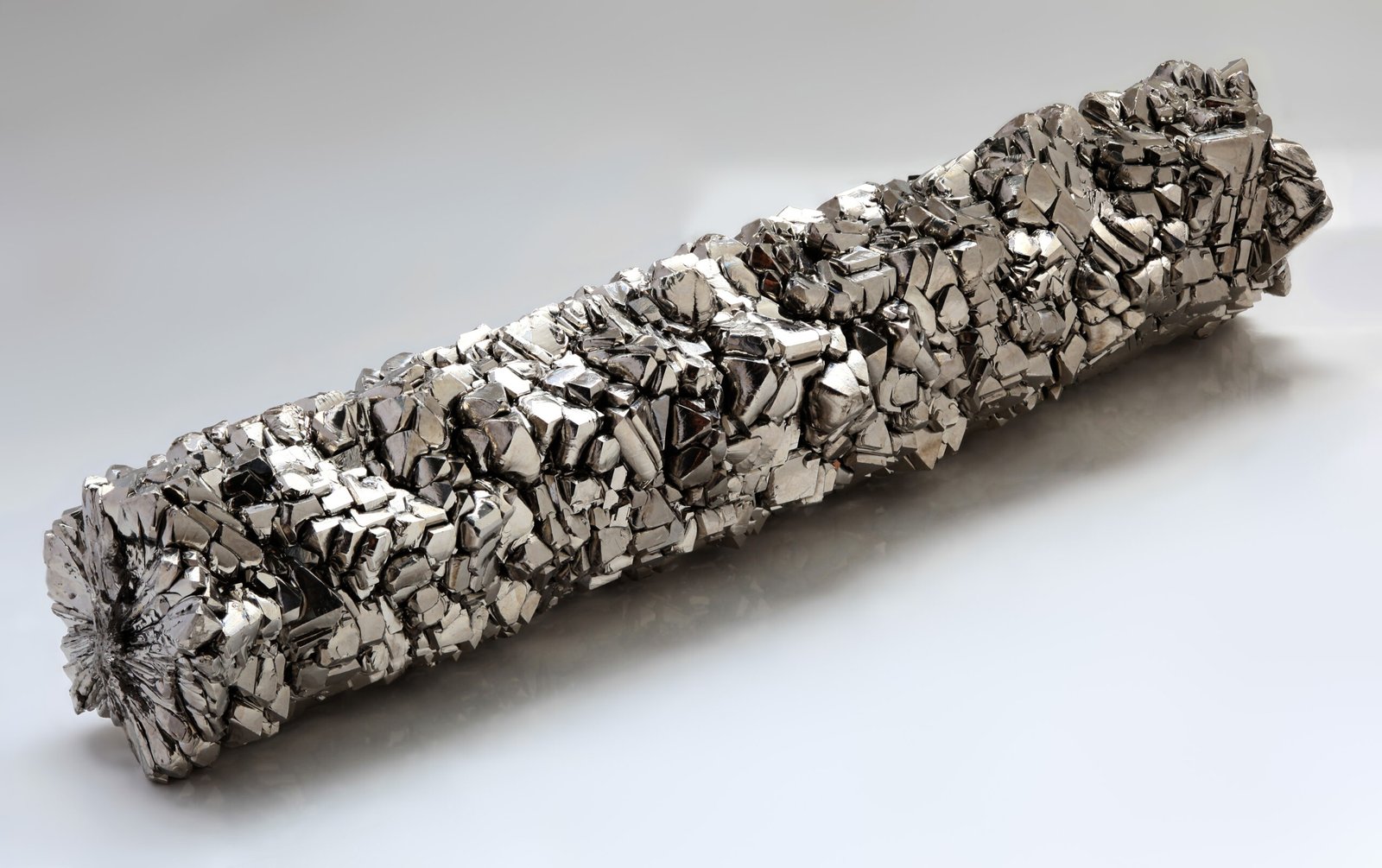
| Titanium (Ti-6Al-4V) | 32–38 | 0.3–1.0 µm | Medical implants, aerospace fixtures, ADAS housings |
| Inconel (718, 625) | 35–45 | 0.4–1.2 µm | High-temp turbine parts, 5G RF shielding, NEV sensors |
| Copper Alloys (BeCu, CuCrZr) | 30–42 | 0.2–0.6 µm | Electrode blanks, EDM cores, high-conductivity contacts |
| Graphite | N/A | 0.5–1.5 µm | Electrode fabrication, sinker EDM tooling, high-temp jigs |
5. Wire EDM Customization and Feature Capabilities
Wire EDM unlocks geometric features that conventional machining cannot achieve, from sharp internal corners to tapered profiles and micro-slot arrays. Understanding these capabilities — and the secondary operations that extend them — ensures your mold cavities, connector pin arrays and precision inserts meet both dimensional and surface-integrity requirements.
Sharp Internal Corners and Minimum Radii
Wire EDM produces internal corner radii as tight as the wire diameter plus spark overcut — typically R 0.05–0.10 mm with 0.20 mm brass wire, and down to R ≤ 0.015 mm with 0.02–0.03 mm wire on precision machines. XUXIANG’s Sodick and Seibu slow-wire systems hold +/-0.002 mm positioning, enabling micro-connector tooling and conformal cooling channels that require minimal fillet radii without secondary broaching.
Taper Angles and Variable Z Profiles
Modern wire EDM machines tilt the wire up to ±30° from vertical, cutting tapered walls and variable Z-height contours in a single pass. This capability is critical for draft angles in injection-mold cores, progressive-die punches and angled pin sockets in high-density board-to-board connectors, eliminating costly multi-setup operations.
Engraving, Micro-Slots and Array Patterns
Wire paths can trace alphanumeric engraving, logo reliefs and repeating slot arrays with sub-10 µm positional accuracy. Micro-slots as narrow as 0.05 mm and array pitches below 0.2 mm are routine for RF connector tooling and multi-cavity mold inserts, where conventional end mills would deflect or break.
Integrated Secondary Operations
Post-EDM heat treatment (vacuum hardening to HRC 58–62), precision grinding (Ra ≤ 0.1 µm on Dawn centers) and PVD coatings (TiN, DLC for wear resistance) are coordinated in-house at XUXIANG. This integration maintains tolerance stack-up and shortens lead time by roughly 30%, ensuring mold cores and connector pin arrays meet both geometric and tribological specifications without re-fixturing.
6. Key Quality Indicators for Wire EDM Parts
Procurement teams who accept wire EDM parts without verifying five critical quality indicators risk costly rework, assembly failures and tool-life penalties. XUXIANG’s five-step QC flow — material spectral analysis, in-process tolerance monitoring, ZEISS MICURA CMM verification (0.7 µm resolution), surface-integrity checks and final FAI documentation — ensures every dimension, finish and metallurgical attribute meets design intent before shipment.
Dimensional Tolerance Verification
CMM inspection is non-negotiable for wire EDM work claiming ±0.002 mm class positioning. XUXIANG validates every critical feature on a ZEISS MICURA coordinate measuring machine with 0.7 µm resolution, cross-checked by Nikon toolmaker’s microscopes (V-12B / MM-400 class) for edge radii and profile consistency.
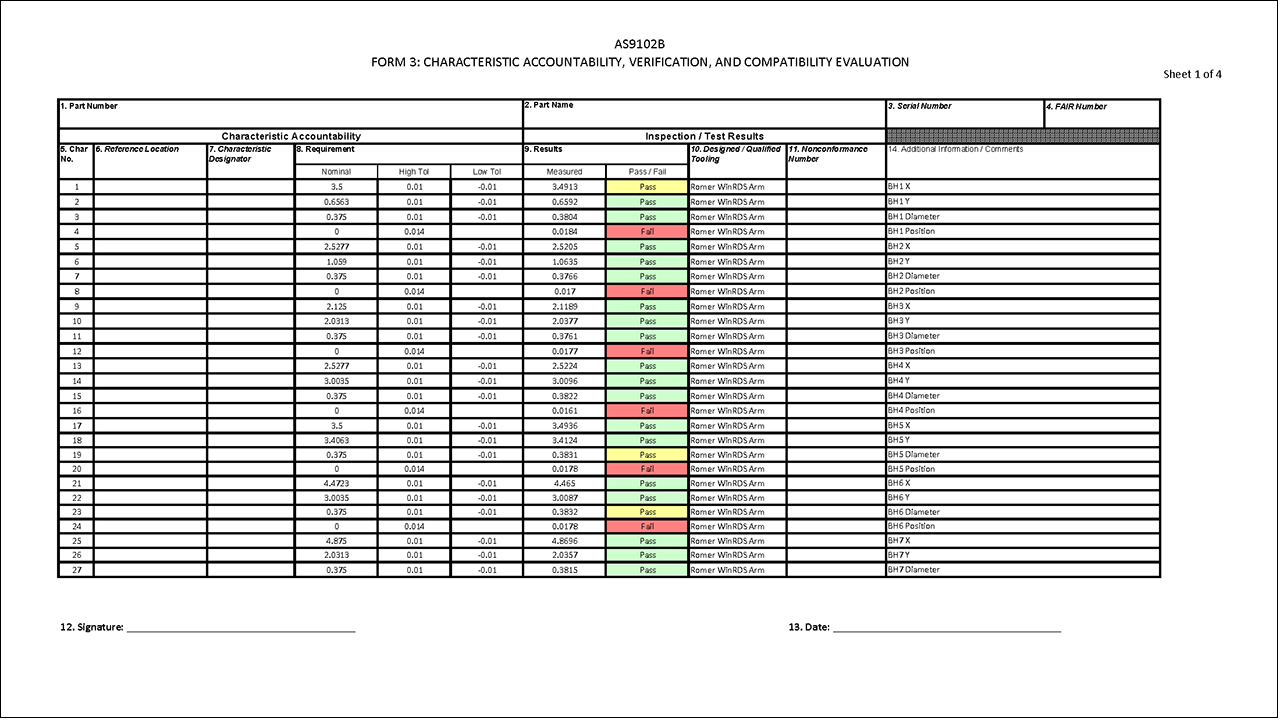
First-article inspection reports must include X-Y-Z coordinates for datum features, positional tolerance deviations and GD&T call-outs — not merely pass/fail stamps.
Surface Roughness and Recast Layer
Mirror-grade wire EDM finishes reach Ra 0.1 µm through multiple skim passes; production-grade work typically delivers Ra ≤ 0.2 µm. The recast layer — a thin, re-solidified zone inherent to thermal erosion — must stay below 5 µm for tooling inserts and under 2 µm for fatigue-critical aerospace components.
Request profilometer traces and metallographic cross-sections in your FAI package to confirm both roughness and recast thickness.
Wire Breakage Marks and Skim Cuts
Wire breakage during roughing leaves visible striations and localized recast spikes. Reputable shops eliminate these defects with at least one skim-cut pass at reduced energy, removing 0.05–0.15 mm per side.
Inspect sample parts under 20× magnification; any visible step or discoloration indicates insufficient skim allowance or premature process termination.
Micro-Cracking and Corner Radius Consistency
Thermal shock can nucleate micro-cracks perpendicular to cut surfaces, especially in carbide and hardened tool steels above 58 HRC. Dye-penetrant or fluorescent inspection detects sub-surface flaws before they propagate in service.
Corner radii below R 0.015 mm — achievable with 0.02 mm brass wire — demand profile tolerance call-outs; request radius-gauge verification or optical comparator overlays in the FAI report.
Certification Standards and FAI Checklists
ISO 9001:2015 governs process control; AS9100 adds aerospace traceability for lot genealogy and non-conformance tracking. XUXIANG operates under ISO 9001:2015, issuing material certificates (mill test reports) and dimensional FAI documentation with every precision-mold and connector-tooling shipment.
Your first-article checklist should mandate: CMM coordinate data, surface-roughness traces, recast-layer micrographs, material certification and calibration dates for all metrology equipment.
7. How to Choose a Wire EDM Manufacturer
Supplier selection for wire EDM hinges on six verifiable capabilities: machine assets, wire-diameter flexibility, dielectric management, metrology depth, lead-time transparency and intellectual-property safeguards. Procurement teams should audit each before issuing an RFQ.
Machine Park and Work Envelope
Request the brand, model and axis count of every wire EDM machine — Sodick, Seibu and Charmilles platforms signal micron-class control. Verify XYZ travel and U-V taper axes; automotive mold cores often exceed 300 mm envelope. XUXIANG deploys Sodick and Seibu slow-wire systems with +/-0.002 mm positioning, backed by Beijing Jingdiao electrode CNC and Dawn grinding centers for end-to-end precision.
Wire Diameter Range and Dielectric Filtration
Micro-connector tooling demands 0.05–0.10 mm wire; heavier automotive dies use 0.25–0.30 mm. Ask which diameters the shop stocks and whether the dielectric filtration system meets 1 µm particulate removal — poor filtration degrades corner radii and surface finish below Ra 0.2 µm.
In-House Metrology and NDA Protocols
Insist on CMM brand and resolution — XUXIANG’s ZEISS MICURA measures to 0.7 µm, complemented by Nikon toolmaker’s microscopes (V-12B / MM-400 class). Confirm signed NDA workflows for proprietary mold designs and ask for case studies in your sector (5G, medical, NEV) to validate domain experience.
8. Common Mistakes Buyers Make When Sourcing Wire EDM
Even experienced buyers stumble over wire EDM’s unique constraints. Missteps in corner-radius specs, recast-layer control and machine validation can derail tooling schedules and trigger costly rework cycles.
Specifying Impossible Corner Radii
Many RFQs call for R ≤ 0.010 mm internal corners without accounting for wire diameter. Standard 0.20 mm brass wire yields minimum radii around 0.10 mm; achieving R ≤ 0.015 mm demands 0.03–0.05 mm wire, slower feed rates and specialized Sodick or Seibu machines. XUXIANG’s slow-wire EDM holds R ≤ 0.015 mm when the design permits it — but buyers should verify feasibility during DFM review rather than after tooling begins.
Omitting Recast-Layer and Heat-Treatment Sequence
A Tier-1 automotive supplier once heat-treated H13 mold inserts before wire EDM; residual stress caused micro-cracks along cut edges. Best practice: rough-machine, heat-treat to final hardness, then wire EDM with multi-pass skim cuts to remove recast layer (typically 5–15 µm). Always specify maximum allowable recast thickness and request material certificates confirming hardness post-treatment.
Choosing the Lowest Bidder Without Machine Validation
Price-only sourcing often lands older two-axis machines incapable of taper cuts or auto-threading. Validate that the shop owns Sodick, Charmilles or equivalent four-axis wire EDM, a CMM (ZEISS MICURA-class preferred) and ISO 9001:2015 certification. XUXIANG’s metrology lab measures to 0.7 µm, ensuring every part meets print before shipment.
9. Wire EDM Pricing and Cost Structures
Wire EDM pricing follows a quantity-tiered model where programming and fixturing setup costs (typically USD 150–400 per project) are amortized over batch size, making unit economics dramatically better at production volumes. A prototype run of 1–10 pieces may cost USD 50–120 per part, while 500+ units drop to USD 8–25 per part, depending on complexity.
Material hardness, part height, taper angles and the number of skim passes are the primary cost drivers. Hardened tool steels (HRC 58+) and carbide require slower cutting speeds and premium brass wire, increasing cycle time by 30–60% versus annealed alloys. Parts taller than 50 mm or featuring four-axis tapered geometry add programming complexity and wire consumption, which can represent 15–25% of per-part material cost.
Wire EDM becomes cost-effective when conventional machining cannot hold the required tolerance (±0.002 mm or tighter), when tool access is blocked, or when material hardness exceeds HRC 45. For simple geometries in soft materials below 20 mm height, CNC milling is typically 40–50% faster and cheaper.
| Quantity Tier | Unit Price (USD) | Setup Cost (USD) | Typical Lead Time |
|---|---|---|---|
| Prototype (1–10 pcs) | $50–120 | $150–400 | 5–7 days |
| Small Batch (50–100 pcs) | $20–45 | $200–350 | 10–14 days |
| Production (500+ pcs) | $8–25 | $250–400 | 18–25 days |
10. Steps to Launch Your Wire EDM Project with Confidence
A disciplined procurement workflow reduces tolerance failures and schedule slippage. Follow five core steps to ensure every wire EDM order meets design intent, on time and on budget.
Finalize CAD with Tolerances and Surface Callouts
Before requesting quotes, lock down CAD models with GD&T annotations, corner-radius limits, surface-finish targets (Ra 0.1–0.4 µm typical for wire EDM) and material specifications. Ambiguous drawings invite rework and delay.
Include electrode-access zones, taper allowances and skim-cut requirements. Clear documentation accelerates DFM review and ensures every supplier quotes the same scope.
Request Multi-Supplier Quotes with Lead-Time Commitments
Solicit at least two quotes, specifying wire type (brass or coated), cut speed, inspection protocol and delivery window. Compare not only unit price but also tooling fees, FAI timelines and change-order policies.
Ask for machine-capability data — Sodick or Seibu slow-wire EDM with ±0.002 mm positioning is standard for precision mold work.
Approve First-Article Inspection Report
Require a full FAI package: CMM dimensional report (ZEISS or equivalent), surface-roughness measurements, material certificates and photographic evidence. XUXIANG validates every first article on a ZEISS MICURA CMM with 0.7 µm resolution.
Sign off only after verifying every critical dimension and finish callout. This document becomes your production baseline and change-order reference.
Partner with an Experienced Wire EDM Shop
Choose a supplier with proven metrology, transparent change-order protocols and ISO 9001:2015 traceability. XUXIANG combines Sodick slow-wire EDM, ZEISS inspection and roughly 30% faster delivery than industry average, backed by 16 years of mold-component expertise.
Ready to Source Wire EDM Precision Mold Components?
Submit your tech pack today and receive a detailed quote within 24 hours — complete with DFM engineering feedback from our precision machining team.