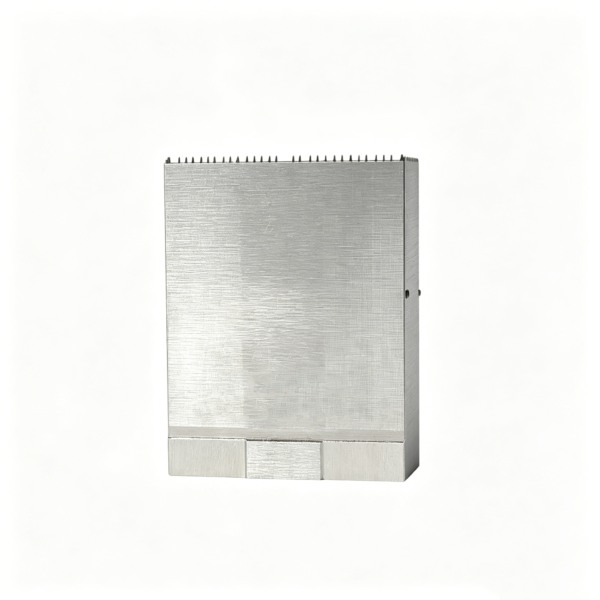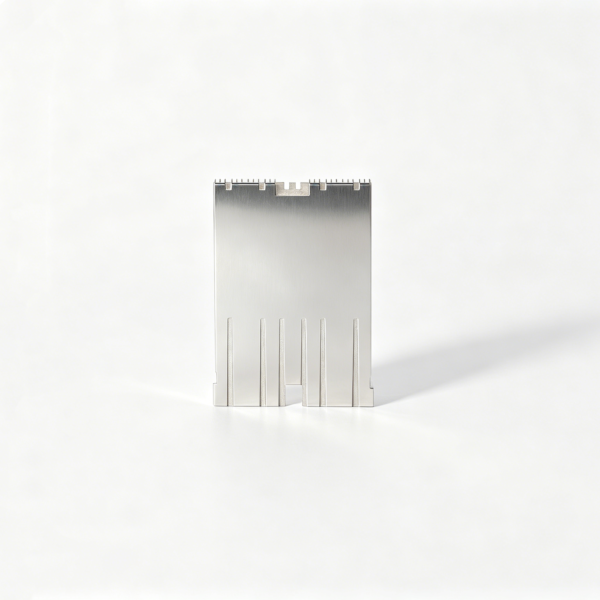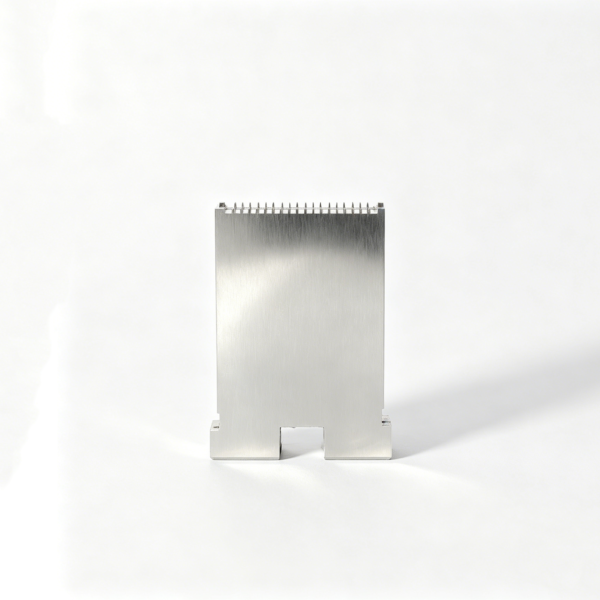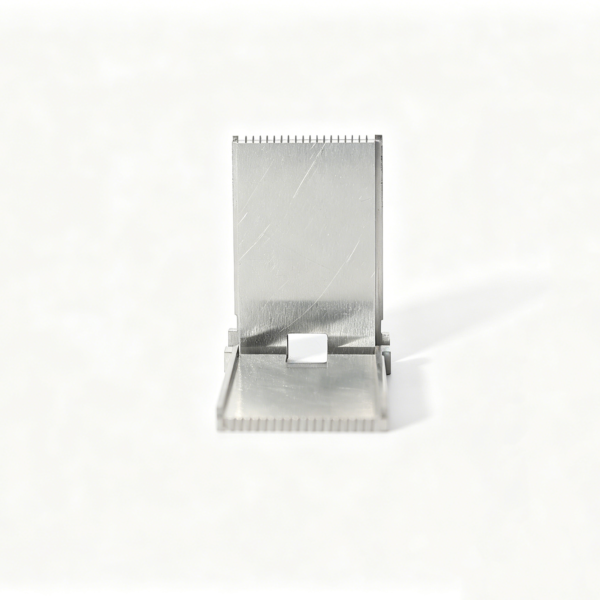
Corrosion protection for precision mold components is an approval system, not a single packaging material. Buyers should specify a clean, cool, surface-dry part; a protection method compatible with the metal and next process; physical restraint that protects critical geometry; a sealed transit pack; and documented incoming checks. VCI can support enclosed protection, but it cannot dry free water, repair rust, or replace cushioning.
Define the protection problem before selecting materials
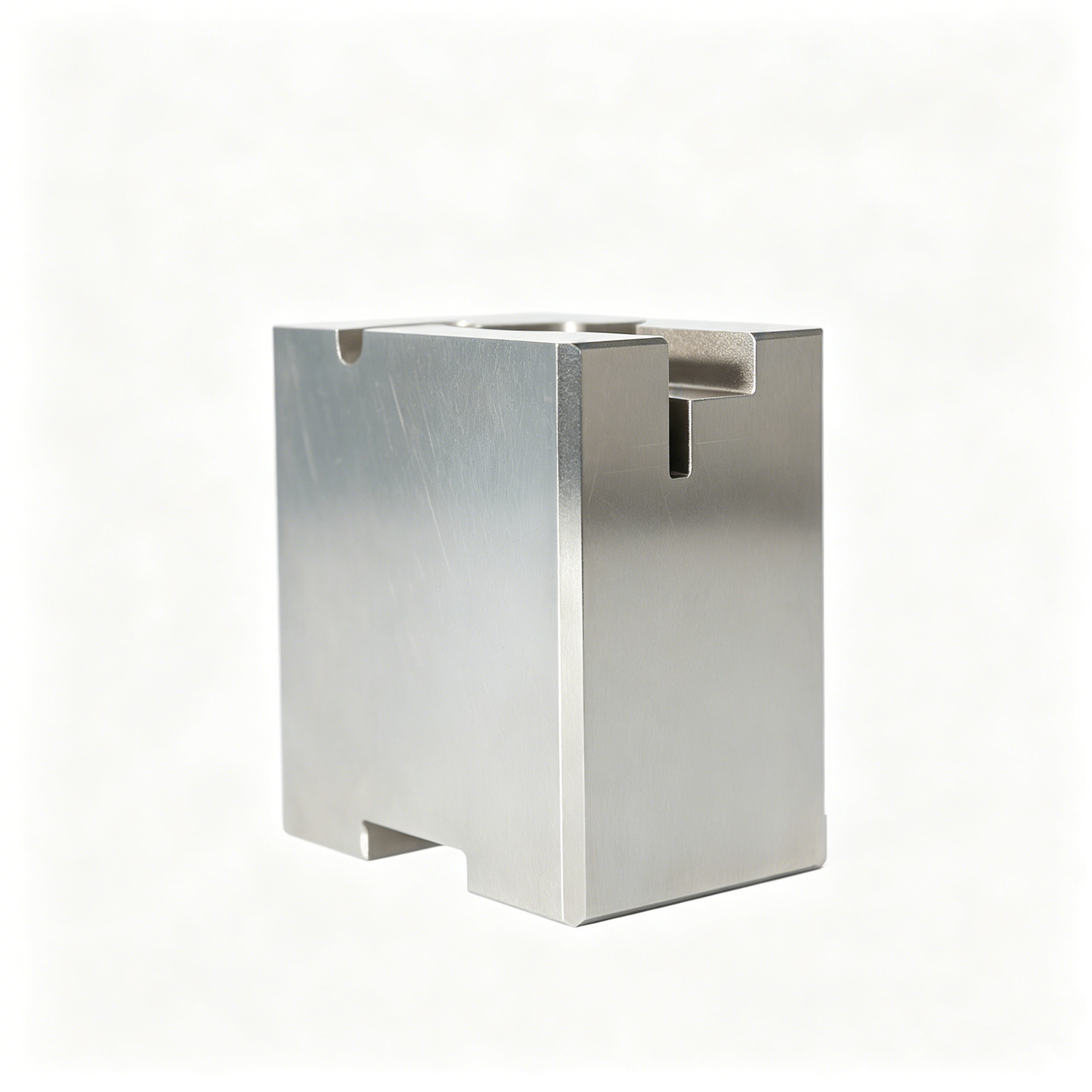
Loose cores, inserts, punches, cavity details, slides, pins, and machined fixtures are exposed at several handoffs: final handling, temporary storage, export transit, receiving, and inspection. The risk is not simply “rust.” A fingerprint on a polished face, moisture left in a recess, a damaged package seam, or a component that rubs through its film can each create a different failure mode.
For buyer approval, temporary corrosion protection means the controlled measures used to preserve a component’s condition until it is received, inspected, and either assembled, stored again, or prepared for its next manufacturing operation. It is distinct from a permanent coating or surface treatment. The objective is to deliver a part whose critical surfaces can be evaluated without introducing avoidable contamination or handling damage.
Three terms are worth separating:
- VCI enclosure: packaging that uses vapor corrosion inhibitor chemistry within an enclosed space. It is a corrosion-control layer, not a moisture-removal process.
- Desiccant and moisture barrier: materials and packaging intended to manage moisture exposure within a sealed pack. They address a different risk from VCI and may be used alongside it when the approved application calls for both.
- Mechanical cushioning: trays, separators, caps, sleeves, or other restraints that prevent impact, abrasion, nesting, and movement. It protects geometry; it does not prevent corrosion by itself.
A supplier’s protection method should be evaluated as a system. The same component may need an internal VCI enclosure, a non-contact edge guard, a rigid tray, and an outer shipping container. Conversely, adding layers without defining their purpose can trap contamination, obscure identification, or make incoming inspection harder.
Start with cleanliness, dryness, and temperature
The most consequential approval decision occurs before packaging closes. The part should be released into preservation only after the buyer and supplier have agreed what “clean” means for the drawing, material, finish, and next operation. That definition should consider process residues, loose particles, handling contamination, and whether any approved temporary protective oil must later be removed before assembly, bonding, coating, metrology, or molding.
VCI should not be treated as a rescue measure for a wet component. Zerust states that parts intended for VCI packaging should be free of visible moisture and corrosive residues, near ambient temperature, and promptly sealed; it also explains that VCI does not remove standing water. Zerust: How Dry Should Parts Be Before VCI Packaging
That guidance supports a practical packing principle: do not authorize sealing immediately after a process merely because the surface looks bright. Trapped moist air can create condensation as a sealed pack cools. Buyers can require a documented handling rule that manages temperature and condensation risk, without prescribing a universal hold time.
Cleaning should be appropriate to the approved process route. This article does not prescribe a solvent recipe, abrasive method, or surface-treatment procedure. Those choices can affect finish, residues, worker controls, and downstream processes. The approval record should instead identify the accepted pre-pack condition and the responsible process owner.
If corrosion, staining, unexplained residue, or moisture is found before packing, quarantine the part. Do not polish a critical face merely to make it presentable. Capture the condition, identify the component, and route the disposition through the agreed quality process. A cosmetic intervention can remove evidence or alter a surface that needs engineering review.
Choose the protection method around the next operation
The right package depends on what the receiver must do next. The comparison below is a buyer decision framework, not a universal material recommendation.
Approved removable oil
A removable protective oil can be a sensible option where the next process has an established, approved removal and cleanliness path. It may be useful for surfaces needing direct barrier protection during handling or interim storage.
Its tradeoff is downstream cleanliness. Buyers should ask whether residue could affect coating, bonding, assembly, molding, optical inspection, or measurement. The supplier should not assume that a product acceptable for one steel, finish, or cleaning process is acceptable for every component. Approval should identify the specific product, material, contact surfaces, removal expectation, and re-preservation approach after inspection.
VCI enclosure
VCI packaging can be a clean-handling-oriented choice for components that can be placed in a properly enclosed package after approved preparation. The key word is enclosed: the integrity of the package, air volume, closure, handling sequence, and compatible metals all matter.
Cortec presents VpCI-226 as a product-specific packaging system available in film, bags, liners, perforated sheeting, coil covers, and tubing, with variants including UV-resistant and shrink formulations. Cortec: VpCI-226 This is useful as an example of why buyers must approve the actual film format and product specification, rather than writing “use VCI” as an incomplete instruction.
Compatibility is not implied by the VCI label. Confirm the actual product, the component metals or alloys, the intended contact or enclosure arrangement, the storage and shipping situation, and downstream requirements. Do not generalize one supplier’s product claims to all VCI films or to a particular component manufacturer.
Moisture-barrier packaging with desiccant
A moisture-barrier and desiccant approach can be appropriate when the transportation route, storage exposure, or packaging architecture calls for moisture management. It is especially relevant where the buyer’s concern is water-vapor ingress or enclosed-package humidity rather than only surface contact protection.
The tradeoff is execution discipline. A barrier pack is only as useful as its closure integrity, component condition before sealing, and the approved placement of internal materials. Desiccant does not replace cleaning, nor should it be assumed to protect a component from mechanical movement. It also needs a documented inspection and repacking method once the seal is opened.
Approve physical protection separately from corrosion protection
Precision parts can arrive corrosion-free yet unusable because an edge was dinged, a cavity face rubbed a neighboring component, or a sharp profile punctured the package. Require a pack layout that restrains each loose item and prevents contact between critical surfaces.
Cavities, pins, thin features, sharp corners, and polished faces deserve explicit treatment in the packing instruction. Use trays, separators, caps, or dedicated nests where appropriate to the component design. Edge protection should prevent component-to-component contact without puncturing a film or pressing an unsuitable material against a functional surface.
Identification must also be planned. Marking, labels, and tags should be kept outside contact surfaces and away from critical faces. The pack should make it possible to associate the part with its drawing revision, lot or order reference, quantity, and inspection record without repeatedly opening or handling the component. This supports continuity with mold component traceability records through packing and receiving.
Avoid an approval specification that simply says “pack securely.” Instead, describe the functional outcomes: no free movement, no metal-to-metal contact, critical features protected, internal corrosion-protection materials correctly placed, closure protected from puncture, and external identification readable after packing.
A numbered packing-approval workflow
- Define the component risk. Identify material, finish, critical faces, sharp features, cavities, dissimilar-metal considerations, transit route, expected storage handoff, and the next operation. Record any surfaces that must remain free from particular residues.
- Approve the pre-pack condition. Establish the release condition for cleanliness, visible dryness, and temperature awareness. Confirm that residual process fluids, salts, fingerprints, and loose debris are addressed by the approved process. Segregate any part with corrosion or uncertain condition.
- Select the temporary protection system. Name the approved removable oil, VCI enclosure, moisture-barrier/desiccant system, or combination. Record the actual product and application scope. Verify product/material/application compatibility rather than relying on a generic family name.
- Design the internal pack. Specify cavities or nests, separators, and edge protection. Ensure protective elements restrain the component without placing pressure on critical geometry or creating a film-puncture risk. Keep incompatible contact materials out of the pack.
- Protect identification. Put labels, order references, and handling information on external or non-contact packaging surfaces. Link the pack to the component identification and condition record. Do not use a critical surface as a convenient marking location.
- Seal and verify transit readiness. Close the approved enclosure or barrier system according to its applicable work instruction. Confirm that the closure is intact, the component cannot migrate inside the pack, and the outer package protects the seal from crushing or puncture. Photograph the completed pack when that is part of the order record.
- Control opening at receipt. Before opening a package that has moved through a different temperature environment, allow the pack to equilibrate when condensation is a realistic risk. The needed approach depends on the actual temperature difference, packaging, and receiving conditions; avoid universal time claims.
- Inspect, document, and re-preserve. Photograph the unopened package if damage is visible, then record package condition, component identification, visible condition, and any anomalies at opening. If inspection does not lead directly to use, return the part to an approved preservation method and record the new pack state.
This workflow makes the package an auditable handoff rather than an opaque final step. It also lets the buyer distinguish a preparation failure, sealing failure, transit damage, and incoming handling issue without speculation.
Incoming inspection: protect evidence and precision
Receiving personnel need a short, repeatable protocol. Start with the external pack: look for wetting, crushed areas, punctures, open seams, missing identification, or signs that a component could have moved. Photograph any anomaly before unpacking further.
Open the package in a clean, controlled area and avoid touching critical faces unnecessarily. Confirm the part identity against the records, then visually assess accessible surfaces for discoloration, moisture, residue, impact marks, or contact damage. Record observations in language that separates facts from conclusions: “brown mark at edge” is a fact; “VCI failure” is a conclusion requiring investigation.
When a questionable condition is observed, quarantine it in a manner that avoids further damage. Preserve the package materials and records when they may be relevant to disposition. Do not polish critical faces as part of routine incoming inspection. The inspection’s first job is to protect the component and preserve evidence for engineering or quality review.
After a conforming inspection, choose the next state deliberately: controlled storage, assembly, measurement, or production preparation. If the component is put back into storage, re-preserve it with the approved method rather than returning it to an opened or damaged package. This is also a useful point to align receiving documentation with Quality & Certifications expectations and the buyer’s own quality system.
Compact buyer checklist
- Is the component visibly dry, clean, and handled to avoid new contamination before sealing?
- Does the specification distinguish corrosion protection, moisture management, and physical cushioning?
- Is the specific temporary protection product approved for the actual materials, contact arrangement, and next process?
- Are cavities, sharp features, and critical faces restrained without puncturing film or contacting unsuitable materials?
- Is identification outside functional contact surfaces and linked to the order or inspection record?
- Does the receiving plan include temperature-equilibration judgment, package photographs, condition records, quarantine, and re-preservation?
Buyer FAQ
What is VCI packaging?
VCI packaging is an enclosure-based corrosion-control method using vapor corrosion inhibitor chemistry. It should be selected as part of a complete system that also addresses component cleanliness, dryness, package integrity, and mechanical restraint. It is not a substitute for removing free water.
Can VCI replace desiccant?
Not automatically. VCI and desiccant address different conditions. A buyer should choose or combine them based on the approved packaging architecture, moisture risk, product compatibility, and next operation rather than treating either as a universal replacement.
How long does VCI protection last?
There is no single answer suitable for every precision mold component. Duration depends on the specific product, sealed-package condition, component preparation, material compatibility, handling, and storage or transit environment. Request product-specific documentation for the proposed application; do not transfer one product’s claim to another system.
Can receiving inspection leave the original pack open?
An opened enclosure should not be treated as the original approved storage condition. Plan a controlled inspection window and define who checks, reseals, or replaces the protective materials afterward. Record damaged closures and any missing identification before returning the component to storage.
How much does VCI film cost?
Price should be evaluated against the complete approved pack: film format, component restraint, sealing method, moisture controls, inspection burden, and repacking needs. A unit price alone does not show whether the package protects both corrosion-sensitive surfaces and precision geometry. Obtain current quotations for the exact approved configuration.
For a component-specific discussion of packing records and precision-part handoff requirements, contact XUXIANG through the contact page.