
Ejector Sleeves Machined to +/-0.001 mm — Quote in 24 Hours
ISO 9001:2015 ejector sleeve manufacturing with Sodick slow-wire EDM, ZEISS CMM validation and full FAI documentation — engineered for electronics, 5G, automotive and medical-device tooling programs worldwide.
Featured Ejector Sleeves & Mold Components
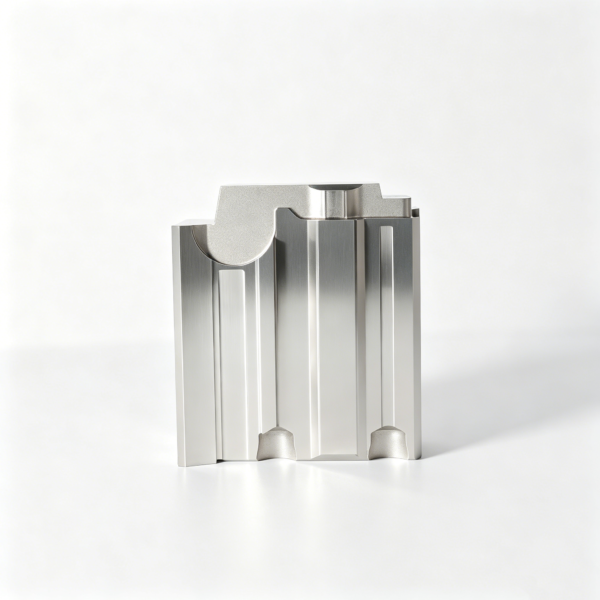
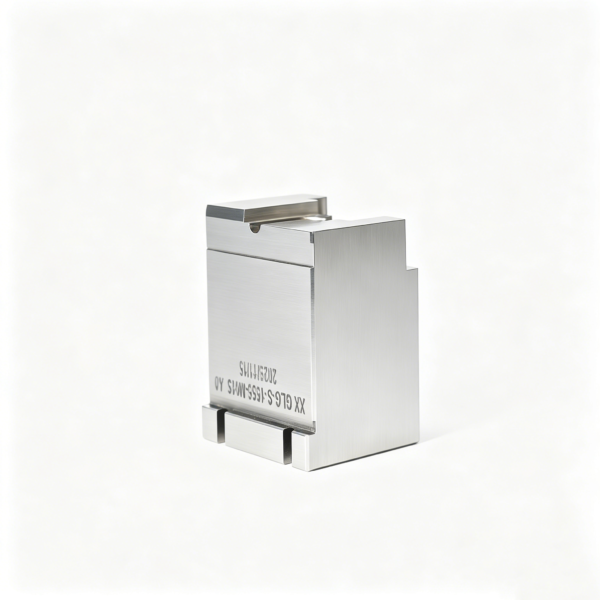
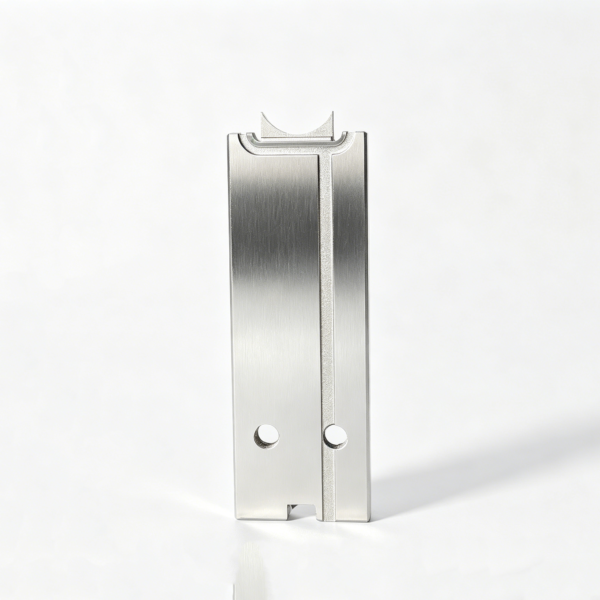
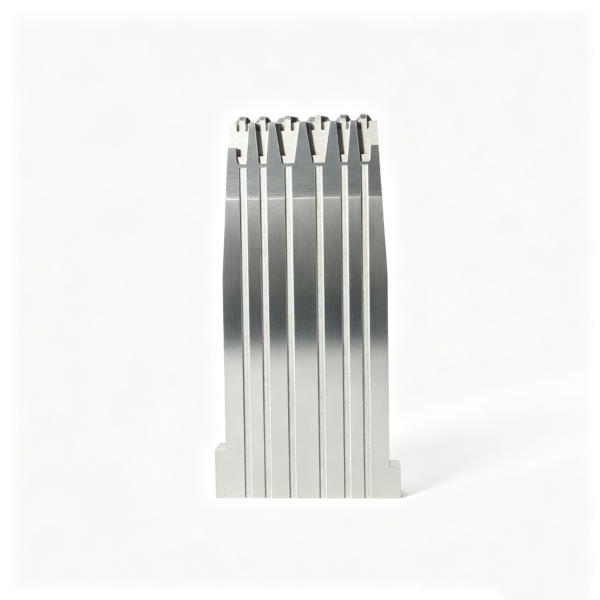
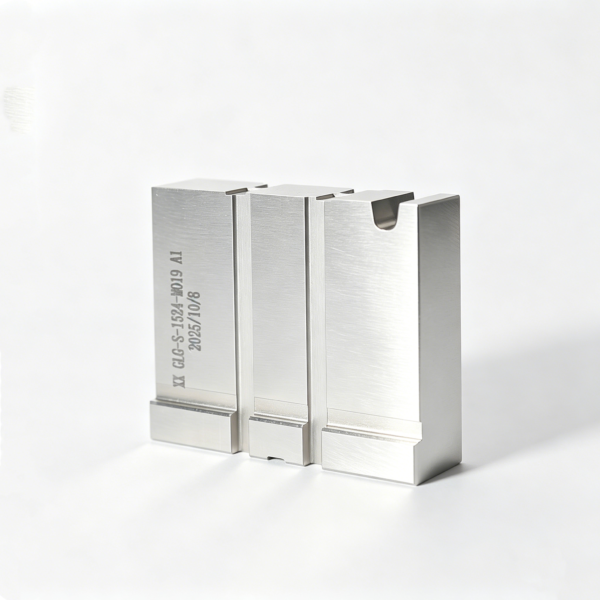
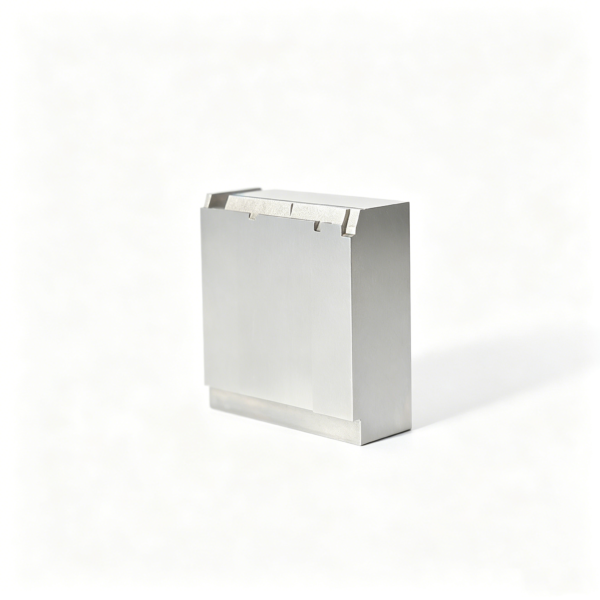
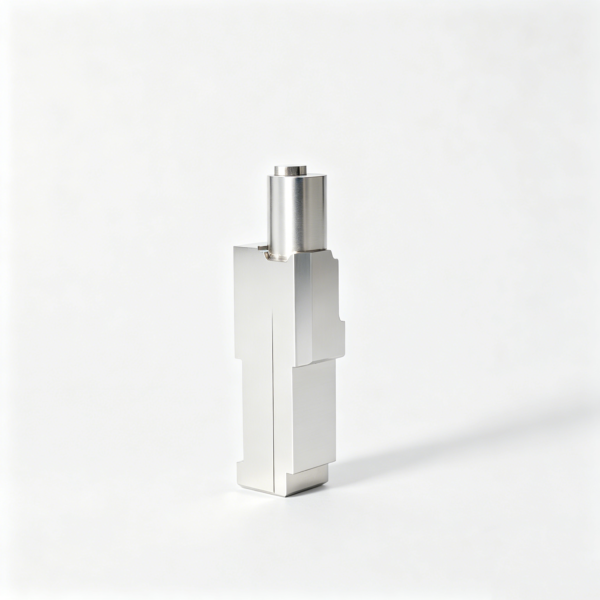
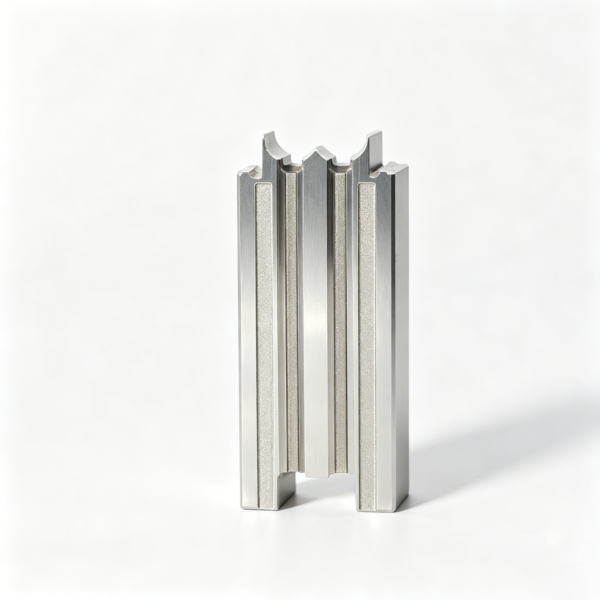
Precision Mold Components in Action
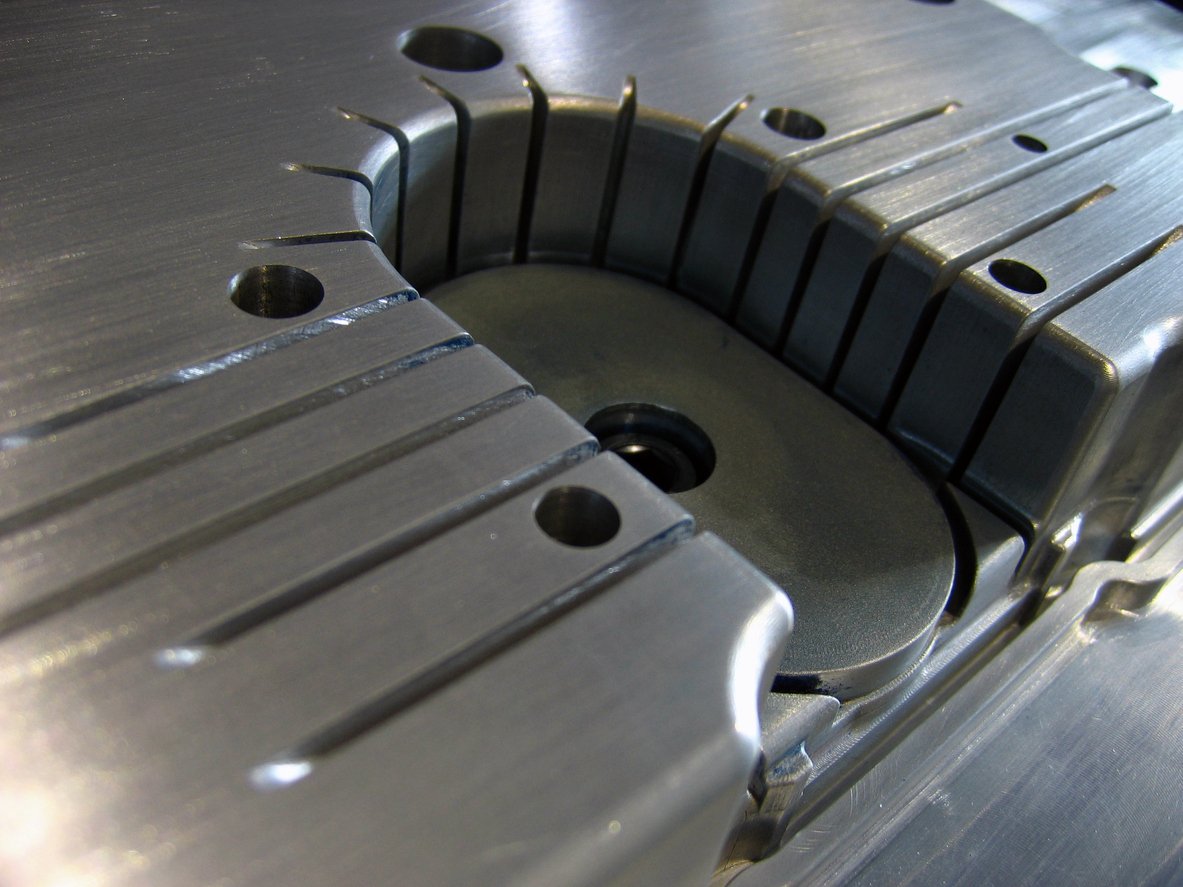
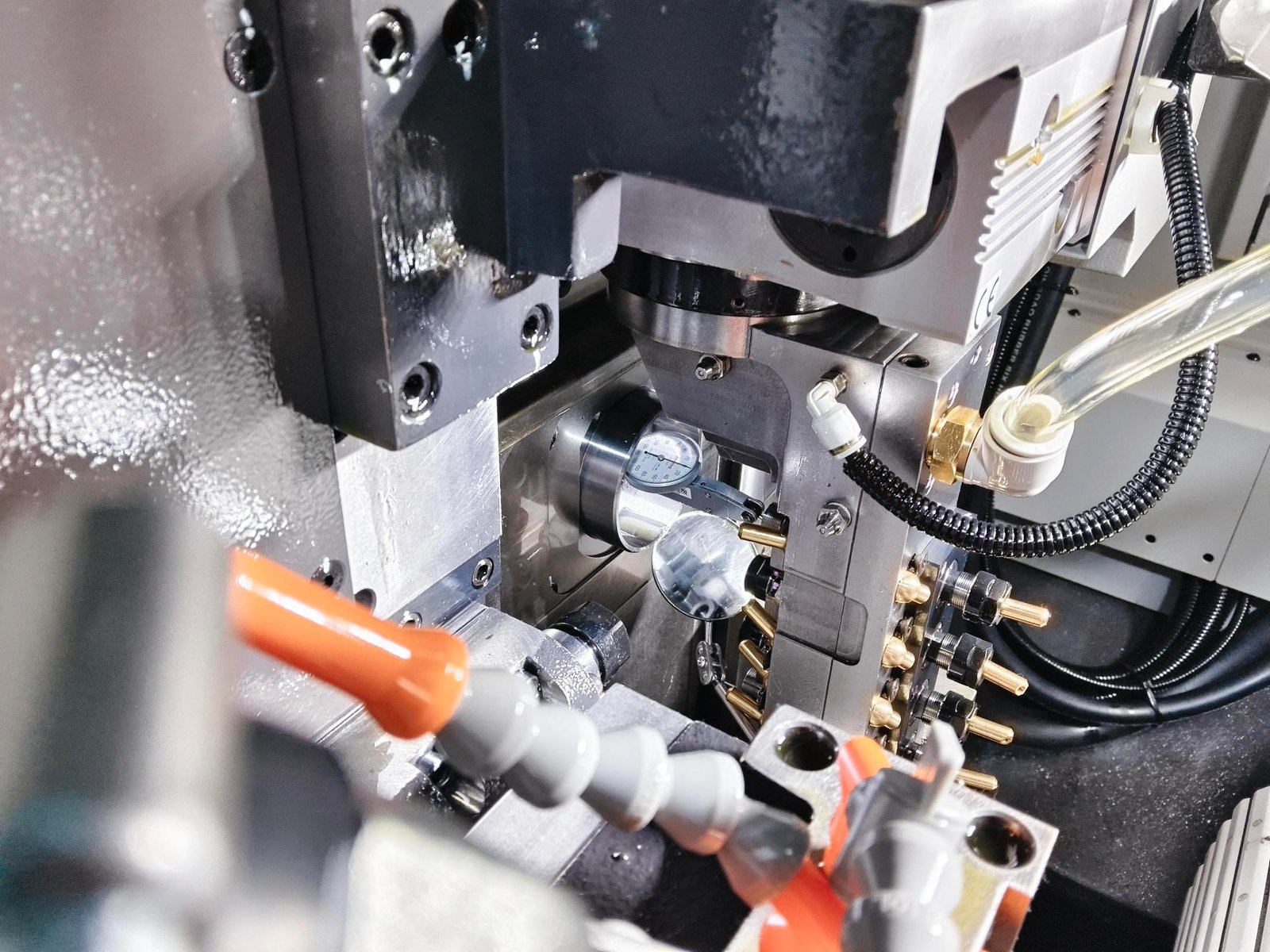
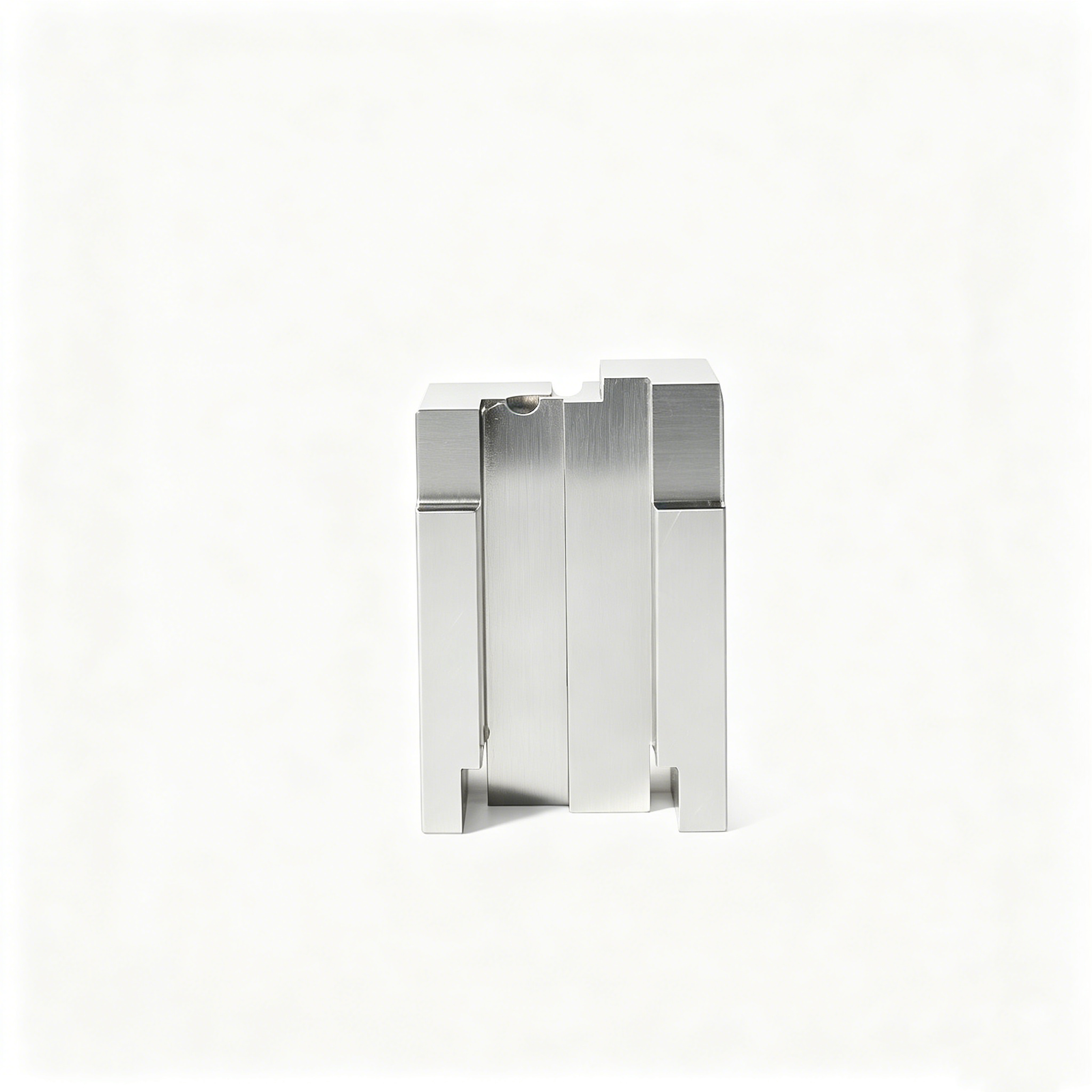
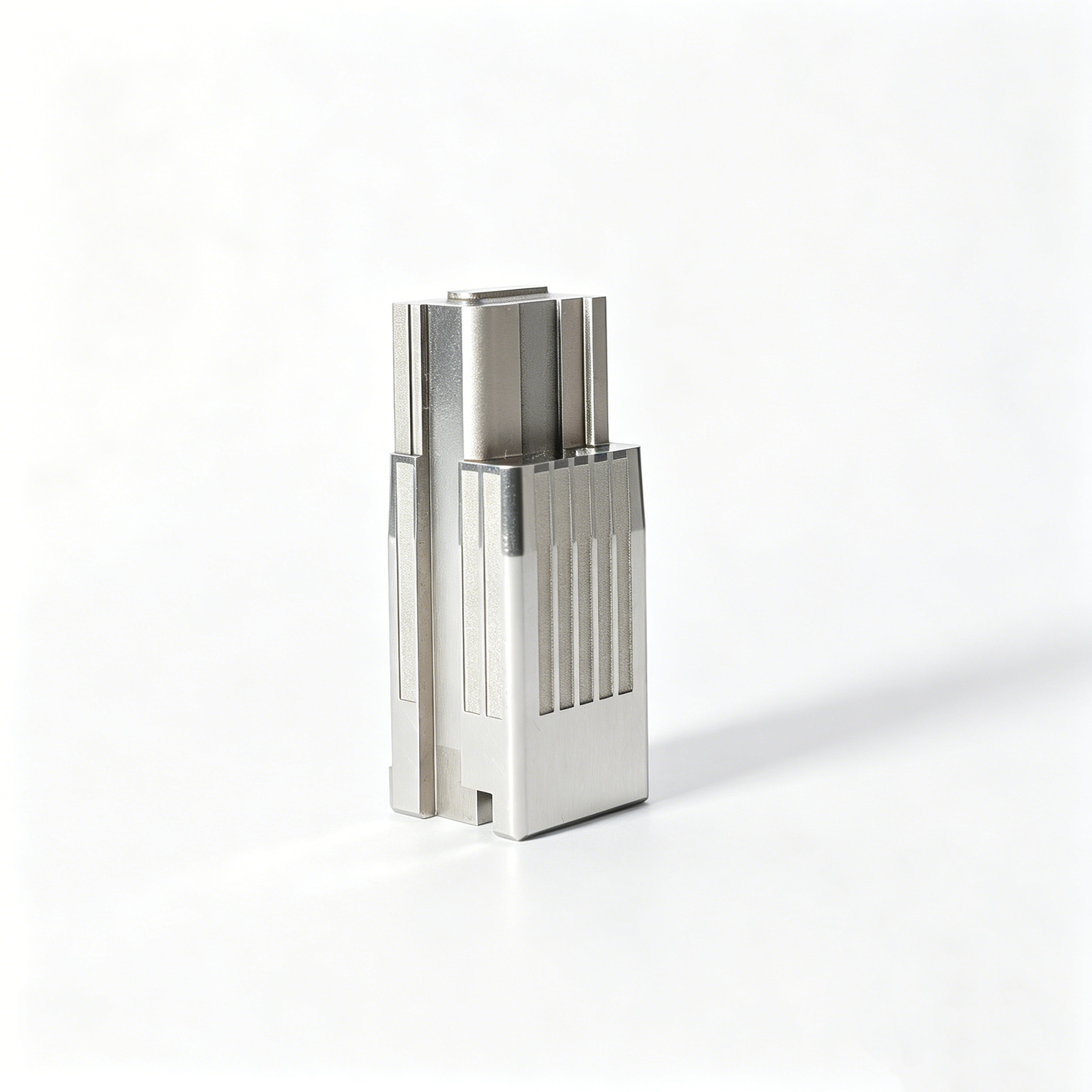
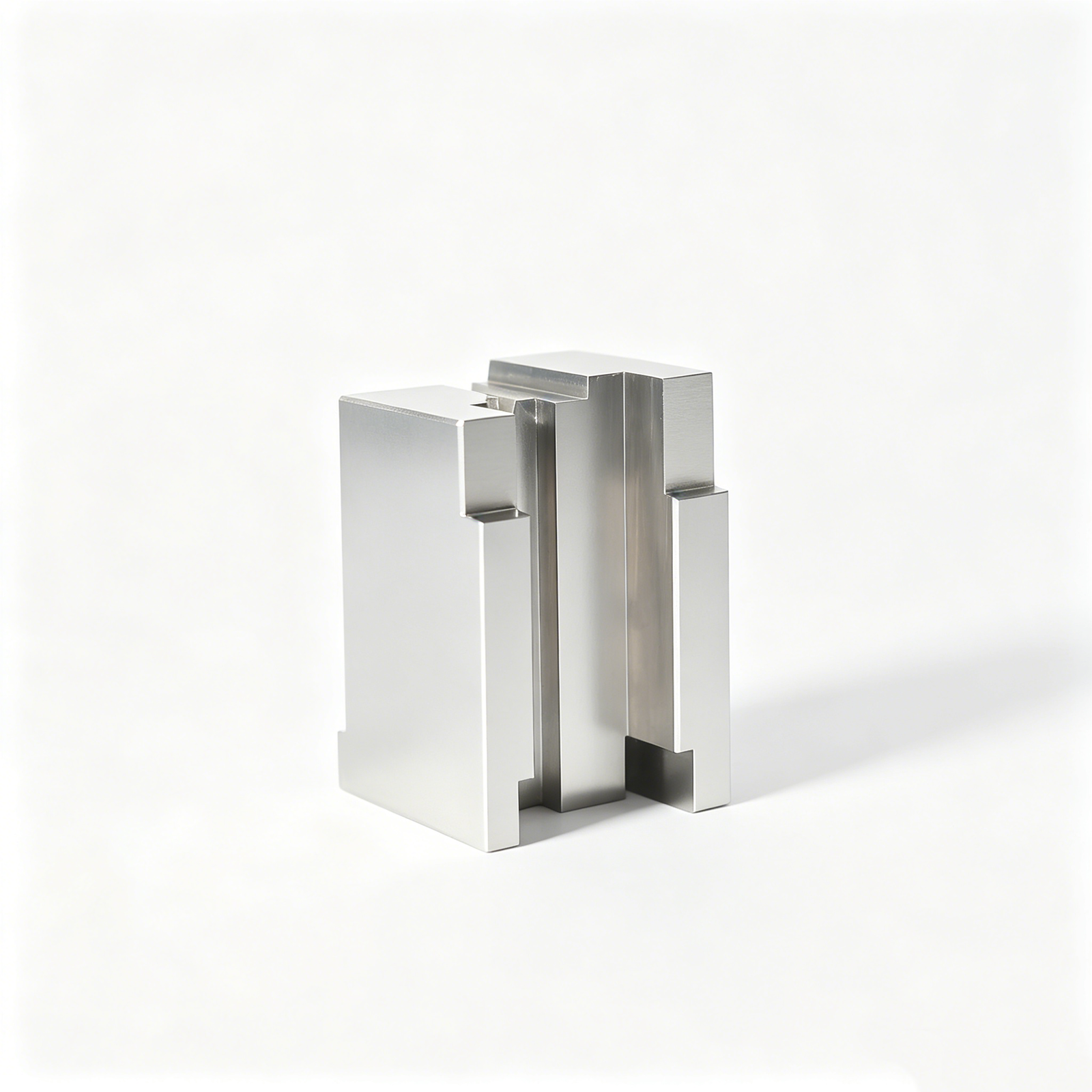
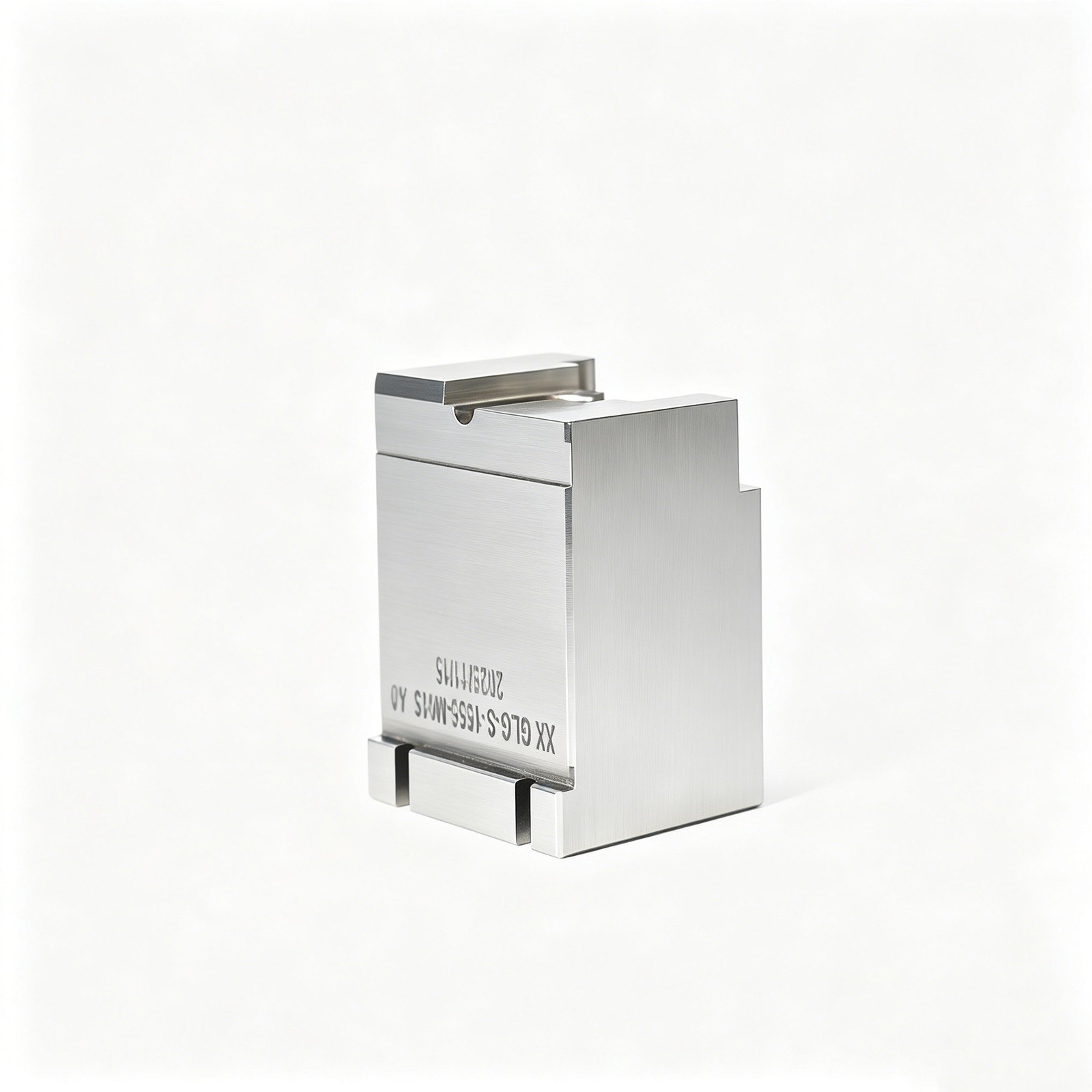
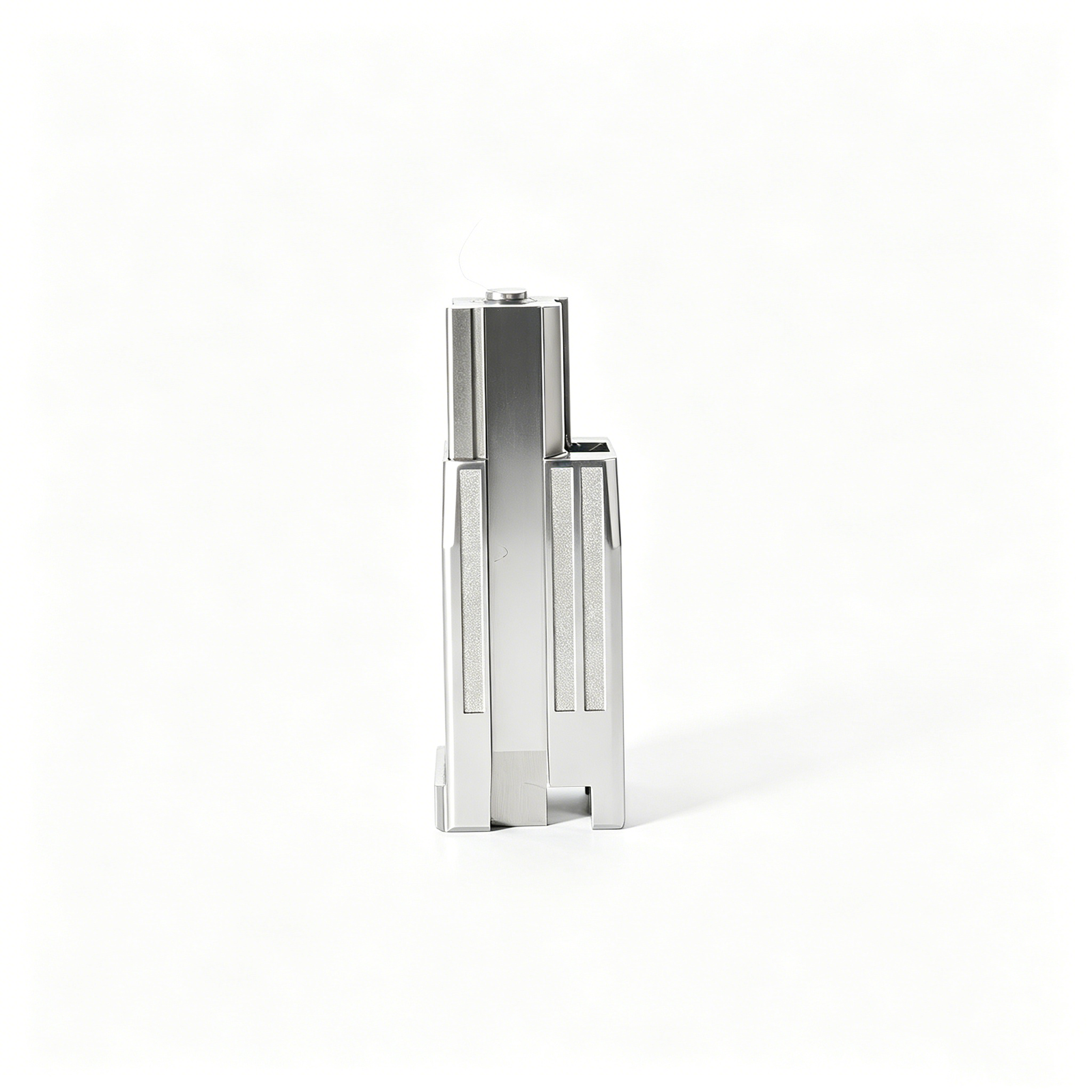
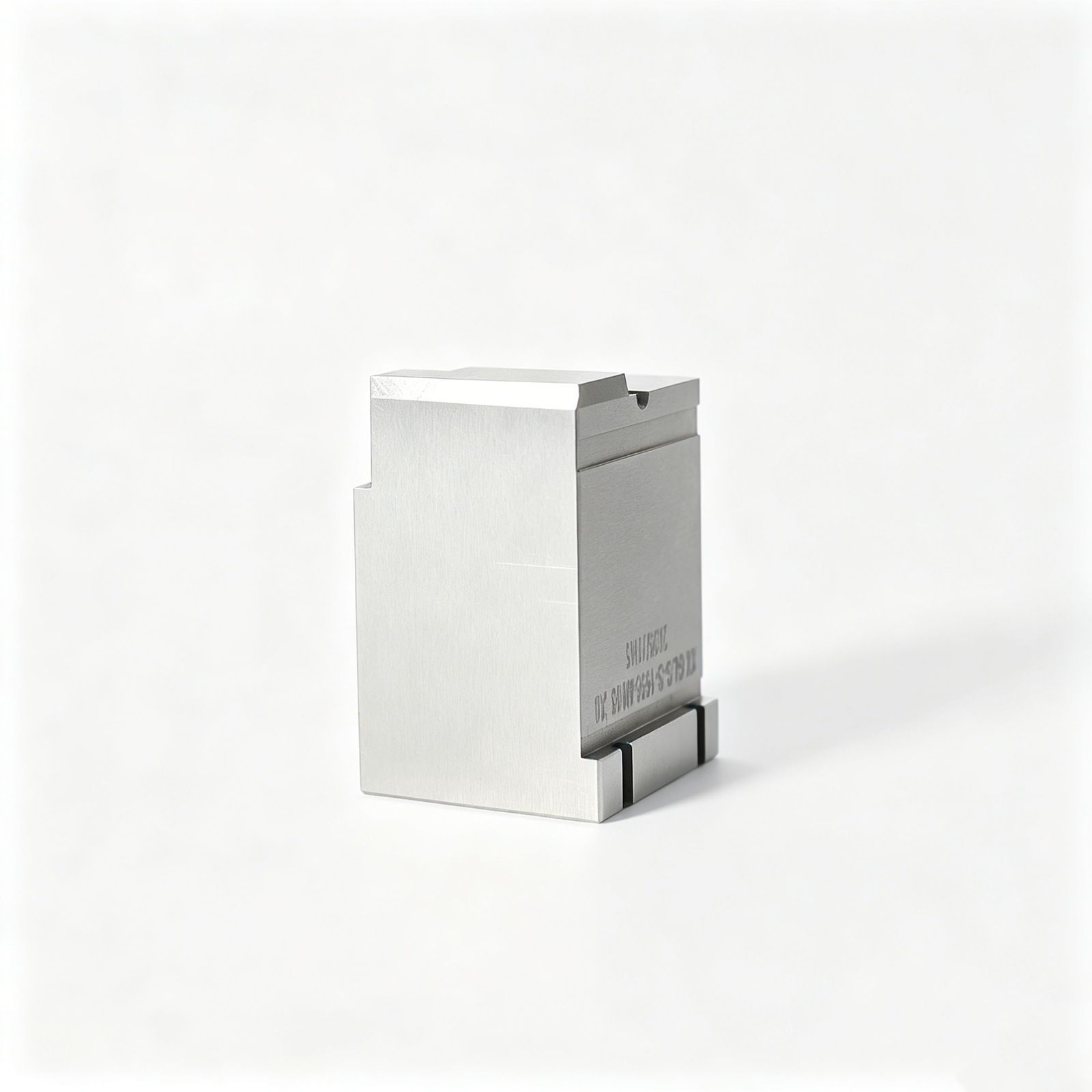
Why XUXIANG Ejector Sleeves Outperform
+/-0.001 mm Machining Precision
Micron-stable tolerance on every ejector sleeve, held by Sodick slow-wire EDM and verified with ZEISS MICURA CMM to 0.7um resolution.
Mirror-Grade EDM Finish
Ra 0.1um surface finish from Mitsubishi mirror EDM eliminates polishing, prevents galling and extends ejector sleeve service life by 40%.
ZEISS CMM Validation Reports
Every ejector sleeve ships with full FAI documentation, material certificates and ZEISS-verified dimensional reports—zero guesswork on tolerance compliance.
3–7 Day Sample Delivery
Fast-track prototyping with dedicated micro-machining cells in Dongguan; mass production follows in 15–25 days from our dual-factory network.
Dual-Factory Capacity
2,000 m² Dongguan R&D hub plus 1,400 m² Quanzhou volume facility deliver 200% greater throughput since 2025, on-time every time.
DFM Engineering Support
10+ precision-mold experts review your ejector sleeve design before production, catching tolerance conflicts and optimizing ejection geometry at no charge.
Precision Mold Components & Tooling Solutions
Engineered ejector sleeves and tooling hardware machined to +/-0.001 mm for electronics, automotive, 5G and industrial mold applications worldwide.
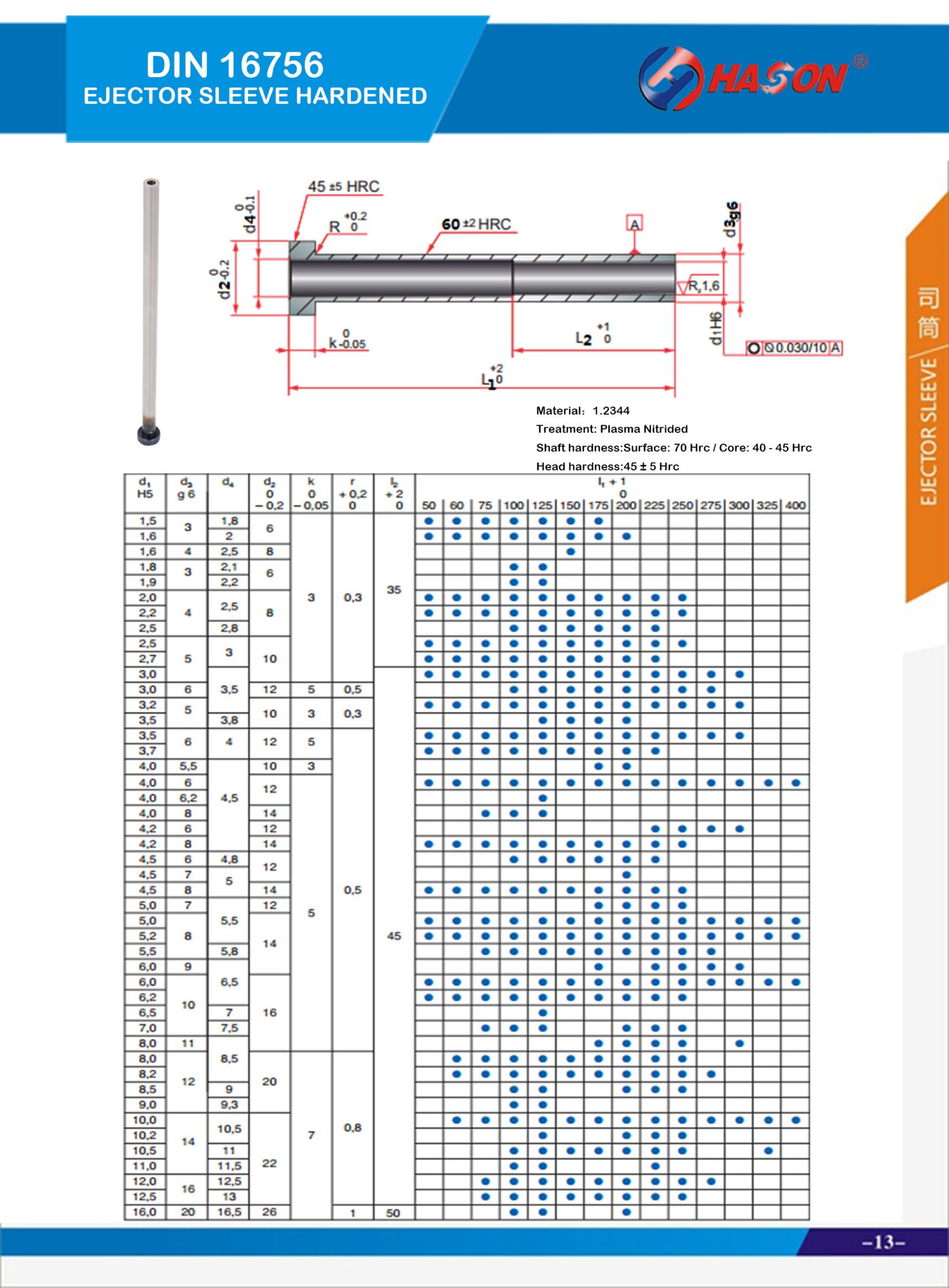
Standard Ejector Sleeves
Standard Ejector Sleeves manufactured to DIN, HASCO or DME specifications with +/-0.002 mm diametral tolerance, ground finish and concentricity control. Stocked materials include SKD61, SKH51 and tool steel per customer spec. Ideal for multi-cavity injection molds requiring reliable part ejection and cycle-time stability across electronics and consumer-goods tooling.
Get a Quote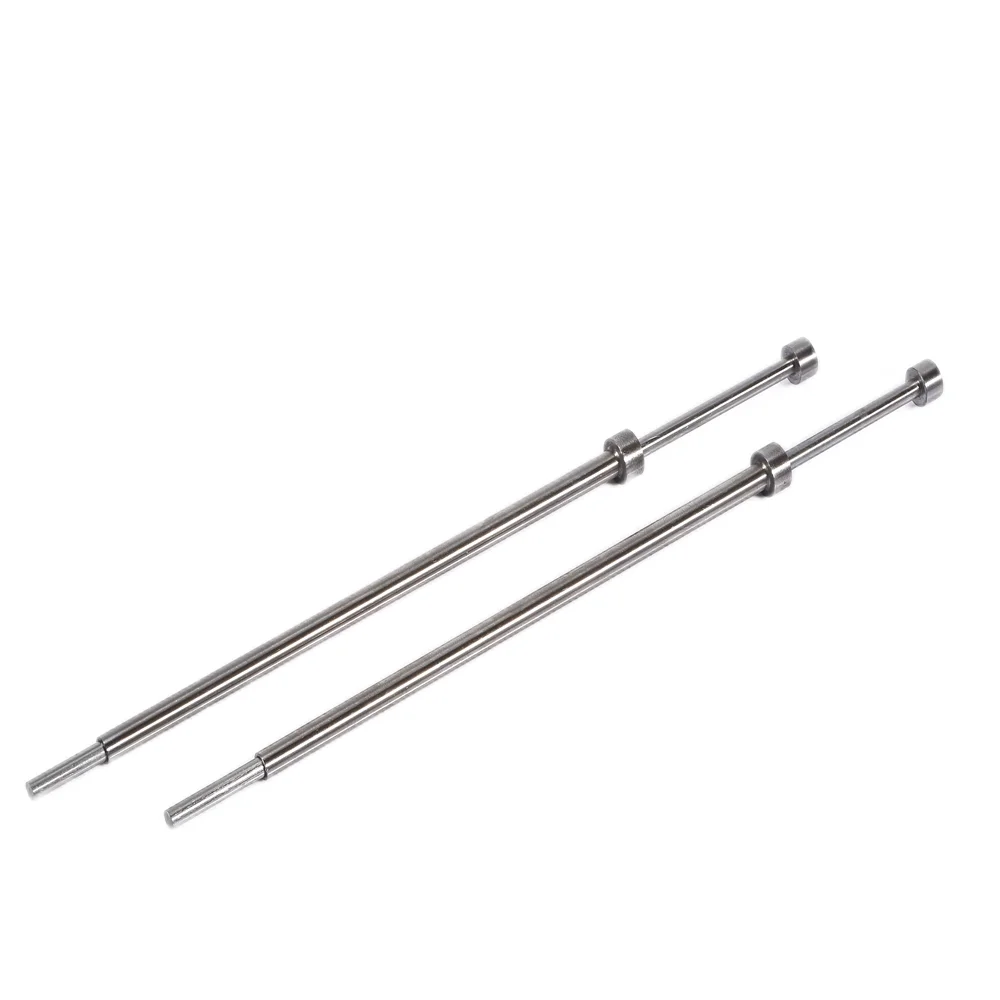
Stepped Ejector Sleeves
Ra 0.1um surface finish from Mitsubishi mirror EDM eliminates polishing, prevents galling and extends ejector sleeve service life by up to 40%.
Get a Quote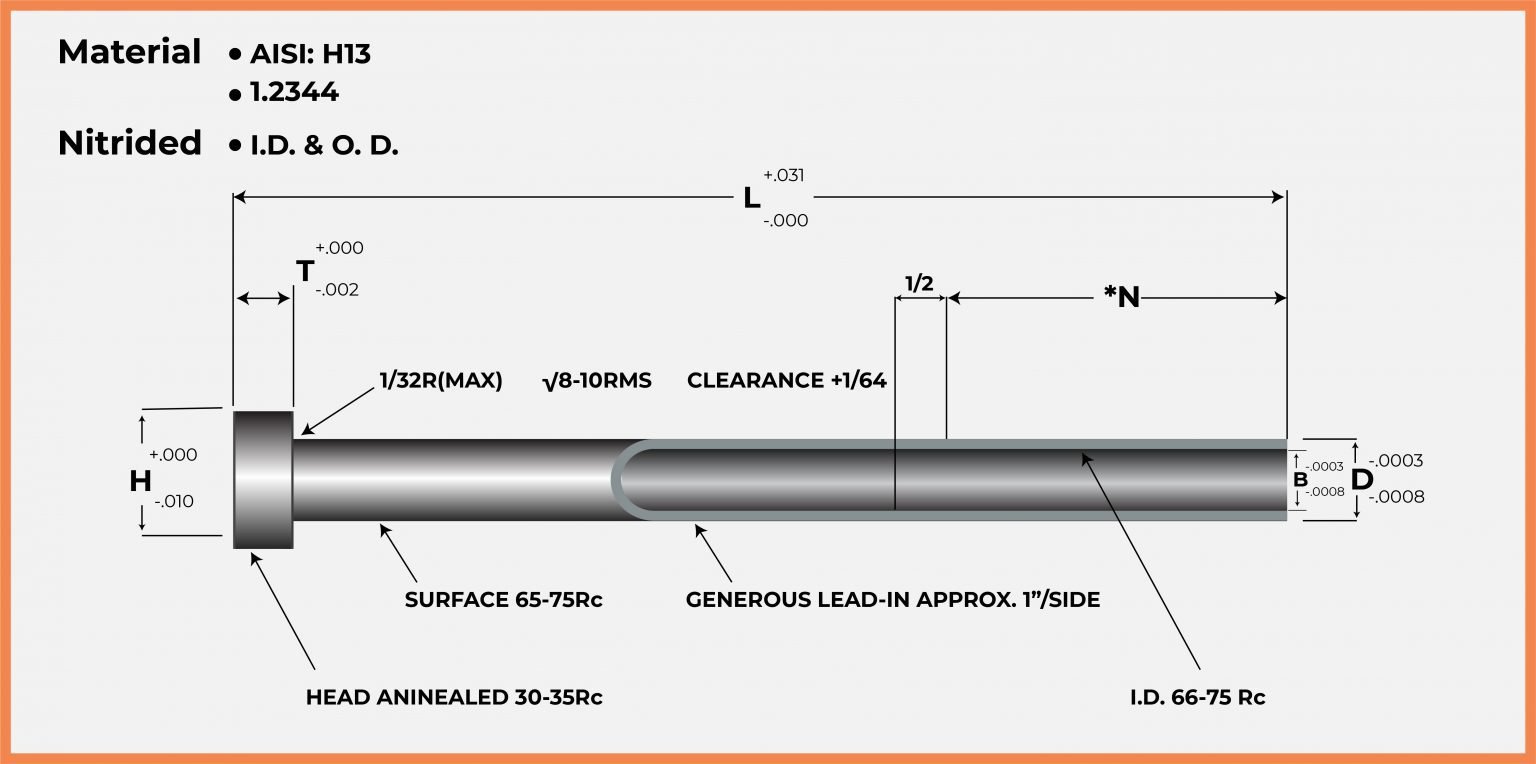
Shoulder Ejector Sleeves
Shoulder Ejector Sleeves featuring integral flanges or collars for positive location and axial load distribution in high-cycle production molds. CNC-turned and ground to +/-0.002 mm shoulder perpendicularity. Supplied in hardened H13, SKD61 or stainless steel. Used in high-cavitation electronics molds, LED housings and precision connector tooling requiring sub-0.01 mm ejection repeatability.
Get a Quote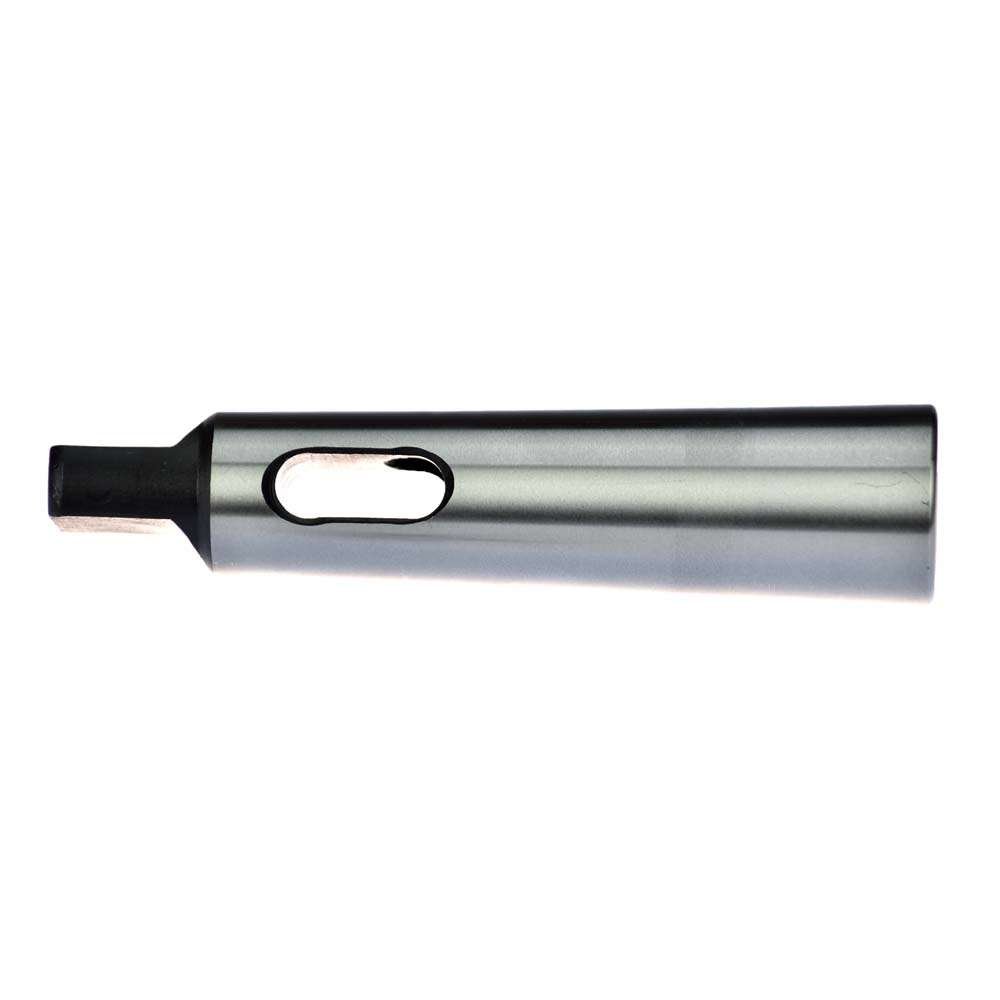
Precision Ground Sleeves
Precision Ground Sleeves finished on centerless or OD grinding equipment to Ra 0.2 µm surface quality and +/-0.001 mm diameter tolerance over lengths up to 300 mm. ZEISS MICURA CMM verification of cylindricity, straightness and surface integrity included with every lot. Specified for tight-tolerance mold cores, guide bushings and alignment pins in 5G micro-connector and automotive sensor molds.
Get a Quote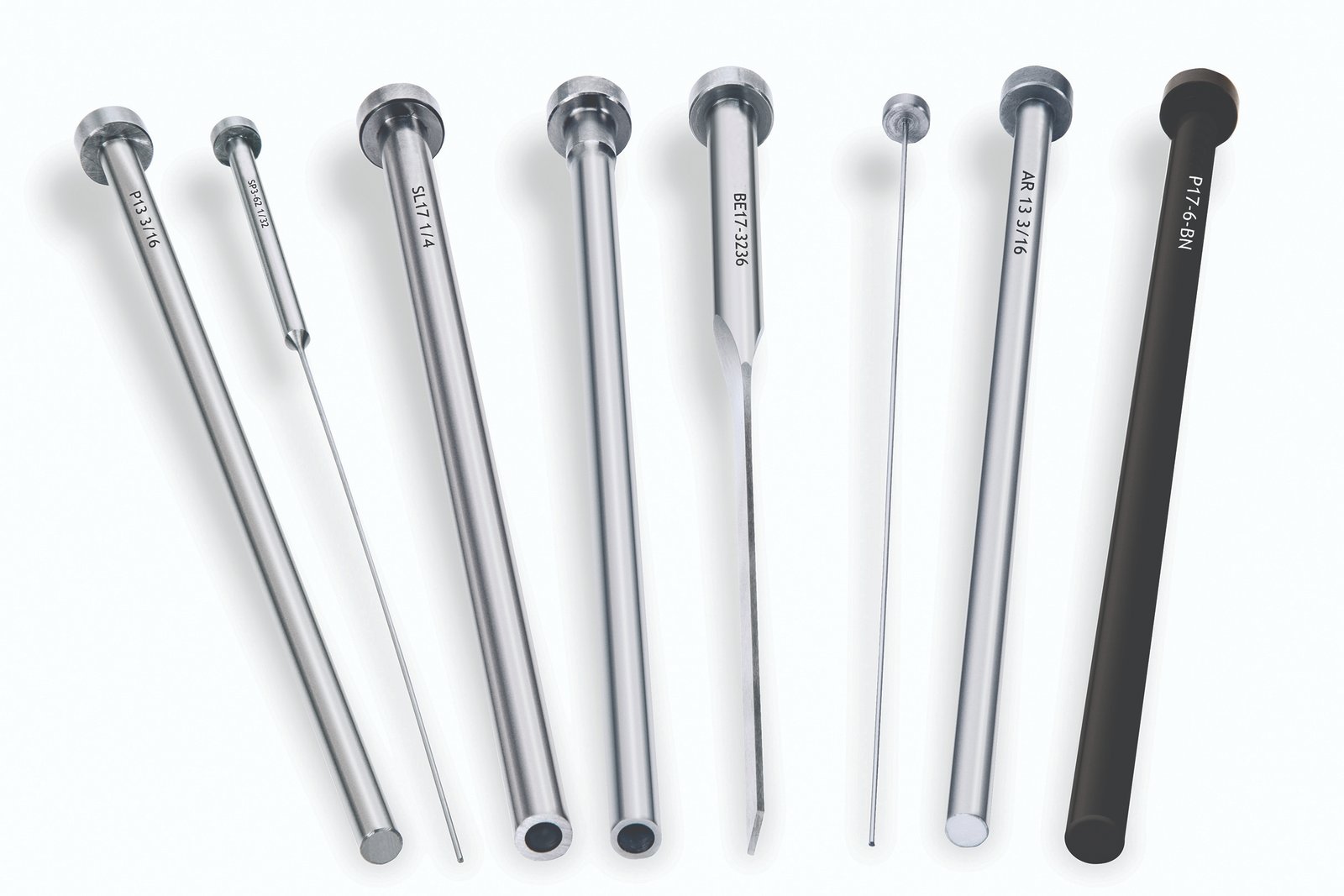
Hardened Ejector Sleeves
Hardened Ejector Sleeves heat-treated to HRC 50–62 for abrasion resistance and dimensional stability under high-cycle molding of glass-filled resins, automotive composites and reinforced engineering plastics. Vacuum-hardened with temper cycle, then finish-ground. Material certificates and hardness test reports included. Common in NEV battery-module tooling and industrial-automation component molds.
Get a Quote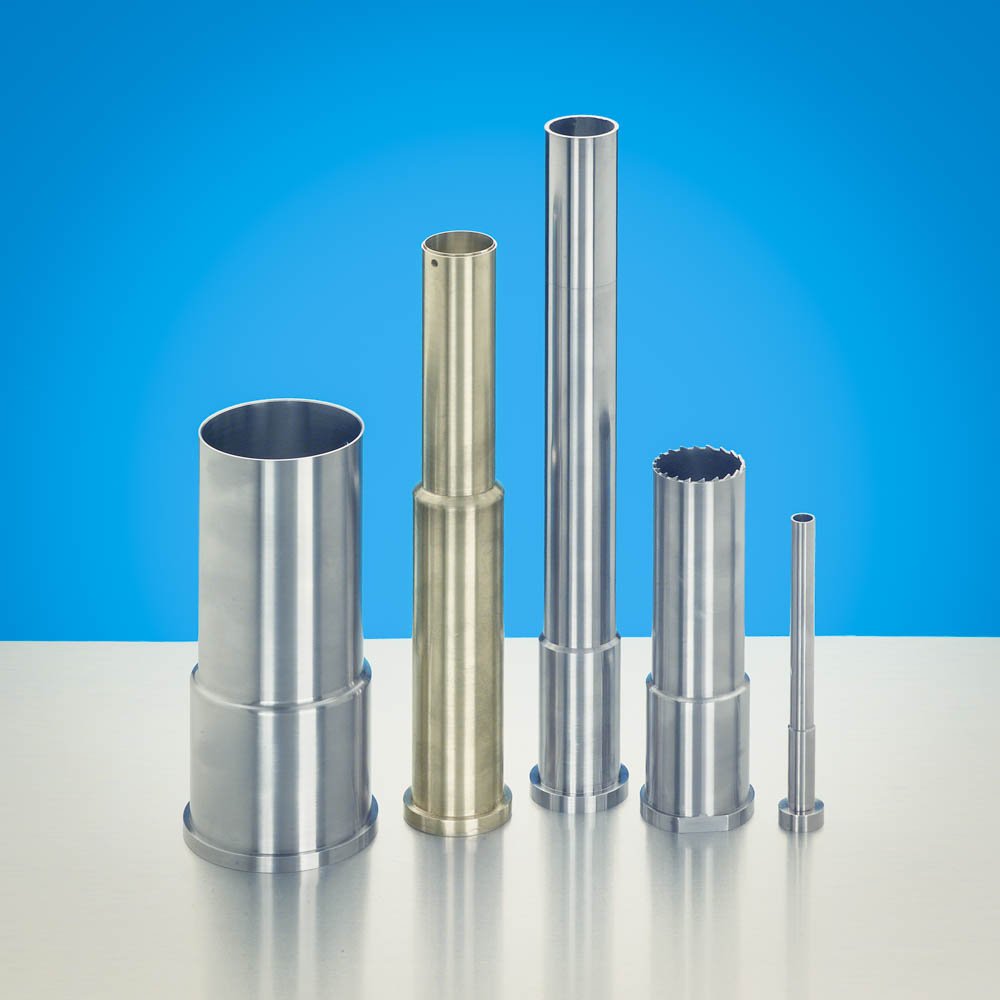
Custom Ejector Sleeves
Custom Ejector Sleeves designed and manufactured to customer CAD or sample, incorporating non-standard profiles, cooling channels, sensor pockets or integrated wear surfaces. Full DFM review by 10+ mold engineers before machining. Combines CNC turning, slow-wire EDM and precision grinding. Lead time 15–25 days with FAI dimensional report and material traceability for prototype and production tooling.
Get a Quote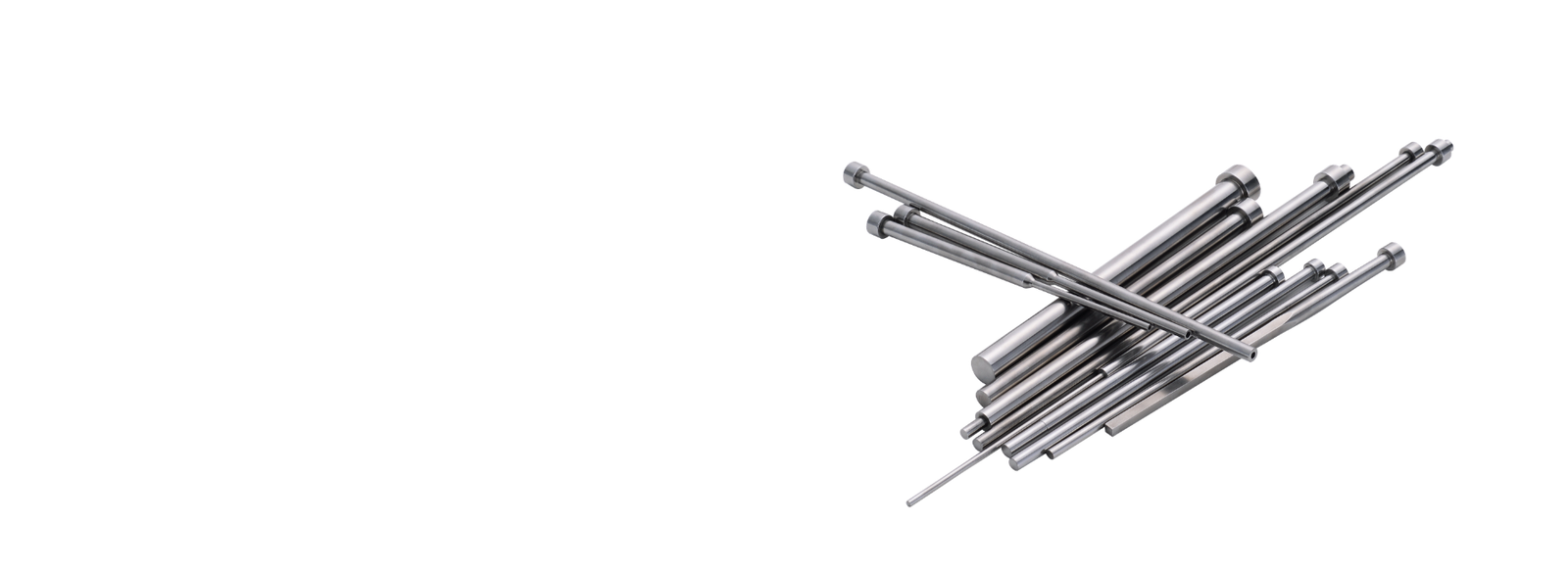
Micro Ejector Sleeves
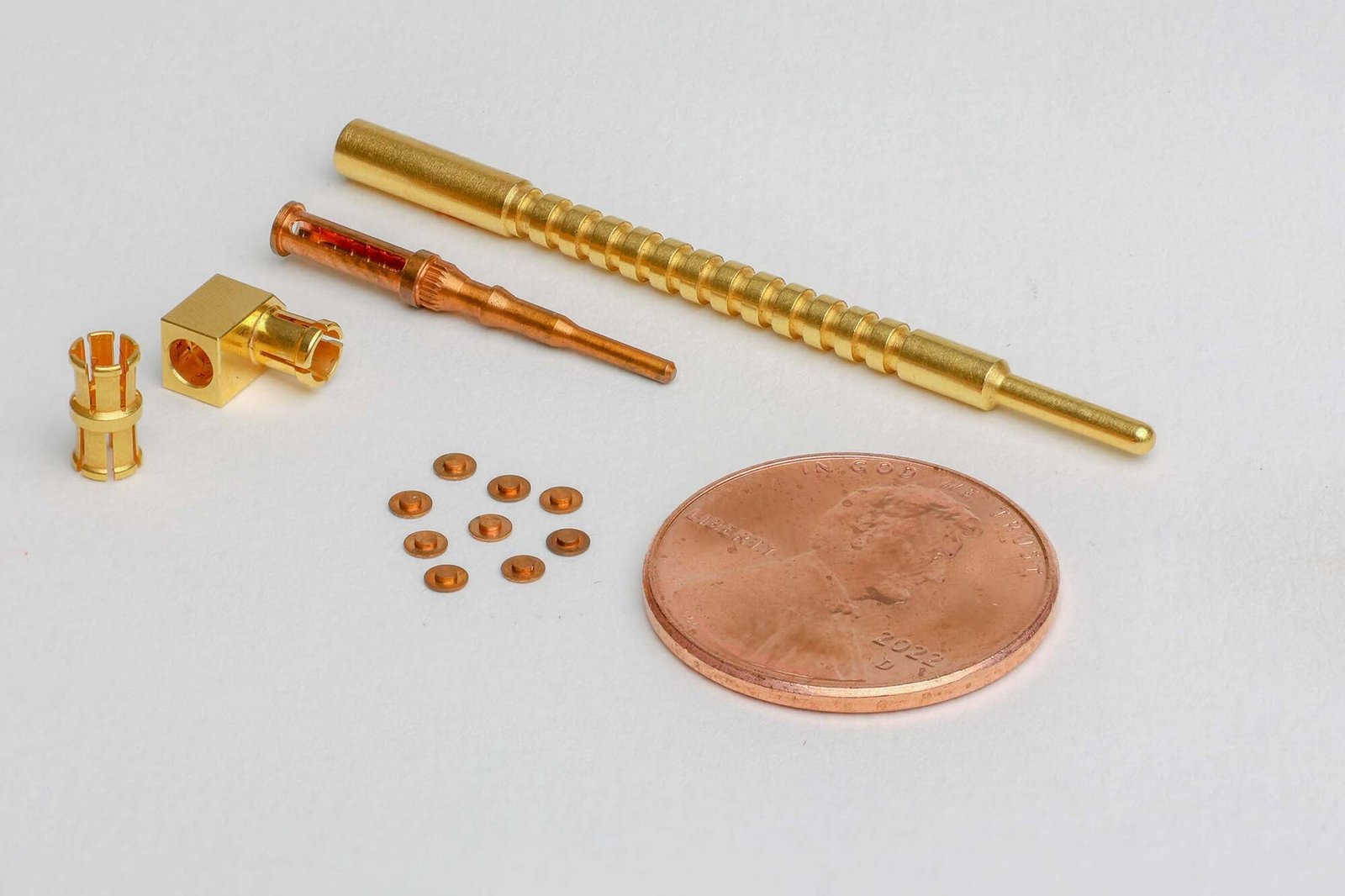
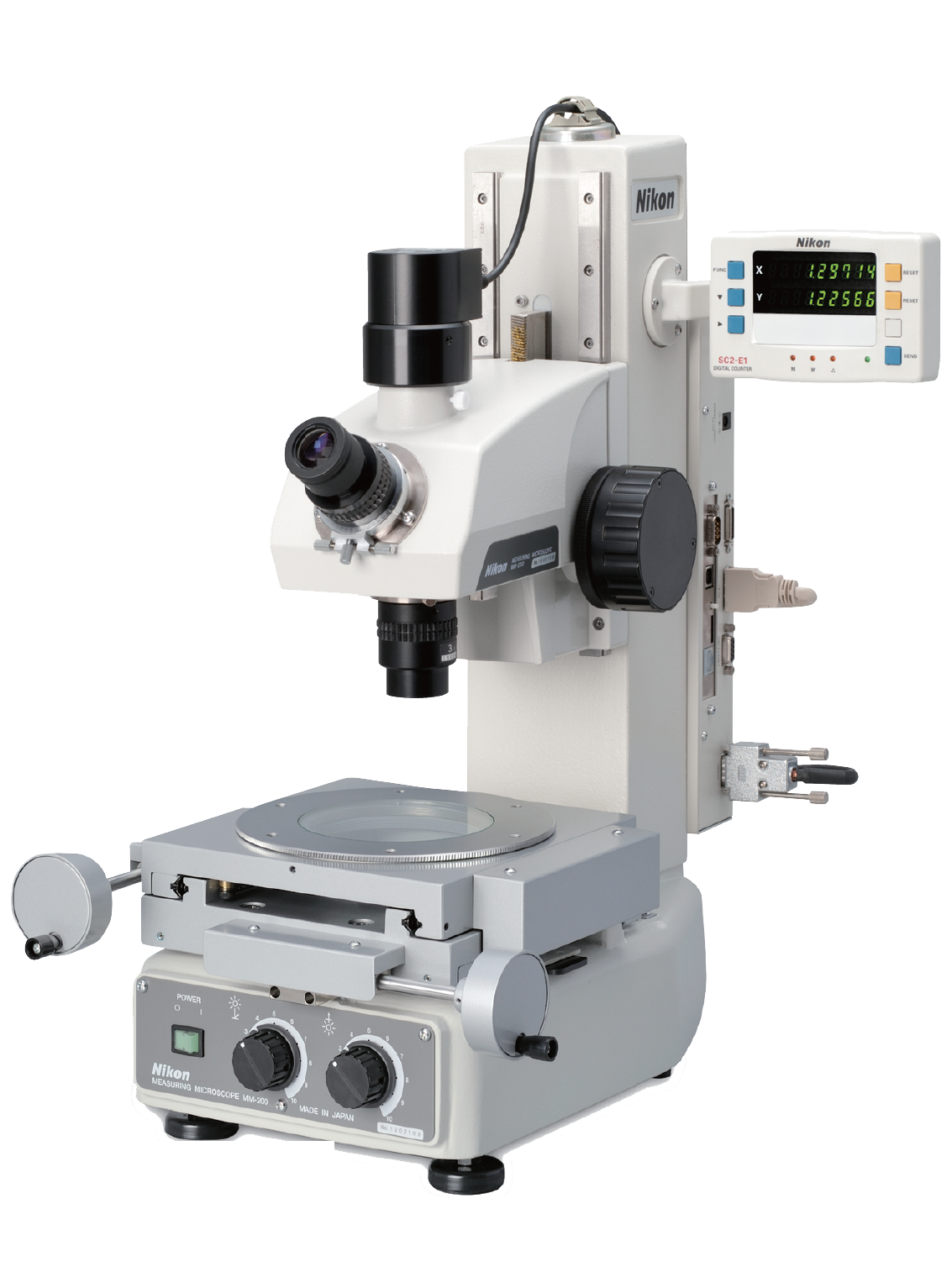
Micro Ejector Sleeves with OD down to 0.5 mm and wall thickness as thin as 0.1 mm, machined on Beijing Jingdiao high-precision CNC and Sodick slow-wire EDM to +/-0.001 mm. Nikon toolmaker’s microscope inspection at 200× magnification. Designed for mobile-phone micro-connector molds, FPC terminal tooling, board-to-board headers and 5G RF connector applications requiring sub-millimeter ejection pins.
Get a Quote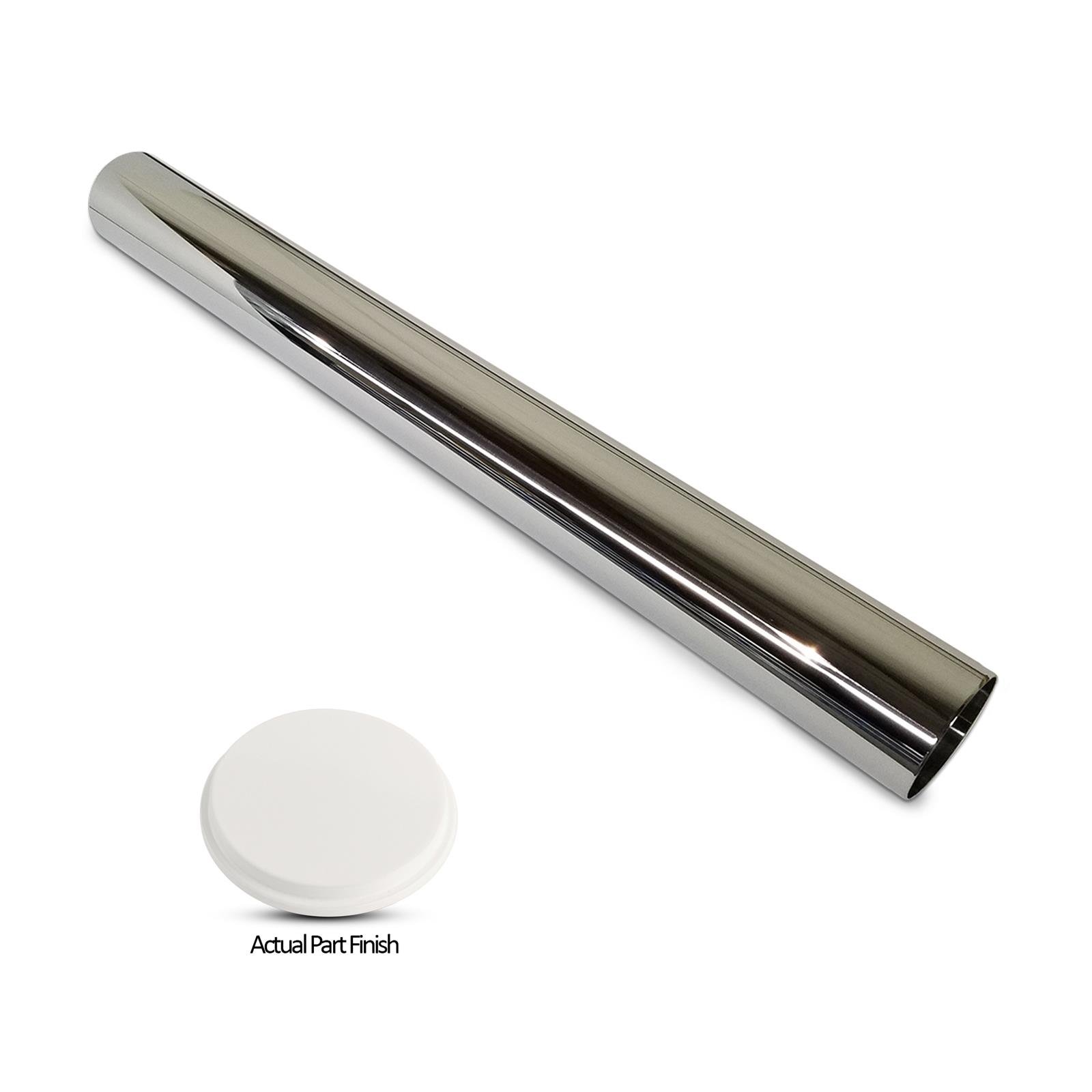
EDM Finished Sleeves
EDM Finished Sleeves produced by sinker or slow-wire electrical discharge machining to achieve mirror-grade Ra 0.1 µm surface finish, sharp internal corners down to R 0.015 mm and complex profiles unattainable by grinding. Sodick and Mitsubishi mirror-EDM equipment with graphite or copper electrodes. Ideal for optical lens molds, transparent-part tooling and high-gloss cosmetic housings in consumer electronics and automotive interiors.
Get a Quote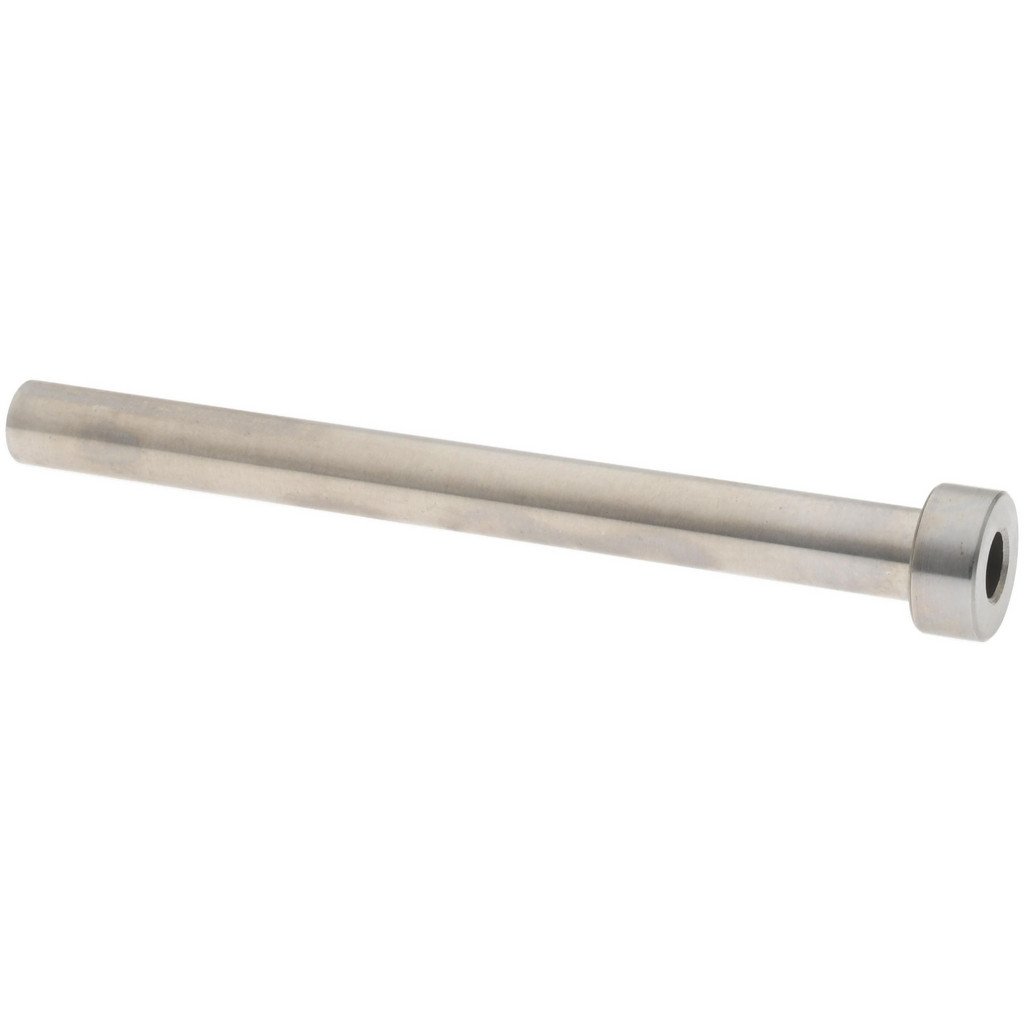
High-Speed Ejector Sleeves
High-Speed Ejector Sleeves engineered for rapid-cycle injection molding with optimized geometry, low-friction coatings and enhanced cooling integration. CNC-machined from pre-hardened tool steel or beryllium copper alloys, with optional TiN or DLC surface treatment. Validated for cycle times under 10 seconds in high-volume electronics, packaging and automotive clip/fastener molds where throughput and tool life are critical.
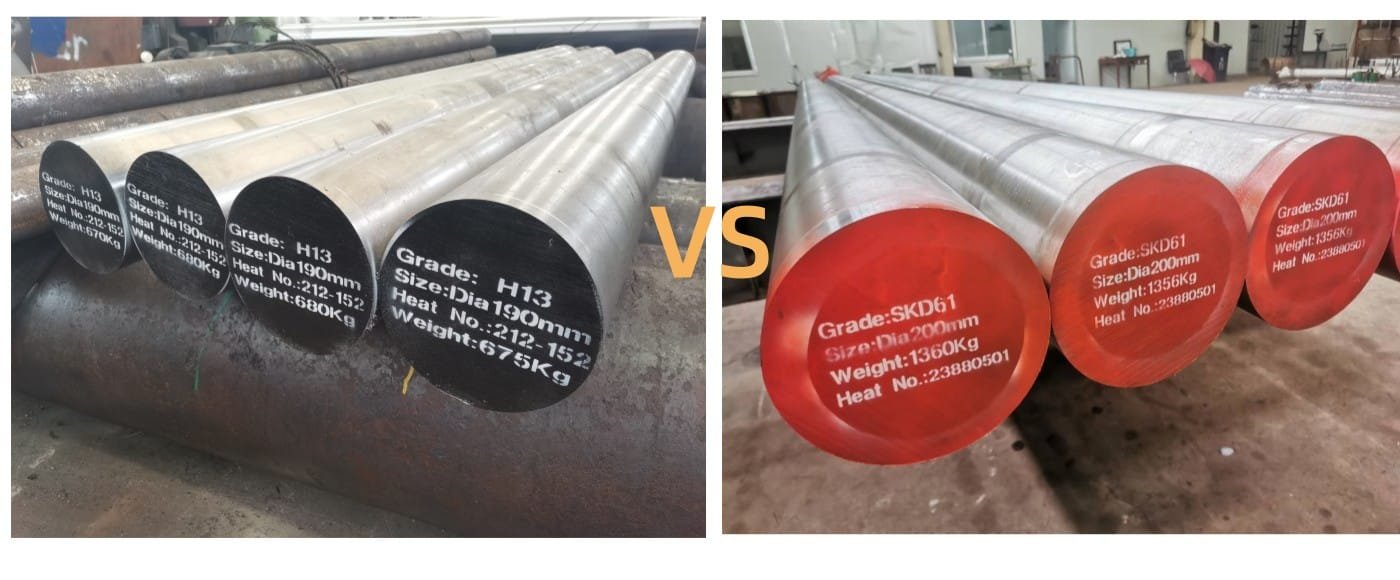
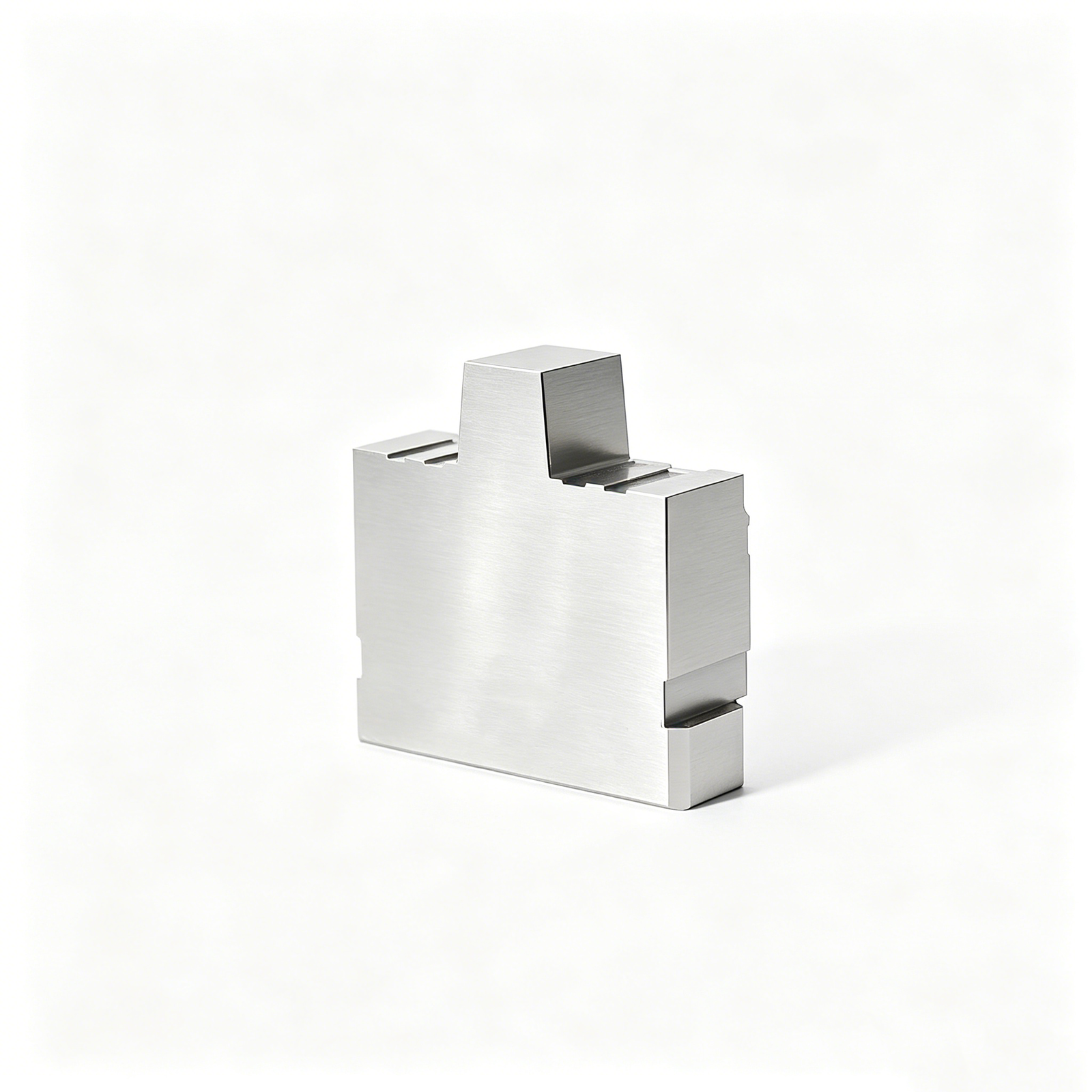
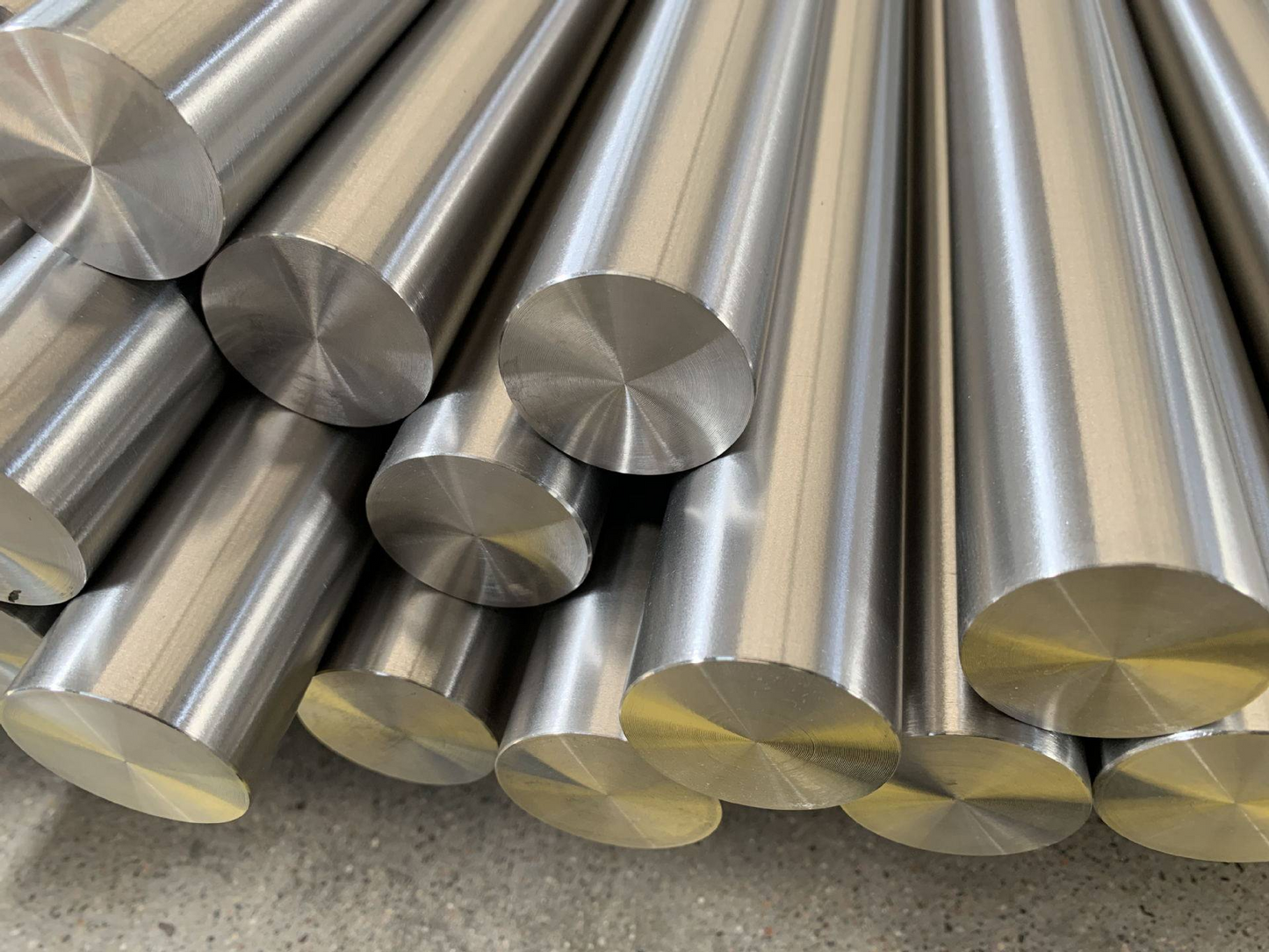
Get a QuoteMaterials We Machine for Ejector Sleeves
Precision Processes Behind Every Ejector Sleeve
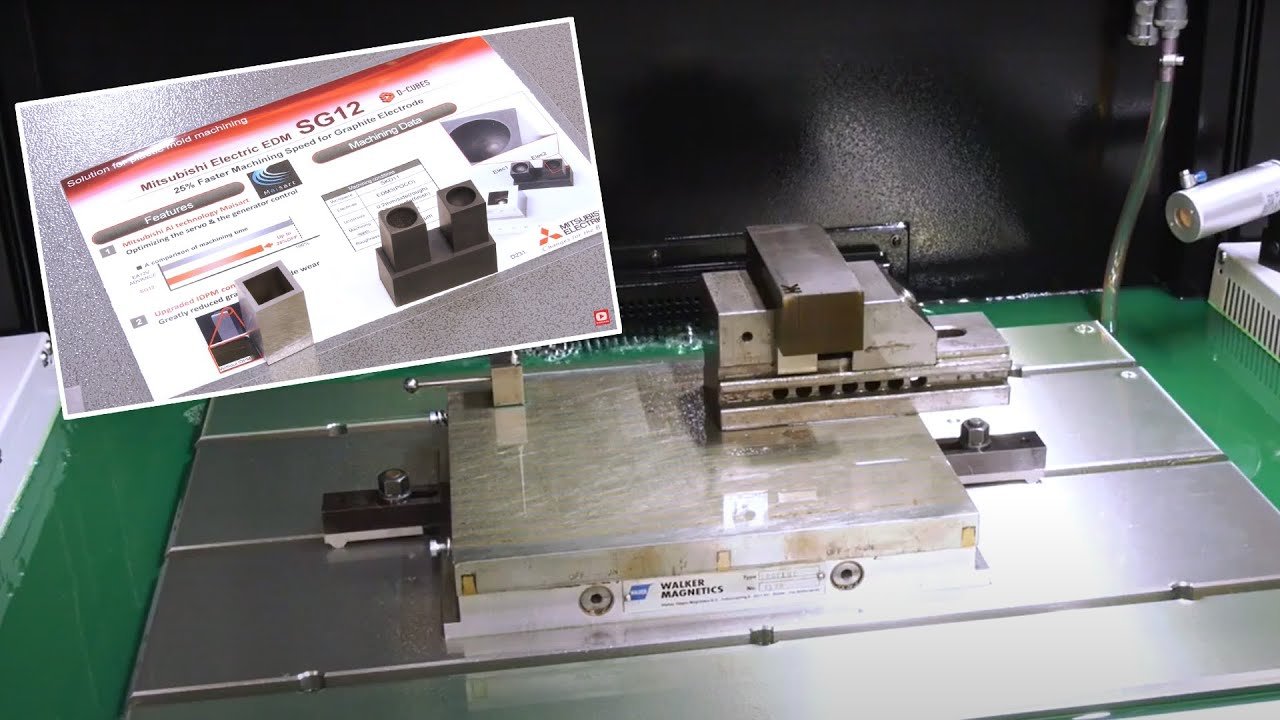
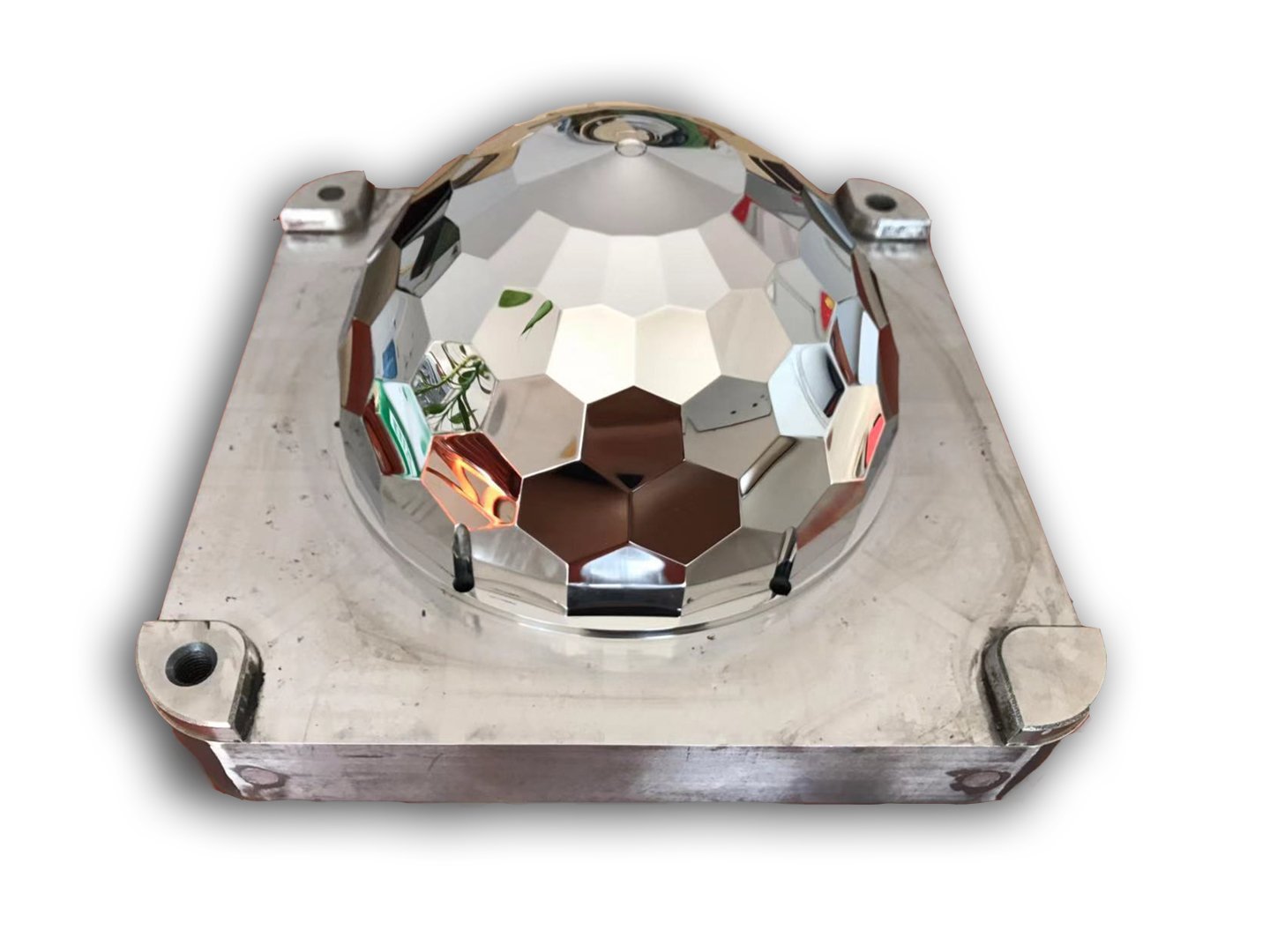
Mitsubishi Mirror EDM
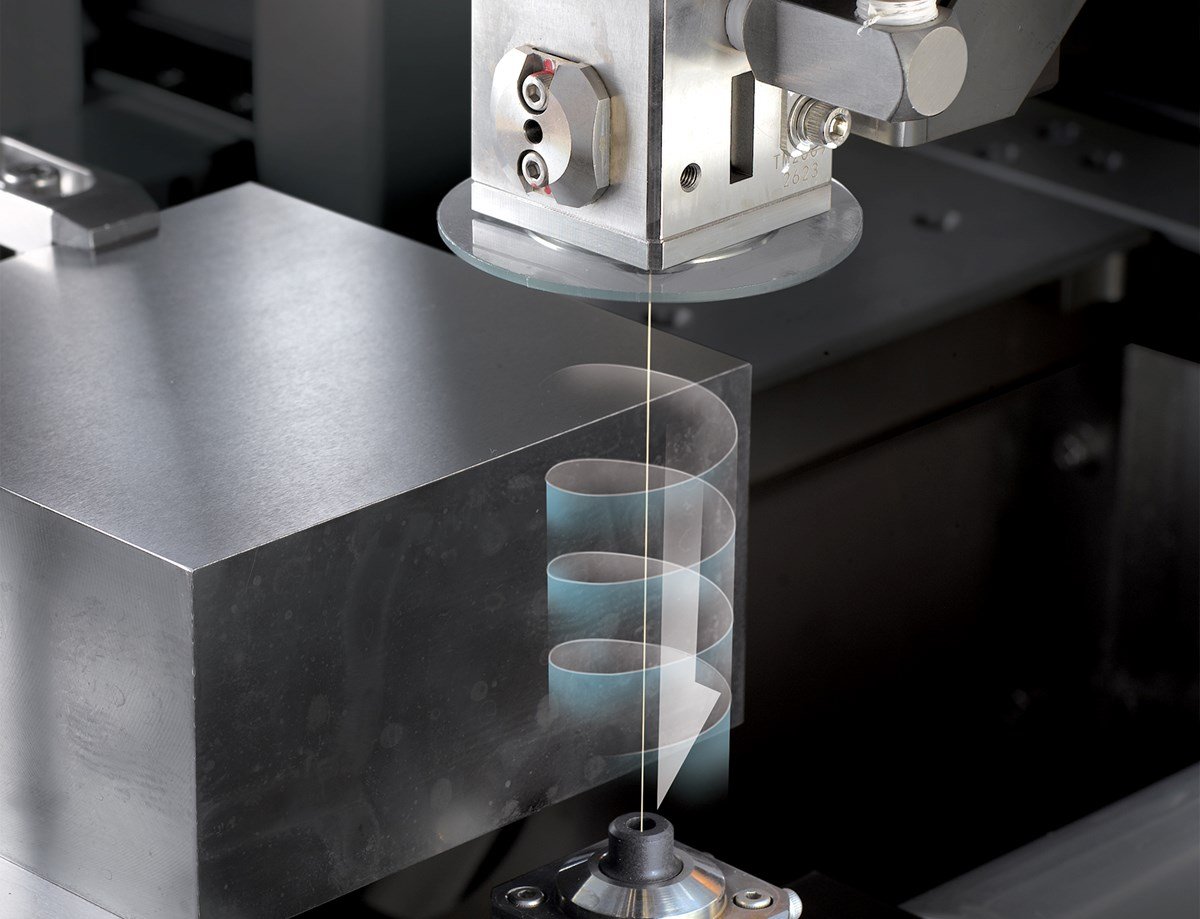
Sinker EDM with mirror-grade capability delivers Ra 0.1 µm surface finish on ejector sleeves, eliminating secondary polishing and ensuring friction-free ejection cycles, extended mold life and flawless part release in high-volume production.
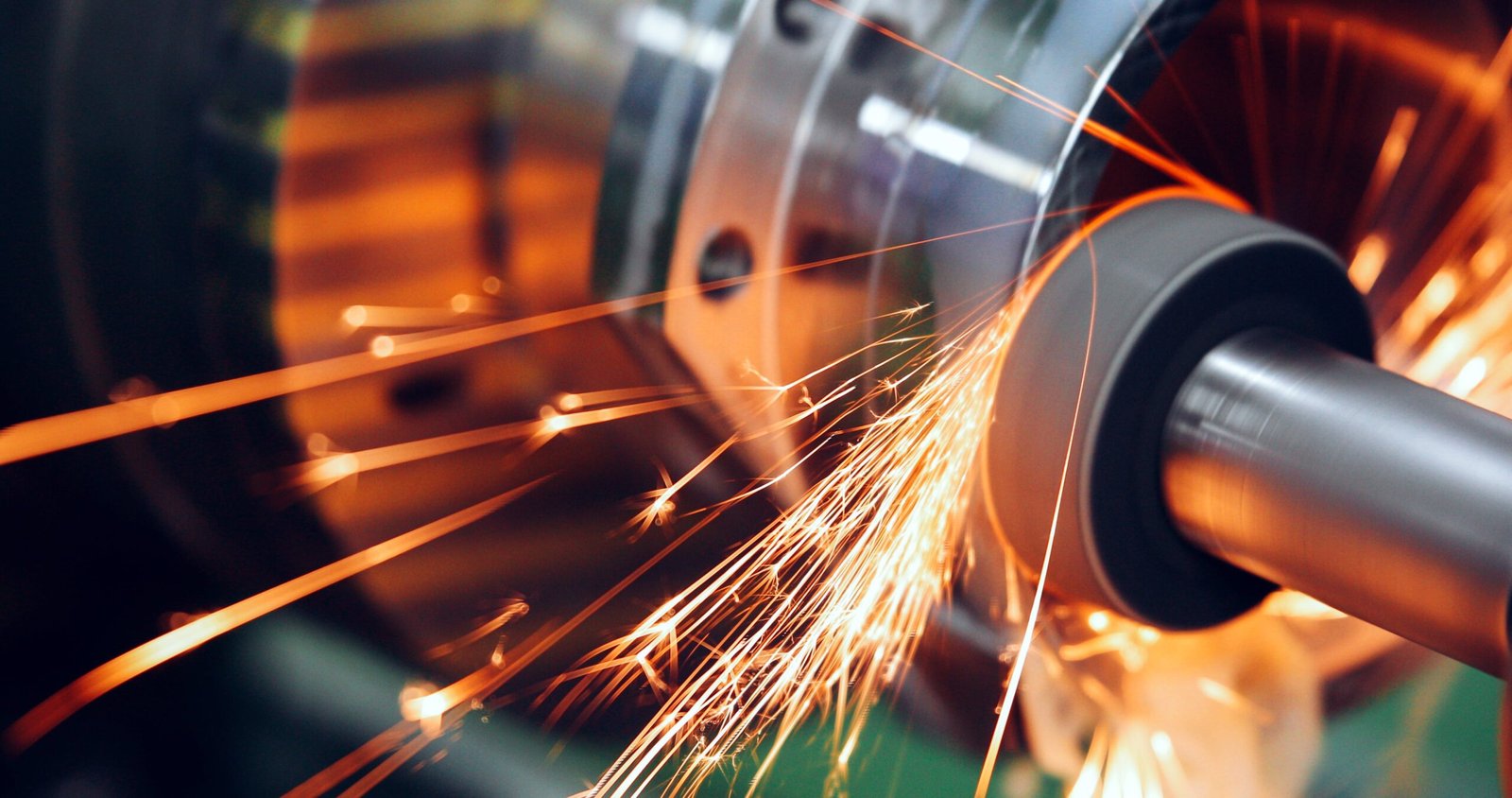

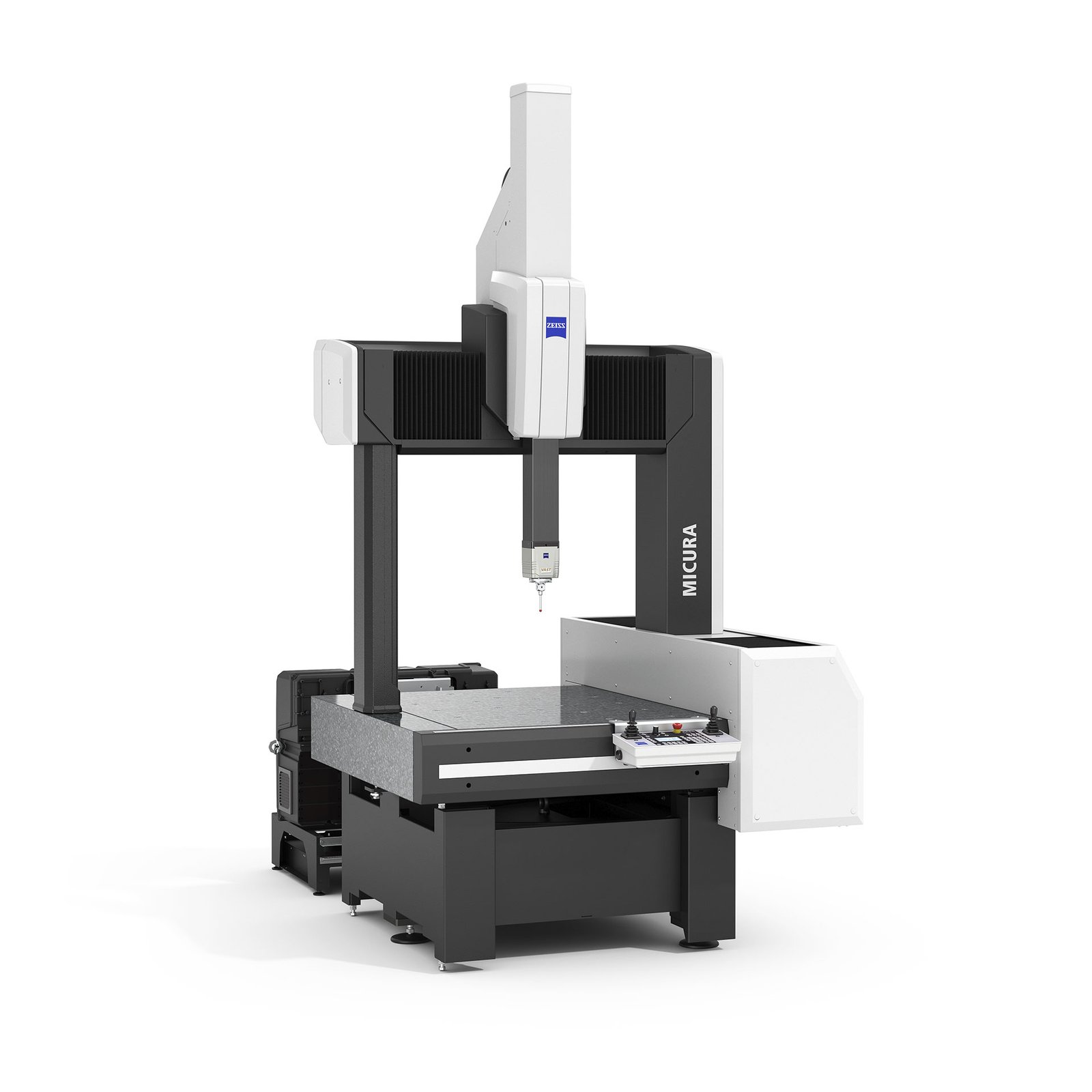
ZEISS MICURA CMM
German ZEISS coordinate measuring machine verifies every ejector sleeve dimension to 0.7 µm resolution — diameter, concentricity, perpendicularity and surface profile — with full FAI documentation, material certificates and traceability for ISO-compliant quality assurance.
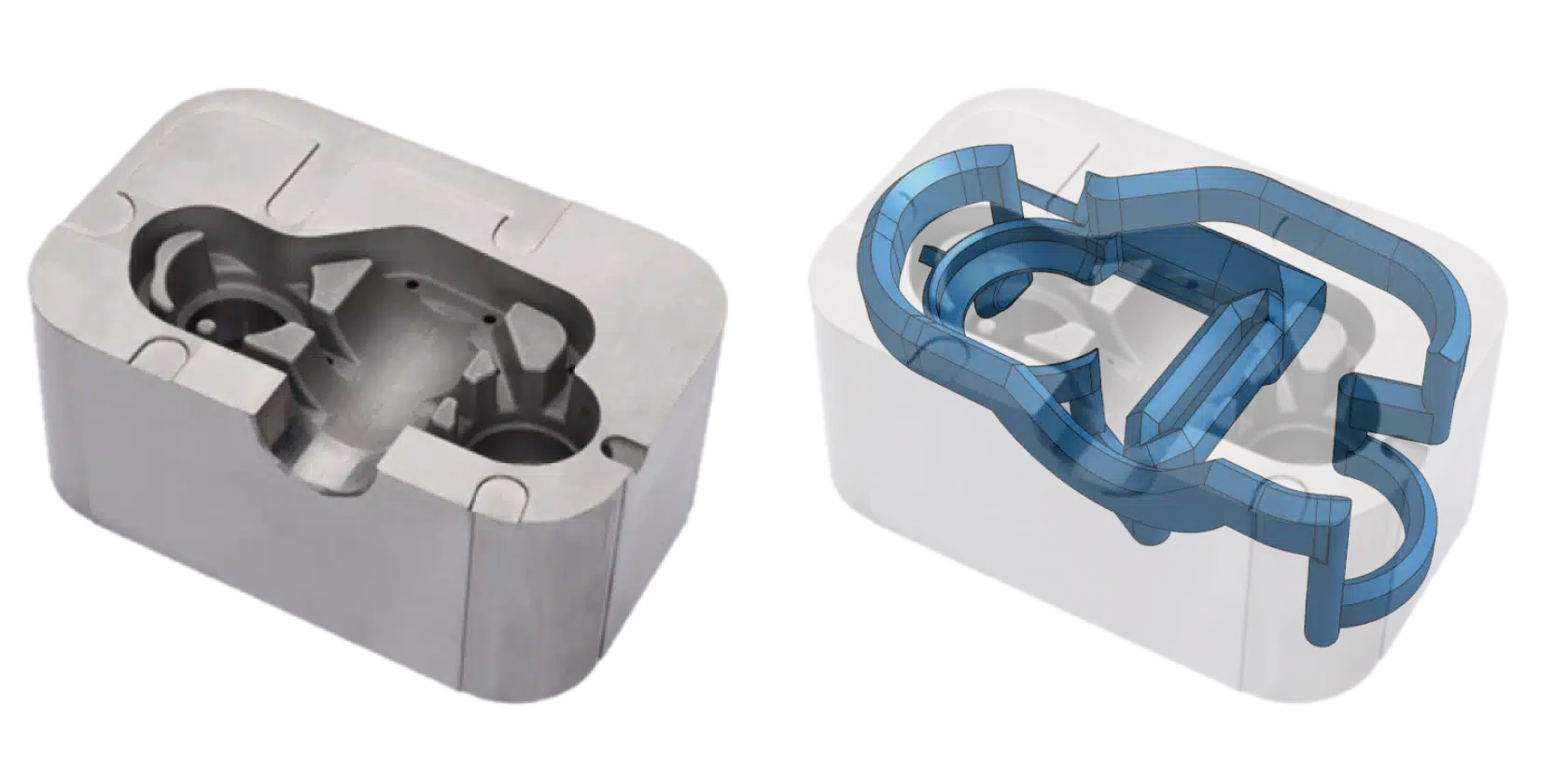
Conformal Cooling Design
Engineering team integrates conformal cooling channels into ejector sleeve assemblies via additive or EDM drilling, reducing cycle time by up to 30%, eliminating hot spots and improving part dimensional stability in high-cavitation and thin-wall mold applications.
Finishing & Assembly Options for Ejector Sleeves
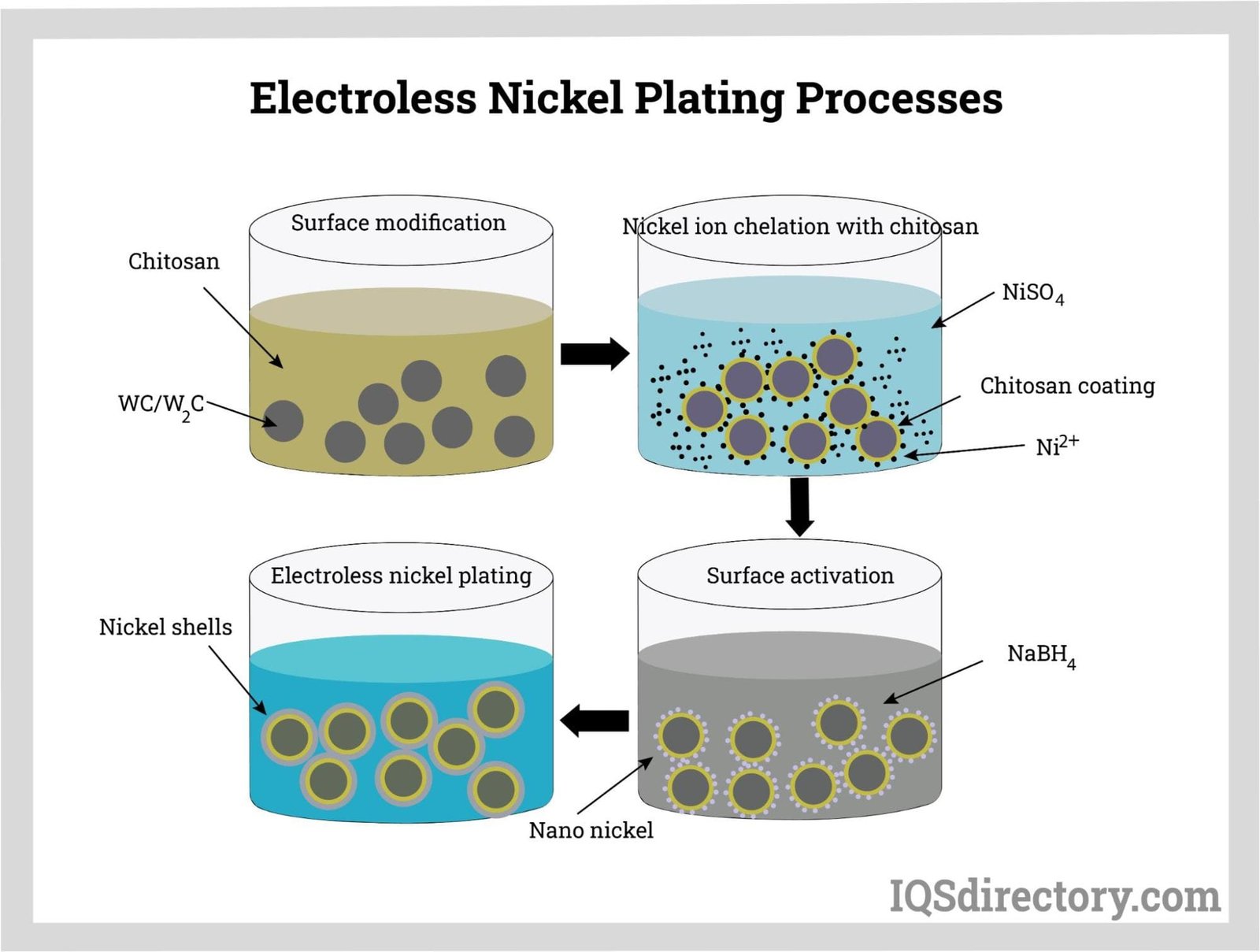
Electroless Nickel Plating
Uniform 5–15 μm nickel-phosphorus coating applied to ejector sleeves and core pins for superior wear resistance, corrosion protection and low-friction release in high-cycle injection molding. Meets ASTM B733 and RoHS standards.
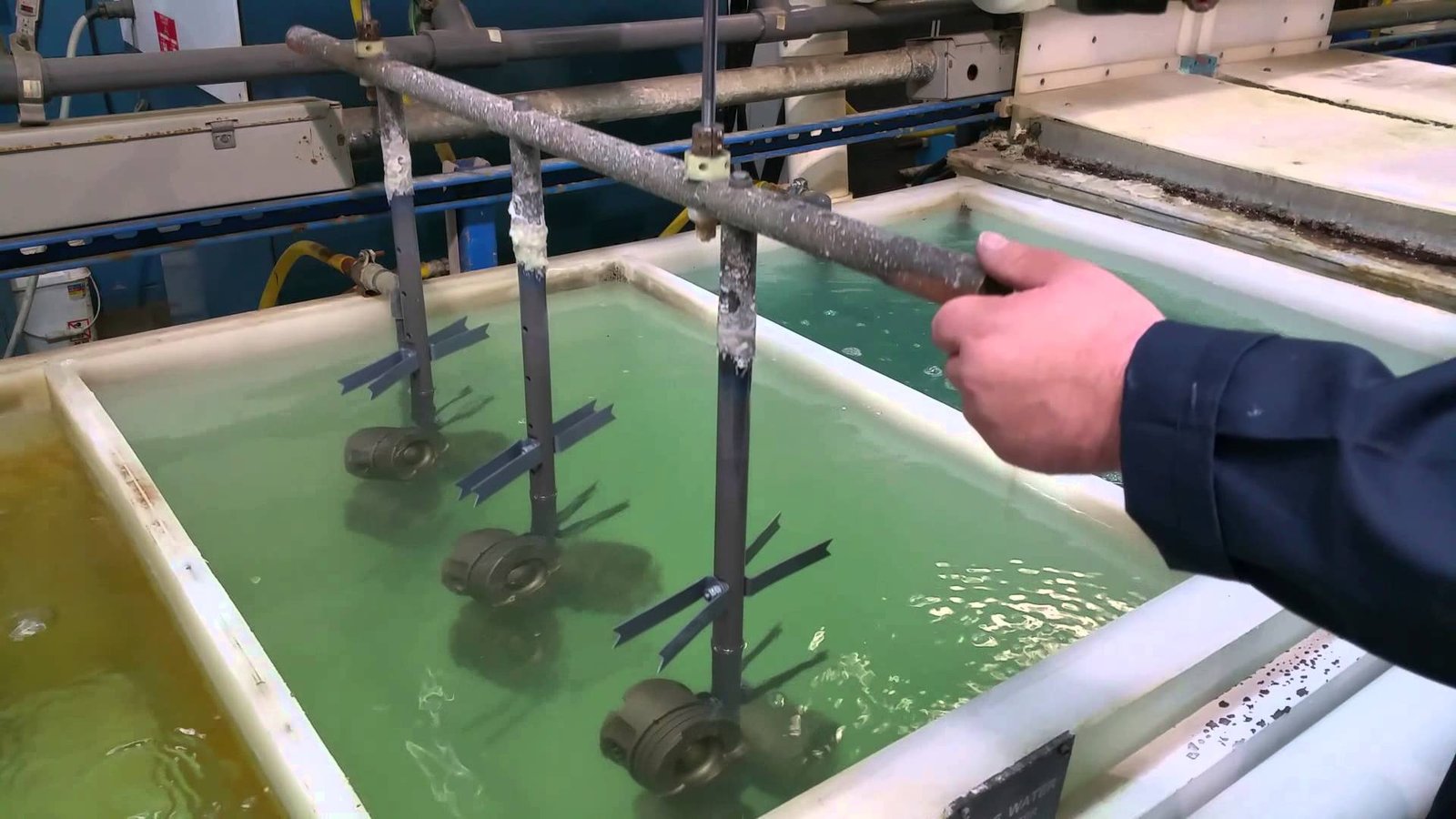
Hard Anodizing
Type III anodize on aluminum ejector sleeves and inserts, building 25–100 μm oxide layers for hardness up to 400 HV, improved thermal dissipation and excellent chemical resistance in automotive and medical tooling applications.
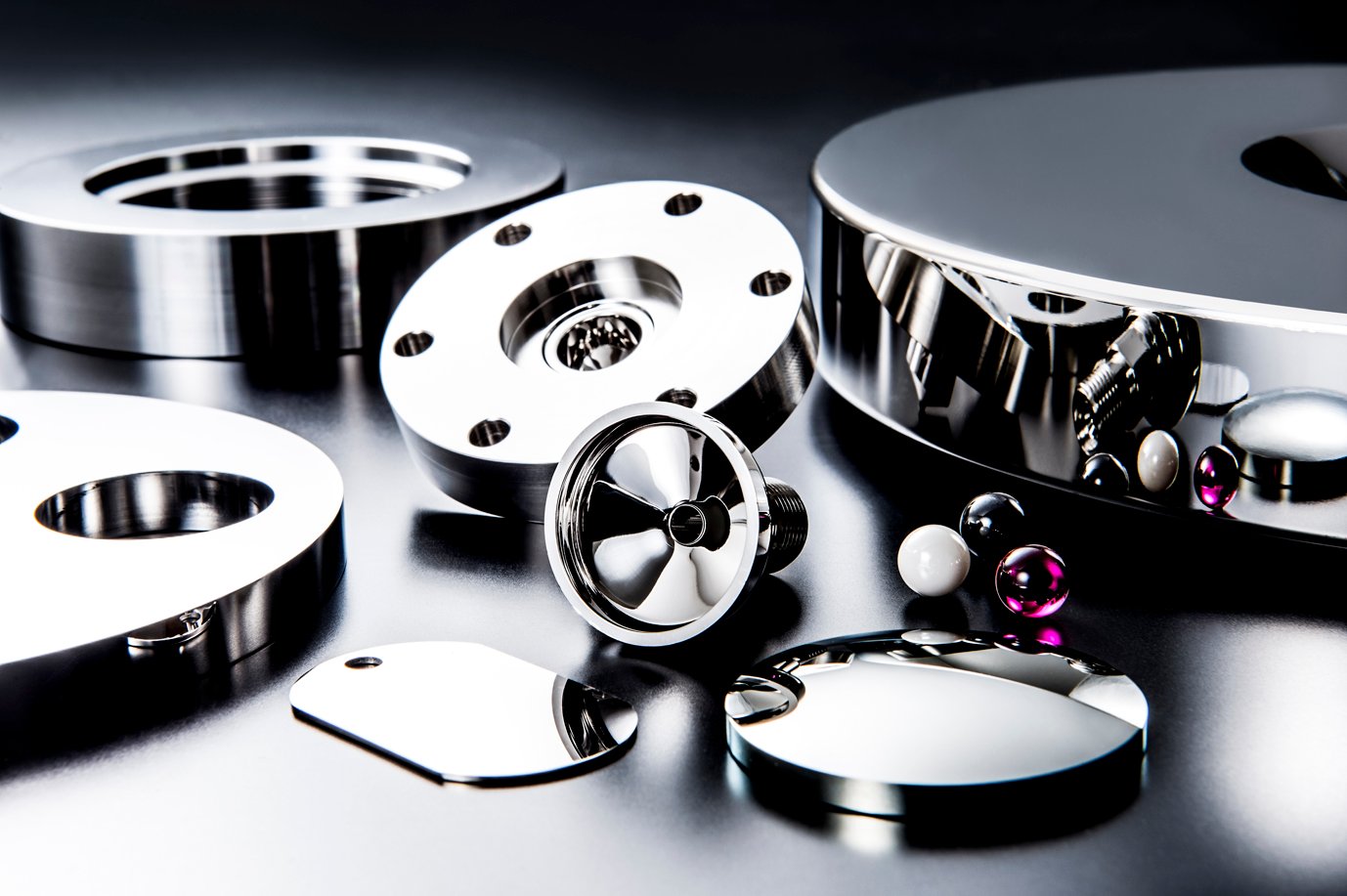
Mirror Polishing
Ra 0.1–0.2 μm mirror-grade finish on ejector sleeve working surfaces using progressive diamond compound sequences, ensuring smooth part ejection, minimal mold fouling and extended tool life in optical and cosmetic-grade molding.
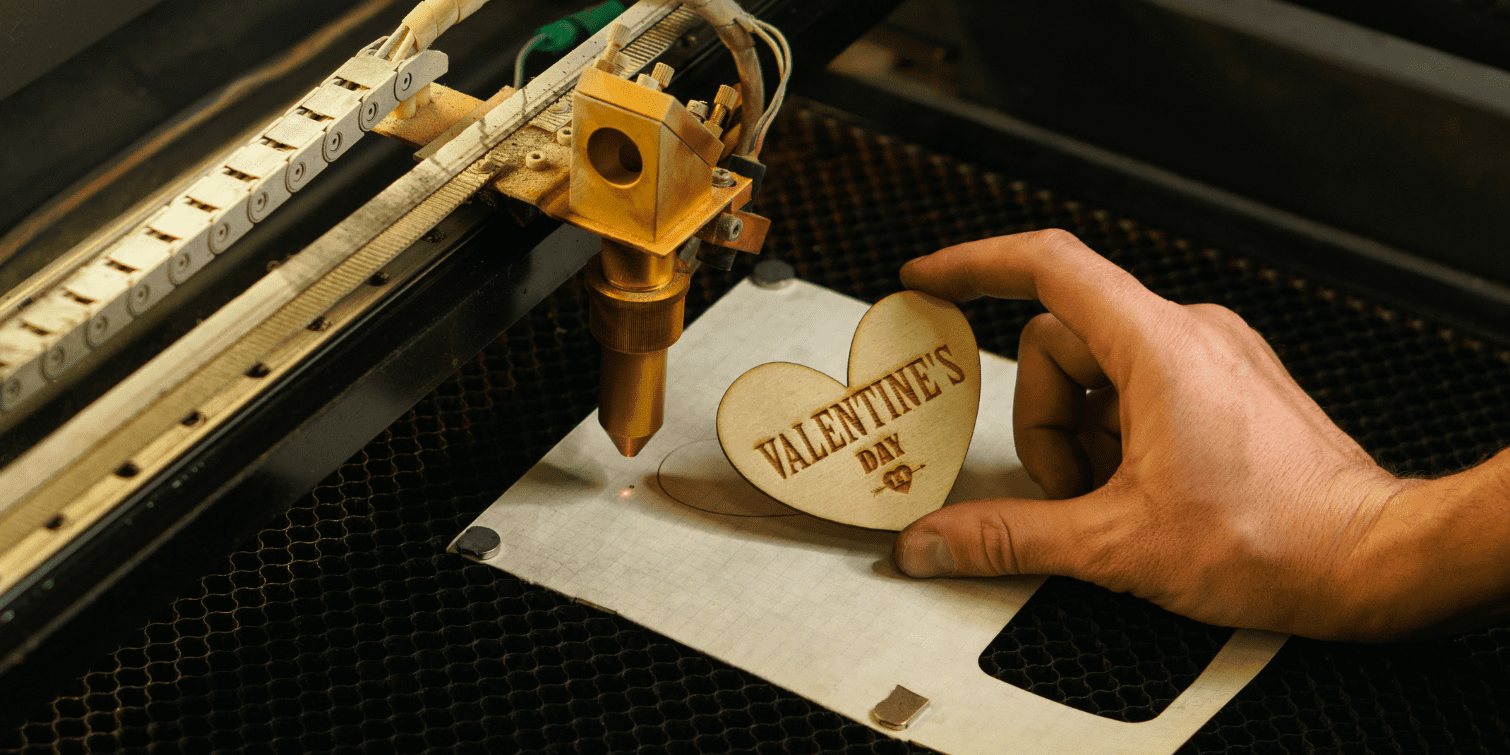
Laser Engraving
Permanent part-number, date-code and cavity-ID marking on ejector sleeves and tooling hardware via fiber laser, enabling full traceability without compromising dimensional integrity or requiring secondary labeling operations.

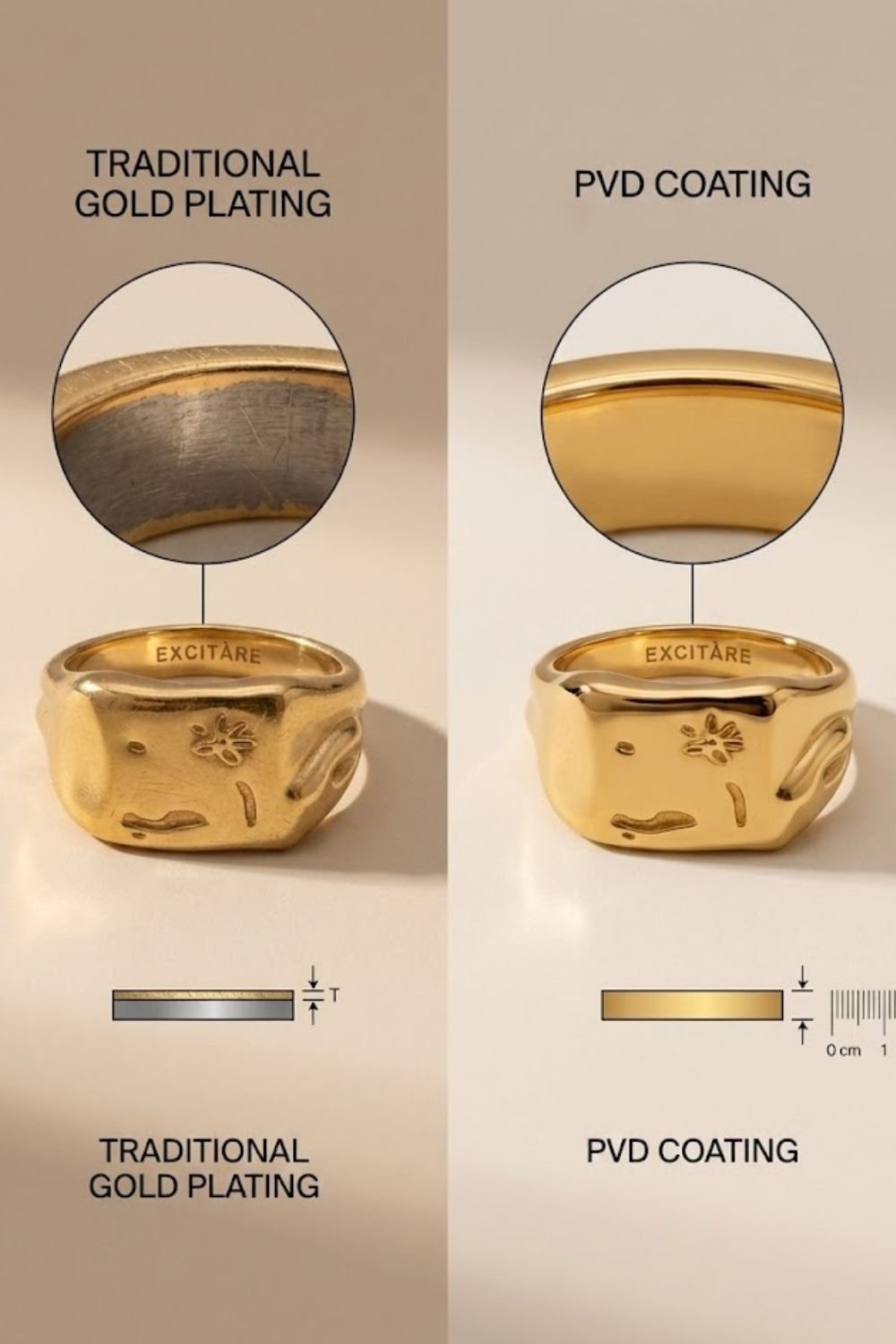
PVD Coating
Titanium nitride, TiAlN or CrN physical vapor deposition on high-wear ejector sleeves, boosting surface hardness to 2,500 HV, reducing friction coefficients and extending service intervals in abrasive-filled or glass-reinforced resin molding.
About XUXIANG — 16 Years of Precision
Founded in 2010 in Chang’an, Dongguan, XUXIANG began as a specialist mold-core machining shop and has grown into a dual-factory manufacturing group serving electronics, 5G/telecom, automotive & NEV, industrial-automation and medical-device customers worldwide. Our mission is to bridge the gap between complex CAD designs and high-performance physical parts — including ejector sleeves, core inserts and micro-connector tooling — held to +/-0.001 mm machining precision.
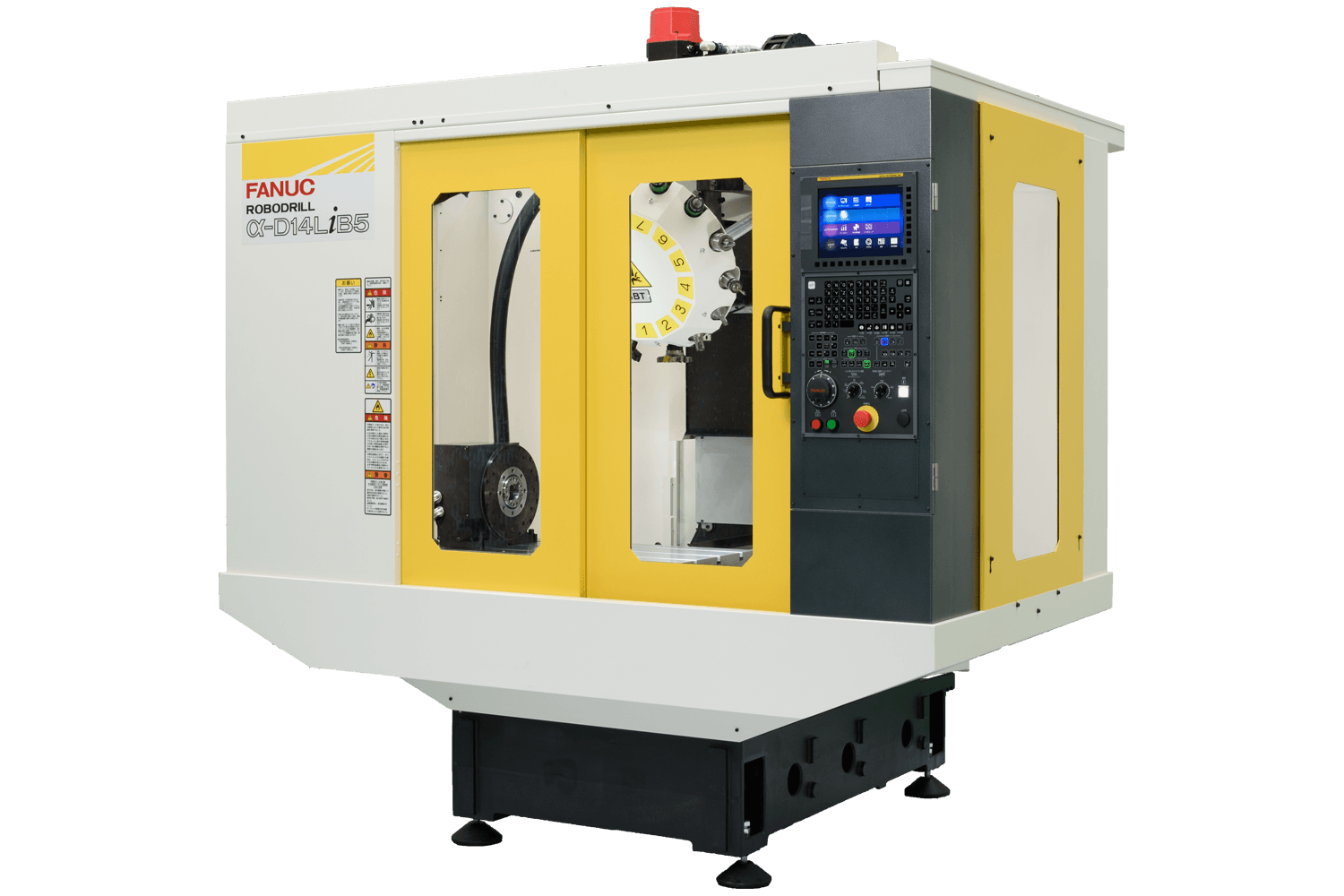
Today XUXIANG operates 2,000 m² of R&D and micro-machining capacity in Dongguan plus 1,400 m² of volume production in Quanzhou, delivering +200% expanded output since 2025. We invest over CNY 8 million in Sodick slow-wire EDM, Mitsubishi mirror EDM, Fanuc CNC and ZEISS MICURA CMM metrology, backed by a five-step QC flow and ISO 9001:2015 governance at every stage.
What sets us apart is our engineering-led approach: every project receives DFM feedback from 10+ experts, full FAI reports with material certificates, and quotes returned within 24 hours. We solve the buyer’s two biggest pain points — tolerance failure and delivery delay — with micron-stable precision and lead times roughly 30% faster than the industry average.
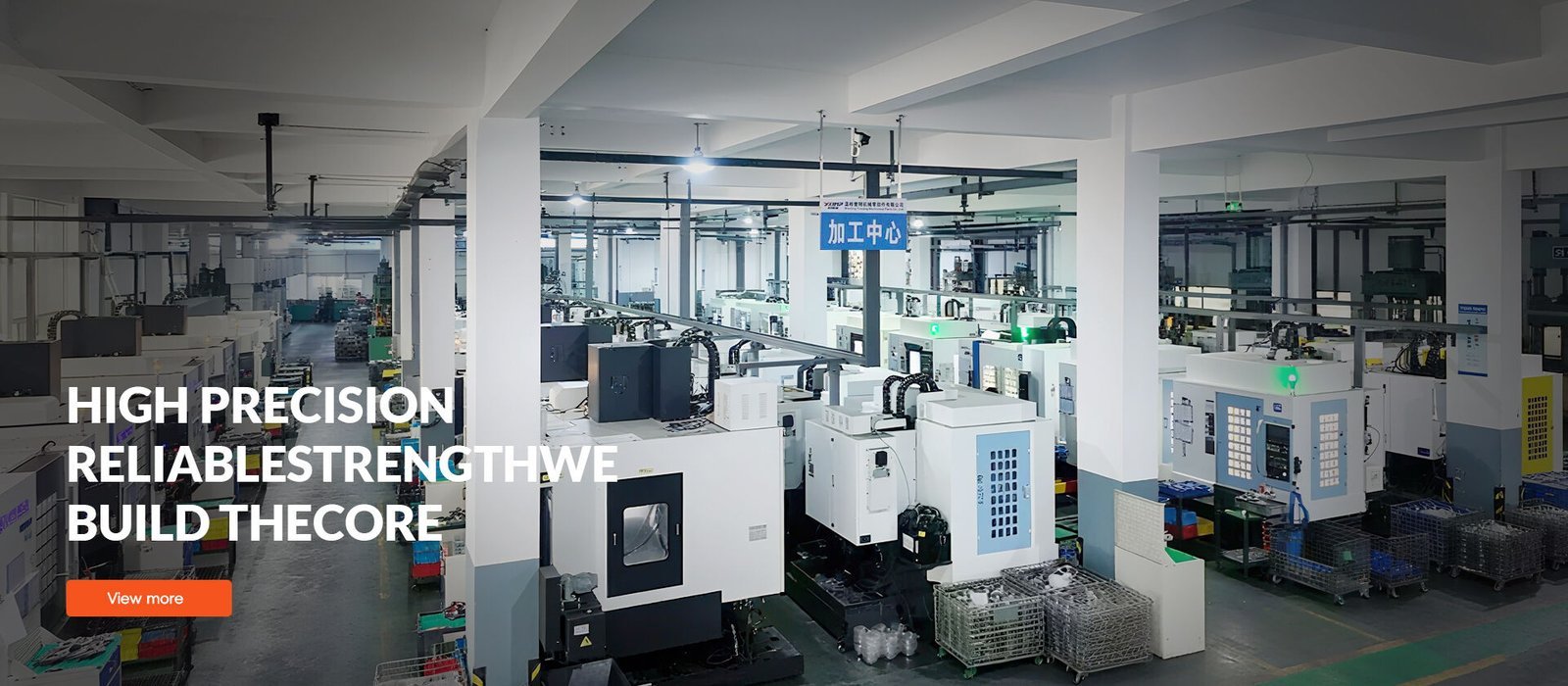
Micron-Stable Ejector Sleeve Precision: Our Core Capability
±0.001 mm Machining Accuracy
Every ejector sleeve is machined to a maximum tolerance of +/-0.001 mm using Sodick and Seibu slow-wire EDM, Fanuc-class CNC and Beijing Jingdiao high-precision electrode fabrication. This micron-stable precision ensures consistent ejection force, zero flash and reliable high-cycle performance across automotive, 5G connector and medical-device tooling applications.
- Slow-wire EDM positioning tolerance: +/-0.002 mm class
- EDM sinker accuracy: +/-0.003 mm on complex geometries
- Corner radii capability: R ≤ 0.015 mm for tight-clearance designs
- Over CNY 8 million invested in Japanese, Swiss and German machining systems
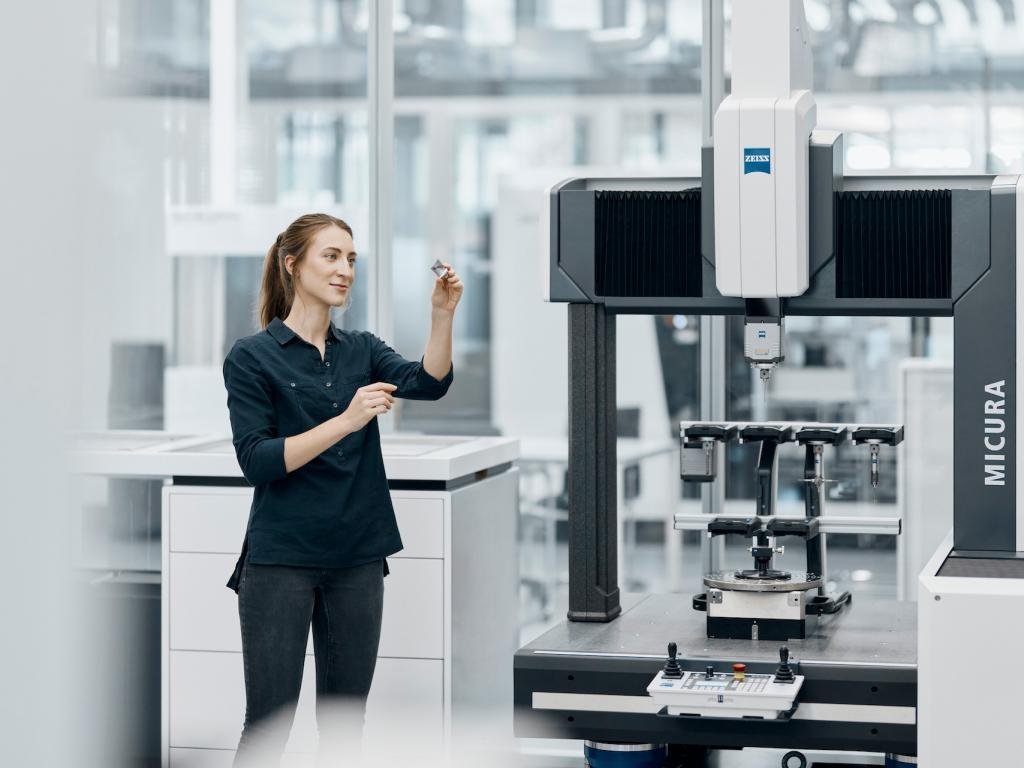
ZEISS MICURA CMM Metrology Lab
Dimensional validation is performed on a ZEISS MICURA coordinate measuring machine with 0.7um resolution, backed by Nikon toolmaker’s microscopes (V-12B / MM-400 class). Every ejector sleeve undergoes five-step QC — material spectral analysis, in-process monitoring, CMM verification, surface-integrity checks and final FAI documentation with material certificates before shipment.
- ZEISS MICURA CMM measuring resolution: 0.7um
- Nikon optical microscopy for micro-feature inspection
- Full FAI reports + material certificates with every order
- ISO 9001:2015 quality system governing every process step
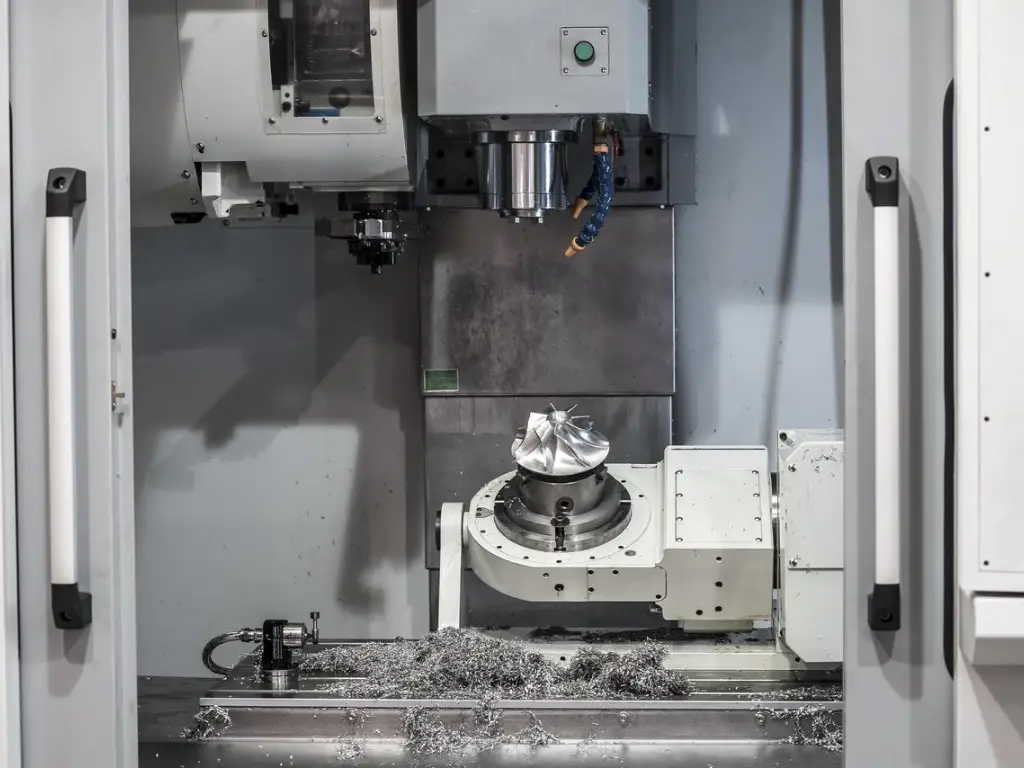
Mirror-Grade EDM Surface Finish
Ejector sleeves requiring ultra-low friction or optical-class aesthetics receive mirror-grade EDM finishing down to Ra 0.1um on Mitsubishi and Sodick mirror EDM equipment. This eliminates post-machining polishing, reduces cycle time and ensures repeatable ejection performance in high-precision micro-connector, LED bracket and thin-wall automotive sensor housings.
- Surface roughness: Ra 0.1um mirror-grade EDM finish
- Mitsubishi mirror EDM for ultra-smooth contact surfaces
- Eliminates manual polishing and associated dimensional drift
- Ideal for high-cycle tooling in electronics and medical devices
XUXIANG Ejector Sleeve Precision vs. Standard Mold Suppliers
Micron-stable tolerances, named equipment, dual-factory capacity and engineering-led DFM support — backed by ISO 9001:2015 and verifiable metrology.
← 左右滑动查看 →
How Every Ejector Sleeve Is Engineered and Validated
From DFM review to ZEISS CMM verification, our seven-phase process ensures every ejector sleeve meets +/-0.001 mm tolerance before it ships — engineered, not just made.
DFM Review & Engineering
10+ precision engineers analyze your drawings for tolerance feasibility, ejector-pin clearance, surface-finish requirements and toolpath optimization — feedback delivered within 24 hours of quote.
Material Prep & Verification
Spectral analysis confirms alloy composition and hardness spec. Blanks are precision-ground square and stress-relieved to eliminate dimensional drift during EDM or CNC machining.
EDM, CNC & Grinding
Sodick slow-wire EDM cuts +/-0.002 mm profiles; Fanuc CNC mills complex geometries; Dawn grinding centers finish OD/ID to Ra 0.1 µm mirror-grade surface with sub-micron repeatability.
In-Process Tolerance Monitoring
Operators check critical dimensions every 10 pieces using calibrated micrometers and height gauges. Any drift beyond +/-0.001 mm triggers immediate toolpath correction or electrode replacement.
ZEISS & Nikon Metrology
ZEISS MICURA CMM measures to 0.7 µm resolution; Nikon toolmaker microscopes (V-12B class) verify edge radii, concentricity and surface integrity — full dimensional report generated for every batch.
FAI Documentation & Certification
First-article inspection report includes material certificate, dimensional data, surface-finish readings and photographic evidence — archived and shared digitally with every shipment for full traceability.
Precision Packing & Logistics
Ejector sleeves are individually wrapped in anti-corrosion film, nested in foam inserts and sealed in moisture-barrier cartons. Express courier or freight arranged; tracking shared within 2 hours of dispatch.
How to Order Your Ejector Sleeve from XUXIANG
From technical drawings to validated production parts — transparent, engineering-first collaboration in four simple steps.
Submit Your CAD & Requirements
Upload 2D/3D drawings, material specs and tolerance targets. Our engineering team reviews every file for manufacturability and precision feasibility within hours.
Receive DFM Feedback & Quote
Within 24 hours you’ll get DFM recommendations from 10+ experts, a firm quote and a production timeline — no hidden costs or surprises.
Approve Sample & Validate
We machine a first-article sample in 3–7 days, ship it with full FAI documentation and ZEISS CMM reports, and refine until you approve.
Launch Mass Production
Once approved, bulk orders ship in 15–25 days with material certificates, inspection reports and ISO 9001:2015 traceability — precision guaranteed at scale.
Ejector Sleeve Quality Backed by ISO 9001:2015 & Certified Metrology


Customer Results: Ejector Sleeve Precision Delivered
XUXIANG‘s ejector sleeves reduced our tolerance failures by 92% compared to our previous supplier. The +/-0.001 mm precision and full FAI documentation gave our QA team complete confidence in every batch.
We needed micro-connector ejector sleeves for a 5G antenna project with zero margin for error. XUXIANG delivered 30% faster than quoted, held Ra 0.1um mirror finish, and enabled our mass production launch on schedule.
Their ZEISS CMM validation caught a design issue during DFM review that would have cost us weeks in rework. The ejector sleeve tooling performed flawlessly across 500,000+ cycles with no dimensional drift.
FAQ: Ejector Sleeves, Precision & Delivery
What is the minimum order quantity (MOQ) for custom ejector sleeves?
How long does it take to receive ejector sleeve samples vs. production orders?
Do you charge for ejector sleeve sampling, and is the cost refundable?
What payment terms does XUXIANG offer for ejector sleeve orders?
How do you handle international shipping and customs documentation for precision mold components?
How is my design IP protected when I order custom ejector sleeves?
What tolerance guarantees come with XUXIANG ejector sleeves?
Do you provide material certificates and traceability for ejector sleeve orders?
The Complete Buyer’s Guide to Ejector Sleeve Precision Mold Components
Navigate the technical landscape of ejector sleeves with confidence. This guide delivers a proven decision framework, critical supplier evaluation criteria, material selection insights, and the top mistakes procurement teams must avoid when sourcing precision mold components.
1. What Is an Ejector Sleeve and Why It Matters
An ejector sleeve is a hollow cylindrical component that surrounds and guides an ejector pin through the mold base, ensuring axial alignment and preventing lateral deflection during part ejection. In high-cavitation electronics and automotive molds, ejector pins often exceed 100 mm in unsupported length; without a precision sleeve, pin deflection can reach 0.05 mm or more, damaging delicate cores and causing uneven ejection marks on cosmetic surfaces.
Micron-level tolerance — typically +/-0.002 mm on bore diameter and concentricity — is critical because each cavity in a 16- or 32-cavity connector mold must eject with identical force distribution. Standard sleeves machined to +/-0.01 mm allow pin wobble, accelerating wear and creating reject-rate spikes after 50,000 cycles. Precision sleeves machined on slow-wire EDM and verified by CMM maintain sub-5-micron concentricity, extending tool life beyond 500,000 cycles and protecting mirror-finish EDM cores that cost thousands of dollars to rework.
Investing in precision ejector sleeves reduces total cost of ownership: fewer rejects, lower maintenance frequency, and consistent cycle times across multi-cavity arrays where even 0.01 mm misalignment compounds into visible quality defects.
2. Evolution of Ejector Sleeve Manufacturing Standards
Early ejector sleeve designs relied on simple hardened-steel bushings with tolerances of +/-0.02 mm, sufficient for large-format consumer housings but prone to wear and misalignment under high-cycle injection. The introduction of wire EDM for inner-diameter finishing in the late 1990s enabled concentricity within +/-0.005 mm and surface finishes approaching Ra 0.4 μm, transforming sleeves from commodity hardware into precision-guided components.
ISO 8405 standardization in the early 2000s codified dimensional interchangeability and material specifications, while PVD coating adoption — titanium nitride and chromium nitride treatments — extended service life by 300–500% in abrasive glass-filled resins. Today’s slow-wire EDM processes, including Sodick and Seibu platforms, routinely hold +/-0.002 mm on critical diameters.
5G connector miniaturization and NEV battery-housing molds have compressed tolerance windows further over the past decade. Micro-pin tooling for board-to-board connectors now demands ejector sleeve runout below 0.003 mm, and high-voltage interconnect molds require mirror-grade bores at Ra ≤ 0.1 μm to prevent arcing and contamination, driving manufacturers toward ZEISS-class CMM verification and sub-micron metrology.
3. Types of Ejector Sleeves for Different Mold Applications
Ejector sleeve design varies by pin configuration, load profile and mold geometry. Five core variants address the spectrum from general-purpose tooling to micro-connector applications demanding sub-3 mm precision.
Standard Straight-Bore Sleeves

Straight-bore ejector sleeves feature a uniform internal diameter and are the workhorse of general injection molds. Typical tolerance bands run +/-0.005 to +/-0.010 mm on bore diameter, with concentricity held within 0.01 mm. Ideal for single-diameter ejector pins in consumer electronics housings, appliance components and industrial enclosures where load is moderate and alignment is straightforward.
Stepped-Bore Sleeves
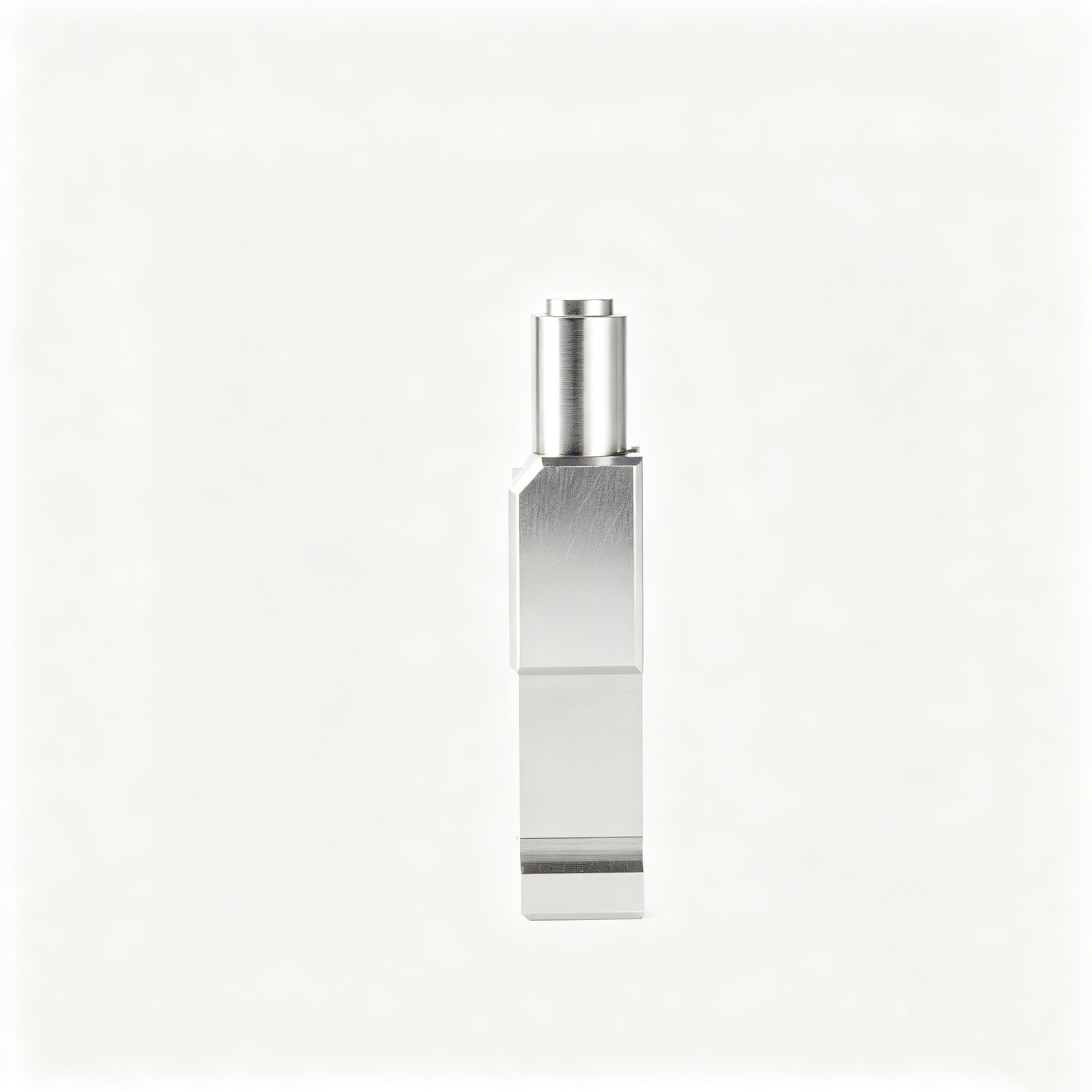
Stepped-bore designs accommodate multi-diameter pin assemblies, transitioning from a larger pilot diameter to a smaller working bore. Each step is machined to +/-0.003 mm, with shoulder perpendicularity under 0.005 mm. Common in automotive sensor housings and multi-cavity molds where pin retention and axial positioning must be independently controlled.
Flanged Ejector Sleeves
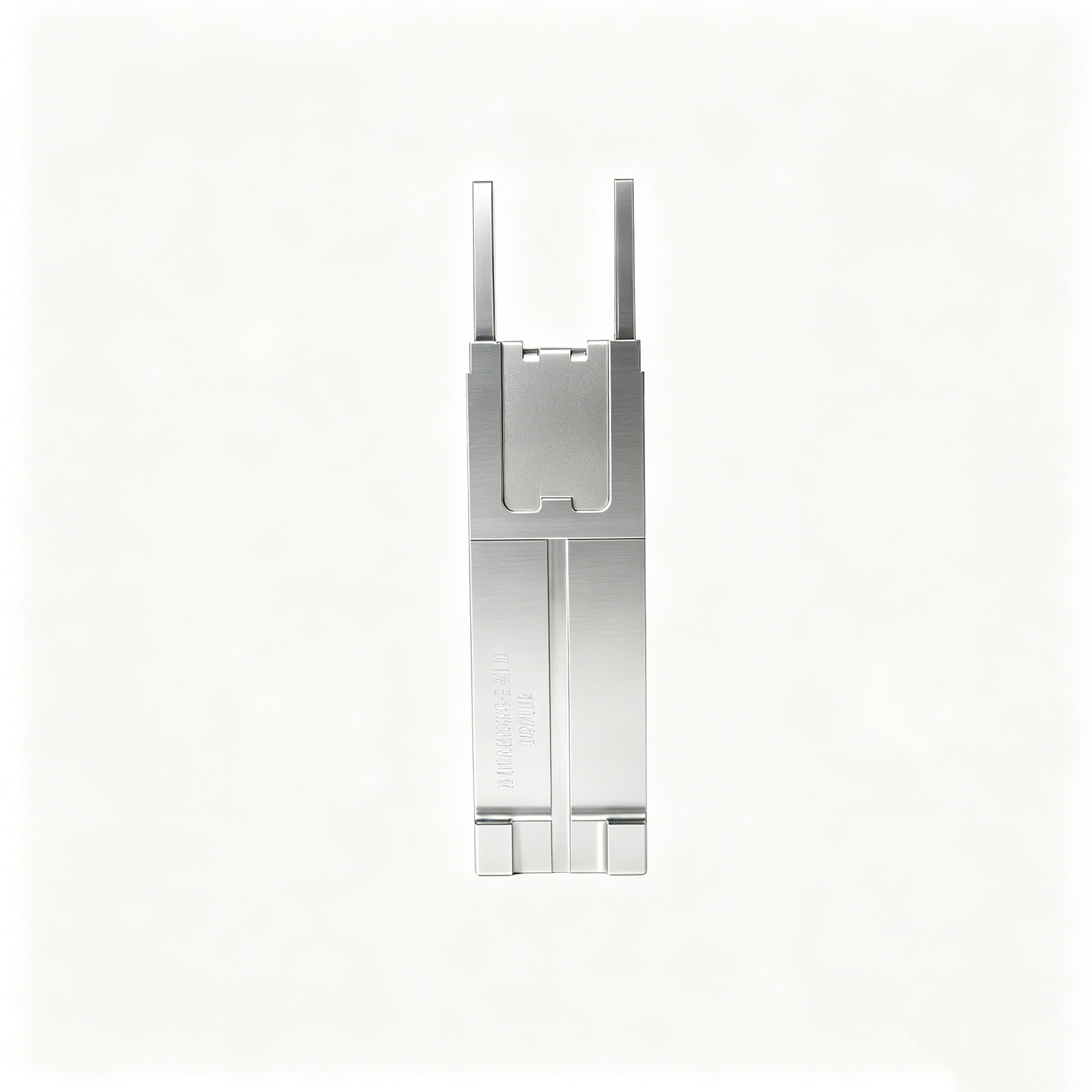
Flanged sleeves add a machined collar to distribute ejection force across a larger mold-plate area, reducing stress concentration by 40–60 %. Flange thickness typically ranges 3–6 mm, with flatness held to 0.005 mm. Specified for high-cavity molds, thick-wall parts and NEV battery-module tooling where ejection loads exceed 5 kN per pin.
Micro-Diameter Sleeves
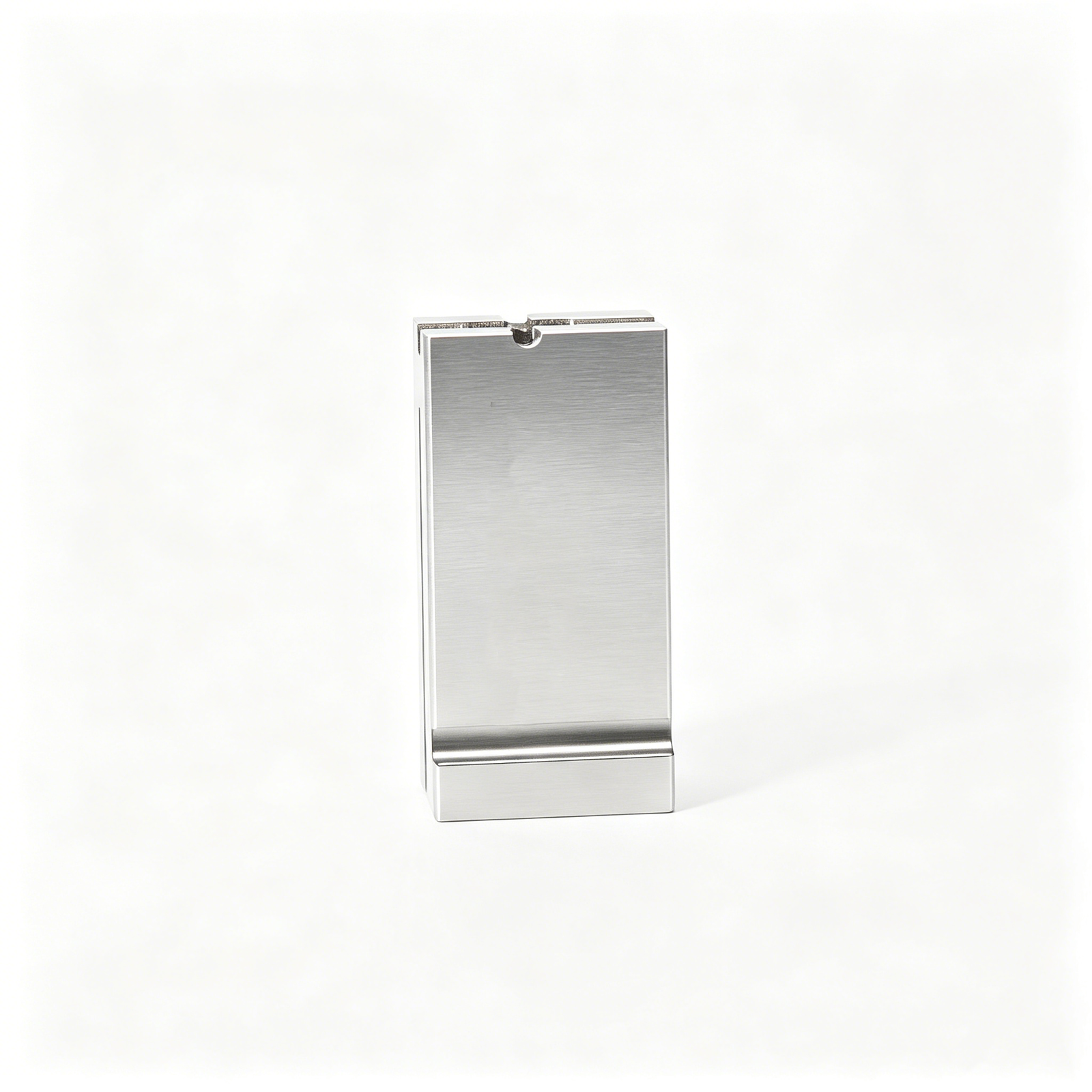
Sub-3 mm ejector sleeves serve micro-connector tooling for 5G, board-to-board and FPC applications. XUXIANG machines these to +/-0.002 mm bore tolerance using slow-wire EDM and precision grinding, with wall thickness as low as 0.3 mm. Surface finish reaches Ra 0.2 µm to minimize friction and particulate generation in clean-room molding.
Custom-Profile Sleeves
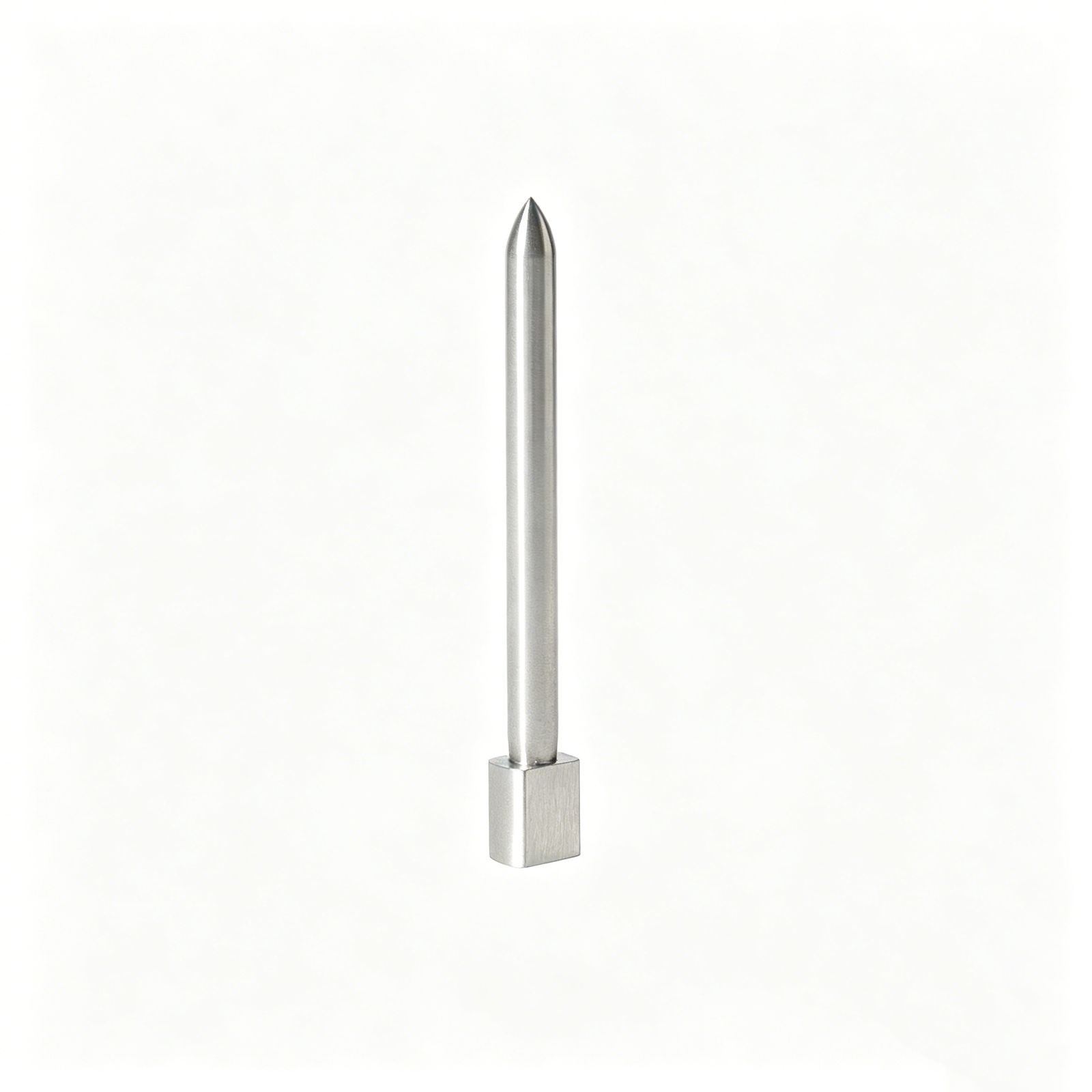
Complex core geometries — angled lifters, collapsing cores, cam-actuated slides — require custom-profile sleeves with non-circular bores, relief pockets or integrated keyways. Profiles are wire-cut or sinker-EDM’d to +/-0.003 mm, then ground. Used in medical-device snap-fit assemblies, automotive interior trim and multi-action molds where standard geometries cannot maintain alignment.
4. Ejector Sleeve Materials and Heat-Treatment Processes
Material choice directly determines ejector sleeve service life, dimensional stability and cost-per-part economics. Heat treatment elevates base-metal hardness to HRC 58–62, locking in wear resistance and minimizing deflection under cyclic loads.
| Material | Hardness (HRC) | Wear Resistance | Thermal Stability | Recommended Shots |
|---|---|---|---|---|
| SKH51 | 60–64 | Excellent | Moderate | 500k–2M |
| SKD61 | 48–52 | Good | Excellent | 300k–1M |
| Tungsten Carbide | 85–90 (HRA) | Outstanding | High | >5M |
| Stainless 440C | 50–54 | Good | Moderate | 200k–800k |
Core Materials and Their Performance Envelopes
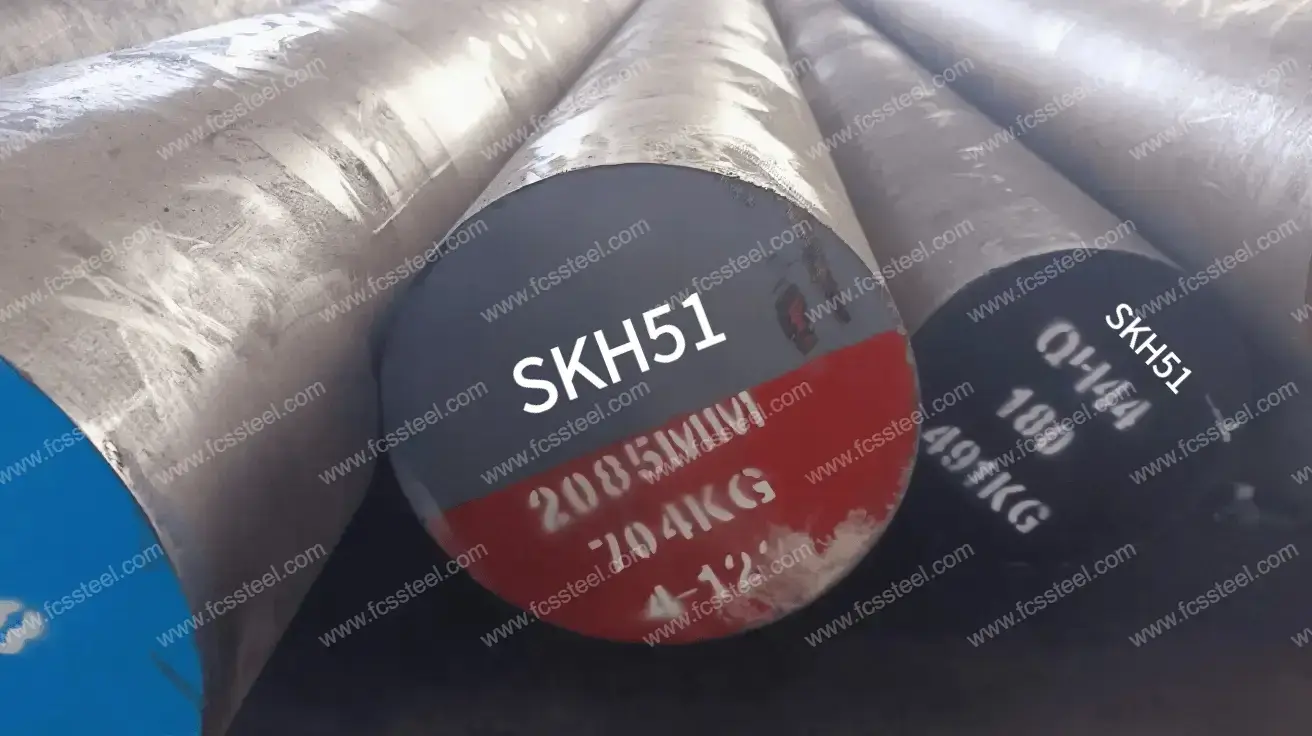
SKH51 high-speed steel delivers superior wear resistance for abrasive-filled resins and moderate-volume production, typically hardening to HRC 60–64. SKD61 hot-work steel excels in thermal cycling applications — automotive over-molding, high-temperature thermoplastics — with stable hardness around HRC 48–52 and minimal dimensional drift.
Tungsten carbide extends service life beyond 5 million shots in ultra-high-volume consumer electronics and micro-connector tooling, though material cost rises 3–4×. Stainless steel (420 or 440C) resists corrosive resins such as PVC, halogenated compounds and glass-filled nylons, maintaining HRC 50–54 after hardening.
Heat Treatment and Surface Hardening
Vacuum hardening minimizes decarburization and holds +/-0.002 mm dimensional tolerance post-treatment. Nitriding forms a 0.1–0.3 mm case depth with surface hardness above HV 900, ideal for extended wear without geometry change. PVD coatings (TiN, TiAlN) add 2–4 µm lubricity layers, reducing ejection force 15–25 % and preventing galling in high-speed cycles.
5. Customization Options for Ejector Sleeve Specifications
Standard catalog ejector sleeves ship in 3–5 days but rarely match complex mold geometries. Custom specifications — tailored lengths, diameters, bore profiles and surface treatments — optimize ejection force and part release at the cost of 1–2 weeks lead time and NRE tooling.
Dimensional Customization: Lengths and Diameters
Custom lengths eliminate the need for spacers or secondary machining, while non-standard diameters fit proprietary ejector-plate layouts. XUXIANG machines sleeves from 3 mm OD micro-pins to 50+ mm automotive cores, holding +/-0.001 mm on diameter and +/-0.01 mm on length.
Propriety bore profiles — stepped, tapered or relieved — reduce friction and allow air venting without compromising structural integrity.
Surface Finish and Coating Options
Mirror-grade finishes (Ra 0.2–0.4 µm) minimize galling and pickup on glass-filled resins. XUXIANG’s Sodick EDM and Dawn grinding centers deliver Ra ≤ 0.1 µm when specified.
TiN, TiAlN and DLC coatings extend service life 3–5× in high-cycle automotive and connector tooling, adding 2–3 days to lead time and 15–25% to unit cost.
Traceability and Fast-Quote Capability
Laser engraving (part number, heat-lot code, revision) ensures full traceability in regulated industries — medical devices, automotive IATF environments — without affecting core dimensions.
XUXIANG’s engineering team returns DFM-validated quotes within 24 hours for custom ejector sleeve specs, supported by ZEISS MICURA CMM validation and ISO 9001:2015 process control.
6. Critical Quality Elements in Ejector Sleeve Construction
Precision ejector sleeve construction demands six measurable quality gates that directly govern mold uptime and part consistency. Each checkpoint separates micron-stable suppliers from commodity vendors and determines whether your tool runs 500,000 cycles or fails at 50,000.
Inner-Diameter Concentricity and Straightness
Concentricity ≤0.005 mm TIR (total indicator runaway) ensures the ejector sleeve glides without binding or eccentric wear. Straightness deviations beyond 0.005 mm across the full length create friction spikes that score pins and generate particle contamination.
XUXIANG validates every ejector sleeve on ZEISS MICURA CMM with 0.7 µm resolution, verifying TIR across three datum planes. This prevents the premature galling common in commodity sleeves machined to ±0.02 mm.
Surface Finish Consistency
Mirror-grade bores (Ra ≤0.4 µm) reduce friction and prevent resin adhesion during high-cycle production. Inconsistent finishes above Ra 0.8 µm trap moisture and accelerate corrosion in humid climates.
Sodick slow-wire EDM and Dawn precision grinding deliver Ra 0.1–0.4 µm across the entire bore, validated by Nikon toolmaker’s microscopes (V-12B / MM-400 class) at final inspection.
Length Tolerance and Hardness Uniformity
Length tolerance ±0.01 mm ensures flush ejector-plate assembly; deviations cause uneven ejection force and part warpage. Hardness uniformity (HRC 58–62 across the full section) prevents localized wear and premature cracking.
XUXIANG’s five-step QC includes spectral material analysis and hardness mapping at three zones, backed by material certificates and full FAI documentation for every lot.
7. How to Choose an Ejector Sleeve Manufacturer
Selecting a reliable ejector sleeve partner determines cycle uptime, part quality and total landed cost. Six capability pillars separate precision suppliers from commodity shops.
Manufacturing Capabilities and Equipment
Verify the shop operates Sodick or Charmilles-class wire EDM for +/-0.002 mm positioning, CNC grinding centers for concentricity below 0.005 mm and in-house vacuum heat treatment to control hardness uniformity. XUXIANG’s Sodick slow-wire and Dawn grinding assets deliver +/-0.001 mm machining tolerance, ensuring sleeves run true across 100,000+ cycles.
Quality Certifications and Inspection
ISO 9001:2015 is baseline; automotive mold makers require IATF 16949. Confirm CMM capabilities — ZEISS MICURA-class systems measuring to 0.7 µm validate critical diameters and perpendicularity. XUXIANG’s five-step QC flow includes spectral material analysis and full FAI documentation with every order.
Lead-Time Reliability and Engineering Support
Urgent tooling repairs demand 24-hour quoting and 30% faster turnaround than industry average. Look for DFM feedback from 10+ engineers before production and custom-design support for non-standard bores or coatings. XUXIANG’s dual-factory footprint in Dongguan and Quanzhou ensures capacity elasticity for peak-season orders.
8. Common Mistakes When Sourcing Ejector Sleeves
Even experienced buyers stumble over six recurring pitfalls when sourcing ejector sleeves, each capable of delaying production or escalating total cost of ownership. Recognizing these mistakes — and the corrective steps — protects both tooling investment and cycle-time targets.
Specifying Looser Tolerances to Cut Initial Cost
Relaxing concentricity from +/-0.005 mm to +/-0.01 mm may reduce the first quote by 15–20%, but premature galling and ejector-pin wobble often appear within 50,000 cycles, forcing mid-campaign replacements.
Correction: specify the tightest tolerance your part geometry demands and verify the supplier’s slow-wire EDM and CMM capabilities — XUXIANG’s ZEISS MICURA validates 0.7 µm resolution — before awarding the PO.
Ignoring Material Certificates and Traceability
Accepting an ejector sleeve without spectral analysis or mill test reports leaves hardness, alloy composition and heat-treatment history unverified, risking dimensional drift under thermal cycling.
Correction: require material certificates (EN 10204 3.1 or equivalent) and first-article inspection reports that trace each batch to the steel mill and document post-hardening Rockwell readings.
Overlooking Surface-Finish Requirements
Surface roughness above Ra 0.4 µm accelerates resin adhesion and scoring, especially in glass-filled compounds. Many buyers omit Ra callouts entirely, assuming ‘polished’ is sufficient.
Correction: specify target Ra (typically 0.2–0.4 µm for standard ejection, down to 0.1 µm for mirror-class cores) and confirm the vendor uses mirror-grade EDM or precision grinding to achieve it.
Failing to Validate Concentricity on First Article
Skipping CMM verification of concentricity and perpendicularity on the first article means dimensional errors propagate across the entire production run, discovered only during mold tryout.
Correction: insist on a full FAI with CMM data for critical dimensions — concentricity, perpendicularity and wall thickness — before releasing the balance of the order.
Choosing Suppliers Without Heat-Treatment Expertise
Vendors that outsource hardening introduce lead-time variability and lose control over tempering cycles, leading to inconsistent hardness gradients and quench cracks.
Correction: select manufacturers with in-house or tightly integrated heat-treatment facilities and ask for process documentation showing time-temperature profiles and post-treatment inspection steps.
Not Planning Lead Time for Custom Profiles
Standard-catalog sleeves ship in days, but custom diameters, lengths or relief grooves require electrode fabrication, slow-wire programming and dedicated setup — often 10–14 days even at fast shops.
Correction: share CAD models early for DFM review, lock specifications before ordering and confirm realistic lead times; XUXIANG’s dual-factory capacity and Beijing Jingdiao electrode machining typically deliver custom profiles roughly 30% faster than industry average.
9. Pricing and Cost Considerations for Ejector Sleeves
Unit pricing for ejector sleeves follows a steep volume curve: standard SKH51 sleeves at 10-piece MOQ typically run USD 8–12 per unit, dropping 40–50% at 100 pieces and another 20–25% at 500-piece production runs. Carbide sleeves command a 2.5–3× premium over SKH51 due to material cost and extended grinding cycles, but offer 5–8× wear life in high-cycle or abrasive applications.
Custom-profile sleeves — non-standard OD/ID, special head geometries, or coating requirements — incur one-time NRE charges of USD 150–400 for tooling and first-article inspection, then follow the same volume discount structure. Lead time for standard catalog sleeves is 5–7 working days; custom orders extend to 10–14 days.
Expedited delivery (3-day turnaround) adds a 25–35% surcharge and is subject to shop-floor capacity. XUXIANG provides DFM feedback and material certificates at no additional cost; ZEISS CMM validation reports are included in orders above 100 pieces or available for USD 50 per batch on smaller quantities.
| Sleeve Type | 10 pcs (USD/pc) | 100 pcs (USD/pc) | 500 pcs (USD/pc) | Lead Time |
|---|---|---|---|---|
| Standard SKH51 | $8–12 | $4.50–6.00 | $3.20–4.50 | 5–7 days |
| Carbide (YG15/YG20) | $22–32 | $13–18 | $9–13 | 7–10 days |
| Custom Profile + NRE | $10–15* | $5.50–7.50 | $4.00–5.50 | 10–14 days |
10. Steps to Launch Your Precision Mold Component Program
A disciplined launch process reduces risk and accelerates time to stable production. The six steps below guide procurement teams from specification to scale, with pilot validation as the critical gate between first article and volume commitment.
Define Ejector Sleeve Specifications
Document OD, ID, length, material grade (H13, SKD61, S136), heat-treatment state (HRC 48–52 typical) and tolerance class (+/-0.002 mm or tighter). Include surface finish (Ra ≤ 0.4 µm mirror-grade or standard ground), concentricity requirements and any special coatings. Clear specs reduce quote variance by 40 percent and eliminate back-and-forth revisions.
Request Quotes and First-Article Samples
Solicit detailed quotes from two to three qualified suppliers, requesting lead time, MOQ, material certificates and inspection reports. Order first-article samples with full dimensional reports, material spectral analysis and surface-integrity documentation. XUXIANG delivers CMM-validated FAI within 5–7 days, enabling rapid design validation.
Run Production Trial and Validate Performance
Install samples in your mold and execute a 500–1,000 cycle trial, monitoring ejection force, part release consistency and sleeve wear. Measure cycle time impact and inspect molded parts for witness marks or deformation. Pilot runs catch tolerance drift, material incompatibility and assembly issues before full-scale orders.
Establish Blanket PO and Quality Audits
Once validated, issue a blanket purchase order or set up consignment inventory to stabilize supply and lock pricing. Schedule quarterly audits reviewing dimensional trends, surface finish and delivery performance. Periodic re-inspection with CMM or toolmaker’s microscope ensures sustained conformance and flags tooling wear early.
Get Your Ejector Sleeve Quote in 24 Hours
Upload your drawings today and receive a detailed quote with DFM feedback from our precision engineering team within one business day.