
Injection Molded Plastic Components — Micron-Stable Precision for Critical Applications
XUXIANG delivers injection molded plastic components held to +/-0.001 mm with ISO 9001:2015 certification, ZEISS CMM validation and 24-hour quote turnaround for electronics, 5G, automotive and medical OEMs worldwide.
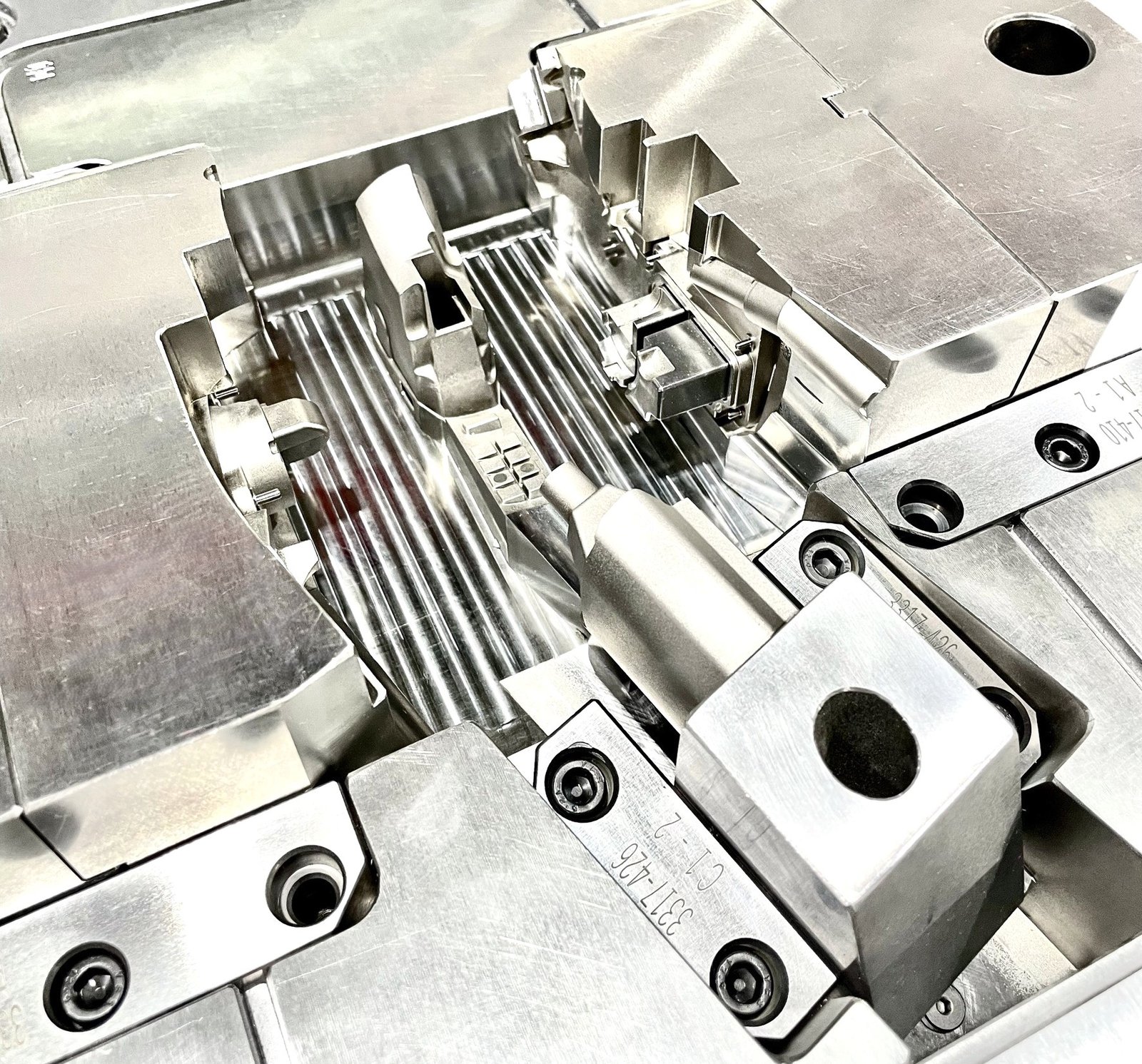
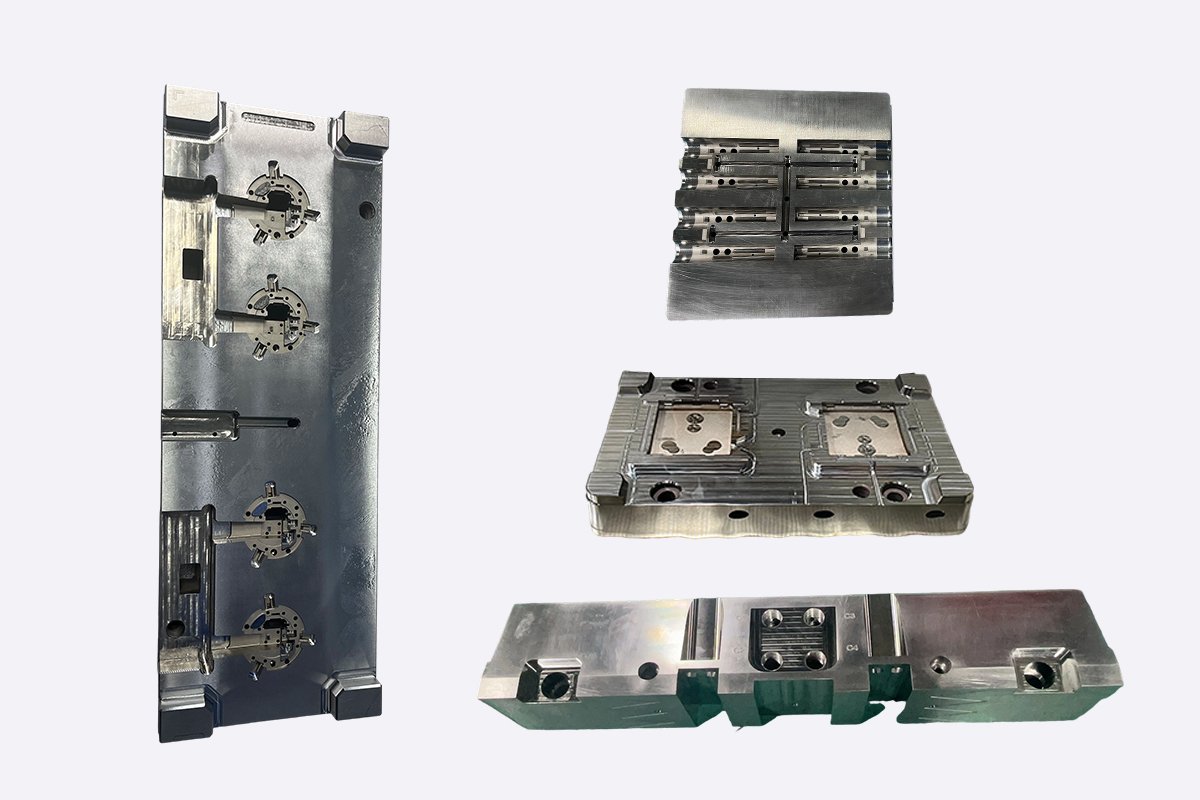
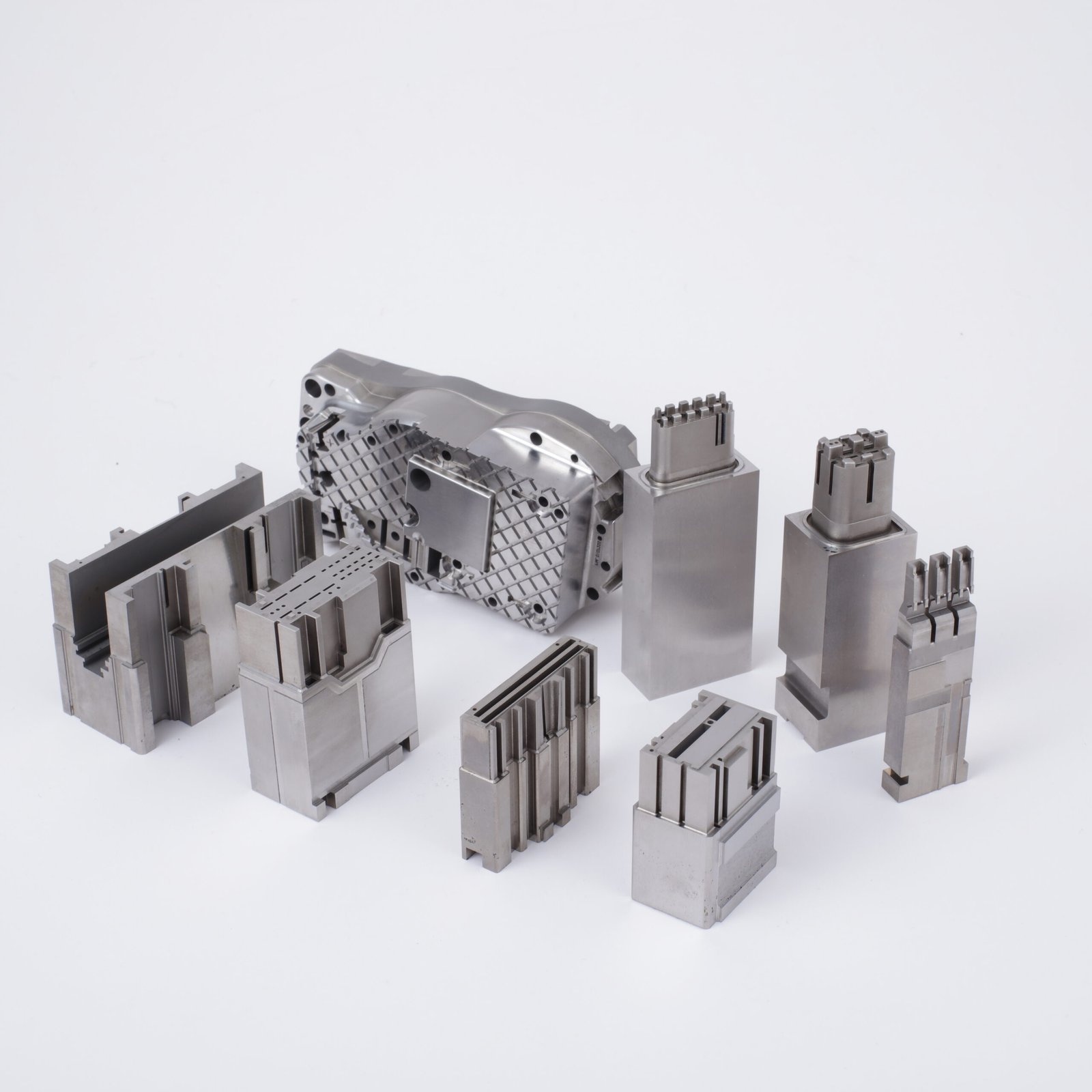
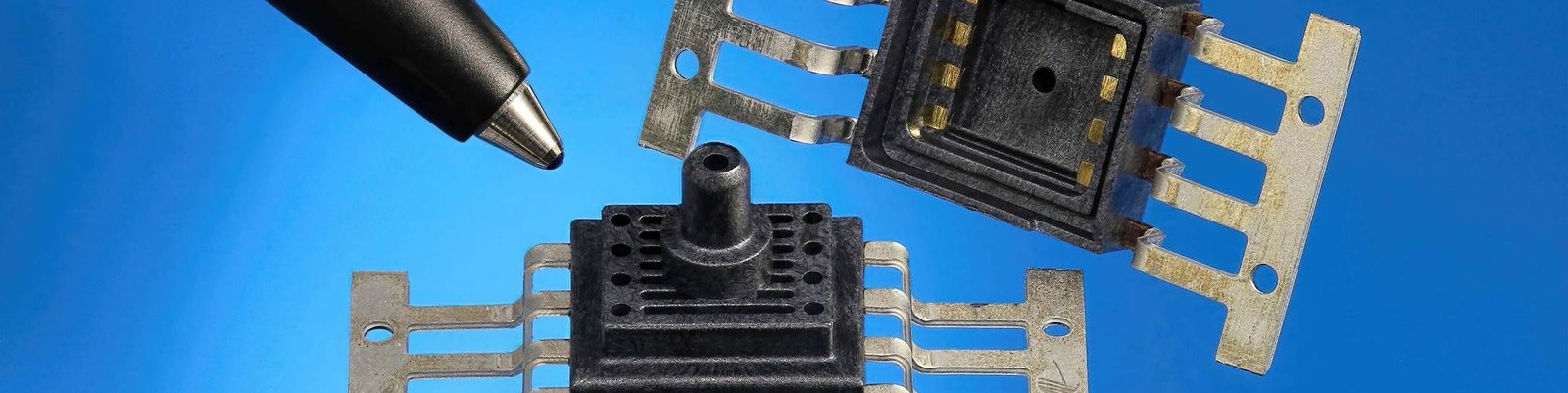
Featured Precision Tooling & Components
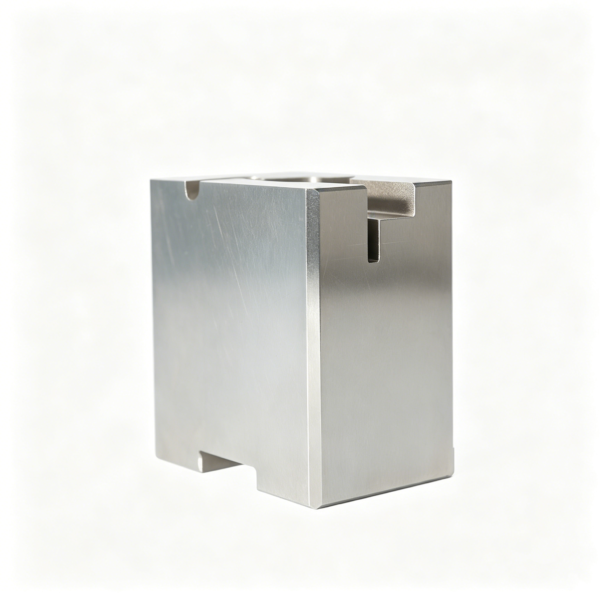
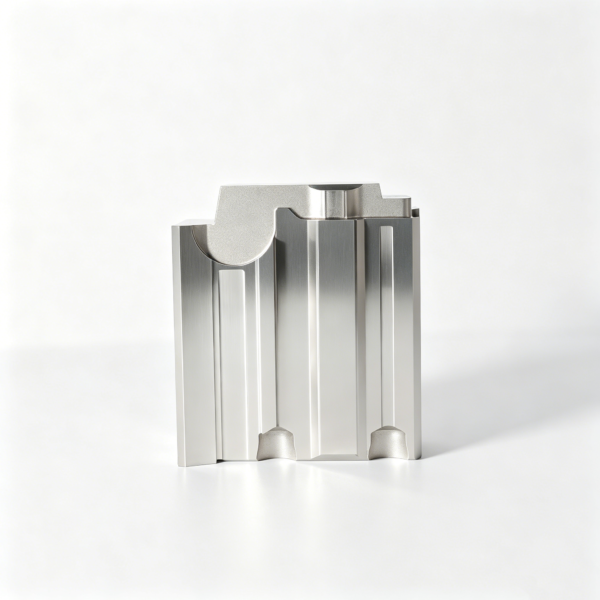
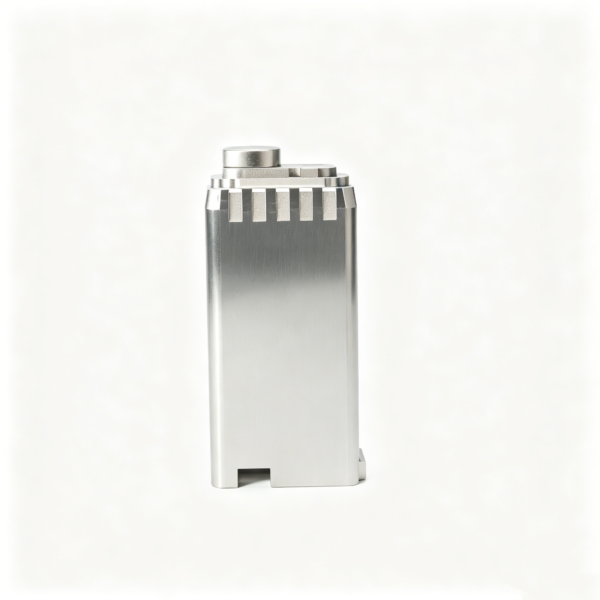
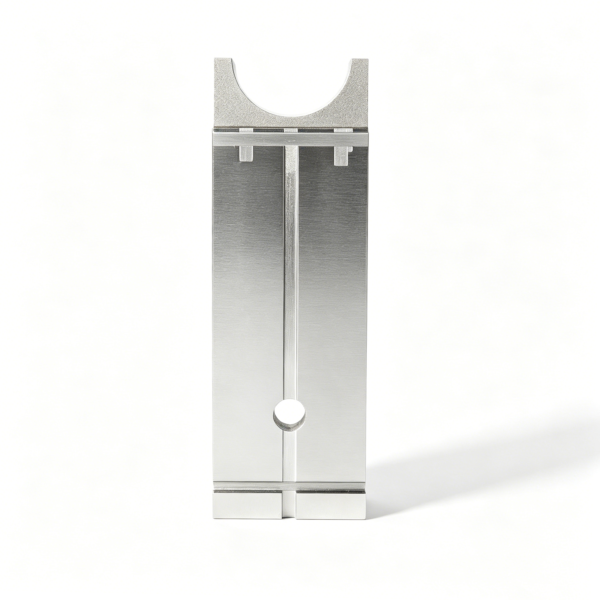
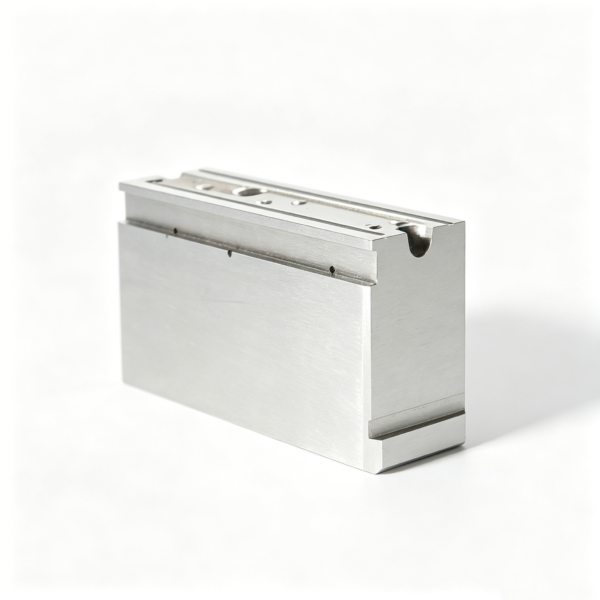
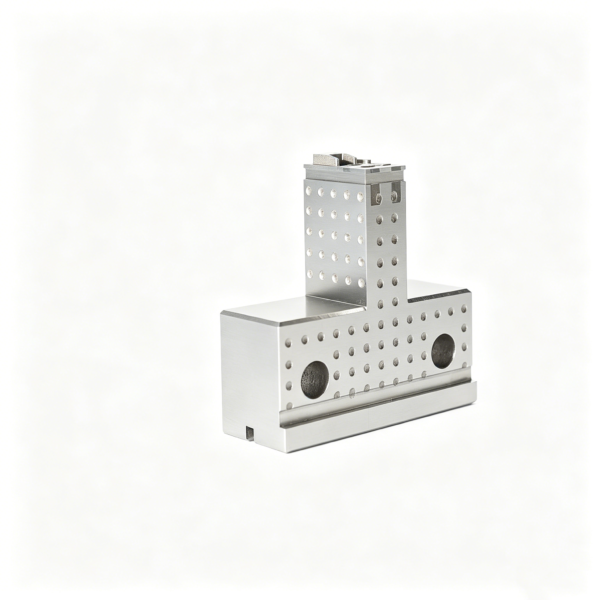
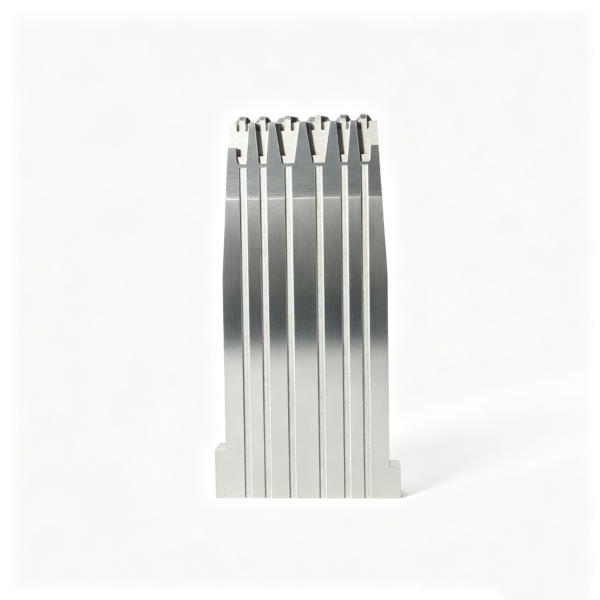
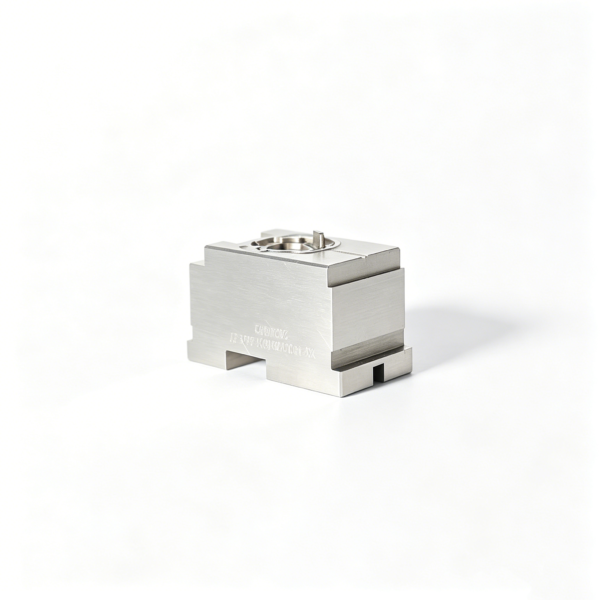
Precision Component Gallery
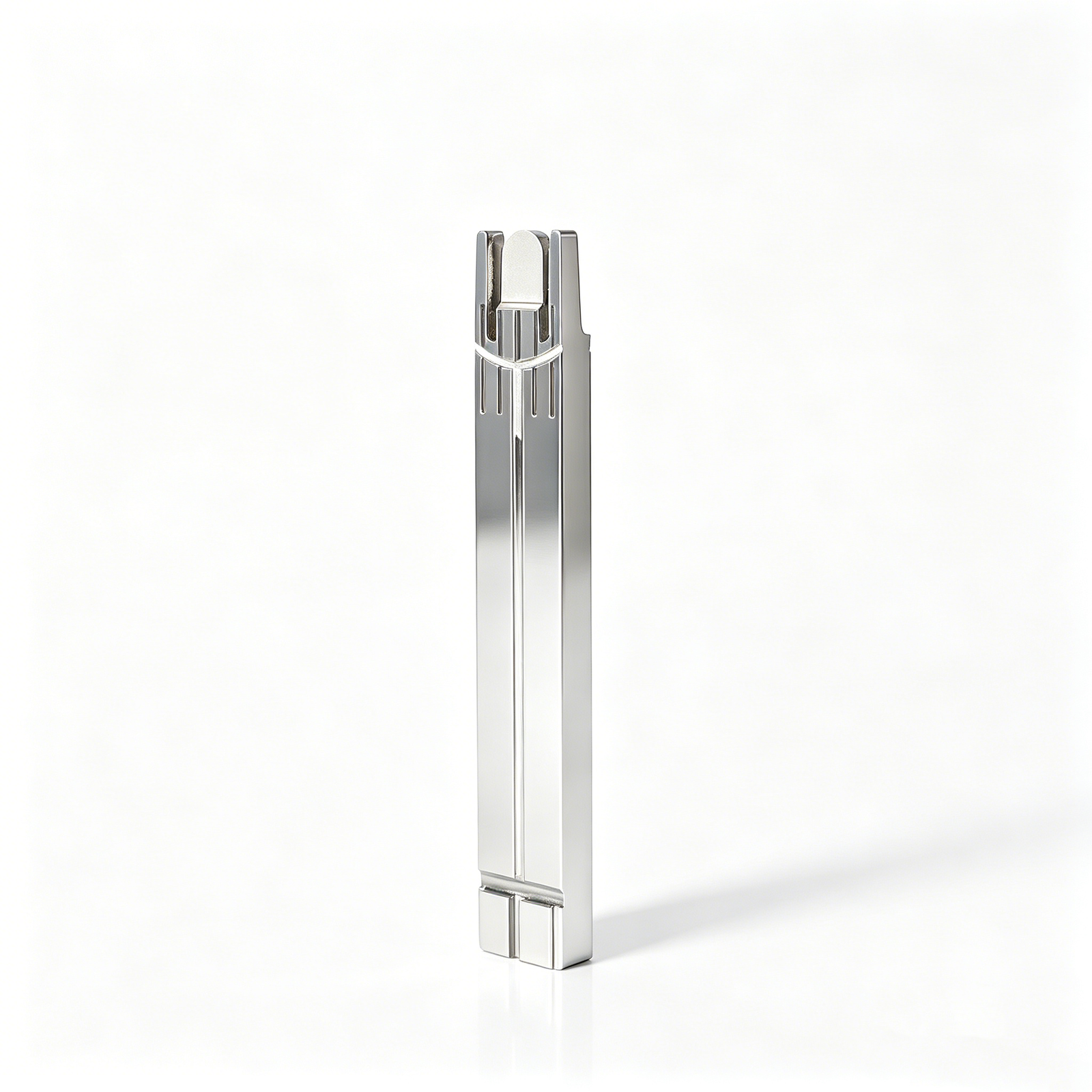
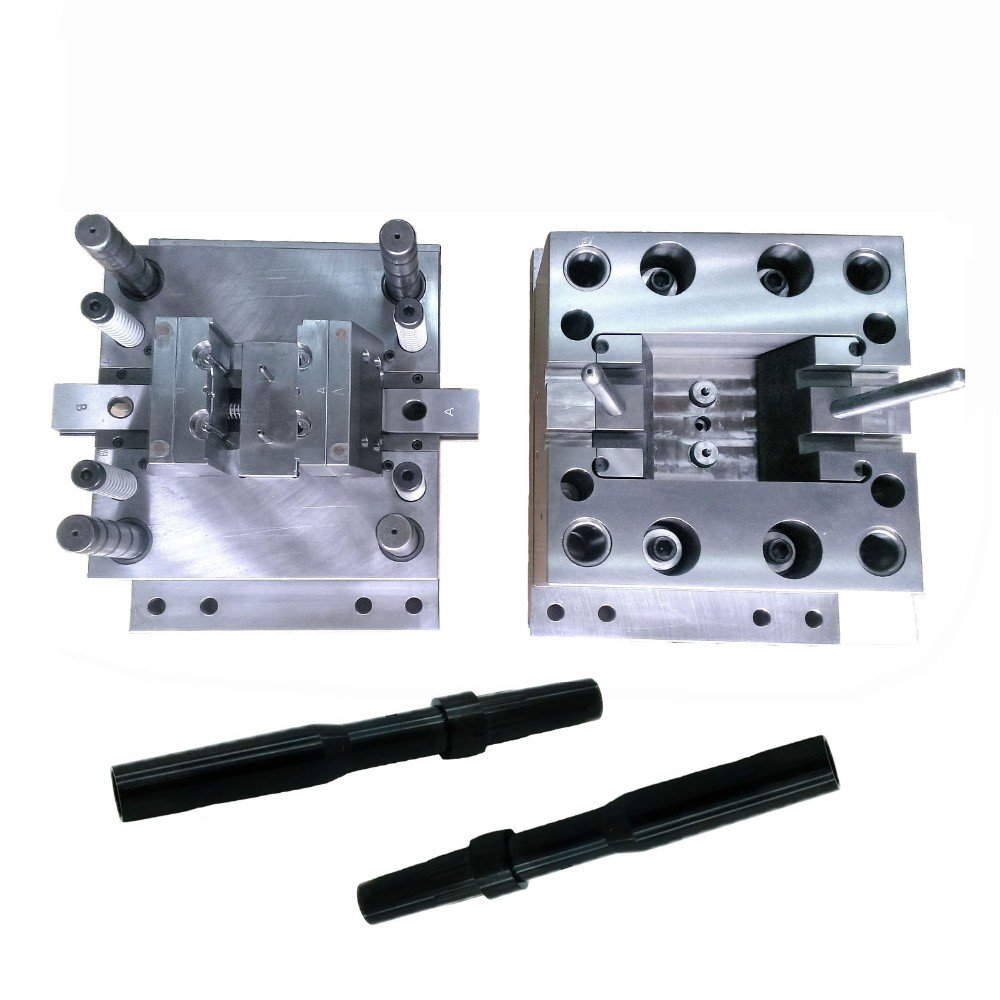
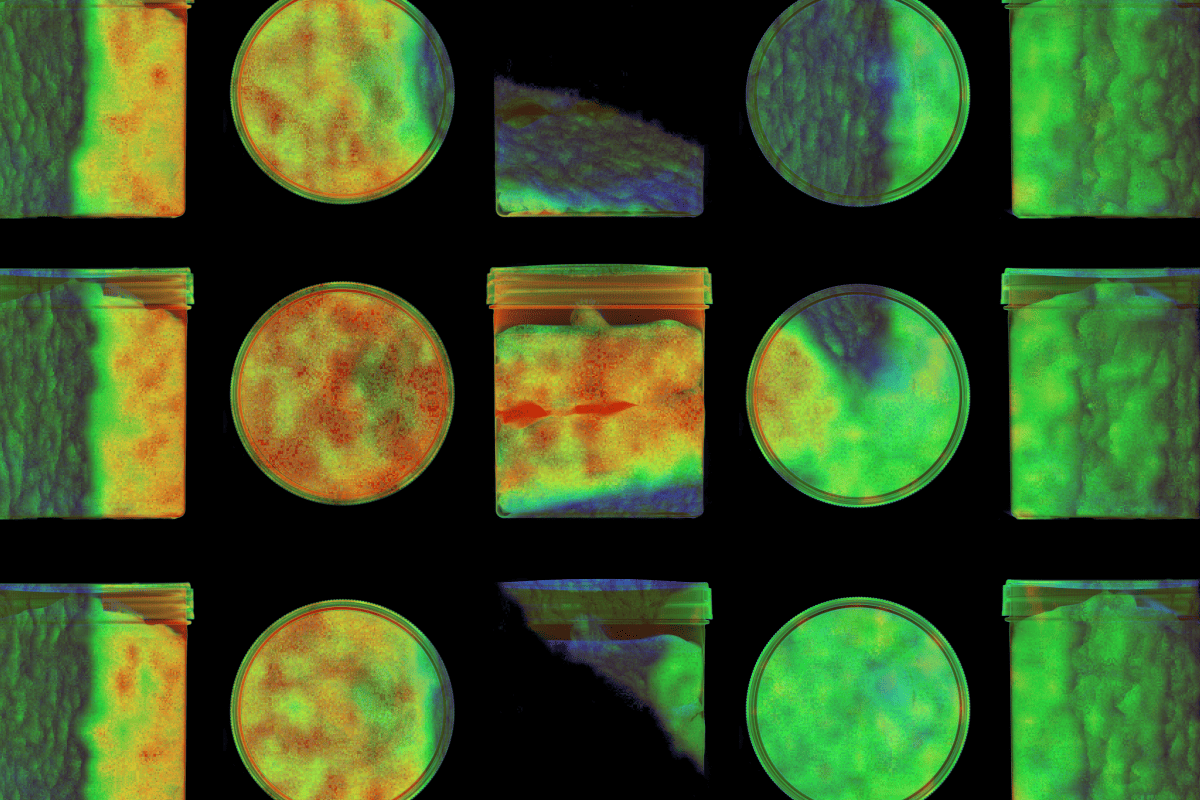
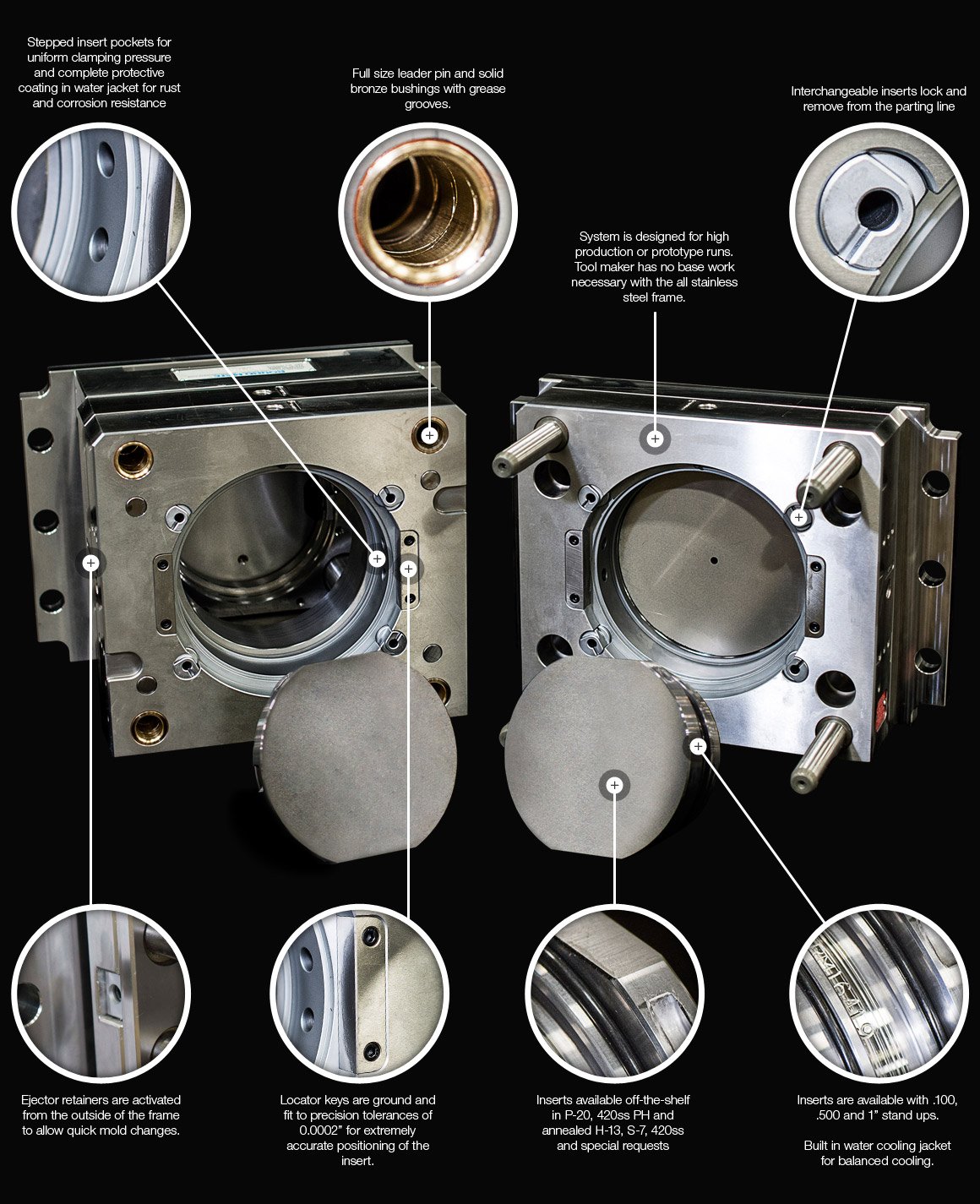
Why Precision Injection Molded Plastic Components Demand Micron-Level Manufacturing
+/-0.001 mm Machining Accuracy
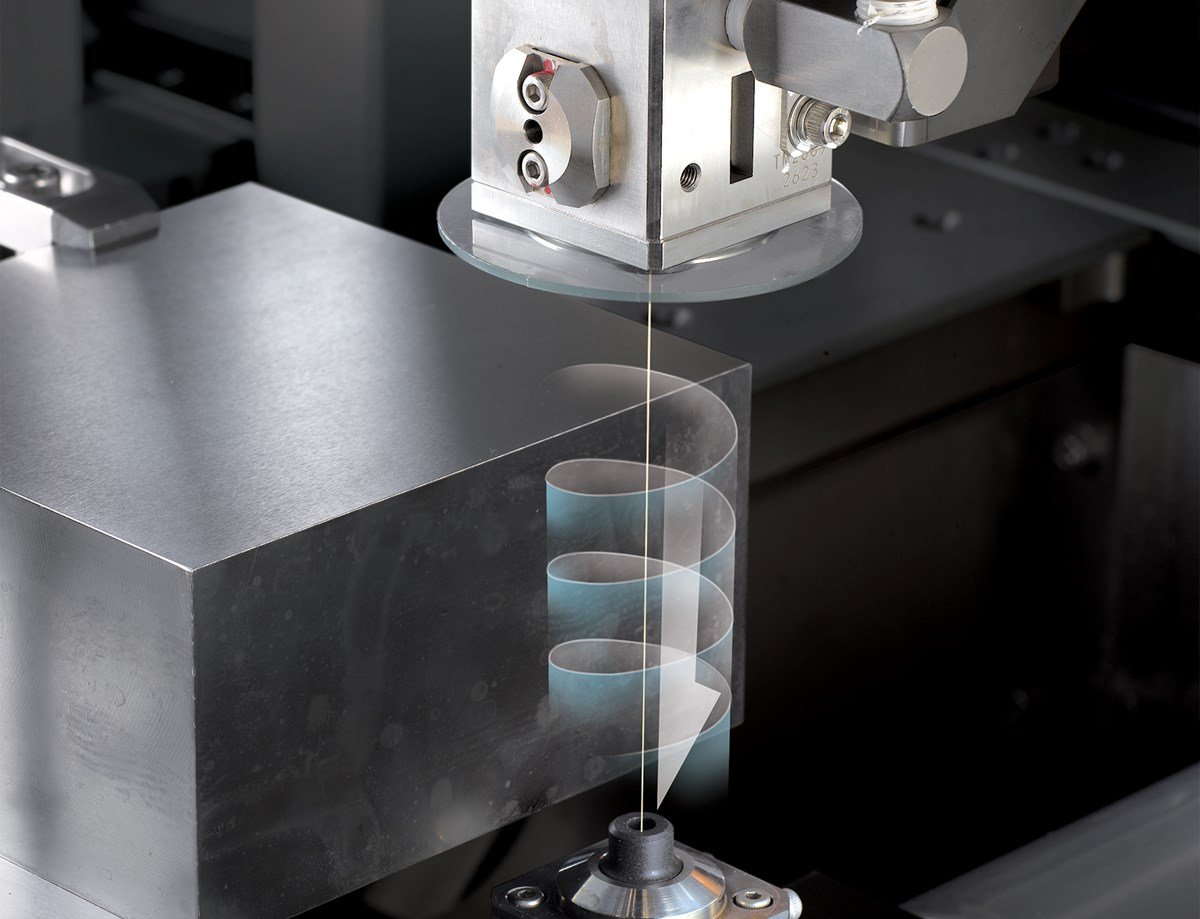
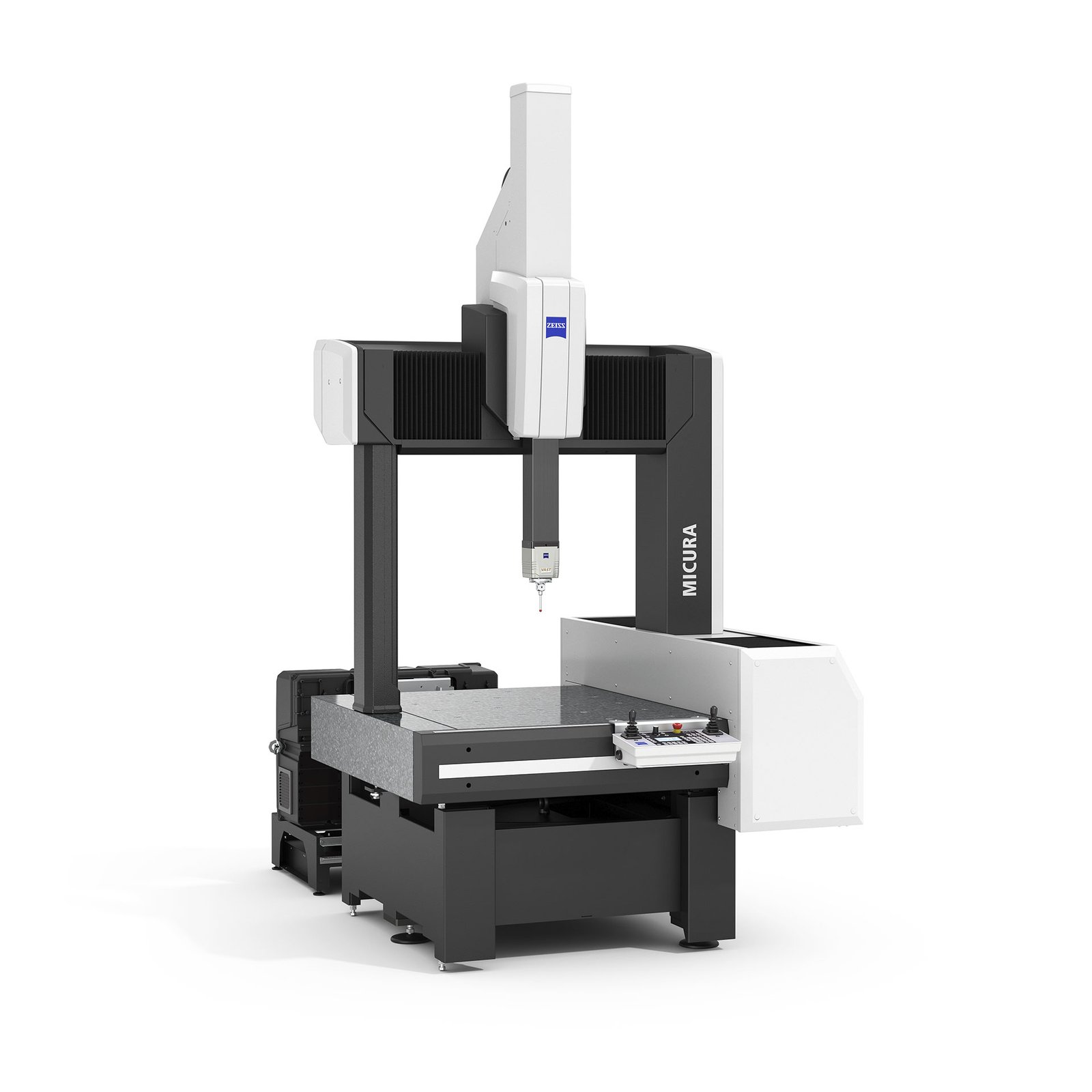
Sodick slow-wire EDM and Fanuc CNC deliver micron-stable tolerances on every injection molded plastic component, with ZEISS MICURA CMM metrology verifying dimensional conformance to +/-0.001 mm.
Mirror-Grade EDM Surface Finish
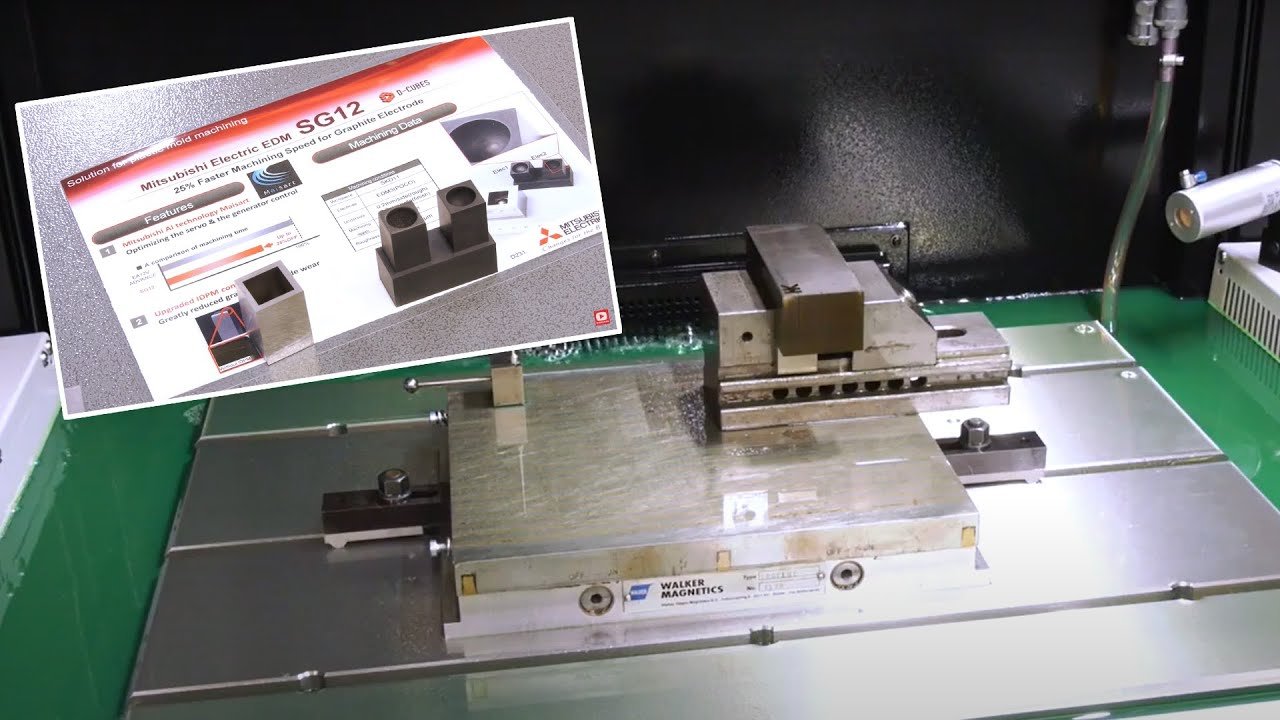
Mitsubishi mirror EDM achieves Ra 0.1um finishes, eliminating post-polish on critical mold cores and reducing cycle time for injection molded plastic components.
Dual-Factory Capacity Since 2025
Dongguan R&D hub plus Quanzhou volume facility deliver 200% expanded output since 2025, ensuring on-time mass production without compromising precision on injection molded plastic components.
DFM Engineering Before Machining
10+ engineers review every injection molded plastic component design, flagging tolerance conflicts and recommending cost-saving geometry adjustments before first cut.
24-Hour Quote Turnaround
Upload your CAD file and receive a detailed, no-obligation quote for injection molded plastic components within one business day, accelerating procurement cycles.
Full FAI Reports & Certificates
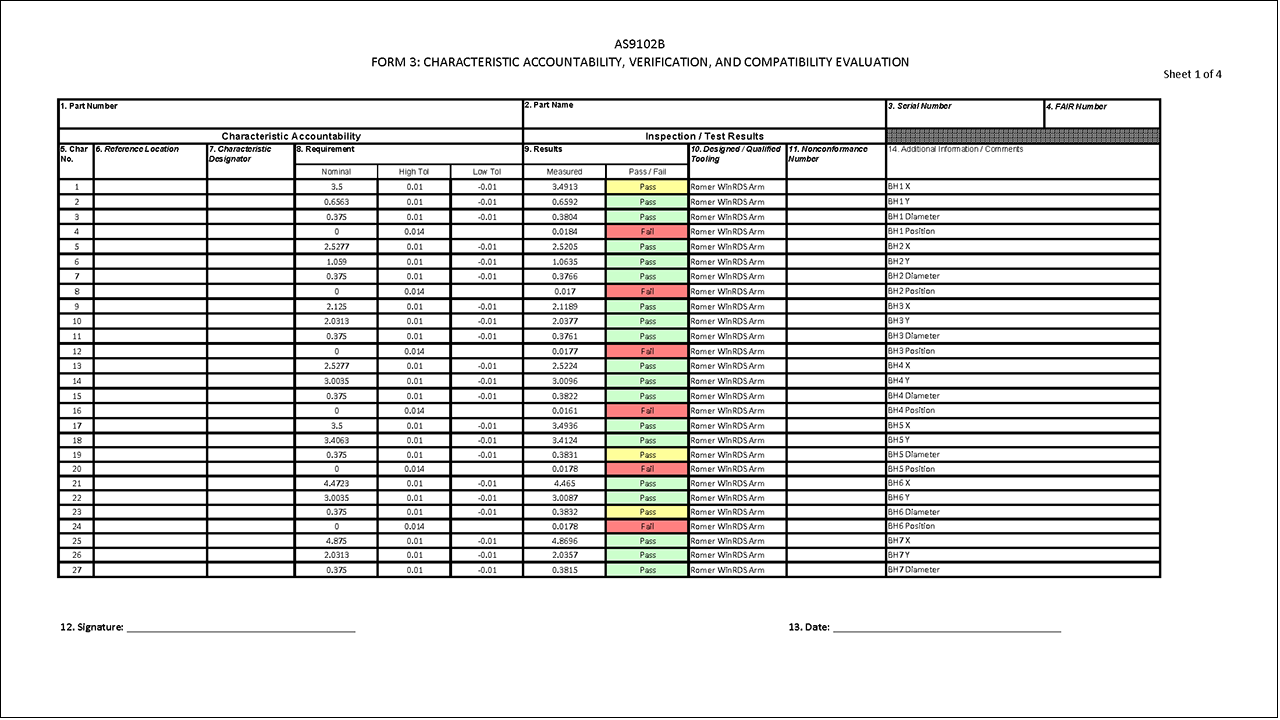
Every shipment includes First Article Inspection documentation, material certificates and CMM measurement data, ensuring traceability for injection molded plastic components in regulated industries.
Precision Injection Molding by Application
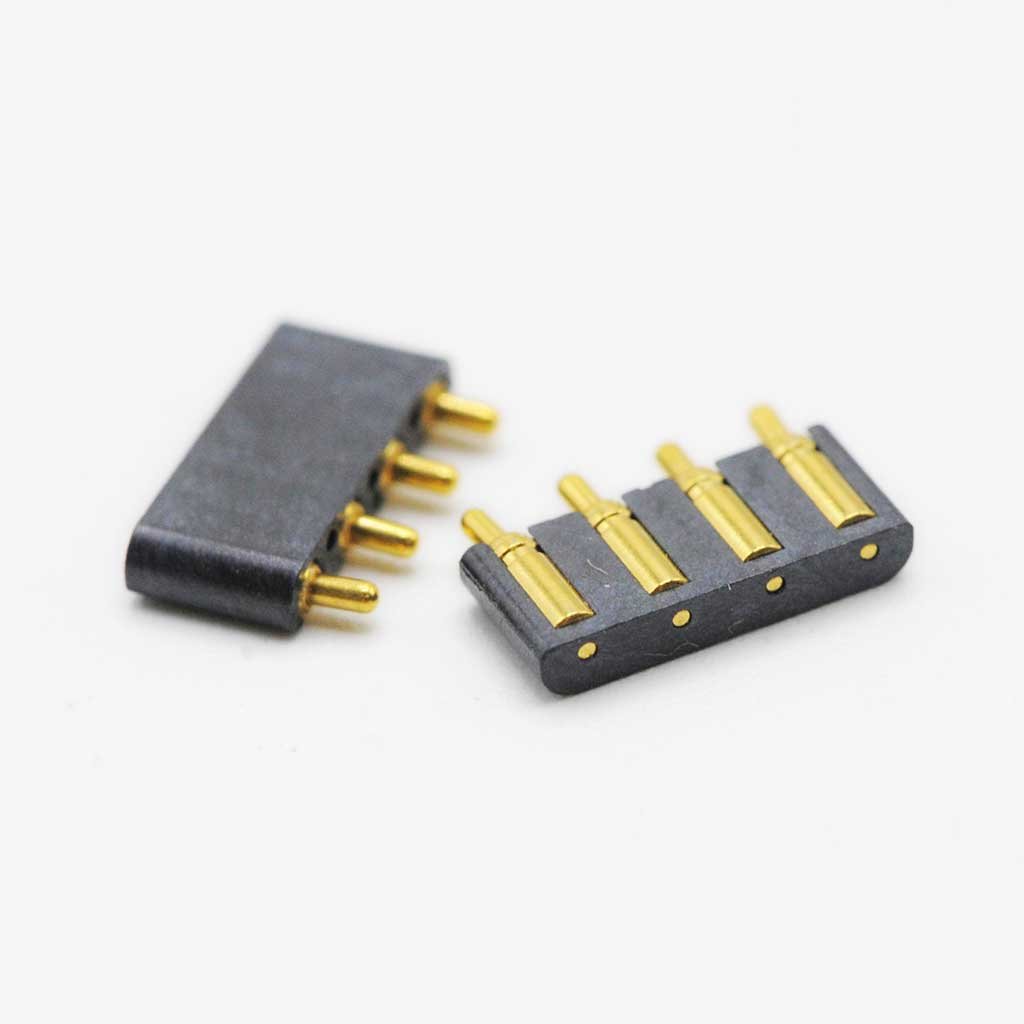
Micro-Connector Components
High-density terminal tooling and thin-wall micro-pins for board-to-board, FPC, RF and industrial connectors. Slow-wire EDM positioning to +/-0.002 mm and corner radii down to R 0.015 mm enable stable micro-feature replication across 5G, mobile and telecom applications. Full DFM support and ZEISS CMM validation on every lot.
Request a Quote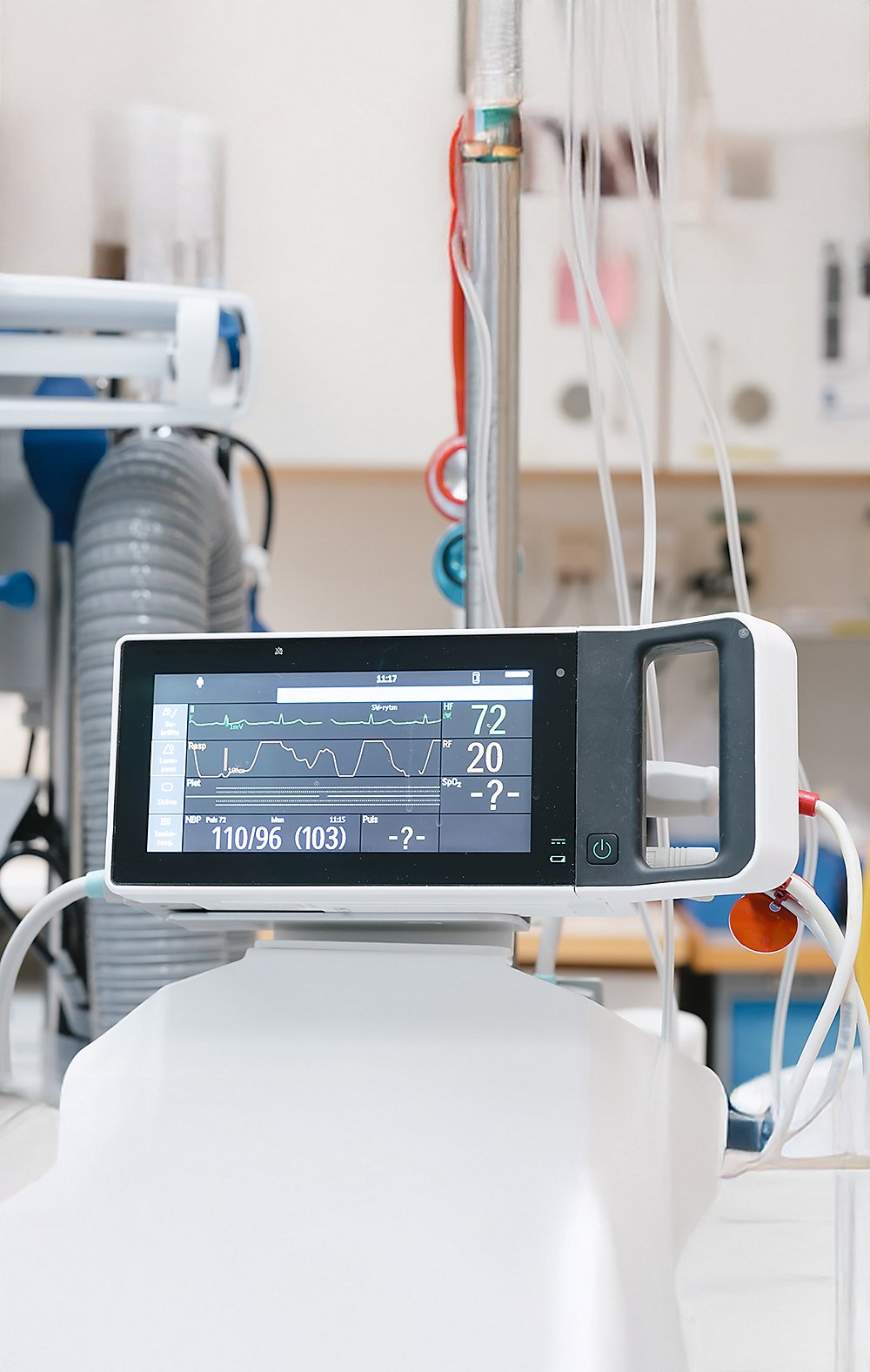
Medical Device Housings
Mirror-grade EDM cores and conformal-cooling inserts for diagnostic housings, surgical-instrument components and wearable-device enclosures. Ra 0.1 µm surface finish, +/-0.001 mm machining accuracy and ISO 9001:2015 traceability meet biocompatibility surface requirements and stringent dimensional inspection protocols. Material certificates and FAI reports included.
Get a Quote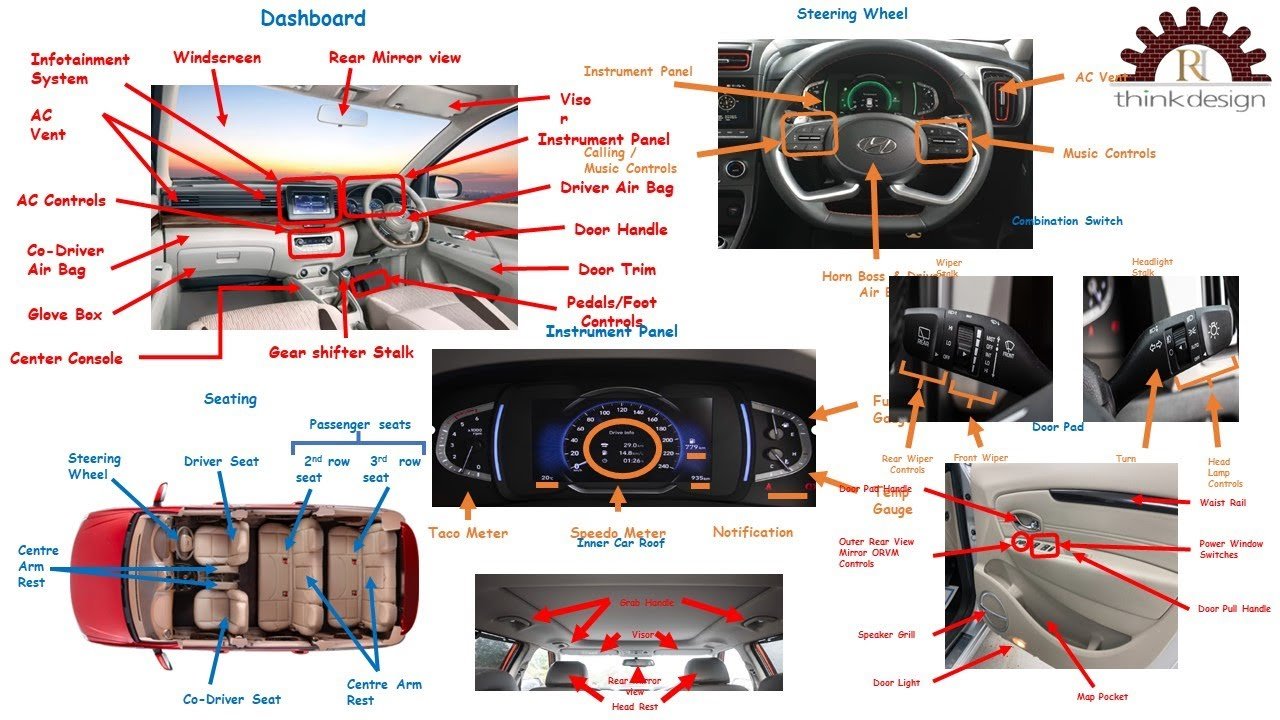
Automotive Interior Parts
Precision lifters, sliders and multi-cavity inserts for instrument panels, HVAC vents, door handles and trim assemblies. Mitsubishi mirror EDM and Sodick slow-wire systems deliver Class A surface quality and tight draft angles. Dongguan and Quanzhou dual-factory capacity supports both prototype and high-volume OEM programs.
Request a Quote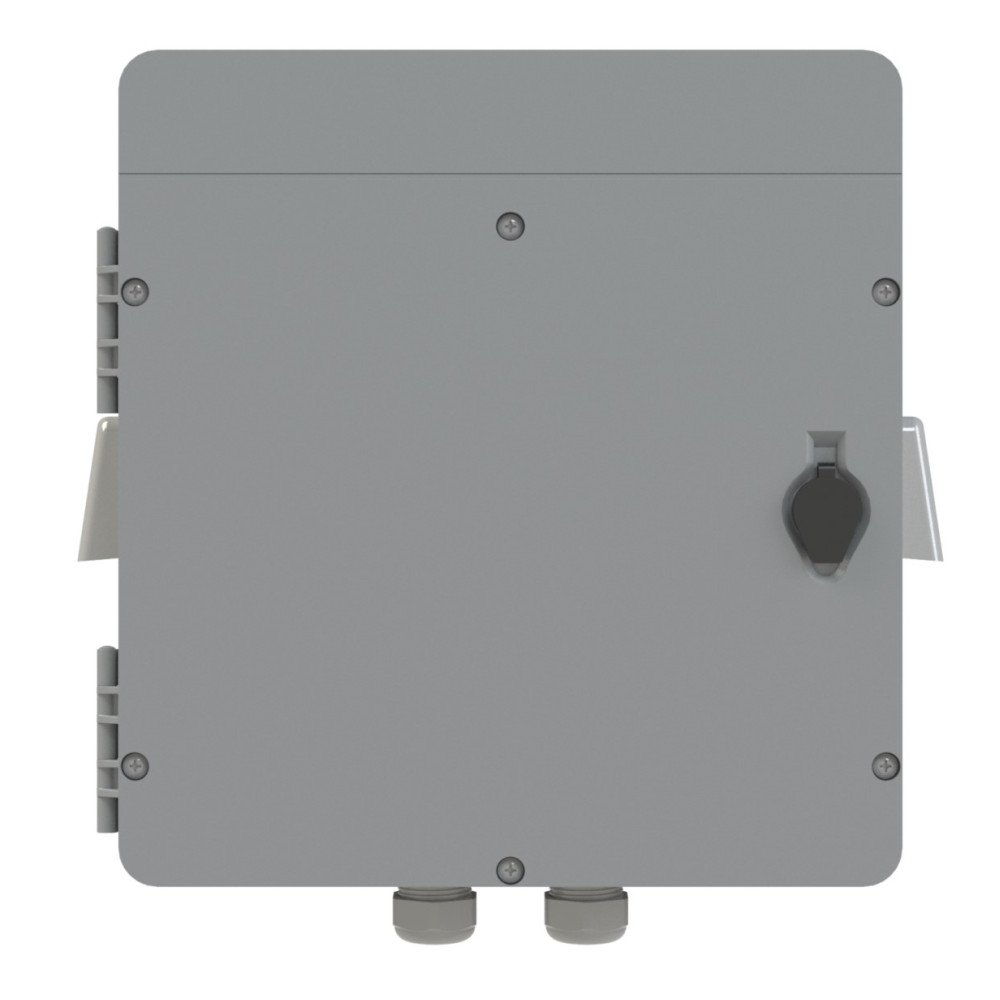
5G Antenna Enclosures
Thin-wall enclosures and snap-fit housings for mmWave modules, small-cell radios and base-station antenna arrays. EDM accuracy to +/-0.003 mm and Nikon toolmaker microscope inspection ensure RF shielding integrity and IP-rated sealing surfaces. Lead times: 3–7 days samples, 15–25 days production.
Get a Quote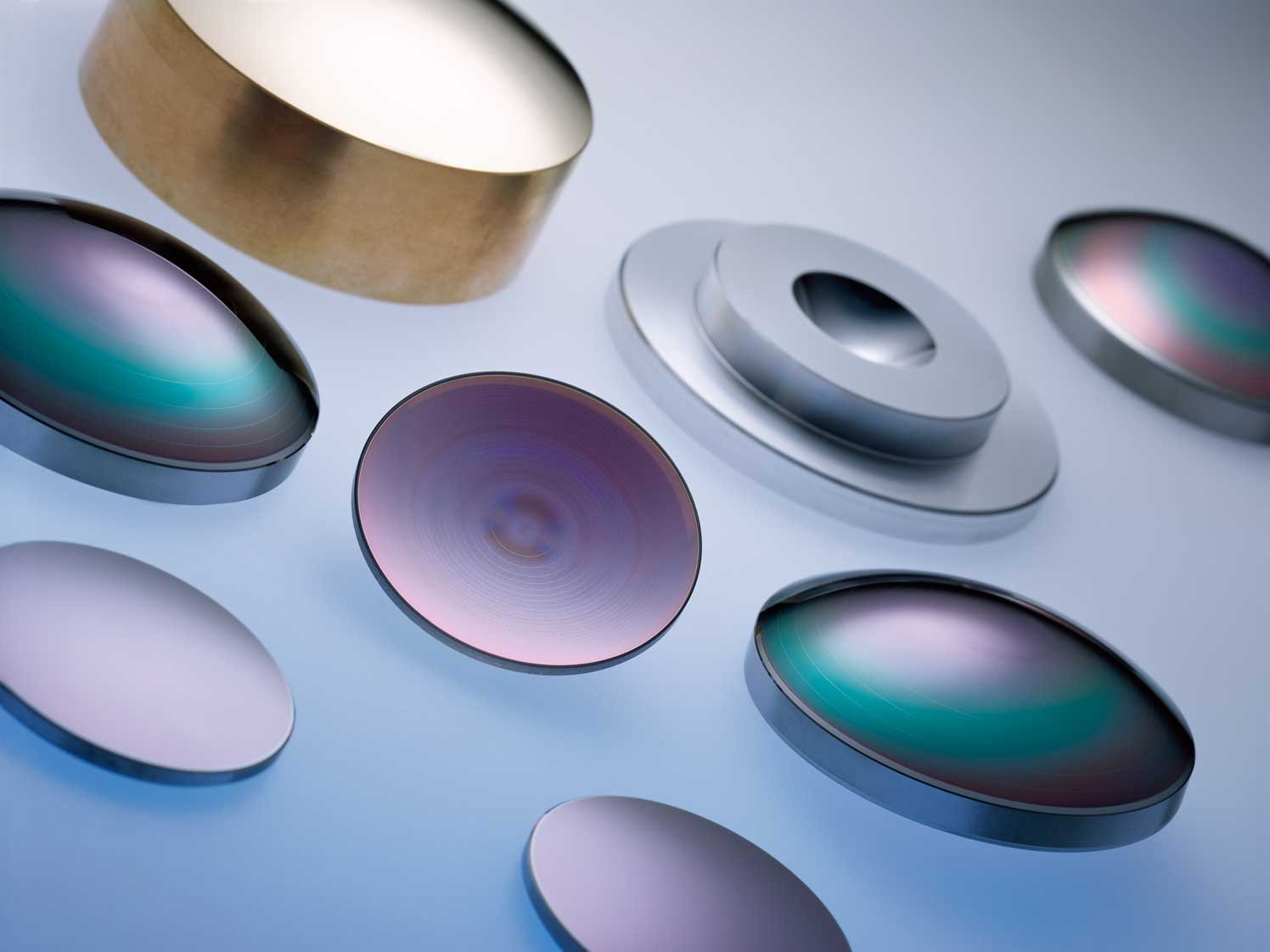
Precision Optical Components
Lens barrels, prism mounts and illumination bezels machined to +/-0.001 mm for cameras, machine vision and medical imaging systems. ZEISS MICURA CMM measuring to 0.7 µm verifies optical-axis alignment and surface form. Mirror-finish EDM cores minimize post-mold polishing and reduce cycle-to-cycle variation.
Request a Quote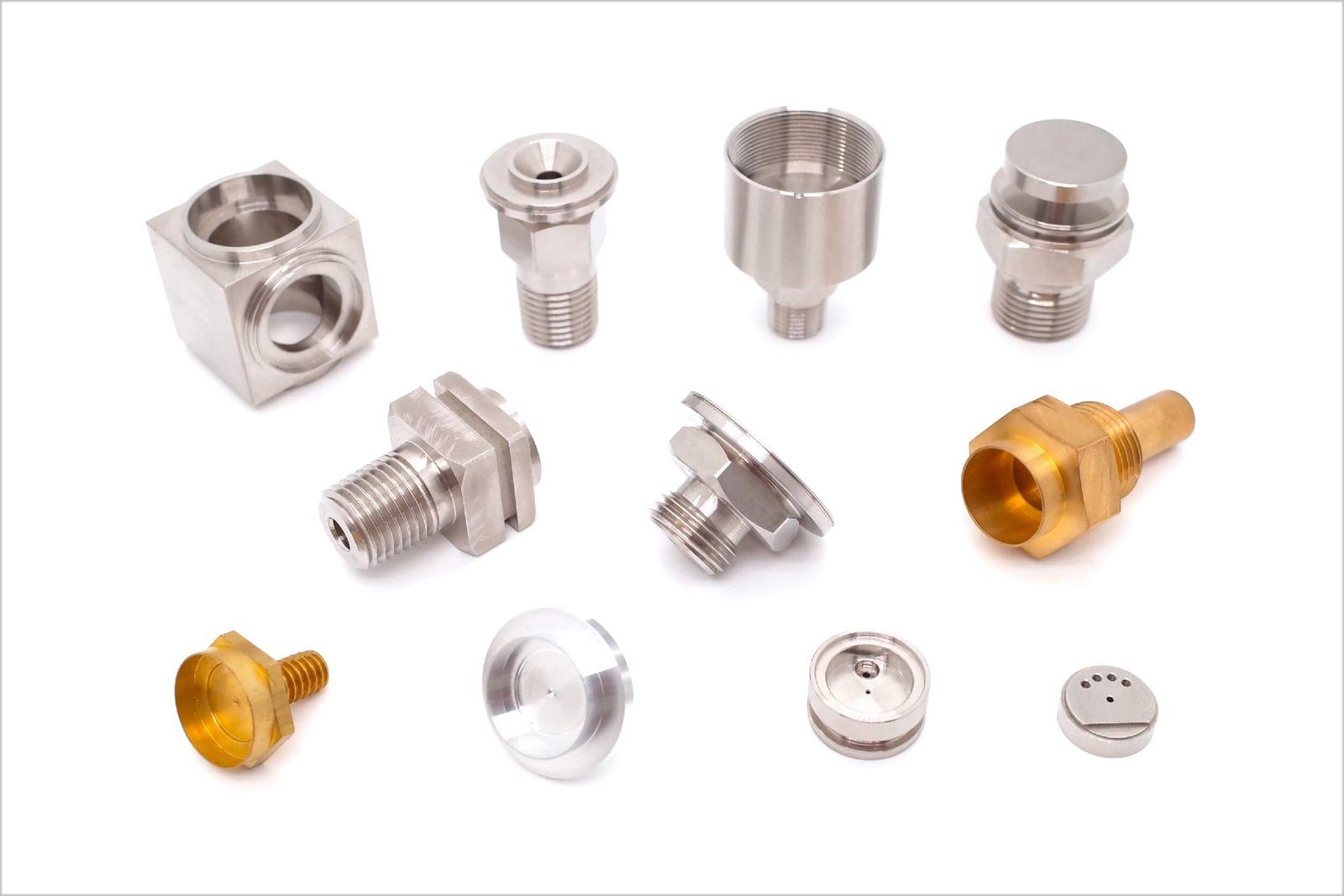
Sensor Housings
ADAS radar housings, LiDAR brackets, pressure-sensor bodies and BMS enclosures for automotive and industrial applications. Fanuc CNC and precision grinding centers hold positional tolerances for potting cavities, O-ring grooves and connector pockets. Full material spectral analysis and five-step QC flow on every order.
Get a Quote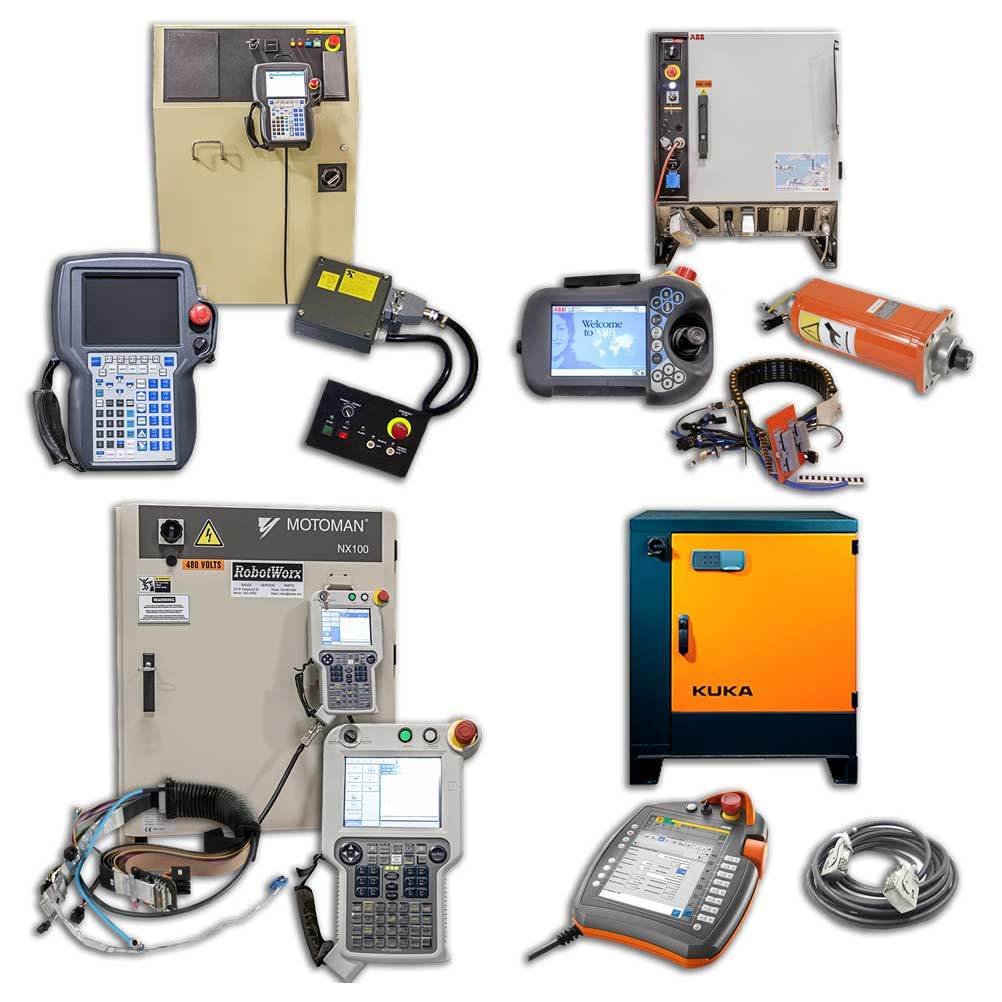
Industrial Robot Parts
End effectors, gripper jaws, high-tolerance jigs and LED structural supports for collaborative robots and assembly automation. Beijing Jingdiao high-precision CNC and Dawn grinding deliver repeatable geometries for pneumatic sealing and servo-driven motion. DFM feedback from 10+ engineering experts before production.
Request a Quote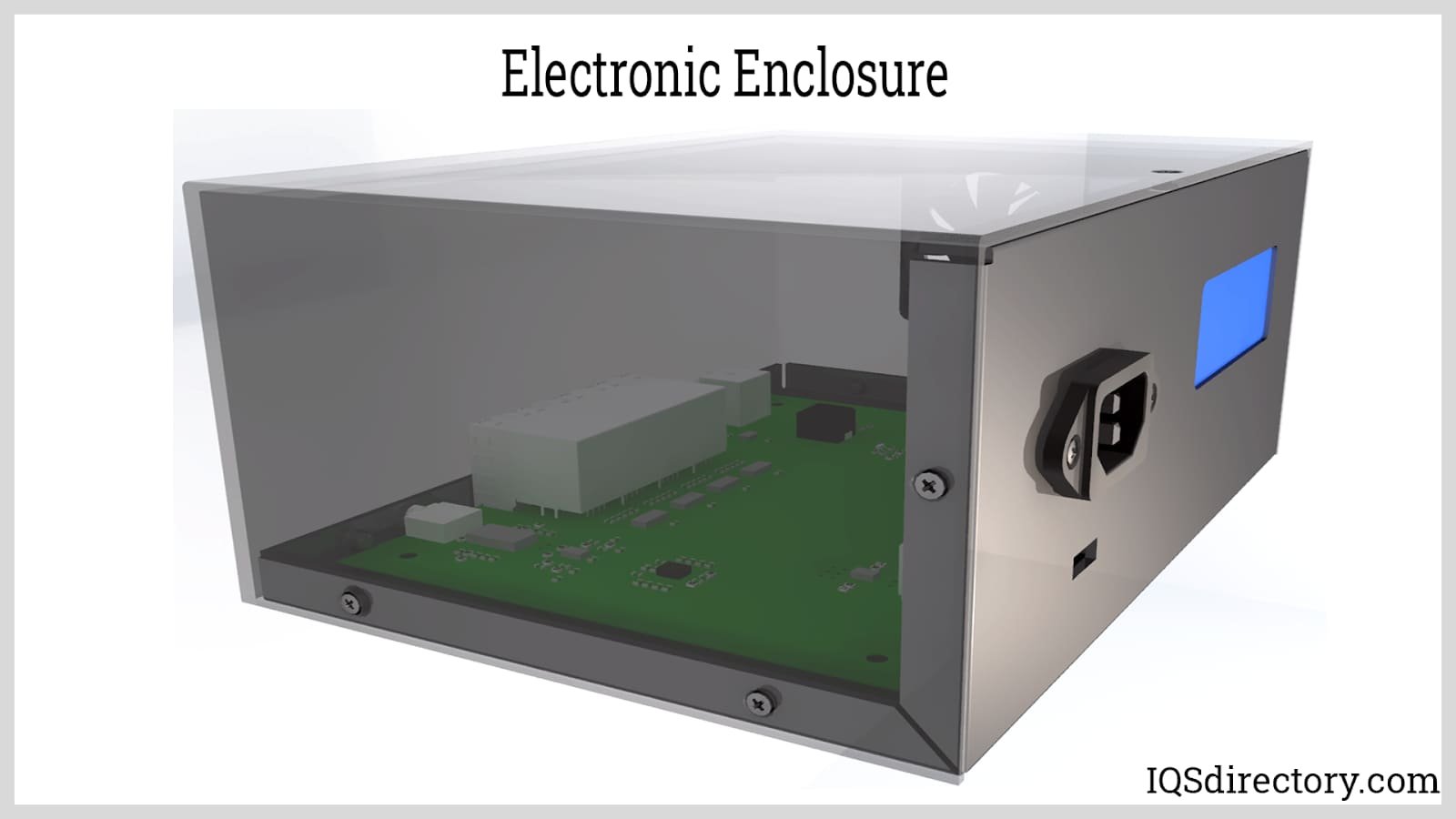
Electronic Enclosures
Snap-fit housings, PCB mounting bosses and cable-management clips for consumer electronics, industrial controls and power supplies. Multi-cavity tooling with conformal cooling accelerates cycle times while maintaining +/-0.002 mm class positioning. Quanzhou expansion adds 200% capacity for volume orders.
Get a Quote
NEV Battery Components
HV interconnect terminal tooling, BMS cover inserts and battery-pack structural brackets for new-energy vehicles. Precision metal and plastic hybrid tooling, mirror EDM finishes and CMM-verified dimensions ensure safety-critical performance. ISO 9001:2015 process control and transparent quoting within 24 hours.
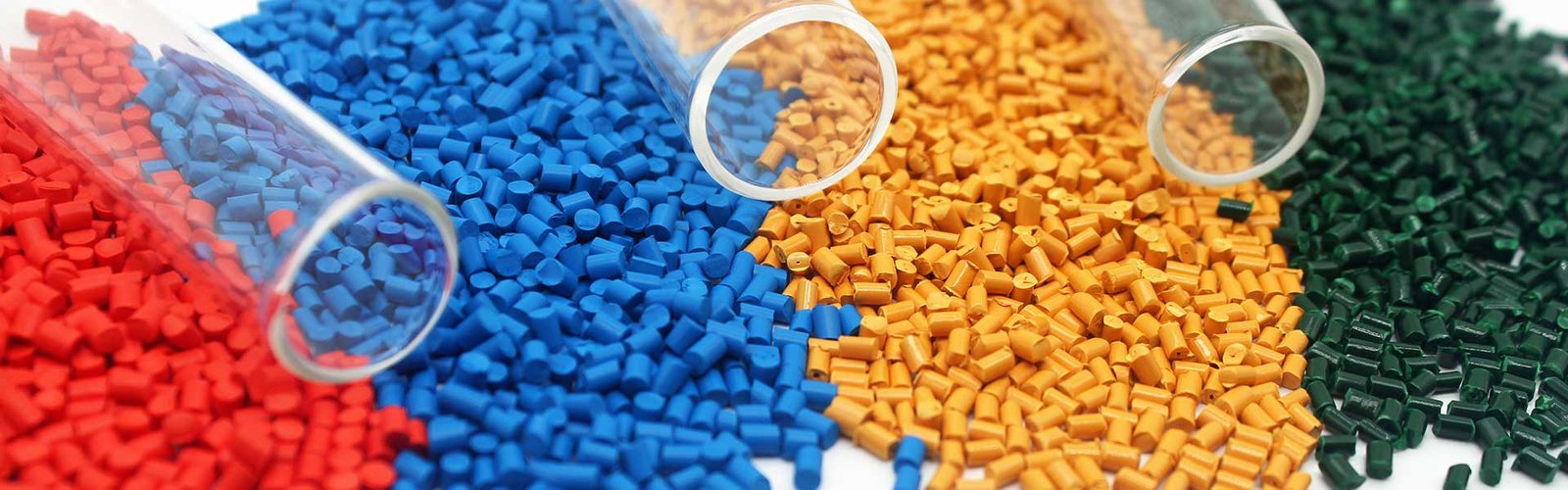
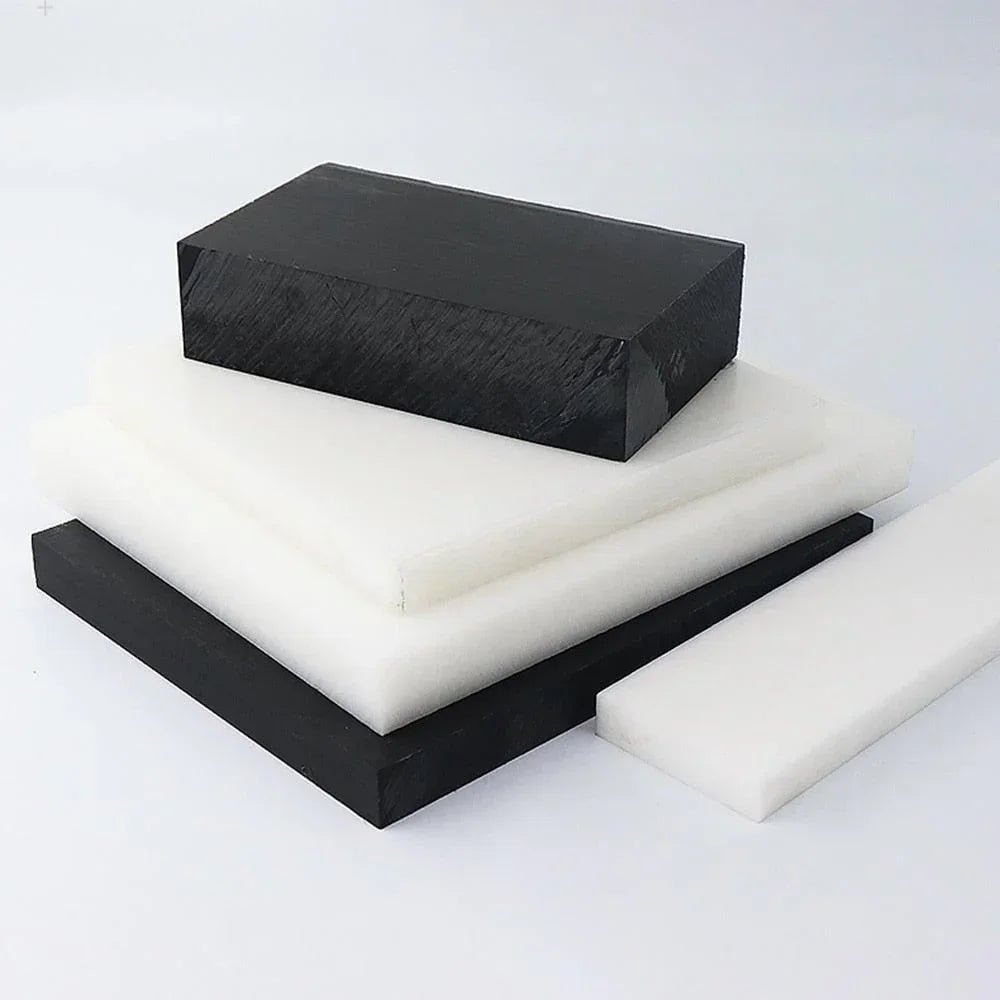
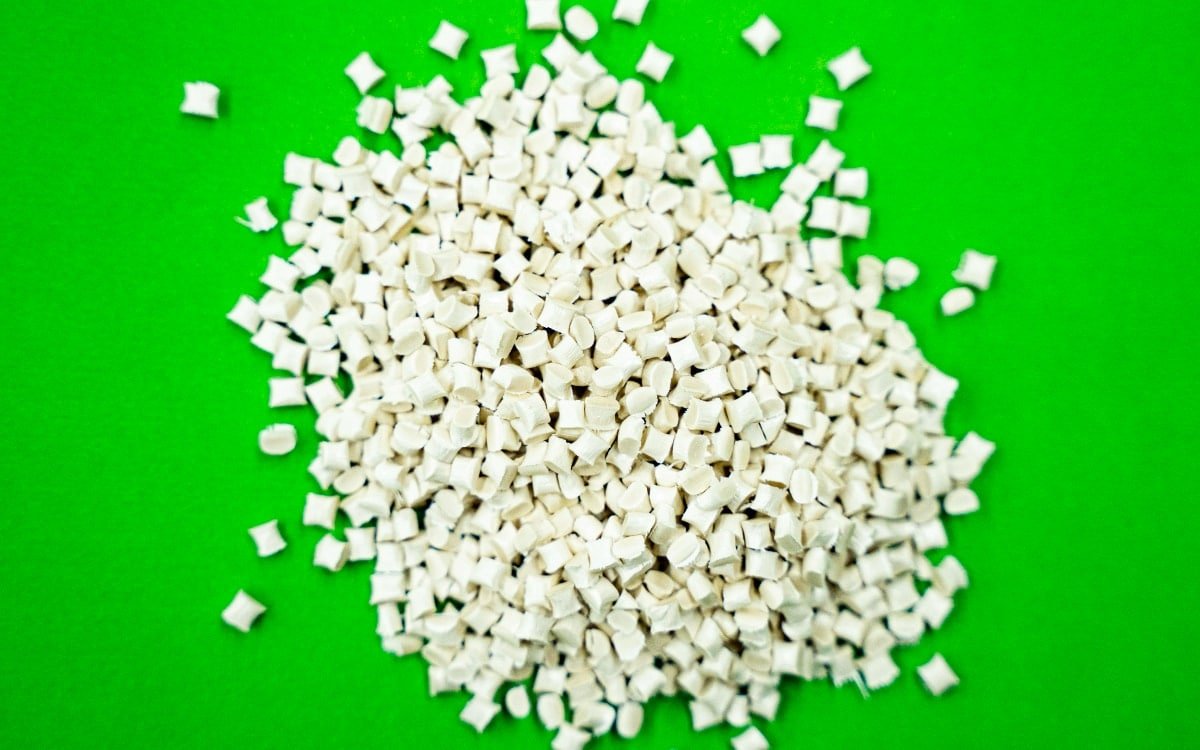
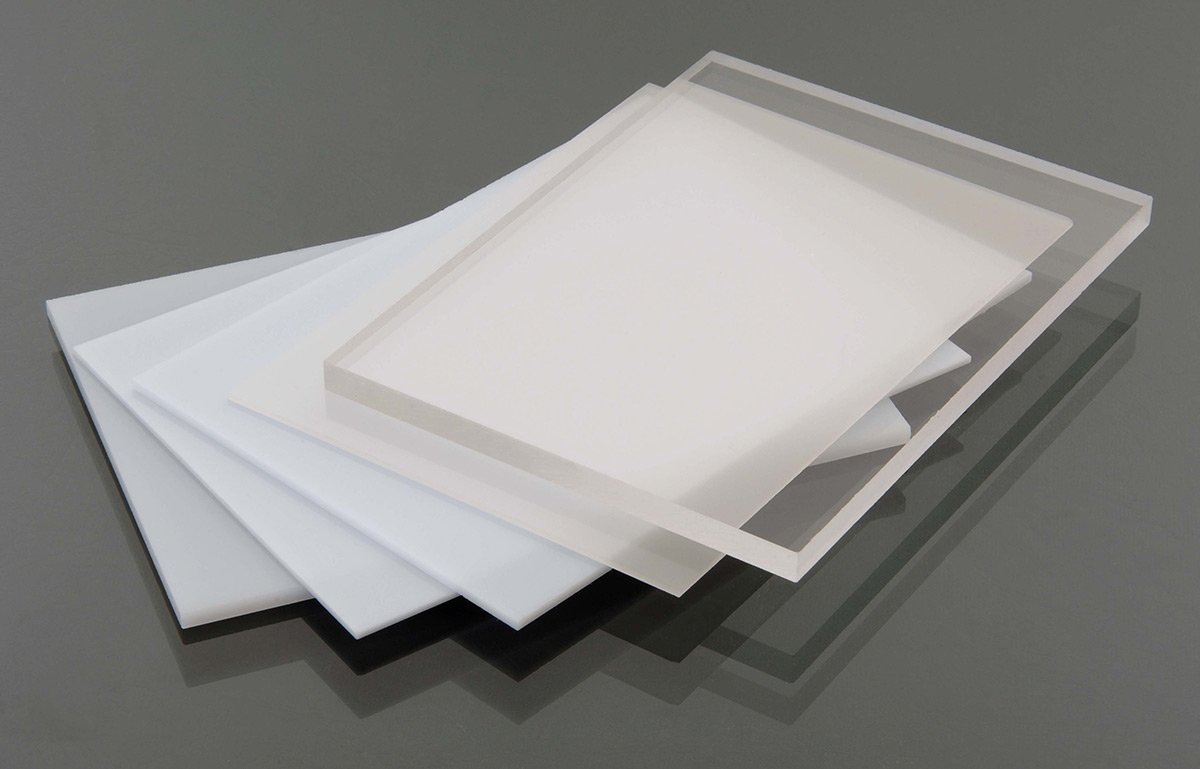
Request a QuoteMaterials & Plastics for Injection Molded Plastic Components

Precision Processes Behind Every Injection Molded Plastic Component
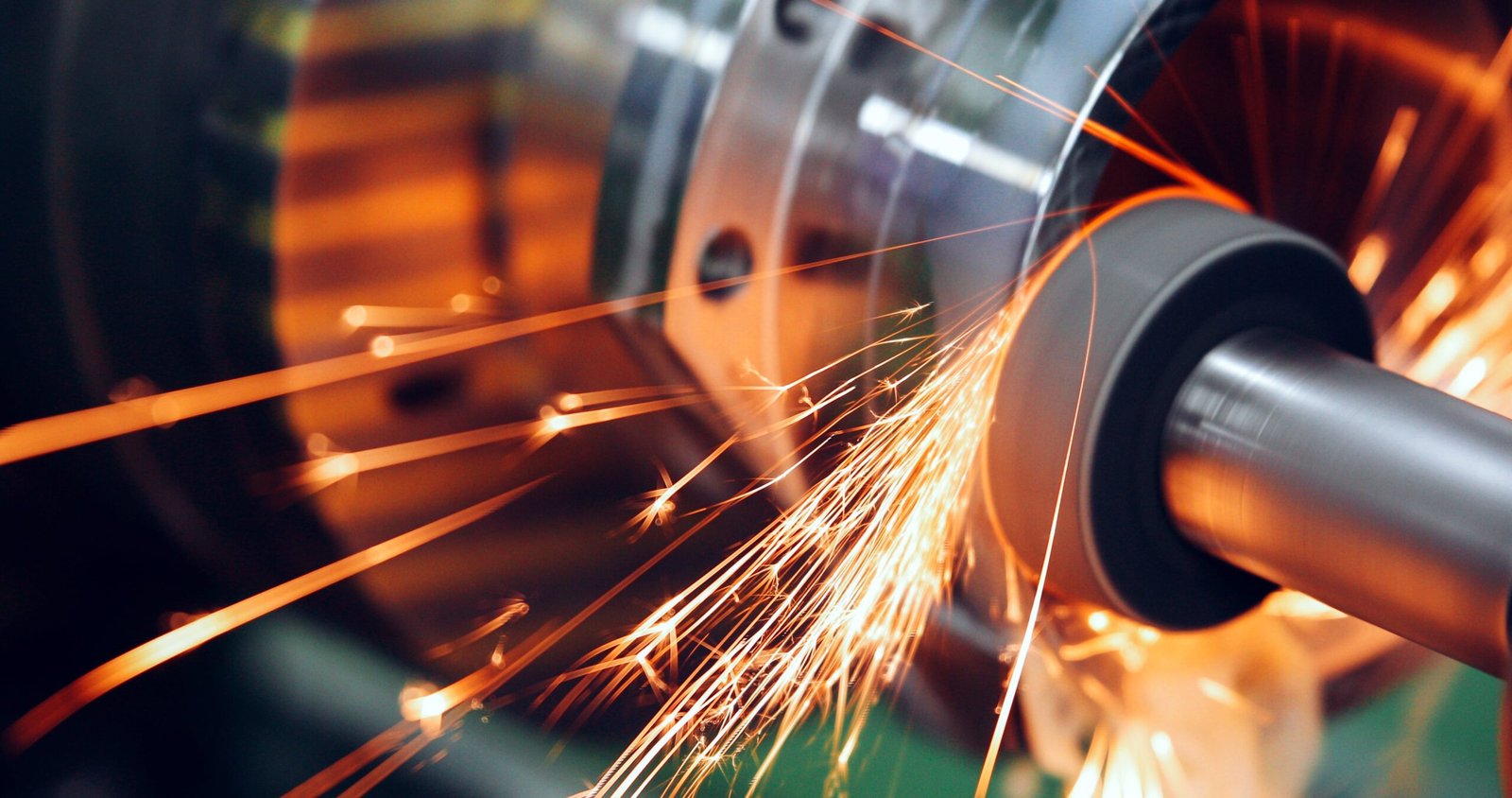
Mitsubishi Mirror EDM
Sinker EDM optimized for mirror-grade cavity surfaces down to Ra 0.1 µm. Ideal for optical-class mold cores, micro-connector cavities and high-cosmetic injection molded plastic components requiring zero secondary polishing.
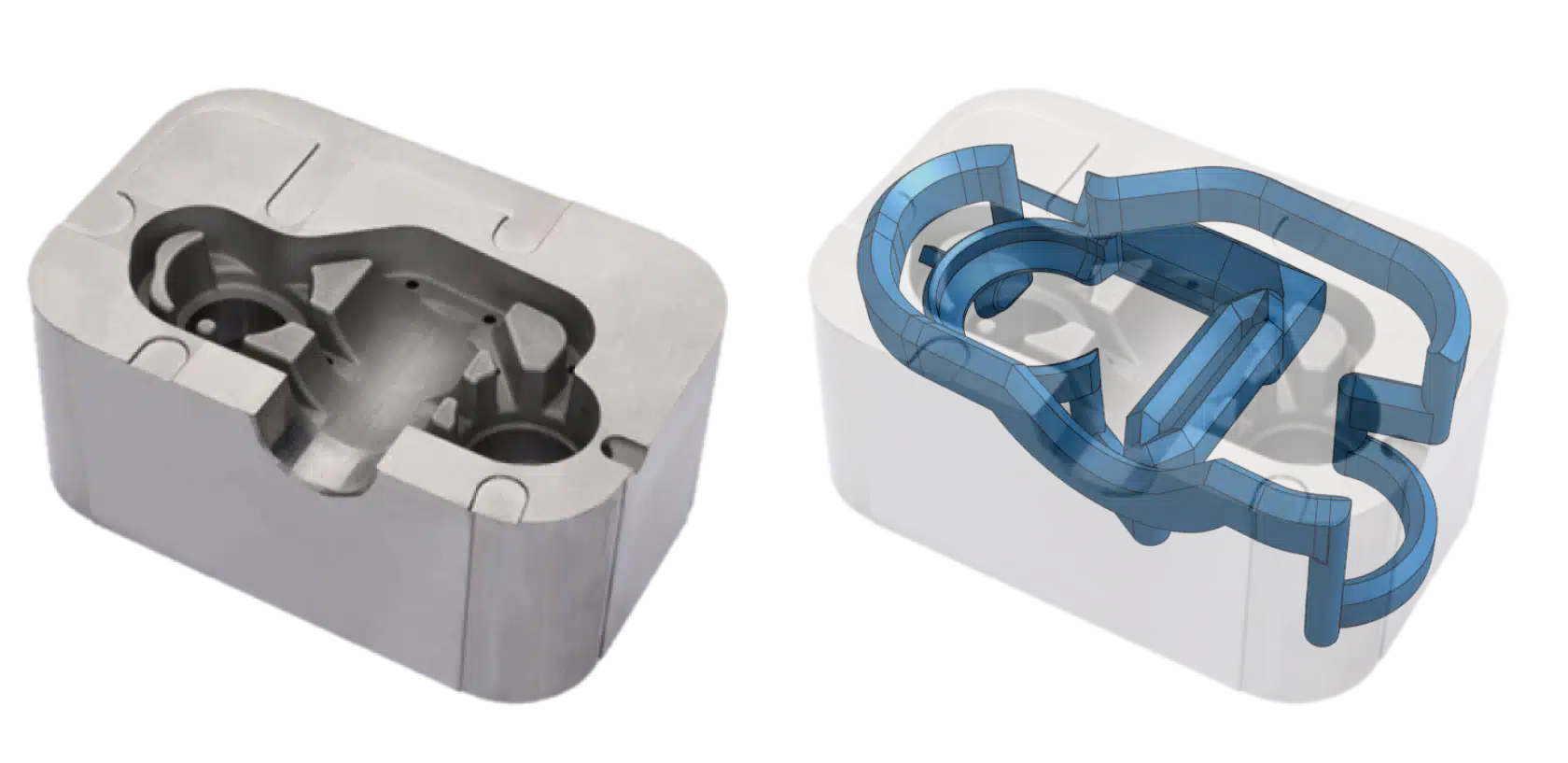
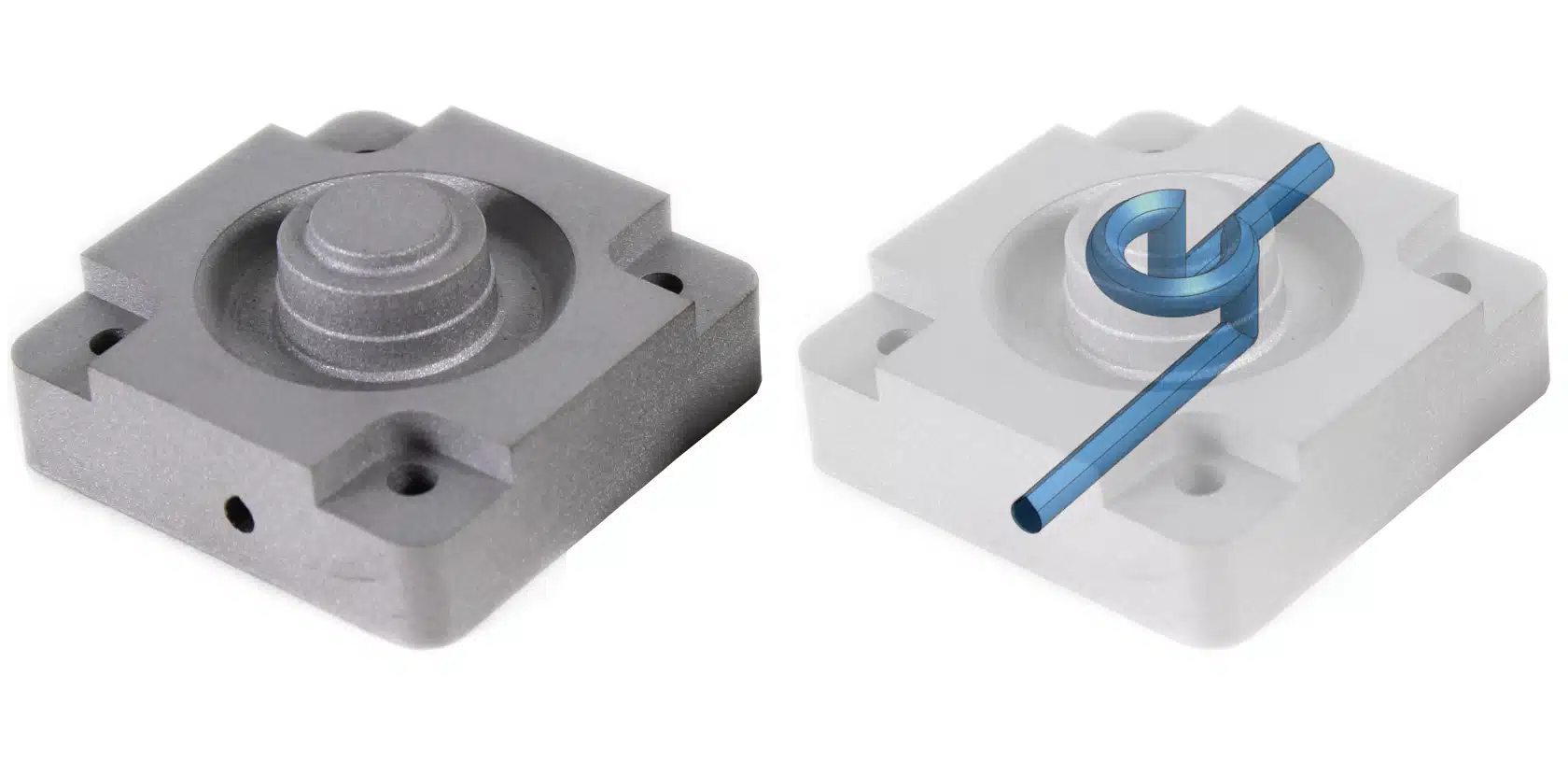
Conformal Cooling Design
Advanced CAD-driven conformal cooling channel layout reduces cycle time by up to thirty percent and eliminates hot spots. Optimizes thermal performance for thin-wall electronics housings and high-volume automotive injection molded plastic components.
Electrode Fabrication
In-house graphite and copper electrode machining on Beijing Jingdiao high-precision CNC systems. Ensures perfect form transfer, minimizes spark gap variance and accelerates EDM programming for complex injection molded plastic components.
Finishing & Assembly Accessories for Injection Molded Plastic Components
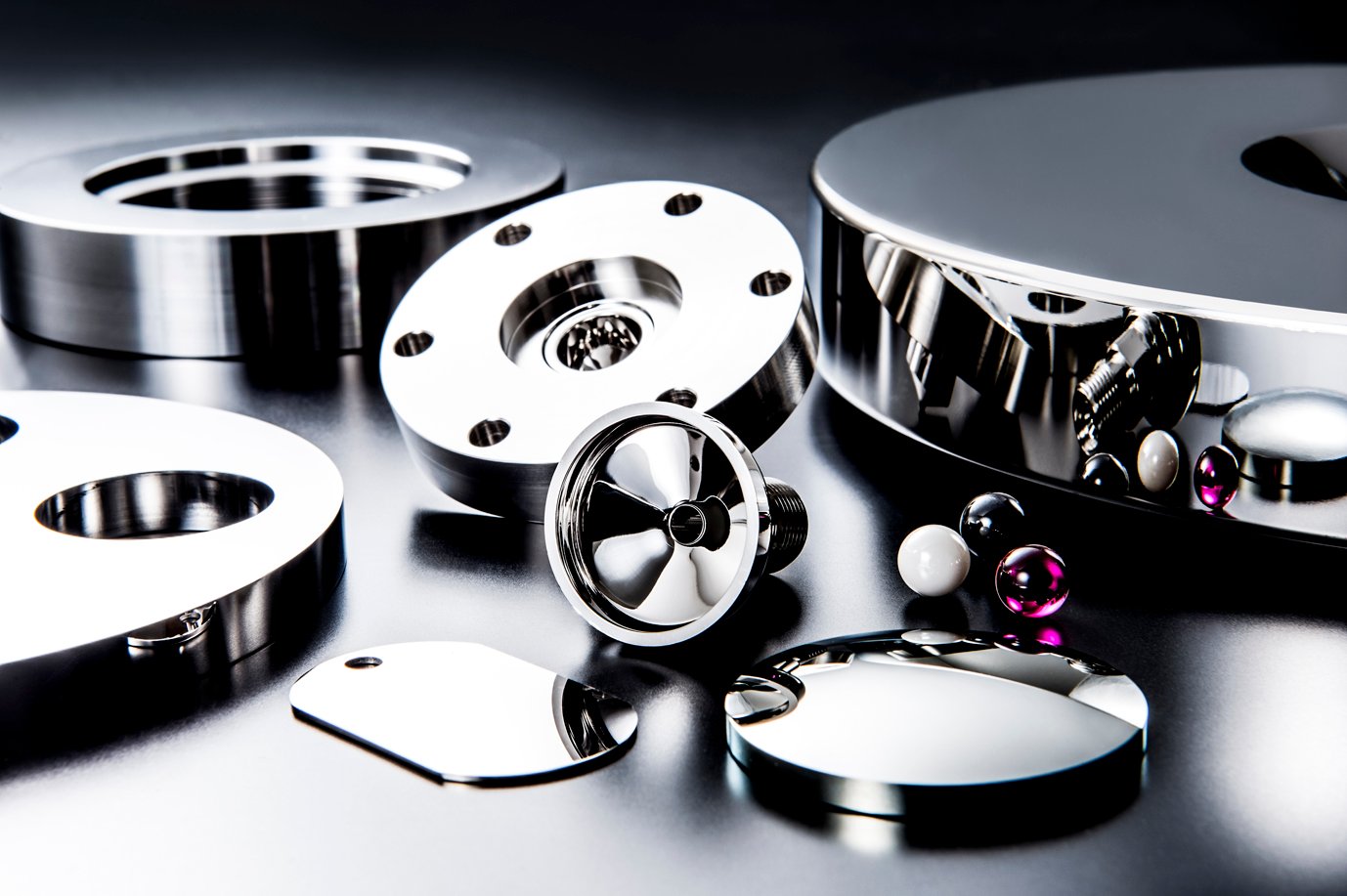
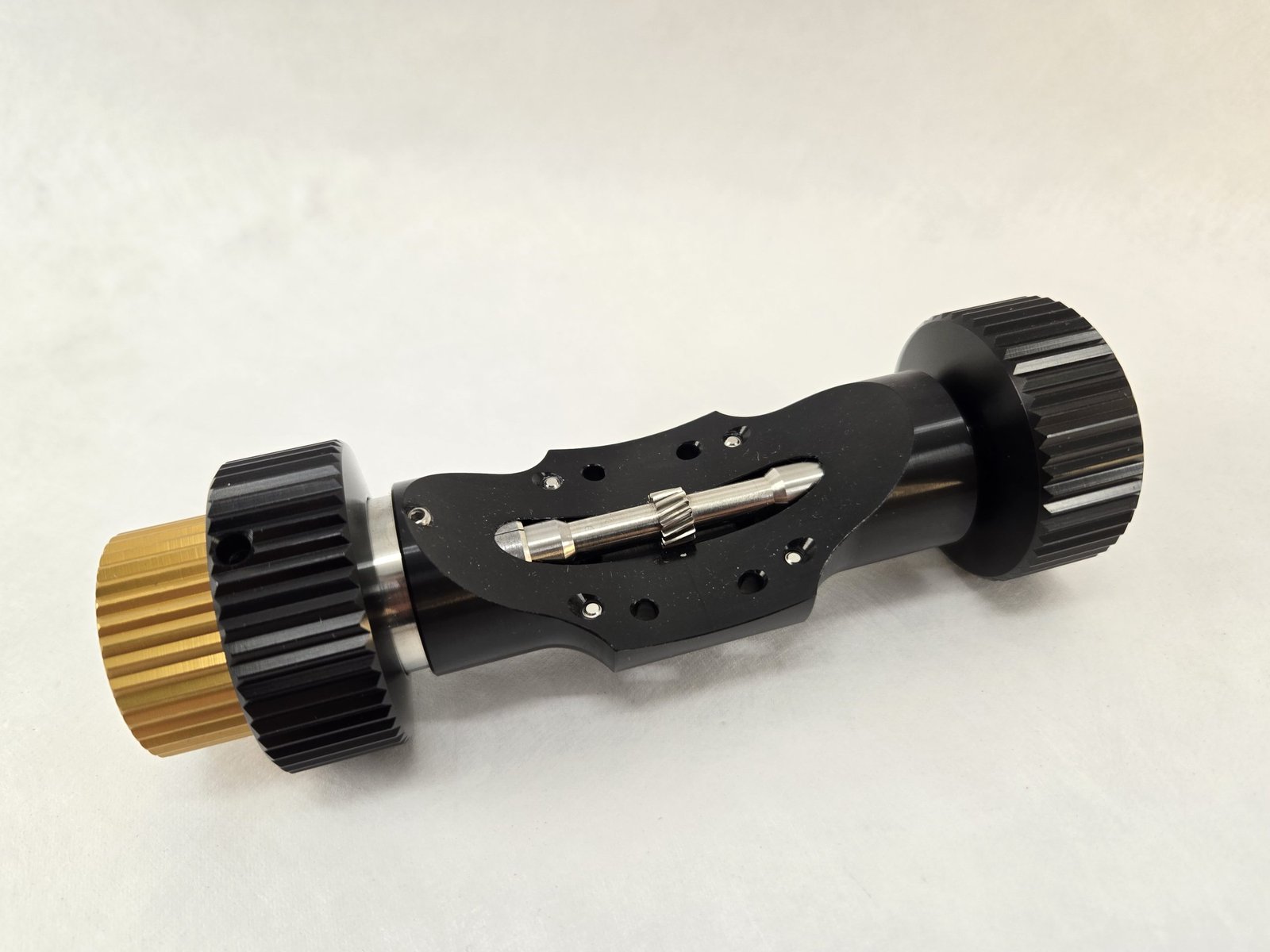
Mirror Polishing
Ra 0.1 µm mirror-grade surface finish applied via precision EDM and hand-polishing protocols. Essential for optical lenses, display bezels and cosmetic housings in electronics and automotive interiors where surface clarity and zero blemish tolerance are mandatory.


FAI Documentation
Complete First Article Inspection reports with ZEISS MICURA CMM data, material certificates, dimensional verification and surface-integrity analysis. Every shipment includes full traceability, meeting ISO 9001:2015 and automotive/medical supply-chain audit requirements without exception.
About XUXIANG: 16 Years of Precision Manufacturing
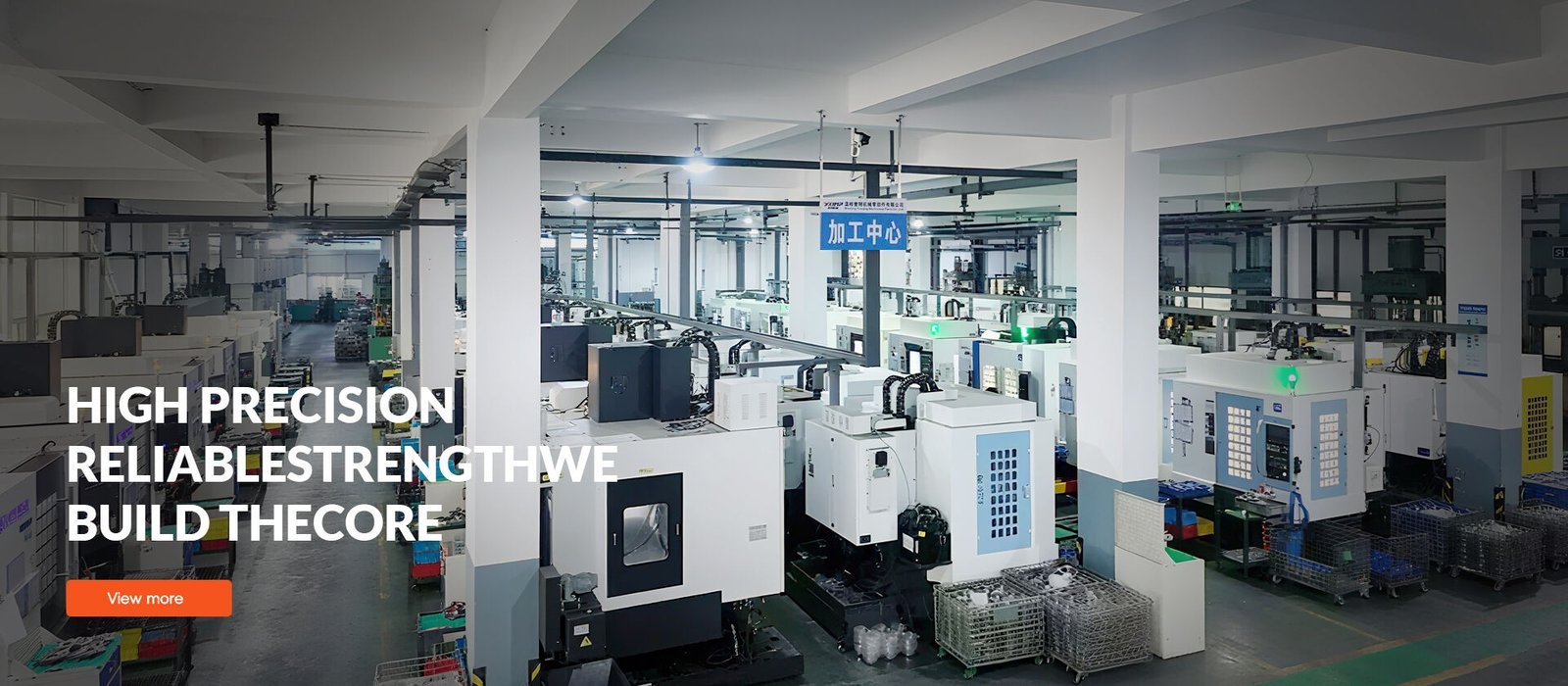
Founded in 2010 in Chang’an, Dongguan, XUXIANG has grown from a specialist mold-core machining shop into a dual-factory precision manufacturing group serving electronics, 5G/telecom, automotive & NEV, industrial-automation and medical-device customers worldwide. Today we operate 2,000 m² of R&D and micro-machining capacity in Dongguan plus a 1,400 m² volume-production facility in Quanzhou—delivering injection molded plastic components and precision tooling with +/-0.001 mm machining accuracy and mirror-grade EDM finishes down to Ra 0.1 µm.
Our core competence is micron-stable precision, backed by over CNY 8 million invested in Sodick and Seibu slow-wire EDM, Mitsubishi mirror EDM, Fanuc CNC and a ZEISS MICURA CMM measuring to 0.7 µm. Every project receives DFM feedback from 10+ engineering experts, and every shipment includes full FAI reports and material certificates under ISO 9001:2015 governance.
XUXIANG was built to solve the two biggest pain points in precision tooling: tolerance failure and delivery delay. With our 2025 Quanzhou expansion adding 200% capacity, we now combine precision-grade quality with dependable mass production—quoting in 24 hours, sampling in 3–7 days, and delivering production runs roughly 30% faster than the industry average.
Precision Engineering Depth Behind Every Injection Molded Plastic Component
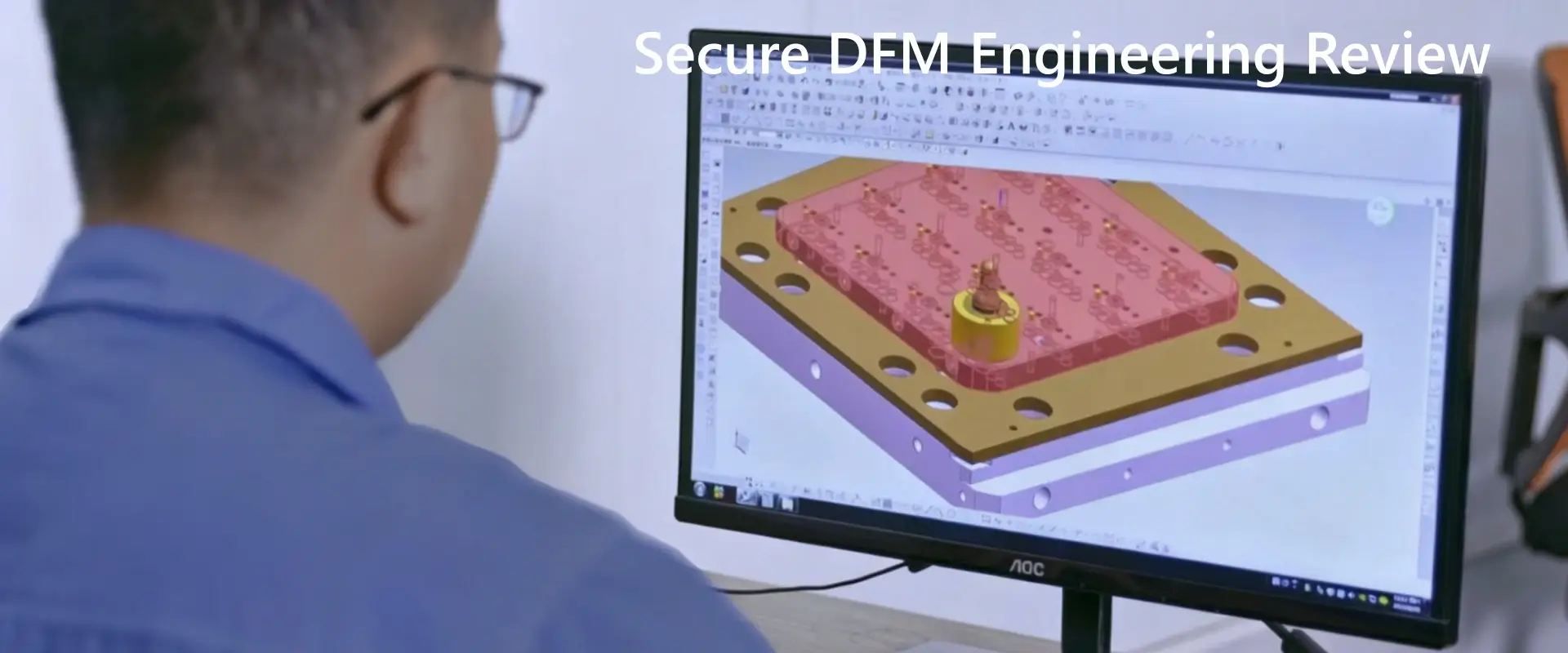
DFM Review by 10+ Engineers
Every injection molded plastic component receives collaborative design-for-manufacturability analysis before machining begins. Our engineering team identifies tolerance risks, material conflicts, and tooling optimizations to prevent costly rework and ensure first-article success.
- Cross-functional review by mold designers, CNC programmers, and EDM specialists
- CAD optimization for draft angles, wall thickness, and ejection geometry
- Material selection guidance for thermal stability and dimensional repeatability
- Tolerance stack-up analysis to verify +/-0.001 mm feasibility across multi-cavity layouts
Five-Step QC for Micron Stability
XUXIANG’s ISO 9001:2015 quality flow validates every injection molded plastic component through spectral material analysis, real-time in-process monitoring, ZEISS CMM verification, surface-integrity inspection, and comprehensive FAI documentation before shipment.
- Incoming material spectral analysis confirms alloy composition and hardness
- In-process tolerance monitoring at each machining operation prevents drift
- ZEISS MICURA CMM verification to 0.7um resolution on critical features
- Surface-integrity checks ensure Ra 0.1um mirror finishes and zero micro-cracks
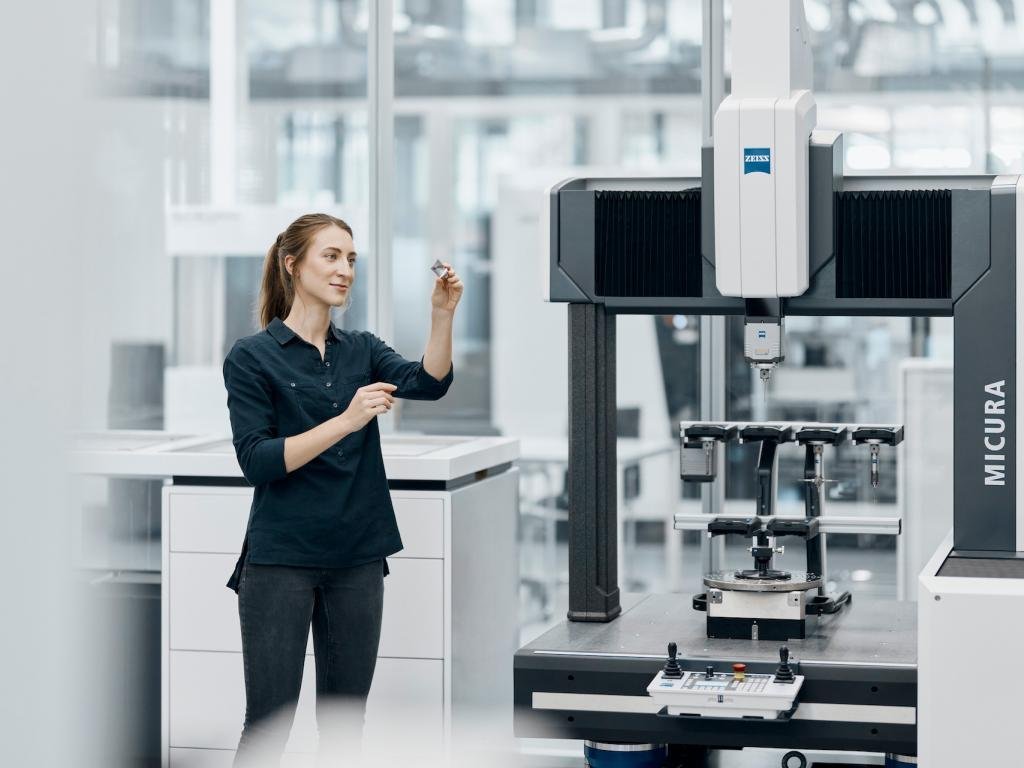
ZEISS MICURA Metrology Lab
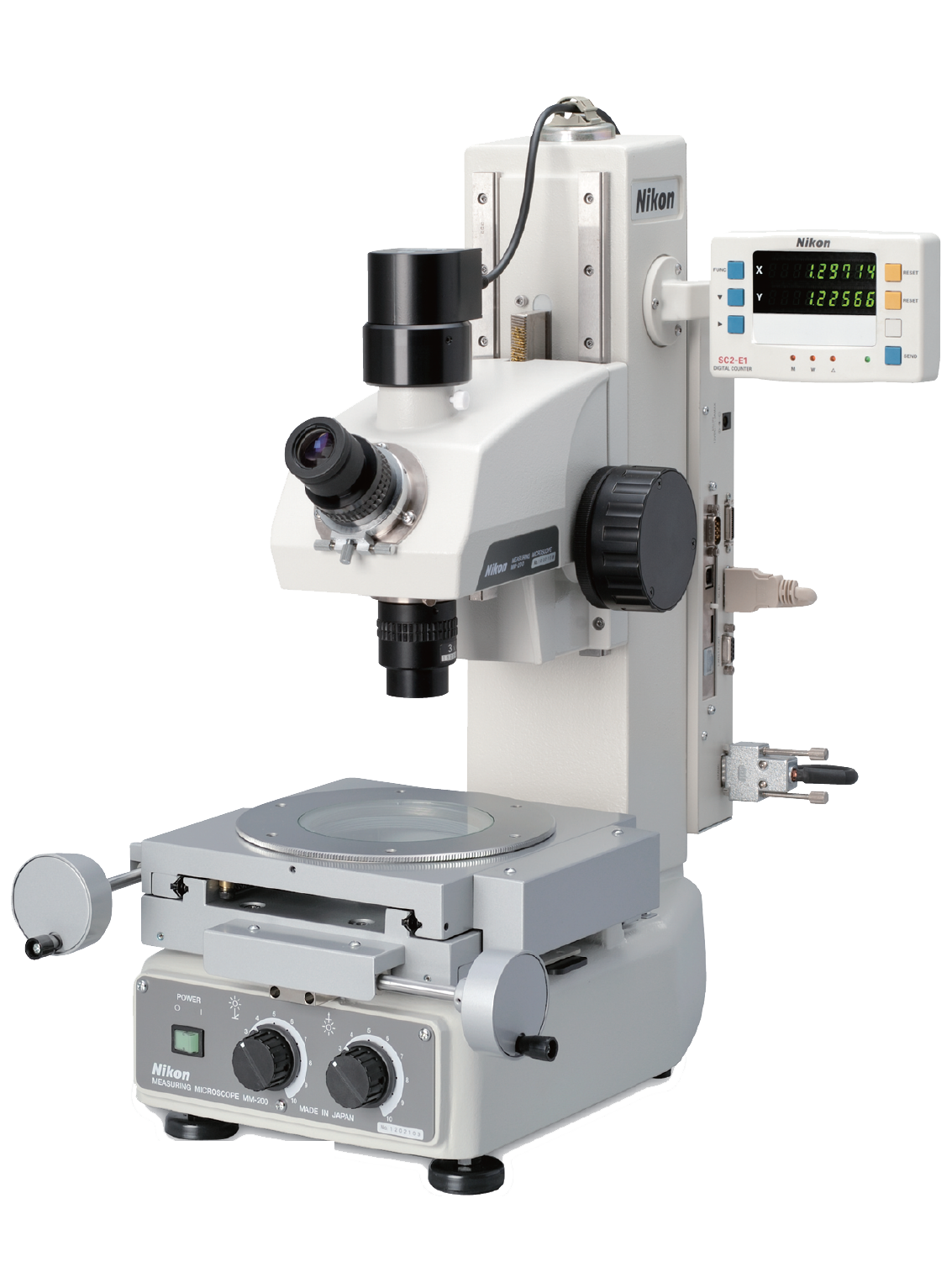
Our metrology center anchors precision with a ZEISS MICURA coordinate measuring machine delivering 0.7um repeatability, complemented by Nikon V-12B and MM-400 toolmaker’s microscopes for sub-micron feature validation on every injection molded plastic component.
- 0.7um CMM resolution verifies core pins, cavities, and micro-connector geometries
- Nikon toolmaker's microscopes inspect edge quality and corner radii down to R 0.015 mm
- Temperature-controlled measurement room eliminates thermal expansion errors
- Full GD&T reporting with 3D deviation maps included in FAI packages
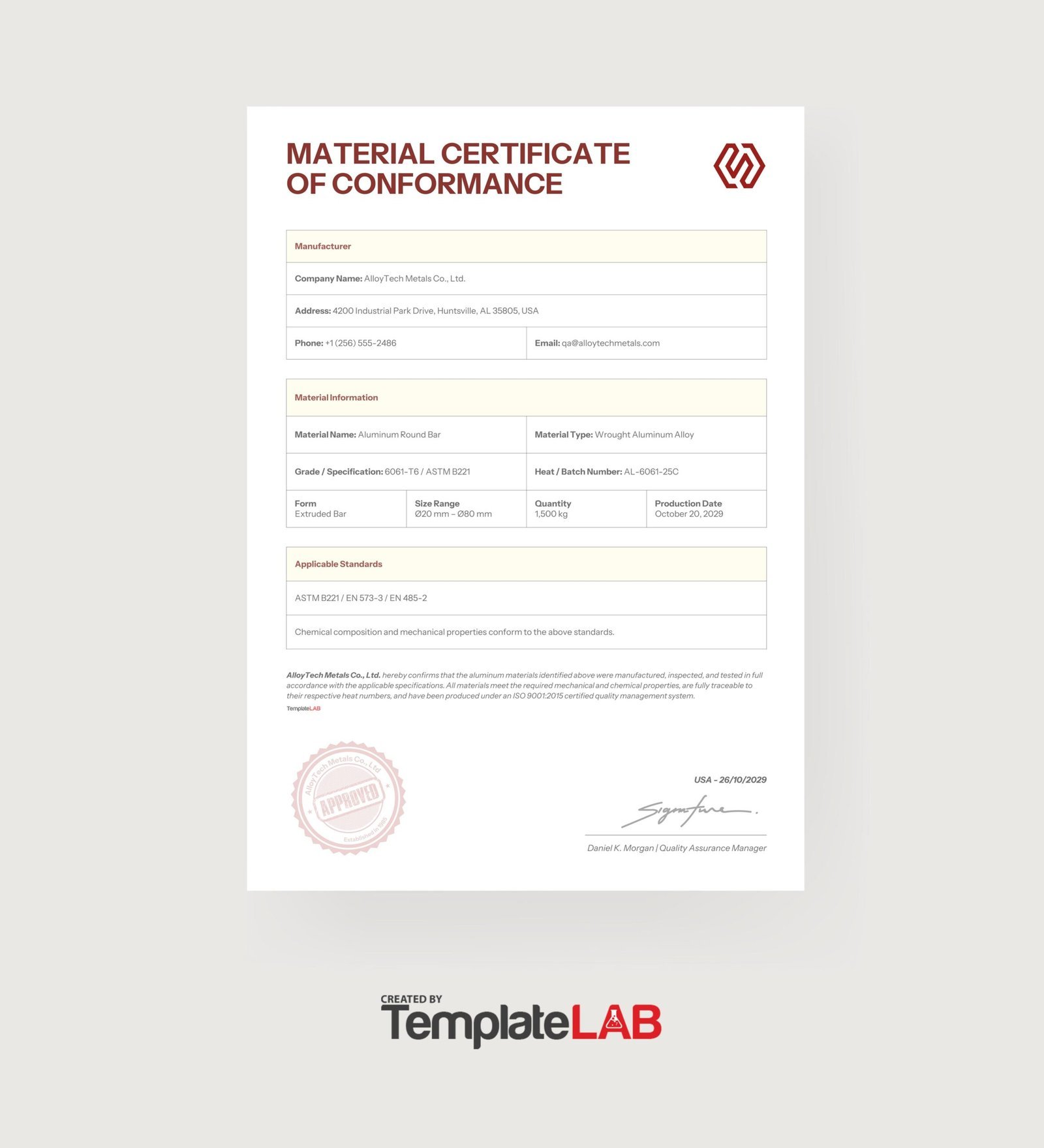
Material Certificates with Every Shipment
XUXIANG provides full traceability for injection molded plastic components: mill certificates, spectral test reports, dimensional FAI data, and surface-finish readings accompany every order, ensuring compliance with automotive, medical, and telecom supply-chain audits.
- Mill certificates trace raw material batch, chemistry, and heat-treatment records
- Spectral analysis reports confirm alloy composition to customer specifications
- First-article inspection (FAI) documents include CMM plots, surface profilometry, and photos
- Digital certificates available within 24 hours of final inspection sign-off
Why XUXIANG Injection Molded Plastic Components Outperform Standard Suppliers
Micron-grade precision, certified processes and engineering support that typical mold shops cannot match — backed by equipment, metrology and speed built for mission-critical tooling.
← 左右滑动查看 →
How We Manufacture Injection Molded Plastic Components: Design to Delivery
Every precision mold component and tooling program follows a six-step engineering workflow — from DFM review through FAI documentation — ensuring +/-0.001 mm accuracy, on-time delivery and zero tolerance surprises.
DFM & Design Review
10+ engineers analyze your CAD files for manufacturability, tolerance feasibility and cost optimization before machining begins — eliminating rework and shortening lead times.
Material Sourcing & Spectral Analysis
Steel, aluminum and alloy stock is verified through spectral analysis to confirm grade, hardness and chemical composition — ensuring material traceability and mold longevity.
CNC, EDM & Precision Machining
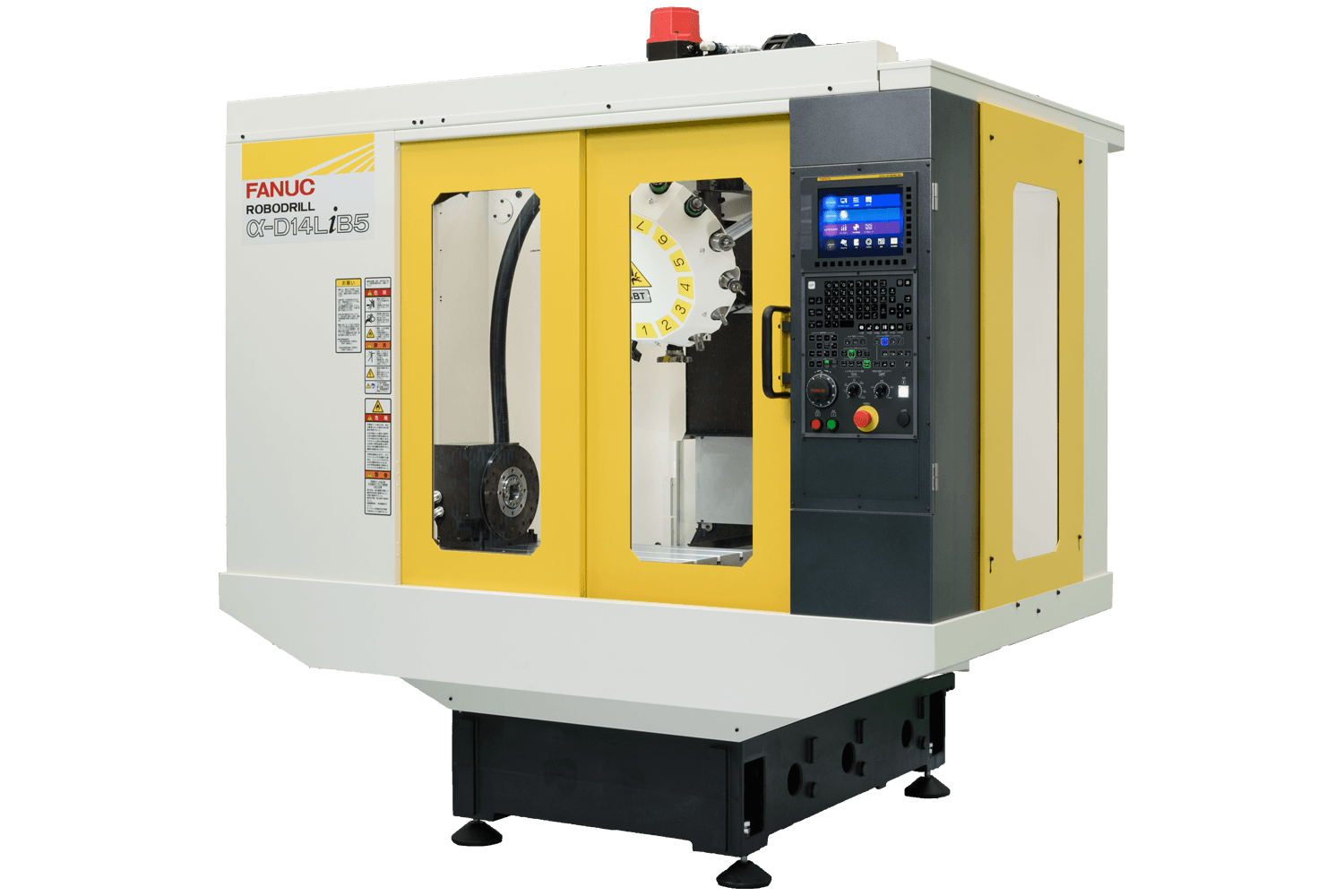
Sodick slow-wire EDM, Mitsubishi mirror EDM and Fanuc CNC systems machine cores, inserts and tooling to +/-0.001 mm — holding corner radii down to R 0.015 mm.
In-Process QC & CMM Verification
ZEISS MICURA CMM and Nikon toolmaker’s microscopes validate critical dimensions at 0.7um resolution during production — catching deviations before final finishing, not after shipment.
Surface Finishing & Assembly
Mirror EDM polishing achieves Ra 0.1um surface finish; lifters, sliders and inserts are assembled, tested for fit and function, then cleaned to ISO standards.
FAI Documentation & Shipment
Every order ships with full First Article Inspection reports, material certificates, CMM dimensional data and traceable batch records — backed by ISO 9001:2015 certification.
How to Order Precision Injection Molded Plastic Components
Five engineering-led steps from CAD submission to high-volume production — backed by DFM analysis, ZEISS metrology and ISO 9001:2015 quality assurance.
Submit Your CAD & Requirements
Upload 2D/3D files, technical drawings and material specifications. Our engineering team reviews tolerances, surface finish and production volume to scope your project accurately.
Receive DFM Feedback & Quote
Within 24 hours, 10+ experts deliver Design for Manufacturability recommendations, tooling strategy and a transparent, itemized quote aligned to your tolerance and delivery targets.
Order Samples for Validation
First-article samples ship in 3–7 days, complete with ZEISS CMM inspection reports and material certificates, so you can validate fit, form and function before scaling.
Approve FAI & Production Parameters
Review full First Article Inspection documentation — dimensional data, surface-integrity checks and spectral analysis — then lock tooling parameters and production schedules with our QA team.
Launch Mass Production
Bulk orders ship in 15–25 days from our dual-factory system, with in-process monitoring, final CMM verification and complete traceability to ensure every part meets +/-0.001 mm precision.
Certifications & Quality Standards for Injection Molded Plastic Components



Customer Success: Precision Injection Molded Plastic Components Delivered
XUXIANG reduced our tolerance failures by 95% on micro-connector tooling. Their ZEISS CMM validation and +/-0.001 mm precision eliminated the rework cycles that plagued our previous supplier. We now ship 5G modules on schedule every time.
Delivered injection molded plastic components 30% faster than our previous mold supplier, with full FAI reports and material certificates. Their DFM feedback caught three critical design issues before we cut steel. The Quanzhou expansion has made volume orders even smoother.
XUXIANG enabled our NEV battery connector launch on schedule with mirror-grade EDM cores that held Ra 0.1um finish and +/-0.002 mm positioning. Their Sodick slow-wire work and real-time tolerance monitoring gave us confidence through every prototype iteration.
Frequently Asked Questions About Injection Molded Plastic Components
What is the minimum order quantity for injection molded plastic components?
What are the lead times for samples and production of injection molded plastic components?
Do you charge for samples of injection molded plastic components?
What payment terms do you offer for injection molded plastic components orders?
Can you ship injection molded plastic components internationally?
How do you protect intellectual property and confidential designs for injection molded plastic components?
Do you provide design-for-manufacturability support for injection molded plastic components?
What tolerance guarantees do you offer on injection molded plastic components?
What material certifications are provided with injection molded plastic components?
The Complete Buyer’s Guide to Injection Molded Plastic Components for Precision Manufacturing
Navigate supplier selection, material choices, and quality standards with confidence. This guide delivers a proven decision framework, critical manufacturer criteria, and the most common procurement mistakes to avoid when sourcing injection molded plastic components.
1. What Are Injection Molded Plastic Components?
Injection molded plastic components are net-shape parts formed by melting thermoplastic resin to 200–300 °C, injecting the melt into a precision-machined steel or aluminum mold cavity under pressures of 10,000–30,000 psi, then cooling to solidify the geometry. The process delivers dimensional repeatability of +/-0.05 mm on commodity tooling and +/-0.001 mm on precision-grade molds — the tolerance class XUXIANG maintains with ZEISS MICURA CMM verification and mirror-finish EDM cores down to Ra 0.1 μm.
Typical applications span electronics housings and micro-connector shells (5G terminal blocks, board-to-board sockets), automotive interior trim and sensor enclosures (ADAS housings, BMS interconnects), medical device covers (diagnostic instrument cases, surgical tool handles), and industrial automation assemblies (gripper jaws, LED structural brackets).
Injection molding dominates high-volume production because it combines geometric complexity — undercuts, threads, living hinges — with cycle times of 15–60 seconds, enabling annual outputs exceeding 1 million parts per cavity while maintaining cost per piece below $0.10 at scale.
2. Evolution and History of Injection Molding Technology
In 1872 John Wesley Hyatt patented the first manual plunger press for celluloid, shaping billiard balls and combs with rudimentary pressure control. By the early 20th century, injection presses moved to thermoplastics, yet cycle times remained slow and dimensional repeatability poor—tolerances rarely exceeded +/-0.1 mm.
The 1946 invention of the reciprocating screw by James Hendry transformed the industry, enabling continuous plasticization, faster cycles, and tighter shot-to-shot consistency. Multi-cavity tooling followed in the 1960s, scaling output while demanding harder mold steels—H13, P20, and later NAK80—to resist wear and hold cavity geometry over millions of cycles.
CAD/CAM software in the 1980s and CNC wire-EDM in the 1990s pushed achievable tolerances into the +/-0.01 mm range. Today’s servo-electric presses, closed-loop process controls, and ZEISS CMM validation deliver +/-0.001 mm stability, essential for 5G micro-connector tooling, automotive ADAS sensor housings, and medical-device components where micron-level precision is non-negotiable.
3. Types of Injection Molded Plastic Components by Application
Injection molded plastic components serve distinct engineering roles across industries, each demanding unique geometries, tolerances and compliance standards. Understanding sector-specific requirements ensures material selection and tooling align with end-use performance and regulatory frameworks.
Electronics & 5G/Telecom

Micro-connectors, RF housings and fiber-optic ferrules require tolerances of +/-0.01 to +/-0.05 mm, with wall thicknesses often below 0.3 mm. LCP, PBT and PA66 dominate for their dimensional stability and dielectric properties.
UL94 V-0 flame ratings are mandatory for consumer and telecom enclosures. XUXIANG’s slow-wire EDM holds +/-0.002 mm on terminal tooling, enabling high-density board-to-board and FPC connector molds.
Automotive & NEV
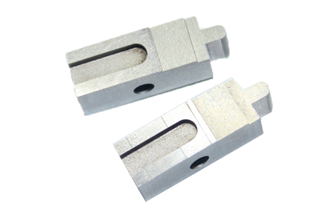
Sensor housings, ADAS brackets and BMS interconnects demand +/-0.05 to +/-0.1 mm tolerances and operating ranges from -40 to +150 °C. PA6-GF, PPA and PPS are preferred for heat and chemical resistance.
IATF 16949 certification and PPAP documentation are baseline; XUXIANG’s ZEISS CMM validates dimensional compliance and supports full FAI traceability for tier-one supply chains.
Medical Devices
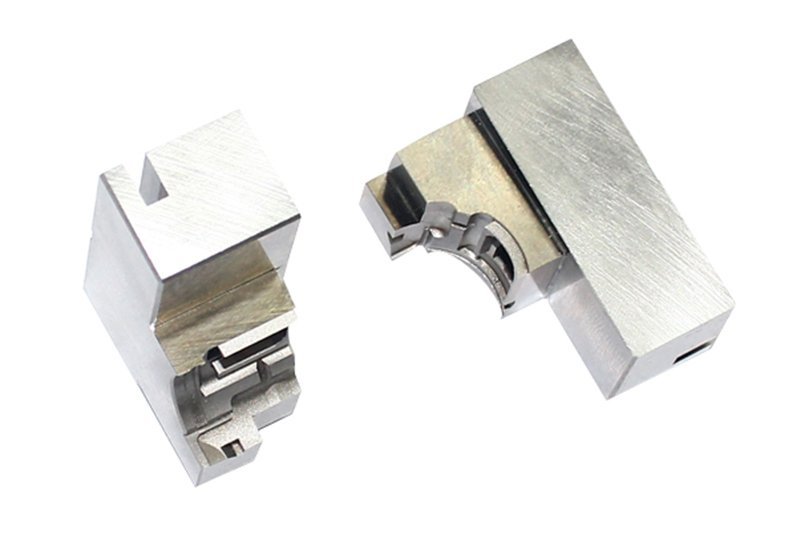
Syringe barrels, diagnostic cartridges and surgical handles require biocompatible resins—PPSU, PEEK, medical-grade PC—and ISO 13485-compliant processes. Tolerances range +/-0.02 to +/-0.1 mm; surface finish must support sterilization without degradation.
XUXIANG’s five-step QC includes material spectral analysis and certificate traceability, meeting FDA and EU MDR documentation standards for Class I and II devices.
Industrial Automation & Robotics
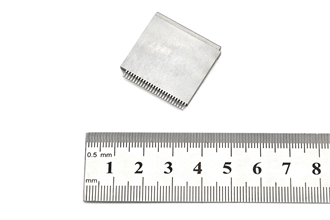
Gripper components, sensor brackets and cable glands combine mechanical strength with tight positional tolerances (+/-0.03 to +/-0.1 mm). PA66-GF, POM and reinforced nylon offer wear resistance and dimensional stability under cyclic loads.
XUXIANG’s conformal-cooling inserts and mirror-grade EDM finishes enable repeatable part geometry for high-volume robotic assembly, reducing downstream calibration time by up to 20 %.
4. Materials for Injection Molded Plastic Components: Selection Criteria
Material selection directly determines part performance, mold design complexity and cycle economics. XUXIANG’s engineering team evaluates tensile strength, heat deflection temperature (HDT), dimensional stability and dielectric properties against application loads, operating environments and cost targets before finalizing resin and tool design.
| Material | Key Properties | Typical Applications | Relative Cost |
|---|---|---|---|
| ABS | Impact 40–50 MPa, HDT 95–105°C, easy finishing | Consumer electronics, housings, automotive trim | Low |
| PC | Tensile 60–70 MPa, HDT 130–145°C, optical clarity | LED lenses, safety shields, medical devices | Medium |
| PA (Nylon) | Wear-resistant, HDT 80–220°C, chemical stable | Gears, bearings, automotive under-hood | Medium |
| POM (Acetal) | Dimensional stability ±0.2%, low friction | Precision gears, micro-connectors, sliding parts | Medium |
| PBT | HDT 120–140°C, good electrical insulation | Connectors, relays, sensor housings | Medium |
| PPS | HDT 260°C, chemical/thermal resistance | High-temp sensors, pump components | High |
| PEEK | Tensile 90–100 MPa, HDT 315°C, biocompatible | Aerospace, medical implants, oil & gas | Very High |
How Material Choice Affects Mold Design and Cycle Time
High-shrinkage resins such as PA and POM require tighter core tolerances and conformal cooling to maintain +/-0.002 mm positioning; XUXIANG compensates with ZEISS CMM-validated shrinkage data and mirror-grade EDM cores. Glass-filled grades demand hardened tool steel (H13, S136) and polished venting to prevent fiber exposure.
High-performance polymers (PPS, PEEK) extend cycle times by 20–40% due to melt temperatures above 300°C and slower crystallization, raising both mold investment and per-part cost but delivering unmatched thermal and chemical performance for 5G, automotive and medical applications.
5. Customization and Surface Finishing Options for Injection Molded Plastic Components
Injection molded plastic components often require post-molding treatments to meet branding, functional or aesthetic requirements. XUXIANG’s mirror-grade EDM finishes (Ra 0.1 µm) and +/-0.001 mm machining accuracy enable a broad range of surface textures and secondary operations that preserve dimensional stability.
| Technique | Setup Cost (USD) | Unit Cost Impact | Durability | Lead Time |
|---|---|---|---|---|
| SPI A-1/A-2 mirror | 15–25% tooling premium | Negligible | Scratch-sensitive | Standard |
| Pad printing | 150–300/plate | +0.02–0.08 | Moderate wear | +3–5 days |
| Laser etching | <200 | Negligible | Permanent | +1–2 days |
| Overmolding (TPE) | 40–60% tooling premium | +0.15–0.40 | Excellent bond | +2–3 weeks |
| Ultrasonic welding | 800–1,500 fixture | Negligible | Hermetic seal | +1 week |
Texture and Grain Finishes

SPI surface standards define six grades from A-1 (diamond-buff mirror) through D-3 (dry-blast matte). A-1 and A-2 demand EDM electrode accuracy within +/-0.002 mm and post-polish on tool steel; they add 15–25% to tooling cost but eliminate visible parting lines on consumer housings. C and D textures (stone or matte) hide sink marks and gate witness, reduce cycle time by 8–12% through faster ejection, and cost 5–10% less than mirror finishes.
Painting, Pad Printing and Laser Etching
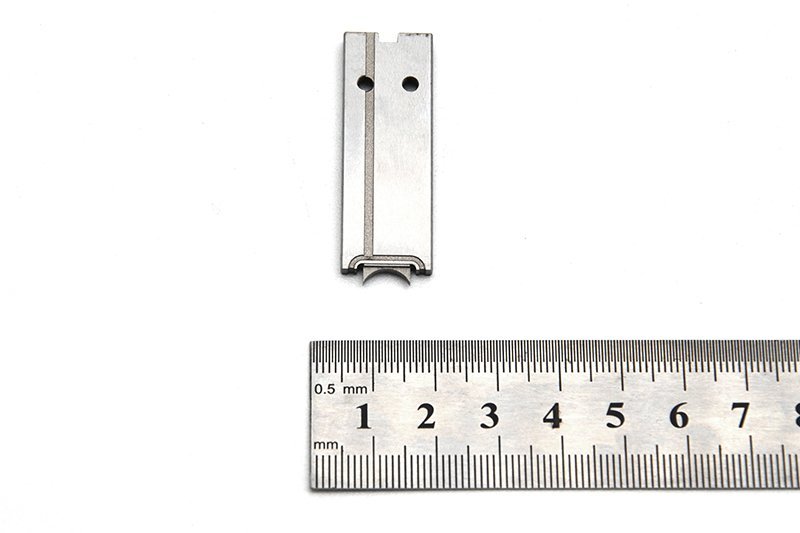
Pad printing applies logos or alphanumerics in one to four colors; setup runs USD 150–300 per artwork plate, unit cost +USD 0.02–0.08, lead time +3–5 days. Spray painting requires masking fixtures (USD 400–800) but covers complex geometries; durability depends on primer adhesion and cure protocol. Laser etching (CO₂ or fiber) marks serial numbers or QR codes with zero consumables, setup under USD 200, and permanent contrast on ABS, PC and PA; it suits traceability in automotive and medical applications.
Overmolding, Insert Molding and Ultrasonic Welding
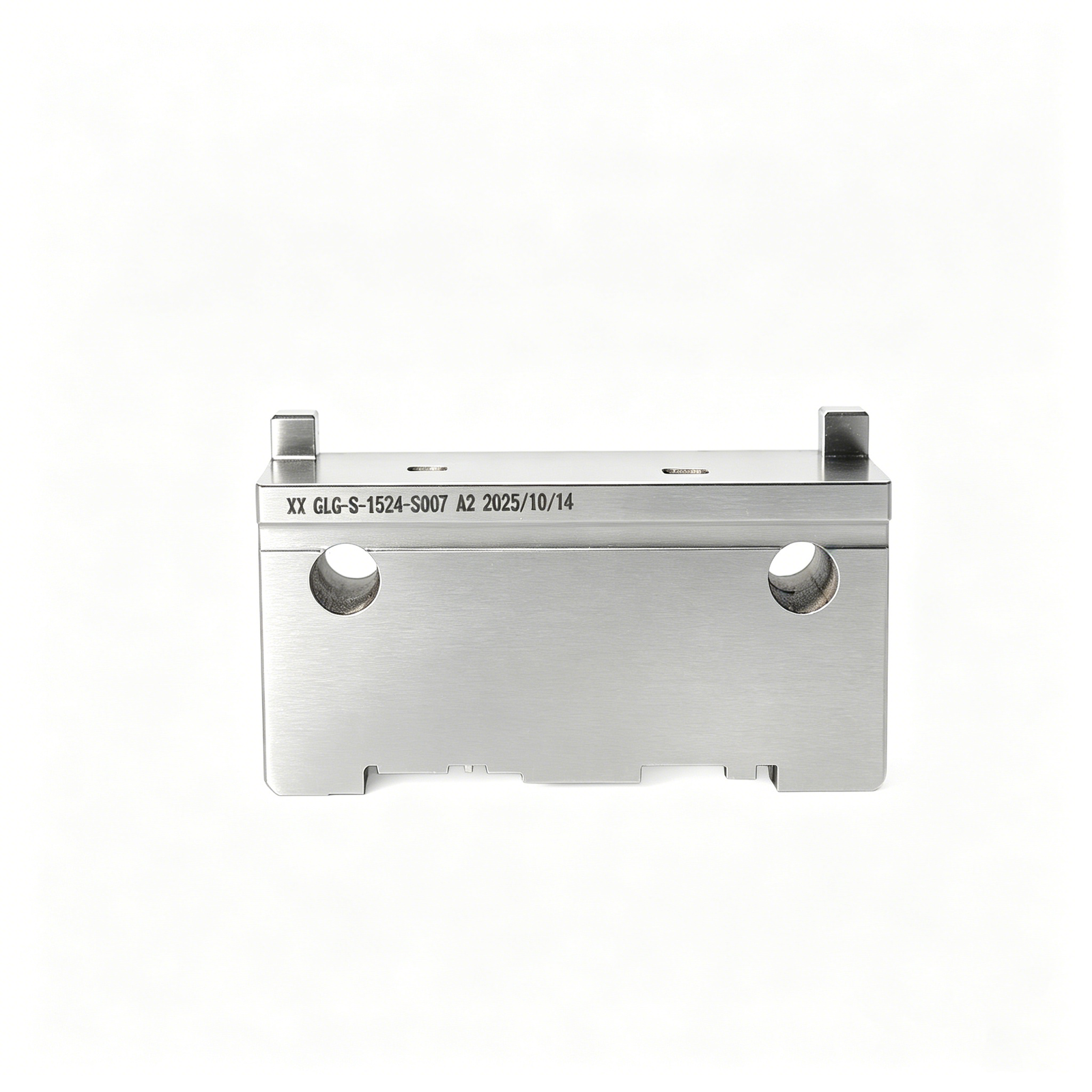
Overmolding bonds TPE grips or seals onto rigid substrates in a two-shot or sequential process; tooling cost rises 40–60% but eliminates assembly labor. Insert molding encapsulates threaded brass inserts or PCB standoffs during the injection cycle, ensuring pull-out strength above 300 N when cavity positioning holds +/-0.01 mm. Ultrasonic welding joins snap-fit halves in 0.5–2 seconds with energy directors molded at 60° included angle; horn and fixture cost USD 800–1,500, suitable for clean, hermetic enclosures in medical and 5G connector housings.
6. Key Quality Elements in Injection Molded Plastic Components
Injection molded plastic components demand rigorous quality controls across dimensional accuracy, tooling durability, and process repeatability. Buyers must verify tolerance capability, mold steel selection, and statistical validation to ensure part consistency, extend cavity life, and minimize total cost of ownership.
Tolerance & Metrology
Dimensional tolerance directly governs fit, function, and assembly yield. Micro-connector and precision enclosures require +/-0.001 mm control, while standard housings tolerate +/-0.05 mm. XUXIANG achieves +/-0.001 mm machining accuracy through ZEISS MICURA CMM (0.7 µm resolution) and Nikon toolmaker’s microscopes, validating every critical dimension before shipment.
In-line inspection with optical comparators and CMM stations catches drift early, reducing scrap and rework. Full FAI documentation and material certificates provide traceability for automotive, medical, and 5G applications where regulatory compliance is non-negotiable.
Mold Material & Maintenance
Mold steel grade determines cavity life and surface finish. P20 suits general-purpose runs up to 500k cycles; H13 withstands high-temperature resins and abrasive fillers beyond 1M cycles; S136 stainless resists corrosion for medical and optical-grade parts. XUXIANG specifies steel by resin chemistry and annual volume, balancing upfront cost against long-term tooling amortization.
Scheduled maintenance — cleaning, polishing, and dimensional re-verification — preserves mirror-grade EDM finishes (Ra 0.1 µm) and prevents flash or sink marks that degrade part quality over time.
Process Control & Validation
Statistical process control ensures repeatability across production lots. A Cpk ≥1.33 indicates robust capability; values below 1.0 signal chronic variation. XUXIANG validates every mold through five-step QC: material spectral analysis, in-process monitoring, CMM verification, surface-integrity checks, and final FAI.
Mold-flow simulation during DFM identifies gate location, cooling-channel layout, and fill-pressure settings that prevent warp, sink marks, and short shots — reducing trial cycles and accelerating time to first article by roughly 30% versus industry average.
7. How to Choose a Manufacturer of Injection Molded Plastic Components
Selecting a supplier for injection molded plastic components requires disciplined evaluation across certifications, technical depth, capacity and documentation. A methodical checklist prevents costly tooling rework and delivery failures.
Certifications & Compliance
Verify ISO 9001:2015 as baseline quality-system proof. Automotive buyers should require IATF 16949; medical-device OEMs need ISO 13485. For electronics and 5G applications, confirm ESD-safe handling or cleanroom environments rated ISO 7 or better.
XUXIANG operates under ISO 9001:2015, ensuring process traceability from DFM review through final FAI documentation.
Technical Capabilities
Confirm in-house mold-making: slow-wire EDM accuracy (+/-0.002 mm class), sinker EDM surface finish (Ra ≤ 0.2 µm), and CNC machining for cores and inserts. Request equipment lists — Sodick, Charmilles, Seibu and Fanuc platforms indicate serious precision.
XUXIANG’s dual-factory setup integrates ZEISS MICURA CMM (0.7 µm resolution) and over CNY 8 million in Japanese, Swiss and German machining assets, delivering +/-0.001 mm maximum tolerance.
Capacity & Scalability
Ask for press tonnage range, maximum cavity count and annual volume ceiling. Multi-cavity tooling and scalable production prevent bottlenecks as your product ramps.
With a 2025 Quanzhou expansion adding ~1,400 m² and targeting 200% output growth, XUXIANG combines precision-grade tooling with dependable mass production and lead times roughly 30% faster than industry average.
Documentation & Transparency
Demand mold-flow analysis reports before tooling kickoff and full FAI packages — dimensional data, material certificates, spectral analysis and CMM inspection records — at first article.
XUXIANG’s five-step QC flow includes material spectral analysis, in-process monitoring, ZEISS/Nikon CMM verification, surface-integrity checks and complete FAI documentation, ensuring every part ships with verifiable proof of conformance.
8. Common Mistakes Buyers Make When Sourcing Injection Molded Plastic Components
Even experienced procurement teams fall into recurring traps when sourcing injection molded plastic components — errors that inflate cost, delay launch and compromise part integrity. Most pitfalls stem from incomplete specifications, underestimated tooling economics and missing validation protocols.
Choosing Material by Unit Price Alone
Selecting resin solely on cost per kilogram ignores mechanical properties — tensile strength, heat deflection temperature and impact resistance — that determine field performance. A 15 % cheaper PC/ABS blend may fail drop tests or creep under load.
Request material datasheets and validate properties against your operating environment before locking the BOM.
Underestimating Tooling Amortization and Change Orders
Buyers often focus on piece price while overlooking mold cost spread across production volume. A USD 12,000 tool amortized over 10,000 units adds USD 1.20 per part; design changes mid-project can double that figure.
Negotiate mold ownership, amortization terms and change-order rates upfront to avoid surprise invoices.
Ignoring Draft Angles and Wall Thickness
Designs lacking 1–3° draft or featuring non-uniform wall thickness (variance > 25 %) cause sink marks, warp and ejection damage. These defects surface only after first articles ship.
Demand DFM review and mold-flow simulation before tool fabrication to catch geometry risks early.
Skipping Inspection Criteria and AQL Plans
Without defined acceptance sampling (e.g., AQL 1.5 critical, 2.5 major) and dimensional tolerances, disputes over ‘acceptable quality’ stall shipments and erode trust.
Specify inspection methods, sample sizes and reject thresholds in the purchase order; request FAI reports with CMM data for critical features.
9. Pricing and Cost Structure for Injection Molded Plastic Components
Total project cost divides into one-time tooling and recurring per-unit manufacturing. Tooling investment — encompassing mold design, CNC machining, EDM polishing and sampling — typically ranges from $2,000 for simple single-cavity prototypes to $50,000 for multi-cavity production molds with complex core actions and mirror finishes. Cavity count, part geometry and tolerance class are the primary drivers.
Per-unit manufacturing cost reflects resin type, part weight, cycle time, labor and scrap rate. A 5-gram ABS housing cycling at 30 seconds costs significantly less than a 20-gram PC+GF component requiring 60-second cycles and post-machining. Volume discounts appear once tooling amortization spreads across larger orders; production runs above 10,000 pieces often halve the effective unit price compared to pilot batches.
Material choice and cycle efficiency directly shape unit economics. Engineering resins (PA66+GF, PPS, PEEK) command 3–8× the resin cost of commodity polymers, while tighter tolerances extend cycle time and raise inspection overhead.
| Order Quantity | Unit Price Range (USD) | Tooling Amortization | Typical Lead Time (weeks) |
|---|---|---|---|
| 100–500 pcs (Prototype) | $2.50–$8.00 | High (~$4–$100/pc) | 2–3 |
| 1,000–5,000 pcs (Pilot) | $0.80–$3.50 | Medium (~$0.40–$10/pc) | 3–4 |
| 10,000+ pcs (Production) | $0.15–$1.20 | Low (~$0.02–$0.50/pc) | 4–6 |
10. Steps to Launch Your Product with Injection Molded Plastic Components
Launching injection molded plastic components demands a structured six-step roadmap that aligns engineering validation, tooling fabrication and production ramp-up. Each phase has defined deliverables, decision gates and typical durations to help procurement teams plan budgets and timelines with confidence.
Concept & CAD Finalization with DFM Review
Step 1 begins with CAD submission and a formal design-for-manufacturability (DFM) review. XUXIANG’s 10+ engineering experts analyze draft tolerances, wall uniformity, gate placement and ejection angles, returning marked-up models within 2–3 business days.
Deliverables include optimized 3D files, material recommendations and a preliminary tooling quote. The decision gate is DFM sign-off; no tooling starts until geometry is freeze-locked.
Material Selection and Mold-Flow Simulation
Step 2 pairs resin selection with mold-flow analysis to predict fill balance, weld-line location and cooling uniformity. Duration is typically 3–5 days.
Deliverables are a signed material datasheet and simulation report showing cycle time and pressure curves. The gate is client approval of resin grade and runner layout before steel cutting begins.
Tooling Fabrication and T1 Sampling
Step 3 covers mold design, electrode machining on Beijing Jingdiao CNCs, slow-wire EDM on Sodick/Seibu systems and mirror finishing to Ra 0.1 µm. Lead time is 15–25 days for micro-connector tooling, 25–35 days for multi-cavity automotive molds.
T1 samples and a ZEISS MICURA CMM report (+/-0.001 mm accuracy) form the deliverable package. The decision gate is dimensional First Article Inspection (FAI) approval.
Design Validation Testing
Step 4 subjects T1 parts to dimensional GD&T checks, mechanical tests (tensile, impact) per ISO or ASTM standards, and environmental conditioning (thermal cycling, humidity). Duration is 5–10 days depending on test matrix complexity.
Deliverables include test certificates and pass/fail reports. The gate is formal design-validation sign-off, authorizing any final mold adjustments before pilot production.
Pilot Run and Process Optimization
Step 5 runs a controlled batch of 500–2,000 shots to lock injection parameters—pressure, temperature, hold time—and calculate process capability (Cpk ≥ 1.33 for critical dimensions). Typical duration is 3–5 days.
Deliverables are a process control plan, Cpk study and approved production parameters. The gate is Cpk validation and client acceptance of pilot-lot samples.
Full-Scale Production and Quality Audits
Step 6 launches volume manufacturing under ISO 9001:2015 controls, with in-process monitoring, shift-by-shift CMM audits and material traceability. XUXIANG’s five-step QC flow—spectral analysis, in-process checks, CMM verification, surface integrity and final FAI—runs continuously.
Deliverables are shipment-ready parts, certificates of conformance and ongoing audit reports. The gate is first-shipment quality acceptance and establishment of ongoing supplier scorecards.
Ready to Source Precision Injection Molded Plastic Components?
Submit your tech pack today and receive a detailed quote within 24 hours — backed by +/-0.001 mm precision and ISO 9001:2015 quality.