
2 Component Injection Molding — Precision Mold Parts & Tooling
XUXIANG delivers 2 component injection molding tooling held to +/-0.001 mm, ISO 9001:2015 certified, with quotes returned in 24 hours and full DFM support.
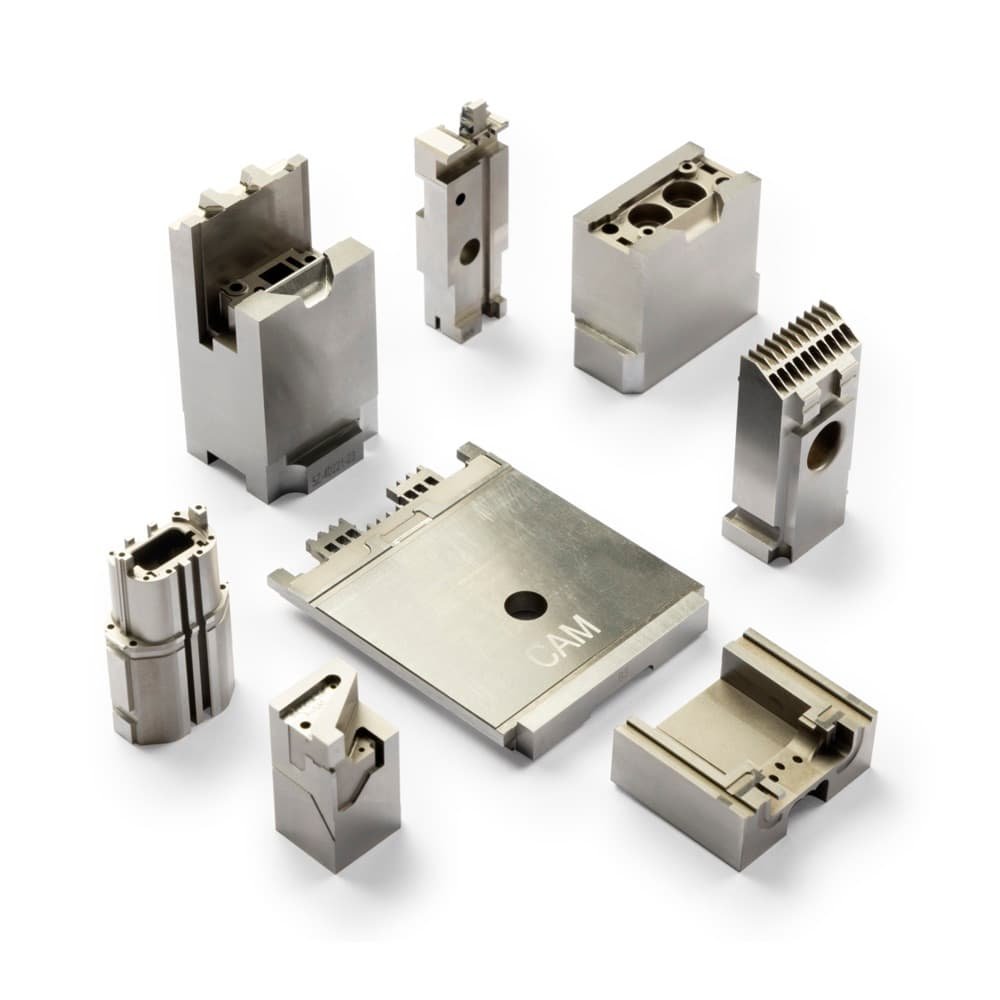
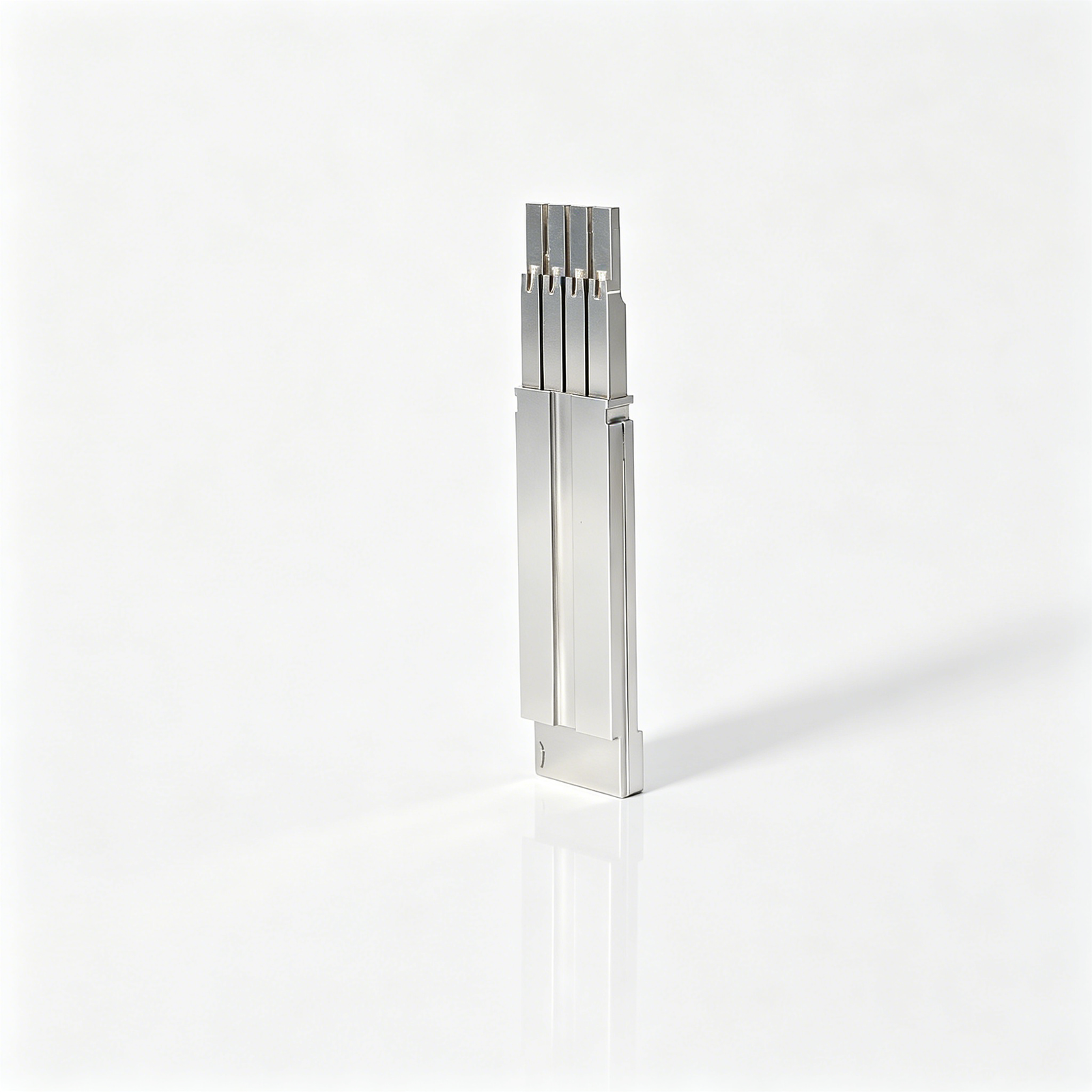
Featured Precision Mold Components
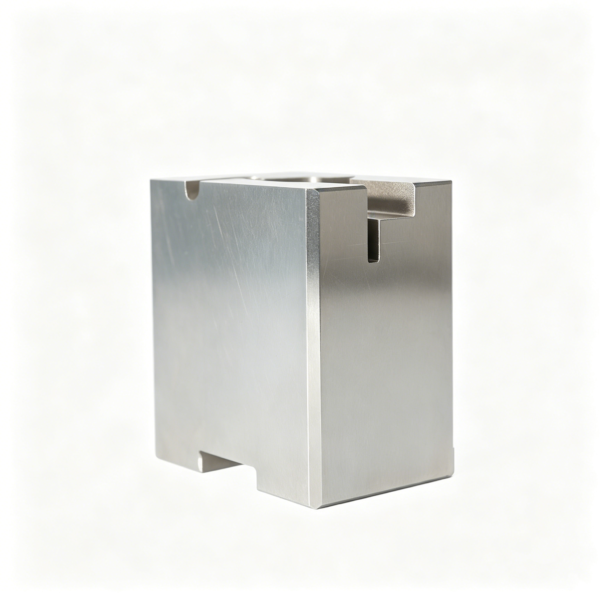
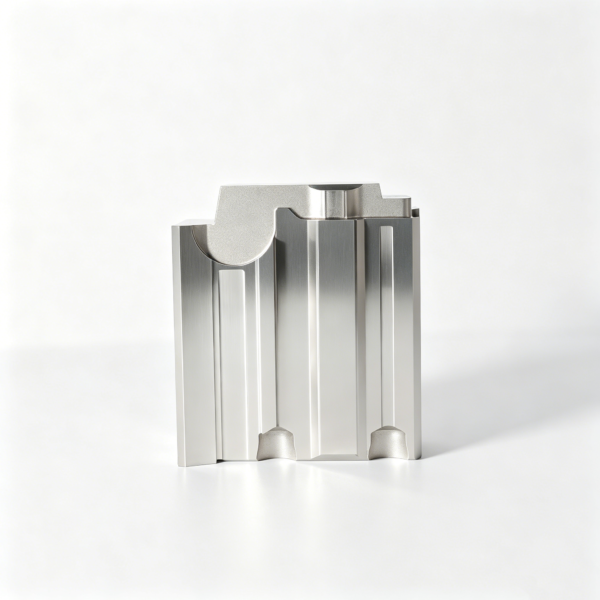
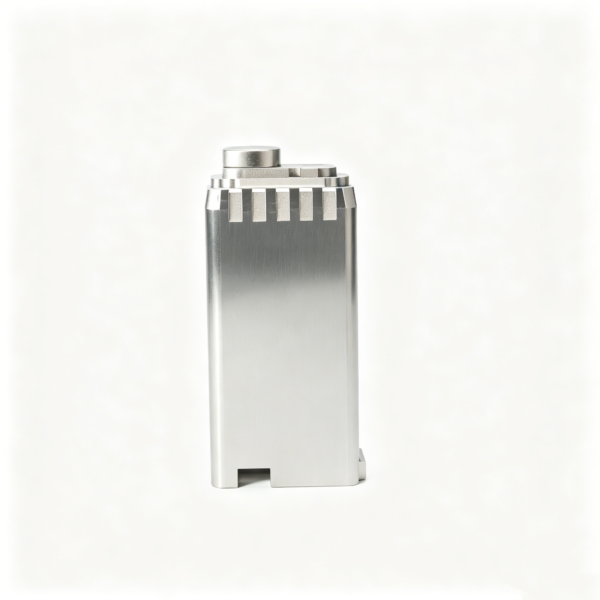
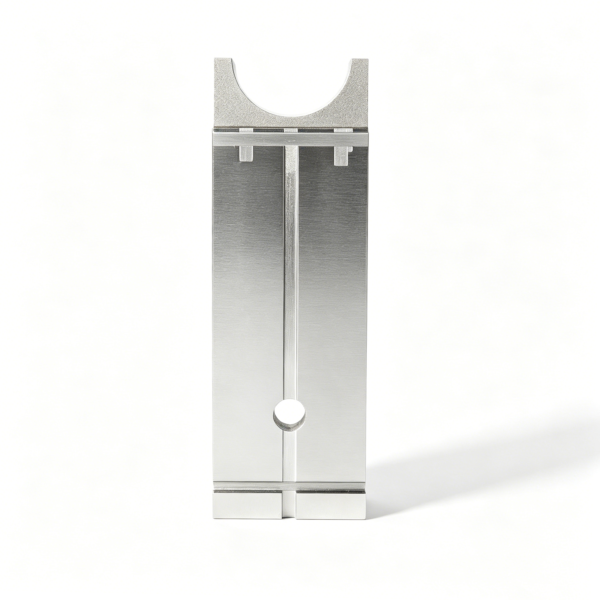
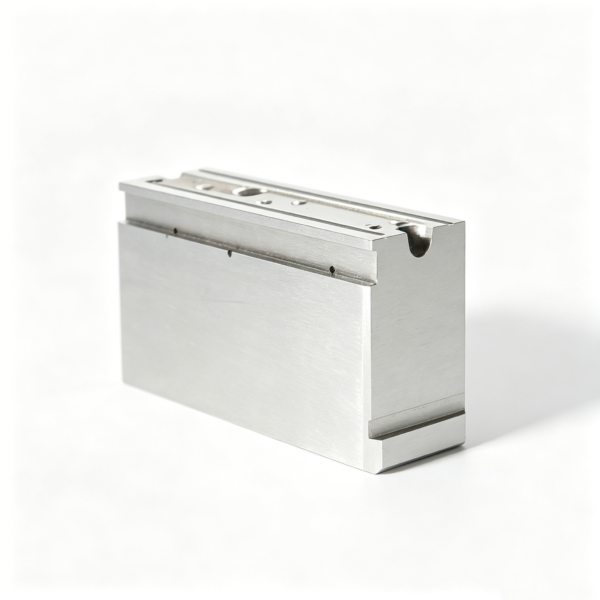
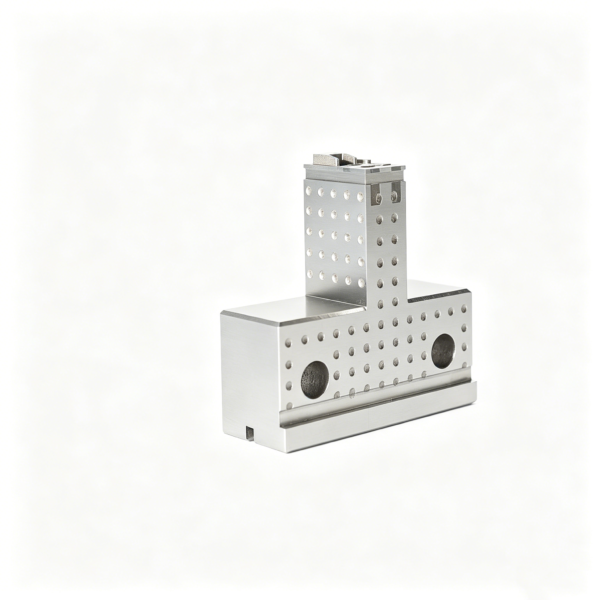
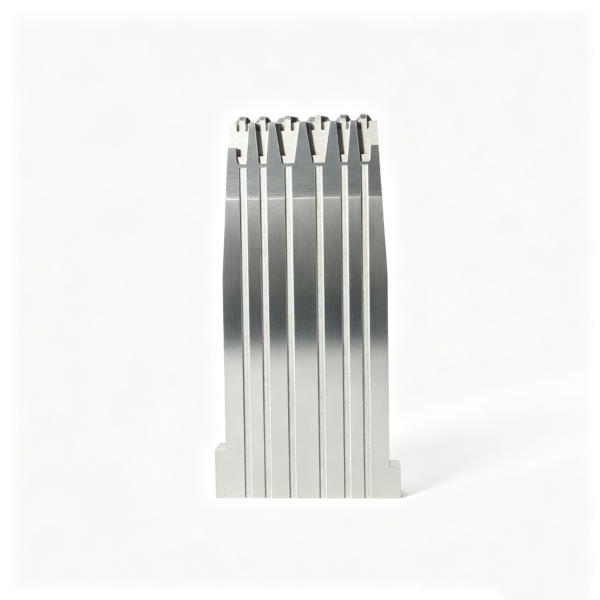
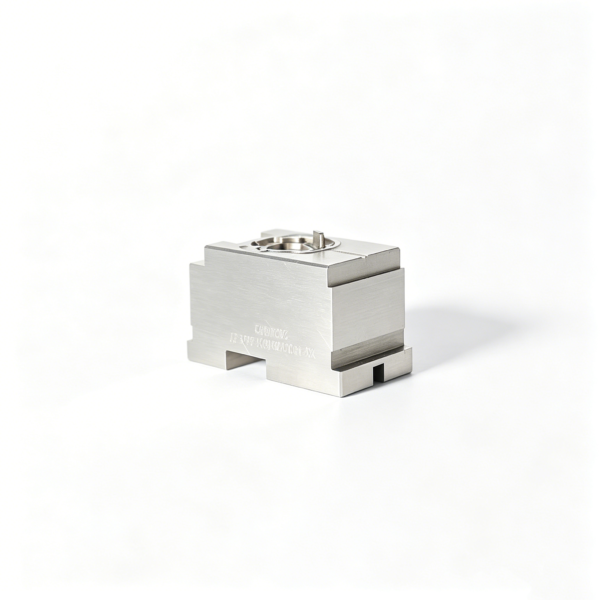
Product Gallery & Application Samples
Why Precision Matters in 2 Component Injection Molding
+/-0.001 mm Machining Accuracy
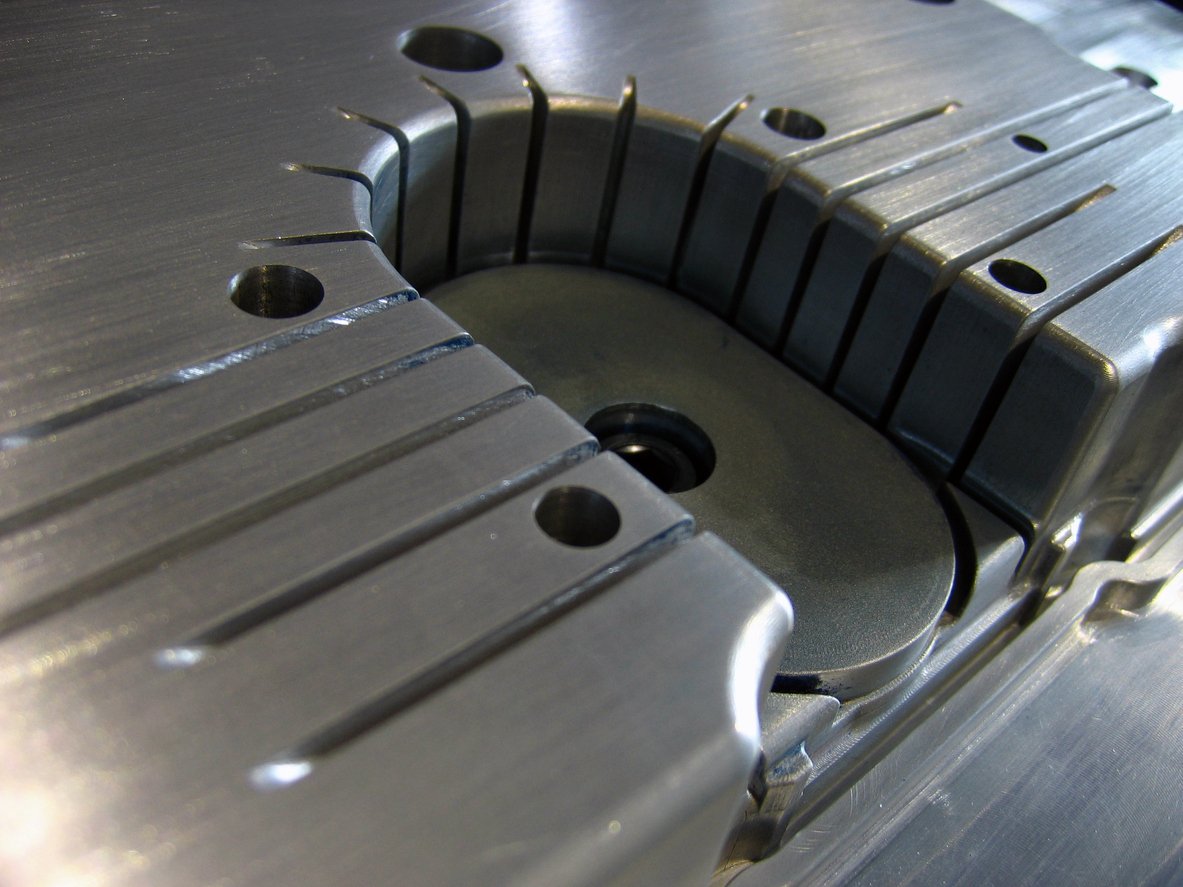
Micron-stable precision on every mold core and insert prevents tolerance failure, flash and assembly misalignment—critical for multi-material bonding in 2 component injection molding.
Mirror-Grade EDM Surface Finish
Sodick slow-wire and Mitsubishi mirror EDM deliver Ra 0.1um surfaces, eliminating ejection defects and ensuring flawless two-shot part aesthetics.
24-Hour Quote Turnaround
Submit your drawings today and receive a fully costed quote with DFM feedback within one business day—no waiting, no guesswork.
Dual-Factory Production Capacity
Dongguan R&D hub plus Quanzhou volume facility deliver 200 percent higher output and 30 percent faster lead times than industry average.
DFM Engineering Support
Ten-plus mold-design experts review every project before machining, catching design risks and optimizing gate placement to eliminate costly rework.
ISO 9001:2015 Certified Quality
Five-step validation flow with ZEISS MICURA CMM, full FAI documentation and material certificates guarantee repeatable precision on every shipment.
Mold Components, Connector Tooling & CNC Machining
Micron-stable precision for complex multi-material assemblies, high-density connector systems and automotive-grade hardware — engineered to +/-0.001 mm and validated with ZEISS CMM metrology.
Overmolding Tooling
Overmolding tooling for multi-material assemblies requiring precise substrate registration and seal integrity. Core inserts machined to +/-0.002 mm on Sodick slow-wire EDM, with DFM analysis to manage shrinkage mismatch, gate placement and parting-line flash. Typical applications: cable grips, electronic housings, handheld device bezels. Full FAI documentation and material certificates included.
Get a Quote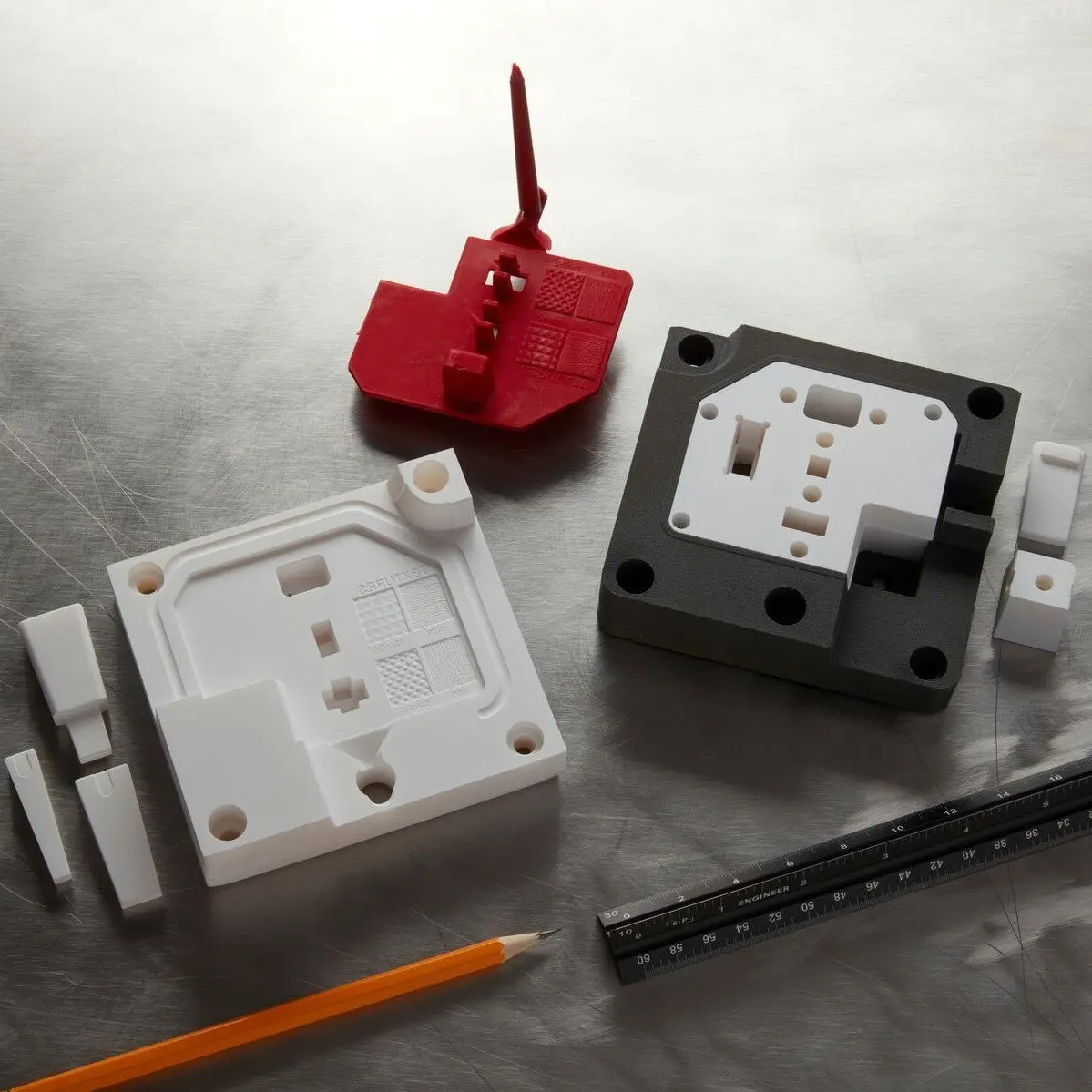
Insert Molding Dies
Insert molding dies engineered for metal-to-plastic hybrid components with tight positional tolerances on embedded pins, terminals or threaded inserts. Cavity positioning held to +/-0.003 mm via Mitsubishi mirror EDM and ZEISS MICURA CMM verification. Designed for automotive sensors, connector bodies and industrial fastening assemblies. DFM support from 10+ mold engineers before first cut.
Get a Quote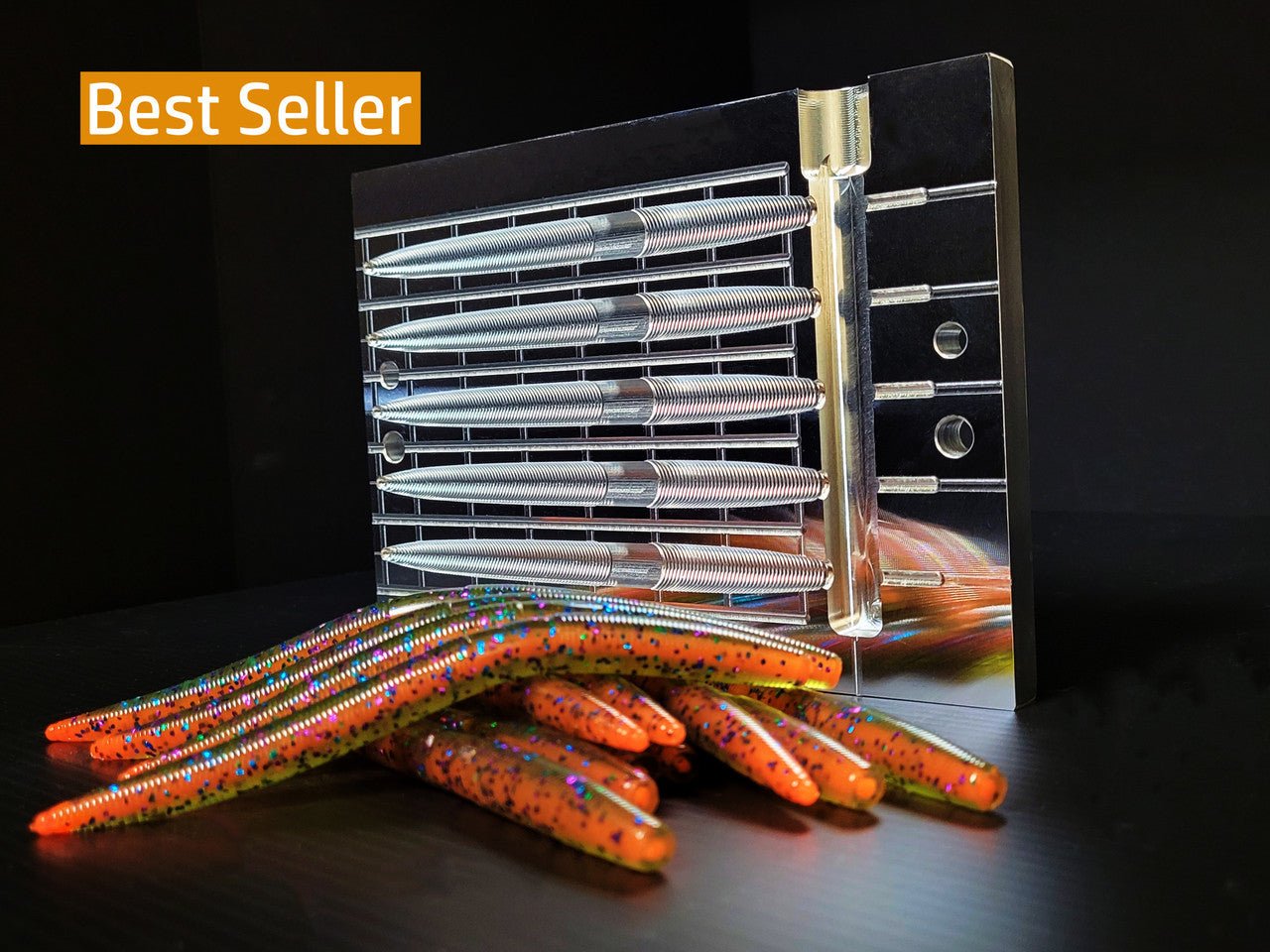
Multi-Shot Mold Cores
Multi-shot mold cores for sequential or co-injection processes, delivering color contrast, soft-touch overlays or functional layering without secondary assembly. Cores ground to Ra 0.1 µm mirror finish on Dawn precision grinders; rotation indexing and shot-to-shot registration validated to +/-0.005 mm. Serves consumer electronics, automotive interiors and medical-device housings.
Get a Quote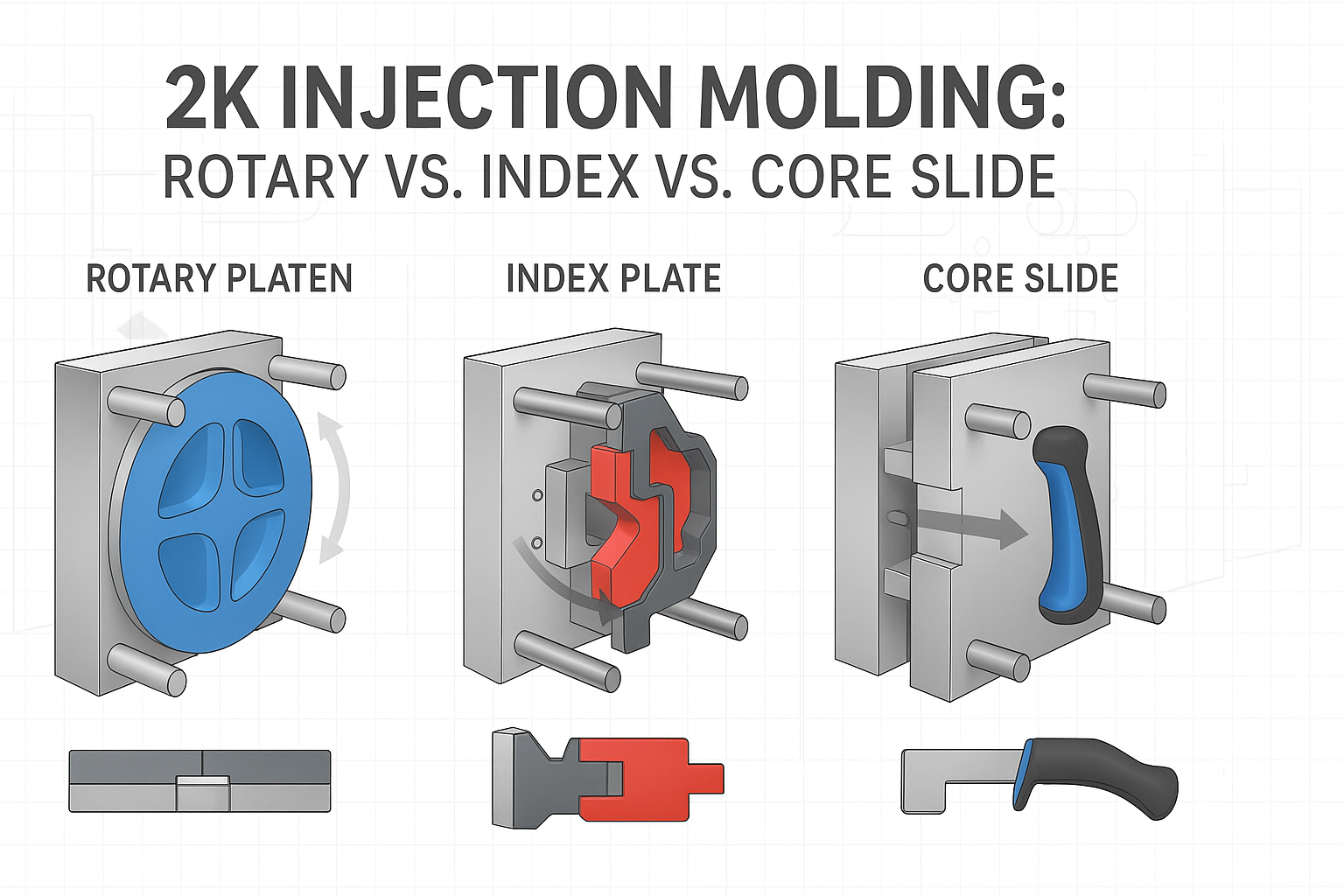
Rotating Platen Molds
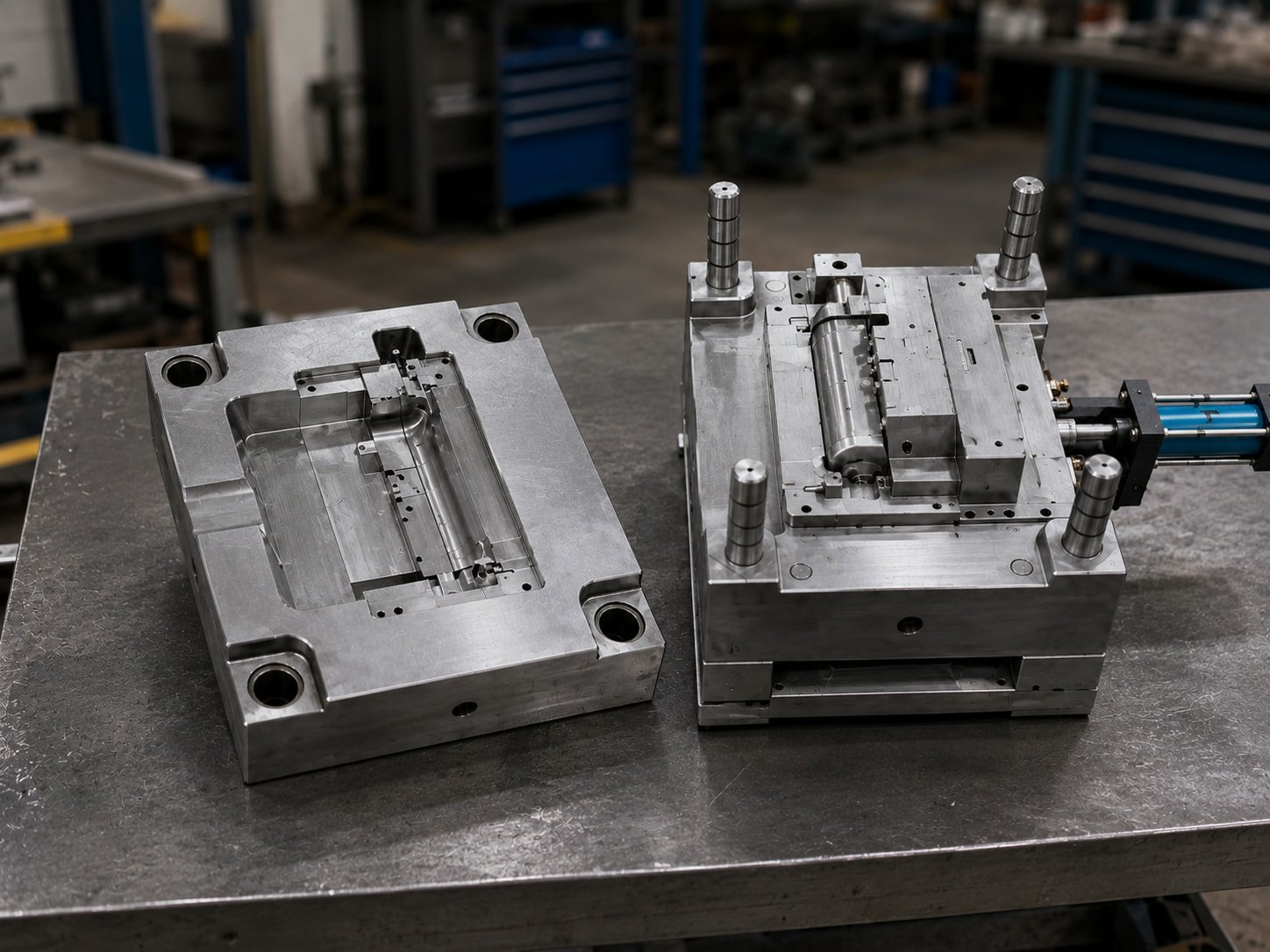
Rotating platen molds for two-shot and overmolding applications requiring 180-degree indexing between stations. Core and cavity inserts machined on Fanuc CNC and Sodick EDM, with mechanical indexing features held to +/-0.002 mm. Designed for high-cycle production of bi-material grips, seals and cosmetic-functional assemblies. Lead time 15–25 days for production tooling.
Get a Quote
Core-Back Mechanisms
Core-back mechanisms for molding undercuts, threads or complex internal geometries without manual disassembly. Slide actuation and locking surfaces machined to +/-0.003 mm; cam angles and ejector timing validated through physical prototyping. Common in automotive lamp housings, connector shells and enclosures with snap-fit features. Full 3D tolerance stack-up analysis provided.
Get a Quote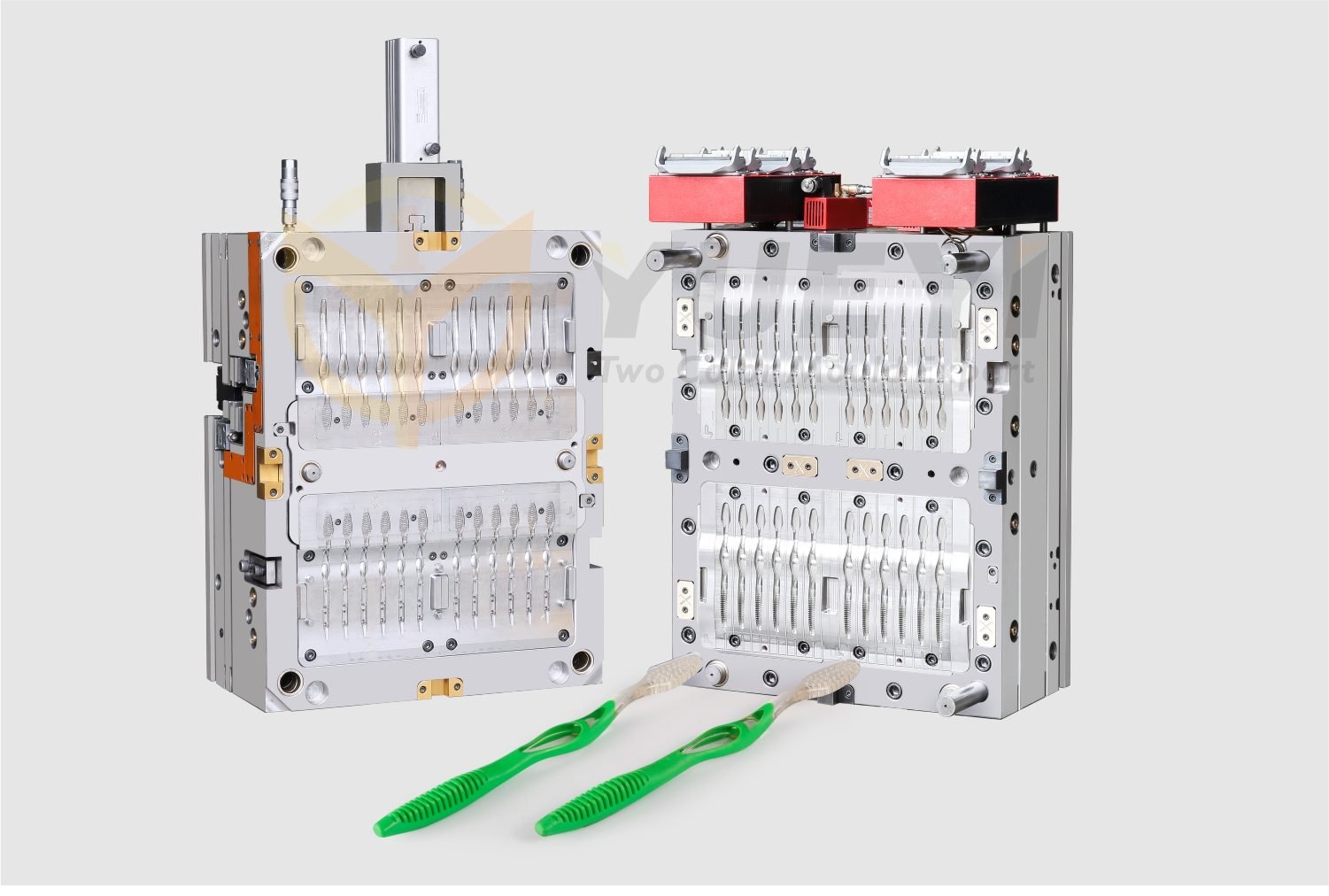
Bi-Material Connector Molds
Bi-material connector molds for 5G, automotive and industrial interconnect systems requiring hard-plastic shells with soft TPE or silicone seals in a single cycle. Terminal pockets positioned to +/-0.002 mm; gate sequencing and material-interface bonding optimized via mold-flow simulation. Supports board-to-board, wire-to-board and sealed circular connectors. ISO 9001:2015 process control throughout.
Get a Quote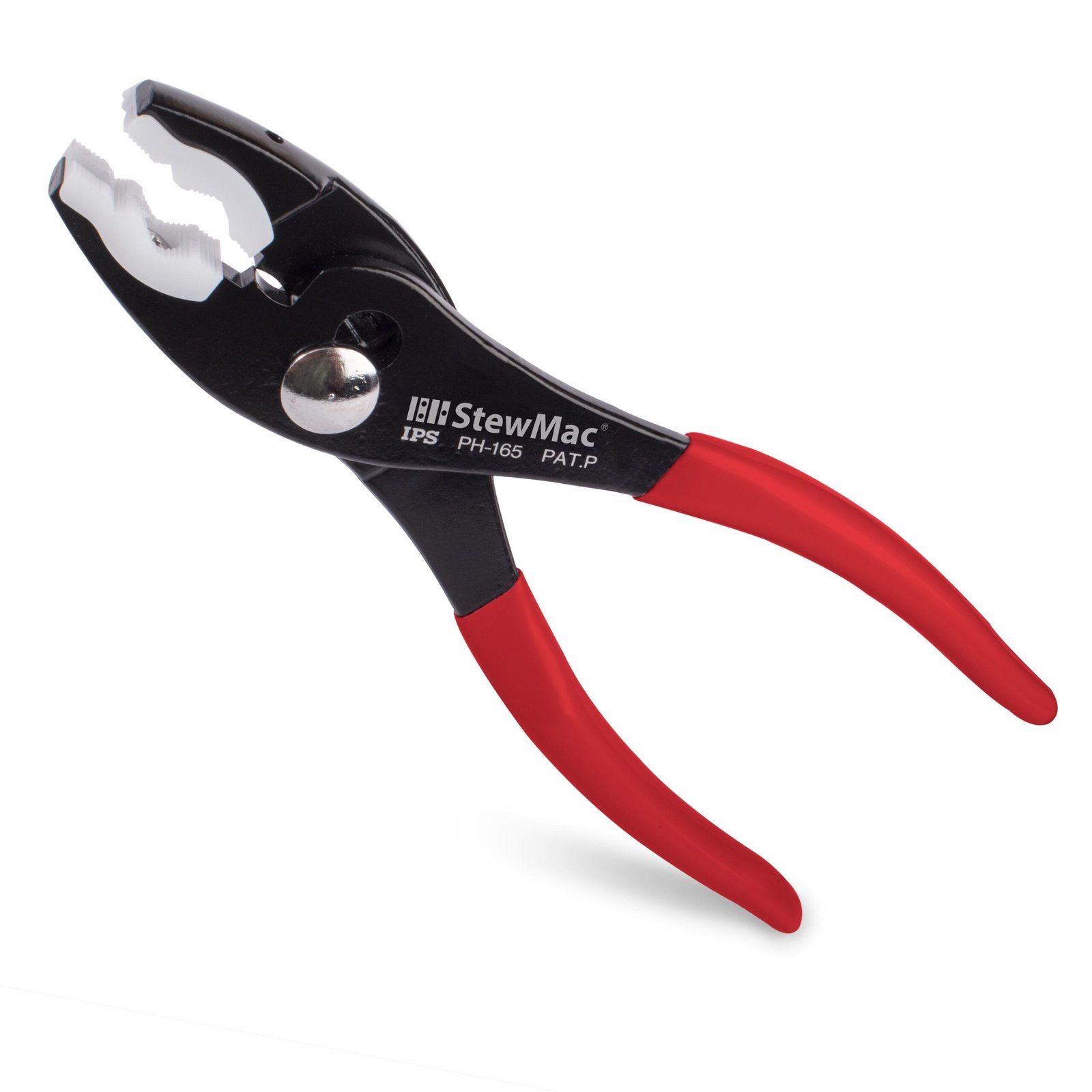
Soft-Touch Grip Tooling
Soft-touch grip tooling for ergonomic handles, control knobs and handheld-device bezels combining rigid substrates with elastomer overlays. Surface finish Ra 0.1 µm on visible A-surfaces; TPE flow paths and venting designed to eliminate air traps and delamination. Machined on Sodick sinker EDM and validated with Nikon toolmaker’s microscopes. Sample delivery in 3–7 days.
Get a Quote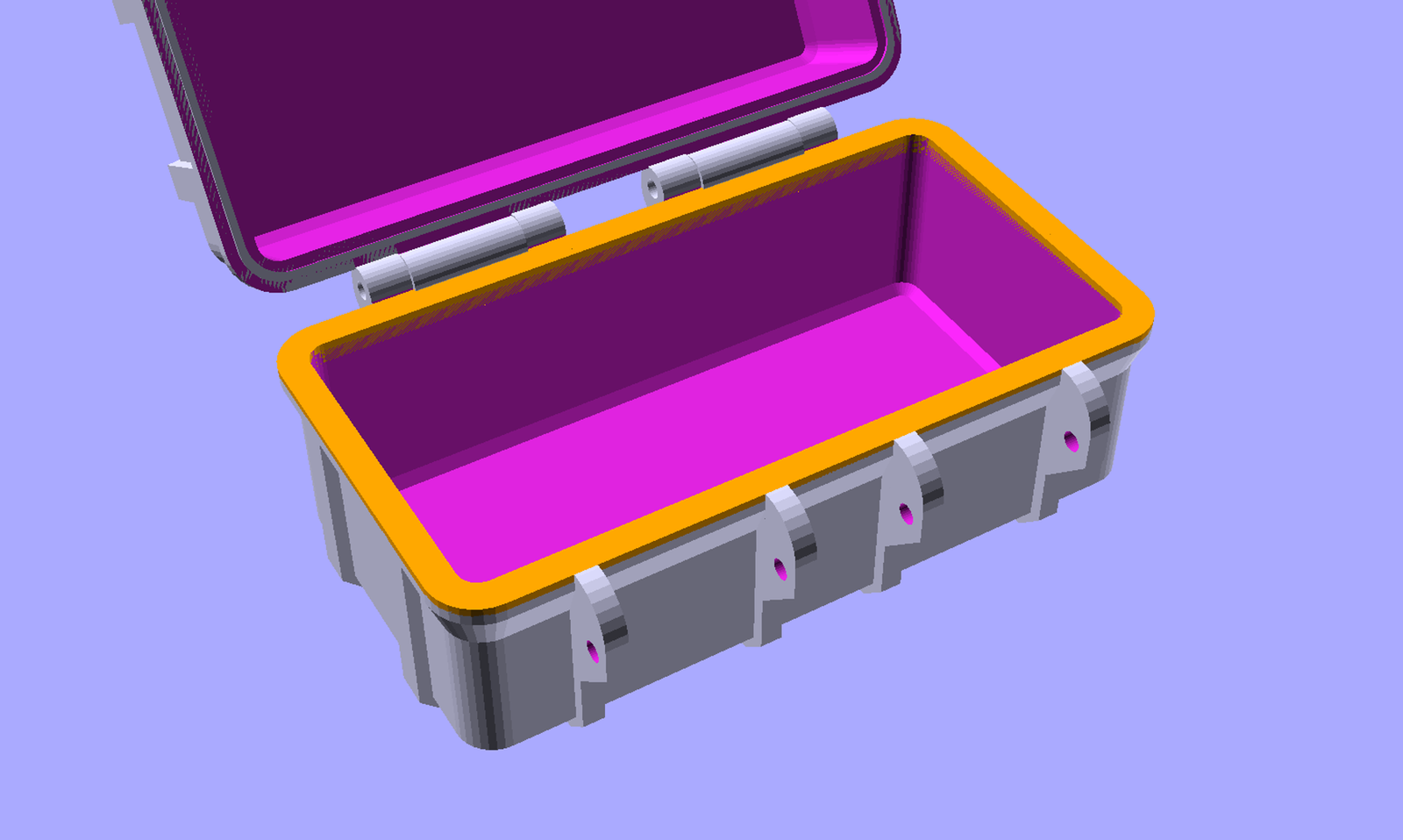
Seal & Gasket Molds
Seal and gasket molds for automotive, industrial and medical applications demanding dimensional stability, compression-set resistance and leak-proof performance. Parting lines held to +/-0.005 mm; cavity surface finish down to Ra 0.2 µm. Materials include silicone, FKM, EPDM and medical-grade LSR. Full material traceability and FAI reports with spectral analysis and shore-hardness certification.
Get a Quote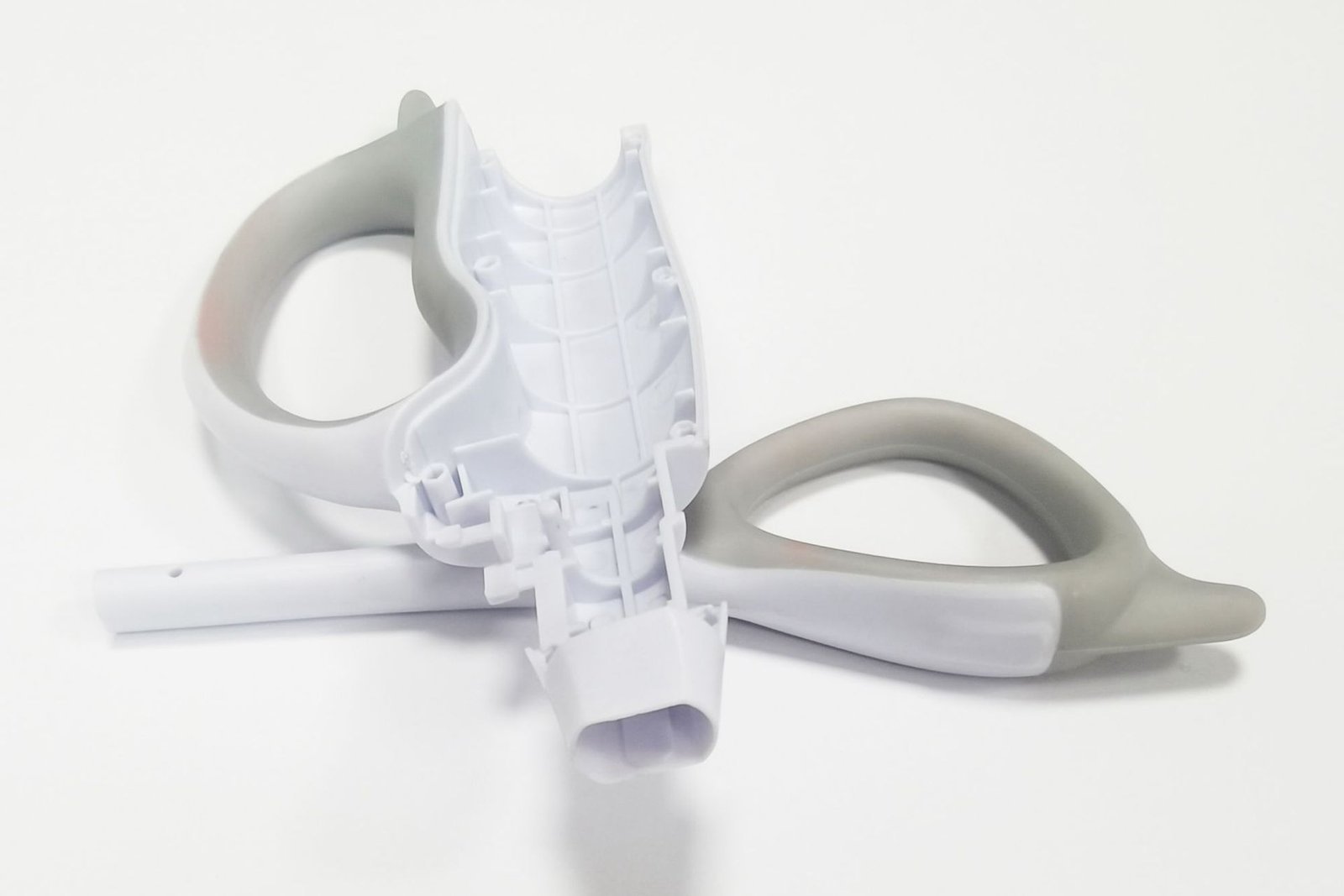
Medical Device Overmolds
Medical device overmolds for syringes, diagnostic instruments and wearable sensors requiring biocompatible materials, Class 7 cleanroom-compatible tooling and full traceability. Core inserts polished to Ra 0.1 µm; dimensional inspection via ZEISS MICURA CMM to 0.7 µm resolution. Compliant with ISO 9001:2015; material certificates and first-article inspection reports provided with every shipment.
Get a QuoteMaterials & Specifications for 2 Component Injection Molding
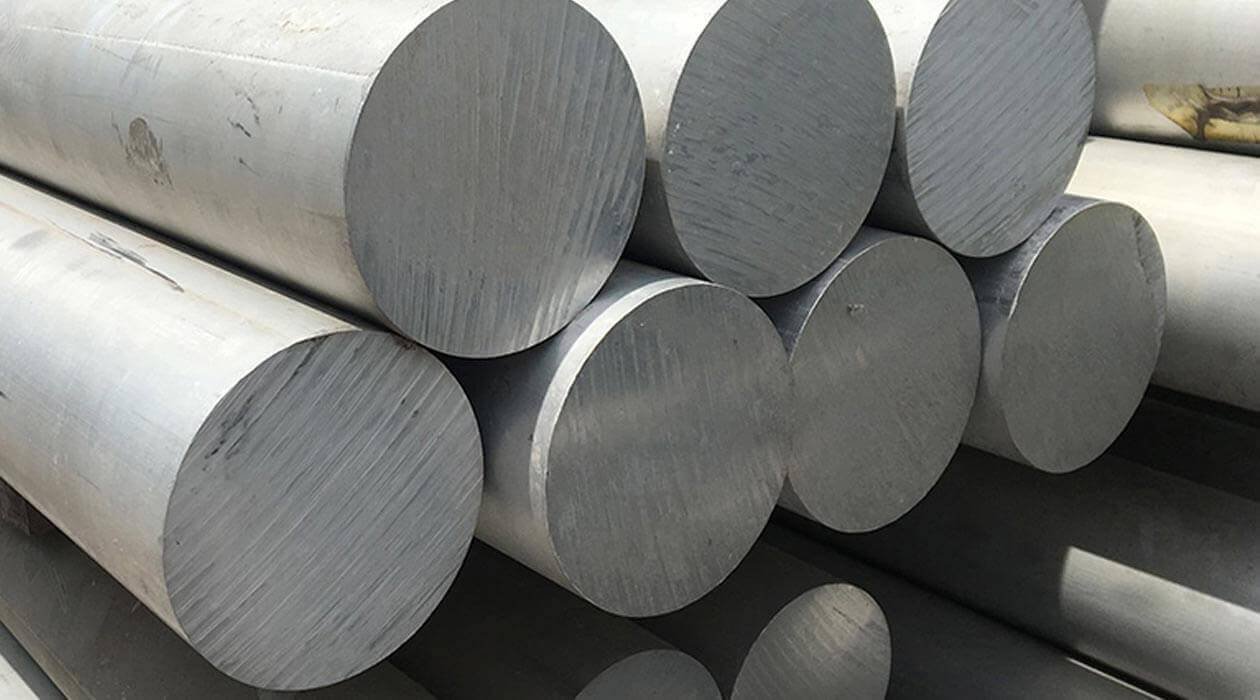
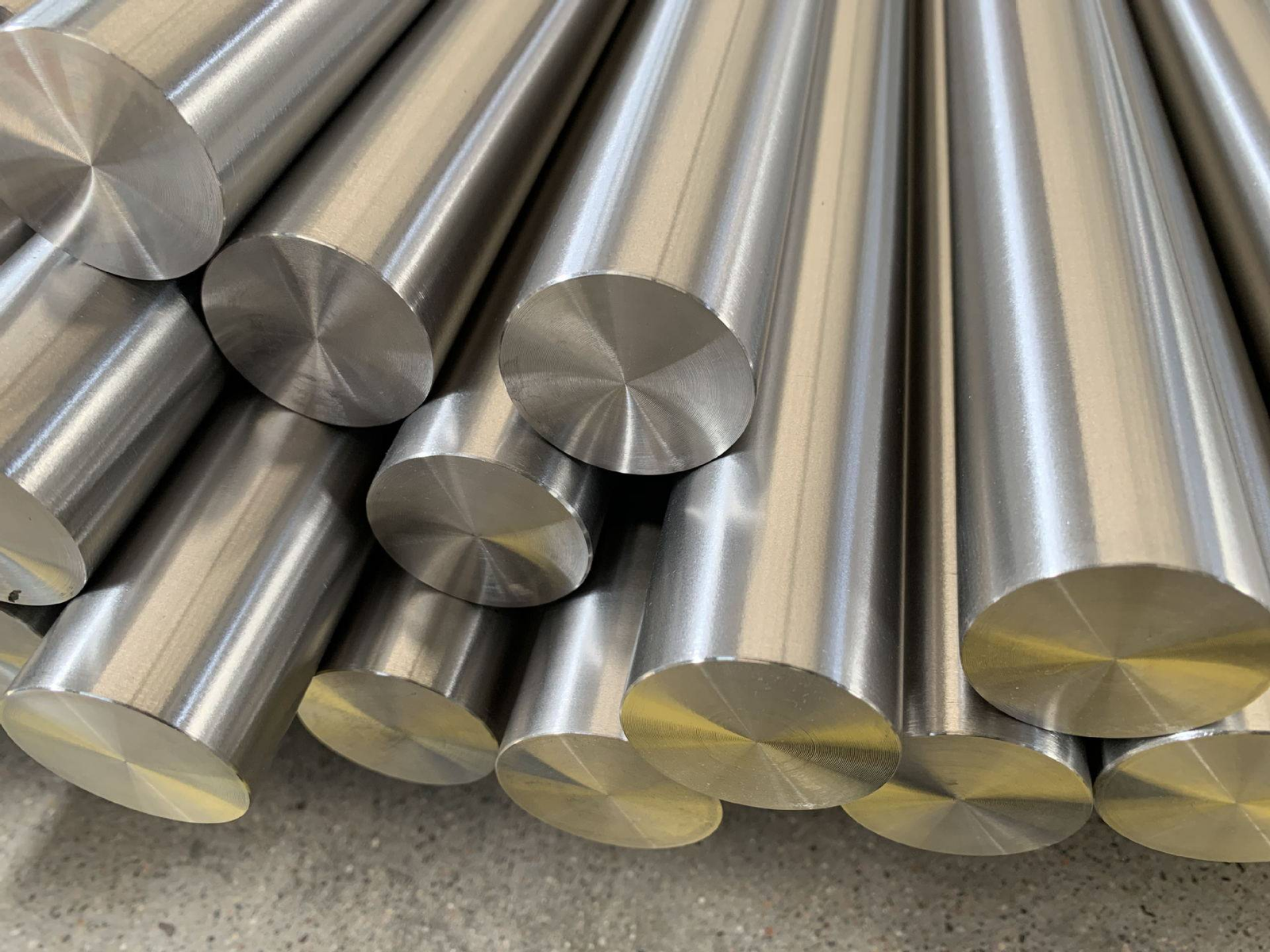
Manufacturing Processes Behind 2 Component Injection Molding Tooling
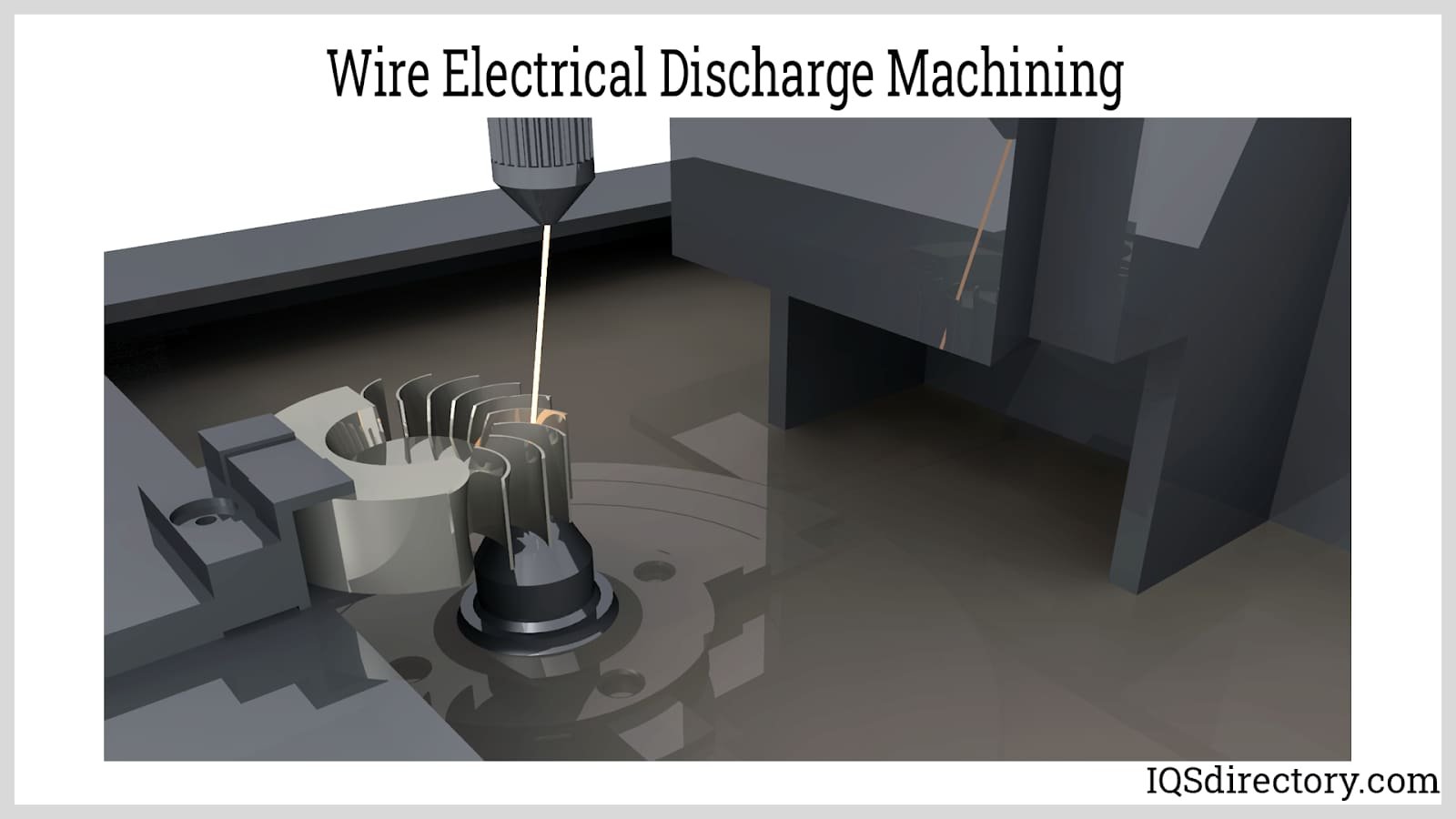
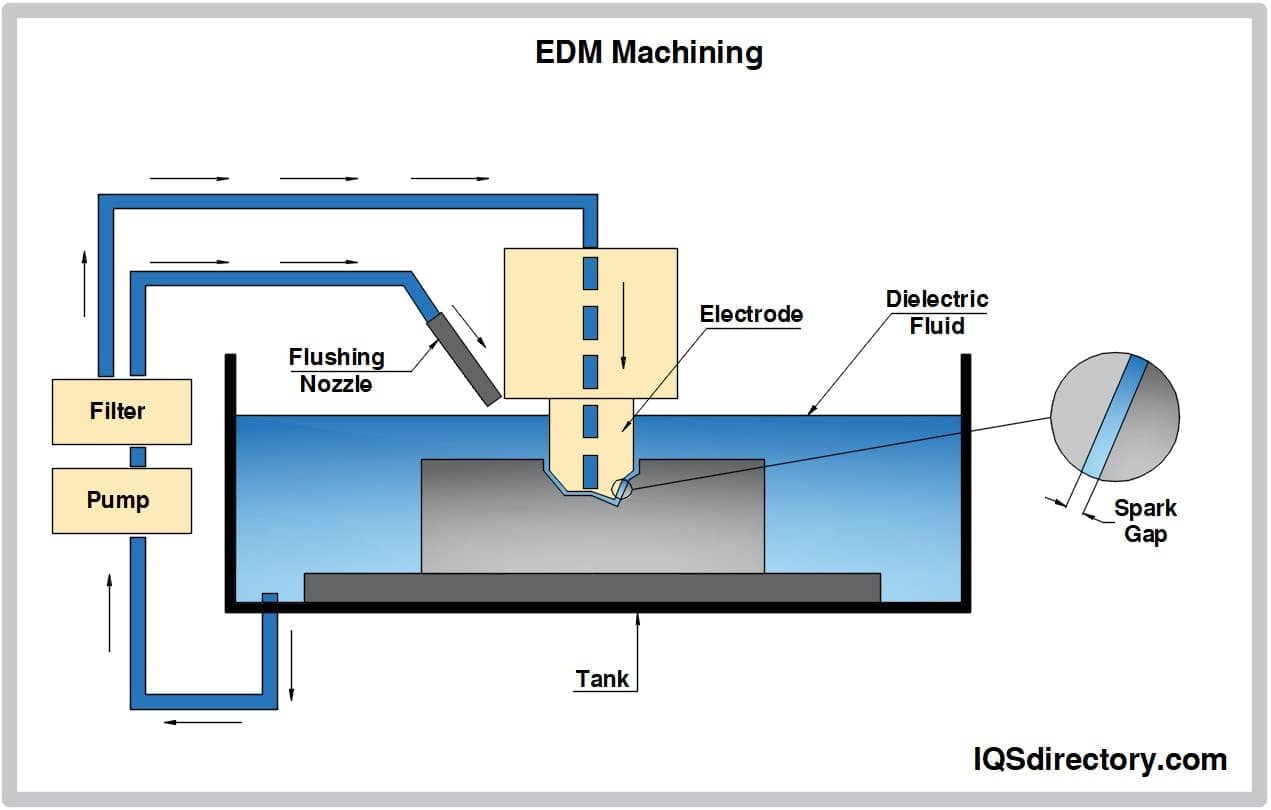
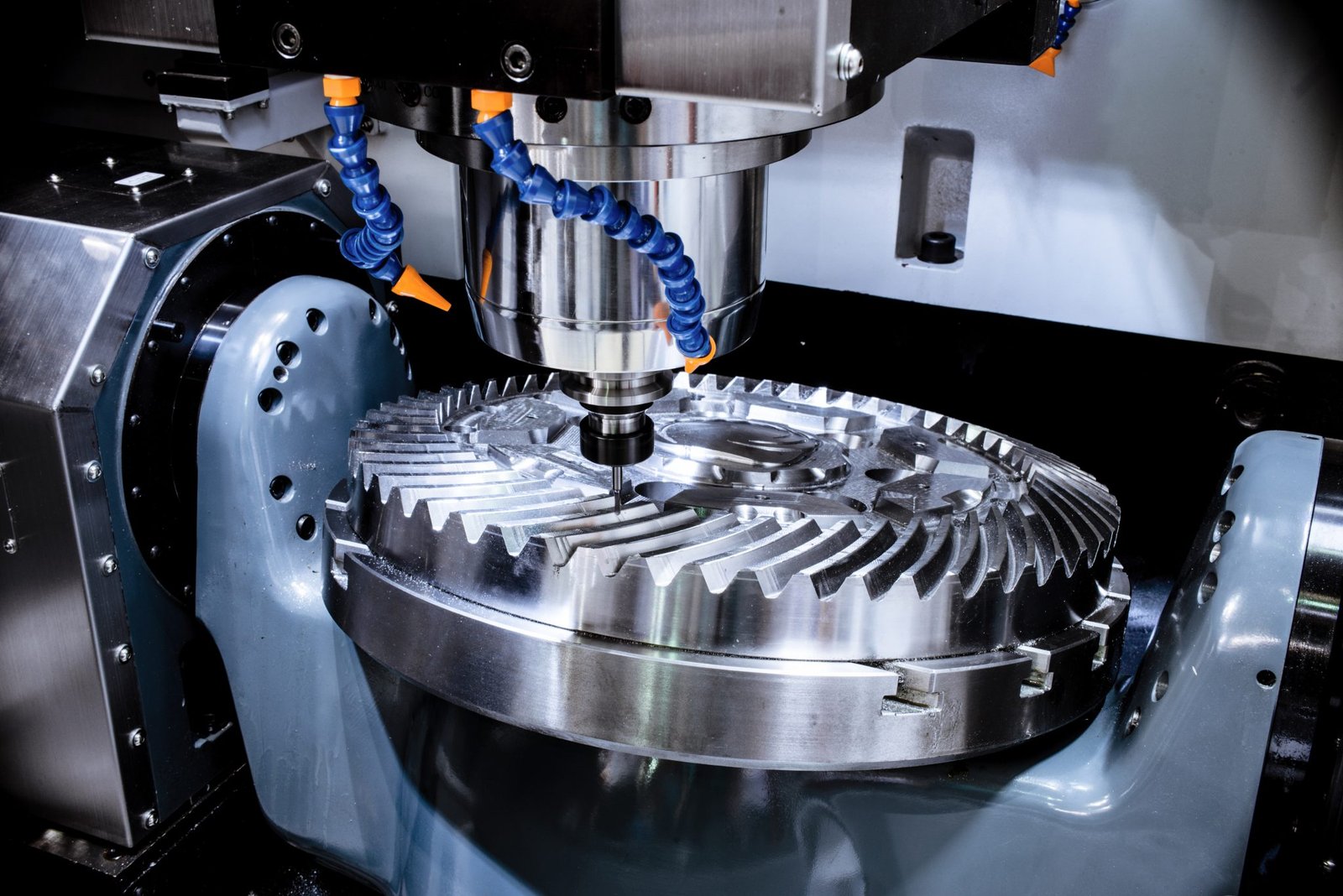
Sinker EDM
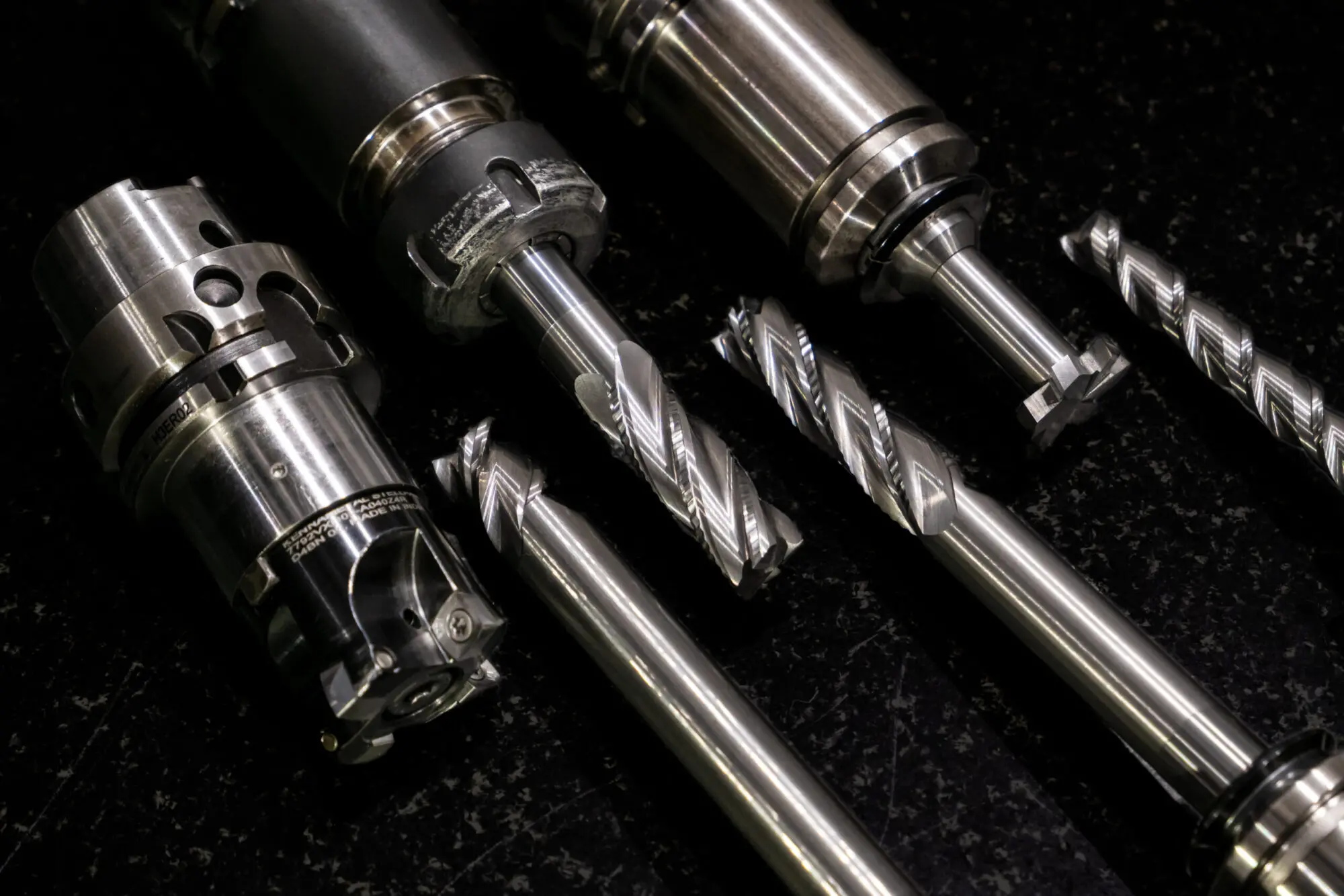
Sodick and Charmilles sinker EDM machines deep ribs, undercuts and conformal cooling channels with +/-0.003 mm accuracy and Ra 0.1 µm mirror finish — critical for overmolding cores where surface defects translate directly to part cosmetics.
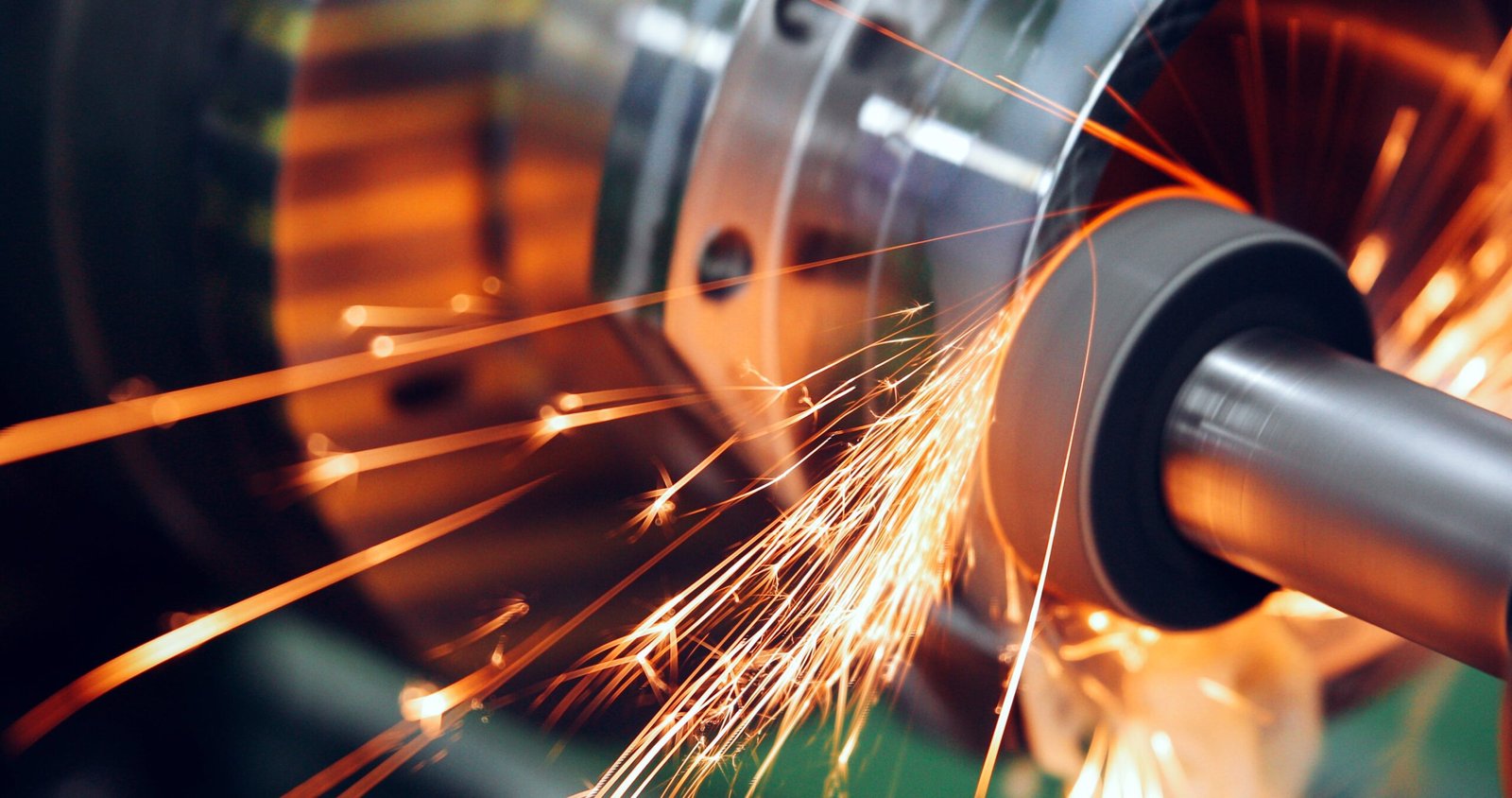
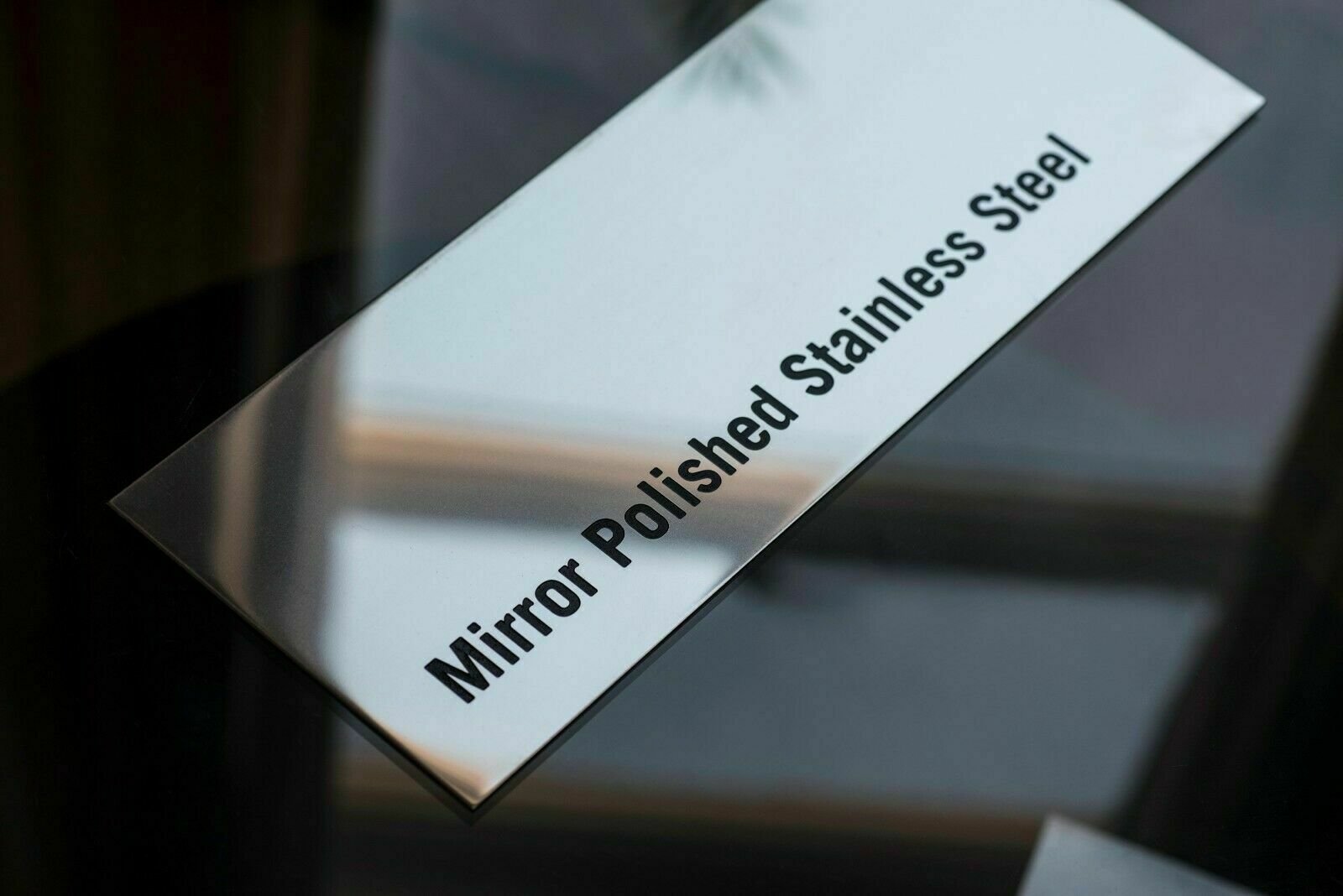
Mirror Finishing
Mitsubishi mirror EDM and hand-lapping workflows achieve Ra 0.1 µm surface finish on optical-grade mold cavities, eliminating post-molding polishing for transparent overmolds, lenses and Class-A automotive interior components with zero texture artifacts.
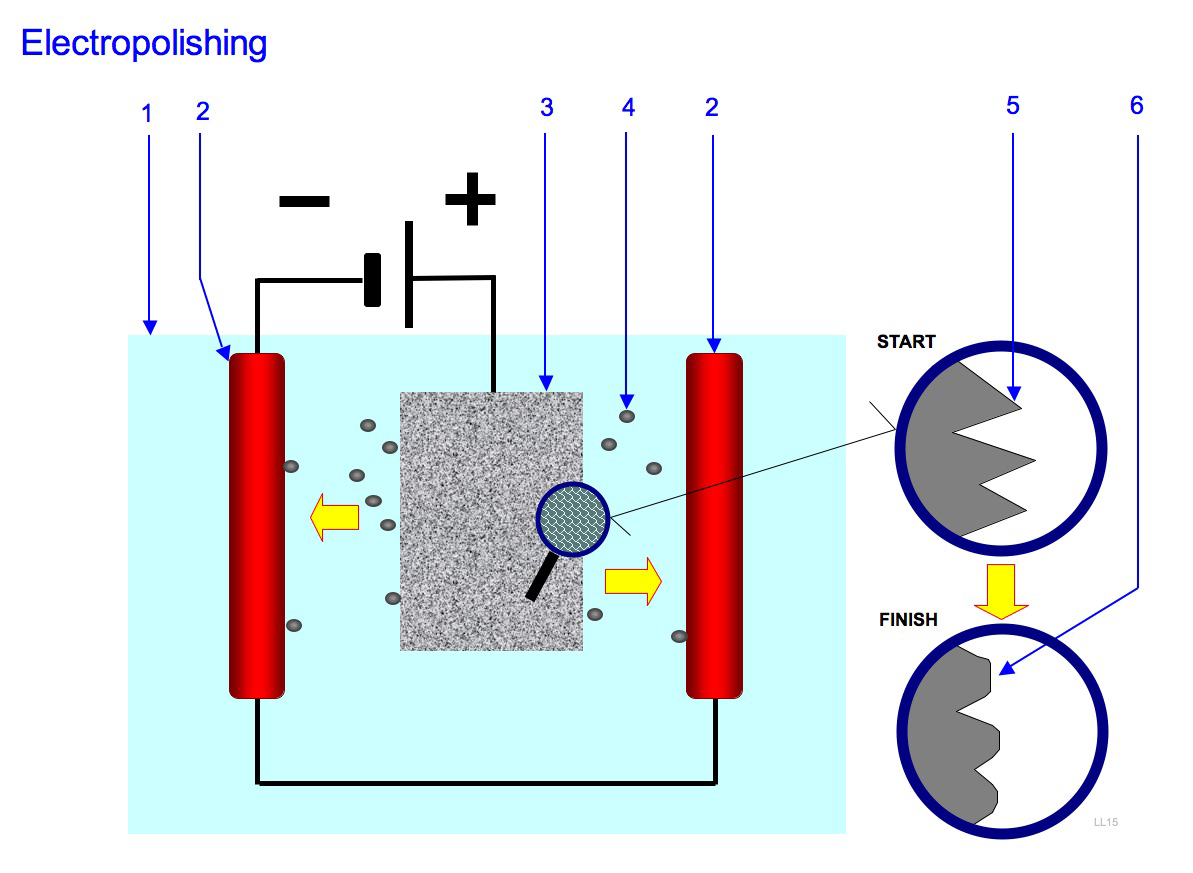
Electropolishing
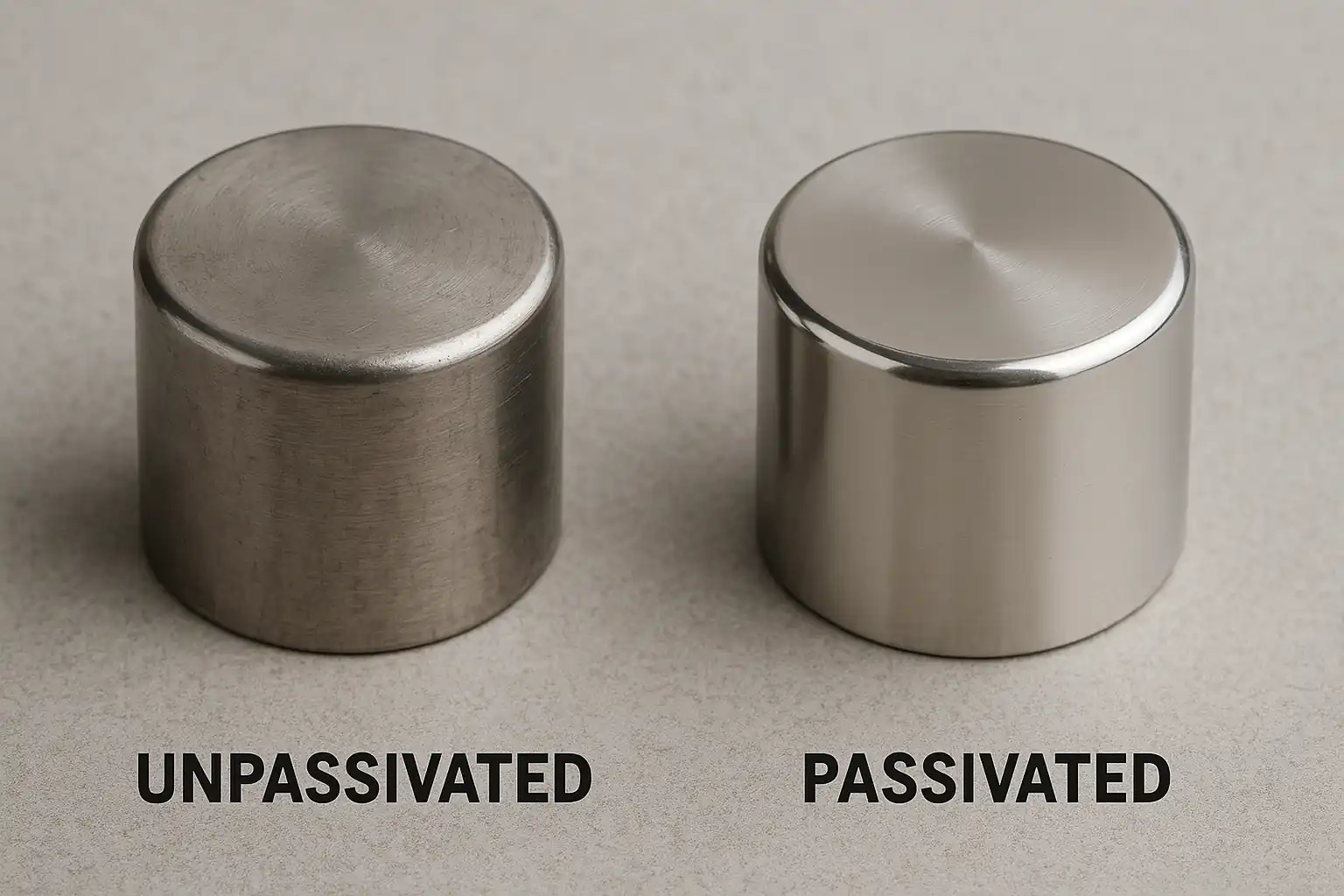
Electrochemical polishing removes sub-micron burrs and improves corrosion resistance on stainless-steel mold inserts for medical and food-contact applications — delivering biocompatible, cleanroom-ready tooling with uniform surface chemistry and extended cycle life.
Secondary Operations & Value-Added Services for 2 Component Injection Molding
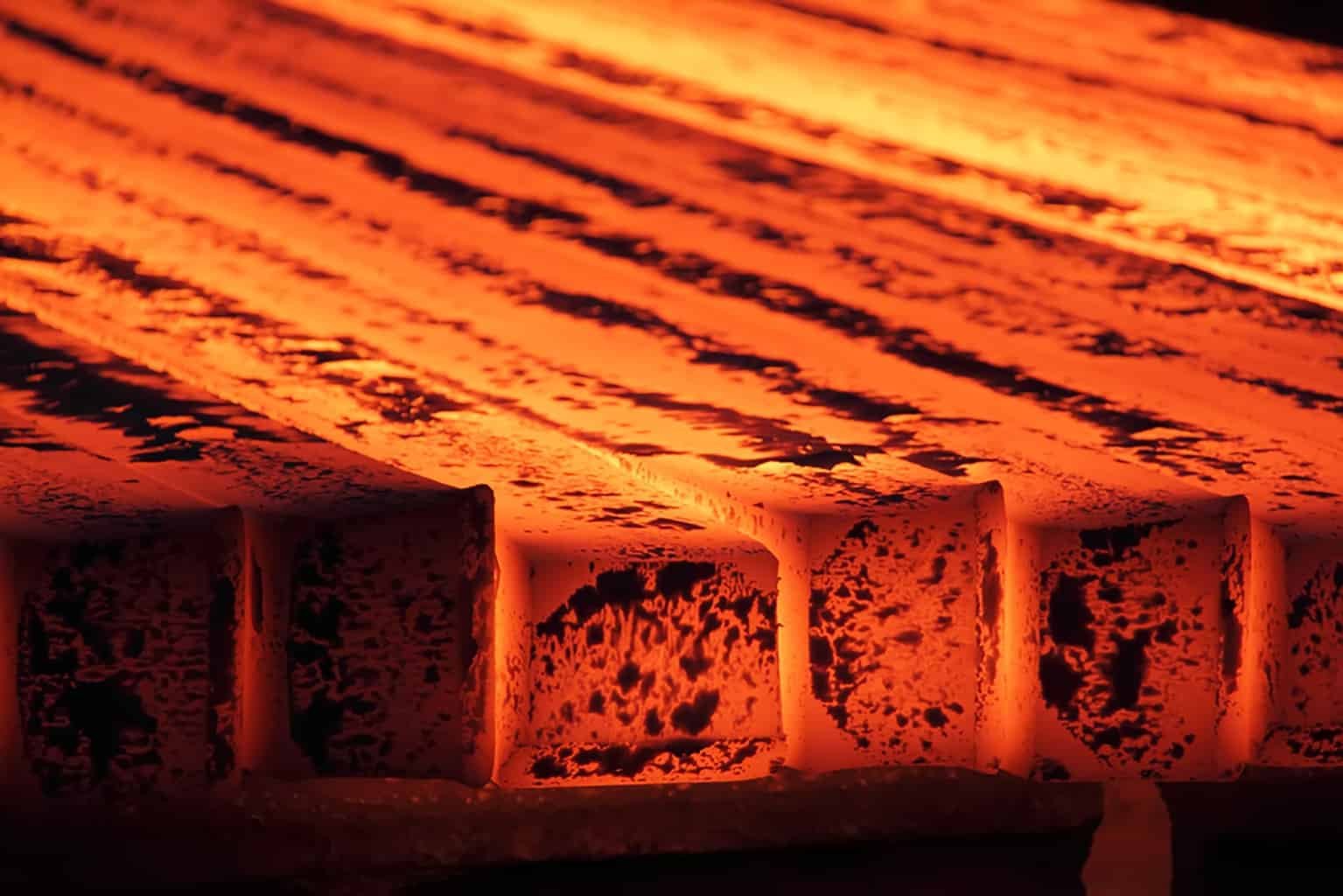
Heat Treatment
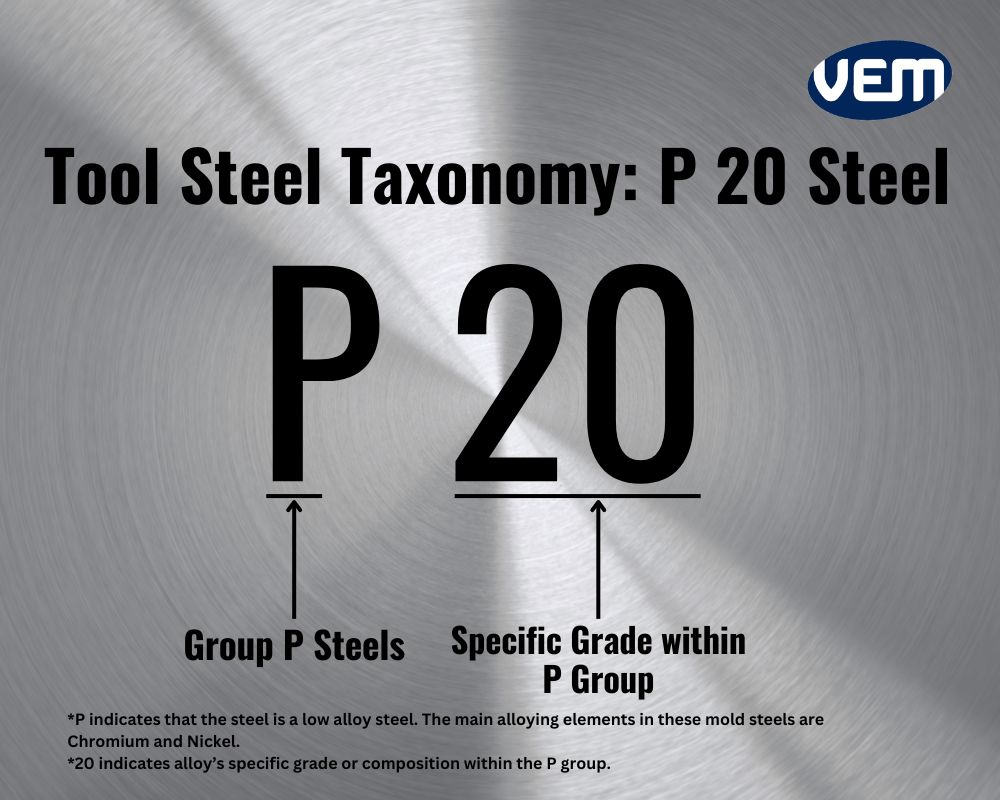
Stress-relief annealing, hardening and tempering for mold steels (P20, H13, NAK80, S136) to optimize dimensional stability, wear resistance and service life in high-cycle 2 component injection molding applications.
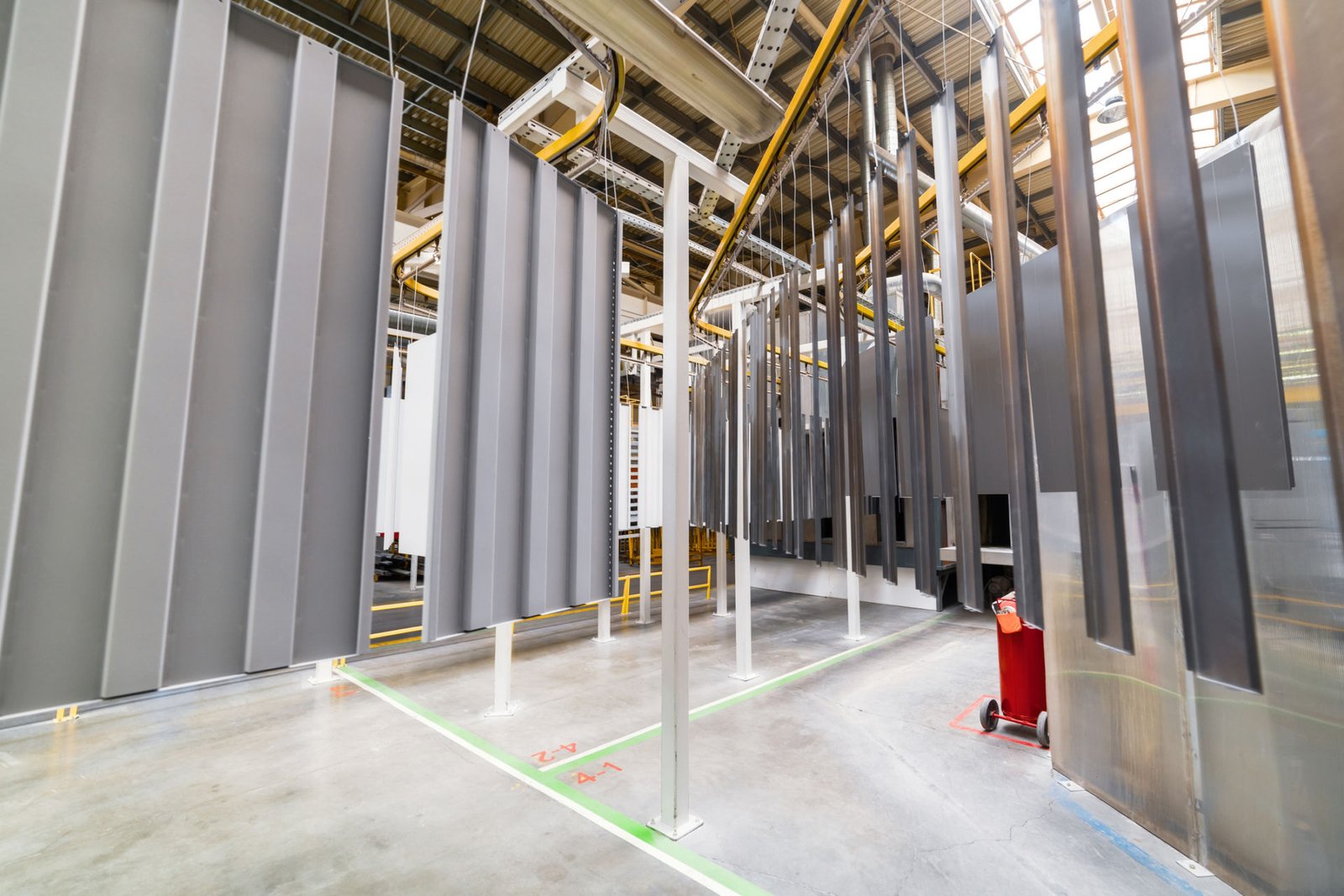
Electroplating & Coating
Hard chrome, nickel, TiN and PVD coatings applied to core and cavity surfaces to enhance release properties, corrosion resistance and surface hardness — critical for overmolding and multi-shot tooling longevity.
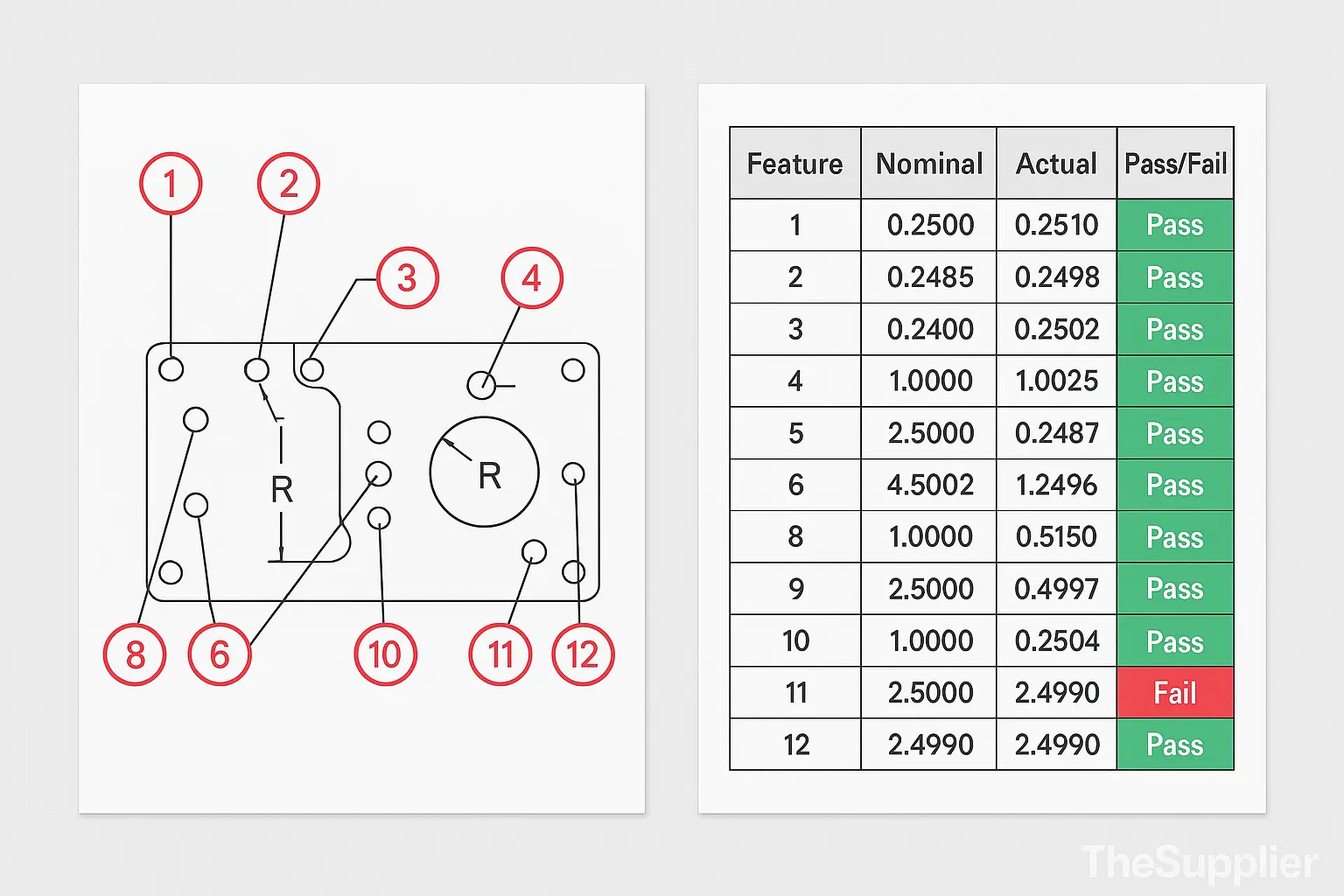
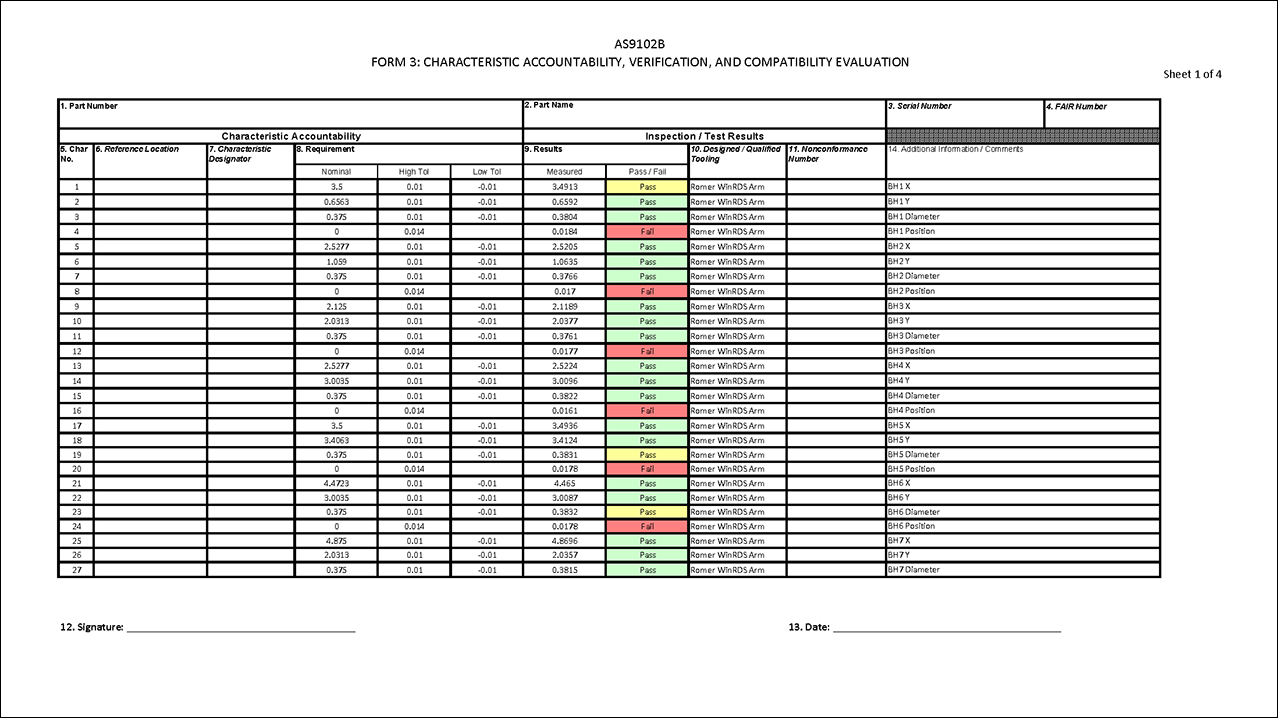
CMM Inspection Reports
Full-dimensional validation on ZEISS MICURA CMM (0.7um accuracy) with color-mapped deviation analysis, GD&T callouts and traceable measurement data — included with every precision mold part and critical-tolerance component shipment.
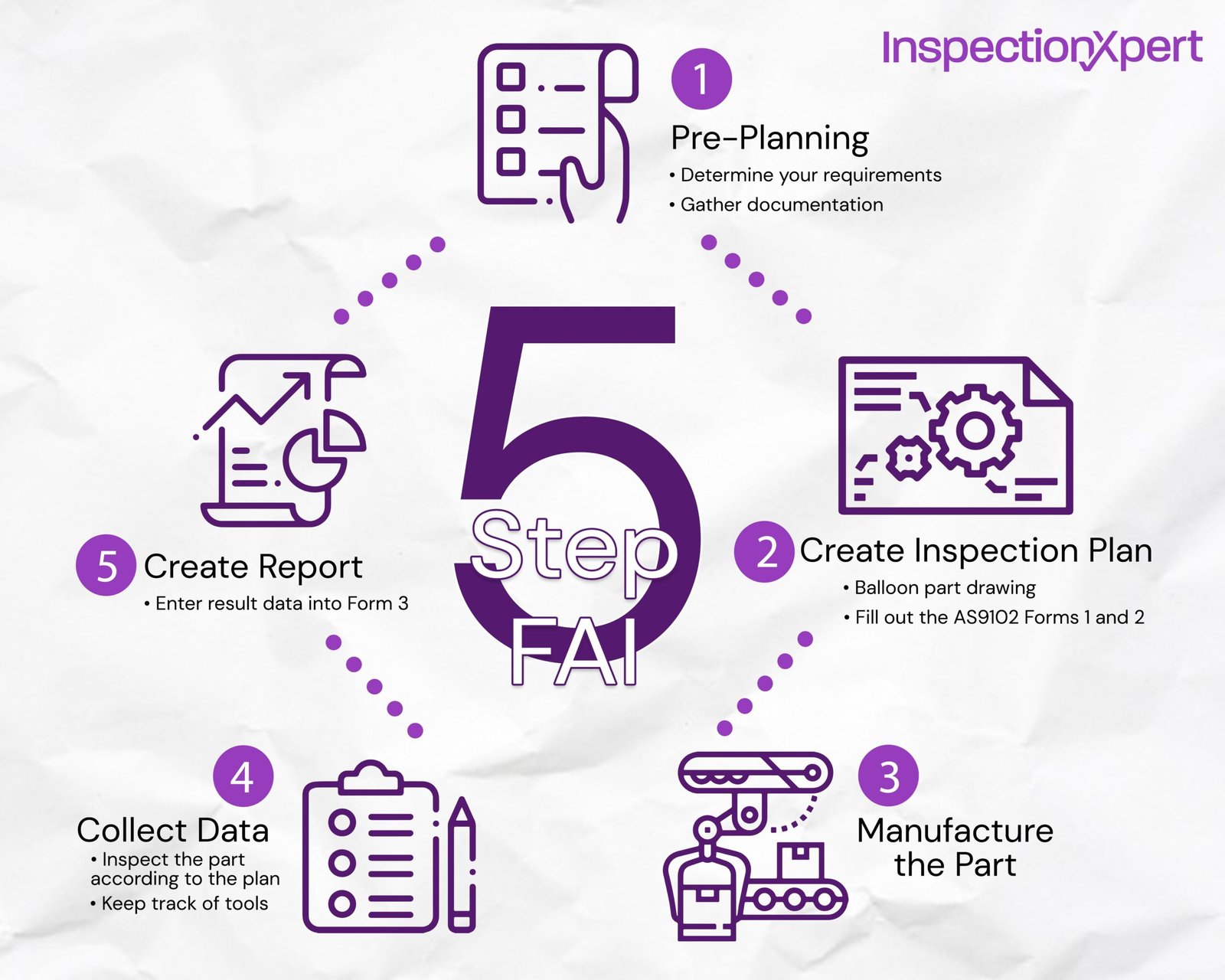
FAI Documentation
First Article Inspection packages with material certificates, dimensional reports, surface-finish readings and photographic evidence — ensuring full compliance for ISO, PPAP and customer-specific quality requirements in 2 component injection molding programs.
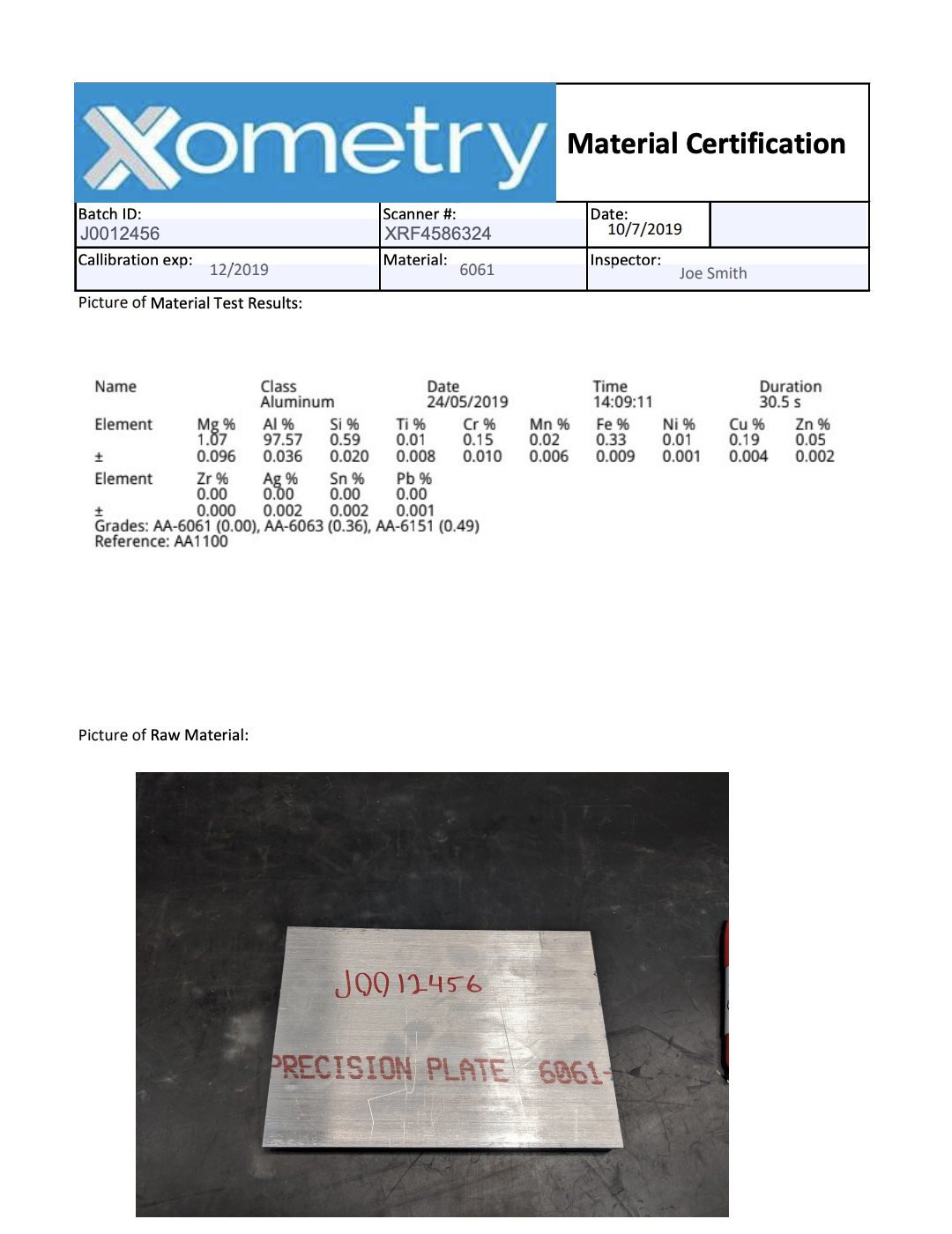
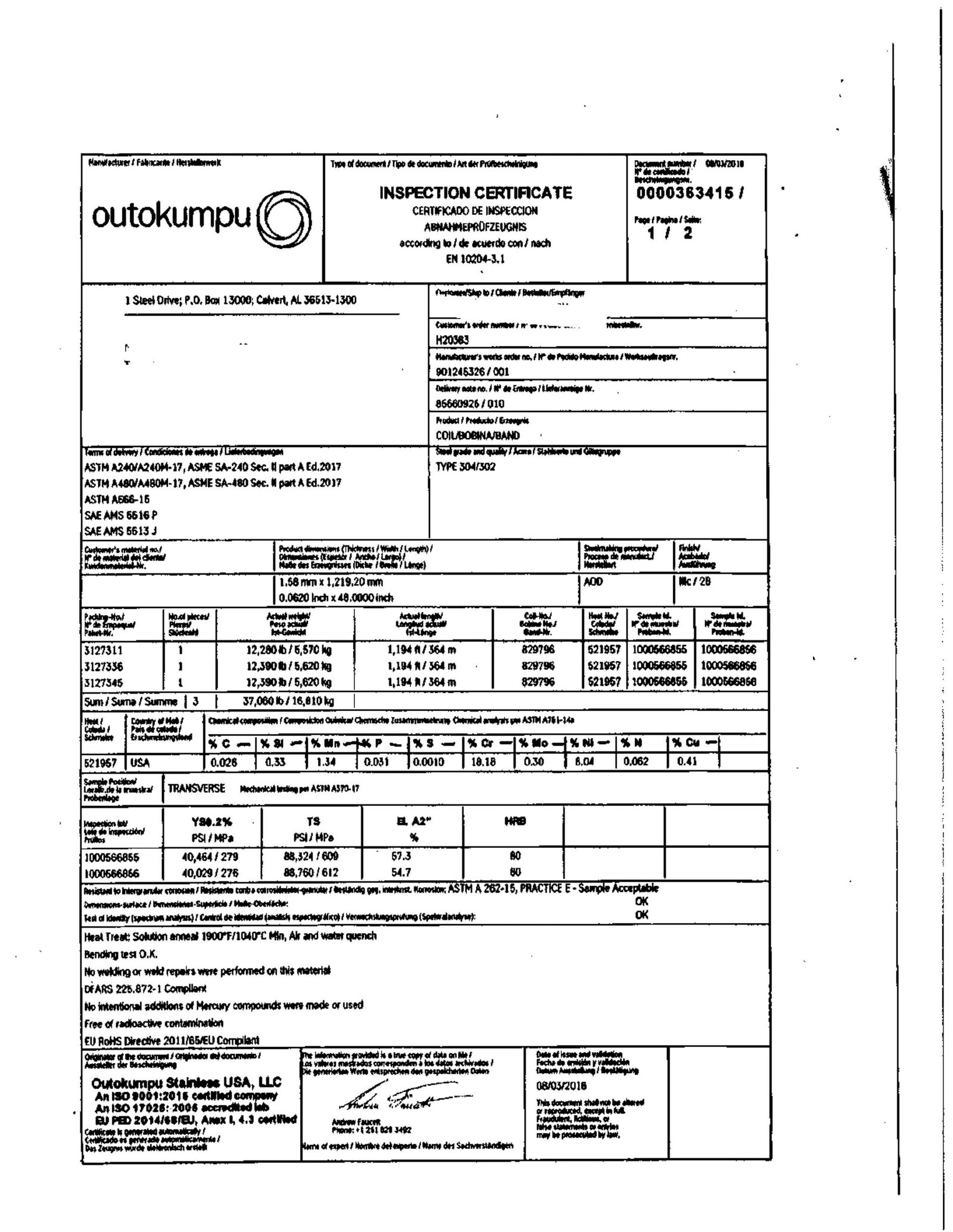
Material Certification
Mill test certificates and spectral analysis reports for every batch of mold steel, aluminum and copper alloy, guaranteeing material traceability, chemical composition verification and compliance with international standards (ASTM, DIN, JIS).
About XUXIANG: 16 Years of 2 Component Injection Molding Precision
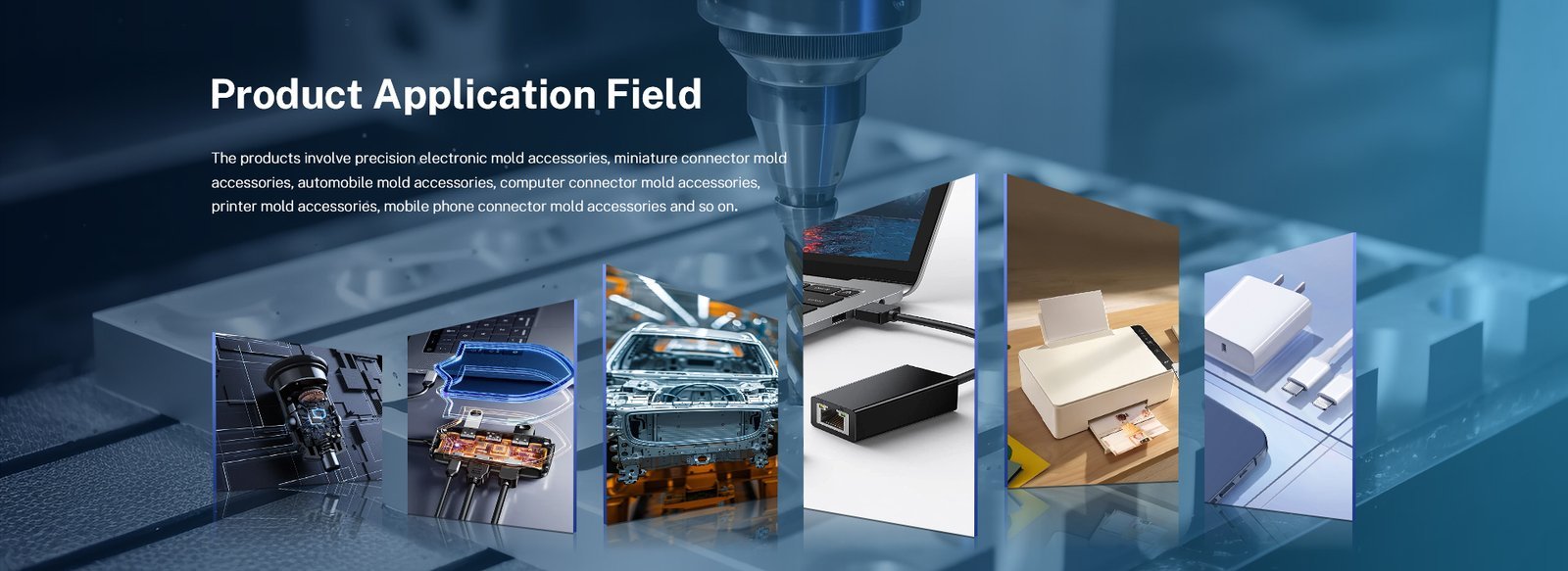
Founded in 2010 in Dongguan’s Chang’an manufacturing hub, XUXIANG has evolved from a specialist mold-core machining shop into a full-service precision manufacturer serving electronics, 5G/telecom, automotive & NEV, industrial automation and medical-device customers worldwide. ISO 9001:2015 certified, we deliver +/-0.001 mm machining accuracy and mirror-grade Ra 0.1um EDM finishes for 2 component injection molding tooling and high-precision mold components.
Our dual-factory setup spans 2,000 m² in Dongguan for R&D and micro-machining, plus 1,400 m² in Quanzhou for volume production — a 2025 expansion that increased annual capacity by over 200%. Equipped with Sodick and Seibu slow-wire EDM, Mitsubishi mirror EDM, Fanuc CNC and a ZEISS MICURA CMM measuring to 0.7um resolution, every project receives DFM support from 10+ engineering experts and full FAI documentation with material certificates.
We solve the two biggest buyer pain points: tolerance failure and delivery delay. With in-process metrology, five-step QC validation and a technology-driven production flow, XUXIANG delivers samples in 3–7 days and mass production in 15–25 days — roughly 30% faster than industry average — while returning quotes within 24 hours. Precision, speed and transparent partnership define every engagement.
Deep Dive: Precision Capabilities in 2 Component Injection Molding
Micron-Stable EDM & CNC for Mold Cores
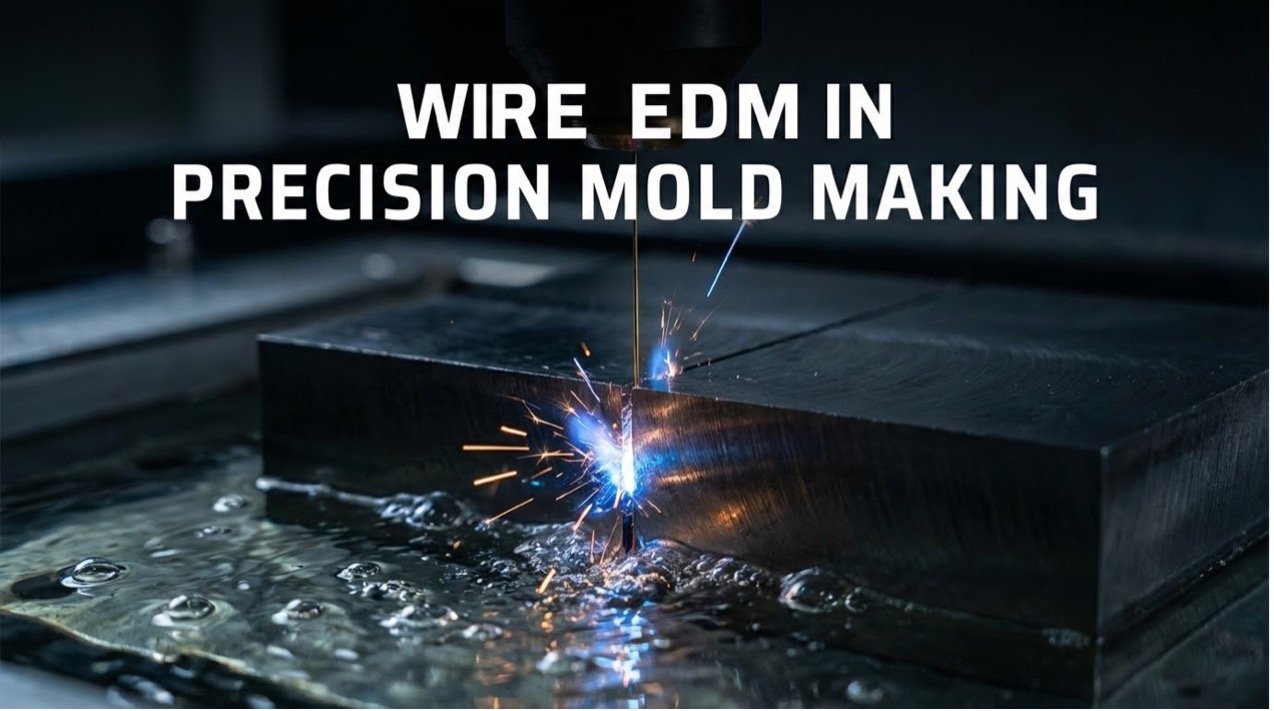
XUXIANG machines 2 component injection molding cores with Sodick slow-wire EDM and Fanuc CNC to +/-0.001 mm, ensuring perfect alignment between hard and soft material interfaces. Mirror-grade Ra 0.1um finishes eliminate flash and parting-line defects.
- +/-0.001 mm machining tolerance on core inserts and cavities
- Sodick & Seibu slow-wire EDM for complex contour work with +/-0.002 mm positioning
- Mirror EDM surface finish down to Ra 0.1um for aesthetic overmolding
- ZEISS MICURA CMM validation (0.7um resolution) with full FAI documentation
Micro-Connector Tooling for 5G & Telecom
Purpose-built tooling for board-to-board, FPC, RF and high-density terminal connectors where 2 component injection molding delivers insulation plus conductivity. Thin-wall micro-pins, sockets and terminal cavities held to +/-0.003 mm EDM accuracy.
- High-density connector molds with corner radii down to R ≤ 0.015 mm
- Dual-shot inserts for signal integrity and mechanical retention
- DFM review by 10+ engineers to optimize gate placement and material flow
- 3–7 day sampling with material certificates and dimensional reports
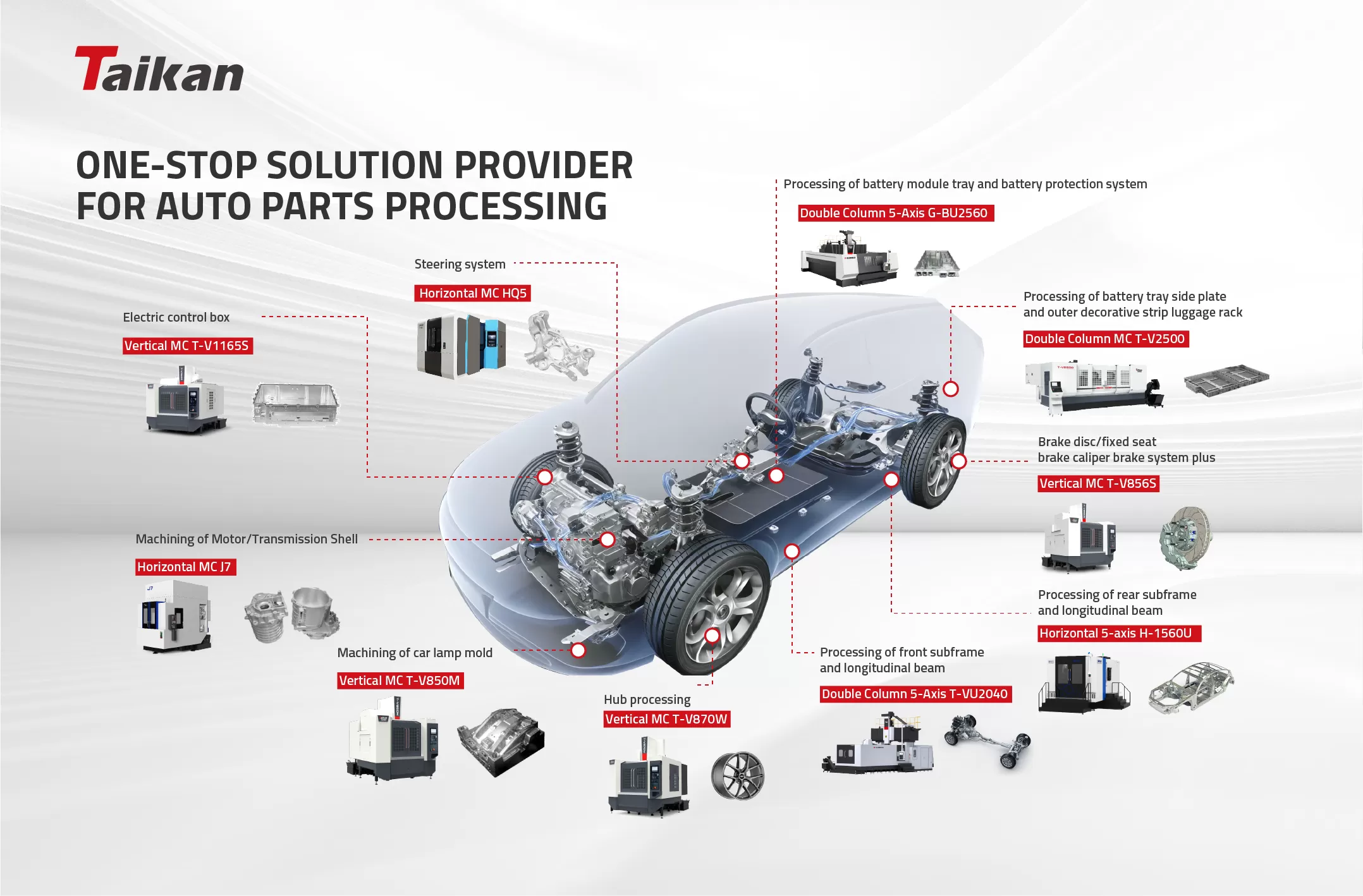
Automotive & NEV Precision Hardware
2 component injection molding tooling for ADAS sensor housings, BMS/HV interconnects and interior functional inserts. XUXIANG combines CNC, EDM and precision grinding to meet automotive-grade sealing, vibration and temperature cycling requirements.
- ADAS and powertrain sensor housing cores with conformal cooling channels
- BMS/HV interconnect tooling for high-voltage battery management systems
- ISO 9001:2015 quality system with spectral material analysis and in-process monitoring
- 15–25 day mass-production lead times, roughly 30% faster than industry average
Industrial Automation & Robotics Accessories
End effectors, grippers, high-tolerance jigs and fixtures for pick-and-place, assembly and inspection systems. 2 component injection molding delivers wear-resistant contact surfaces with lightweight structural bodies, machined to +/-0.001 mm for repeatability.
- Gripper inserts and end-effector components with dual-durometer overmolding
- High-tolerance jigs and fixtures for automated assembly lines
- Nikon toolmaker's microscopes (V-12B / MM-400 class) for micro-feature inspection
- Dual-factory capacity: Dongguan R&D + Quanzhou volume production (+200% since 2025)

XUXIANG vs. Standard Mold Shops: Why 2 Component Injection Molding Demands Precision & Speed
When your 2 component injection molding project requires micron-stable tolerances, mirror-finish EDM and zero delivery delays, the choice of mold-component supplier determines success or costly rework. Here’s how XUXIANG compares to typical alternatives.
← 左右滑动查看 →
Our 2 Component Injection Molding Production Flow
Six quality-gate phases that transform your CAD design into micron-stable, multi-material mold cores — from DFM engineering review to validated FAI documentation, all backed by ZEISS metrology and ISO 9001:2015 process control.
Design Review & DFM
10+ engineering experts analyze your 2 component injection molding design, flagging material-interface challenges, draft angles, gate placement and tolerance feasibility before machining begins.
Mold Core Machining & EDM
Sodick slow-wire EDM and Fanuc CNC machines cut dual-shot cavities to +/-0.001 mm, with mirror-grade Ra 0.1 μm finishes on bonding surfaces for secure material adhesion.
In-Process Tolerance Monitoring
Real-time dimensional checks at every machining stage ensure critical features—rotating cores, indexing plates and seal grooves—remain within +/-0.002 mm class positioning limits.
ZEISS & Nikon CMM Verification
ZEISS MICURA CMM measures to 0.7 μm resolution; Nikon toolmaker’s microscopes verify micro-pin clearances, parting-line alignment and shot-to-shot registration on finished cores.
FAI & Material Certification
Full first-article inspection report documents every critical dimension, surface finish and material spectral analysis result, shipped with traceable material certificates for audit compliance.
Packing & Express Shipping
Precision-cleaned cores are sealed in anti-corrosion packaging with foam supports; express logistics deliver samples in 3–7 days, production tooling in 15–25 days worldwide.
How 2 Component Injection Molding Projects Work With XUXIANG
From CAD submission to FAI-documented delivery, every precision tooling project follows a proven five-step process designed for speed, clarity and zero surprises.
Submit Your CAD & Tech Pack
Upload 3D models, drawings and material specs via email or inquiry form. Our engineering team reviews within hours to confirm scope and feasibility.
Receive DFM Feedback & 24-Hour Quote
Get actionable DFM recommendations from 10+ mold experts, plus a detailed quote covering tooling, lead time, tolerances and material certificates — all within 24 hours.
Approve Sample Plan & Tooling
Review the production plan, confirm tolerances and sign off on tooling design. We lock in schedules, assign machines and prepare electrode or fixture programs.
Sample Production in 3–7 Days
First articles are machined on Sodick EDM and Fanuc CNC, inspected via ZEISS MICURA CMM and shipped with dimensional reports for your validation.
Mass Production & FAI Delivery
Approved parts enter volume production across dual factories. Every shipment includes full FAI documentation, material certificates and traceability — typically 15–25 days from PO.
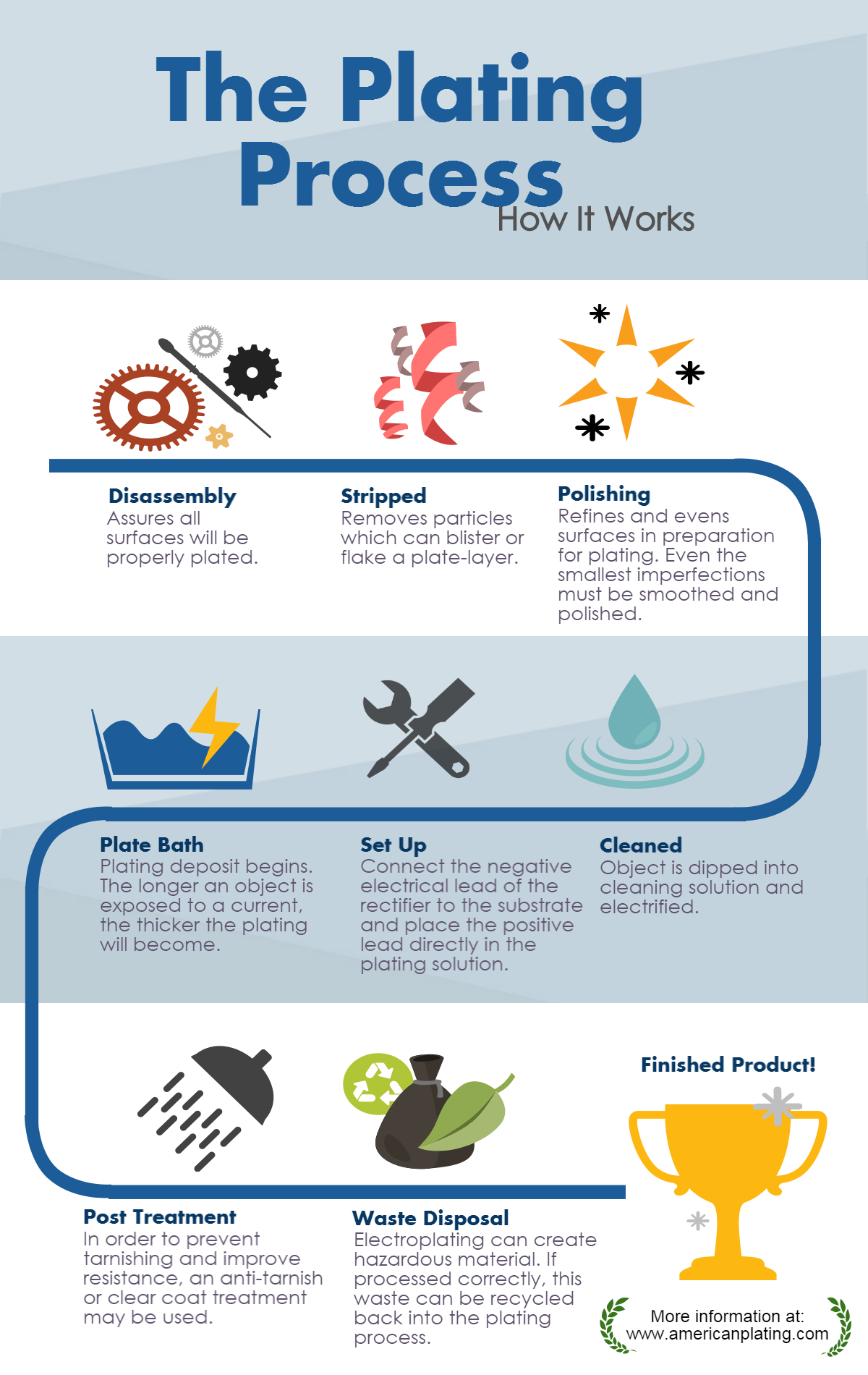
Certifications & Quality Standards for 2 Component Injection Molding


Customer Success Stories: 2 Component Injection Molding Precision Delivered
XUXIANG’s 2 component injection molding cores reduced our tolerance failures by 92% on a 5G micro-connector program. The +/-0.001 mm precision and ZEISS validation gave us confidence to scale from prototype to 50K units per month.
We needed automotive-grade overmolded sensor housings in three weeks. XUXIANG delivered complete tooling in 18 days with full FAI documentation and Ra 0.2 µm surface finish—our NEV production launched on schedule without a single rework cycle.
The DFM feedback from their engineering team caught a critical gate-position issue before tooling. Their mirror EDM inserts for our dual-material medical connector achieved 100% first-article approval and zero rework across six production batches.
FAQ: 2 Component Injection Molding, Sampling & Tooling
What is the minimum order quantity for 2 component injection molding tooling components?
How quickly can I receive samples for 2 component injection molding mold parts?
Do you charge for sampling, and is the cost refundable?
What payment terms does XUXIANG offer for 2 component injection molding projects?
How do you handle international shipping and logistics for precision mold components?
How is my intellectual property protected when I share CAD files and tooling designs?
What happens if I need design revisions after the first sample?
Can you guarantee +/-0.001 mm tolerance on every feature of a 2 component injection molding mold?
Which EDM and CNC equipment do you use for 2 component injection molding tooling?
The Complete Buyer’s Guide to 2 Component Injection Molding for Precision Manufacturing
Navigate supplier selection, material choices, and quality benchmarks with confidence. This guide delivers a proven decision framework, critical evaluation criteria, and the most common procurement mistakes to avoid when sourcing 2 component injection molding.
1. What Is 2 Component Injection Molding?
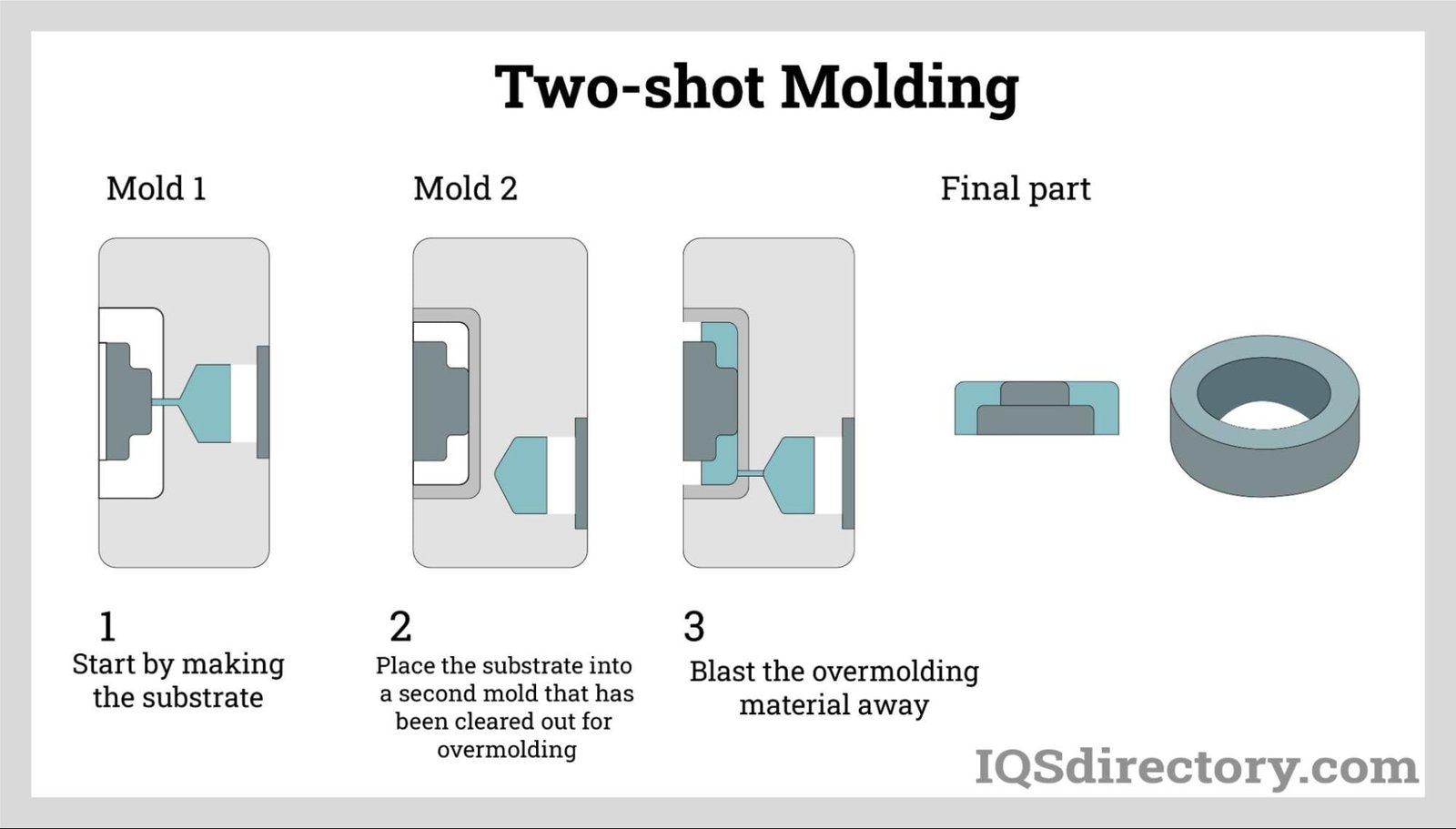
2 component injection molding—also called two-shot, dual-shot or overmolding—injects two distinct materials or colors into a single mold cavity in sequence to produce a chemically or mechanically bonded, unified part. The first material (substrate) is molded, indexed or rotated into a second cavity, then the second material (overmold) is injected around or onto it, creating a permanent bond without adhesives or fasteners.
Typical applications include soft-touch grips on power tools, sealed gaskets in automotive sensors, multi-color housings for consumer electronics, and medical-device interfaces where ergonomics and biocompatibility must coexist. Buyers choose 2 component injection molding to eliminate secondary operations, reduce labor cost by 30–50%, improve bond reliability and achieve design features—color contrast, tactile zones, integrated seals—impossible with single-shot processes.
The process solves three critical problems: it eliminates assembly-line variability, guarantees material compatibility through controlled melt temperatures, and delivers repeatable tolerances across high-volume production runs—essential for 5G micro-connectors, NEV sensor housings and medical-grade components where dimensional stability and material traceability are non-negotiable.
2. Evolution and History of 2 Component Injection Molding
2 component injection molding emerged in the mid-1960s when European machinery builders began experimenting with sequential multi-material shots to bond dissimilar polymers in a single cycle. By the late 1970s, rotary-platen machines enabled reliable indexing of the first-shot part into a second cavity, cutting cycle time and improving bond strength.
Automotive interiors drove commercial adoption in the 1980s—soft-touch grips, instrument-panel overlays and sealed switches required permanent elastomer-to-rigid bonds that adhesive assembly could not match. Electronics miniaturization in the 1990s pushed tolerances tighter; connector housings with integrated seals demanded +/-0.01 mm positional accuracy and material compatibility verified through thermal cycling.
Medical-device regulations after 2000 accelerated biocompatible material pairings—silicone-to-polycarbonate syringe components and TPE-overmolded catheter hubs—while core-back and slide-indexing systems unlocked complex geometries previously requiring secondary operations. Today’s rotary and shuttle machines, paired with precision mold design holding +/-0.002 mm tolerances, deliver the repeatability and material traceability that OEM procurement teams require for high-volume programs.
3. Types of 2 Component Injection Molding Processes
Four distinct process architectures dominate 2 component injection molding, each optimized for different part geometries, volume targets and tooling budgets. Matching the right variant to your product’s undercuts, bond-line complexity and cycle-time requirements directly impacts unit cost and quality stability.
Rotary-Platen (Turntable) Systems
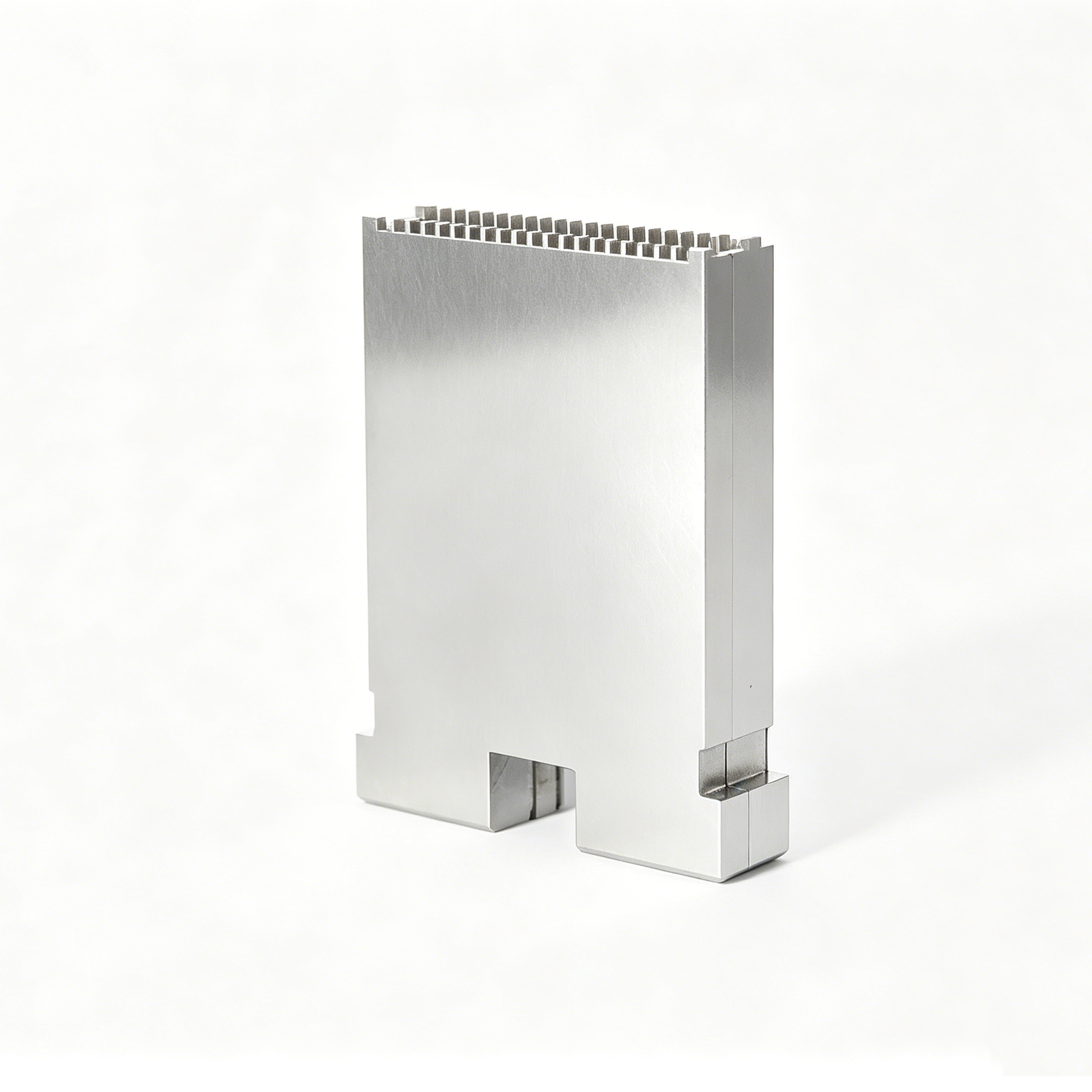
A rotating table indexes the first-shot part 180° into the second cavity. Cycle time is fast — typically 20–40 seconds — because both barrels inject simultaneously on separate halves. Tooling complexity is moderate; the mold requires two mirror cavities and precise platen alignment to +/-0.01 mm.
Ideal for high-volume parts with simple overmolds: grips, seals and two-tone housings where bond area is planar and undercuts are minimal.
Core-Back (In-Mold Indexing)
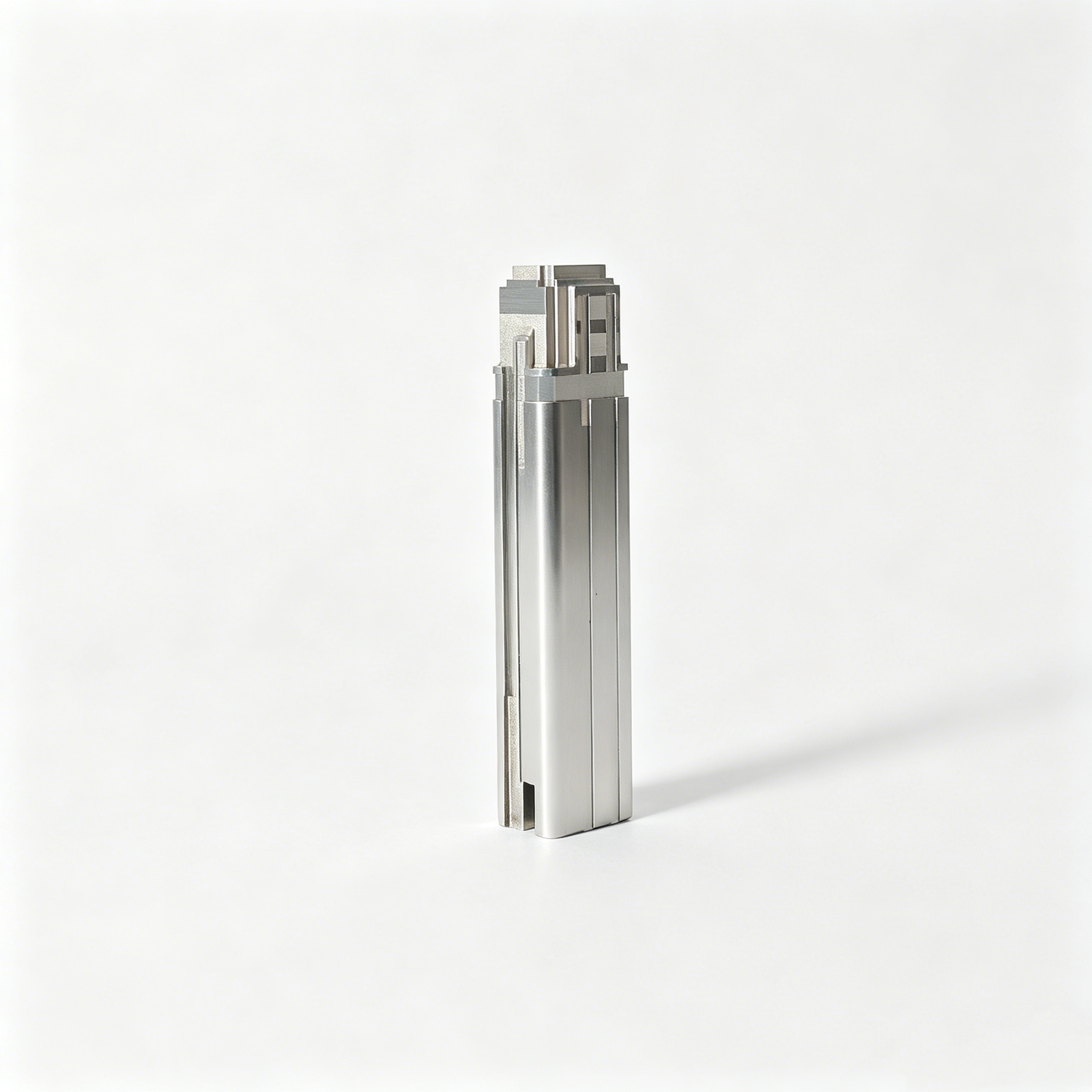
The core retracts after the first shot, creating space for the second material to encapsulate or fill voids. Cycle time adds 5–15 seconds for core movement. Tooling is more complex — hydraulic or cam-driven actuators and tight core-to-cavity clearances (≤0.005 mm) are critical.
Best suited for parts with deep undercuts, snap fits or internal channels where the second material must flow behind the first substrate.
Transfer (Robot or Pick-and-Place)
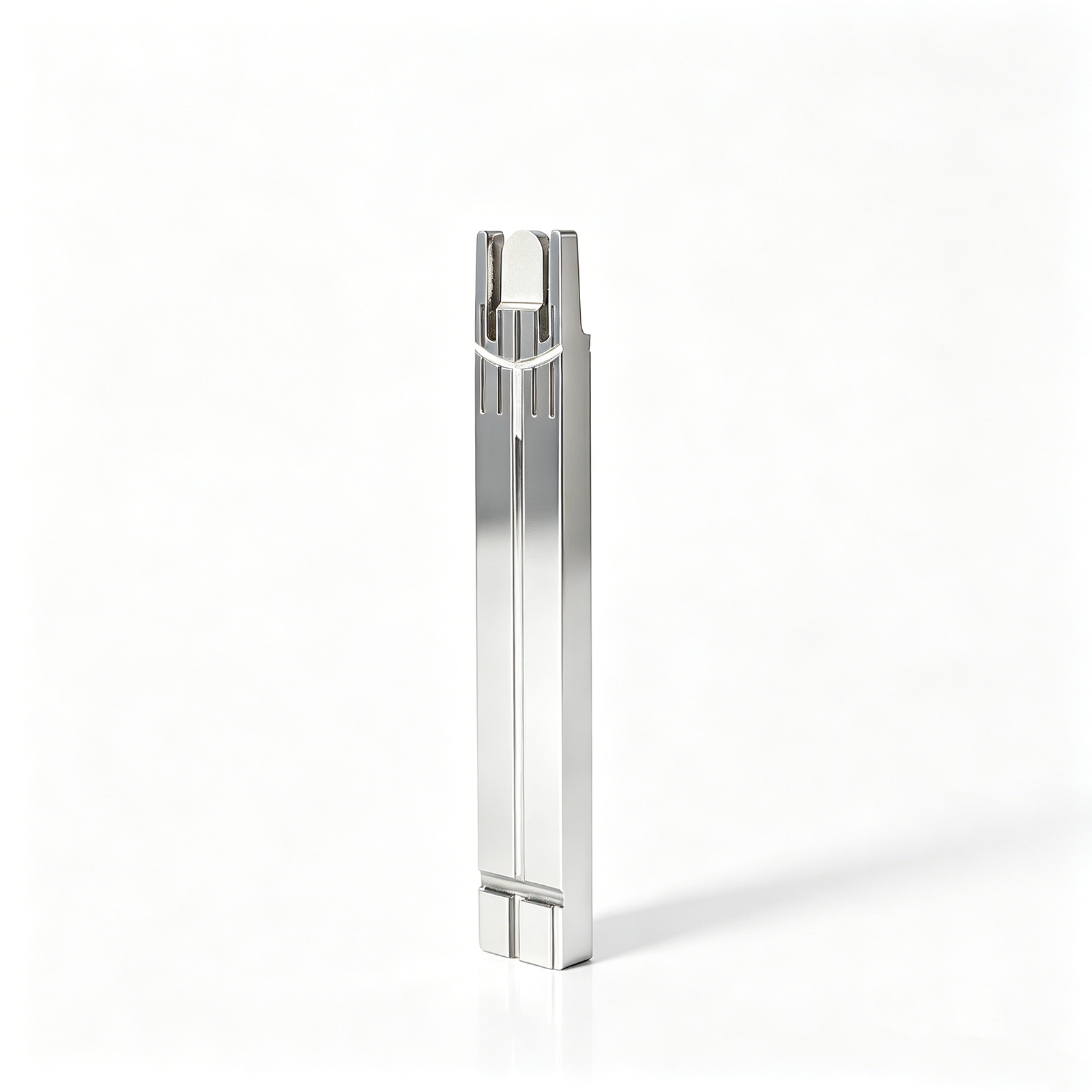
A robot or operator moves the first-shot part from one press to a second machine. Cycle time is longest — 40–90 seconds — but tooling cost is lowest because each mold is single-cavity. No platen indexing or core actuation is required.
Recommended for low-to-medium volumes, prototype validation or parts with asymmetric geometries that cannot rotate or index cleanly.
Multi-Barrel Sequential Injection
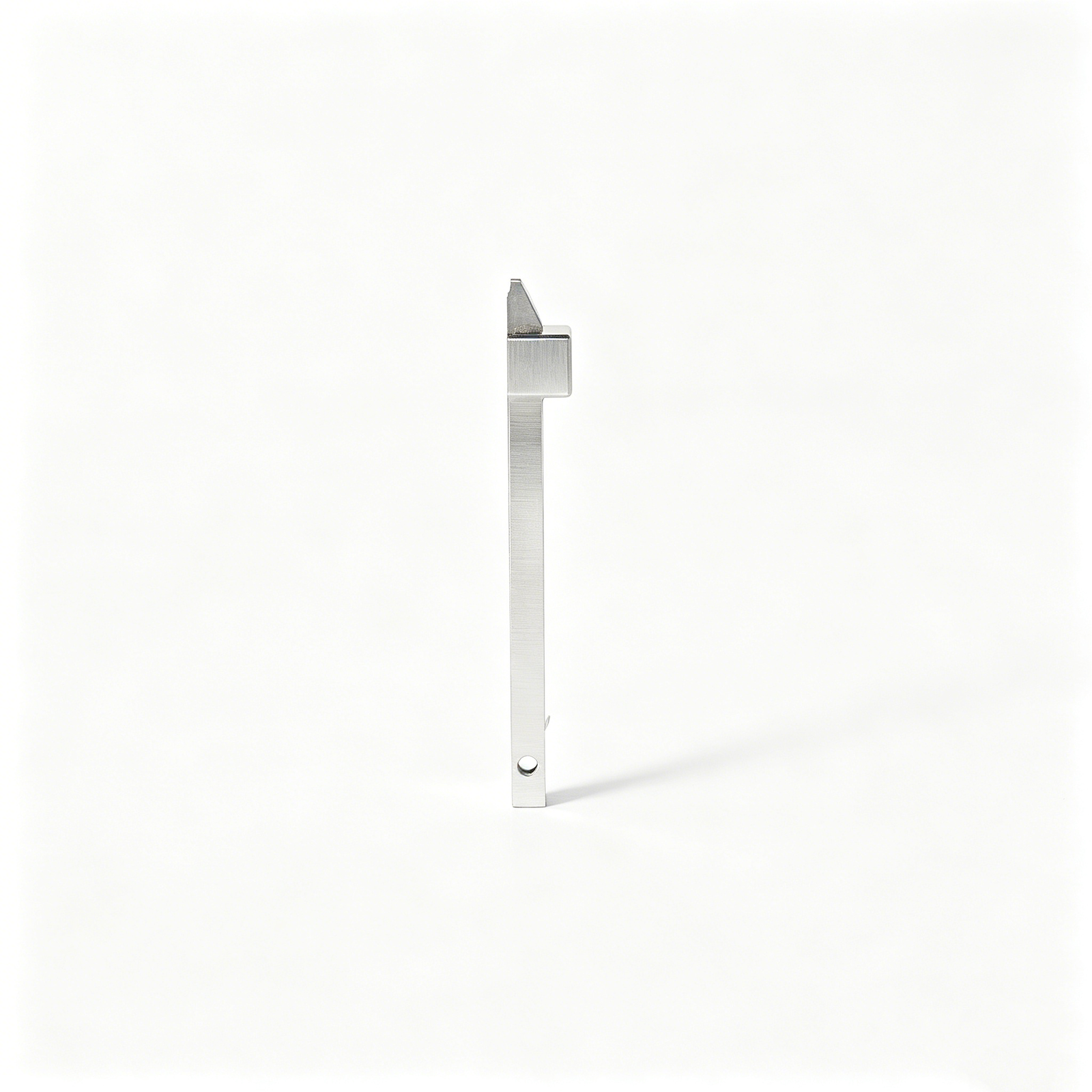
Two barrels inject into a single cavity in timed sequence without part movement. Cycle time is competitive — 25–50 seconds — and the mold is simpler than rotary designs. Gate placement and melt-front coordination are critical to prevent cold joints.
Optimal for co-injection, marbled aesthetics or parts where material A must remain centered and material B forms the skin or outer layer.
4. Materials and Compatibility in 2 Component Injection Molding
Material compatibility determines bond strength, production yield and part lifespan in 2 component injection molding. Substrate-overmold pairing drives whether adhesion occurs through chemical bonding (polar groups reacting at the interface) or mechanical interlocking (the second shot flowing into micro-textures on the first). Poor compatibility triggers delamination, raising scrap rates by 15–40% and extending cycle times through rework.
| Material Pair | Bond Type | Typical Applications | Temp. / Chem. Resistance |
|---|---|---|---|
| PC + TPE/TPU | Chemical + mechanical | Mobile housings, handheld grips | –40 to +105 °C, moderate oils |
| ABS + TPE | Mechanical interlocking | Automotive interior trim, tool handles | –20 to +80 °C, limited solvents |
| PP + EPDM | Mechanical (surface prep) | Automotive seals, outdoor enclosures | –40 to +120 °C, excellent UV/ozone |
| Nylon (PA) + Silicone | Mechanical (primer often) | Medical catheters, high-temp seals | –60 to +200 °C, biocompatible |
| PC + Silicone | Primer-assisted | LED optics, wearable sensors | –40 to +150 °C, UV stable |
5. Customization and Design Options for 2 Component Injection Molding
Dual-shot molding unlocks design freedom that single-material processes cannot match. By combining dissimilar polymers in one cycle, buyers eliminate secondary painting, bonding and assembly — while achieving color contrast, integrated seals, tactile grips and translucent light-pipes over opaque housings.
Aesthetic and Functional Differentiation
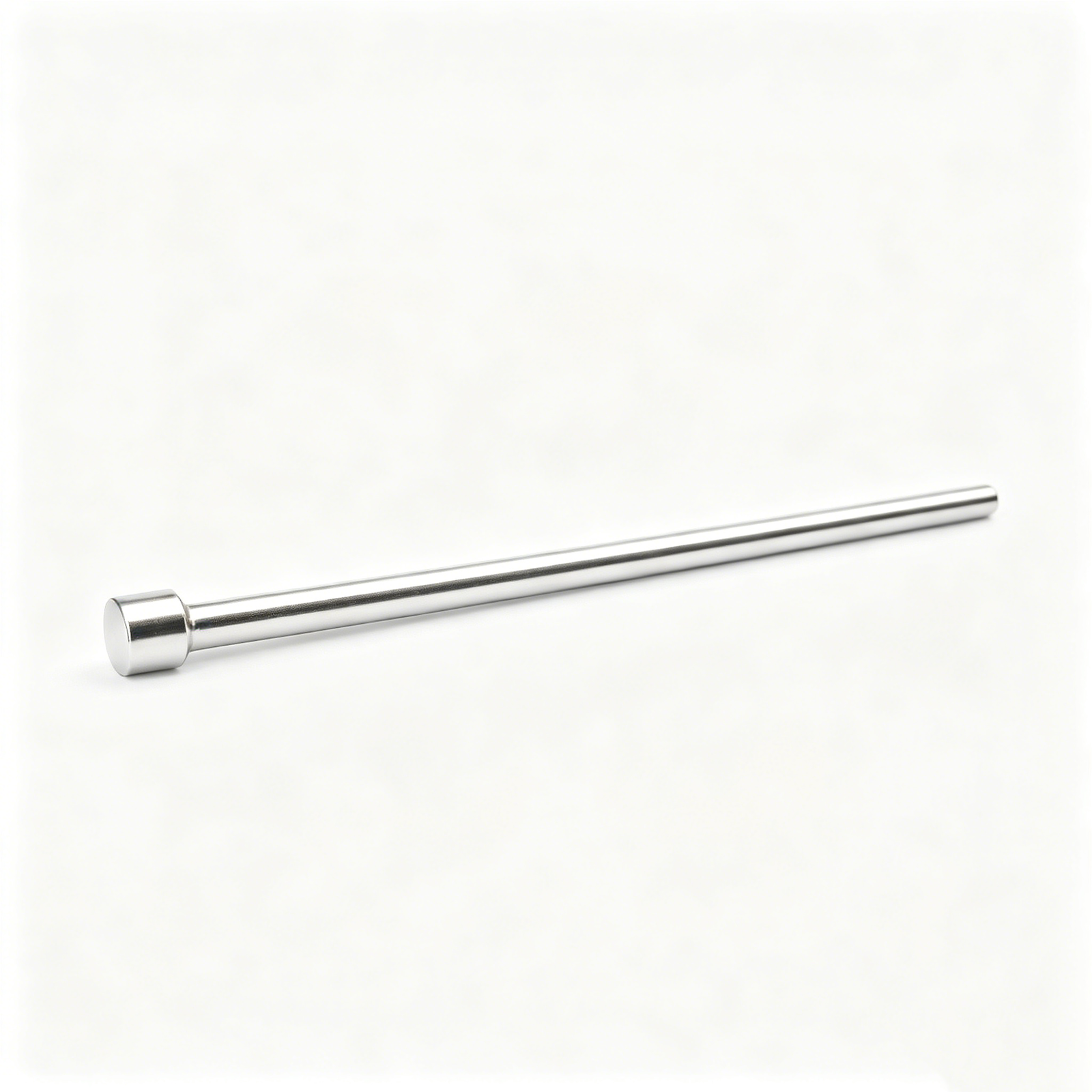
Color contrast without painting is the most visible advantage: hard PC housings paired with soft TPE logos or accent bands create premium brand identity in consumer electronics and automotive interiors. Translucent light-pipes molded over opaque bases enable backlighting in control panels and medical HMIs without secondary assembly.
Integrated seals and tactile zones — soft TPE grips over rigid ABS frames — deliver IP65+ ingress protection and ergonomic differentiation in power tools, handheld instruments and wearable devices, all in a single mold cycle.
Gate Placement and Parting-Line Aesthetics
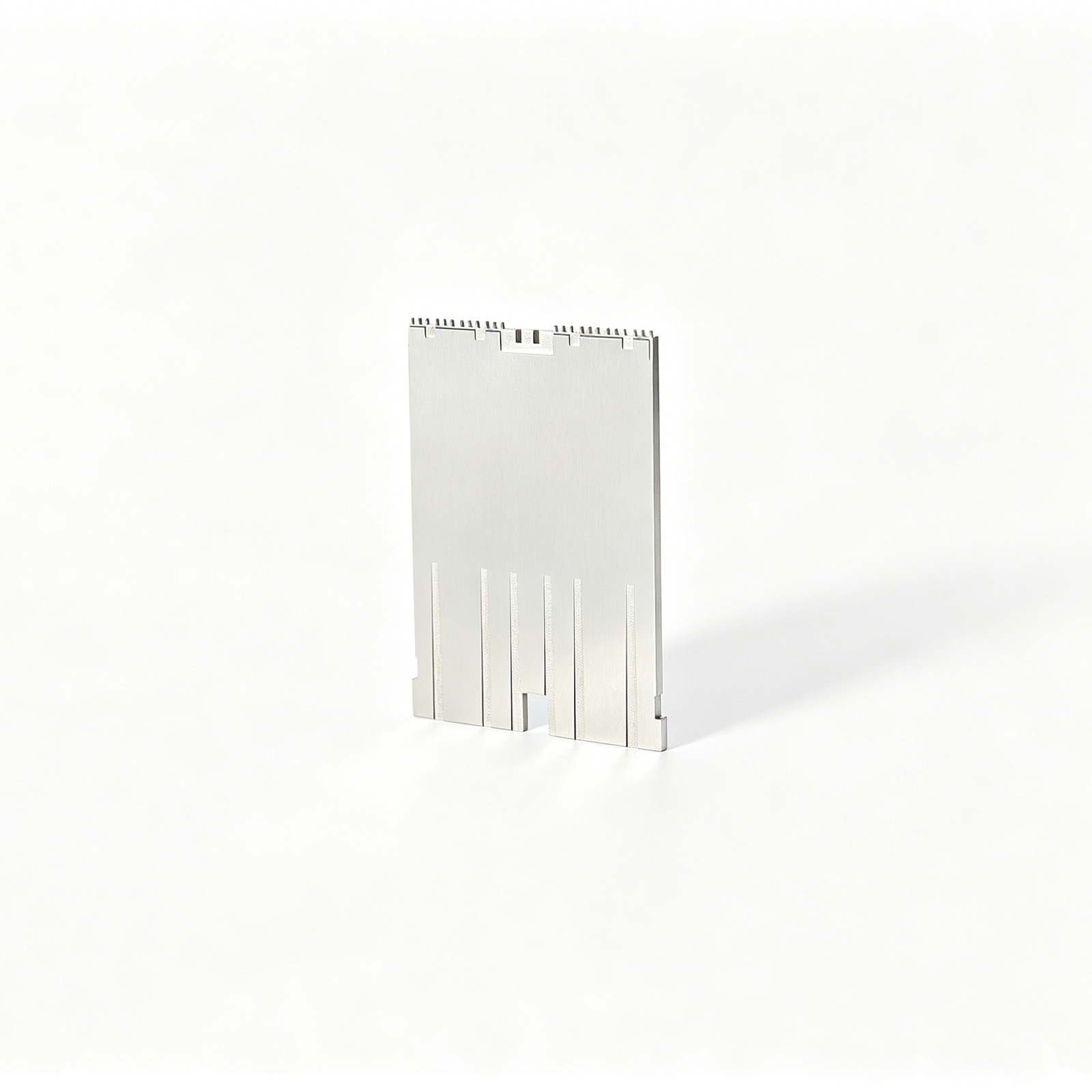
Gate location for the first shot dictates visible witness marks; XUXIANG’s DFM reviews position gates on non-cosmetic faces or within the second-shot overmold envelope to hide them. Parting-line placement must account for both shots: draft angles typically 1–3° per side ensure clean ejection, while wall-thickness transitions between materials require gradual taper to prevent sink marks and stress concentration.
Secondary Decoration and DFM Reviews
Laser etching and in-mold decoration (IMD) add serial numbers, icons or branding without post-molding operations. XUXIANG’s 10+ engineering experts conduct DFM analysis before tool fabrication, flagging undercuts, draft violations and incompatible material pairings that would otherwise trigger costly mold rework and delay production by weeks.
6. Key Quality and Construction Elements in 2 Component Injection Molding
Quality failures in 2 component injection molding — flash, delamination, voids — trace back to five measurable control points. Reliable suppliers invest in micron-level alignment systems, real-time shot monitoring, and bond-strength validation; risky ones skip documentation and rely on visual inspection alone.
Mold Alignment and Registration Tolerance
Multi-shot molds demand +/-0.002 mm or tighter alignment between cavities to prevent flash at the bond interface. XUXIANG uses ZEISS MICURA CMM verification (0.7 µm resolution) and Sodick slow-wire EDM to hold +/-0.002 mm class positioning on core inserts.
Misalignment of even 5 µm can cause material overflow or gaps. Request CMM inspection reports showing core-to-core registration and ask whether the supplier validates alignment after every mold setup.
Shot-Weight Repeatability and In-Cavity Sensors
Consistent shot weight — typically +/-0.5 % or better — ensures uniform bond thickness and mechanical strength. Process-capable suppliers use closed-loop injection control and in-cavity pressure sensors to detect fill variations in real time.
Without live monitoring, voids and short shots go undetected until final inspection. Ask for process capability (Cpk) data on shot weight and whether the press logs cavity pressure for every cycle.
Material Drying, Bond-Strength Testing, and Documentation
Hygroscopic resins (PA, PC, TPU) must be dried to < 0.02 % moisture to prevent hydrolysis and weak bonds. XUXIANG's five-step QC flow includes material spectral analysis, in-process tolerance monitoring, and final FAI documentation with material certificates.
Request ISO 9001:2015 certification, material traceability records, peel or tensile bond-strength test reports (ASTM D429 / ISO 813), and DFM feedback documentation before committing to production tooling.
7. How to Choose a 2 Component Injection Molding Manufacturer
Selecting a 2 component injection molding partner requires evaluating both technical capability and operational discipline. A supplier’s machine park, mold-design expertise, quality certifications and post-production support determine whether your program ships on time and in spec.
Machine Park and Process Capability
Verify the supplier operates dedicated two-shot or overmolding machines with rotary-platen or shuttle-table configurations. Tonnage range (50–500 tons) and barrel count (two or more) define material compatibility and part-size limits. Ask for machine brand (Arburg, Engel, Sodick) and shot-weight capacity to confirm alignment with your design envelope.
Mold Design and Simulation Services
Leading partners provide CAE simulation (Moldflow, Moldex3D) and material-flow analysis before tooling kickoff. DFM feedback from experienced engineers catches gate placement, bond-line and ejection issues early. XUXIANG assigns 10+ engineering experts to pre-production DFM, reducing costly tool revisions and accelerating time to first article.
Quality Systems and Certifications
ISO 9001:2015 is baseline; IATF 16949 signals automotive-grade process control, and ISO 13485 is mandatory for medical devices. Confirm the supplier maintains CMM capability (ZEISS or equivalent), material traceability and FAI documentation. Request sample inspection reports to validate metrology depth and tolerance-monitoring protocols.
8. Common Mistakes Buyers Make with 2 Component Injection Molding
Even experienced buyers stumble on 2 component injection molding because dual-shot tooling and material bonding introduce risks that single-material projects never face. A single oversight — incompatible polymers, vague bond-line tolerances or skipped validation — can trigger scrap rates above 15 % and delay production by weeks.
Selecting Incompatible Material Pairs Without Bond Testing
Pairing PC and TPE without verifying chemical compatibility can result in delamination under thermal cycling or humidity exposure. Bond strength varies widely: PC/TPE may achieve 8–12 N/mm peel strength, while PC/PP often fails below 2 N/mm without surface treatment.
Preventive action: Request a bond-peel test coupon before committing to tooling. XUXIANG’s DFM team evaluates material datasheets and recommends plasma treatment or adhesion promoters when pairing dissimilar polymers, preventing costly post-launch failures.
Underestimating Tooling Costs and Lead Times
Two-shot molds require rotating platens, precision alignment and dual cavities, pushing lead times 4–6 weeks longer than single-shot tools and costs 40–70 % higher. Buyers who budget for conventional tooling face budget overruns and schedule slips.
Preventive action: Factor rotary-table or core-back mechanisms into your timeline and budget. XUXIANG provides itemized tooling quotes with EDM, slow-wire and alignment-pin details, so buyers see true costs before PO issuance.
Ignoring DFM Feedback and Triggering Mold Revisions
Undercuts, thin walls below 0.6 mm or bond interfaces lacking draft angles force mid-build mold changes that add CNY 15,000–50,000 and 2–3 weeks. Ignoring DFM red-flags is the leading cause of T0 sample rejection.
Preventive action: Engage engineering review during the RFQ phase. XUXIANG’s 10+ mold-design specialists flag geometry conflicts, suggest gate repositioning and optimize parting lines before steel is cut, eliminating revision loops.
Failing to Specify Bond-Interface Tolerances
Vague callouts like ‘good bond’ leave molders guessing; without a defined peel-strength minimum or overlap dimension (typically 0.5–1.5 mm), you risk functional failure or cosmetic mismatch at the seam.
Preventive action: Specify peel strength (N/mm), overlap width and surface-finish requirements (Ra ≤ 0.8 µm) on your drawing. XUXIANG validates bond zones with ZEISS CMM scans to ±0.001 mm, ensuring repeatable, documented interface quality.
Skipping Pre-Production Validation Runs
Launching mass production without T1 samples and process validation invites cavity-to-cavity variation, short shots on the second material and cosmetic defects that only appear at scale.
Preventive action: Require a pilot run of 50–200 parts with full dimensional and peel-test reports. XUXIANG’s five-step QC flow — material spectral analysis, in-process monitoring, CMM verification, surface checks and FAI documentation — catches process drift before you commit to volume orders.
9. Steps to Launch Your Product with 2 Component Injection Molding
Launching a 2 component injection molding program requires six distinct phases, each with defined deliverables and buyer sign-offs. Total elapsed time from PO to full-scale production typically spans 8–14 weeks, depending on part complexity and material selection.
Concept and Material Feasibility Study
XUXIANG’s engineering team reviews your application requirements — bond strength, chemical resistance, temperature range — and recommends compatible material pairs (e.g., PC/TPU, PA66/TPE). This 2–3 day study confirms moldability, cycle-time estimates and cost targets.
Buyer responsibility: provide application environment data, expected annual volume and target unit cost.
3D CAD and DFM Review
Two-shot molds require rotating platens, precision alignment and dual cavities, pushing lead times 4–6 weeks longer than single-shot tools and costs 40–70% higher. Buyers who budget for conventional tooling face overruns and schedule slips.
Preventive action: Factor rotary-table or core-back mechanisms into your timeline and budget from day one. XUXIANG provides itemized tooling quotes with EDM, slow-wire and alignment-pin details, so buyers see true costs before PO issuance.
Prototype Tooling and Sample Approval
A single-cavity or two-cavity prototype mold, machined on Sodick EDM and ZEISS-verified to +/-0.002 mm, delivers 10–50 T1 samples in 3–4 weeks. Samples undergo bond peel-testing and dimensional CMM inspection.
Buyer validates fit, function and cosmetics; design changes are incorporated before production steel is cut.
Production Mold Build and First-Article Inspection
Multi-cavity production tooling (4-, 8- or 16-cavity) is fabricated over 4–6 weeks, integrating conformal cooling, hardened core pins and precision ejector systems. First-article parts receive full FAI documentation — material certs, ZEISS CMM reports, surface-finish readings — per ISO 9001:2015.
Payment milestone: 40% upon mold trial approval.
Pilot Run and Process Validation
A 500–2,000 piece pilot run validates cycle stability, scrap rate and bond consistency. XUXIANG monitors shot-to-shot variation and optimizes injection pressure, barrel temperature and cooling time.
Buyer receives process-capability data (Cpk ≥ 1.33 target) and approves ramp to volume; final 30% payment due before shipment.
Full-Scale Production and Quality Monitoring
Volume production begins with in-process tolerance checks every 2 hours and random CMM audits. XUXIANG’s Quanzhou expansion supports 200% higher throughput, cutting lead times roughly 30% below industry norms.
Ongoing buyer role: forecast updates, engineering-change orders and quarterly quality reviews.
10. Pricing and Cost Factors for 2 Component Injection Molding
2 component injection molding costs split into five drivers: tooling (typically $15,000–$65,000 depending on cavitation, indexing mechanism and core complexity), material ($3–$12/kg for engineering-grade TPE, PC/ABS or LSR pairs, plus 4–8% scrap), cycle time (20–40% longer than single-shot due to indexing and dual-cure phases), machine hourly rate ($45–$95/hr for rotary-platen or core-back presses) and metrology (ZEISS CMM validation adds $0.08–$0.25/part at low volume). Design choices directly impact unit economics: reducing wall thickness from 2.5 mm to 1.8 mm cuts material cost by ~18%, while eliminating one undercut can lower tooling by $3,000–$8,000.
XUXIANG’s DFM review with 10+ engineering experts identifies cost-reduction opportunities before tooling kickoff, and the ZEISS MICURA CMM (0.7 µm resolution) ensures first-article approval without rework loops. Tooling amortization drops sharply above 5,000 units; at 50,000-piece annual volume, mold cost per part falls below $0.30 for most connector and sensor-housing programs.
| Quantity Tier | Tooling Amortized ($/unit) | Material + Cycle ($/unit) | Lead Time (weeks) |
|---|---|---|---|
| 500 units | $30.00–$130.00 | $2.80–$6.50 | 6–8 |
| 5,000 units | $3.00–$13.00 | $2.20–$5.00 | 4–6 |
| 50,000 units | $0.30–$1.30 | $1.80–$4.20 | 8–10 (production) |
Ready to Precision-Engineer Your 2 Component Injection Molding Tooling?
Quote returned in 24 hours. +/-0.001 mm precision guaranteed. Dual-factory capacity ready for your samples and production runs.